Marjane Satrapi and Vincent Paronnaud make growing up amid political upheaval funny, painful and personal. The episodes sometimes pass too quickly, but the expressive drawings and the family’s warmth make this an easy film to recommend.
Persepolis is a funny, painful account of growing up that makes room for politics without treating its young heroine as a lesson. Marjane Satrapi and Vincent Paronnaud adapt Satrapi’s graphic memoirs with a firm understanding of how much a face drawn in a few strokes can tell us. We recommend it warmly, with a reservation about how quickly some episodes pass. Its chief strength is allowing Marjane to be contradictory, including when a more flattering account would make her easier to approve of.
Revolution and war in Iran are seen through a child whose understanding of the world is still forming. Satrapi and Paronnaud give the political history enough space to be understood, but the family remains the reason to care about it. That choice keeps the film from turning into an illustrated lecture, though the compression can make the historical passages feel hurried. Marjane has her own problems, and being surrounded by greater suffering does not automatically teach her proportion.
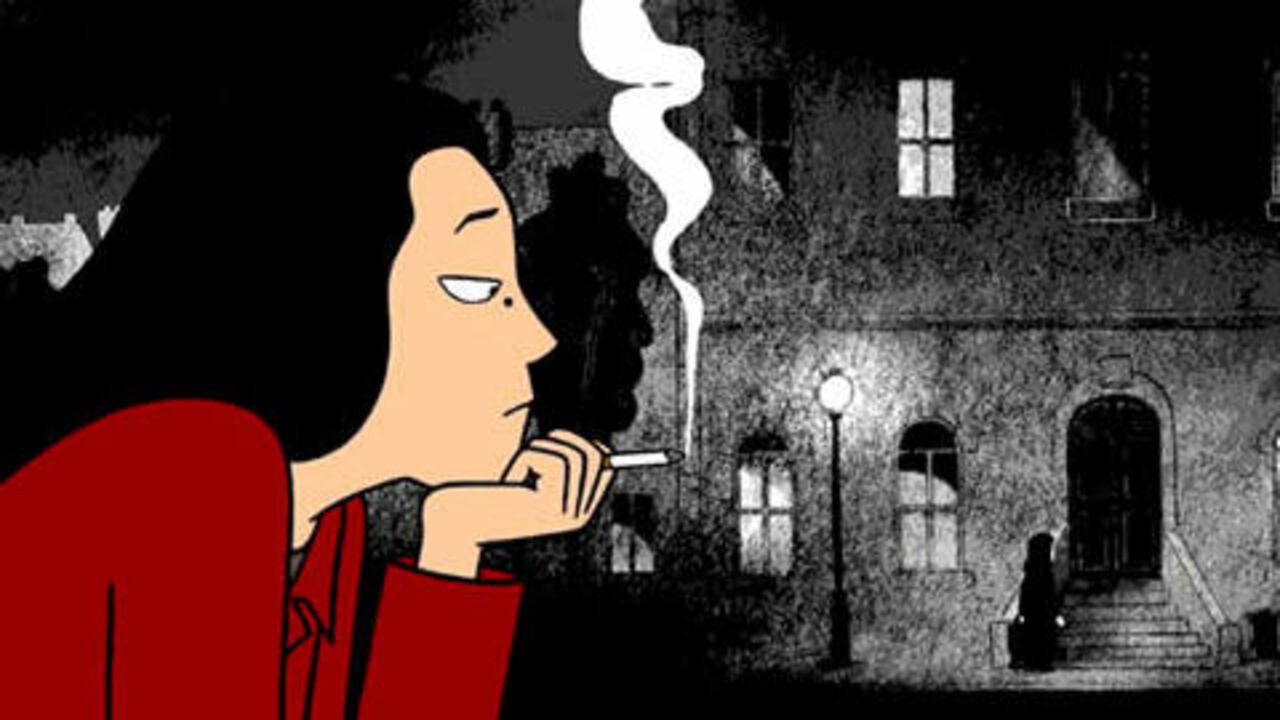
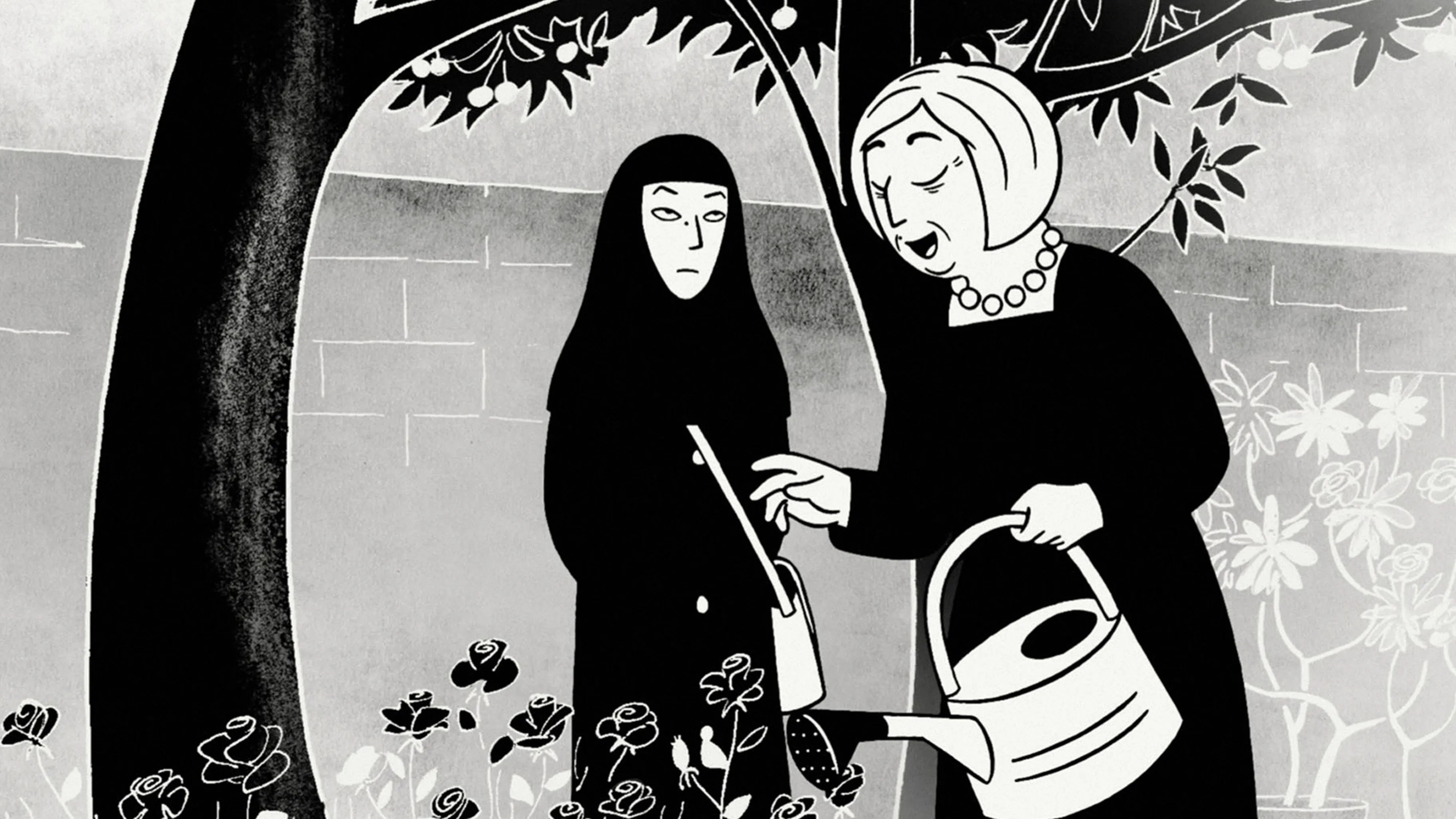
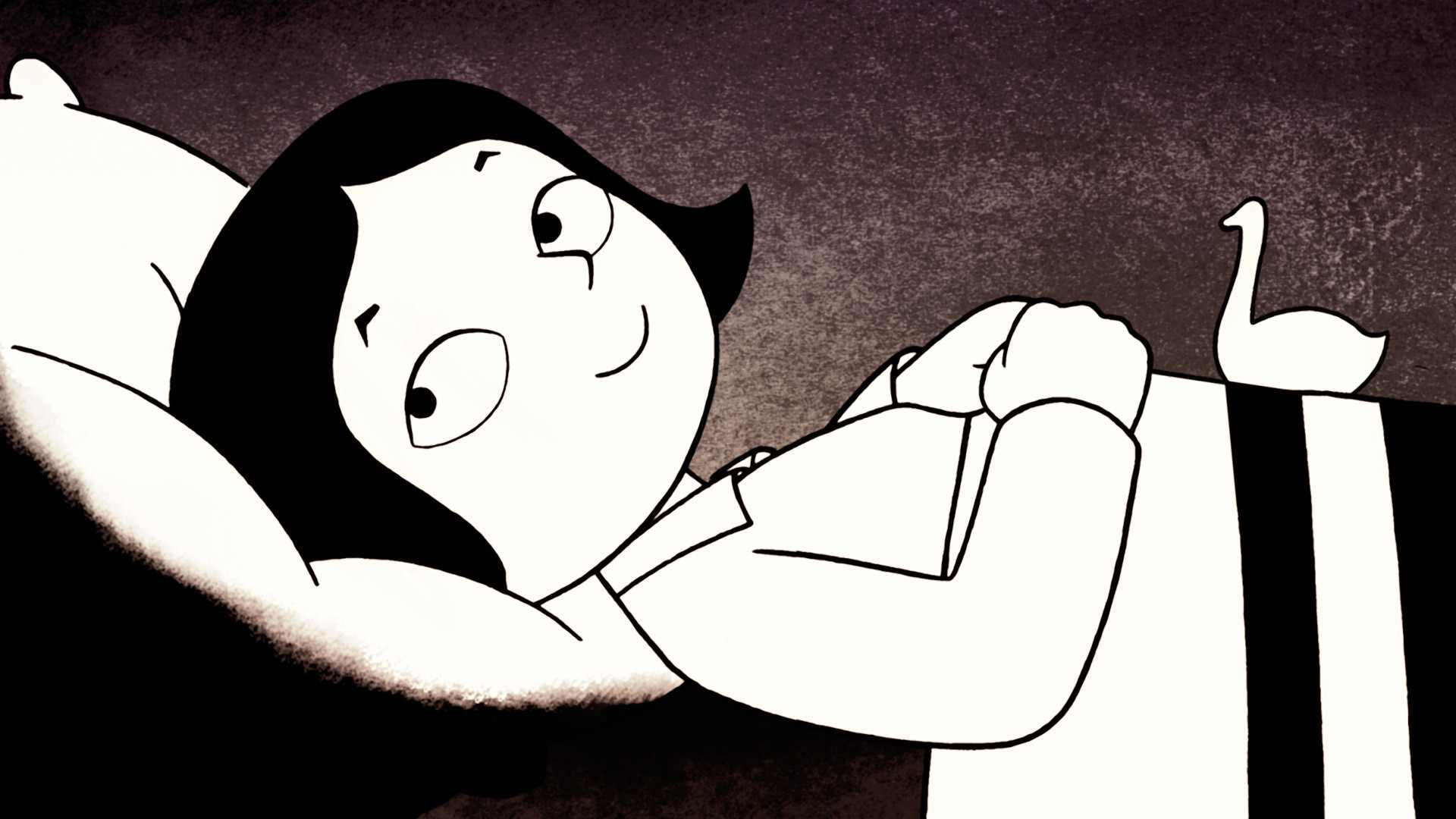
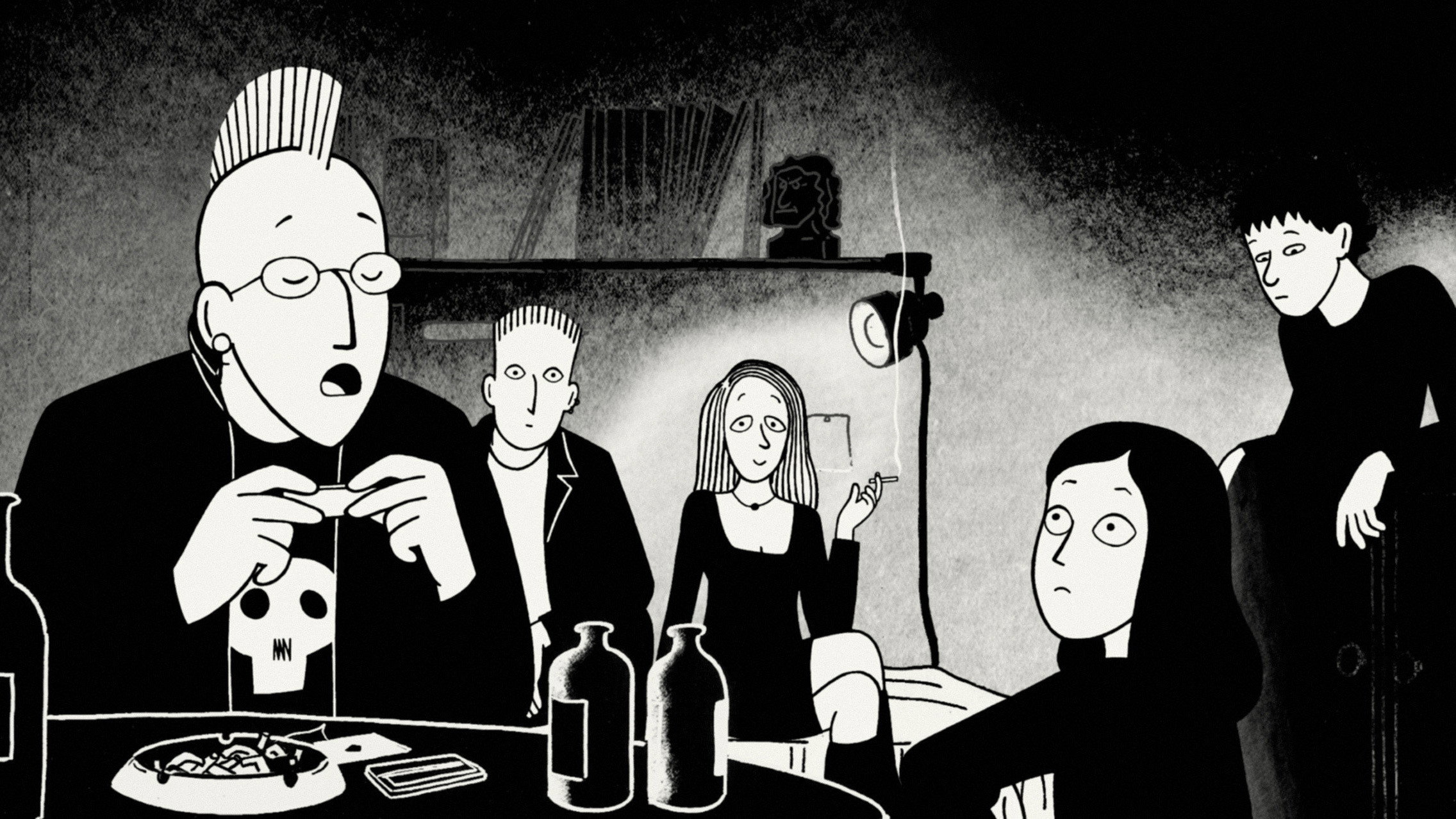
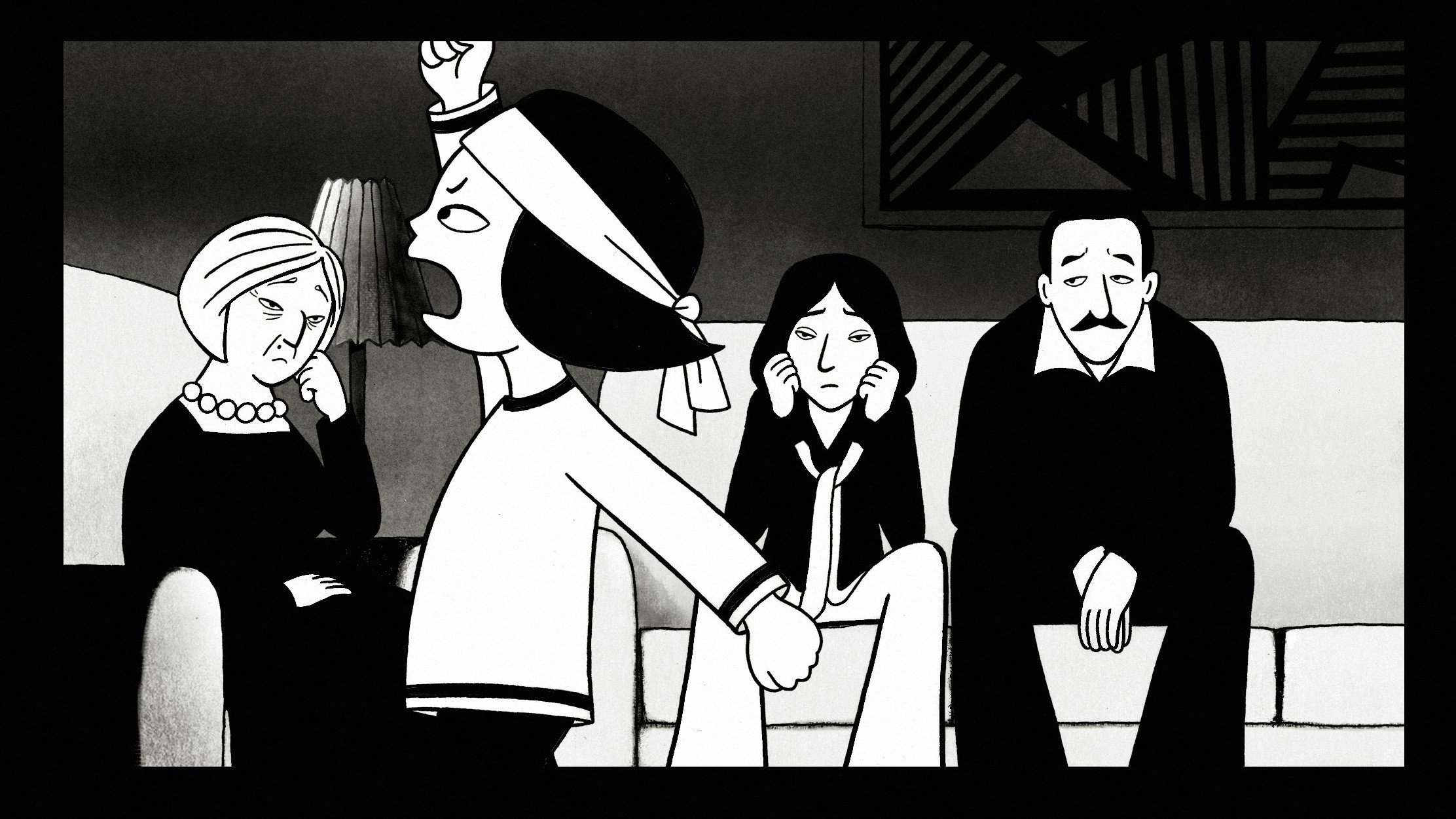
The black-and-white drawings have soft edges, and the charcoal backgrounds avoid the harshness we might expect from such a restricted palette. Zaza’s production design leaves the faces easy to read, which matters when so much depends on a small change of expression. The animation borrows the blunt shapes of political posters, then allows them to move with the flexibility of a cartoon. It is an expressive way to draw a child, giving Marjane room to look foolish or bewildered without making her seem less capable of feeling pain.
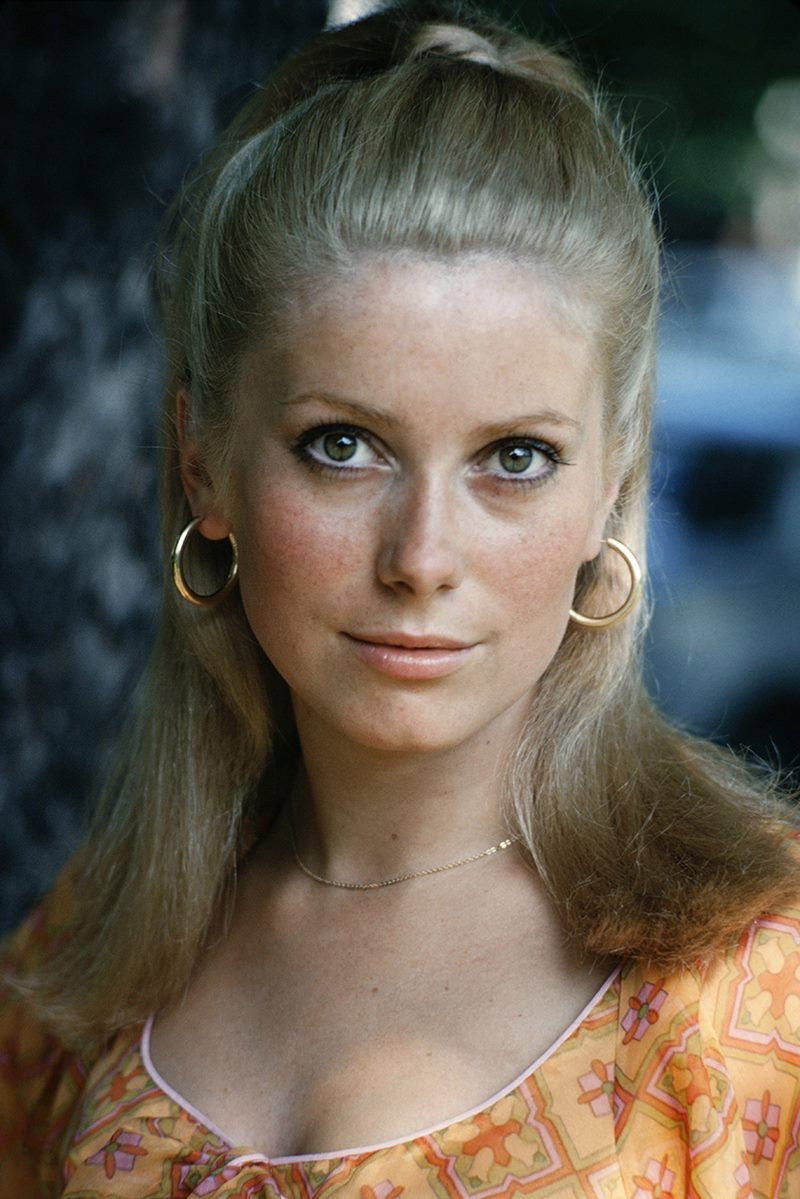
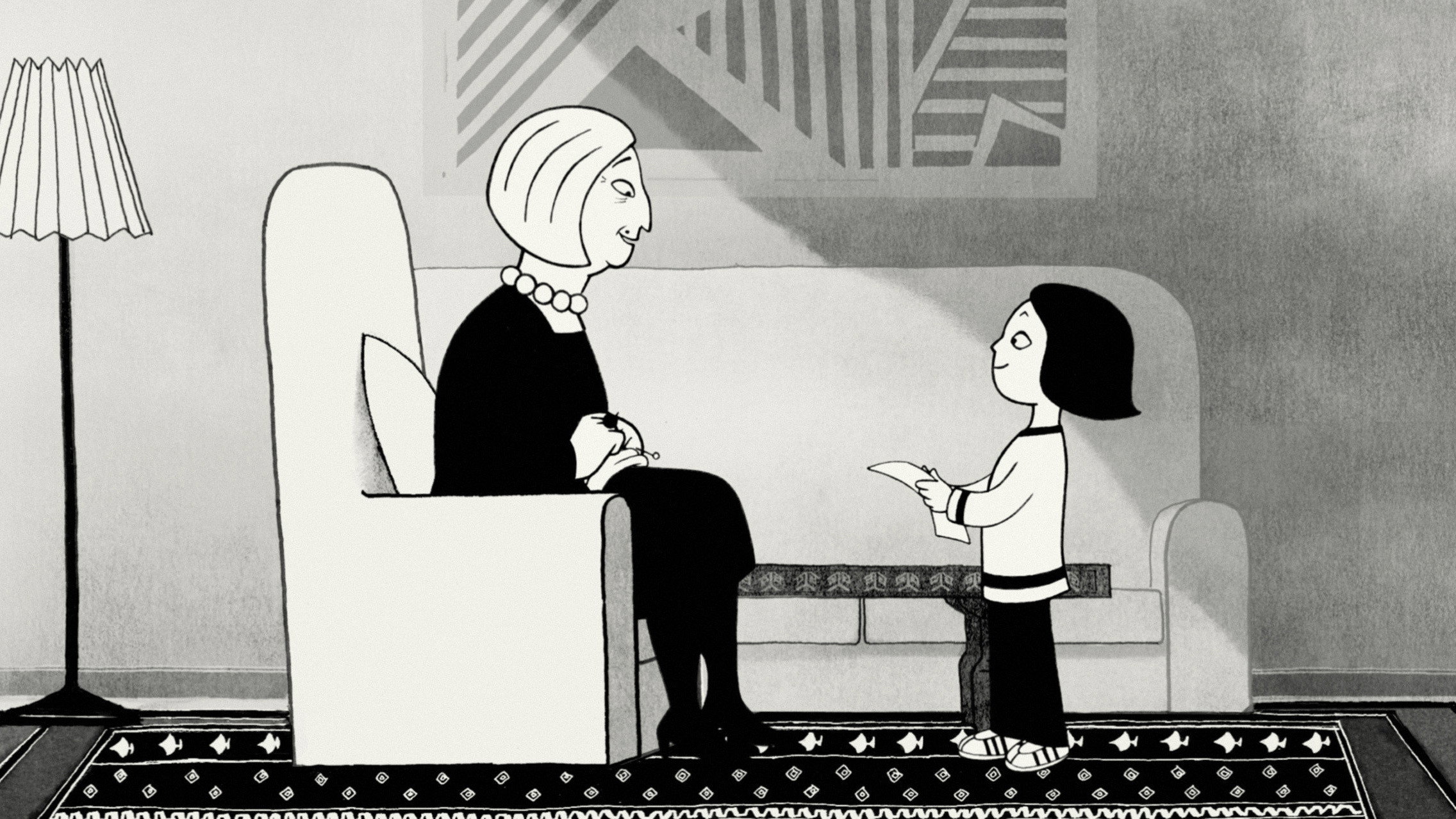
Gabrielle Lopes Benites voices the young Marjane, while Chiara Mastroianni gives the older voice enough personality to keep the historical account from sounding like a lesson being recited. Catherine Deneuve and Simon Abkarian, voicing her mother and father, help the family feel like people with their own worries. Danielle Darrieux is especially good as the grandmother, affectionate without sounding appointed to dispense wisdom. We were moved by the warmth in her voice; it makes the family’s closeness matter more than any explanation of why it should.
Stéphane Roche’s editing keeps the episodes moving, but it also leaves some of them feeling too brief. At 95 minutes, the film has plenty to accommodate, and there are points where another change in Marjane’s circumstances arrives before the previous one has settled. The abruptness is understandable in a remembered life; it is still a limitation in a drama. Olivier Bernet’s music helps the shifts between comedy and distress feel less abrupt, though it cannot give those shorter passages the time they need.
Against the habits of the coming-of-age film, Satrapi and Paronnaud’s willingness to laugh at their heroine is particularly welcome. Every youthful embarrassment need not prove that a remarkable adult was waiting to emerge, and Marjane is allowed to be awkward without immediately learning something useful. The self-deprecating humour keeps her company bearable through a story that could easily become solemn about its own importance. We can care about what happens to her without having to approve of everything she thinks. See it for the humour and the family, with patience for the occasional episode that ends too soon.