Film review

Flee

2021 · Directed by Jonas Poher Rasmussen · 1h 29m · MPA PG-13

In a sentenceA man lies on a rug and tells his friend the truth for the first time; the drawings do the flinching for him

DocumentaryAnimation

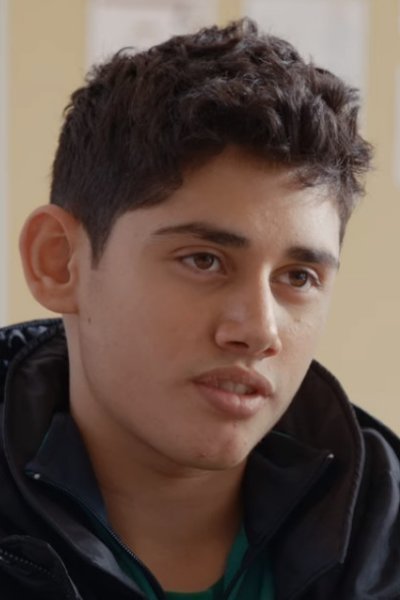
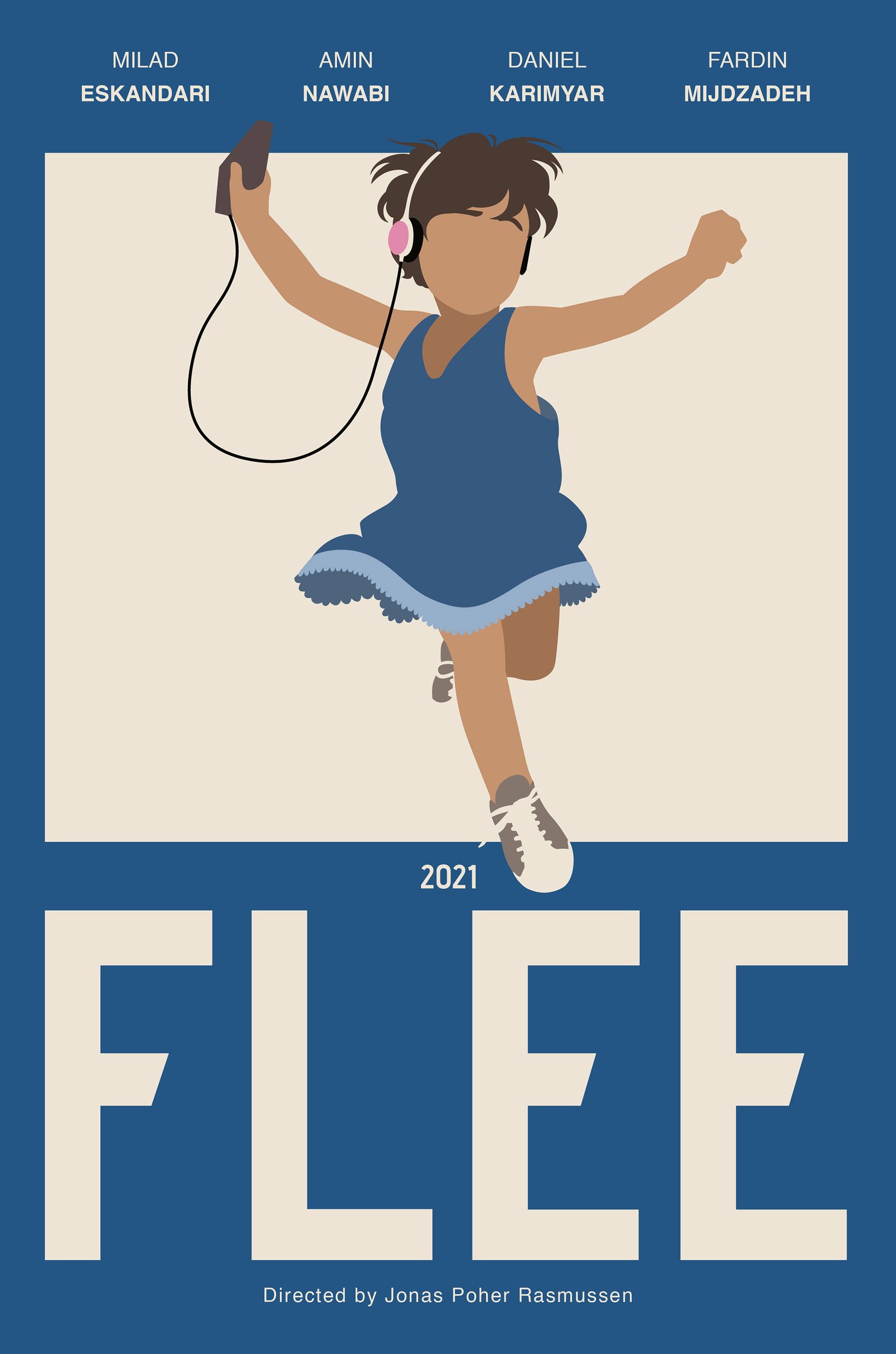
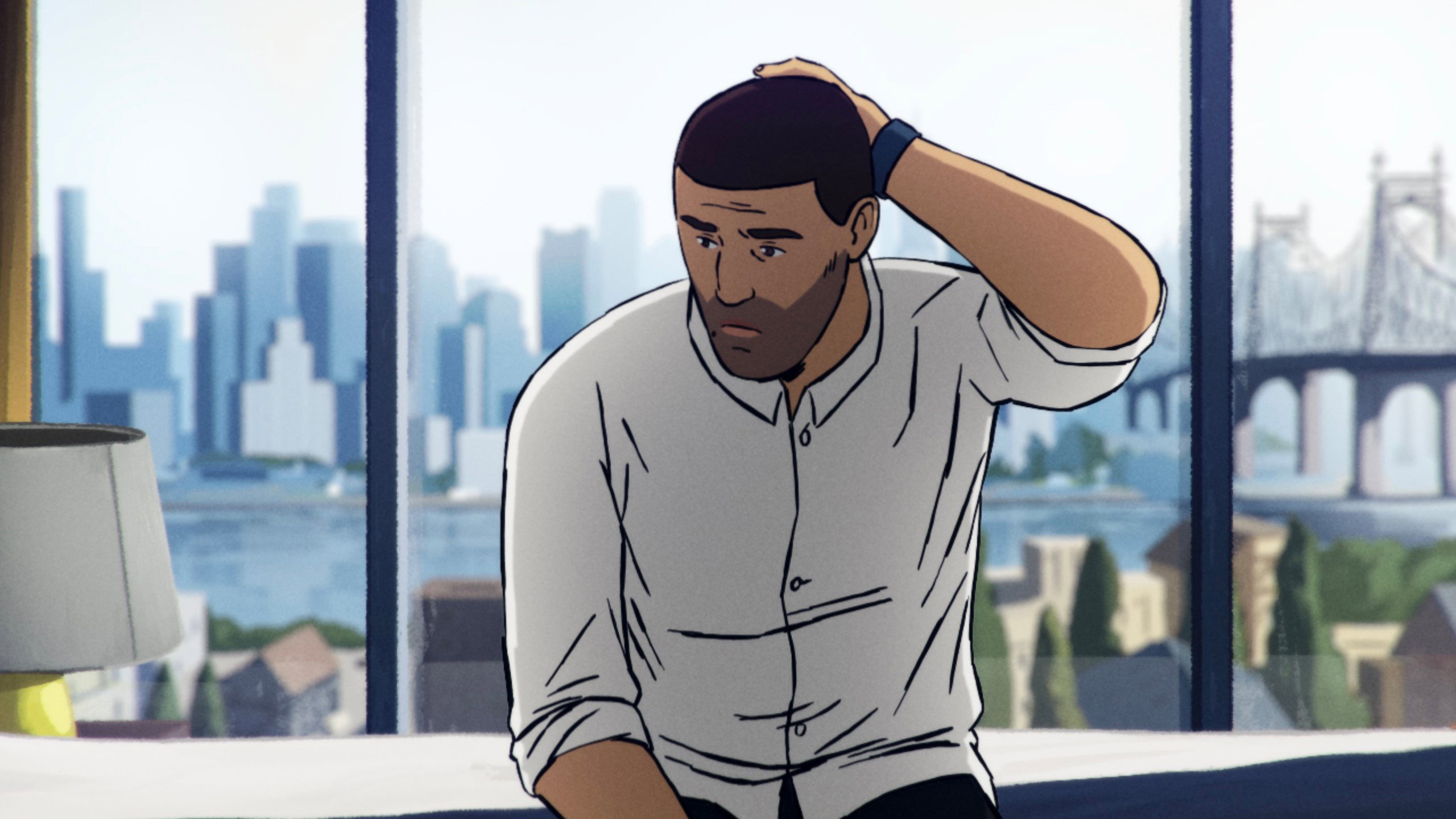
Denmark, the present day. Amin Nawabi, now grown and about to marry, lies on a rug with his eyes closed while his friend, the director Jonas Poher Rasmussen, asks him what home means. The answer starts in Kabul in the 1980s, where the nine-year-old Amin (Daniel Karimyar) runs through the streets in his sister’s dress with a-ha on his Walkman, and where his father is taken away by the government. As the city turns to war, his mother, his brother Saif (Milad Eskandari) and his sisters Fahima (Elaha Faiz) and Sabia (Sadia Faiz) take what is left of the family to Moscow. The teenage Amin (Fardin Mijdzadeh) grows up there, waiting. The film moves between the rug, the drawn past and the newsreel that recorded it.

Plays from YouTube when you press play; nothing loads from them until then.

Fi1m review

Jonas Poher Rasmussen sits his friend on a rug, asks him where home is, and draws the answer. The result is patient, frightening and far funnier than its subject suggests; the animation stiffens whenever nobody is in danger, and it hardly matters.

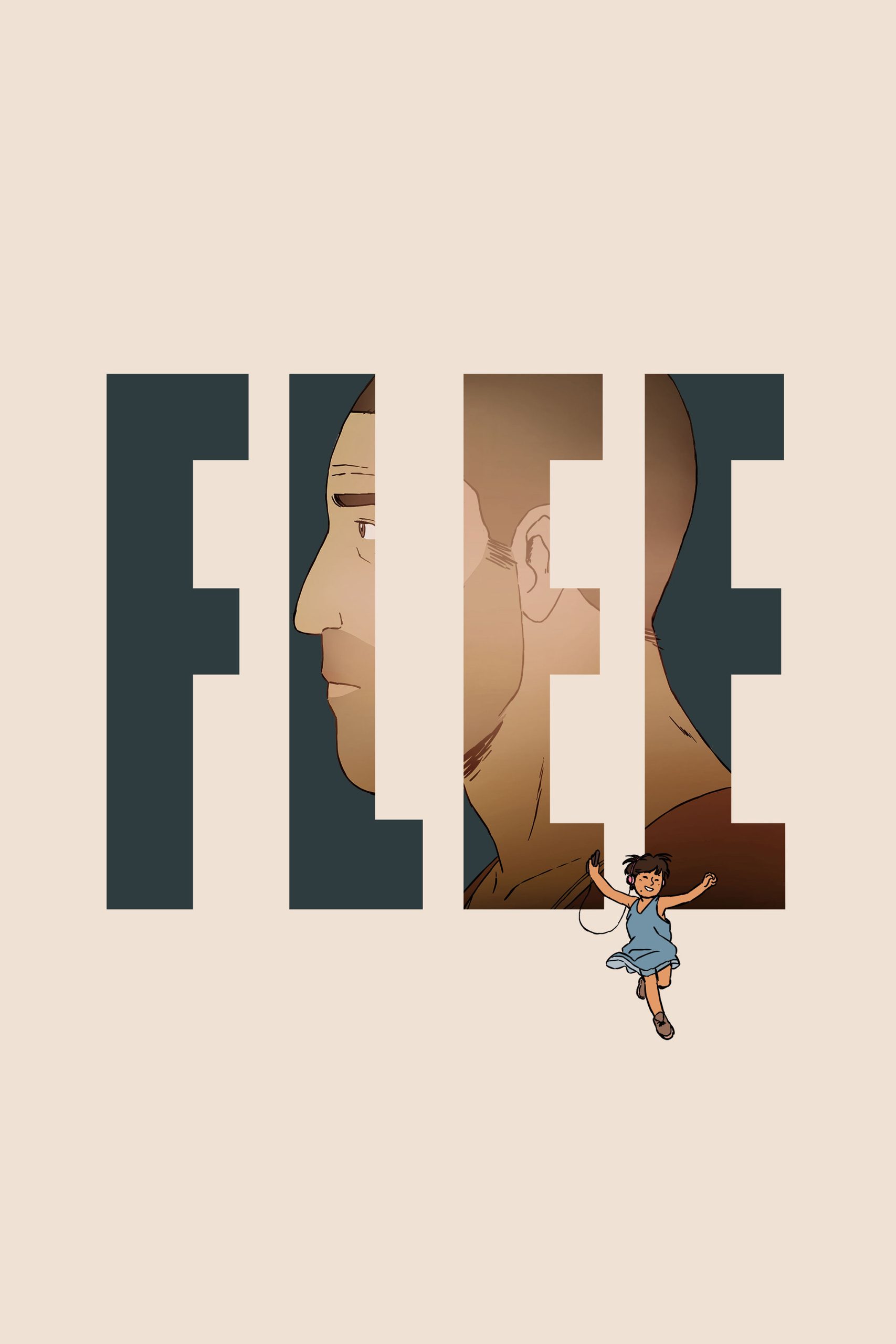
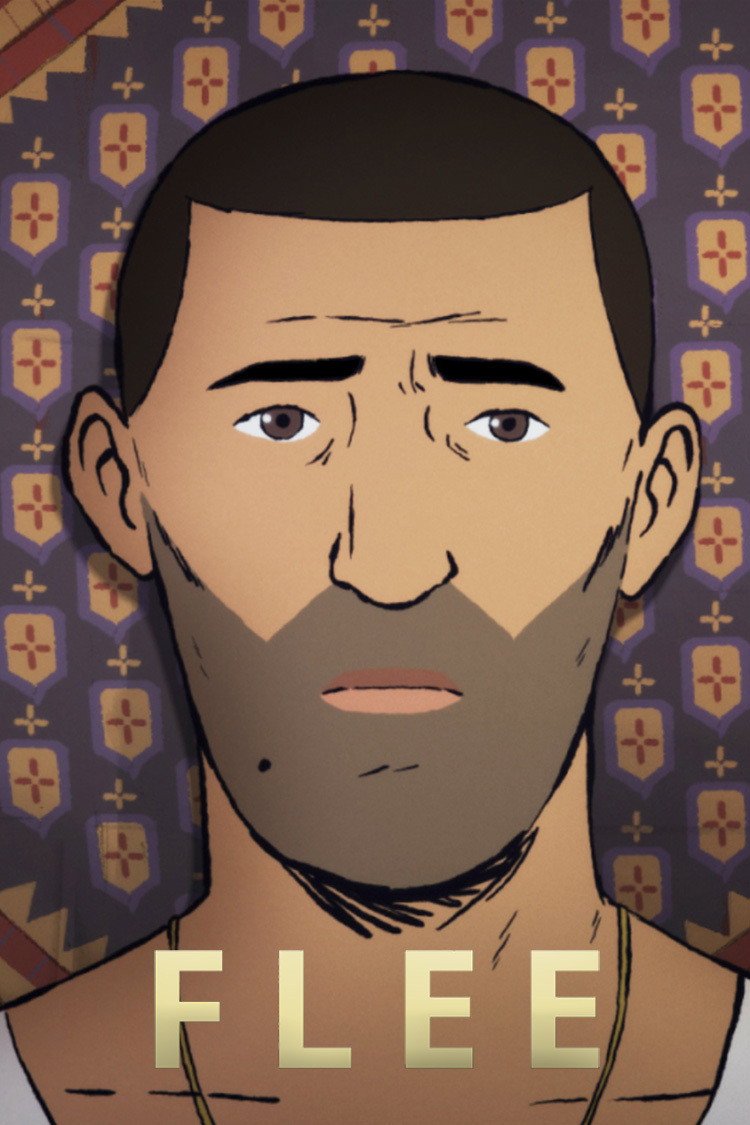
Jonas Poher Rasmussen has made a documentary in which almost nothing was filmed. His friend Amin Nawabi, which is not his name, lies on a rug in a bare room, closes his eyes and is asked what home means to him. The answer takes 89 minutes and most of a life. All of it is drawn: Amin on the rug, Kabul in the 1980s, Moscow, the slow road to Denmark. The only photographed images are newsreel, cut in wherever Amin’s story crosses the one the cameras recorded. It is a fine film, and we recommend it with one reservation: the drawing is weakest whenever the story is calmest.

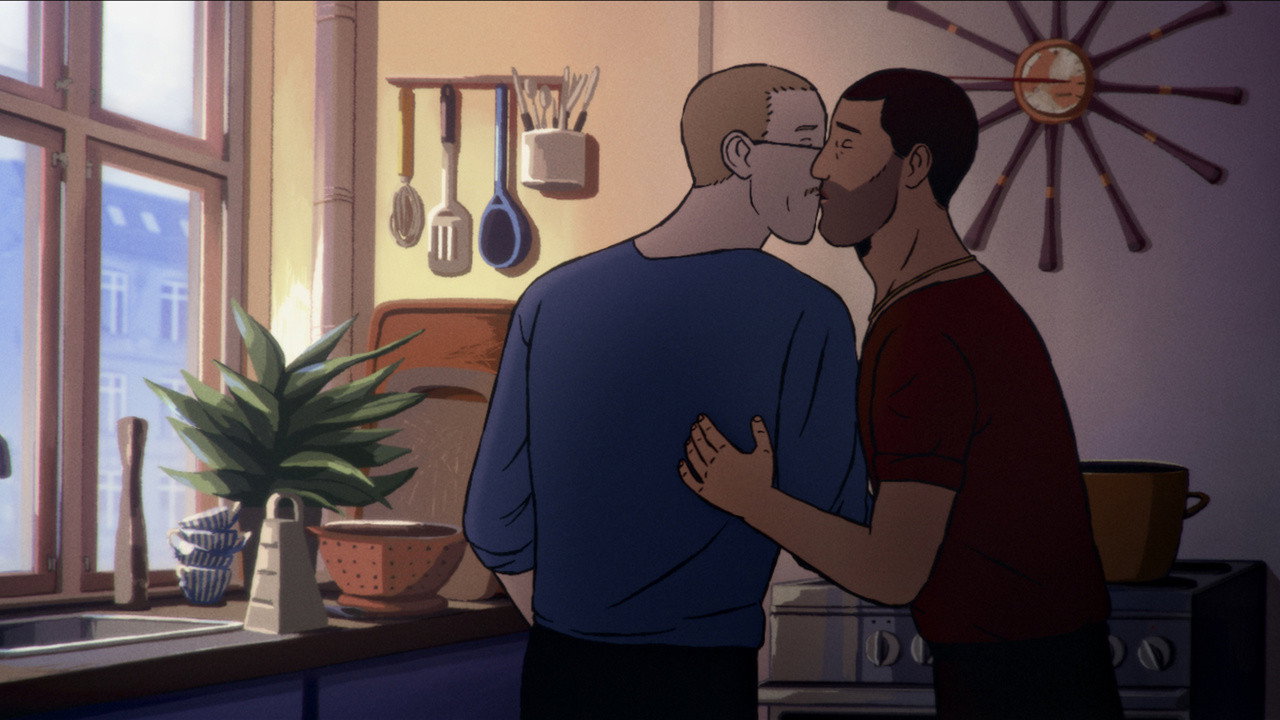
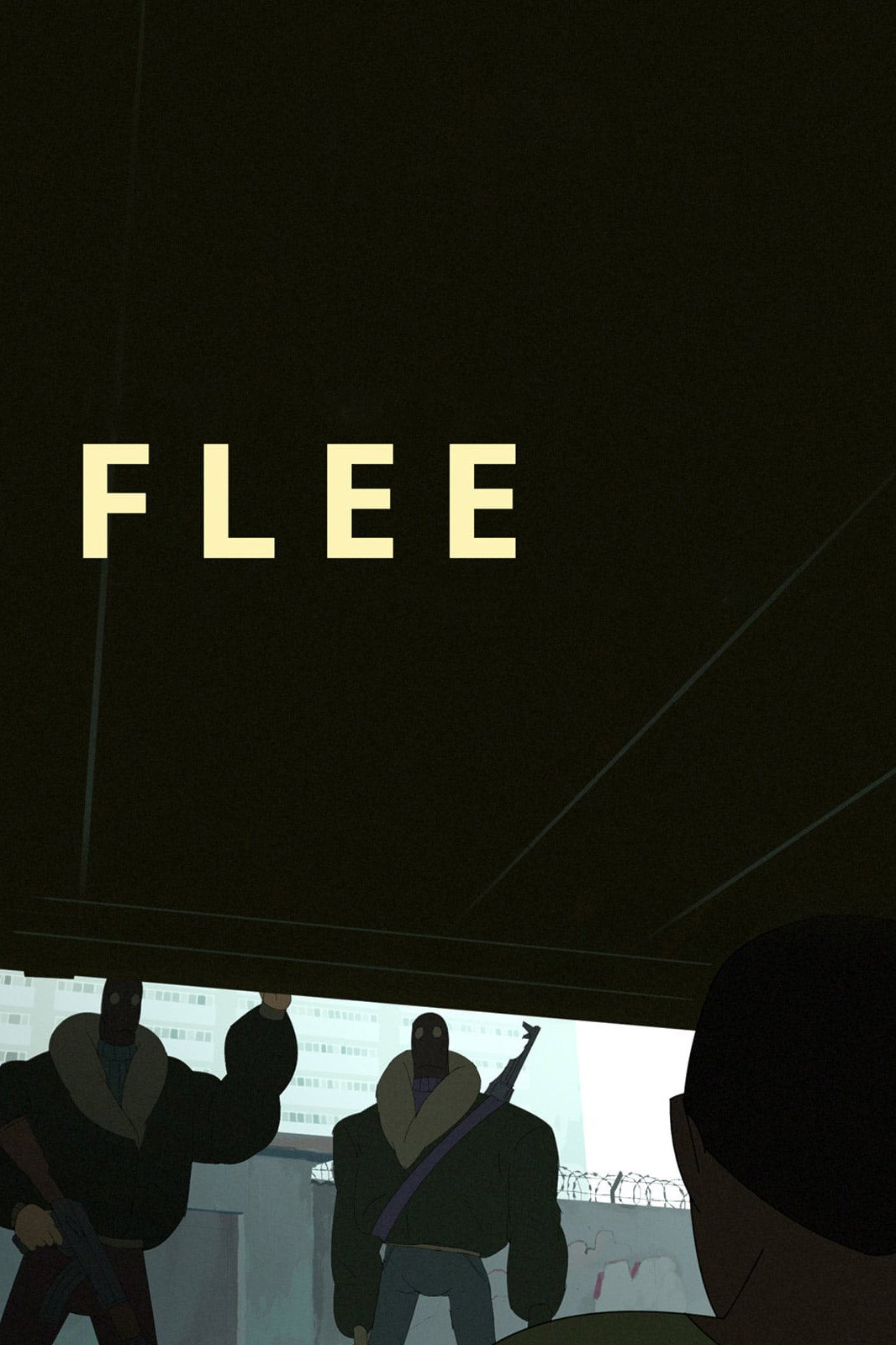
The film draws in two ways. Ordinary memory gets clean lines and flat colour: a courtyard, a kitchen, a boy’s bedroom with a poster on the wall. When Amin reaches something he cannot look at directly, the animators put down the colour and pick up charcoal. Figures lose their faces. Lines scratch and smear, and people move through black and grey like smoke down a corridor. It is what anyone does when telling you the worst thing that happened to them, which is to go vague, and the film makes the vagueness something you can watch.

We were horrified once, properly, and we have sat through a great many screen catastrophes, real and staged. We will not say what the sequence shows or where it falls. The animation goes to charcoal so the people in it are shapes rather than faces, Uno Helmersson’s score drops to one low held note and stays on it, and Janus Billeskov Jansen does not cut away to spare us; he holds, as the people on screen had to. Afterwards we paused the film and put the kettle on, which we do not often admit to.

It is also, and this is the surprise, funny. The boy Amin (voiced by Daniel Karimyar) runs through Kabul in his sister’s dress with a-ha on his Walkman, and nobody in the street minds. A little later there is a poster of Jean-Claude Van Damme and a boy realising something about himself he has no word for, and Rasmussen plays it as comedy because that is how Amin remembers it. We laughed, then remembered which city the boy was standing in and what year it was, and the laugh did not last.

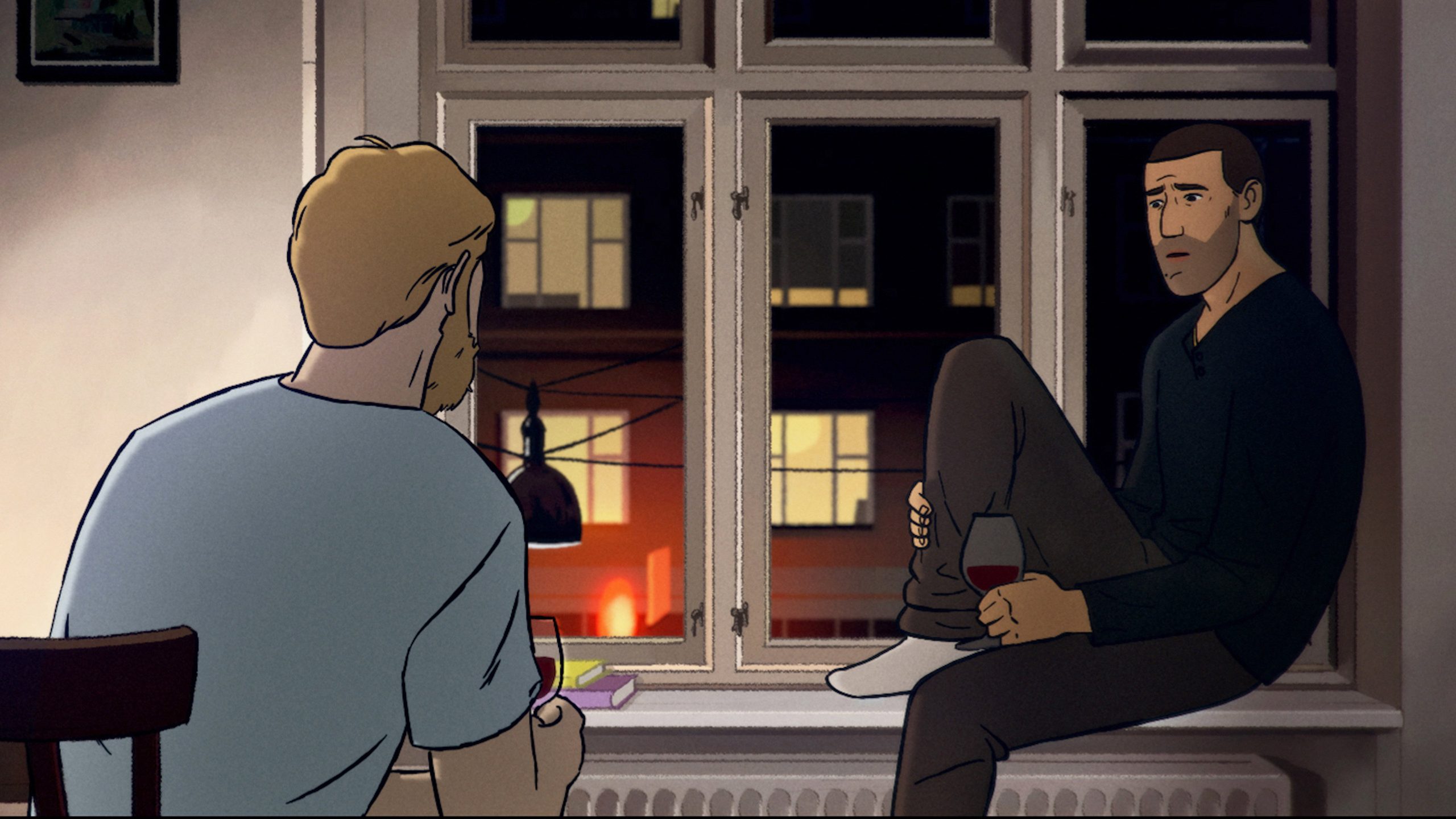
Amin’s own voice carries the present day. He is tired and careful and keeps correcting himself, and Rasmussen leaves the corrections in. Fardin Mijdzadeh voices the teenager with the flat wariness of someone who has learned to say as little as possible. In the present, Amin is about to marry, and the question the film hangs on is whether he can tell the man he is marrying everything he is telling Rasmussen. The director appears as a drawn figure holding a microphone, and the film never pretends to be anything other than two friends in a room, one of whom has brought a crew.

The reservation. The realist drawing is stiff. When people sit at a table or cross a Danish kitchen the movement has a hitch in it, and faces hold one expression a beat too long, so that Amin’s present life looks like a well-meaning public information film. The middle stretch, with the family waiting in Moscow for something to happen, is patient in a way that occasionally shades into slow, and the newsreel sometimes explains what the drawings had already shown. None of it is fatal. All of it shows in a film that is otherwise so sure of what it is doing.

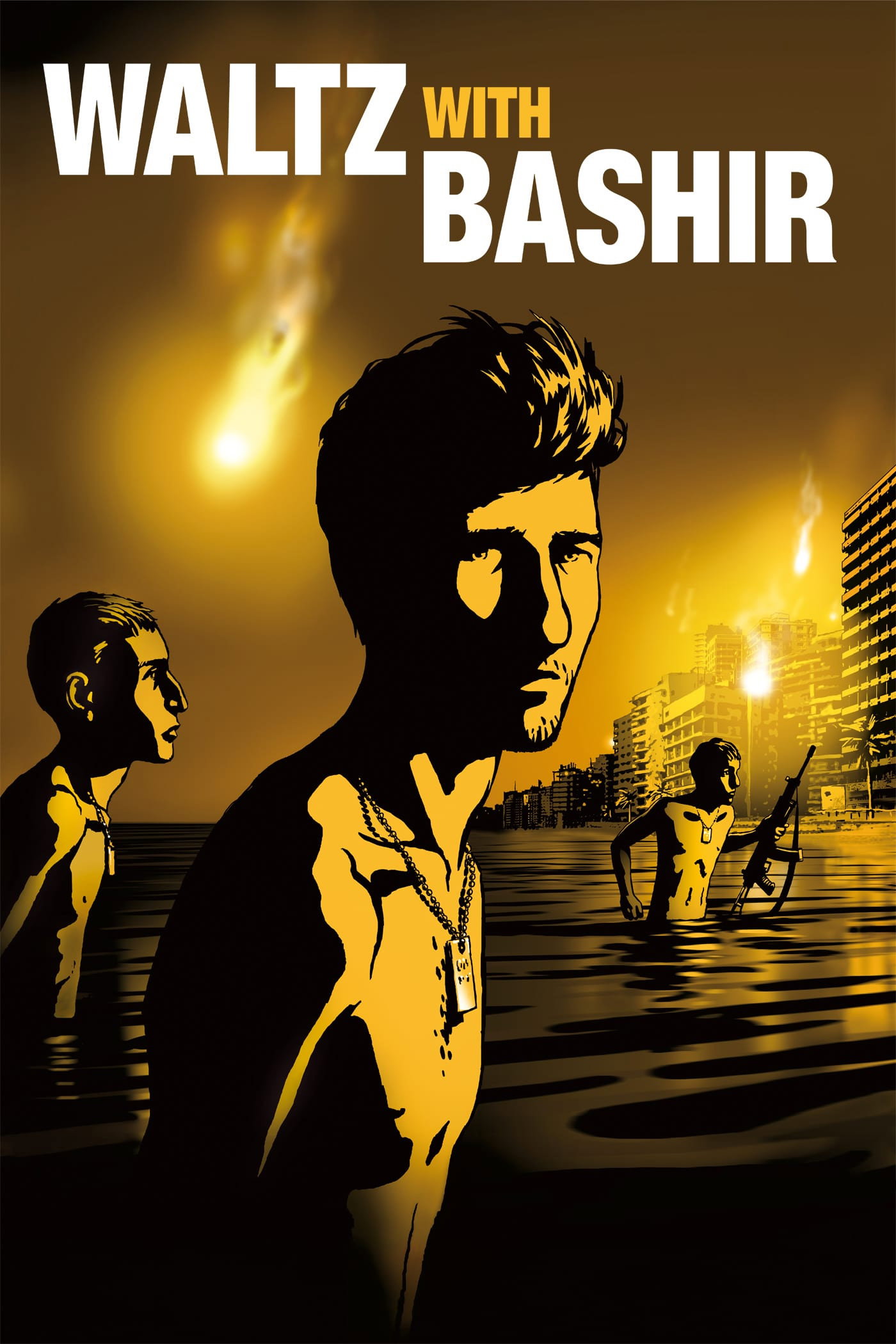
Animated documentary is a short shelf with one obvious landmark on it, Waltz with Bashir (2008), and Flee belongs beside it. The animation here is not decoration. Amin could not have sat in front of a camera and said any of this, and the drawing lets him sit in front of us without being seen. The film has a reason for looking the way it does, and it is better for it.

Watch it at home, with the subtitles on and the phone in another room. It runs 89 minutes and does not go easy on you. It is also, under the boats and the police, a story about a man being allowed to stop lying, and there are worse ways to spend an evening than watching that happen.
Critical consensus AI synthesised

86
Positive
25
Mixed
1
Negative
0

The reviews are almost unanimously warm. Twenty-five of twenty-six critics are positive, and the praise clusters on the same decision: telling a refugee’s story through hand-drawn animation. Most find that the technique does two jobs at once, protecting Amin’s anonymity while making memories he could never have filmed fully visible, and several single out the sea crossing in a freight container as the sequence that lands hardest. The friendship between Rasmussen and his subject is credited for the film’s candour about sexuality and shame as well as flight.

The spread is narrow, and the reservations are about the same device. Slant Magazine is the lone mixed voice, finding the muted animation keeps the viewer at arm’s length from the man himself and flattens the emotional detail. The AV Club notes that, as a real and untidy account, the story occasionally frustrates, and Eye for Film sees some stiffness in the realistic drawing style.

The Telegraph
10 February 2022 · ★★★★★ · Robbie Collin
100

The review calls Flee a thrillingly unique and achingly beautiful animated study of a gay Afghan refugee’s memories, noting that animation is the ideal medium for preserving anonymity while making the extraordinary yet commonplace story fully visible. It singles out the hand-drawn style blending impressionistic and precise recollections.

Read the full review →
Empire
8 February 2022 · Joshua Rothkopf
90*

Documentary filmmaker Jonas Poher Rasmussen uses animation to tell the unique story of his friend's migration and personal secrets in a way that blends memory, therapy and subtle comedy. The film is a complex, stirring heartbreaker that lends lyricism to the migrant experience.

Read the full review →
IndieWire
28 January 2021 · festival review · Eric Kohn
90*

The review describes the film as a thrilling, masterful survival story told through a visually startling animated approach that brings one man's revelatory refugee experiences to life.

Read the full review →
Los Angeles Times
3 December 2021 · Jen Yamato
90*

The critic calls it one of the most humane films of the year, an intimate portrait of displacement's lasting traumas that serves as both testimonial and catalyst for catharsis through the subject's reckoning with his past.

Read the full review →
RogerEbert.com
3 December 2021 · Roxana Hadadi
90*

The critic praises the film's intimate, animated portrait of a refugee's trauma, resilience, and search for home and truth, calling it one of the year's best for its emotional depth and humane insight.

Read the full review →
Screen Daily
29 January 2021 · festival review
90*

The critic praises the thoughtful animated hybrid for enhancing the moving first-person story of an Afghan refugee with impressionistic animations and newsreel context. It singles out the technique's ability to expand precise recollections into emotional areas and its exploration of additional anxieties around sexuality.

Read the full review →

Cast

Awards

Bodil Award for Best Documentary, 2022

Won
Bodil Award for Best Documentary

Guldbagge Award for Best Foreign Film, 2022

Won
Guldbagge Award for Best Foreign Film

International Submission to the Academy Awards, 2022

Nominated
International Submission to the Academy Awards

LUX European Audience Film Award, 2022

Nominated
LUX European Audience Film Award

Robert Award for Best Documentary Feature, 2022

Won
Robert Award for Best Documentary Feature

Academy Awards, 2021

Nominated
Best Animated Feature

Annecy Cristal for a Feature Film, 2021

Won
Annecy Cristal for a Feature Film

Critics' Choice Awards, 2021

Nominated
Best Animated Feature

Dorian Award for LGBTQ Film of the Year, 2021

Won
Dorian Award for LGBTQ Film of the Year

Dragon Award Best Nordic Documentary, 2021

Won
Dragon Award Best Nordic Documentary

European Film Award for Best Animated Feature Film, 2021

Won
European Film Award for Best Animated Feature Film

European Film Award for Best Documentary, 2021

Won
European Film Award for Best Documentary

European University Film Award, 2021

Won
European University Film Award

Golden Globes, 2021

Nominated
Best Animated Feature Film

Nordic Council Film Prize, 2021

Won
Nordic Council Film Prize

Sundance Film Festival World Cinema Grand Jury Prize: Documentary, 2021

Won
Sundance Film Festival World Cinema Grand Jury Prize: Documentary

If you liked this, try…

Waltz with Bashir poster83

Waltz with Bashir

2008 · Ari Folman animates his own missing memories of Lebanon; the obvious companion, and the right one.

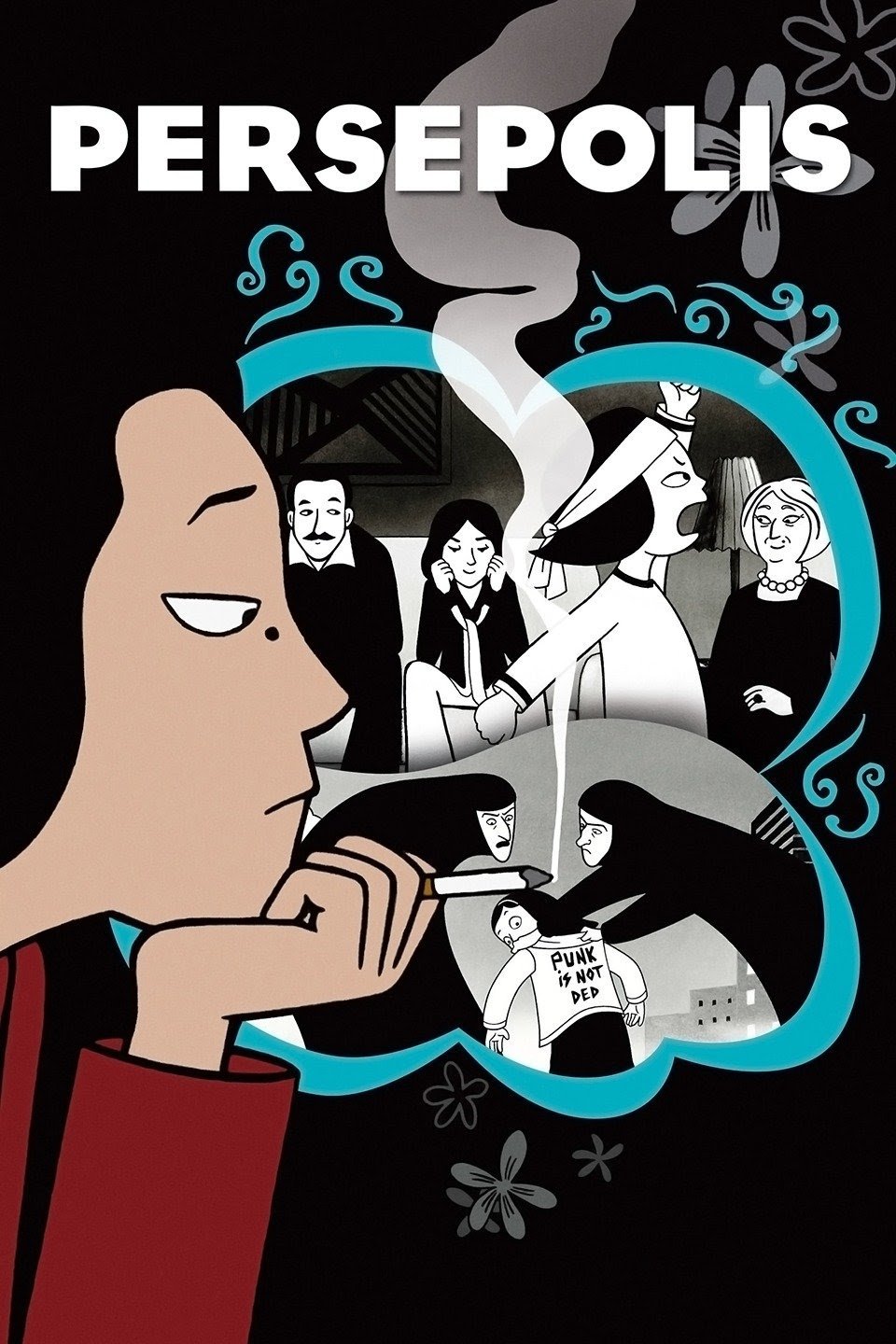
Persepolis poster87

Persepolis

2007 · Marjane Satrapi’s Tehran childhood in black ink; funnier than Flee and nearly as unsparing.

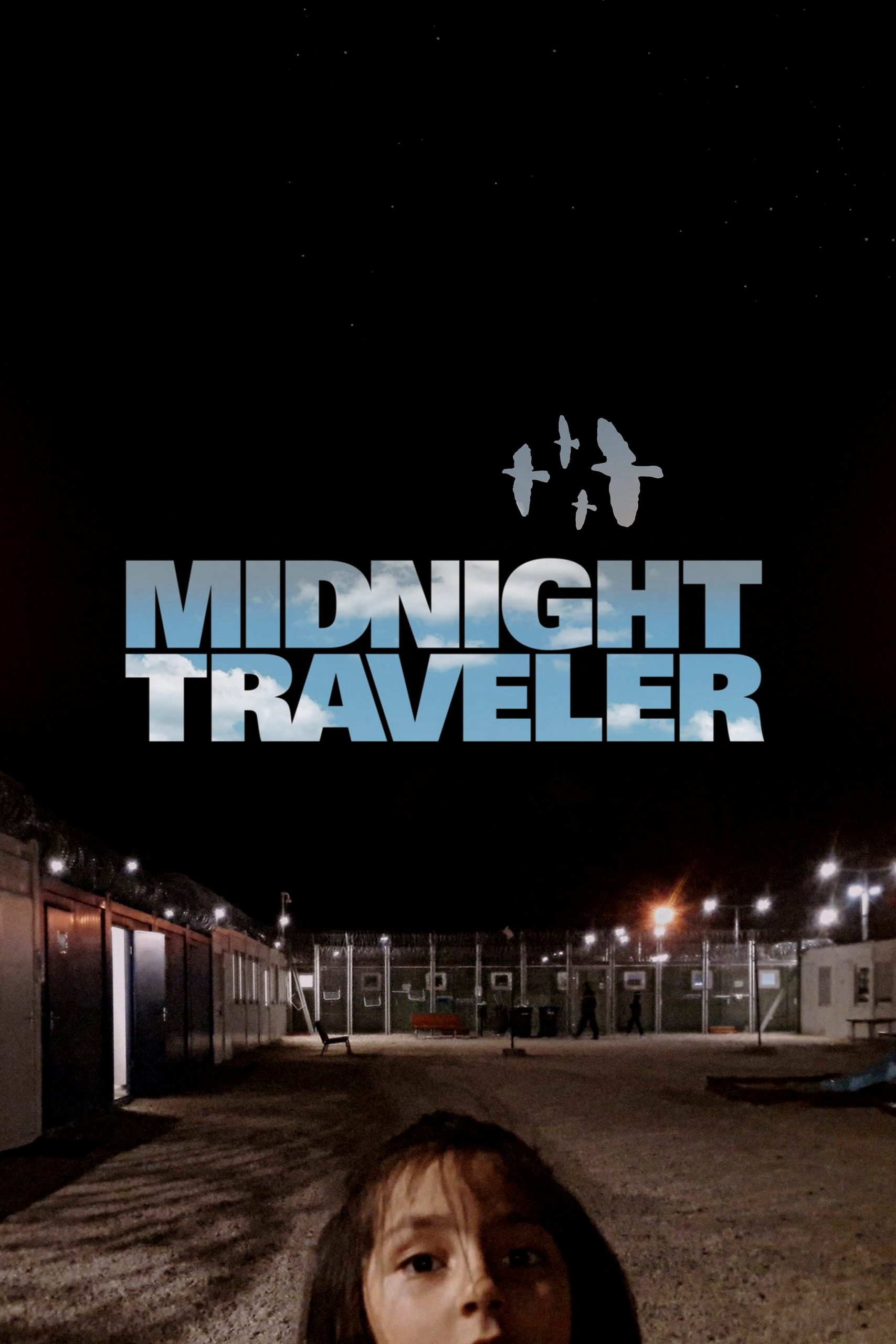
Midnight Traveler poster

Midnight Traveler

2019 · An Afghan family films its own flight on three phones; no drawings, same road.

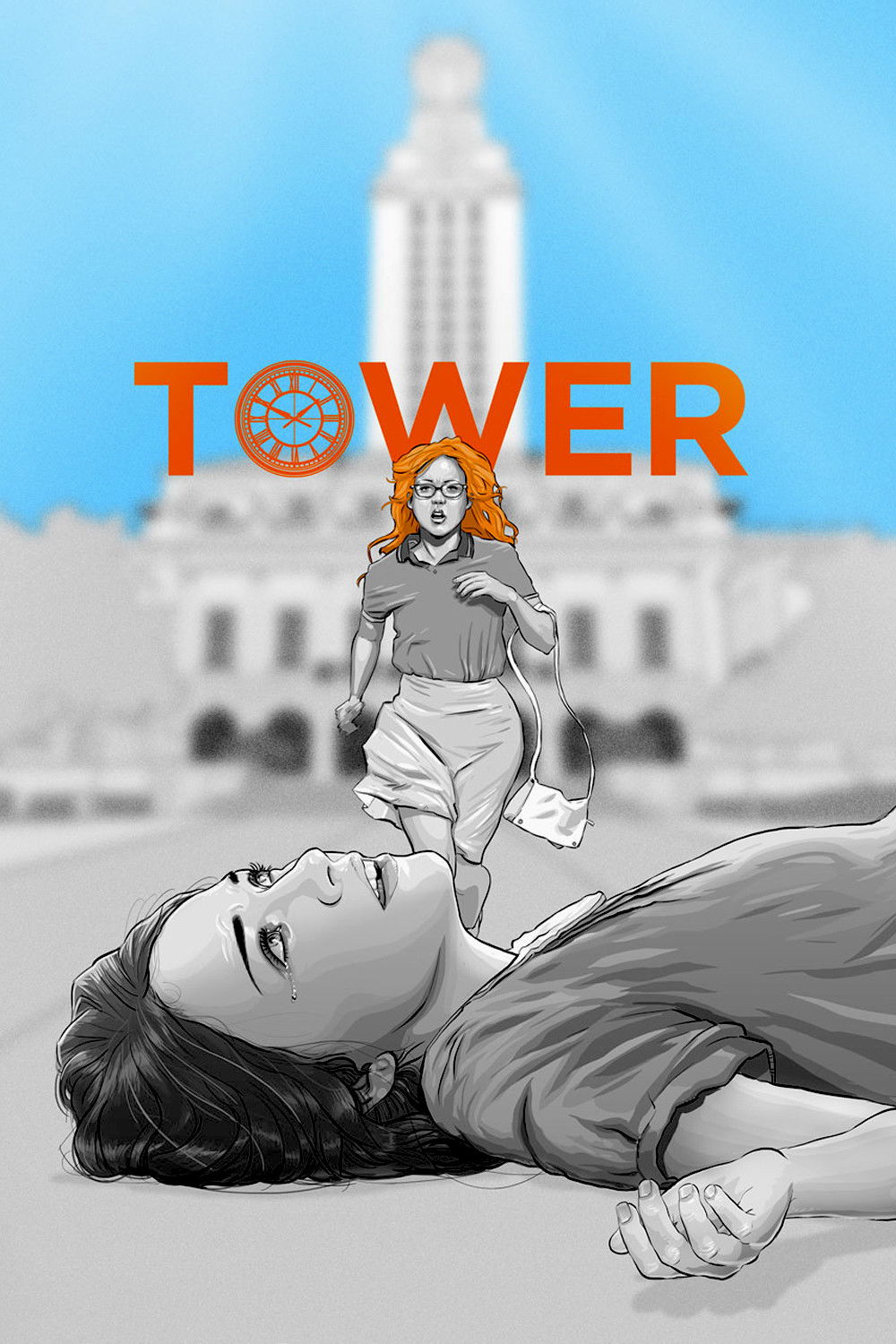
Tower poster

Tower

2016 · Rotoscoped witnesses to a 1966 campus shooting; animation used to protect and to reveal.

Fire at Sea poster

Fire at Sea

2016 · Lampedusa, the boats and the islanders who barely look up; the other end of Amin’s journey.