Ari Folman’s animated documentary is a powerful account of trying to remember a war. Some interviews repeat what we already understand, but the drawn recollections make the search absorbing and deeply uncomfortable.
Waltz with Bashir is a war documentary built around a troubling admission: Ari Folman cannot fully remember his own service. His search takes him through interviews and animated recreations of the 1982 Lebanon War, with dreams entering the account alongside recollections. We recommend it warmly, though its explanations sometimes continue after we have understood them. Folman, who writes and directs, makes the uncertainty worth attending to. We have to consider how much confidence to place in an image when the person recalling it cannot be certain either.
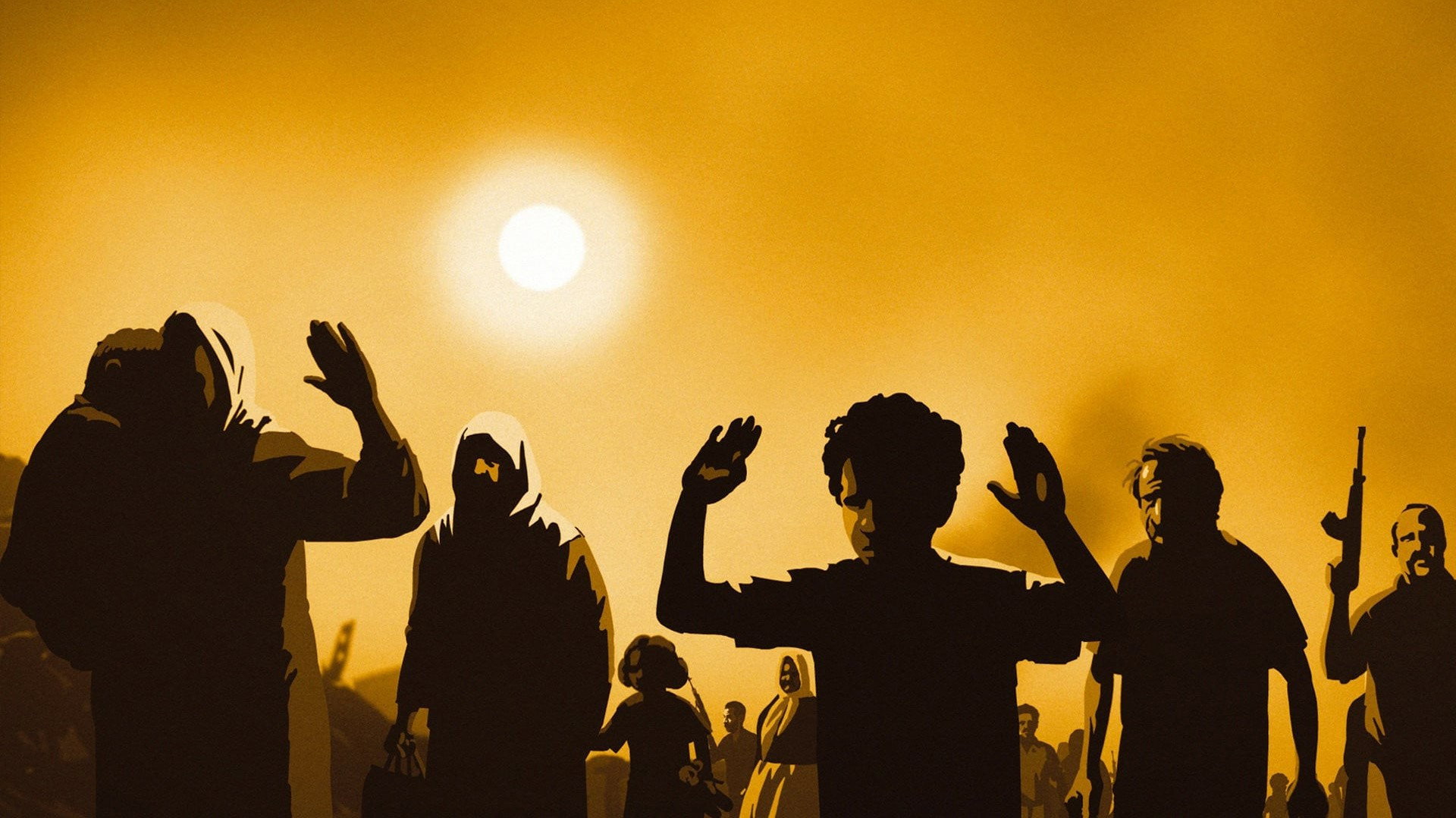
The animation’s vivid yellows and greens give combat a look far removed from ordinary life. Conversations can open into dreams, and Folman lets us see how recollection changes an experience as it tries to recover it. We were disturbed by how easily we found ourselves admiring those coloured images of battle. Their beauty keeps us looking at experiences the people speaking struggle to recall. Folman uses that attraction well, keeping the combat frightening even when its colours invite our attention.
Nili Feller’s editing has the difficult job of keeping a search moving when its subject is uncertain memory. The passage between interviews and imagined or remembered events is generally persuasive; we can follow the enquiry without expecting each image to count as proof. At 90 minutes, though, the film still has stretches where another conversation seems to establish a point already made. Once we understand that recollection can protect, distort and omit, further explanation does less for us than the animated scenes.
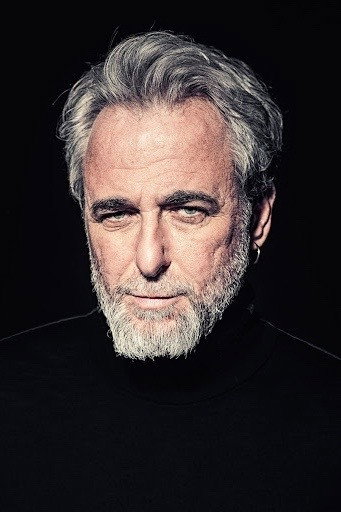
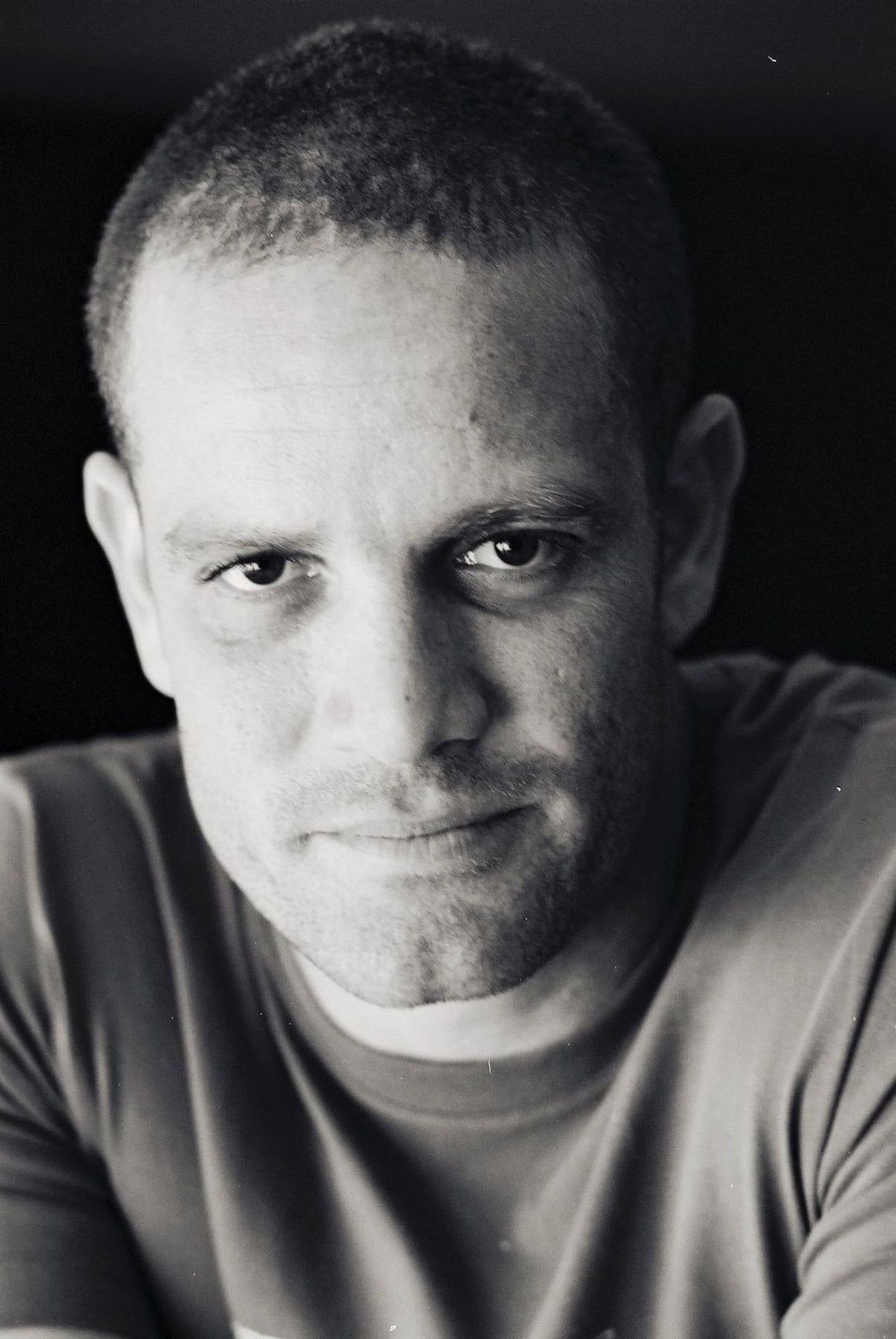
Richter’s music gives the recollections an appropriate sadness, and does not have to supply all the feeling. Much of that comes from listening to people try to account for what they remember. Folman voices himself, with participants including Ori Sivan and Ronny Dayag also providing their own voices. The interview animation is sometimes stiff enough to distract from them, but keeping these conversations in the film makes us aware of the speakers behind the pictures.
Folman’s involvement also puts a useful limit on his authority. He is asking others to help him remember, so the film cannot easily pretend to offer a complete account of the war. Its concern with guilt is persuasive because remembering becomes an uncomfortable task for the person making it. There is a danger that such close attention to a soldier’s damaged memory could crowd out larger questions of responsibility, but we think the film gives us reason to keep asking those questions.
War films often put confused experiences into an order we can follow, explaining who went where and why. Folman gives us less certainty, and the animation allows him to show the confusion without suggesting that a camera was there to record it. That makes the film especially rewarding for anyone interested in how documentary can represent experiences its subjects cannot fully explain. Give it an evening when there is no need to be sociable immediately afterwards.