Critics’ reviews

Waltz with Bashir (2008)

14 reviews from 14 publications. Critics’ score 75: 5 positive, 0 mixed, 1 negative.

Back to our review of Waltz with Bashir

75
Positive
5
Mixed
0
Negative
1

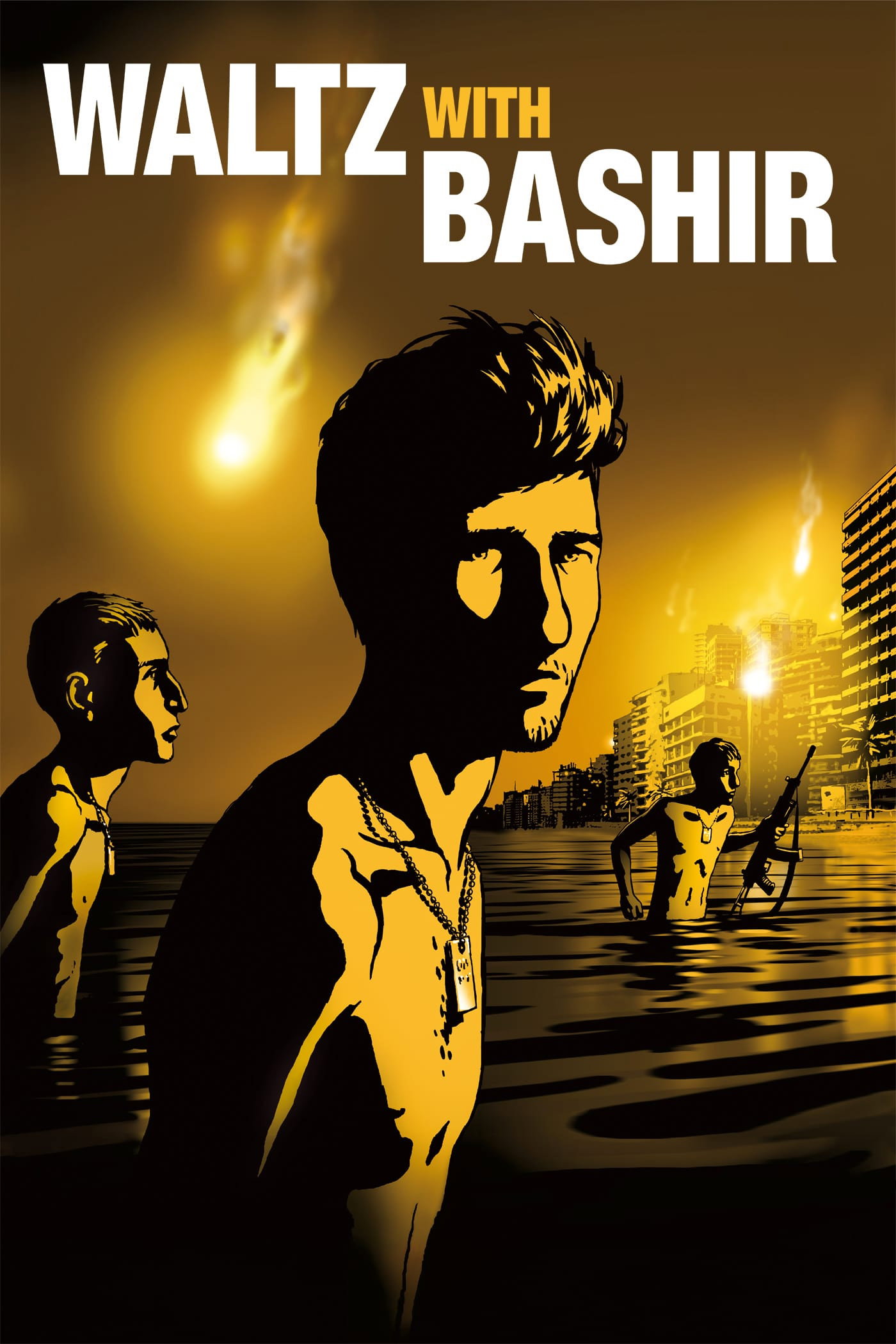
Most critics respond warmly to Waltz with Bashir, with praise centred on its animation and its treatment of memory, trauma and guilt. The reviews describe dreamlike images that turn interviews and recollections of the 1982 Lebanon War into something more unsettling than straightforward testimony. Many find that the personal search for clarity gives the film moral force, while the blending of combat, dreams and remembered experience makes its documentary approach persuasive.

The spread of opinion is wide, however, particularly over whether the stylisation brings the experiences closer or keeps them at a distance. The AV Club admires the subjective intensity but finds the approach less convincing as direct journalism. Slant Magazine offers the sharpest dissent, arguing that the film establishes its point early and then repeats it to wearying effect. The Hollywood Reporter also questions the narrative momentum and finds the animated interviews uneven.

Screen Daily
15 May 2008 · festival review
90*

The critic calls it one of the most powerful statements at Cannes, a potent anti-war movie and moral indictment of Israeli conduct during the 1982 Lebanon War and Sabra and Shatila massacre. The unique animated style and personal perspective deliver a strong impact.

Read the full review →
The AV Club
25 December 2008 · B · Tasha Robinson
77

The film expands dialogues into dreamy animated visions that comment on the elusive nature of memory and consciousness, with striking subjective intensity in its depictions of combat chaos. Its extreme stylization can feel distancing and lacks the realism of live footage, resulting in an impressionistic portrait rather than a direct journalistic inquiry.

Read the full review →
Slant Magazine
21 September 2008 · Nick Schager
40*

The director understands how the psyche denies and embellishes trauma, and the animation lends a striking surreal beauty while serving as a thematic distancing device. The film makes its point early and restates it repeatedly in a drearily redundant way, creating an enervating sense of remoteness that is structurally logical but ultimately schematic.

Read the full review →
Empire
23 October 2008 · Dan Jolin

The critic praises the film's innovative animated approach to exploring the director's repressed memories of the 1982 Lebanon War and its personal and political impact. The stark animation effectively blends recollection, dreams, and experience, culminating in a powerful use of real footage.

Read the full review →
The Guardian
23 November 2008 · Peter Bradshaw

The critic praises the film's hypnotic animation style and its powerful exploration of memory, guilt and the 1982 Sabra and Shatila massacres. The shift to real newsreel footage at the end is singled out as devastating.

Read the full review →
The Hollywood Reporter
14 May 2008 · festival review

The critic finds mixed results in this self-styled animated documentary about a director recovering repressed memories of his service in the 1982 Lebanon War through interviews and recreations. Some scenes have visceral poetic power, but the monochromatic palette, choppy animation of interviews, lack of narrative thrust, and delayed mention of key events like the Sabra and Shatila massacres limit its impact.

Read the full review →
The New Yorker
28 December 2008 · Anthony Lane

The critic praises the film’s unusual adult psycho-documentary combat cartoon style, fluid imagery, and its honest confrontation of trauma and guilt without easy resolution. He notes the powerful effect on the viewer but calls the switch to real news footage at the end a mistake.

Read the full review →
The New York Times
25 December 2008 · A.O. Scott

The critic calls it an altogether amazing film that is a memoir, history lesson, combat picture, and piece of investigative journalism. He singles out its unique animated documentary approach for creating astonishing aesthetic integrity and searing moral power.

Read the full review →
The Times
23 November 2008 · Cosmo Landesman

The review calls the animated documentary harrowing and haunting, highlighting its unique focus on the subconscious and how young soldiers process trauma rather than conventional battle scenes. The film's critical stance on Israel and its domestic reception are also noted.

Read the full review →
Time Out
1 October 2008 · 4 out of 5 stars · Dave Calhoun

The critic praises the film's vivid animated recreation of memories from the 1982 Lebanon War and its exploration of recollection and guilt. The animation stands out as revelatory and the film is described as beautiful and compelling despite its grim subject.

Read the full review →
Total Film
21 October 2008

The review highlights the film's exceptional animated style that turns interviews into a hallucinogenic yet reverential experience, making the history of the Sabra and Shatila massacre and the director's quest for clarity uniquely compelling. It notes the effective contrast with real photography at the end.

Read the full review →
Eye for Film
21 November 2008 · Amber Wilkinson
85*

The critic praises Folman's use of animation to engage audiences with the recalled events of the 1982 Lebanon War in a way simple testimony could not. The film is described as a haunting and powerful document about the harrowing effects of war on participants, using actual documentary footage sparingly but with great impact.

Read the full review →
Paste
26 December 2008 · Jesse Jarnow
85*

The critic praises the film's powerful animation that visualizes memory and trauma from the 1982 Lebanon War. They highlight the emotional intensity and the impactful fourth-wall shattering climax.

Read the full review →
The Skinny
17 November 2008 · ★★★★ · Gail Tolley
80

The critic praises how the film sidesteps desensitization to war imagery through its striking animated style in vivid yellows and greens, achieving a fresh perspective on the Israeli-Lebanon conflict of 1982. Folman's personal reconstruction of suppressed memories via interviews blends dreamlike animation with documentary elements, challenging viewers' interactions with fact and fiction so that the real footage lands with proper impact.

Read the full review →

Ordered by the weight we give each publication, then by score. Scores are normalised to 100; * means inferred from an unrated review. Summaries are ours, not quotations; follow the links for the reviews themselves. How we rate