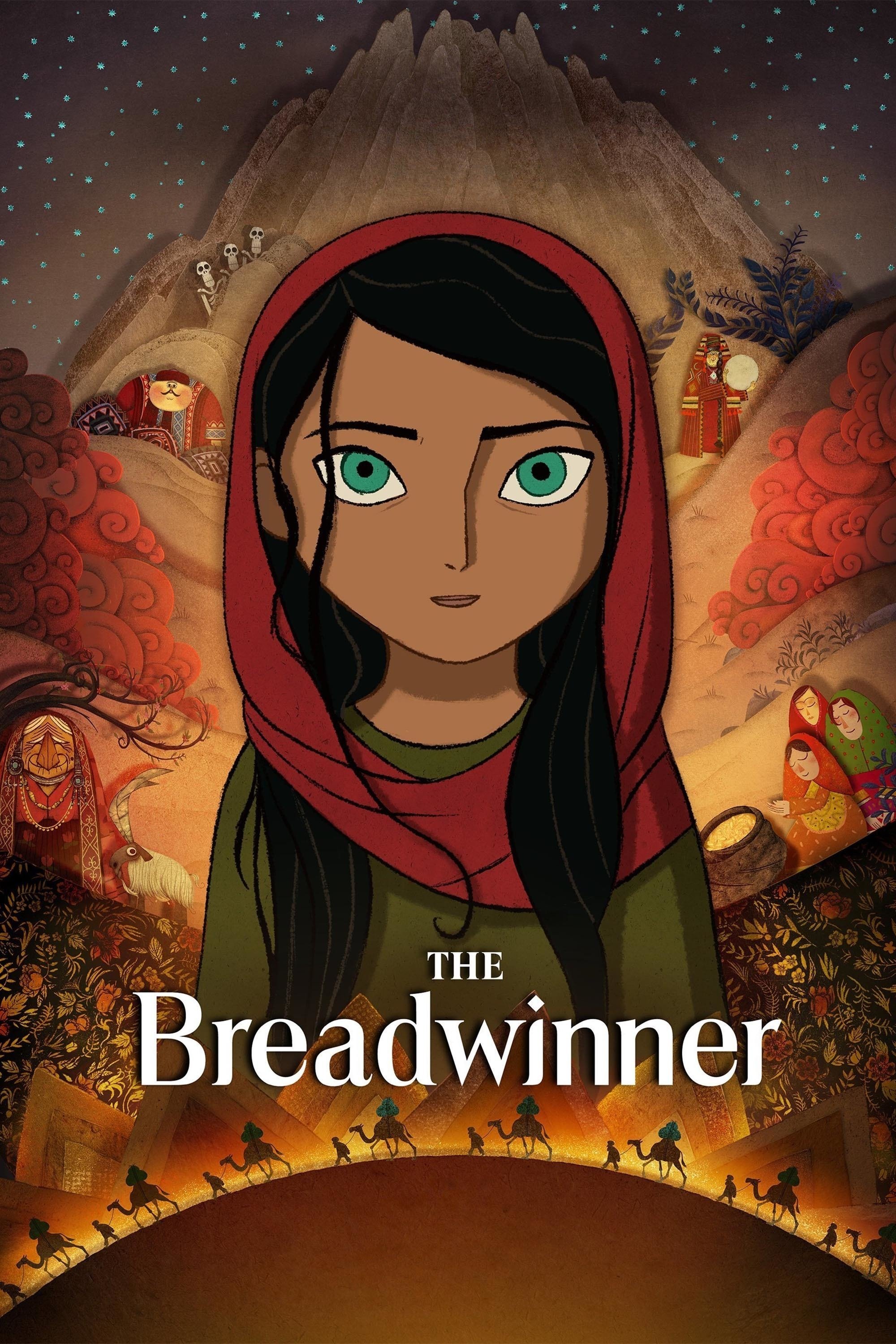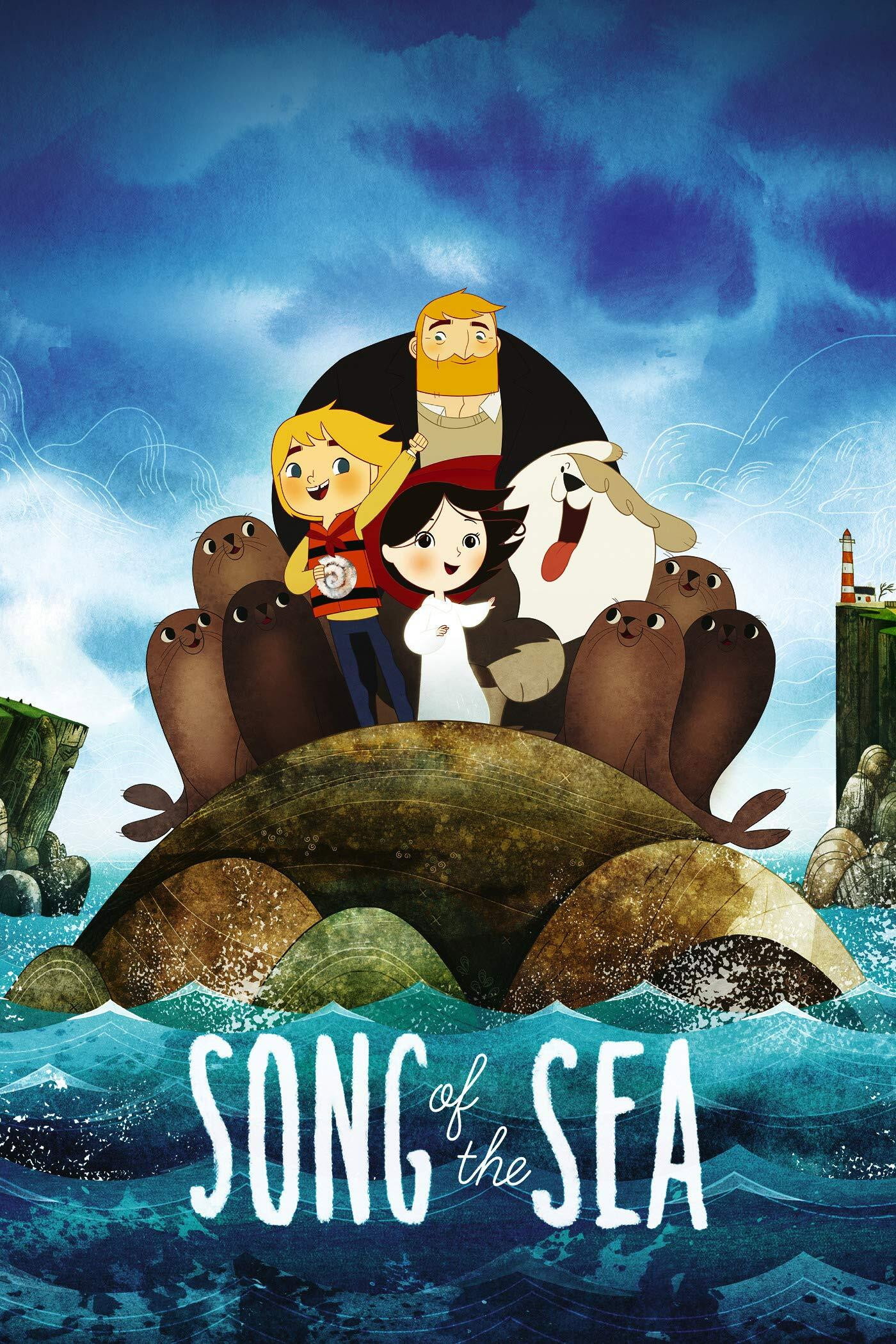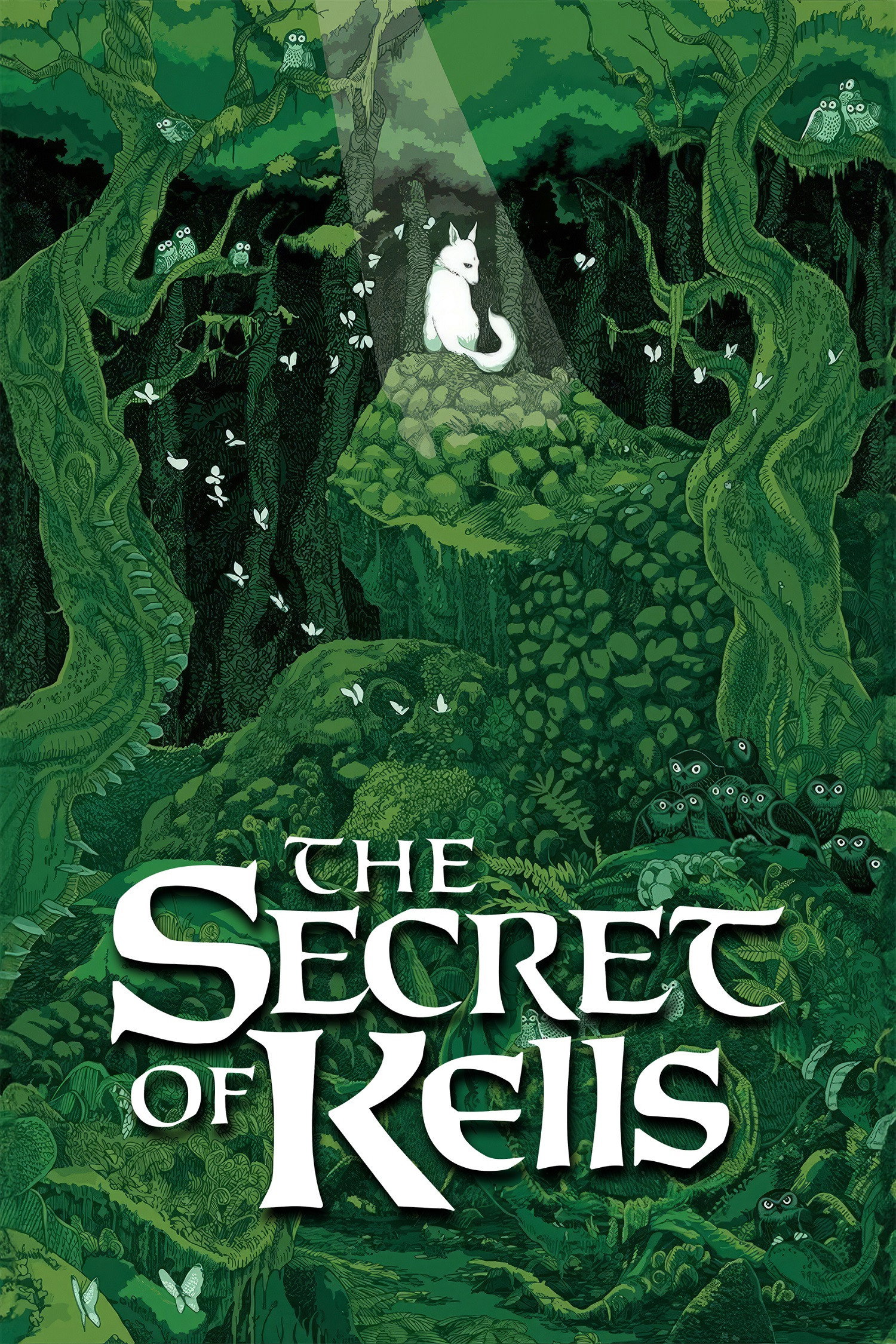
Tomm Moore draws films the way the monks drew the Book of Kells: flat, spiralling, every inch filled. His cinema is built on Irish manuscripts and folklore, a pleasure to look at, even when the story is thinner than the pages.
Fi1m perspective
Brendan steps through the abbey gate in The Secret of Kells (2009) and the forest fills the screen with circles inside circles. A girl with white hair is standing between the trees, and it takes a second to see she was there all along. There is almost no perspective in the shot, or in the film: the abbey sits flat like a diagram, faces are ovals and triangles, and the frame keeps splitting into three panels so a conversation looks like a page with its margins. This is what Tomm Moore does. His pictures are pages first and windows second, and he has never pretended otherwise.
He trained in classical animation at Ballyfermot in Dublin and, in 1999, still a student, co-founded Cartoon Saloon in Kilkenny with Paul Young and Nora Twomey. The Secret of Kells, co-directed with Twomey, was his first feature. Song of the Sea (2014), a selkie story, followed, along with a segment of Kahlil Gibran's The Prophet the same year, and then Wolfwalkers (2020), co-directed with Ross Stewart, about wolves in seventeenth-century Ireland. The three are called the Irish Folklore Trilogy. Eleven years for three features is slow. Hand-drawn work is slow, and so are independent co-productions, and it is also why the films look like nobody else's.
What works is the drawing, and the decision to draw from Irish sources, illuminated manuscripts, folklore and landscape, rather than from the American house style or its Japanese rival. Moore told an interviewer in 2010 that "We wanted to get further and further from the American and Japanese influences that you see in animation these days", which is a fair account of the manuscripts and not quite the whole story, since Aisling running with the wolves owes something to Princess Mononoke and Moore does not hide it. Each film puts a child in front of a myth, and the myth is allowed to be dangerous. The Northmen in Kells frightened us, and we are grown adults, because Moore refuses them faces: they are black shapes with horns and red slits for eyes, moving in a mass like ink spilled across a page, and their first appearance is only a shadow on a hill.
What works less well is story. Kells is slight and its ending is rushed, and the idea that a cartoon and an illuminated page are the same thing done twelve centuries apart carries the film further than its plot does. That is something we would watch for in the later films, which we have not yet reviewed, rather than a verdict on them. Hand The Secret of Kells to any child with a pencil. Then wait for whatever Moore does next, and expect to wait a while.
Biography
Tomm Moore is an Irish director, illustrator and comics artist. He was born in Newry, Northern Ireland, and is a co-founder of the animation studio Cartoon Saloon, based in Kilkenny, Ireland.
Moore's feature directorial debut was The Secret of Kells (2009), which he co-directed with Nora Twomey. He went on to direct Song of the Sea (2014) and co-direct Wolfwalkers (2020) with Ross Stewart. All three films, sometimes referred to as the Irish Folklore Trilogy, were nominated for the Academy Award for Best Animated Feature.