Katsuhiro Otomo’s Akira makes a violent future frighteningly tangible through its hand-drawn city and hurtling action. We recommend it for that conviction, with a warning: the crowded story gives several characters too little room.
Akira is worth an evening for its furious action and the care lavished on its city, even when the story becomes difficult to untangle. Director Katsuhiro Otomo wants the changing friendship at its centre to matter amid rebellion, violence and struggles over scientific power. That is a lot to fit together, and the connections are sometimes hurried. The excitement survives those problems, though several supporting characters could have used some of the attention given to the scenery.
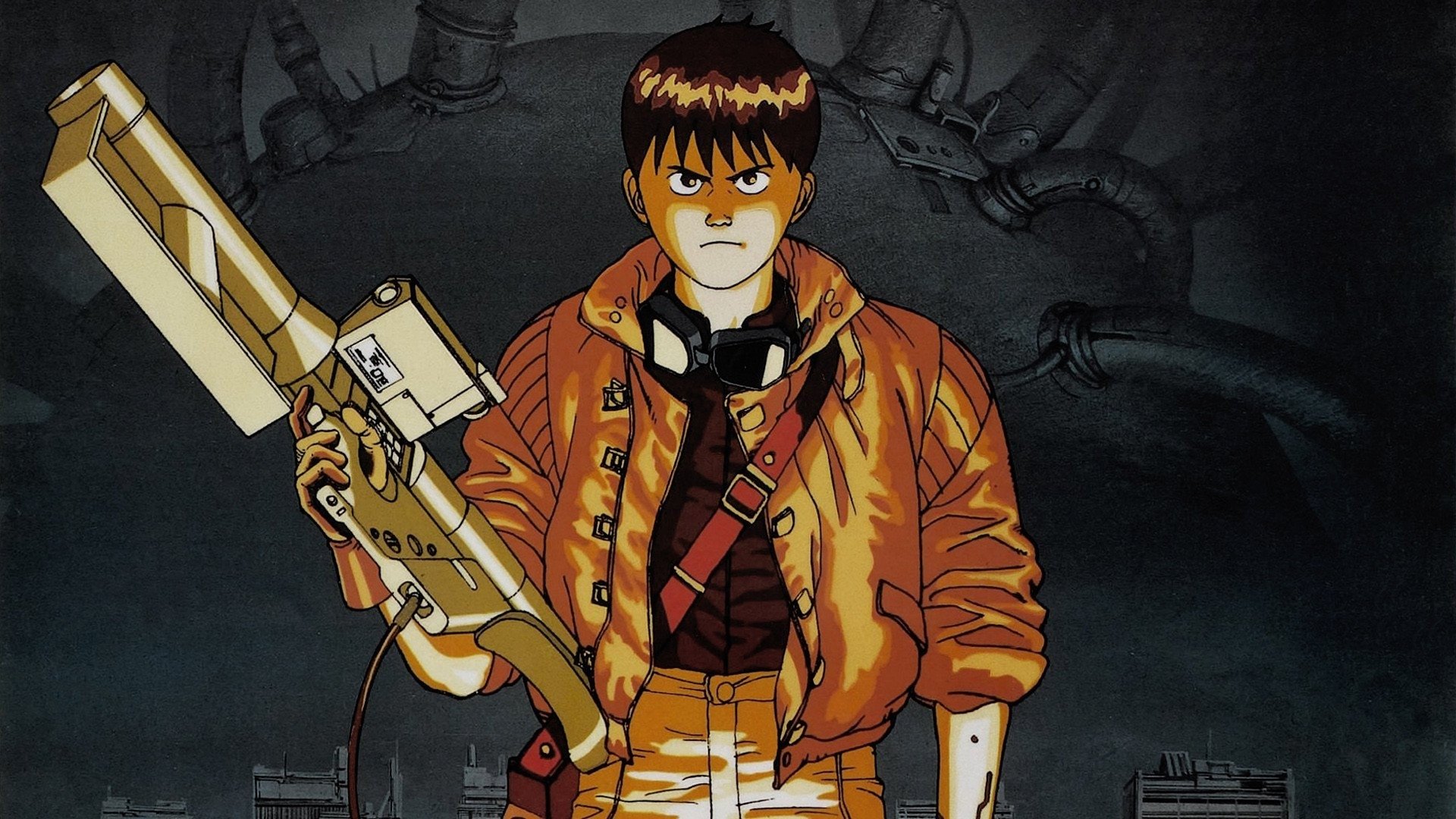
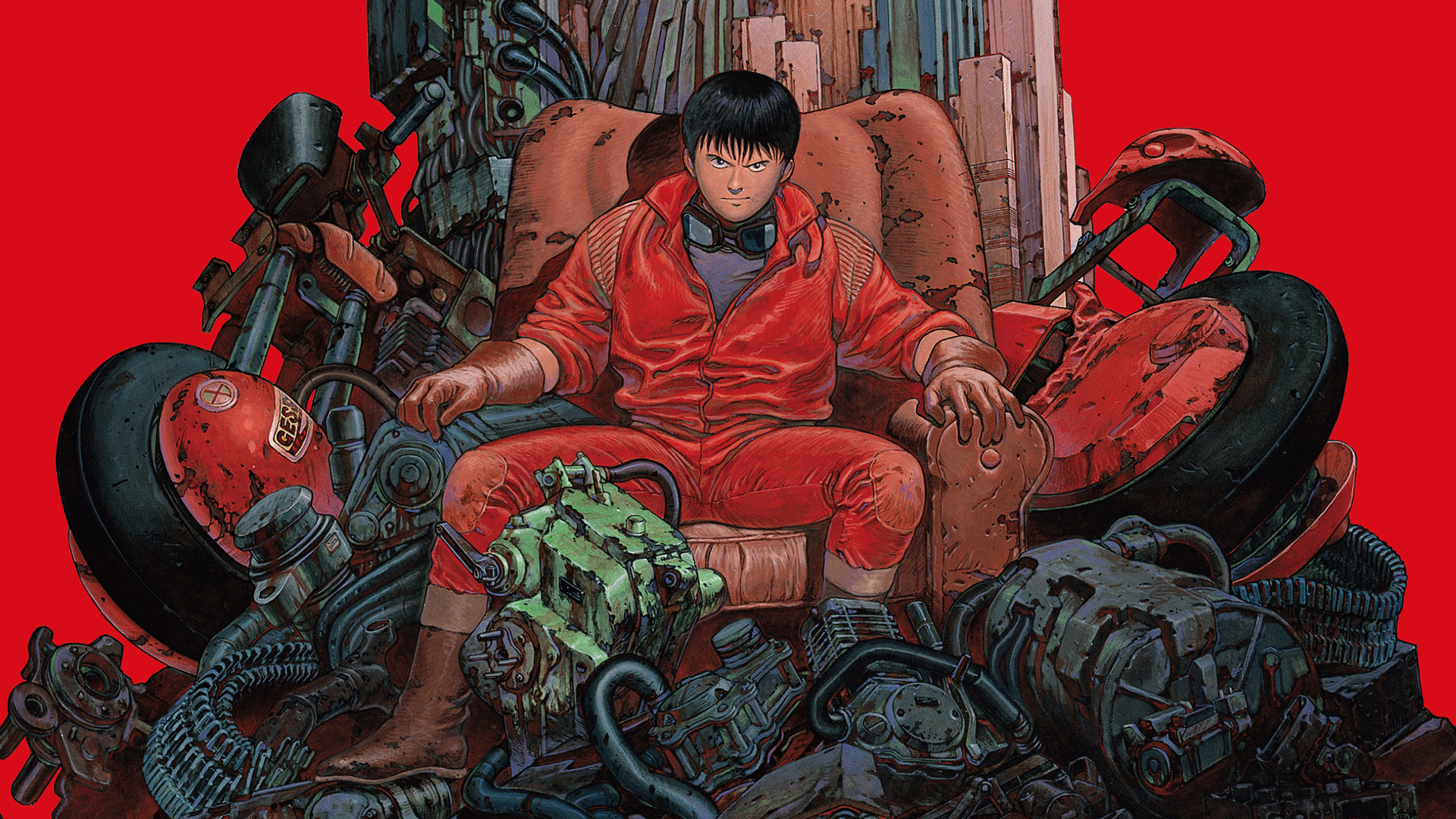
The hand-drawn city is the main reason to stay with it. Katsuji Misawa’s cinematography keeps the elaborate artwork and strong colours clear enough for us to look around as well as follow the action. The density of the cityscapes makes Neo-Tokyo feel as though it has uses beyond providing somewhere for the plot to happen. We can enjoy the production design without waiting for the next eruption of violence. The buildings deserve a closer look.
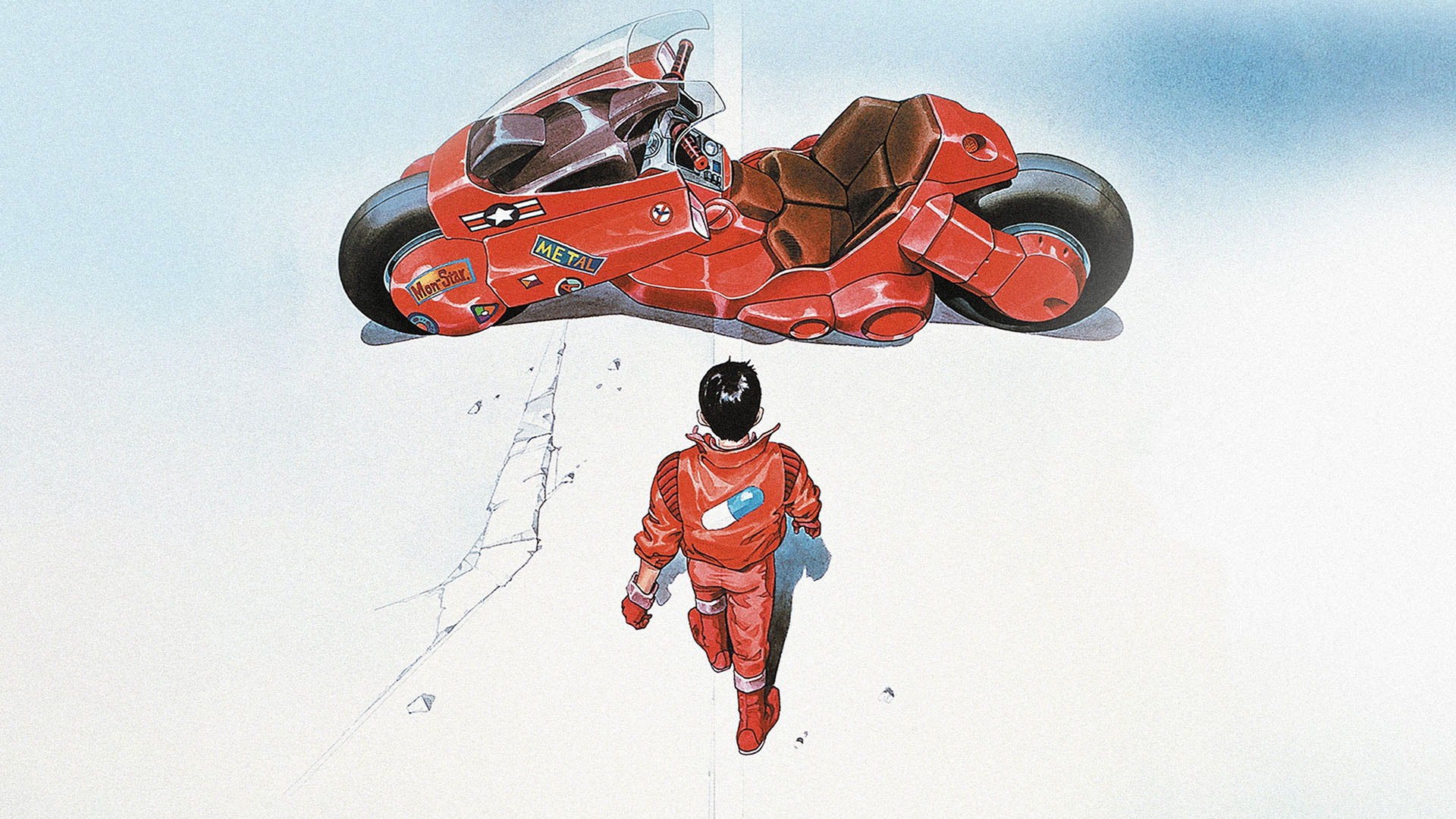
We were exhilarated by the motorcycle sequence: the densely drawn streets remain readable at speed. Takeshi Seyama’s editing gives the action a direction we can follow, letting us enjoy the movement without continually working out where to look. The drawings carry the excitement, and the cutting knows how to help them. There is some stiffness in the animation of human movement elsewhere, a small but visible limitation in a film that sets such exacting standards for itself.
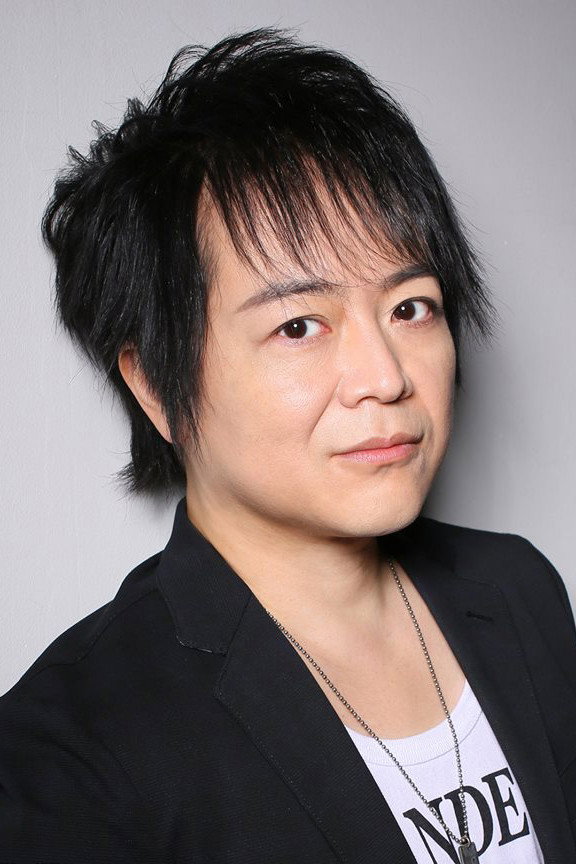
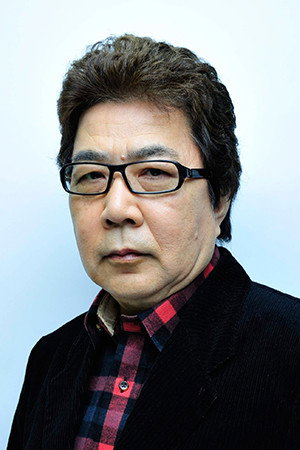
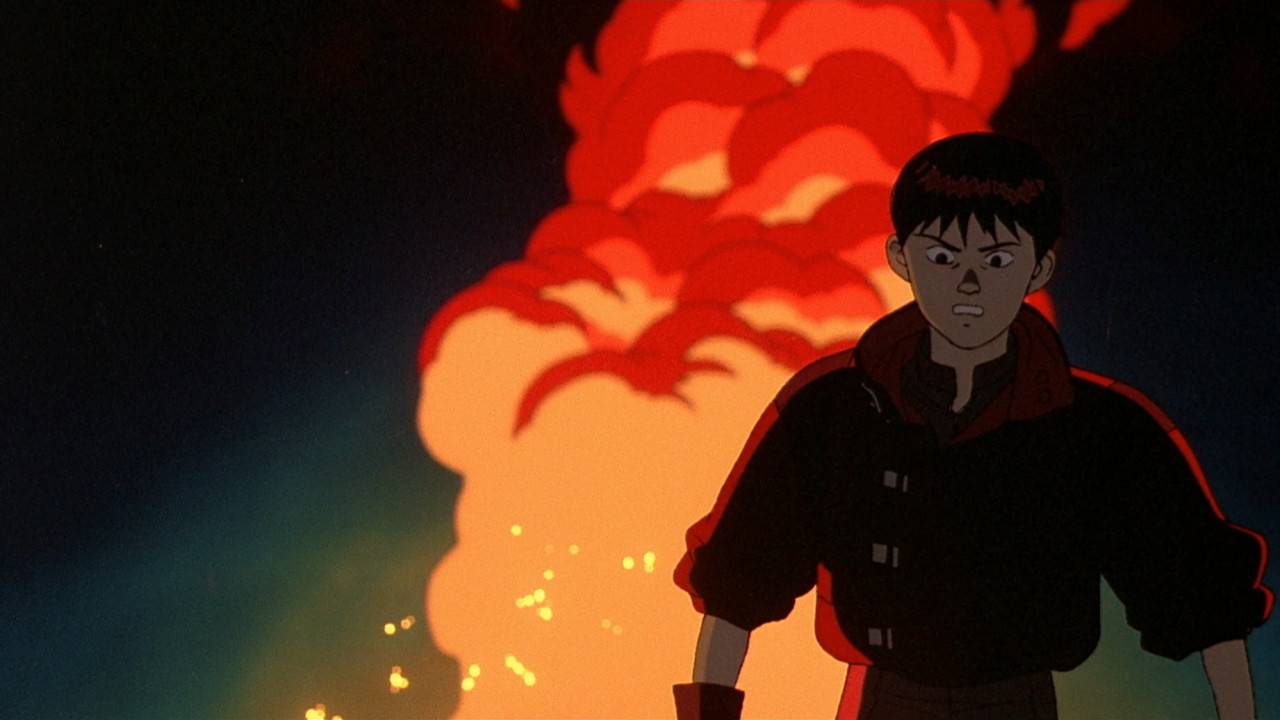
Kaneda and Tetsuo, voiced by Mitsuo Iwata and Nozomu Sasaki, give the violence a necessary personal interest. Their changing friendship is something we can hold on to when the wider story starts demanding too much explanation. Otomo and fellow screenwriter Izo Hashimoto do not give everyone the same chance to matter, and the growing crowd of characters makes the storytelling feel rushed. Kei, voiced by Mami Koyama, belongs to a supporting cast we would gladly have spent longer getting to know.
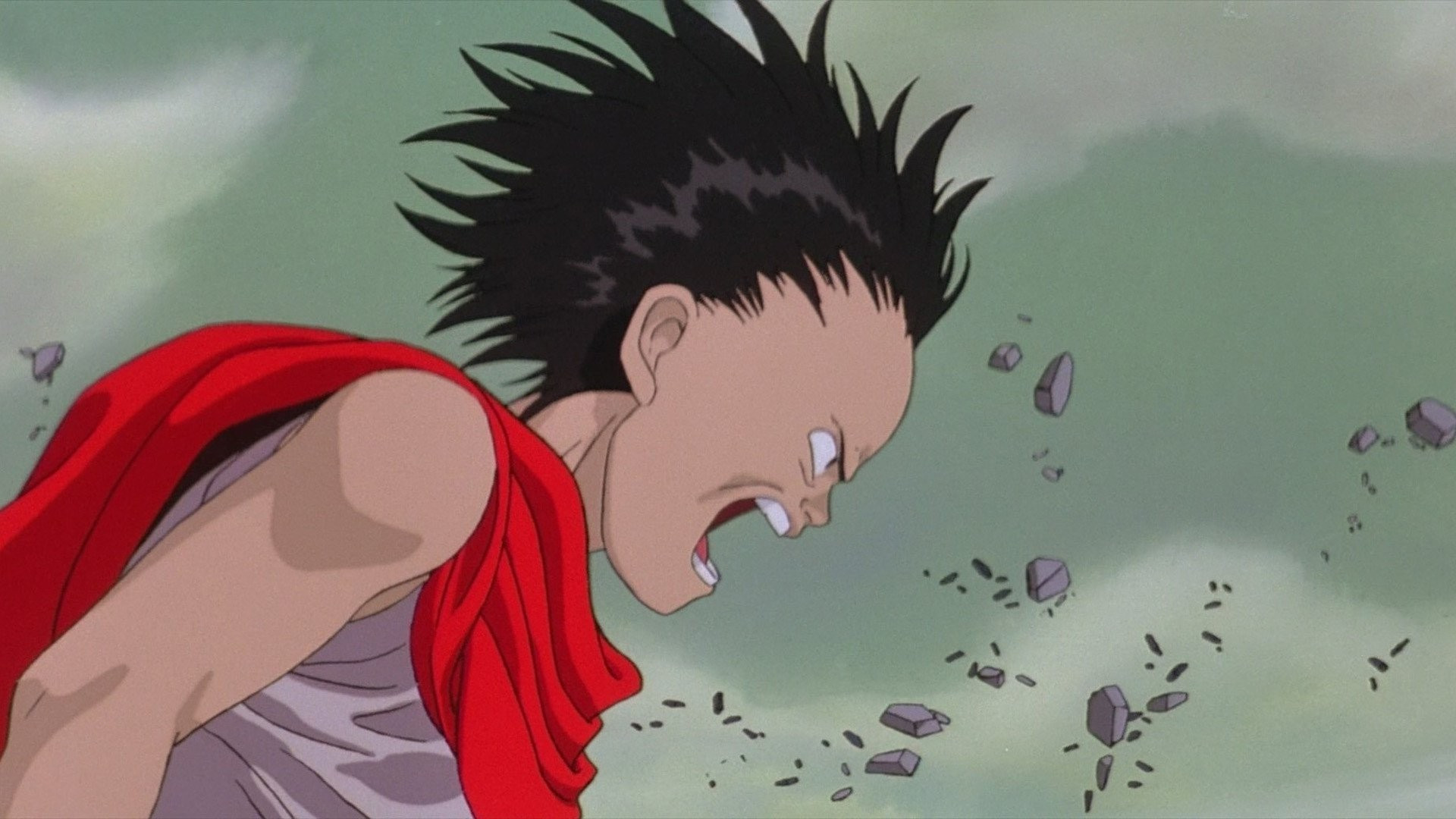
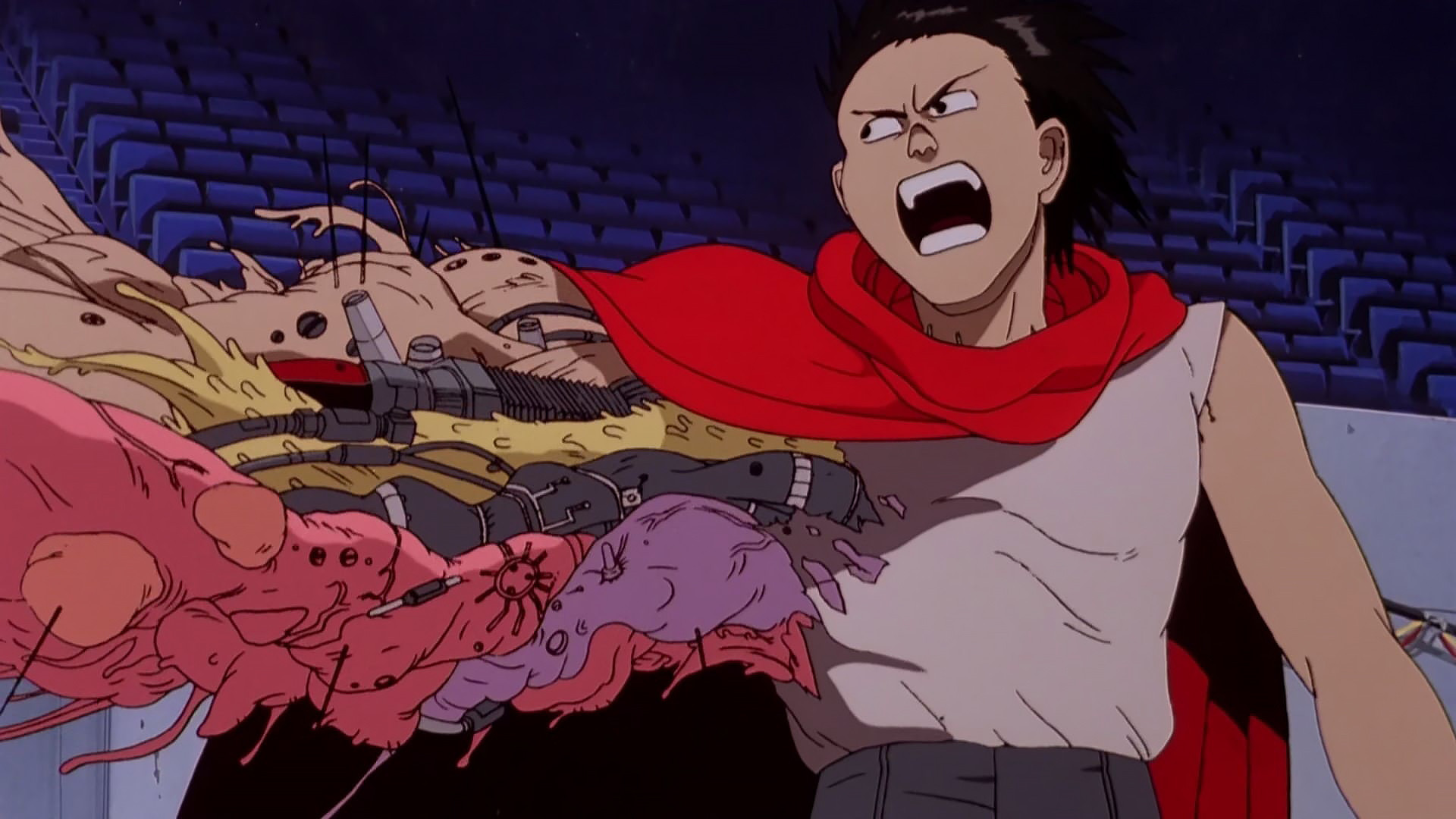
Shoji Yamashiro’s music helps keep the violence unsettling. It gives the action weight, and we never felt invited simply to cheer the damage. That matters in a film concerned with scientific knowledge used without enough thought for its consequences: the excitement needs something to stop it becoming an endorsement. The sound supplies much of that unease, even when the images are at their most seductive.
At 124 minutes, there is room here for more patient storytelling, and we would have traded a little spectacle for it. In science fiction, an imagined place needs to convince us that people could live there before asking us to fear for them. Akira does that through the sheer care of its urban detail, and its anxiety about destruction survives the muddled passages. Choose a large screen if possible; there is too much to look at to spend the evening squinting.