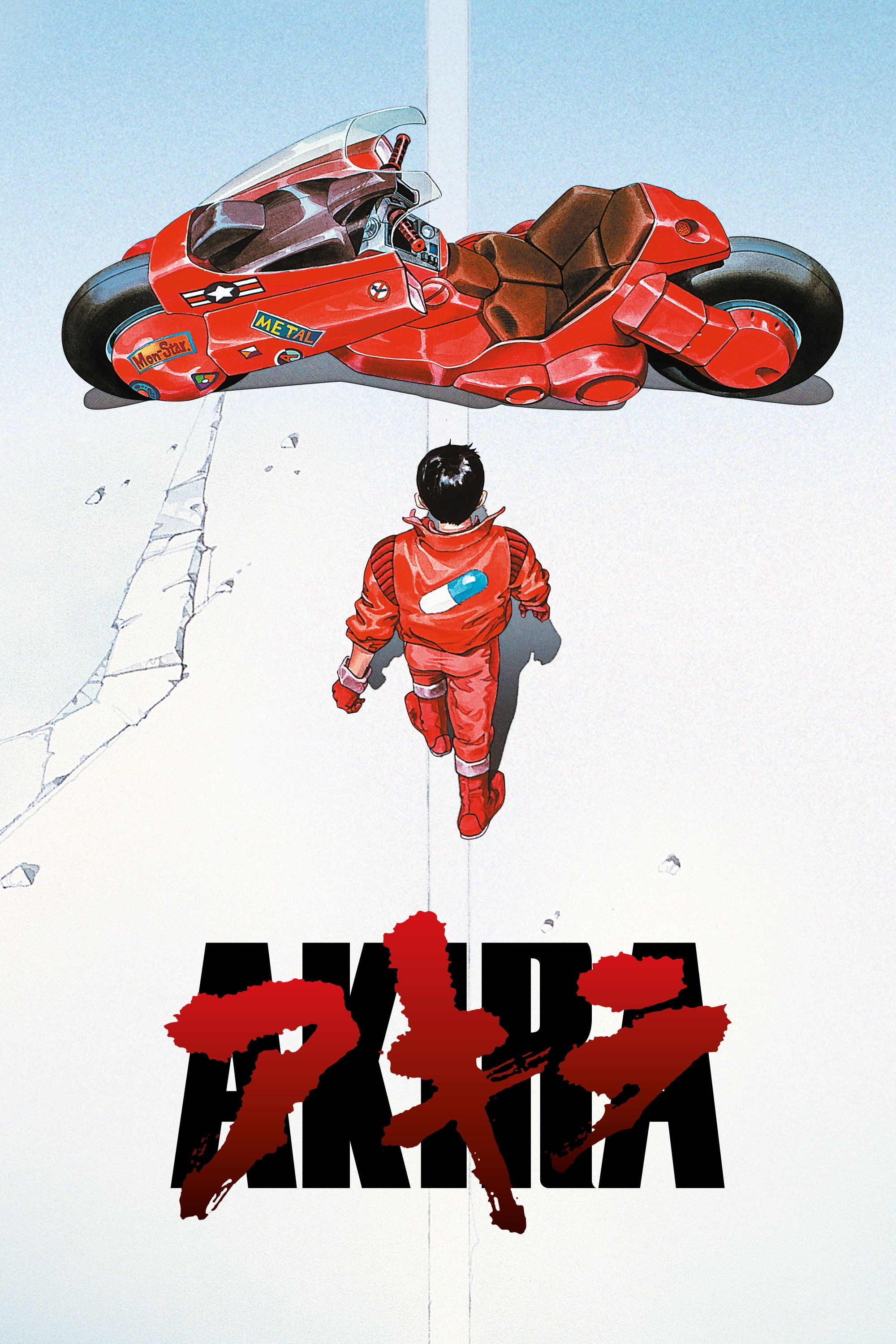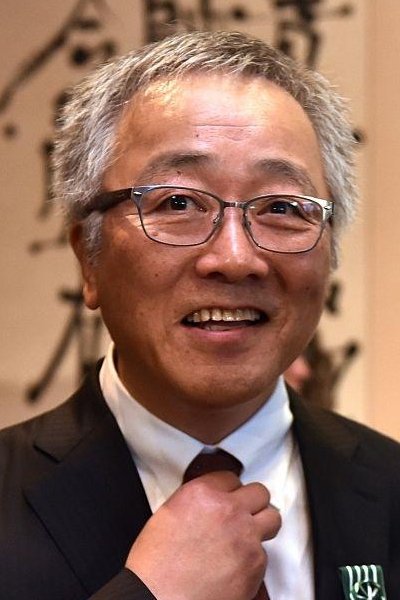
Katsuhiro Otomo makes animated cities feel solid enough for their destruction to frighten us. We rate his precision and furious action highly, especially in Akira, though the people sometimes get less attention than the buildings.
Fi1m perspective
In Akira (1988), the detail of the hand-drawn city matters as much as the speed of the action. Otomo’s attention to architecture, light and scale gives its destruction a force that frantic movement alone could not supply. We found the violence frightening because so much care had gone into making the city credible. There is pleasure in that precision too, in being allowed to look closely without finding that the backgrounds are merely filler. We recommend the film for this conviction, even when its story becomes difficult to untangle.
His move from manga into animation kept that concern with the physical world. He directed segments for Neo Tokyo (1987) and Robot Carnival (1987) before making Akira from his own still-unfinished manga. That progression matters: he brought the detailed environments of his drawn work into a feature driven by movement. The city can hold our attention on its own, but Otomo also wants the changing friendship at the centre to matter. Fitting both into the film proves less straightforward than making the action convincing.
Kaneda and Tetsuo give Akira a personal connection that helps when the wider story demands too much explanation. We can follow what is happening between them even when we struggle with the growing crowd around them. Otomo and fellow screenwriter Izo Hashimoto do not give those supporting characters equal room, and Kei is someone we would gladly have spent longer getting to know. The connections are sometimes hurried, which leaves some of the human consequences less clear than the physical damage. That is a real weakness in a film whose excitement otherwise holds.
His later directing work moves between features and anthology segments: Cannon Fodder in Memories (1995), then the steampunk action of Steamboy (2004). For Short Peace (2013), he directed and wrote Combustible, taking his detailed style into an Edo-period historical setting. These are useful reminders that his methods need not be confined to a futuristic city. Start with Akira, and allow it some untidy storytelling; the action has earned that much patience.