Film review

Ghost in the Shell

1995 · Directed by Mamoru Oshii · 1h 23m · MPA NR

In a sentenceThe city is worth getting lost in, which is fortunate given the state of the plot

ActionAnimationScience Fiction

Motoko Kusanagi (Atsuko Tanaka) stands at the centre of Mamoru Oshii’s animated science-fiction thriller about human identity in a digital age. Around her are Batou (Akio Otsuka), Togusa (Koichi Yamadera) and Ishikawa (Yutaka Nakano), while Iemasa Kayumi voices the Puppetmaster. Against dystopian cityscapes and cyberspace interfaces, organic bodies and machinery become increasingly difficult to separate. Violence and encounters with technology bring questions of personhood into the story: what makes a human being distinct, and what happens when that distinction no longer holds?

Plays from YouTube when you press play; nothing loads from them until then.

Fi1m review

Mamoru Oshii’s Ghost in the Shell is absorbing, melancholy science fiction, with a city more vivid than several of its people. The plotting can be needlessly opaque, but the images make its questions about identity worth the work.

Mamoru Oshii’s Ghost in the Shell is absorbing science fiction whose questions about being human deserve the attention its plotting demands. It considers what happens when organic and mechanical life become difficult to tell apart, putting the question inside a violent thriller. At 83 minutes, it has little interest in easing us into the subject, and some of its explanations make matters harder. We recommend it for the patient viewer: the animated city gives Oshii’s ideas a convincing setting long before the dialogue finishes spelling them out.

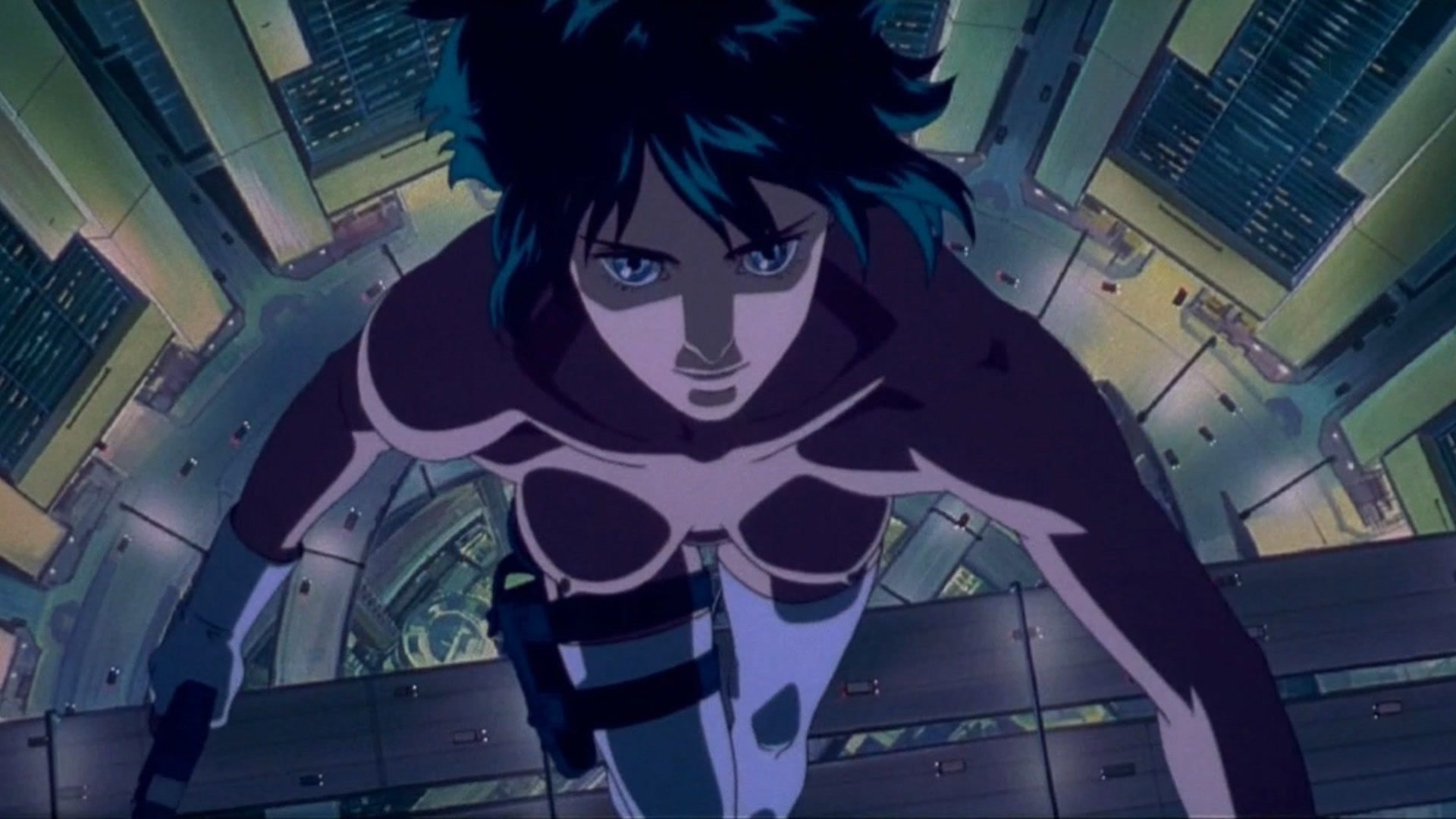
Hisao Shirai’s cinematography makes the crowded cityscapes readable without making them tidy. Buildings and cyberspace interfaces demand attention because they seem to belong to a place with more going on than the story can contain. The amount of detail matters: technology has become ordinary here, something to live among rather than stop and admire. We felt unexpectedly lonely looking at this city. The sheer density of the surroundings makes the characters seem isolated, and that feeling brings the film’s questions about identity closer than the dialogue often manages.

Shuichi Kakesu’s editing allows the images to linger, resisting the demand to hurry back to the action. That patience pays off because we need time to look, not merely register another elaborate background. Kenji Kawai’s music contributes to the melancholy rather than trying to make every moment exciting. It helps sustain an uneasy mood even when we are not keeping up with every implication of the story. These stretches are absorbing enough that the brief running time never feels like a restriction.

Oshii also keeps returning to exposed bodies, putting flesh beside the mechanical elements that complicate our response to it. There is an obvious risk of turning the question into an excuse for undressing an animated woman. The film does not entirely escape that discomfort, and we would not want to pretend that it does. Yet the repeated stripping makes physical appearance an unreliable guide to who someone is, which gives the nudity a reason to be here beyond decoration.

The difficulty is Kazunori Ito’s screenplay, which sometimes makes its people sound as though they have been brought in to clarify the reading. Explanations arrive heavily, while the plotting can still be hard to follow. We do not need every uncertainty resolved, but occasionally the effort of following events gets in the way of considering their meaning. The characters also have too little life beyond the questions they raise. Atsuko Tanaka’s restraint as the voice of Motoko Kusanagi suits the film’s coolness, although it cannot entirely overcome that distance.

There is something welcome in a science-fiction film that does not treat technological change simply as a threat to be defeated. Oshii is interested in what humanity might become, and lets that possibility remain unsettling without insisting that it must be dreadful. The violent action keeps this from becoming a lecture for long, and its precision supplies some pleasure that needs no explanation. We would accept a little more warmth, but the willingness to take an unfamiliar idea seriously is reason enough to stay. Give it an evening when nobody needs cheering up.

Critical consensus AI synthesised

3 of 6
Positive
3
Mixed
0
Negative
0
The AV Club
17 April 2014 · David Ehrlich
90*

The critic hails Oshii's film as a philosophical treatise and cybernetic noir that confidently explores identity and technology's inevitability rather than fearing it. It singles out the film's visual and thematic merging of organic and mechanical elements, particularly through the Major's repeated stripping scenes, as a striking illustration of human confusion in a digital age.

Read the full review →
Time Out
22 September 2014 · ★★★★ · Tom Huddleston
80

The critic praises the film's dizzying, ideas-heavy cyberpunk story and moments of visual poetry in its detailed dystopian cityscapes and cyberspace interfaces. They note that the dense plot and cipher-like characters are offset by its mind-expanding sci-fi strangeness.

Read the full review →
The Guardian
25 September 2014

The critic finds the 1995 anime still commandingly bizarre and mysterious nearly 20 years on, with visual boldness that has aged better than many live-action films. It blends violent thriller, tech-porn and sci-fi epic but is noted as too opaque for full investment, though it should be seen.

Read the full review →
The Telegraph
· Robbie Collin

Oshii’s film is described as a sci-fi masterpiece of profound and melancholic beauty that remains essential. It is praised for its prophetic vision of data-saturated worlds, balletic action and a standout central animated sequence, with a cold, brooding mood.

Read the full review →
The Skinny
25 September 2014 · ★★★★ · Stephen Carty
80

The critic calls it one of the most influential sci-fi films of recent decades and praises its stylish action, arresting visuals, and thought-provoking questions about humanity. They note occasional clumsy exposition and a plot that can be hard to follow at first but say the positives, including its dream-like quality and striking animation, more than compensate.

Read the full review →

Cast

Stills

Awards

Animation Kobe Theatrical Film Award, 1996

Won
Animation Kobe Theatrical Film Award

Annie Award for Best Animated Feature, 1996

Nominated
Annie Award for Best Animated Feature

If you liked this, try…

Akira poster

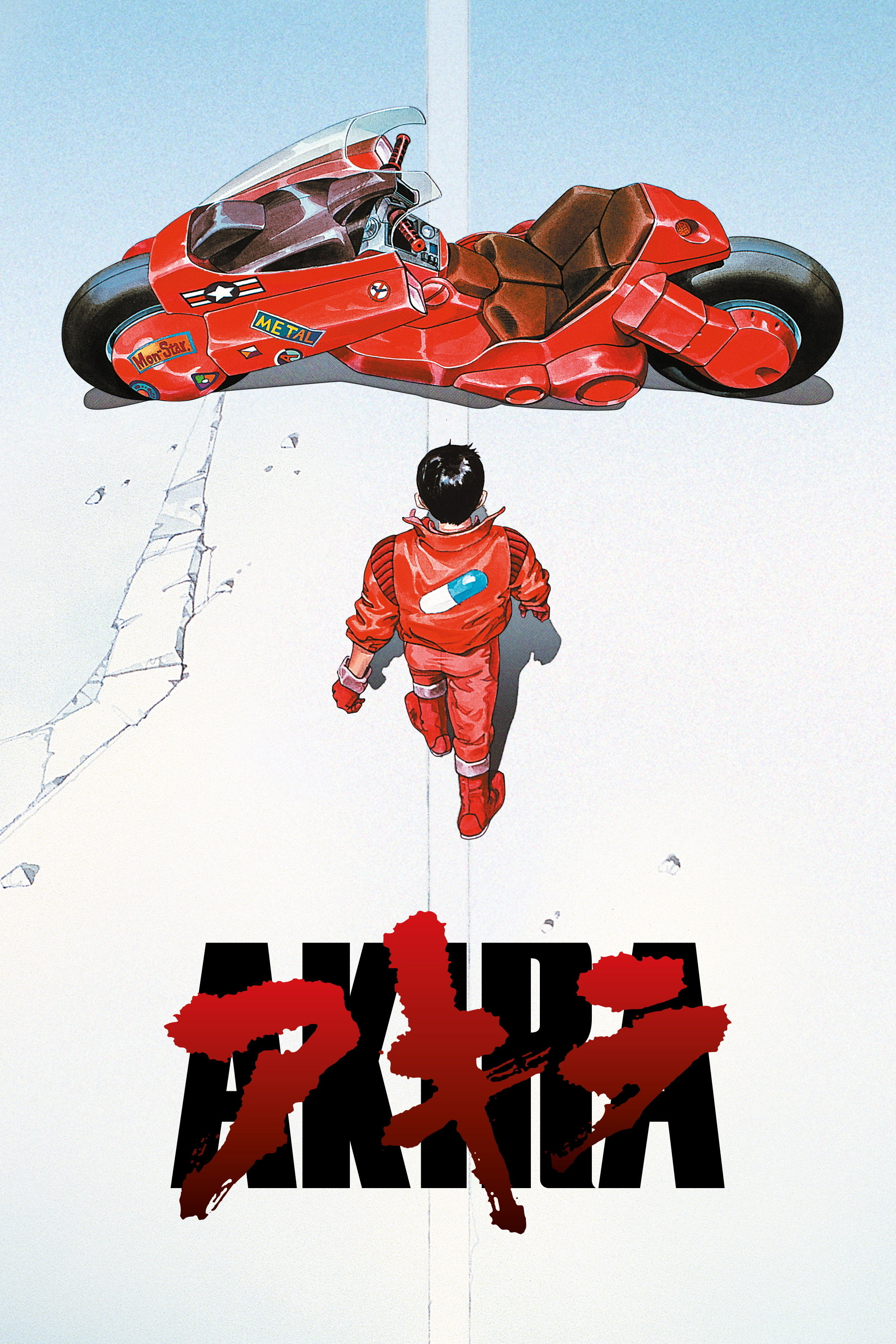
Akira

1988 · For animated urban detail and bodies made frighteningly vulnerable to technological change.

Blade Runner poster85

Blade Runner

1982 · Another crowded city where artificial people make being human difficult to define.

Solaris poster

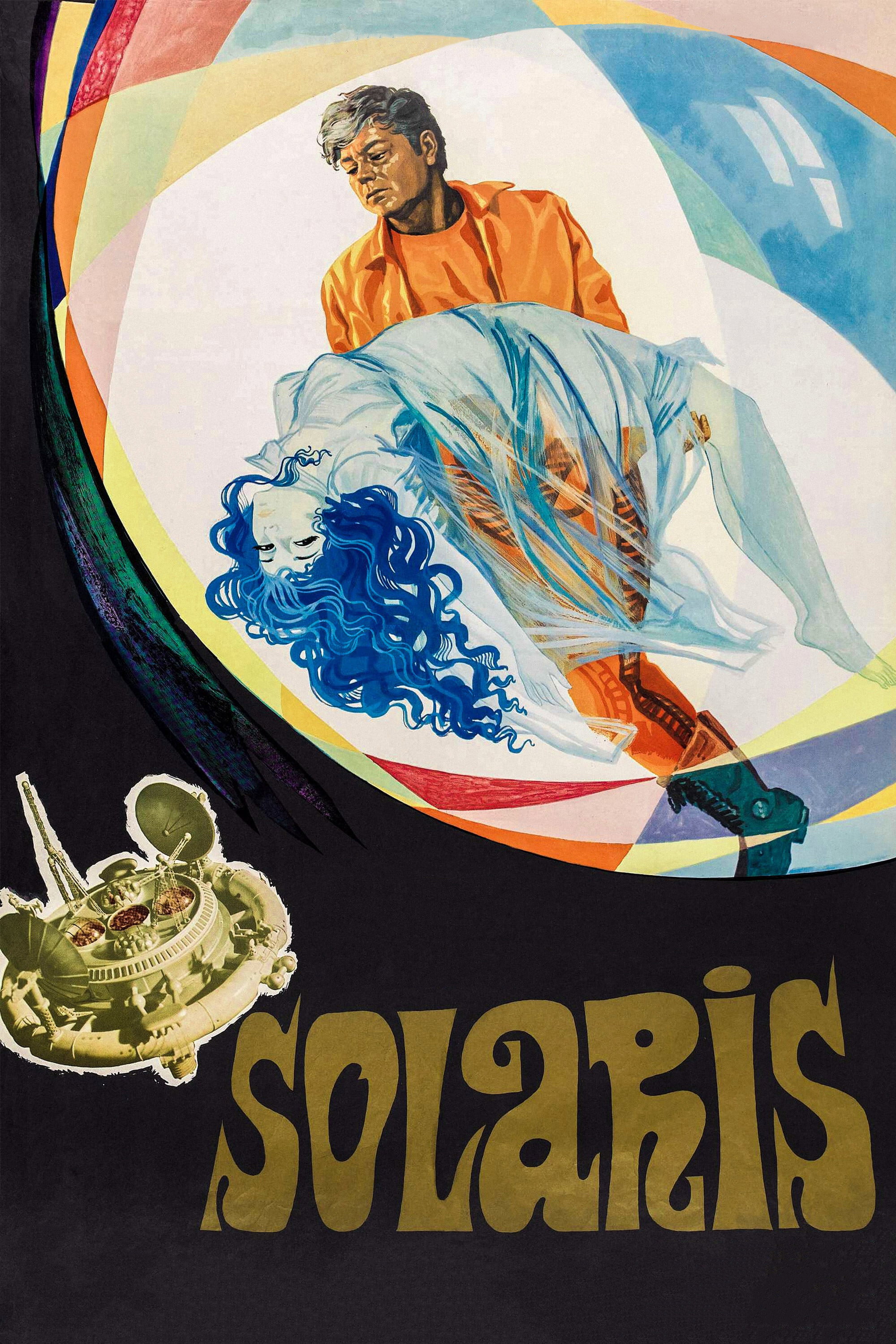
Solaris

1972 · For science fiction that takes its time over consciousness, loneliness and doubt.

The Face of Another poster

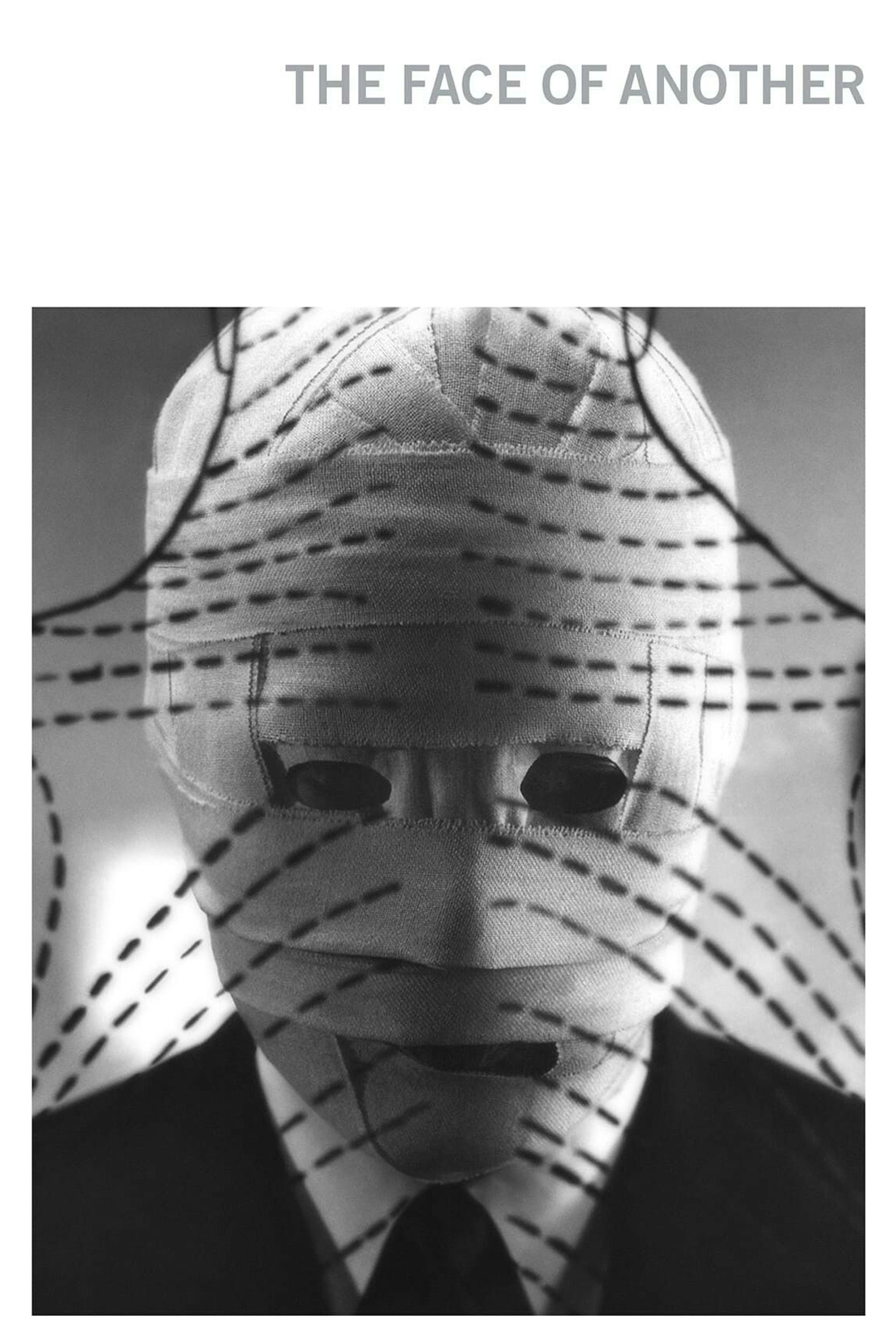
The Face of Another

1966 · A changed face makes familiar questions about identity feel intimate and unpleasant.

After Yang poster

After Yang

2021 · Artificial life and human grief, approached with patience and a gentler touch.