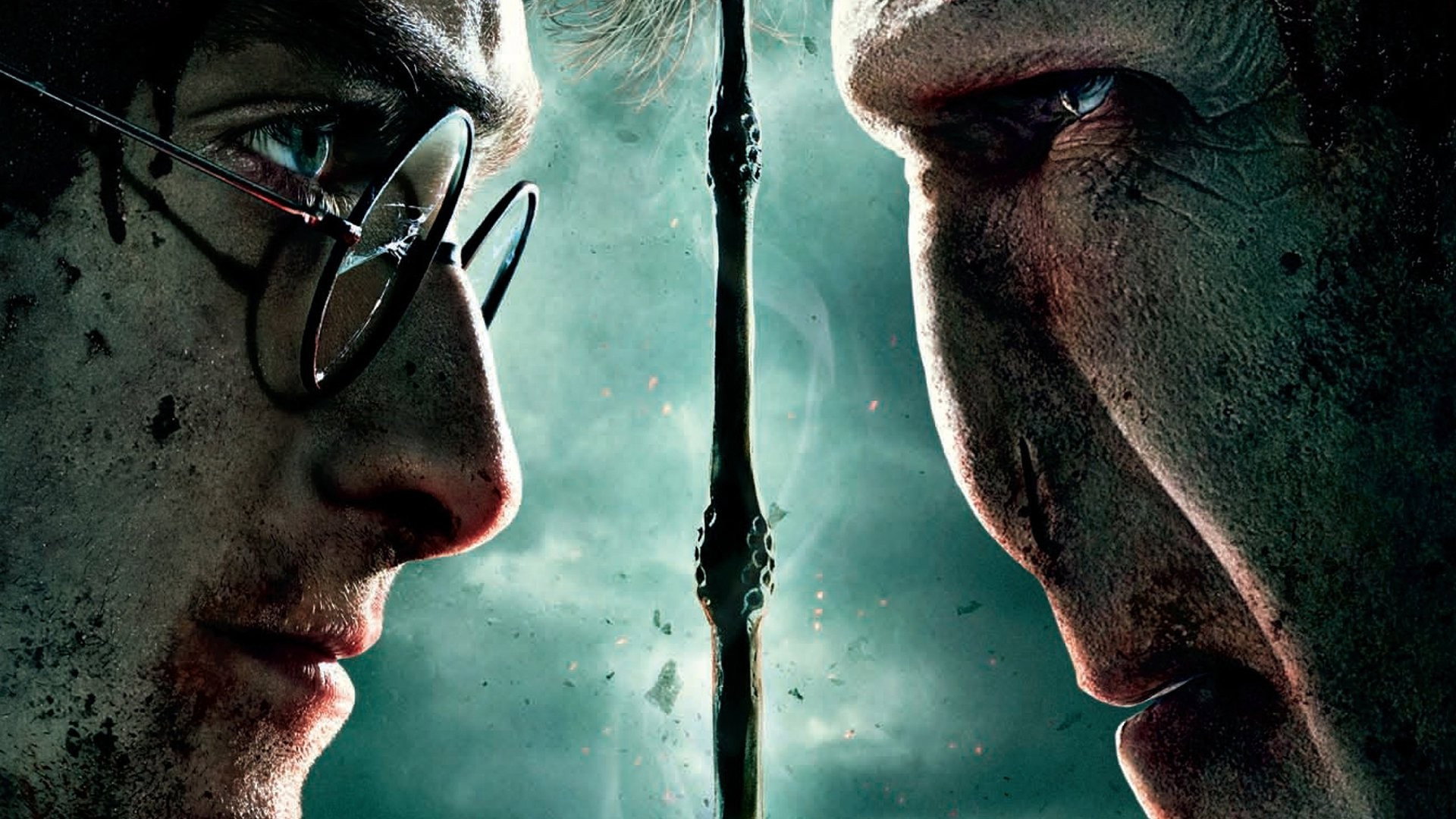
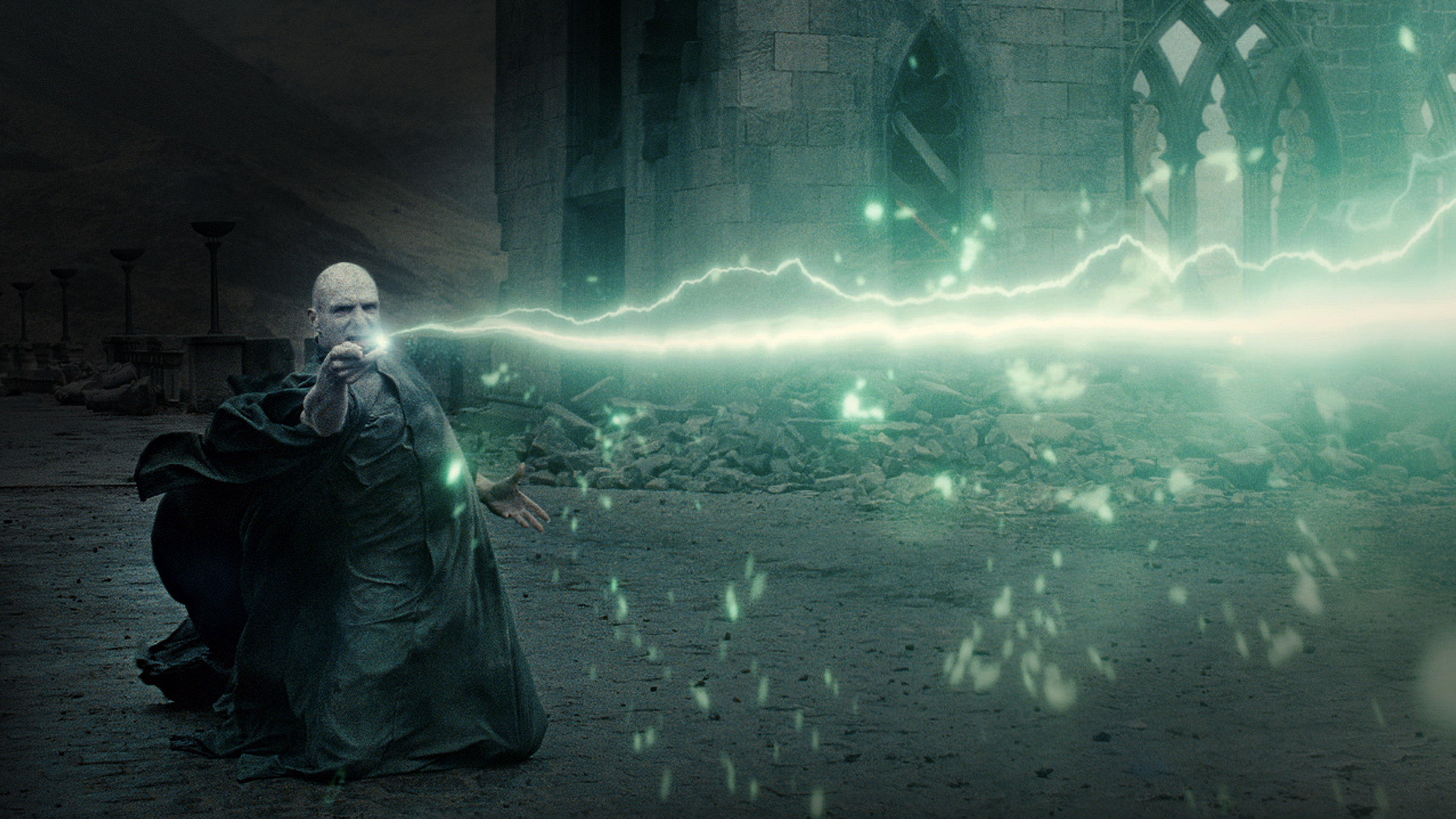
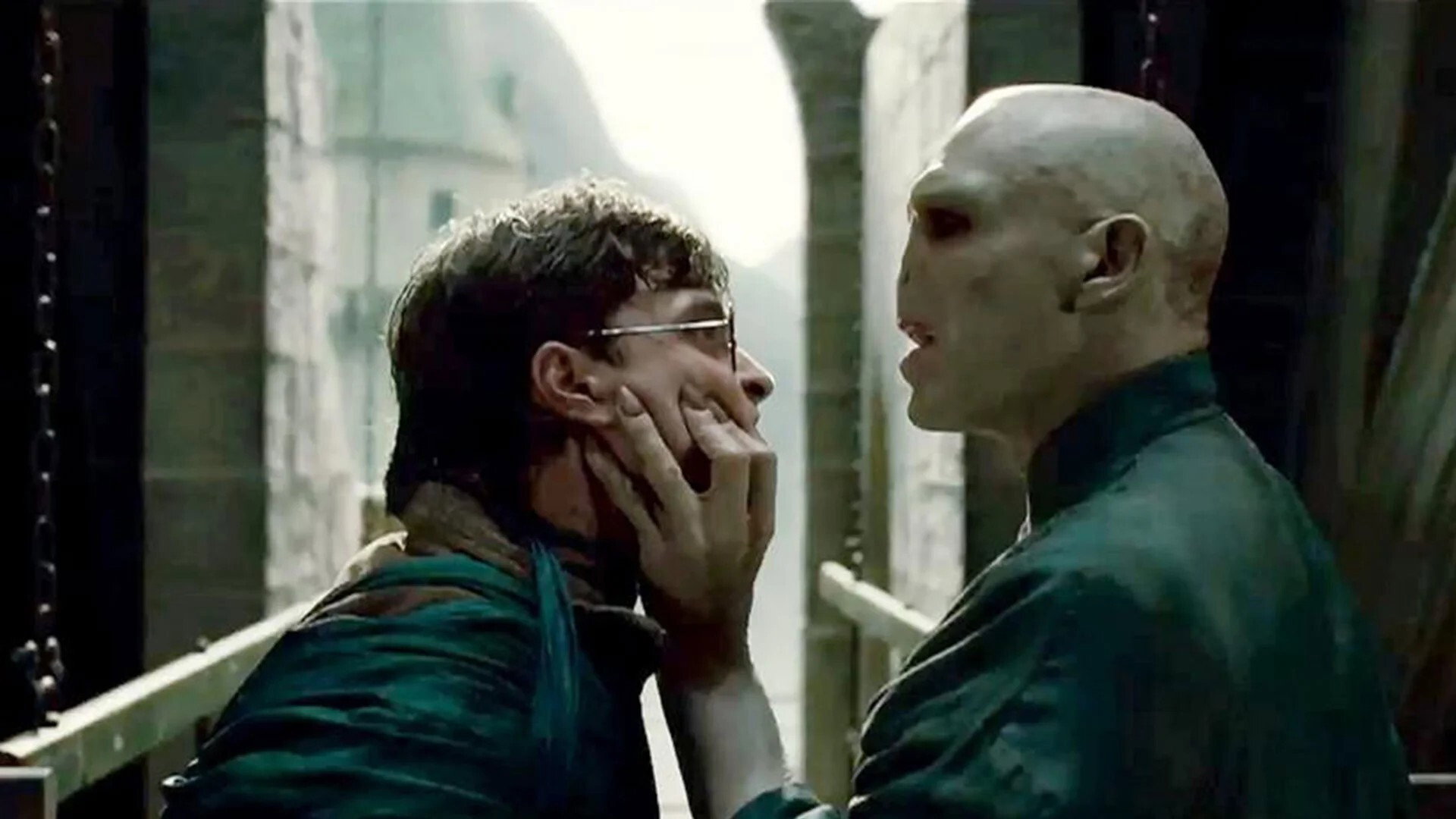
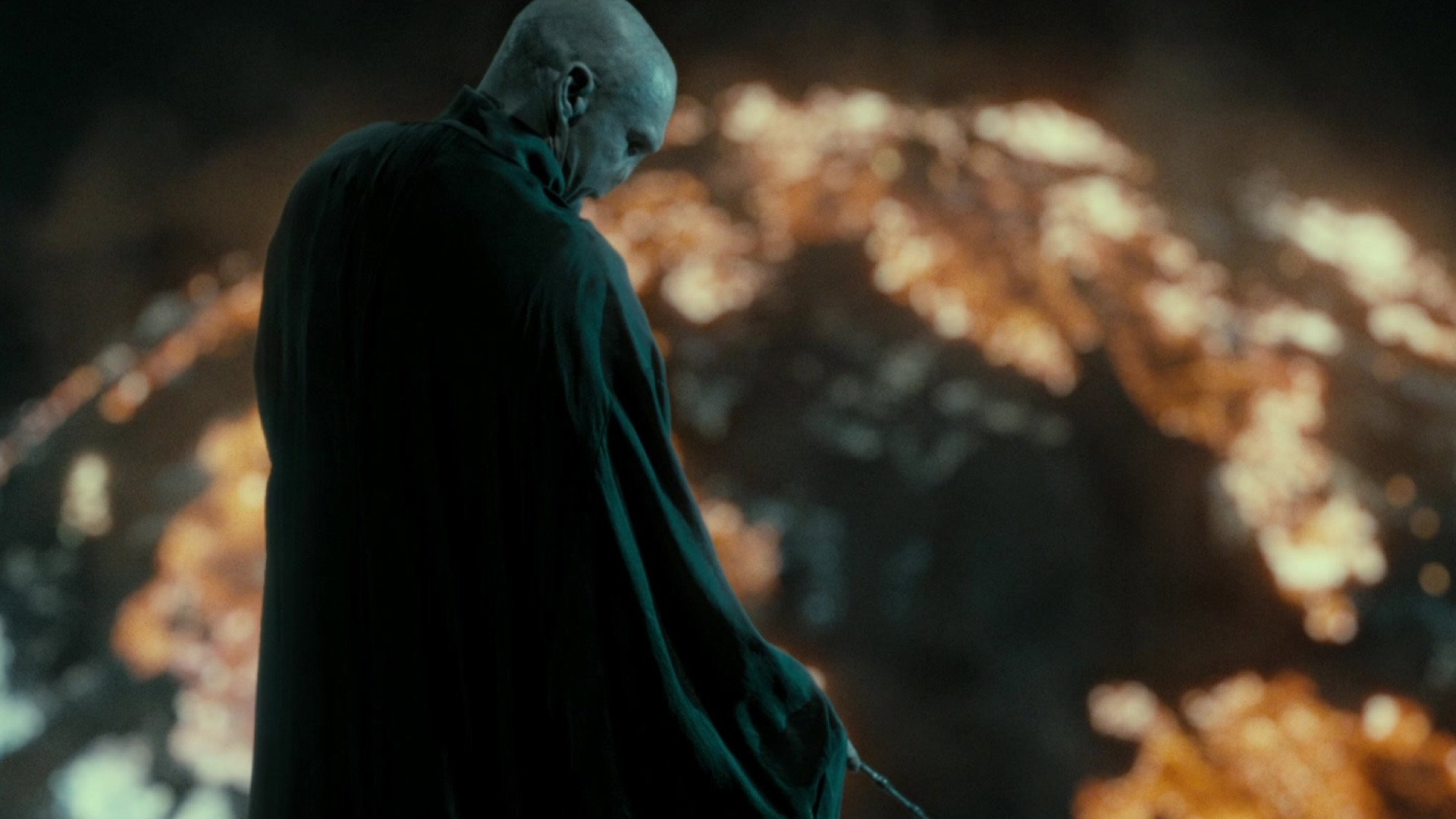
David Yates brings Harry Potter’s story to a forceful, moving close, with actors who hold their own amid the fighting. Some farewells are hurried, and newcomers should start elsewhere, but this is a satisfying finish.
David Yates gives Harry Potter and the Deathly Hallows: Part 2 a satisfying, often moving sense of completion. It is also a demanding place to begin, and we would not recommend treating it as an introduction. Steve Kloves’s screenplay assumes that the names, loyalties and unfinished business already mean something. That lets Yates get on with the fighting, but it also means the film borrows much of its emotional force from earlier instalments. For those who have followed them, that seems a reasonable bargain.
The raid on Gringotts bank gives the action an early purpose and an immediate sense of danger. Yates handles a crowded sequence without making activity feel like an achievement in itself. Editor Mark Day keeps the film moving briskly, while allowing its quieter exchanges enough space to register. At 130 minutes, it has considerable business to get through, and for much of the running time the urgency feels earned.
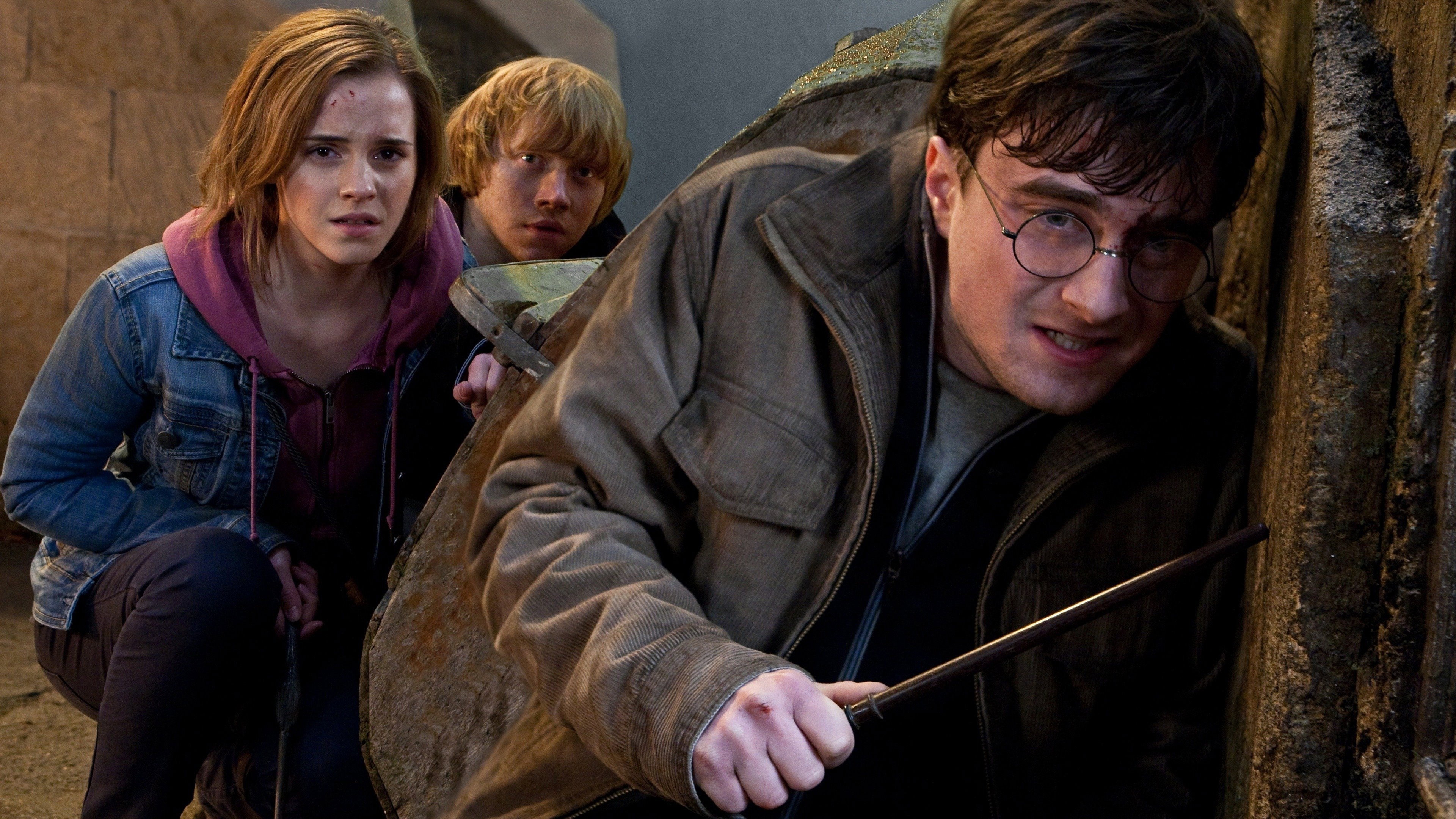
We were surprised by how much it hurt to see Hogwarts turned into a battlefield. Stuart Craig’s production design makes the school feel substantial enough for its fate to matter, even amid such extravagant fantasy. Eduardo Serra’s sombre cinematography gives the fighting a grimness that prevents it from becoming merely a display of spells. The look can be oppressive, but a brighter, more inviting battle would have been a strange choice for this story.
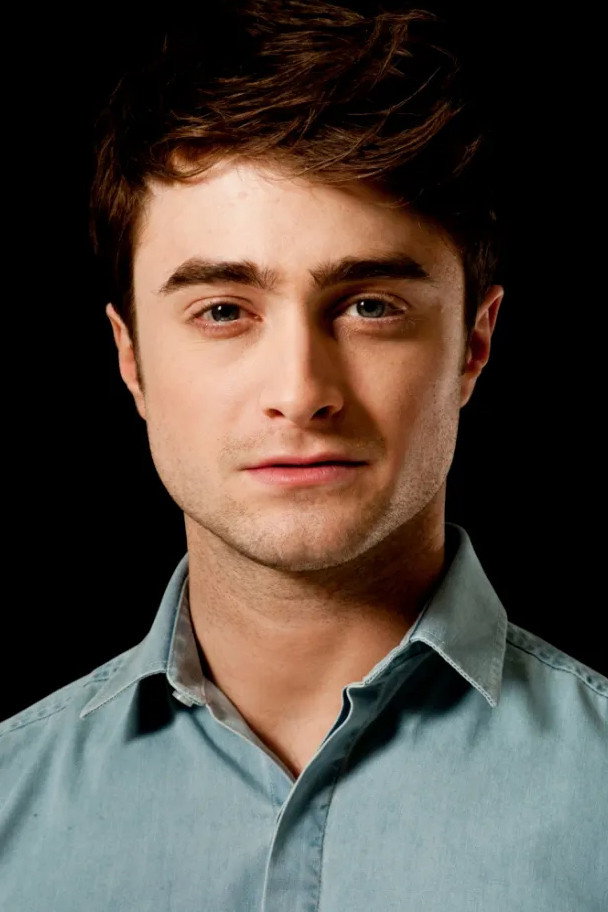
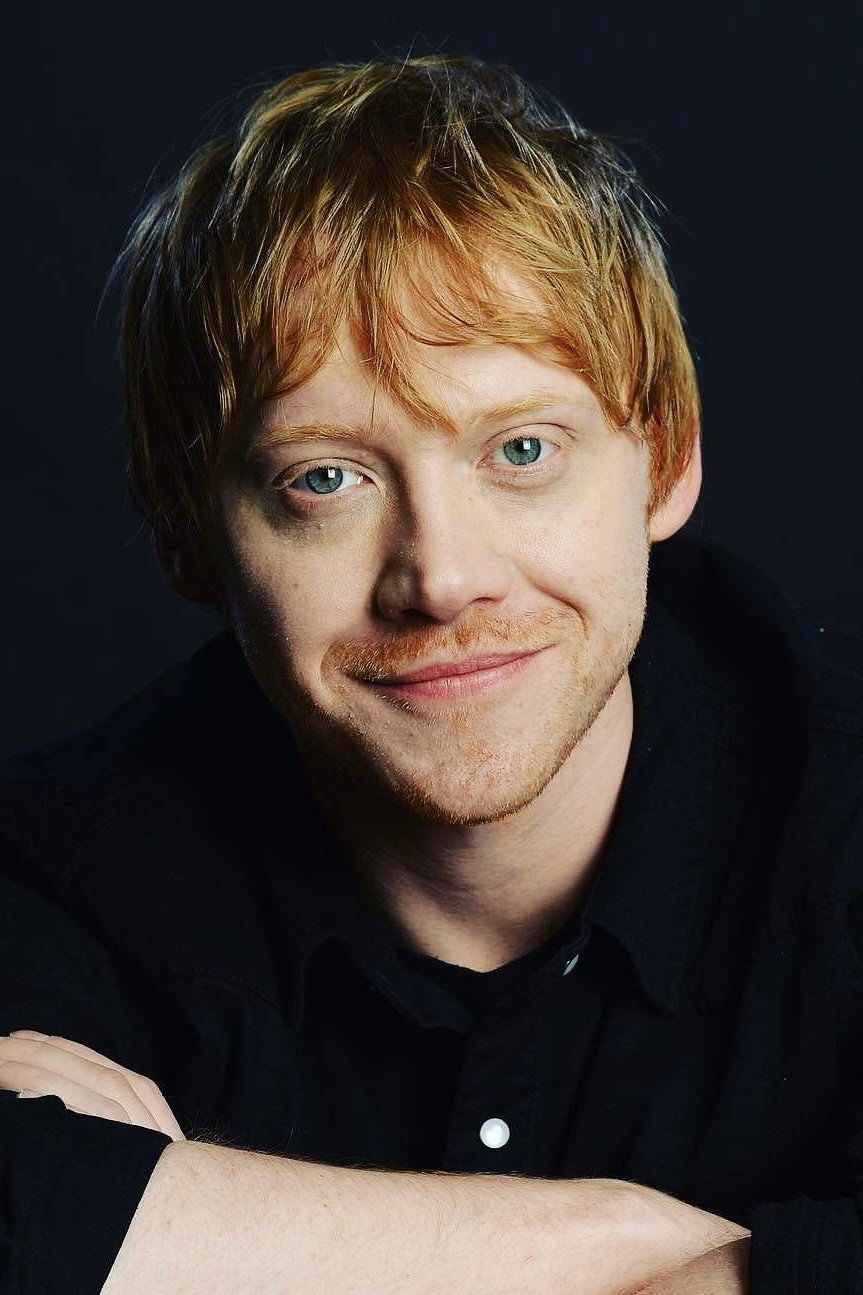
Daniel Radcliffe is a persuasive centre for all this, carrying Harry’s responsibilities without constantly asking us to admire the effort. Emma Watson and Rupert Grint give Hermione and Ron enough warmth to keep the central trio from becoming solemn company. The performances make room for apprehension as well as resolve, which is important in a film with so much combat. Yates is sensible enough to keep returning to the actors when the scale threatens to become exhausting.
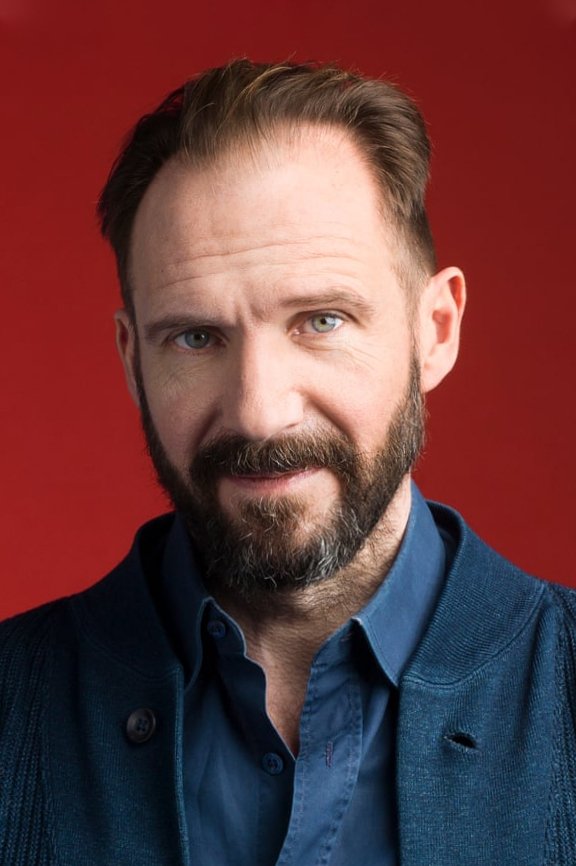
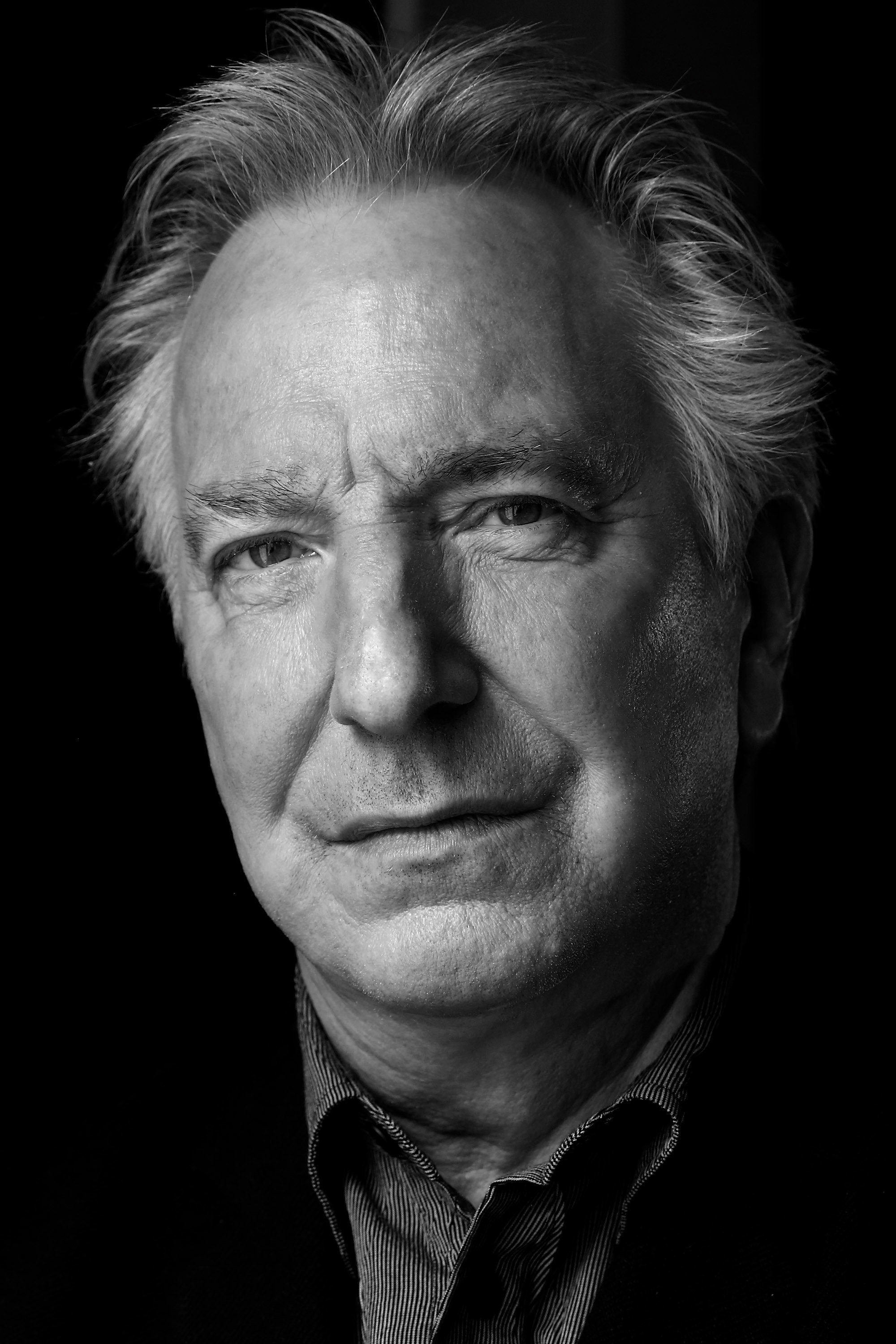
Alan Rickman makes Severus Snape compelling without seeming to compete for our attention. There is weight to his presence even when the surrounding film seems in a hurry. Ralph Fiennes gives Voldemort a nastiness that keeps the threat personal, and Matthew Lewis brings welcome spirit to Neville Longbottom. The supporting cast make a strong impression in limited space, although the sheer number of familiar faces occasionally leaves a scene feeling like an allotted appearance.
Alexandre Desplat’s score supports the seriousness of the drama, and its emotional insistence mostly feels justified. The music cannot always compensate for the speed at which the film passes over its human consequences. Kloves and Yates have so much to settle that some moments need longer than they receive. Day’s briskness becomes less helpful when we want to remain with a character. It is a real limitation, though it does not undo the feeling the actors have earned.
The standard fantasy finale can feel obliged to make every confrontation bigger than the last. Yates largely avoids that fatigue by giving the actors room within the spectacle, even if he sometimes moves on too soon. We would not use this film to test whether wizards are our sort of thing. If the preceding chapter is hazy, revisit it before starting this one.