Peter Jackson’s fantasy finale is thrilling and moving, with Elijah Wood and Sean Astin keeping the vast battles from taking over. It deserves the long evening, though several stretches could be shorter.
Peter Jackson asks us to take the courage and loyalty in The Lord of the Rings: The Return of the King seriously. The film is thrilling, often moving, and sufficiently interested in its people to make the enormous battles matter. There is no embarrassment about making fantasy this solemn, and little need for it. The qualification is the running time: at 201 minutes, the film gives some emotions more time than they need.
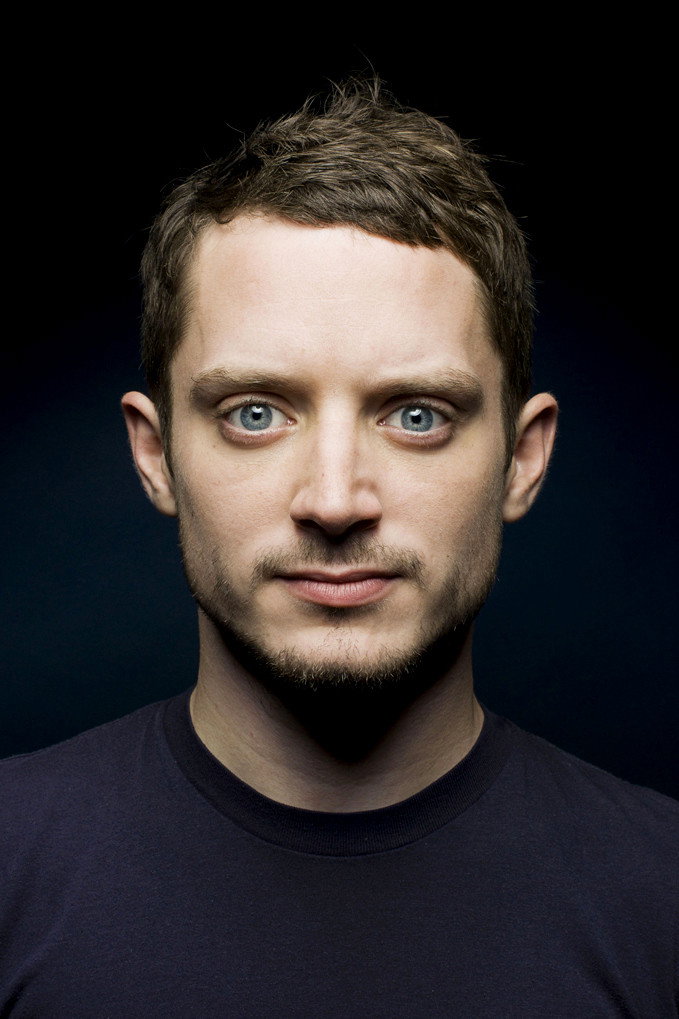
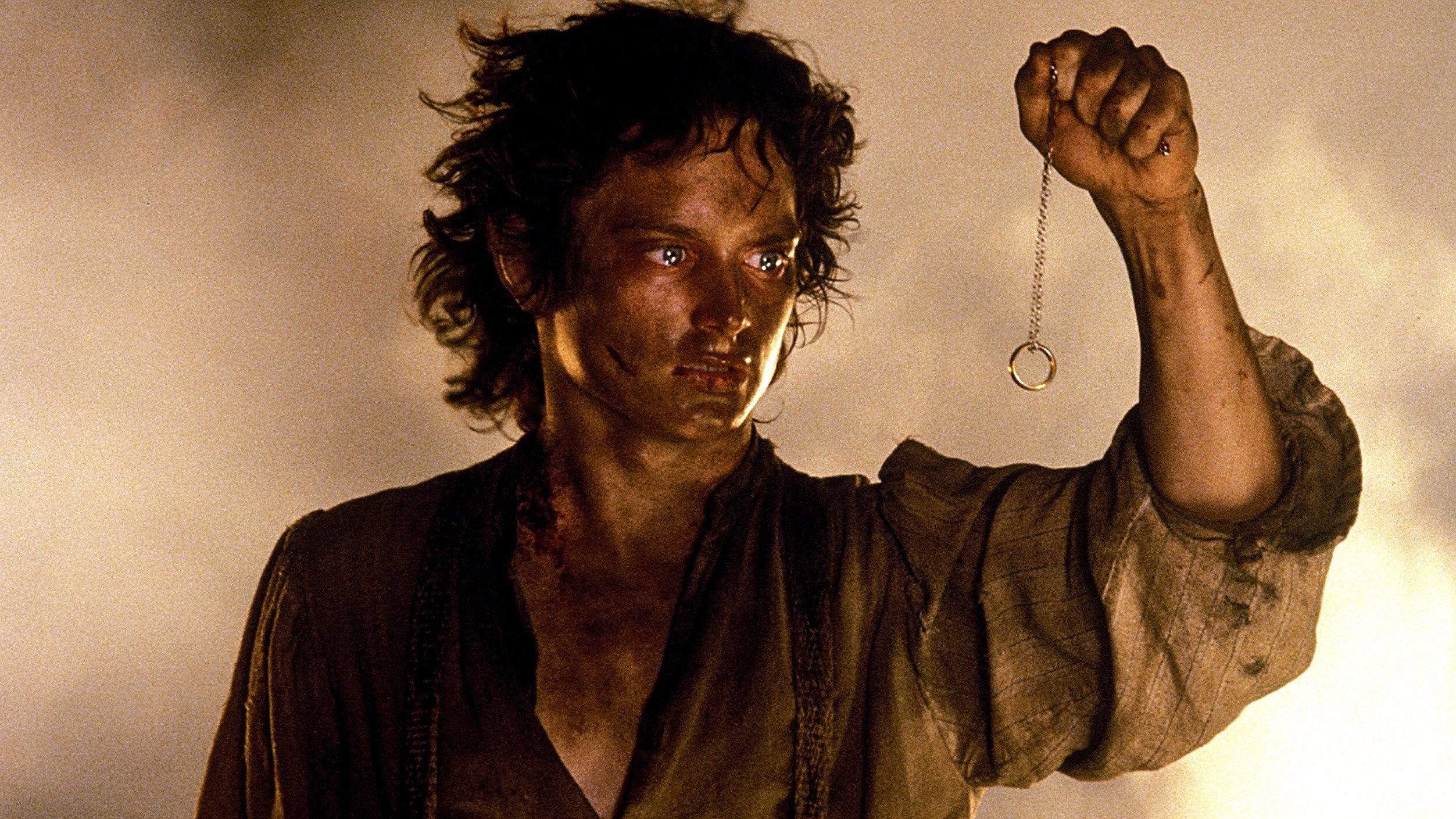
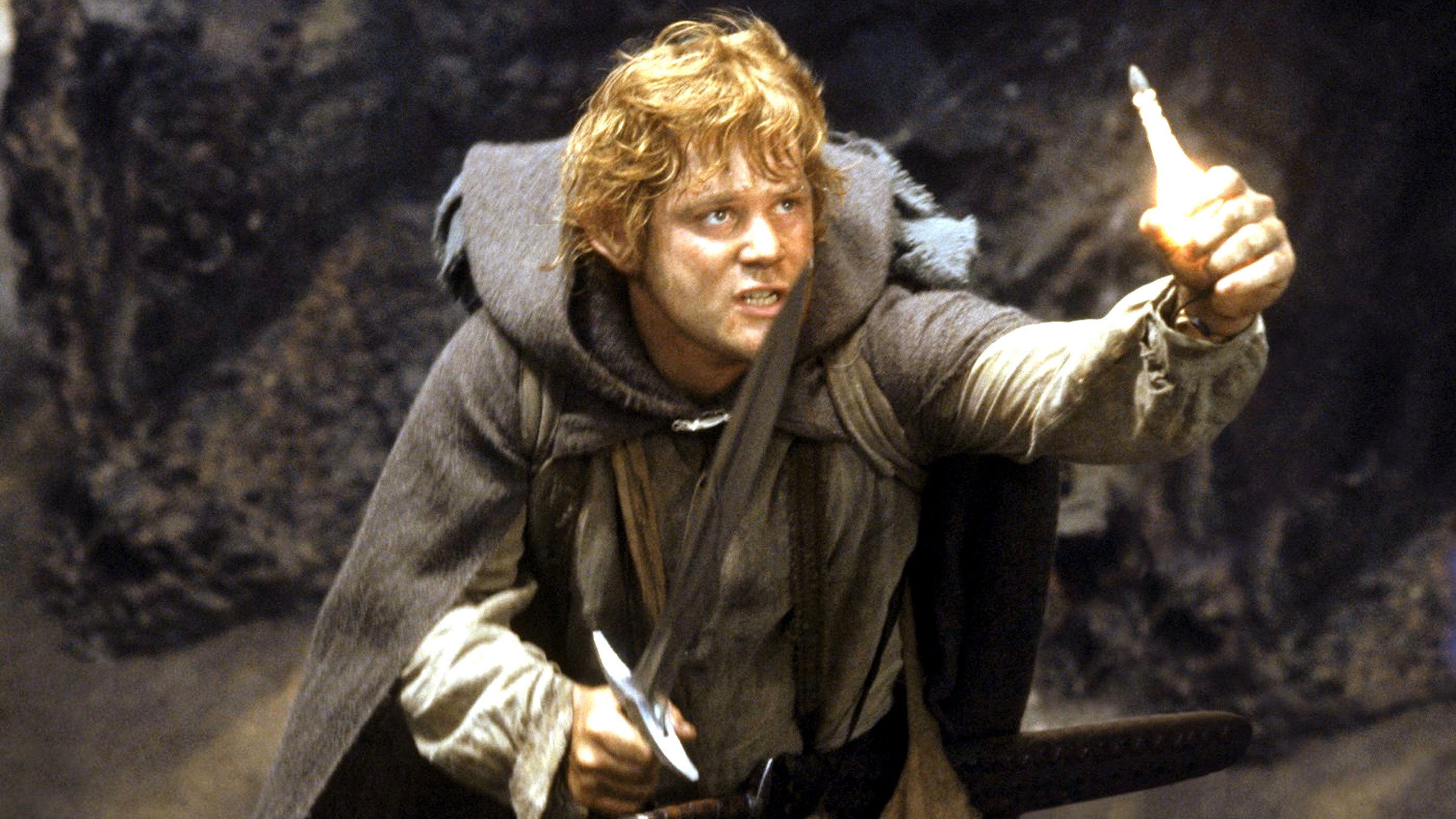
Elijah Wood and Sean Astin do the most persuasive work as Frodo and Sam. Wood makes Frodo’s distress hard to sit with, while Astin gives Sam’s concern a stubbornness that keeps the affection from becoming sugary. We were moved by the way Astin watches Wood’s Frodo, always seeming to assess how much more he can take. Jackson allows that quiet attention to register, which is crucial when the competing story strands are making so much noise.
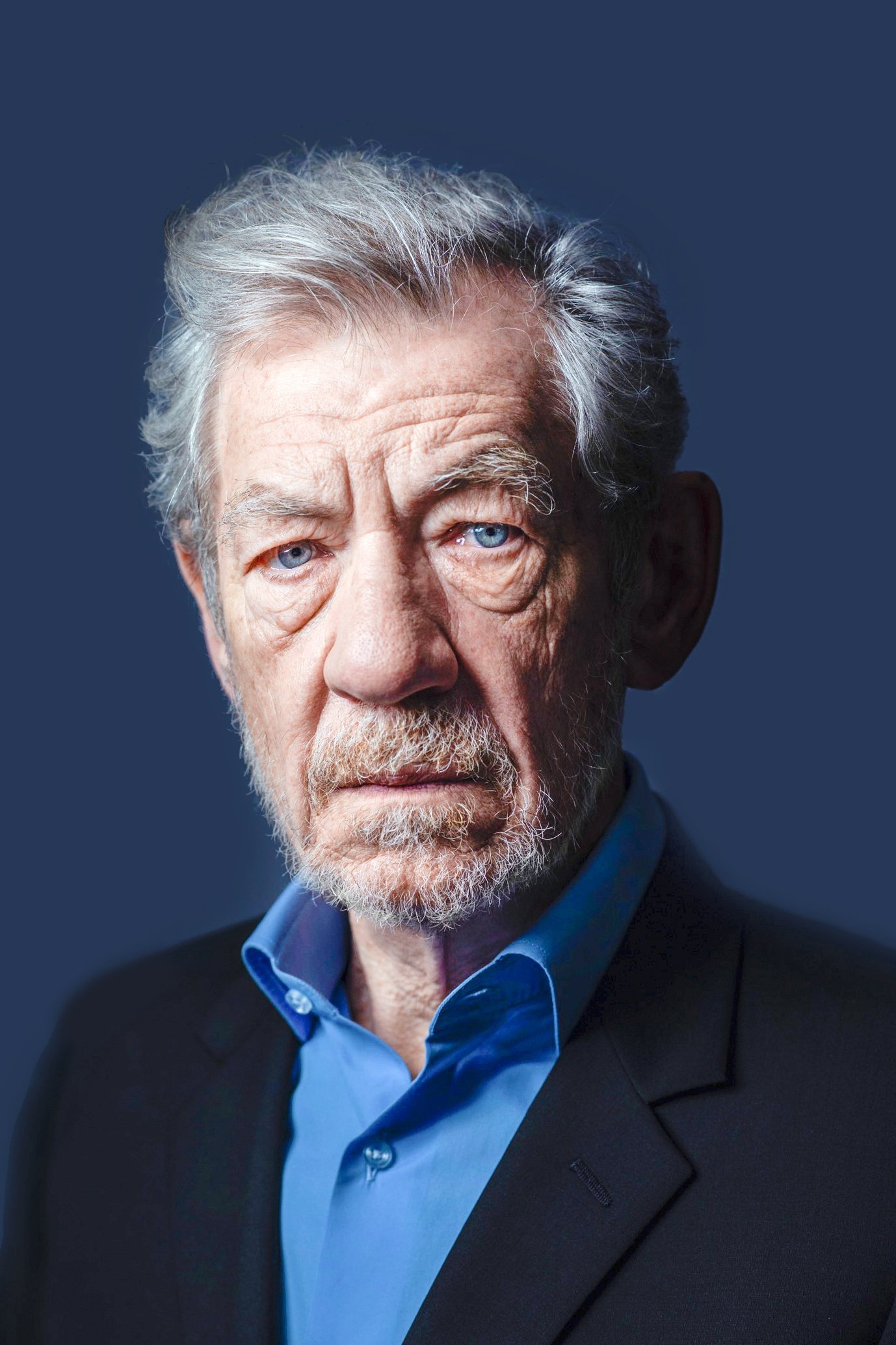
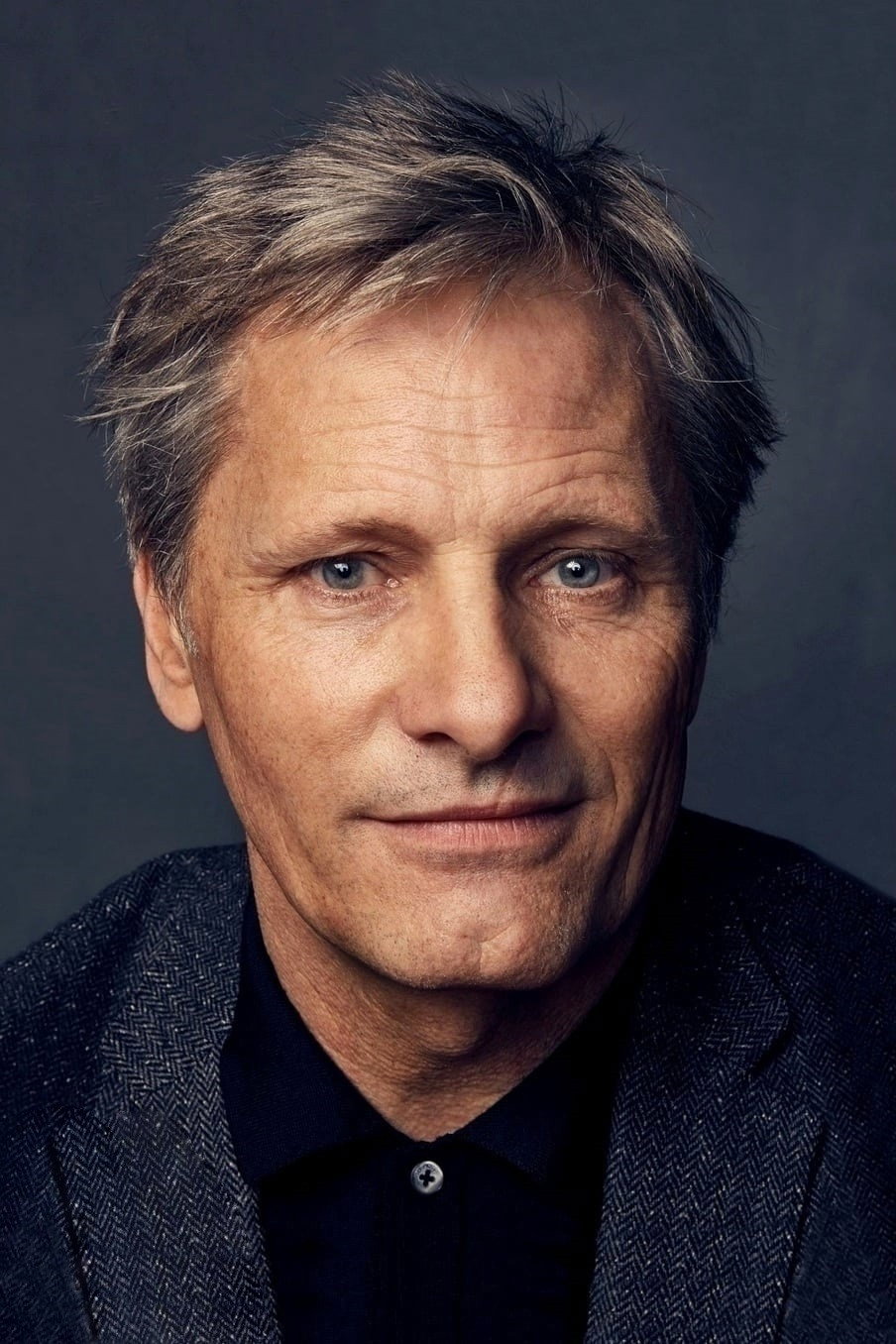
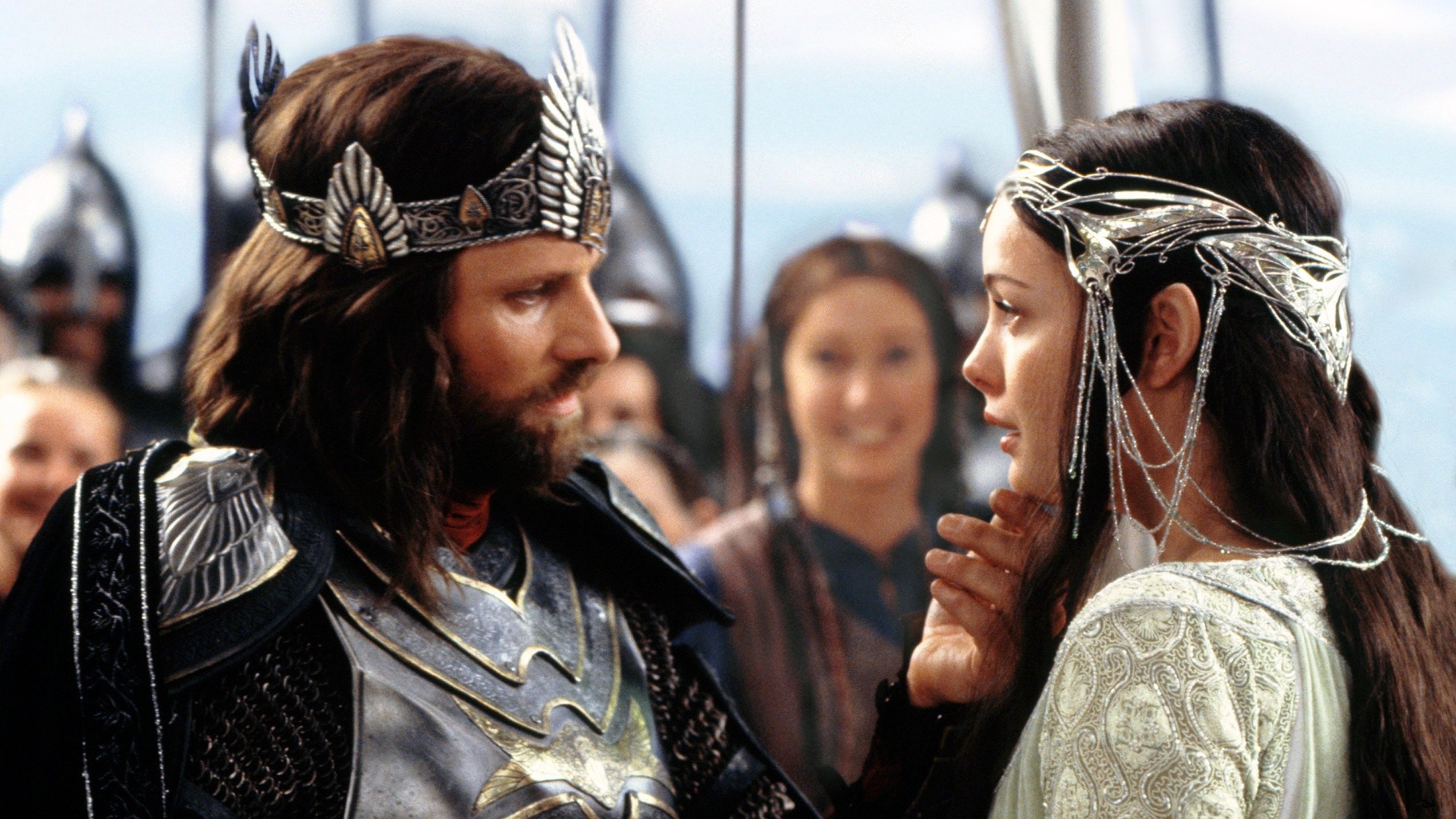
Andy Serkis makes Gollum an uneasy presence even before any question of what he might do. His performance is restless enough to hold our attention without relying solely on the character’s appearance. Ian McKellen’s Gandalf supplies welcome steadiness, and Viggo Mortensen gives Aragorn a reserve that makes the grand manner easier to accept. These performances help Jackson maintain a level of seriousness that could quickly become ponderous if everyone delivered every line as a proclamation.
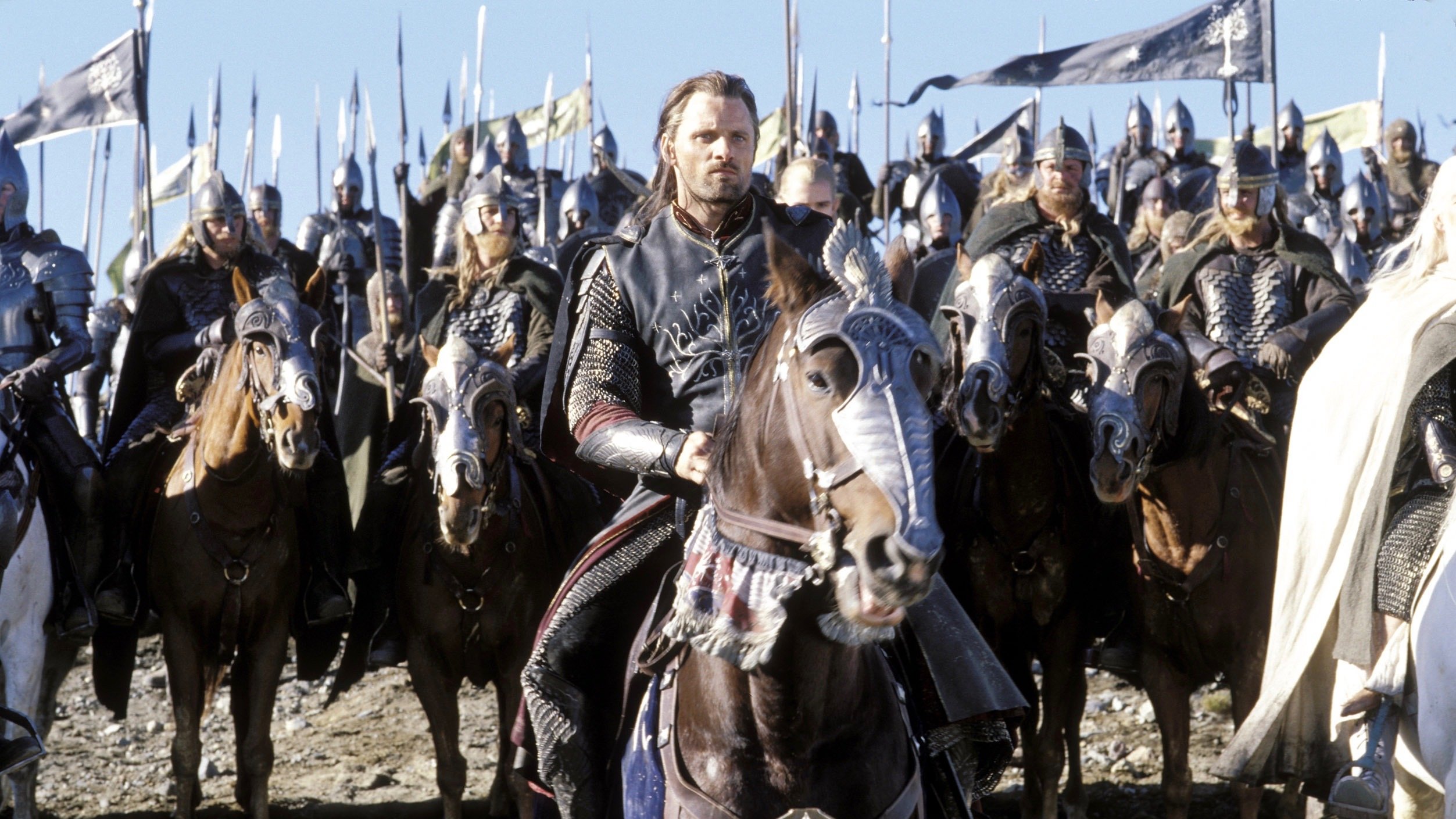
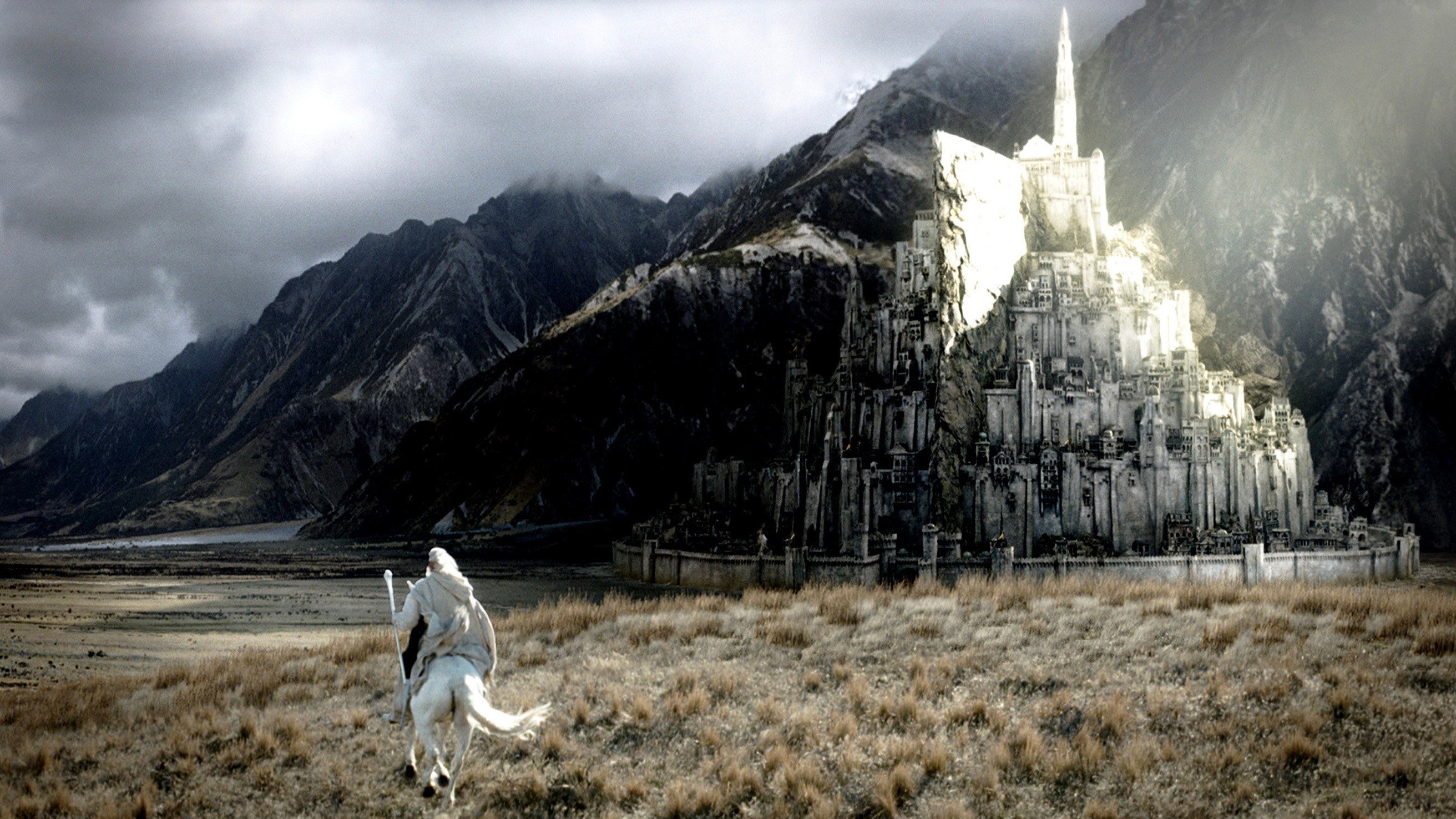
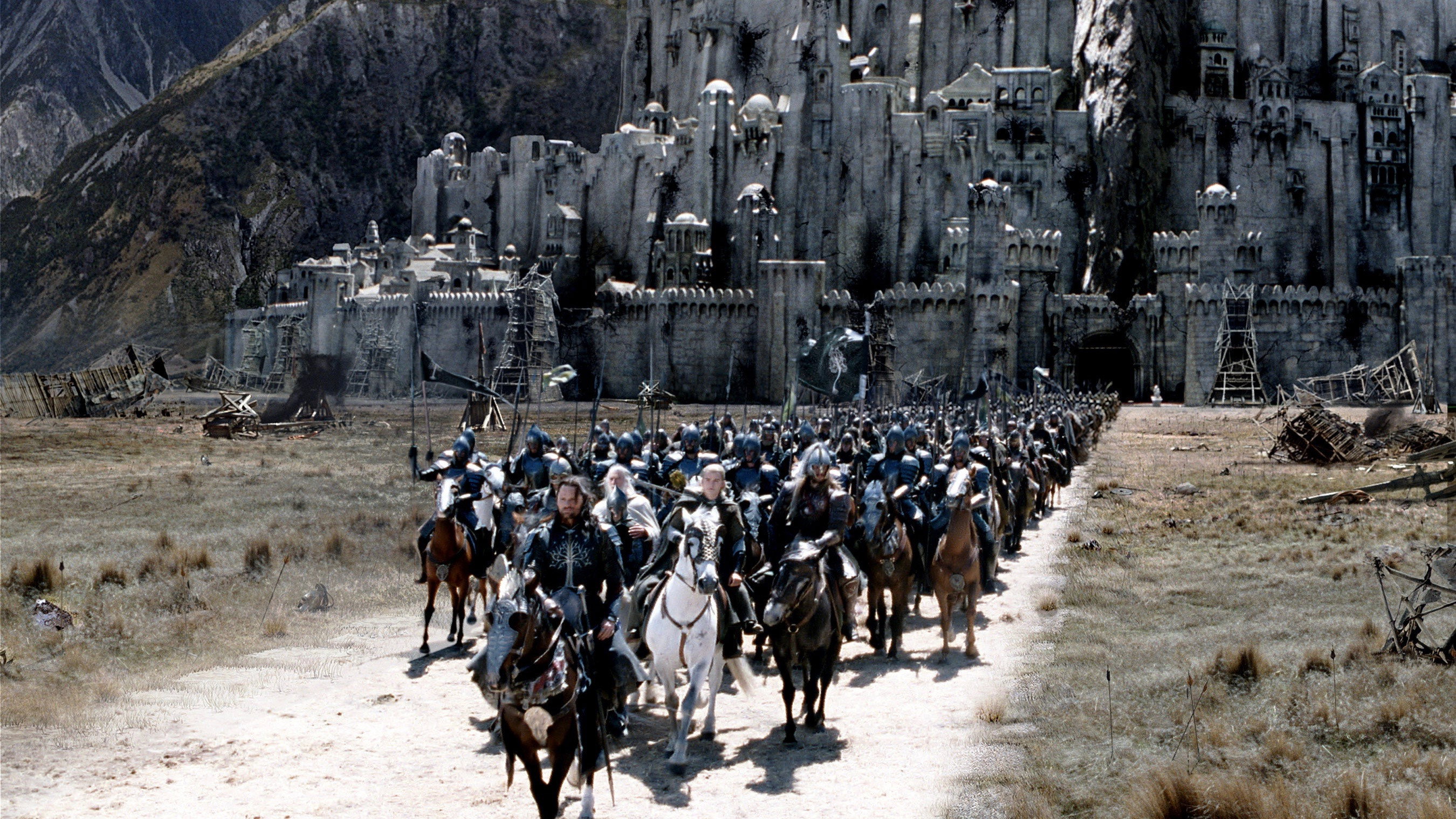
The Minas Tirith battle brings Andrew Lesnie’s cinematography and Grant Major’s production design into particularly effective partnership. Lesnie’s broad views let the size of the fighting register, and Major makes the city feel substantial enough for its protection to matter. We were thrilled by the scale, but could still care about what was being threatened. The effects have room to impress without making the setting feel disposable, and the images reward attention beyond the nearest clash.
Jamie Selkirk’s editing generally keeps the different strands clear, even when the film has several claims on our attention at once. The changes in scale are particularly well judged: a return to the hobbits does not feel like an interruption of the important business. Howard Shore’s music helps by treating their troubles with the same seriousness as the military spectacle. It is emphatic scoring, occasionally too insistent, but it supports performances that would suffer if the actors had to keep raising their voices.
The screenplay, by Fran Walsh, Philippa Boyens and Jackson, is less disciplined about repetition. Too many declarations tell us how firmly people intend to persevere when their behaviour has already settled the question, and some supporting stories feel hurried despite the length. John Noble’s Denethor and David Wenham’s Faramir belong to an ensemble that the film cannot always give enough breathing space. We would shorten some of those declarations before cutting another character’s time.
Fantasy of this kind can become a procession of names and battles that expects devotion simply for keeping track. Jackson is more interested in what such an adventure asks of the people caught up in it, and his actors make that worth considering. We would not start here: too much of the pleasure depends on arriving with an attachment to the characters. Watch the earlier instalments first, then give this one an evening with no other appointments.