Film review

The Lord of the Rings: The Two Towers

2002 · Directed by Peter Jackson · 2h 59m · MPA PG-13

In a sentenceWe would not trust Gollum with the coats, but we would give him another scene

AdventureFantasyAction

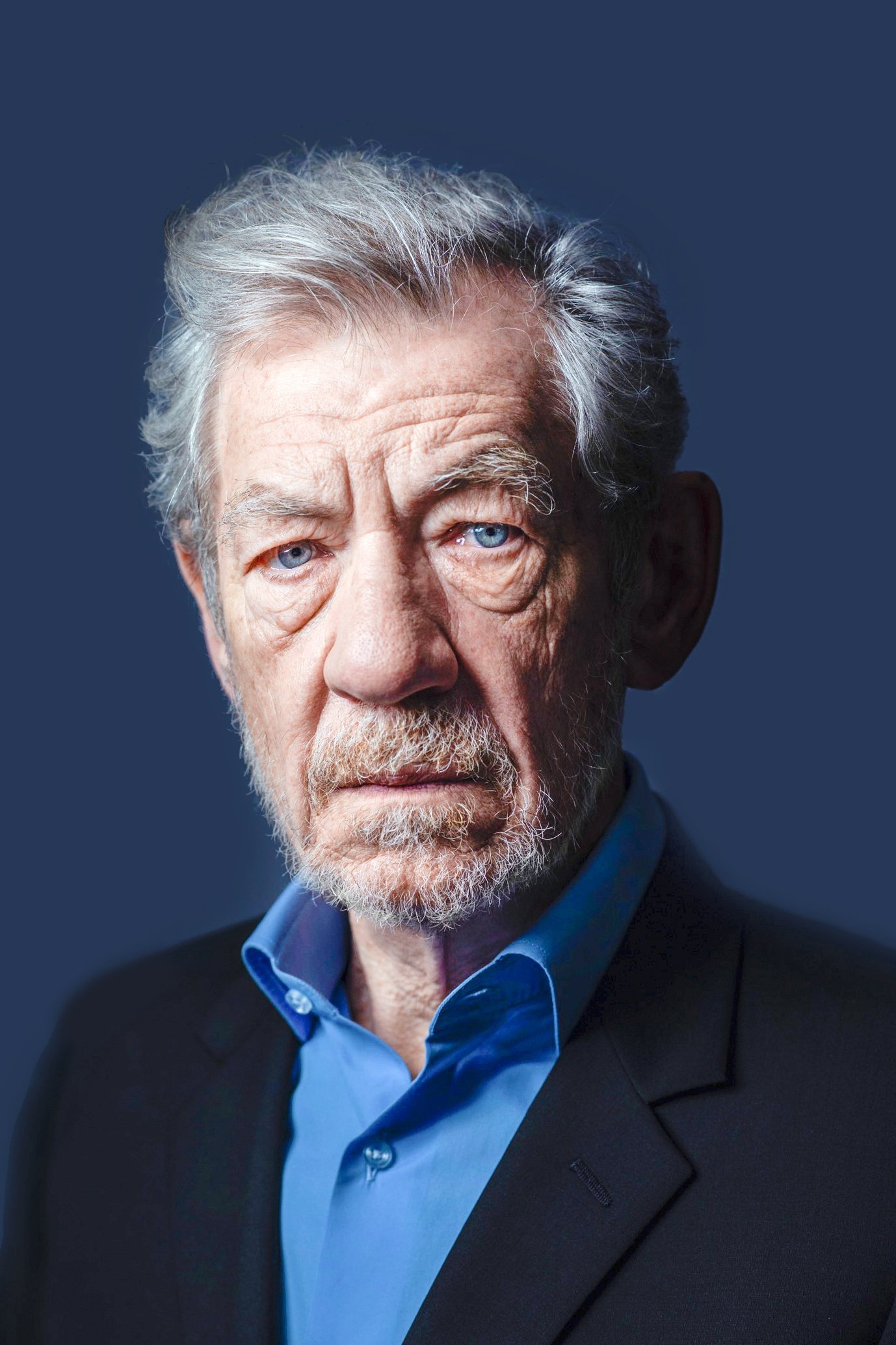
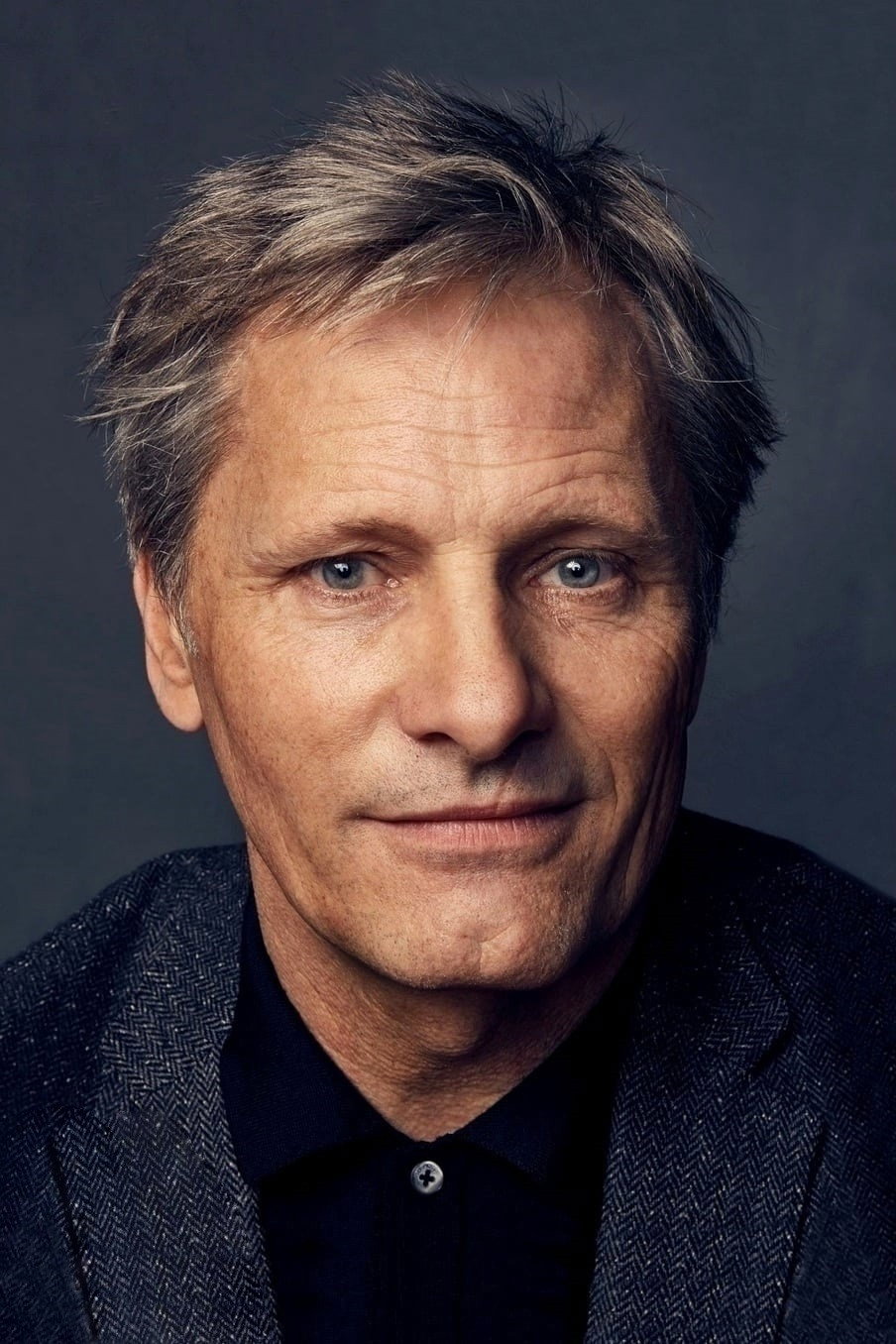
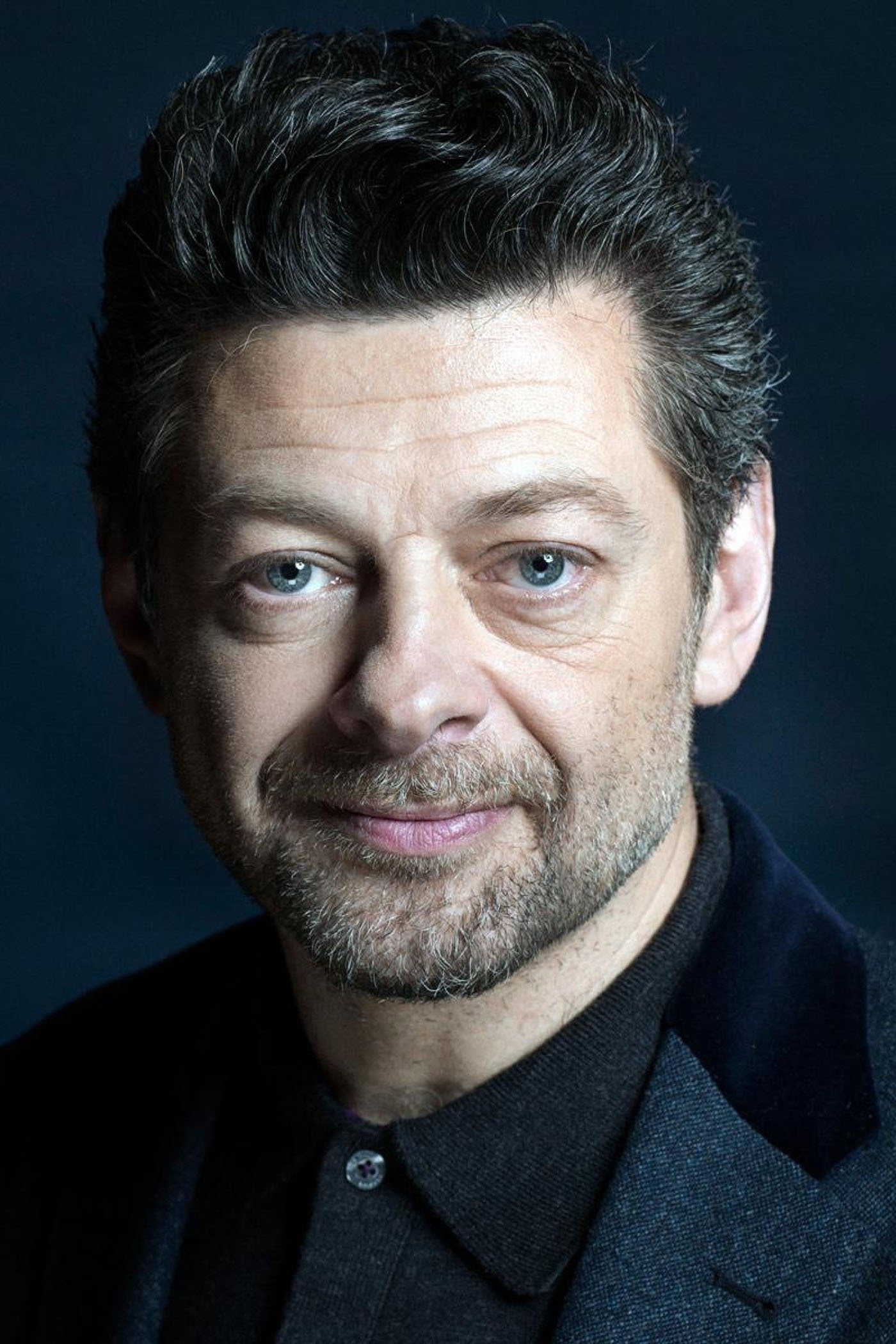
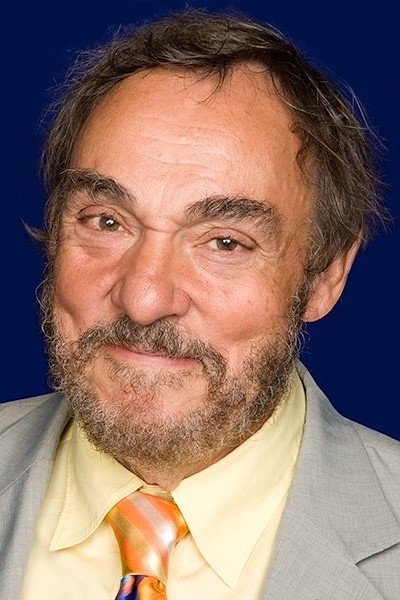
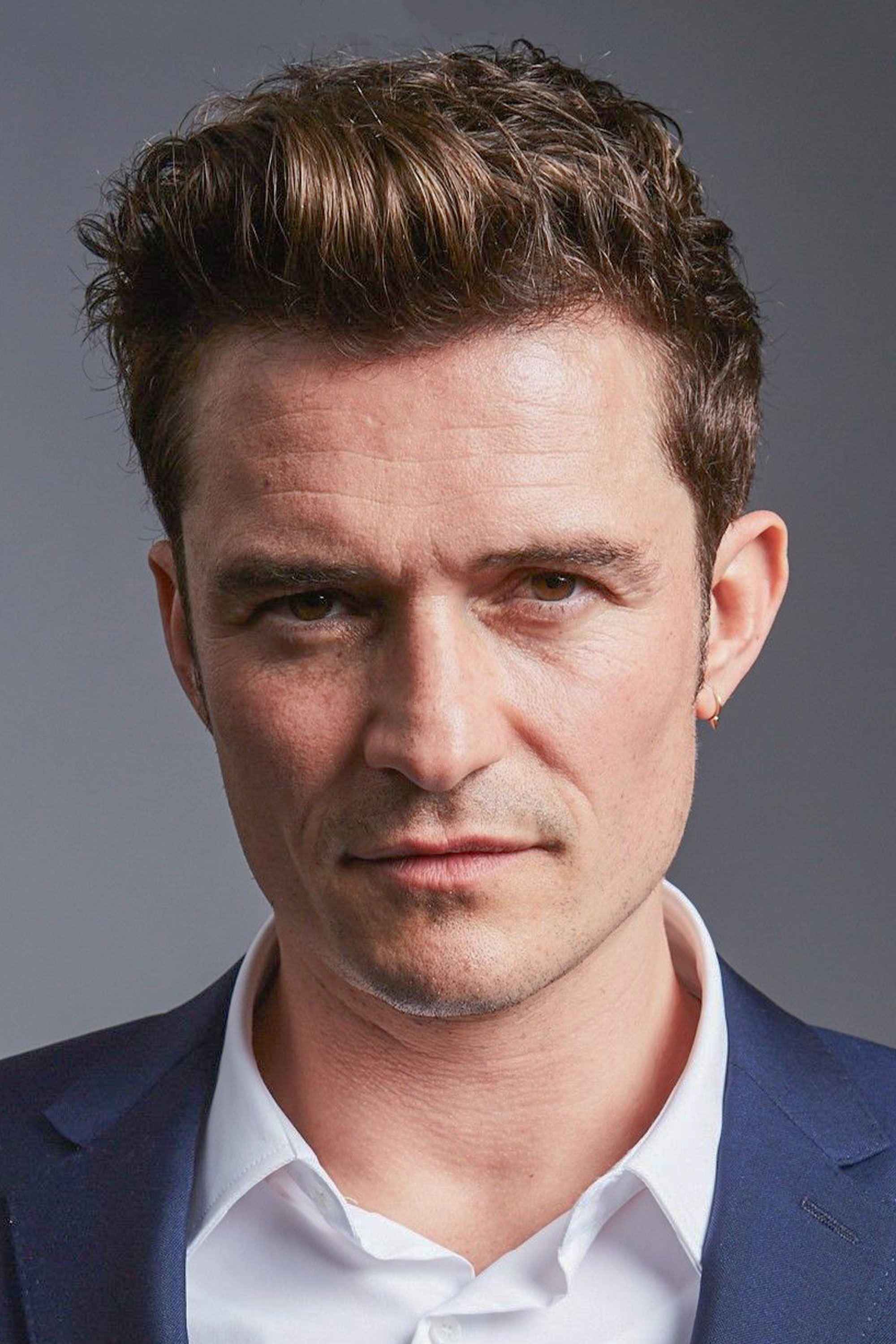
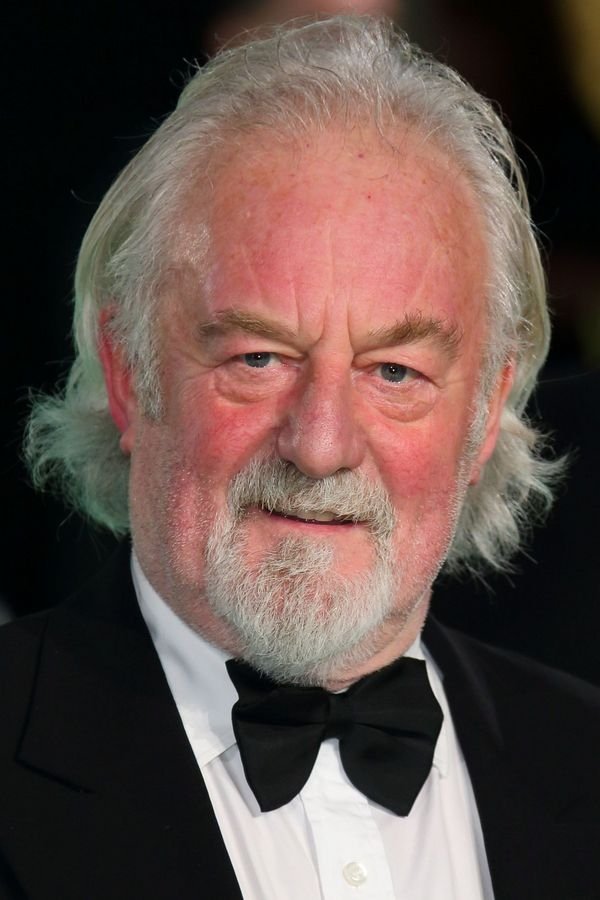
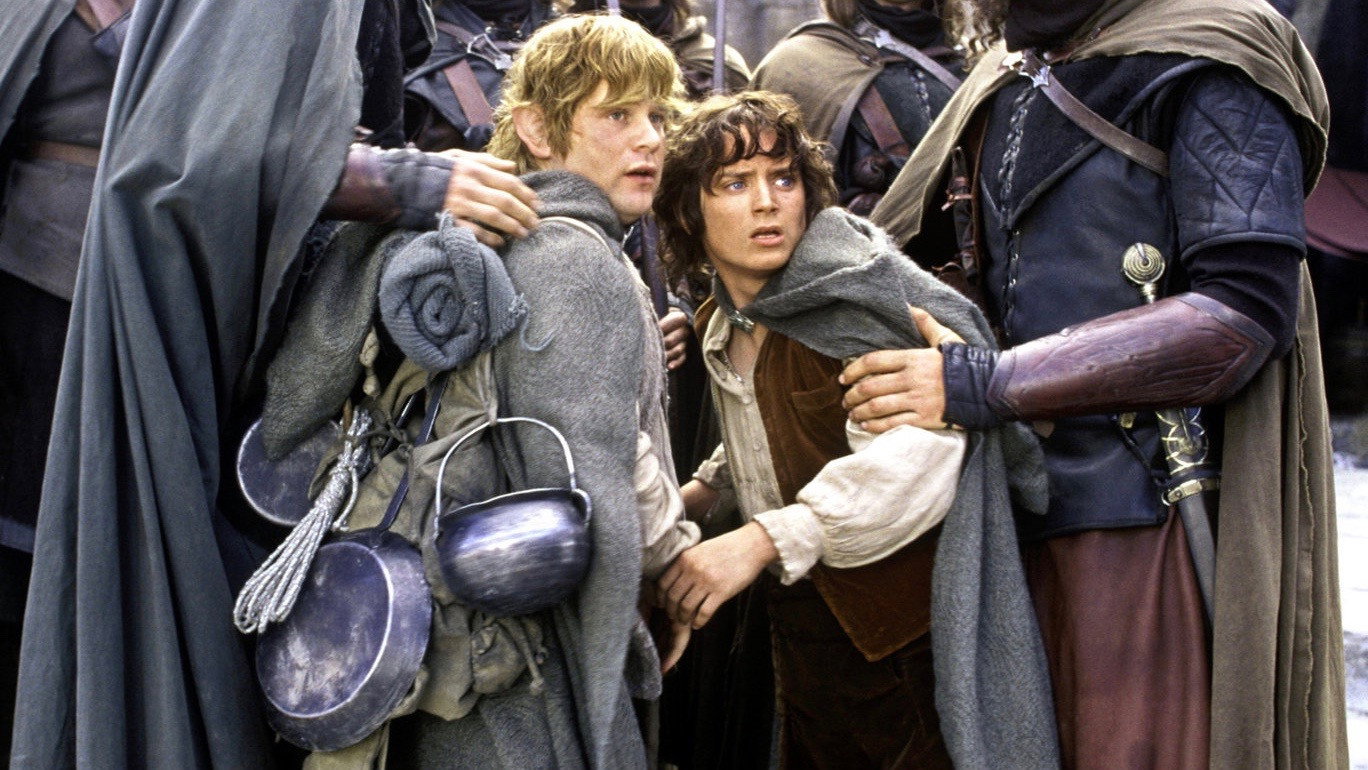
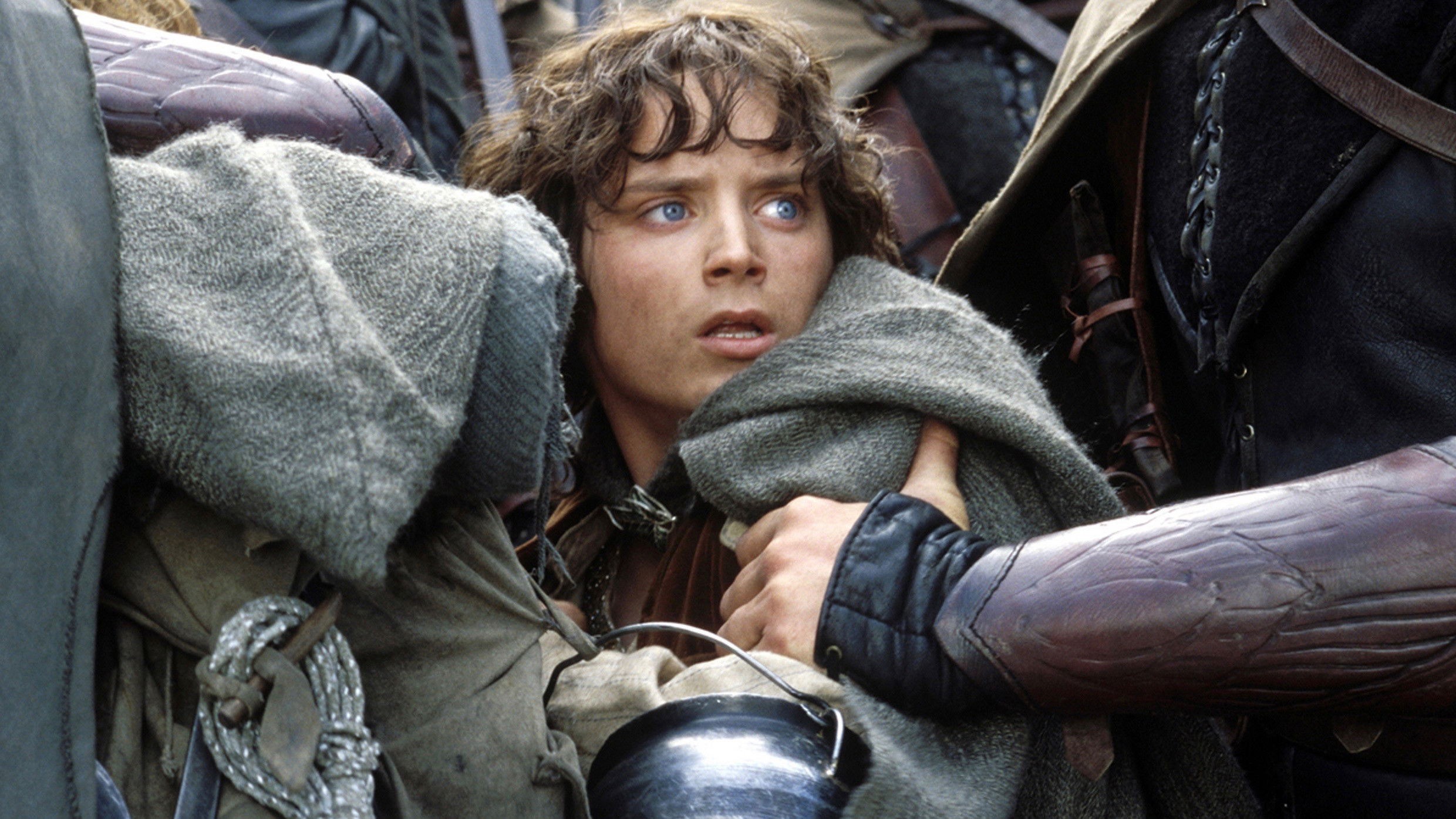
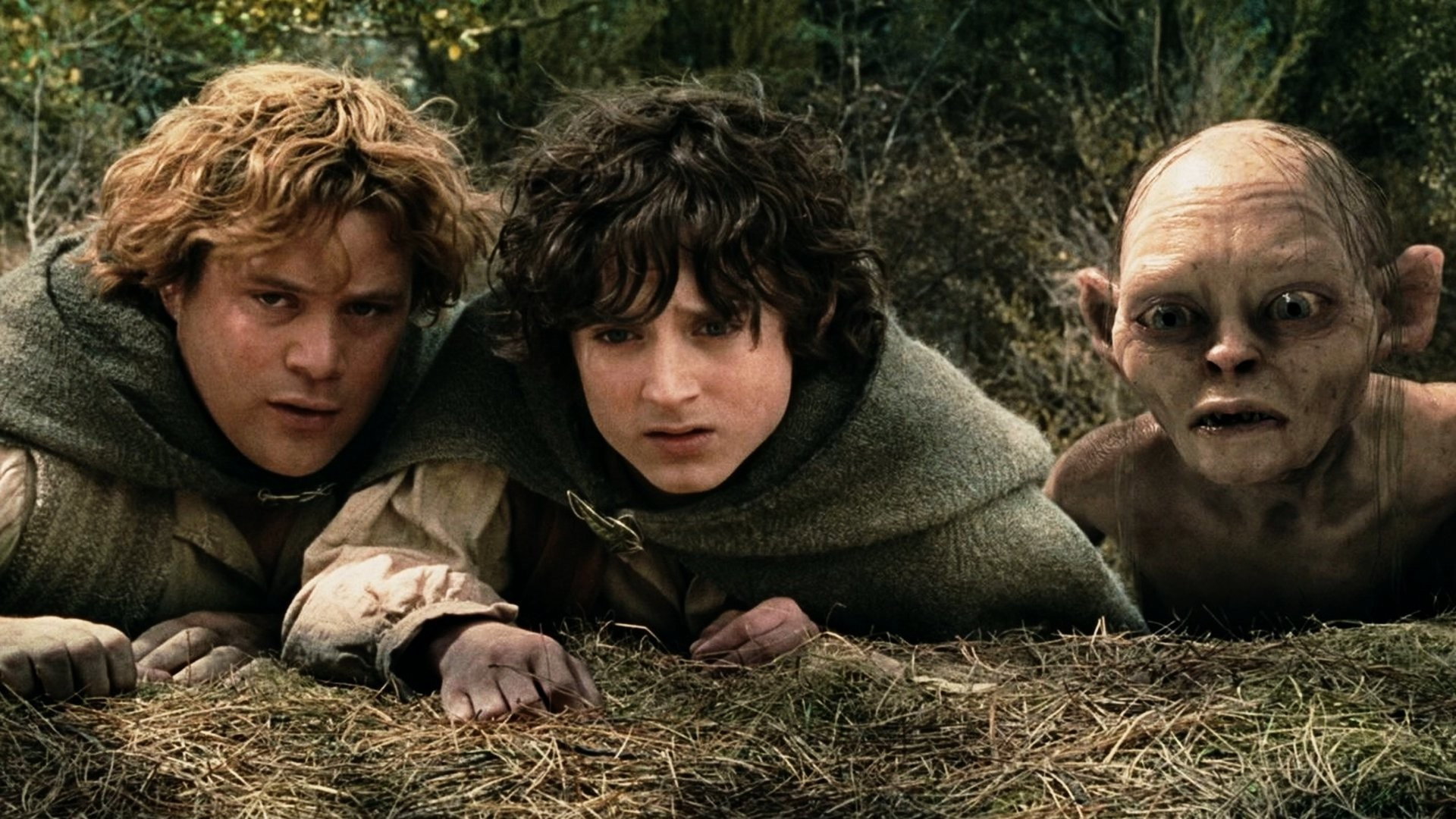
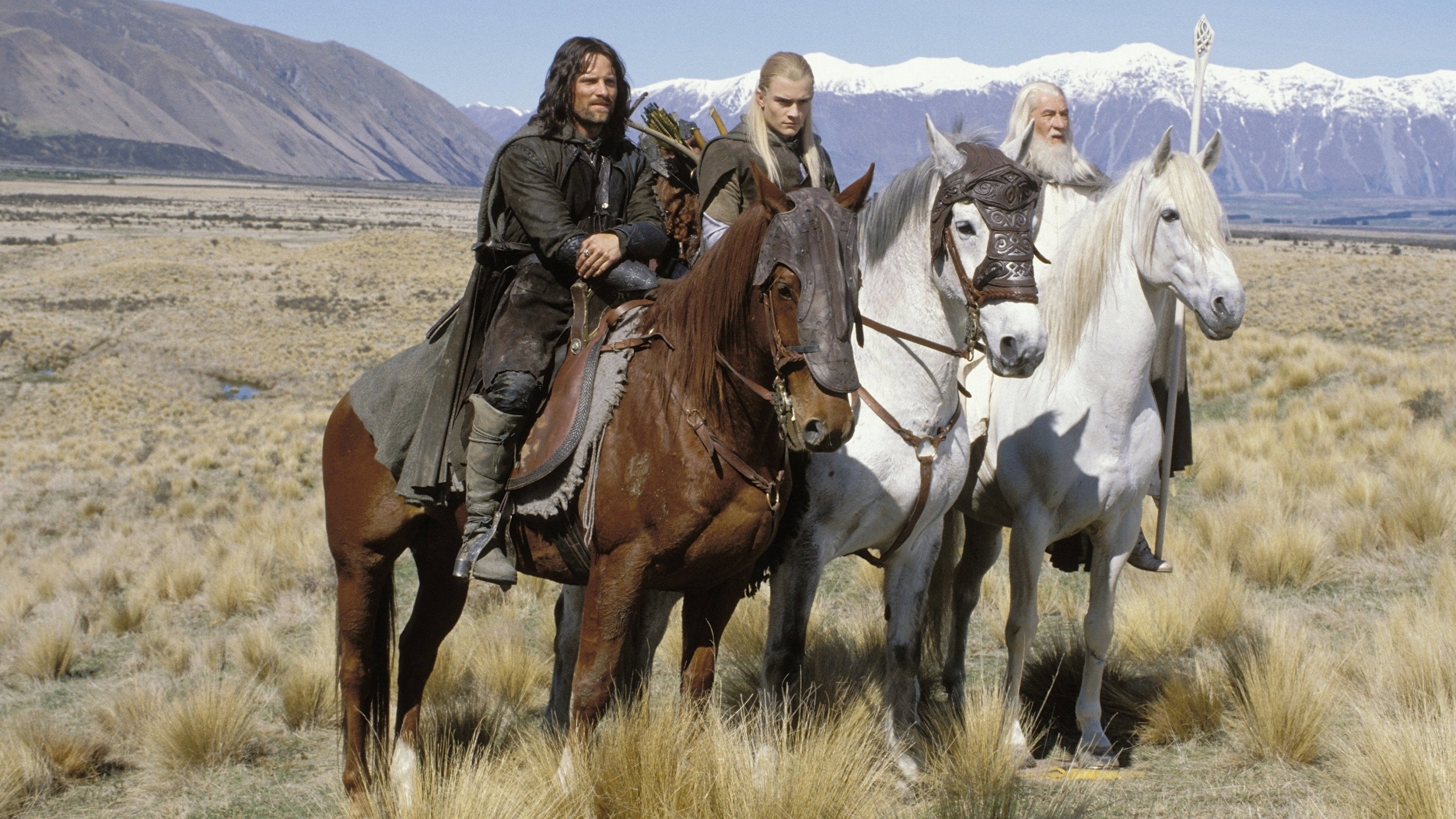
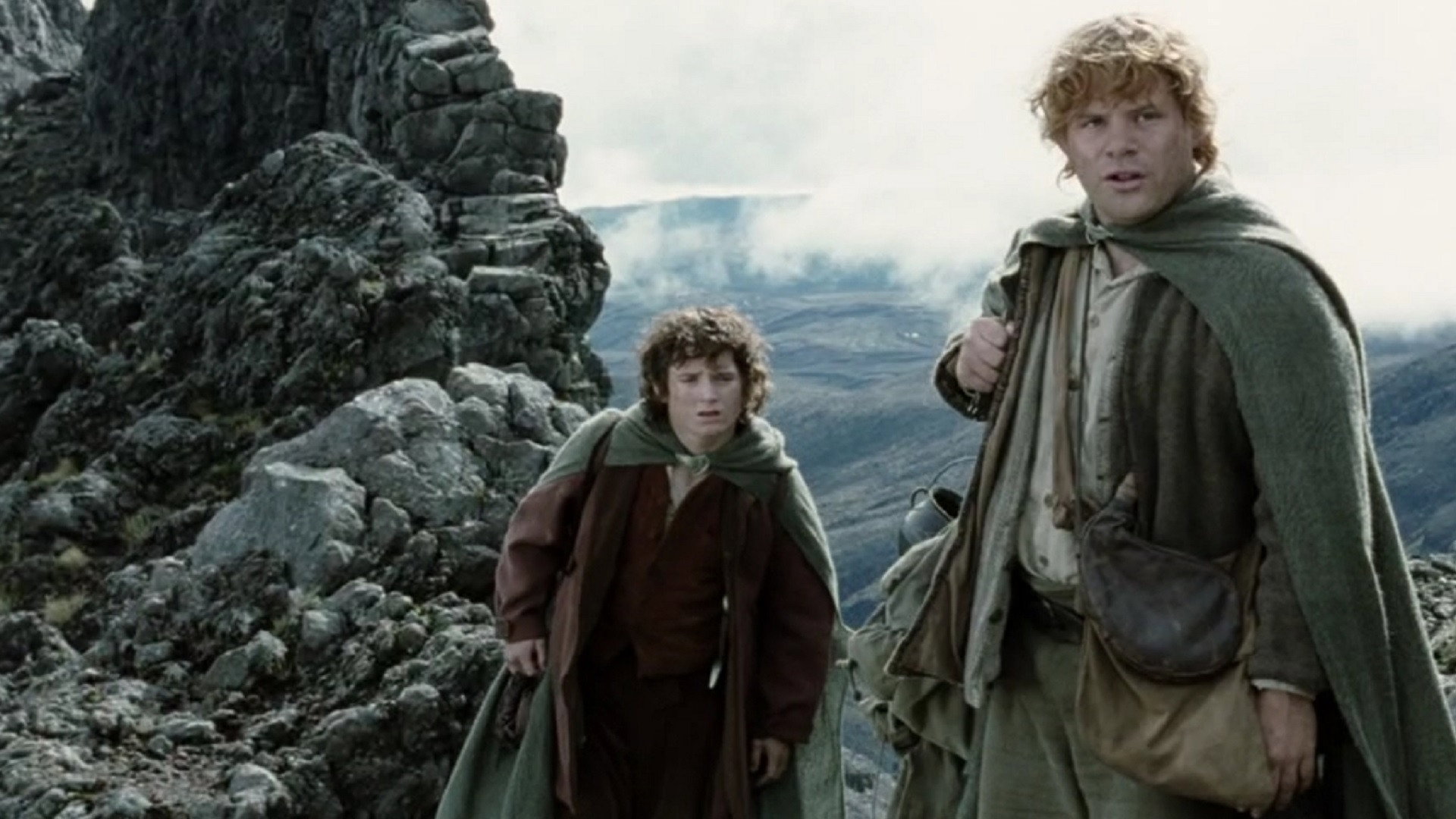
Frodo (Elijah Wood) and Sam (Sean Astin) continue their journey as the adventure splits across several storylines. Gollum (Andy Serkis) brings the ring’s power to corrupt into focus, while Aragorn (Viggo Mortensen) takes a larger part in the fighting. Gandalf (Ian McKellen), Legolas (Orlando Bloom) and Gimli (John Rhys-Davies) also feature, alongside Théoden (Bernard Hill) and Éowyn (Miranda Otto). Peter Jackson’s adaptation of J. R. R. Tolkien reaches its middle chapter, following its scattered company through a landscape increasingly shaped by war.

Plays from YouTube when you press play; nothing loads from them until then.

Fi1m review

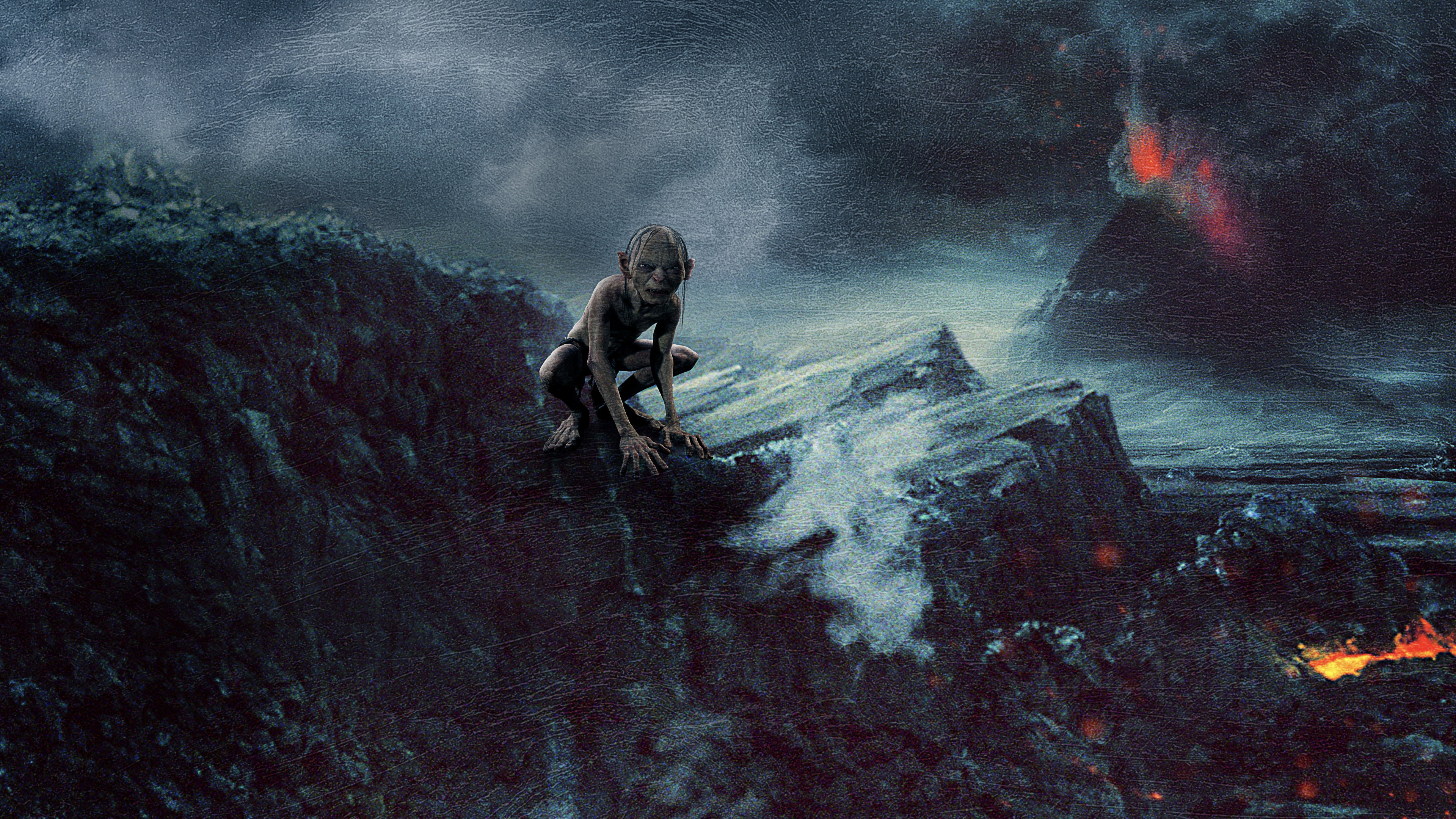
The Two Towers is a stirring fantasy adventure, though Peter Jackson’s divided storylines sometimes make it lumber. Andy Serkis gives Gollum enough fear and spite to compete with the armies for our attention.

Peter Jackson gives the middle chapter of this adventure enough danger and feeling to justify its considerable length. The Lord of the Rings: The Two Towers is engrossing, though its divided storylines occasionally make it cumbersome. It asks us to follow several journeys while the fighting grows in importance, a difficult change of emphasis to manage. At 179 minutes, the interruptions have time to register.

The surest reason to stay is Andy Serkis’s Gollum. The computer-created face is expressive enough for fear to interrupt malice without making either seem less convincing, and Serkis never makes the creature safely endearing. We felt sorry for him, and were unsettled by how readily that pity arrived. The frightened expressions keep asking for sympathy that the spite in his voice makes difficult to sustain. The ring’s capacity to damage someone becomes easier to grasp when we have to spend time with the damaged person.

Viggo Mortensen gives Aragorn the gravity needed to carry the film’s increased emphasis on action, although that emphasis sometimes pushes the hobbits too far aside. Sean Astin’s Sam supplies a welcome directness of feeling when the larger story threatens to turn everyone into a military responsibility. Astin makes concern for another person seem sufficient reason to keep going. We do not need another account of the stakes when his face has already made them clear.

Andrew Lesnie’s landscape photography makes the distances feel daunting, so the journeys retain some sense of effort even when the film is hurrying between them. Grant Major’s production design gives the inhabited places a convincing weight beside that open country. At Helm’s Deep, the solidity matters: the battle needs somewhere we believe people could defend, not simply an impressive backdrop. Jackson’s staging keeps the struggle comprehensible at a scale that could easily have reduced individual bodies to movement across the screen.

The difficulty comes in getting from one strand to another. The screenplay, by Fran Walsh, Philippa Boyens, Stephen Sinclair and Jackson, cannot always make those switches feel necessary at the moment they occur. Michael Horton’s editing maintains momentum within the action, but some returns to the other journeys feel like obligations being discharged. A quieter scene can be welcome on its own terms and still arrive just when we have settled into caring about somebody else.

Helm’s Deep repays much of that patience. Jackson lets the pressure build across the battle, and the sustained tension is more persuasive than a succession of isolated displays of force would have been. Howard Shore’s score gives the fighting weight without making it feel like a victory parade, although its solemnity can become insistent elsewhere. There is enough urgency here to justify the time spent on the battle, and enough attention to the people involved to keep us concerned about them.

Fantasy adventures often struggle to make an enormous threat feel personal. Jackson succeeds most clearly when he lets Gollum or Sam command our attention without another reminder of the wider war. We could have used more of that confidence in the quieter stretches, but the spectacle has earned its space too. Give it the full evening, and do not expect every strand to move at the same speed.
Critical consensus AI synthesised

4 of 6
Positive
2
Mixed
1
Negative
1
Empire
18 December 2002 · ★★★★★ · Caroline Westbrook
100

The critic finds The Two Towers not quite as strong a standalone as Fellowship and somewhat one-note in tone, but still awards it full marks due to the high benchmark set by the series. They single out the breathtaking Battle of Helm's Deep and the impressive Gollum for particular praise.

Read the full review →
Total Film
18 December 2002
90*

The critic dismisses pre-release doubts and finds the film easily matches the first in excitement, involvement and visual invention despite the challenges of adapting the middle book. They single out the groundbreaking Gollum character and the thrilling Helm's Deep battle sequence for praise.

Read the full review →
The Guardian
13 December 2002
60*

The film makes a powerful impression through its scale, energy, and detailed New Zealand landscapes, but is often boring due to its intercut storylines and bland acting. The standout element is the tremendous half-hour battle sequence at Helm's Deep.

Read the full review →
The Times
12 December 2002 · James Christopher
30*

The middle episode sags as a vast, schematic action piece with wooden acting and fractured storylines that lack consistent tension. Gollum stands out as a slimy, schizophrenic marvel that steals the film.

Read the full review →
Los Angeles Times
18 December 2002 · Manohla Dargis

The critic sees the film as an awkward adolescence for the trilogy that invests moviegoing with adventure through its visuals and journey, though it never reaches the highs of the first and gets swept up in battle.

Read the full review →
RogerEbert.com
18 December 2002 · Roger Ebert

The critic finds the film a rousing adventure and skillful marriage of effects and animation with breathtaking sequences, but notes it shifts focus to action heroes like Aragorn over the hobbits and is less faithful to Tolkien's spirit.

Read the full review →

Cast

Stills

Awards

Academy Awards, 2003

Nominated
Best Film Editing
Nominated
Best Picture
Nominated
Best Production Design
Nominated
Best Sound
Won
Best Sound Editing
Won
Best Visual Effects

BAFTA Film Awards, 2003

Nominated
BAFTA's Children & Young People Award - Feature Film

Hugo Awards, 2003

Won
Best Dramatic Presentation, Long Form

If you liked this, try…

Princess Mononoke poster88

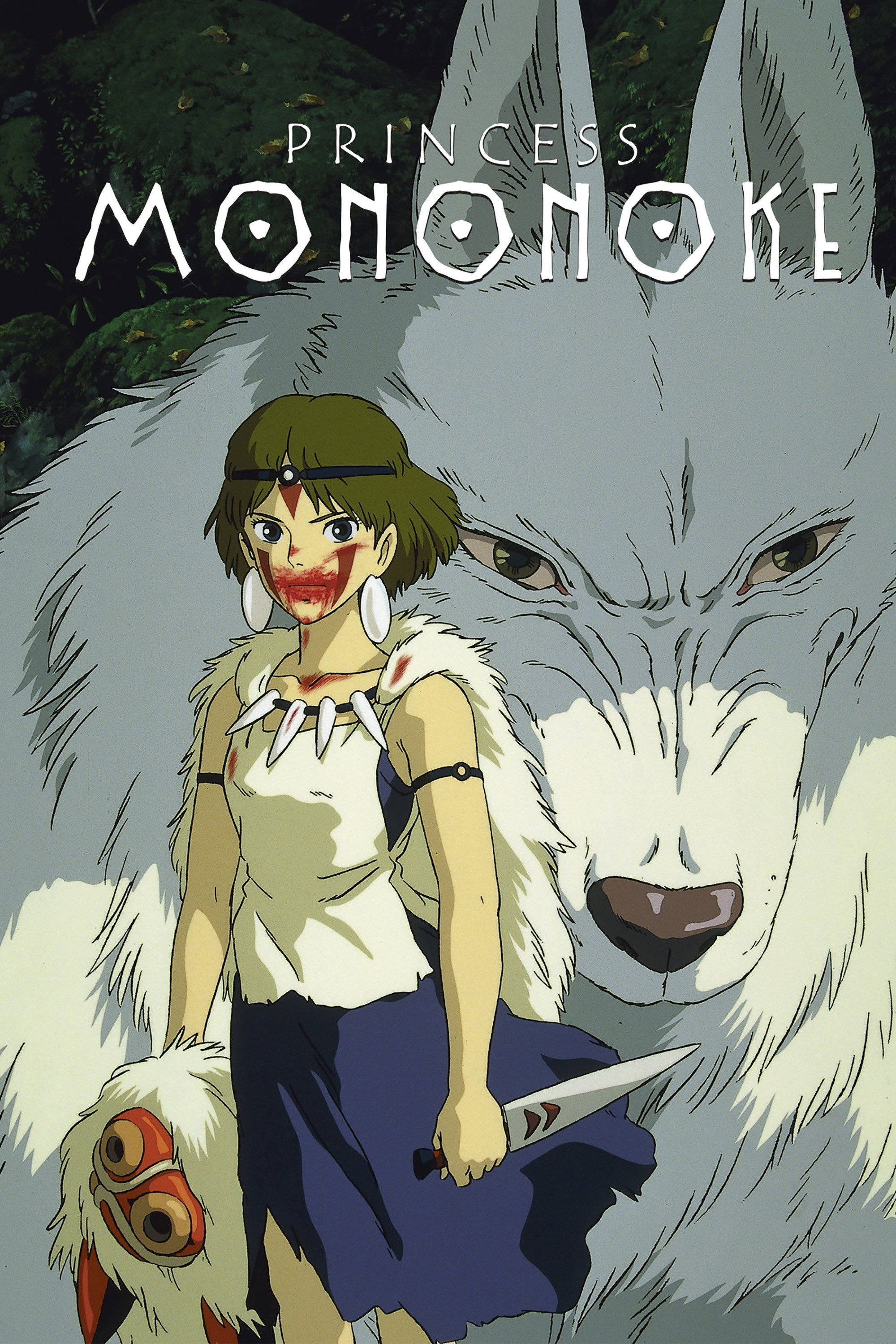
Princess Mononoke

1997 · Another fantasy that gives the creatures strong reasons to distrust the humans.

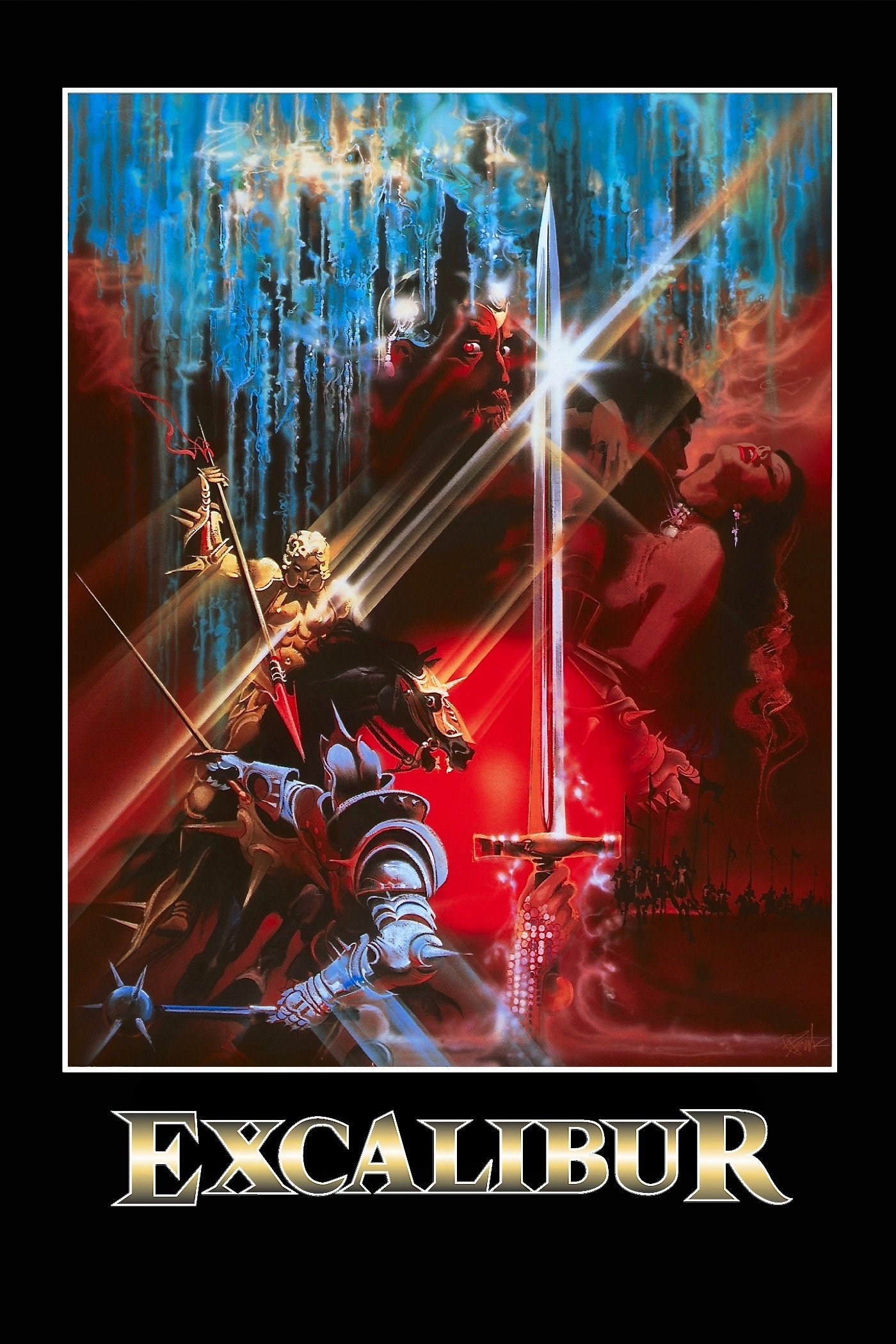
Excalibur poster

Excalibur

1981 · Armour, enchantment and fallible rulers, with rather less interest in respectable behaviour.

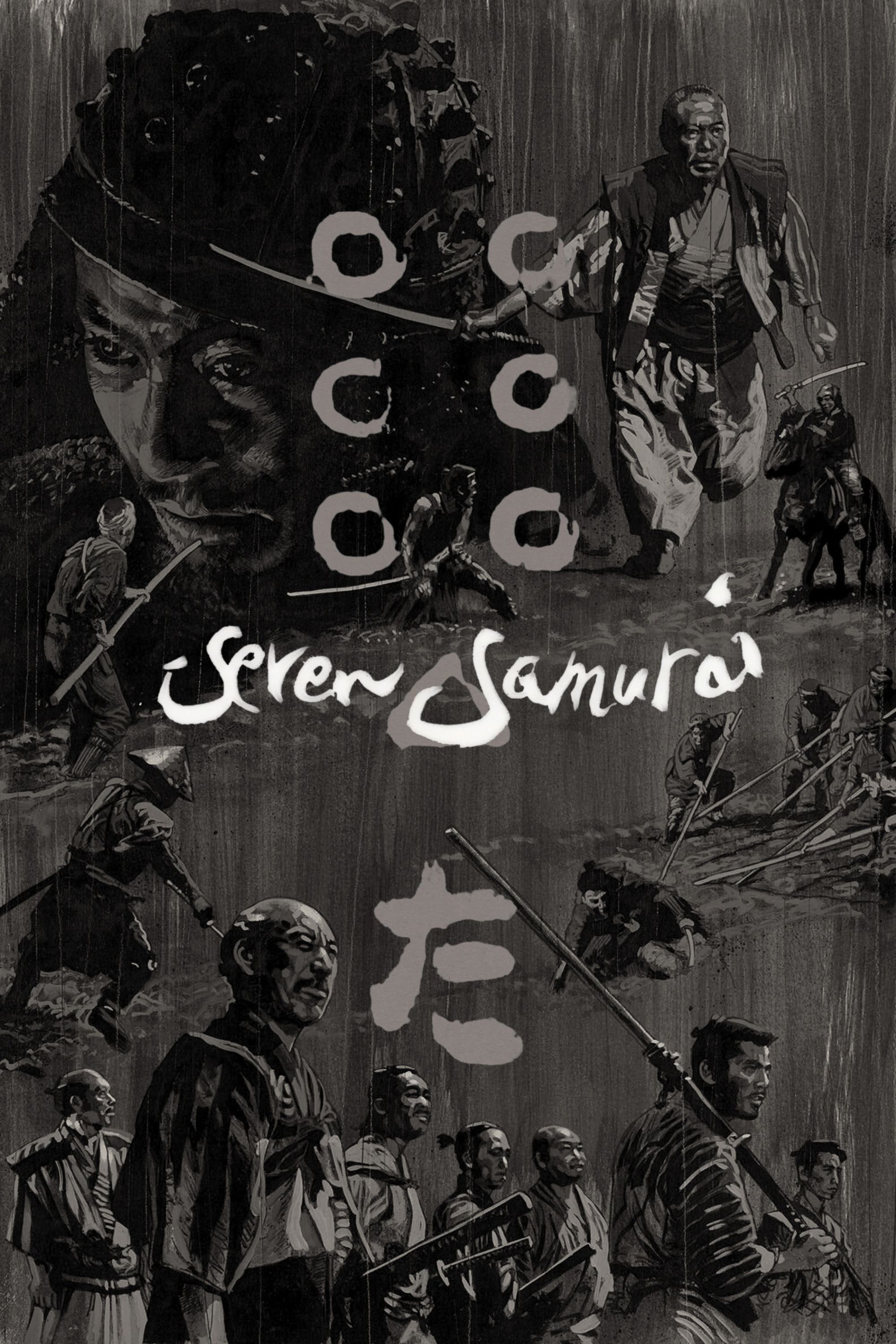
Seven Samurai poster95

Seven Samurai

1954 · For the patient preparation of a battle whose defenders remain recognisably human.

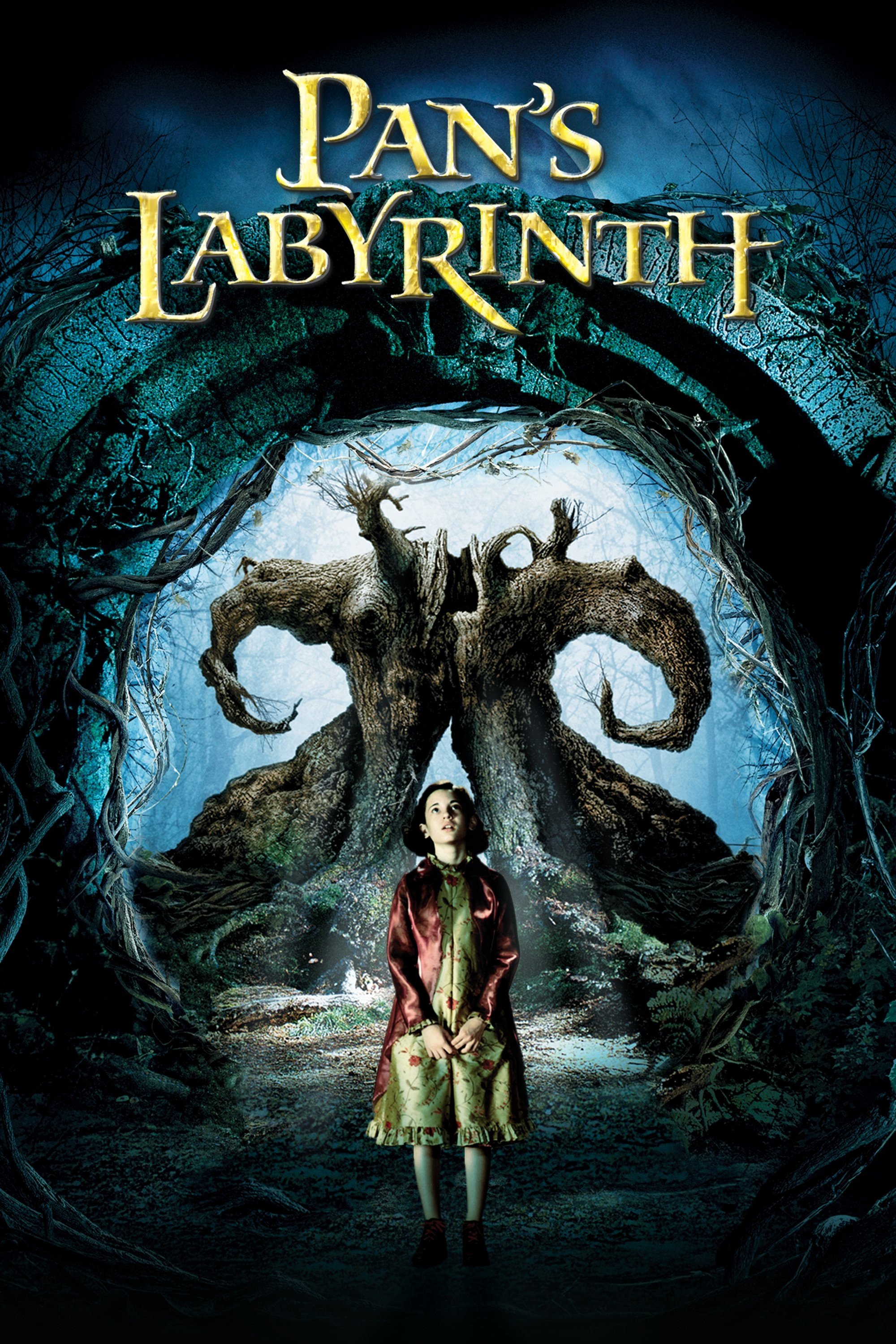
Pan's Labyrinth poster

Pan's Labyrinth

2006 · A harsher meeting of fantasy and war, with cruelty kept painfully close.

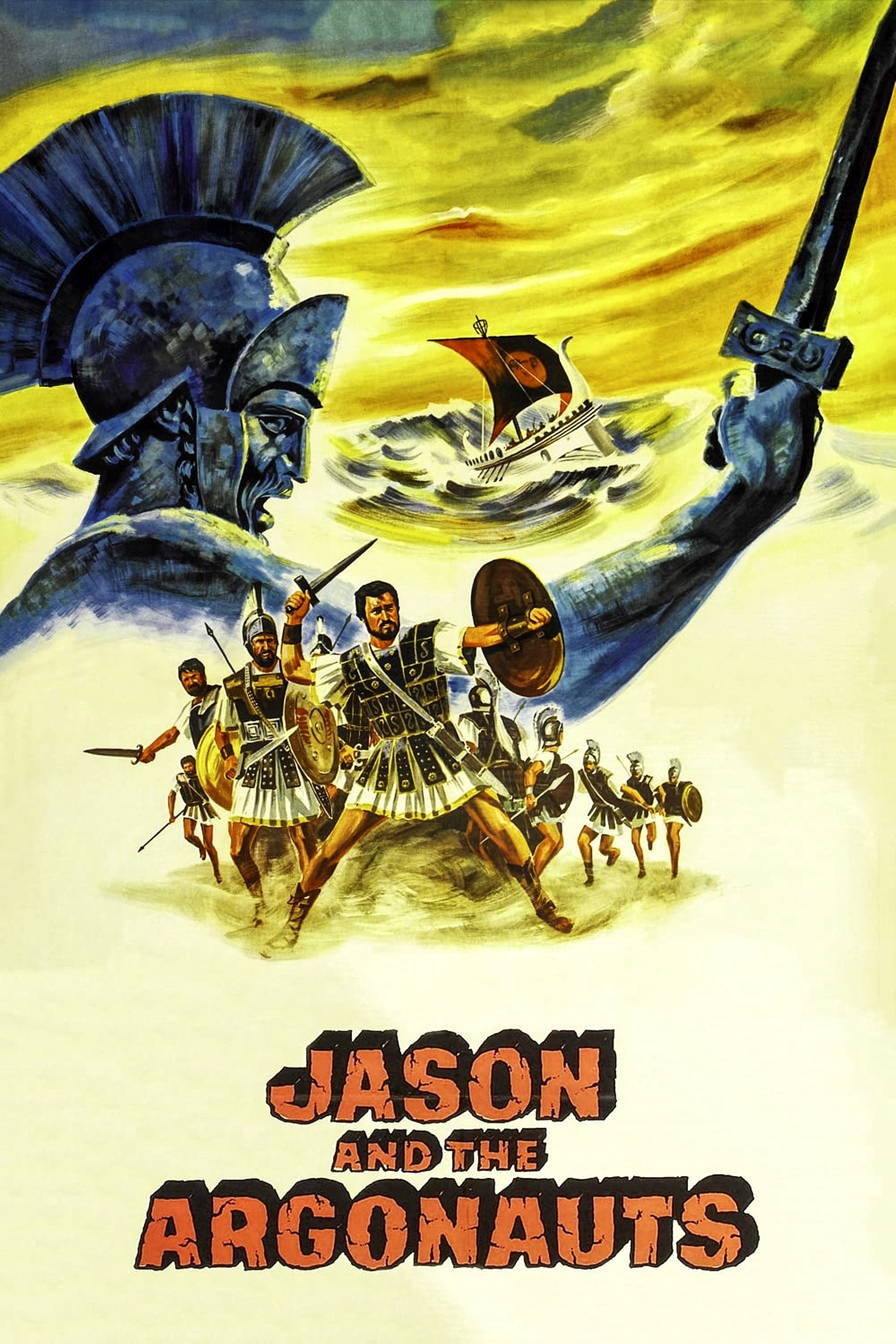
Jason and the Argonauts poster

Jason and the Argonauts

1963 · Handmade creatures and a travelling company facing problems that swords cannot always solve.