Peter Jackson’s fantasy adventure is absorbing, frightening and worth the time even for those unmoved by hobbits. The battles occasionally crowd out the people, but Ian McKellen and Elijah Wood give us ample reason to care.
Peter Jackson’s The Lord of the Rings: The Fellowship of the Ring is an absorbing adventure, and we would recommend it well beyond its natural audience. Jackson expects us to accept the kingdoms, monsters and hobbits without apologising for any of them. The screenplay, written with Fran Walsh and Philippa Boyens from J. R. R. Tolkien’s novel, gives the struggle against evil enough human interest to make that possible. There is time to worry about the people involved, even with another battle approaching.
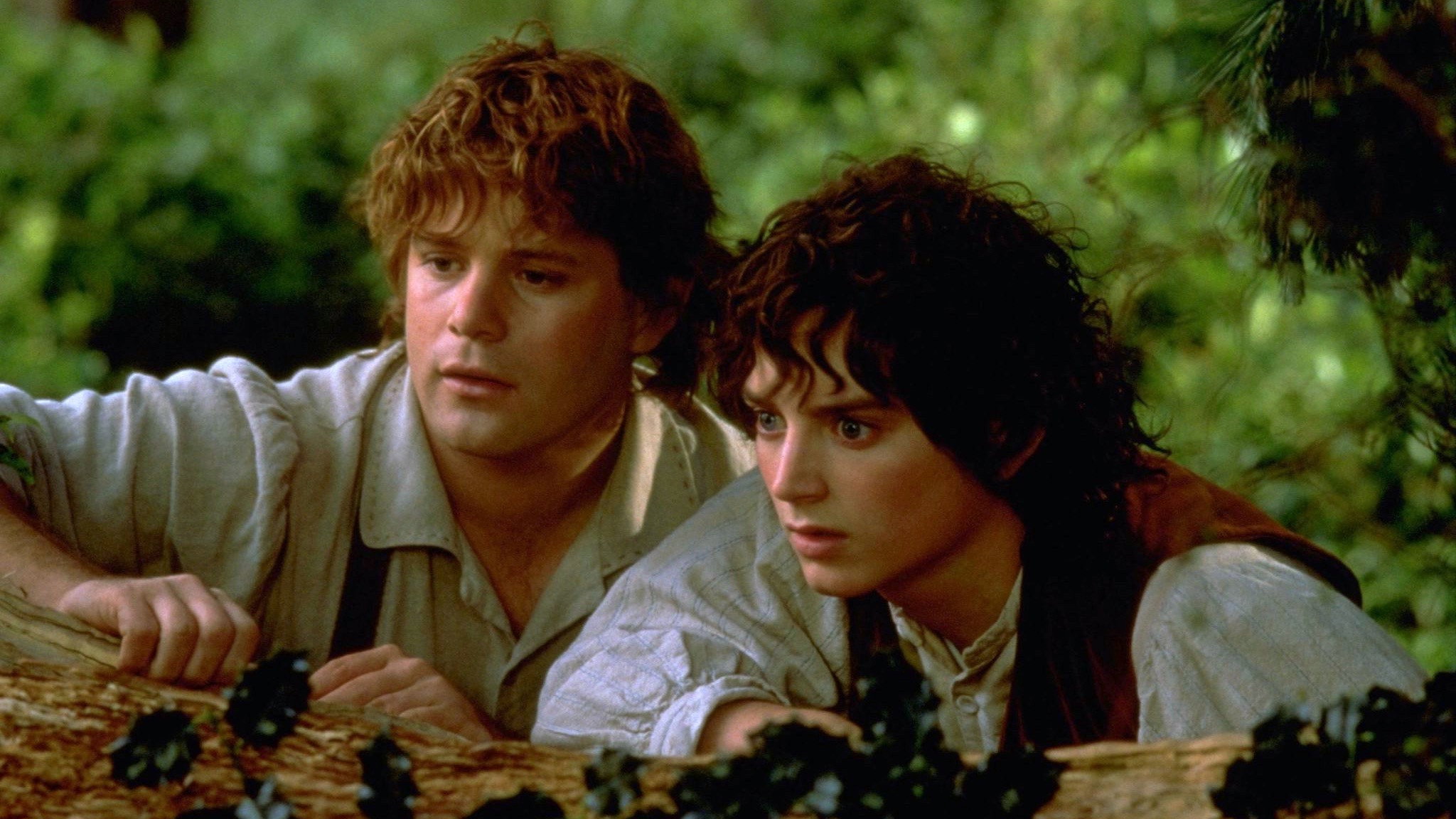
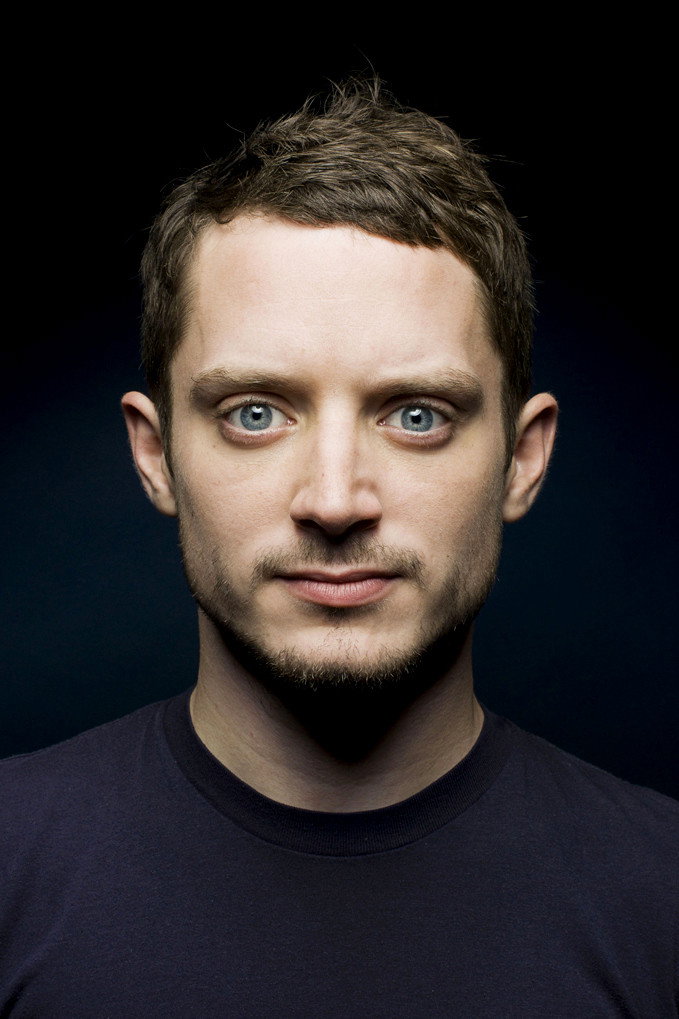
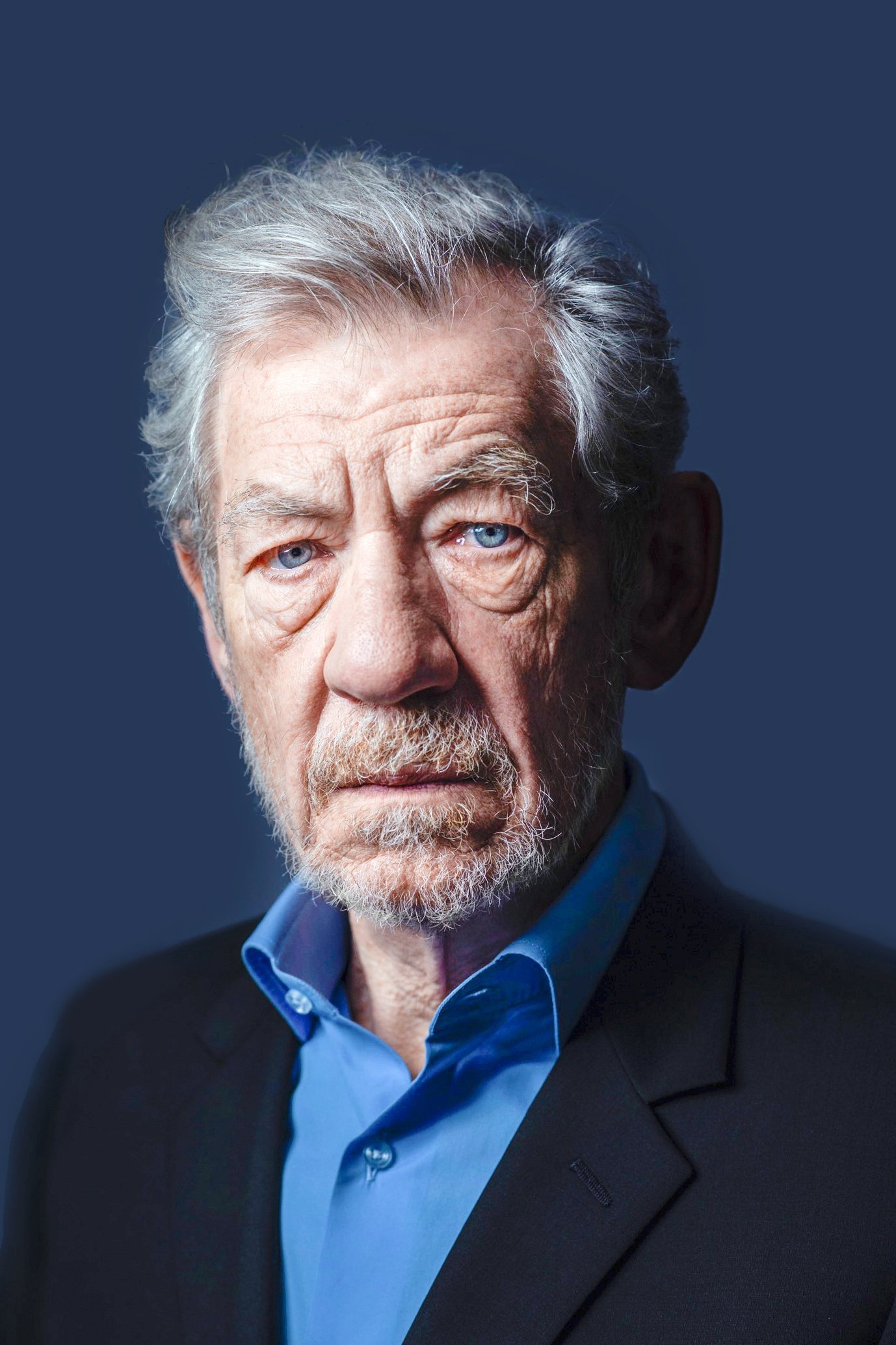
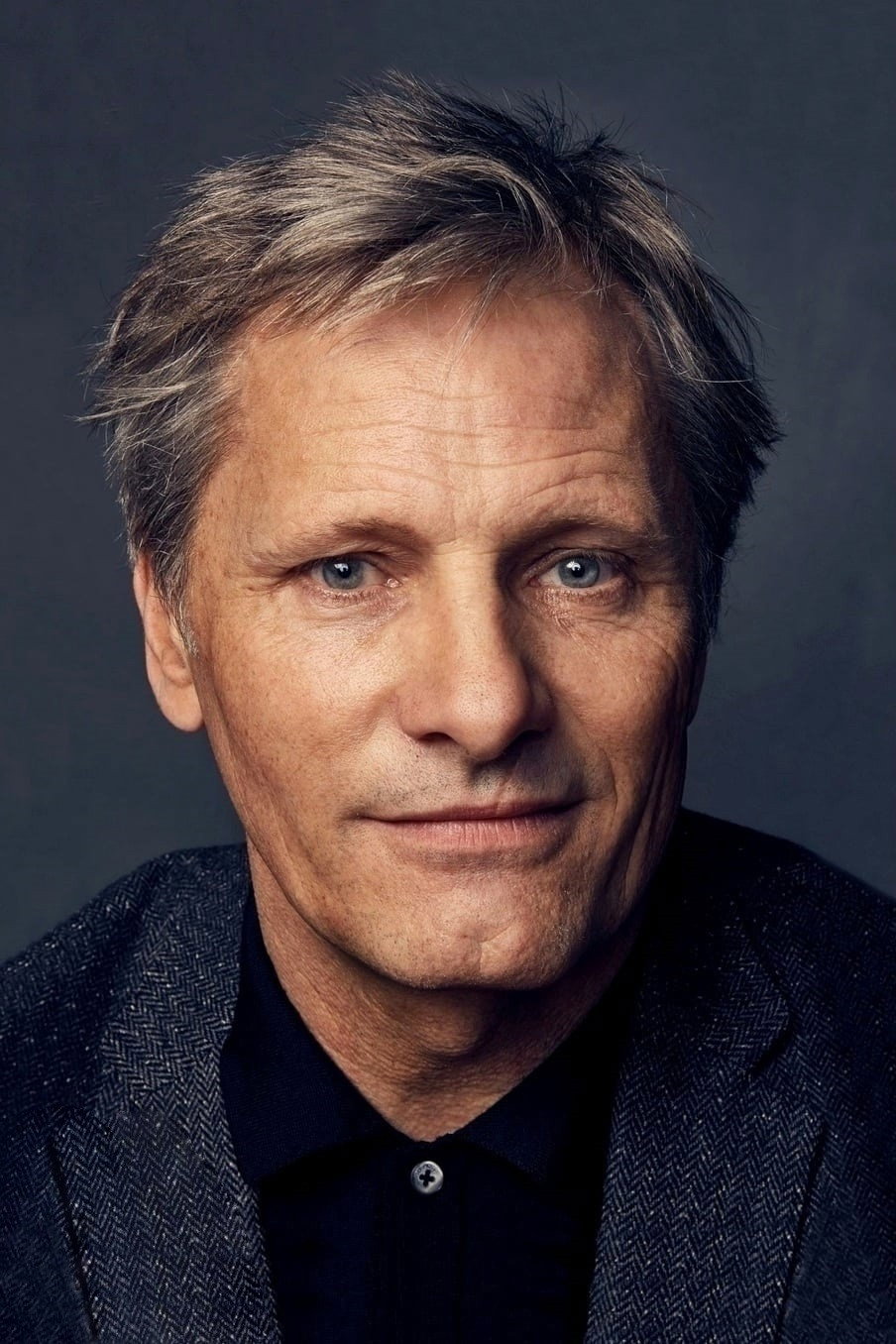
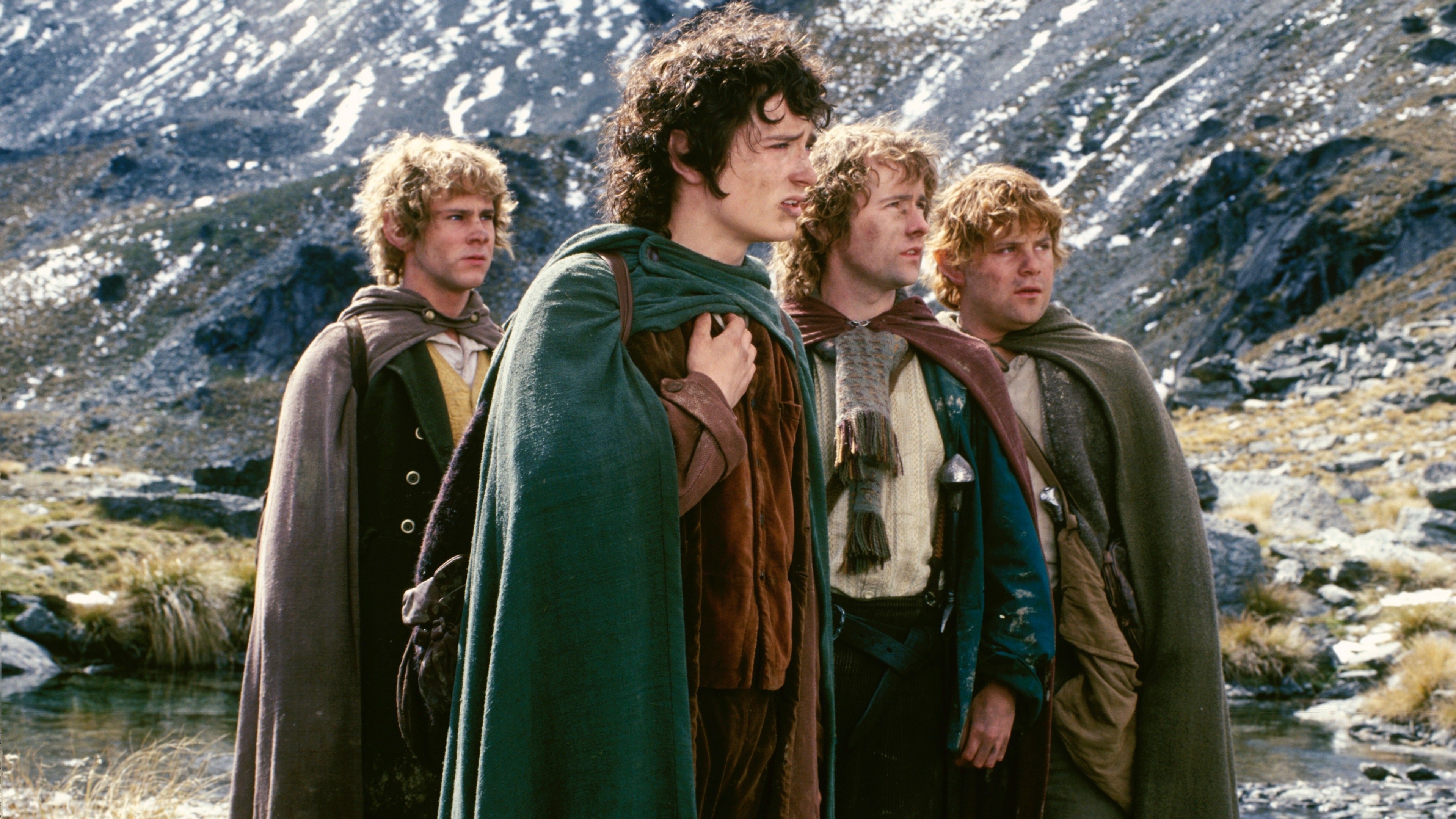
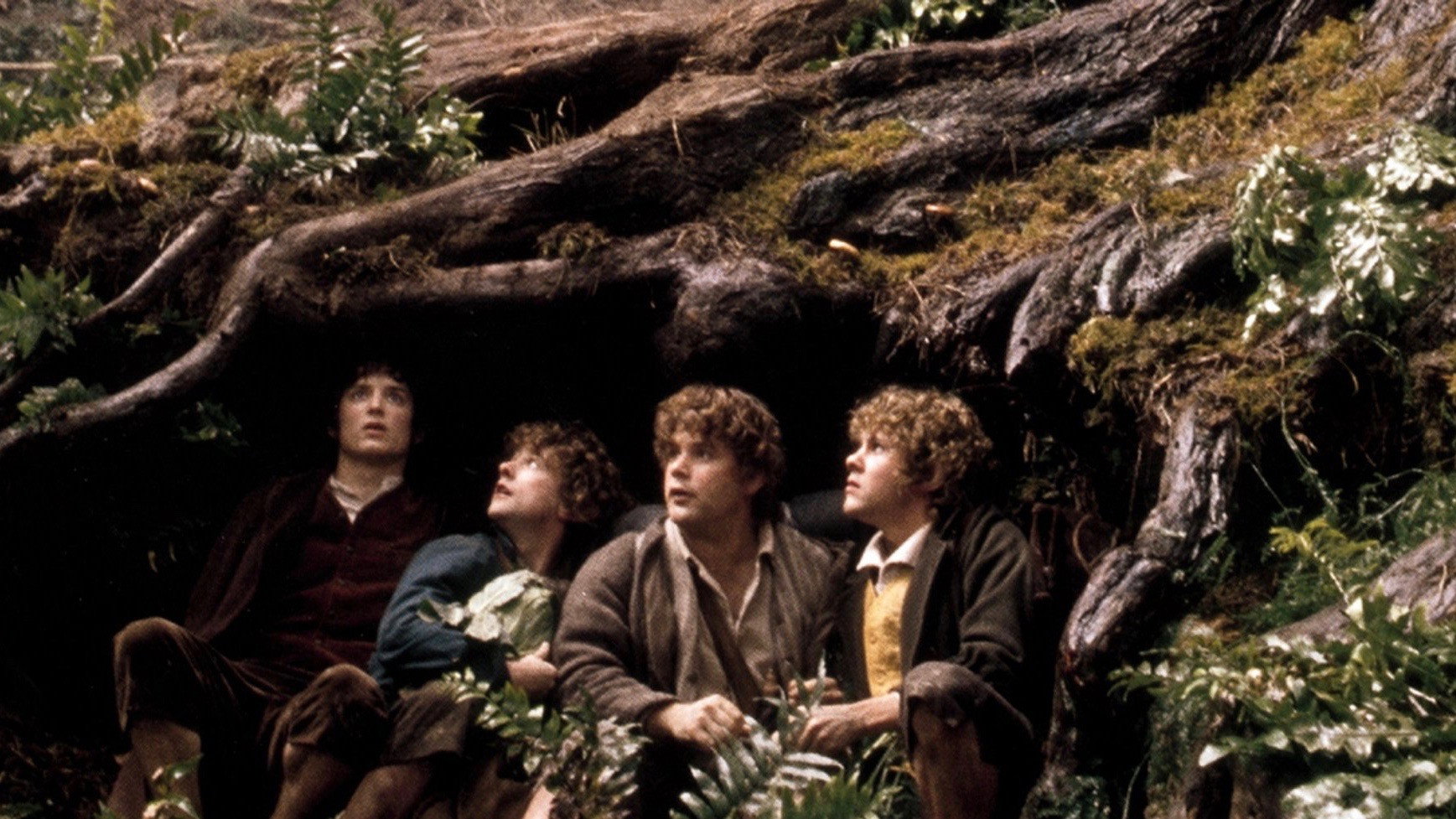
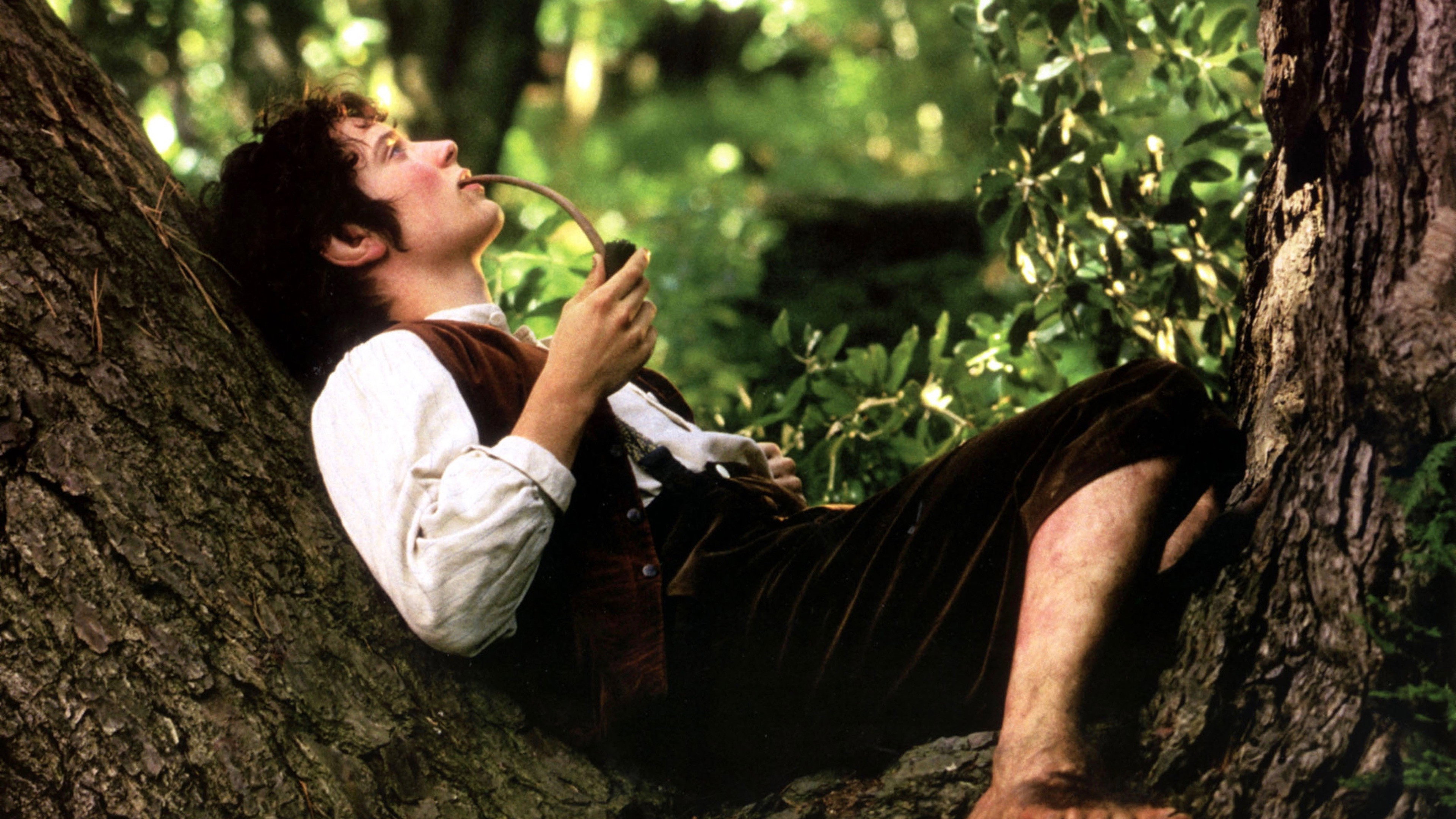
Ian McKellen does much of the persuading as Gandalf, giving the solemn dialogue the ease of something thought rather than recited. His authority never seems to require an extra push from the film. Elijah Wood makes Frodo’s vulnerability a reason to watch closely, and Sean Astin gives Sam an emotional directness that this much mythology needs. Viggo Mortensen’s Aragorn and Sean Bean’s Boromir are compelling company, although the hobbits sometimes lose our attention when these larger figures take over.
The danger matters because Jackson is willing to make it unpleasant. We were frightened by the visions that accompany Frodo wearing the ring: something so small can make even looking feel unsafe. The film’s menace does not depend entirely on the arrival of another monster, and that helps it sustain our concern between the battles. Jackson also allows sadness into the adventure, so that the prospect of danger does not always feel like an invitation to enjoy ourselves.
Andrew Lesnie gives the Middle-earth landscapes a forbidding scale. It is easy to believe that a journey across them would be exhausting. Grant Major’s production design uses Gothic grandeur to make the kingdoms intimidating, with buildings that seem too imposing for anyone to feel comfortable in them. The surroundings establish a threat before the film needs to put a monster into them.
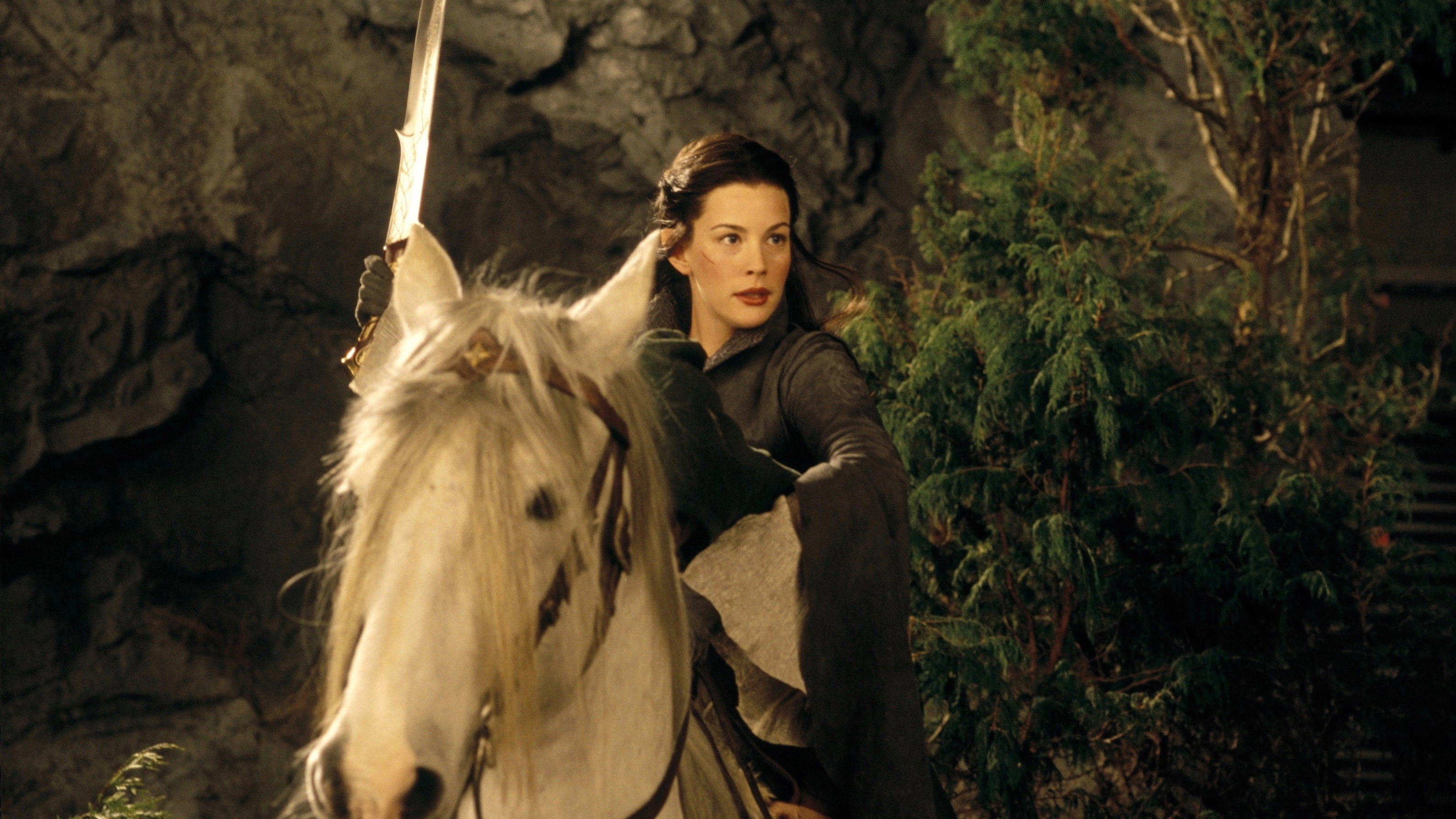
John Gilbert’s editing keeps most of the 179 minutes moving, though the repeated shift from travel to confrontation becomes noticeable. A battle can be exciting and still arrive when we would prefer another stretch with the hobbits. Jackson occasionally lets the action go on past the point where it tells us anything further about the people fighting, and the quieter characters get less room than they deserve. We missed the gentler company during some of those passages.
Howard Shore’s music helps keep the adventure from becoming a succession of contests. The score gives the grand passages a mournful undertone, which suits a film so alert to how much its characters stand to lose. At times the insistence on importance becomes heavy, particularly when the images already supply all the scale a scene needs. Yet Shore’s contribution usually makes the emotion easier to feel, and McKellen’s performance brings warmth to the solemnity.
Fantasy often asks for considerable patience while it explains who everyone is and why an object matters. Jackson makes that work easier by giving the invented world dangers we can understand without knowing its history. No prior affection for Tolkien is necessary to respond to Wood’s unease or McKellen’s reassurance. Set aside the full evening, and do not assume that a dislike of fantasy rules this one out.