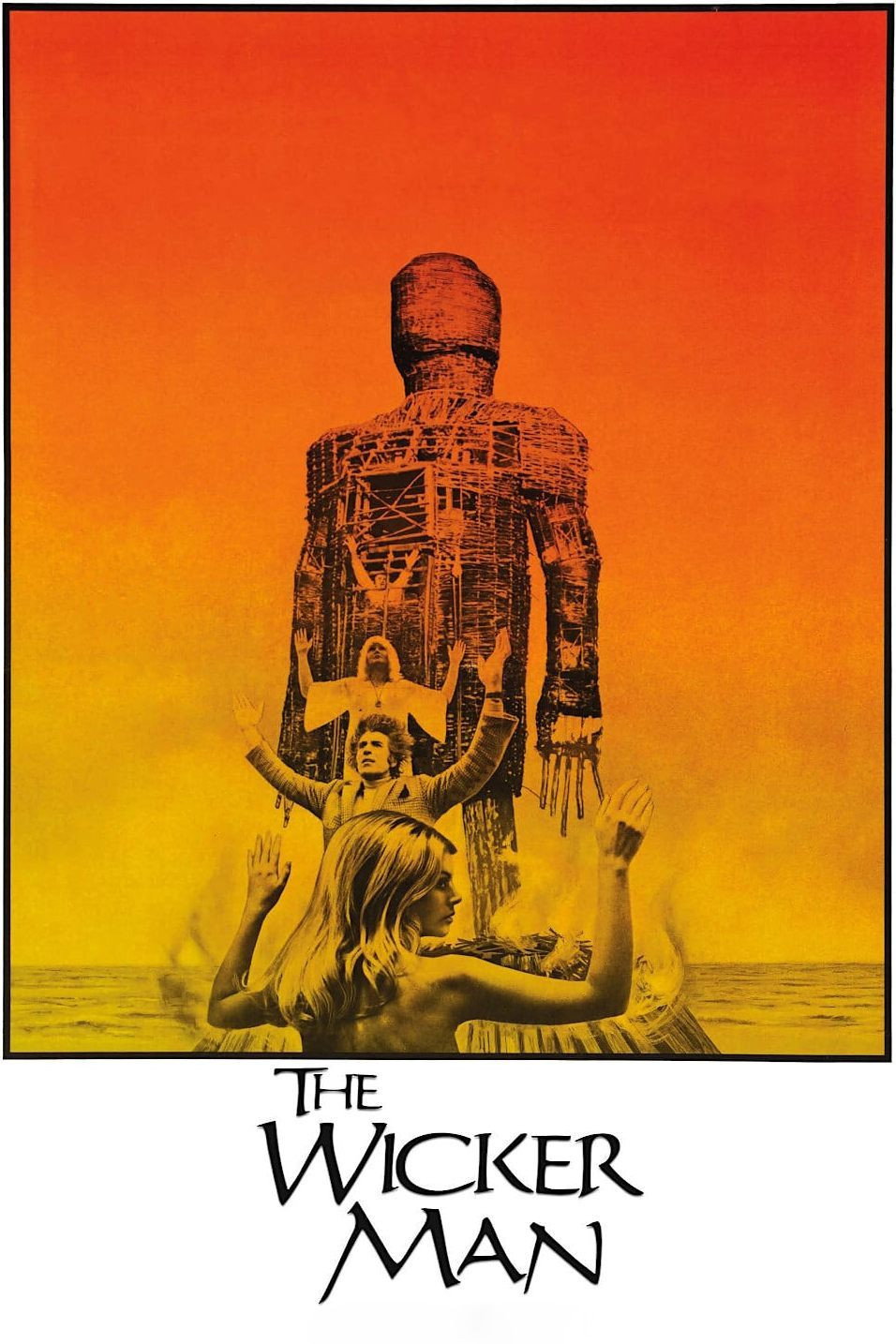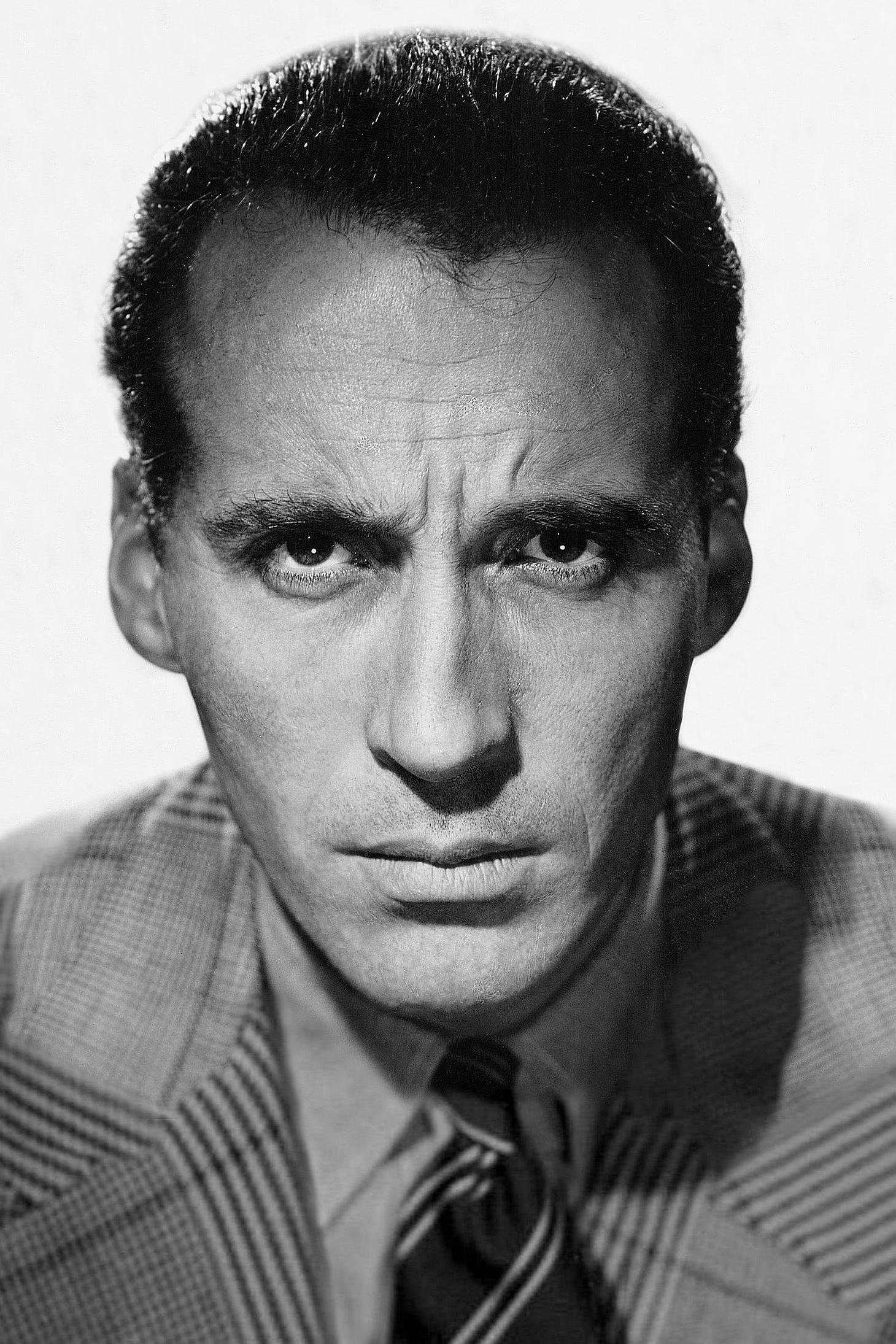
Christopher Lee's authority is most troubling when he sounds reasonable. We value him most when a film gives his charm room to work, as The Wicker Man does, rather than simply asking him to look threatening.
Fi1m perspective
Christopher Lee lets Lord Summerisle explain himself without behaving as though anything needs explaining. In The Wicker Man (1973), the island's ruler treats his beliefs as perfectly sensible, while Edward Woodward's Howie can scarcely contain his outrage. Lee gives him the composure of someone who expects to be believed, without making a show of his authority. We were unsettled by how agreeable he made this man, because his courtesy makes Howie's objections seem faintly ill-mannered before we have considered what either is saying.
That freedom was not always available in the parts he was given. Hammer's Dracula (1958), in which he played Count Dracula, established a horror reputation that remained difficult to escape. His height and deep, resonant voice made him an obvious choice for imposing figures, and villain roles followed through the 1960s and 1970s. The later Dracula films frustrated him with repetitive material, and we can see the limitation: once a film has relied on his appearance to establish a threat, it still needs to give him something to play.
Robin Hardy gives him that in The Wicker Man, with Woodward providing the necessary resistance. Both actors make us believe that their characters expect to be taken seriously; neither plays the disagreement as an excuse to perform a collection of sinister or sanctimonious mannerisms. Lee's charm works because Woodward makes Howie's stubbornness human, so we keep attending to the policeman's objections even while enjoying Summerisle's company. Hardy's film can be stiff in places, but this opposition gives its conversations a tension that a more openly menacing Summerisle would lose.
The later fantasy roles restored Lee's prominence: Saruman in The Lord of the Rings: The Fellowship of the Ring (2001), then Count Dooku in Star Wars: Episode II - Attack of the Clones (2002). His imposing presence suited those parts, though they also continued the association with authoritative, threatening figures that had long shaped his casting. They are not the place we would start to understand what his acting could do. Begin with The Wicker Man, particularly if you think you already know what a Christopher Lee villain will do.
Biography
Sir Christopher Lee was an English actor whose career spanned more than sixty years. He appeared in numerous films from the late 1940s onwards and became widely recognised for his portrayals of villains, particularly Count Dracula in a series of Hammer Horror productions beginning in 1958.
Lee played Lord Summerisle in The Wicker Man (1973). He later portrayed Saruman in The Lord of the Rings film trilogy (2001–2003) and its follow-up trilogy, and Count Dooku in Star Wars: Episode II – Attack of the Clones (2002) and Star Wars: Episode III – Revenge of the Sith (2005). He was knighted in 2009 for services to drama and charity, and received the BAFTA Fellowship in 2011.