The last of Lucas’s prequels is the only one that works, and it works late. The first ninety minutes are meetings and love scenes written by a man who dislikes both; the final forty are opera, and they almost pay for the rest.
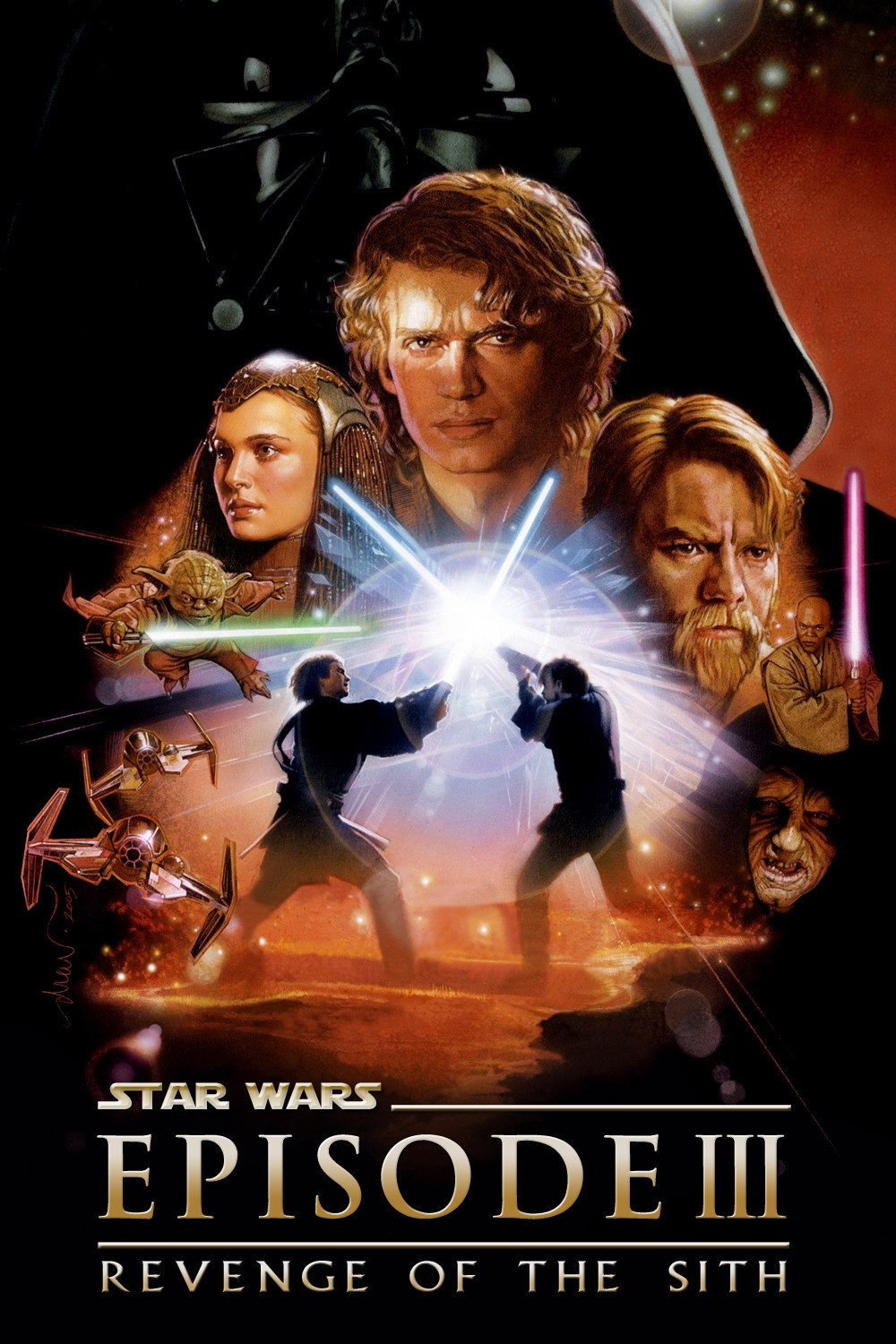
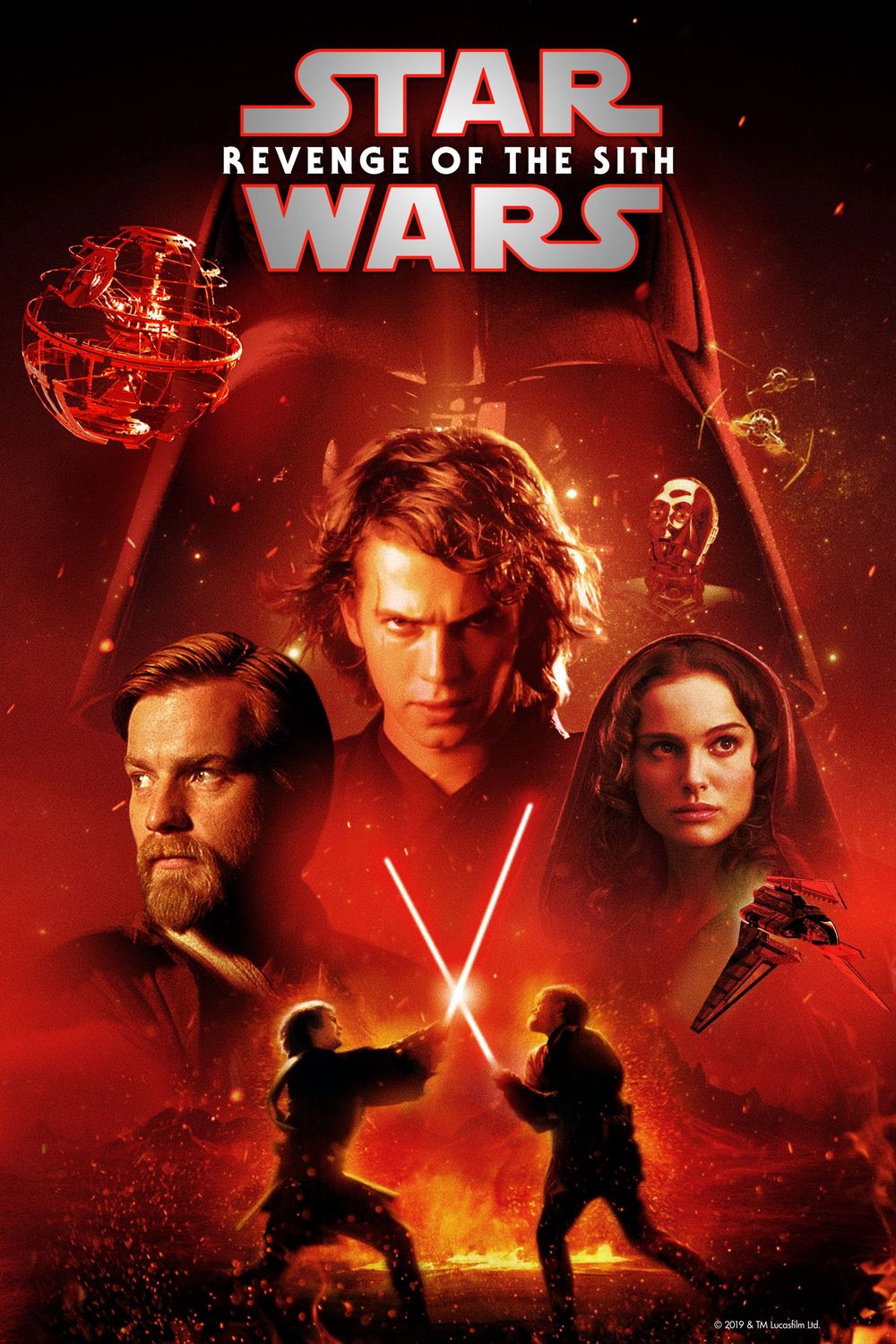
George Lucas has one job left in Star Wars: Episode III – Revenge of the Sith, and it is the job the prequels were sold on in 1999: turn a decent young man into Darth Vader and a republic into an empire, in 140 minutes, for an audience that knows exactly where this ends. He gets there. The final forty minutes are the strongest in any Star Wars film since The Empire Strikes Back (1980). The hundred before them are the prequels as we have come to know them, only with more meetings.
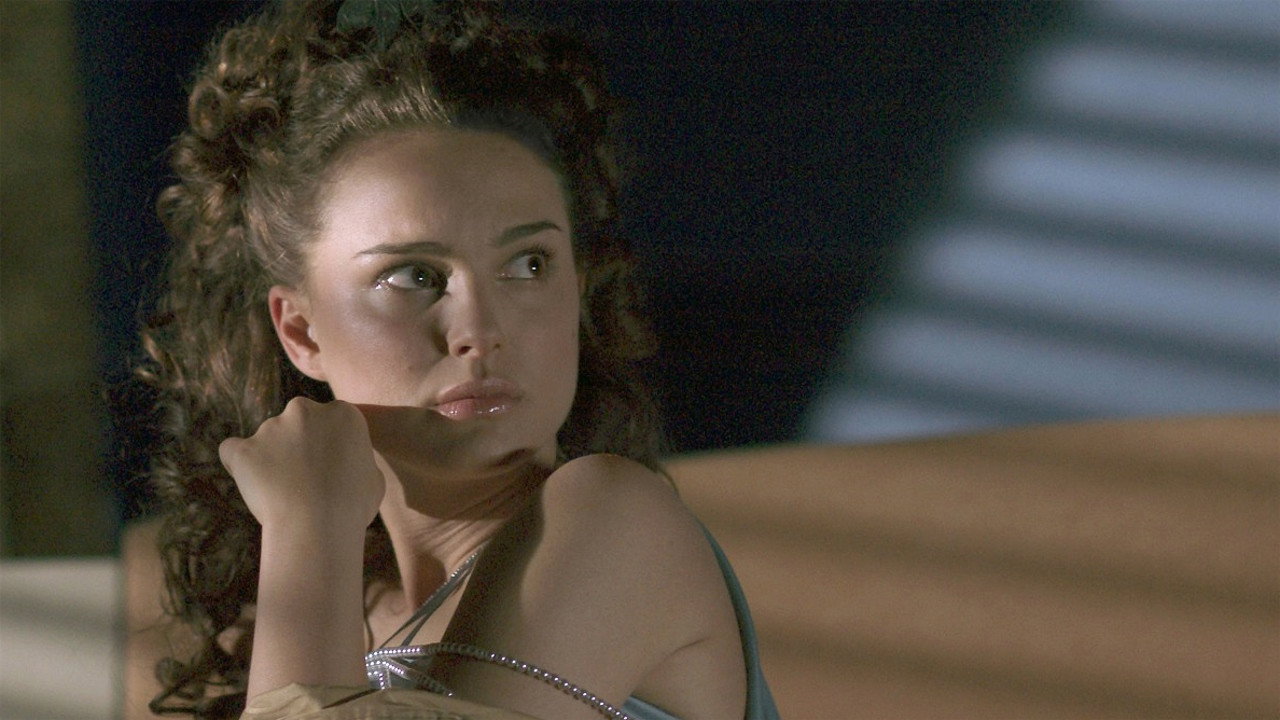
It opens well. David Tattersall’s camera follows two fighters in a single long swoop across a battle above Coruscant, through a wall of ships and gunfire, and for a few minutes the film has the pulp speed of 1977. Anakin Skywalker (Hayden Christensen) and Obi-Wan Kenobi (Ewan McGregor) bicker, board a flagship and find Count Dooku (Christopher Lee) waiting for them. Gavin Bocquet’s sets are the film’s steadiest pleasure: the Senate as a vast bowl of floating pods, Padmé’s flat with a sunset that seems to last for days, a city of sinkholes where the clone army lands on the walls like ants. Trisha Biggar dresses Natalie Portman in velvets and brocades so heavy she barely needs to move, which turns out to be convenient.
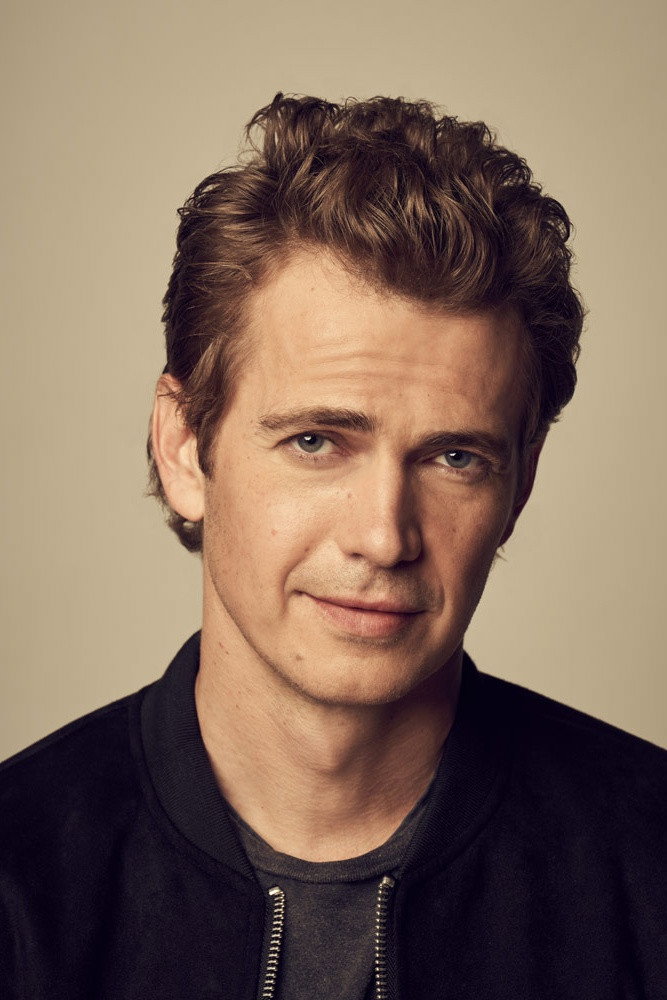
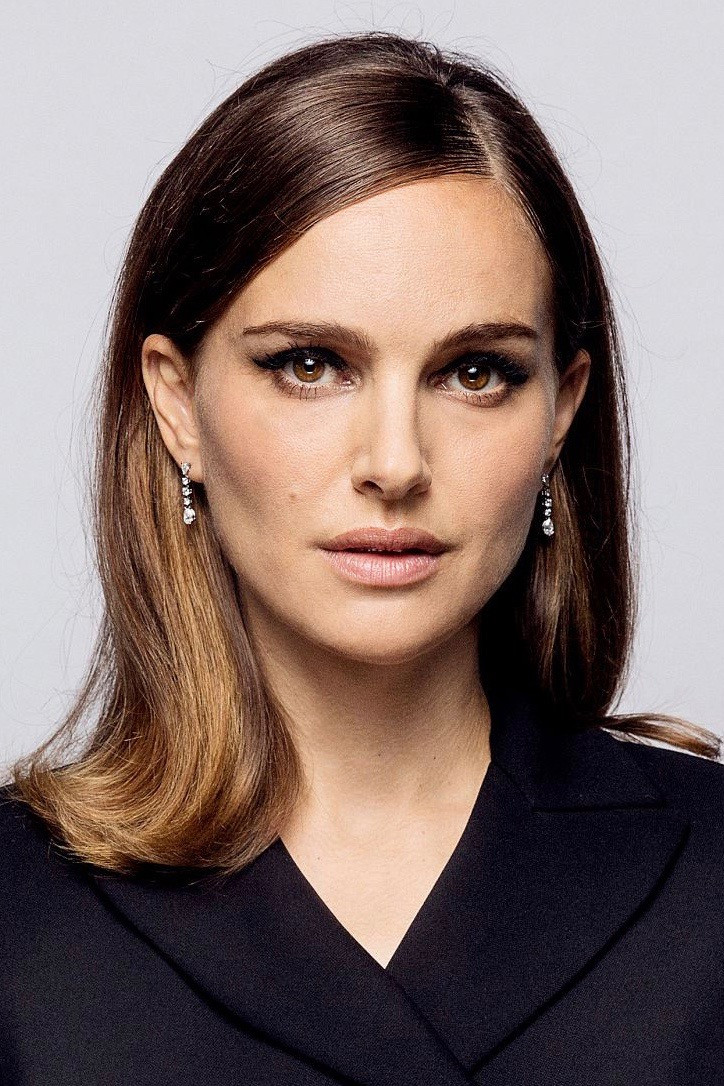
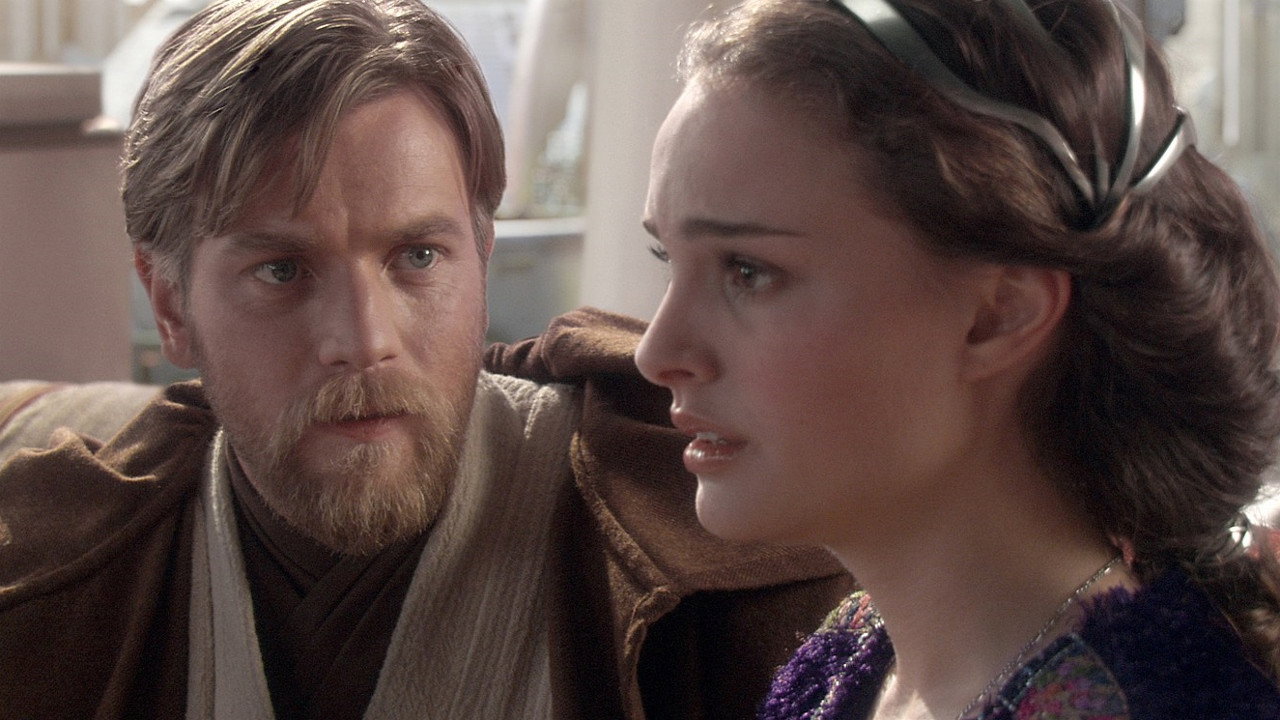
Because the script gives her nothing to do. Padmé is pregnant, frightened for her husband and confined to that flat, where she and Anakin tell each other how beautiful they are in the level voices of people reading from cards. Christensen is not a natural actor and Lucas does not help him; every line he is given is either an announcement or a complaint. He is better in silence. There is a wordless scene in which he and Portman stand at windows across the city from each other, and his face does what the dialogue cannot. It is the one moment in the first hour that feels like a film about people.
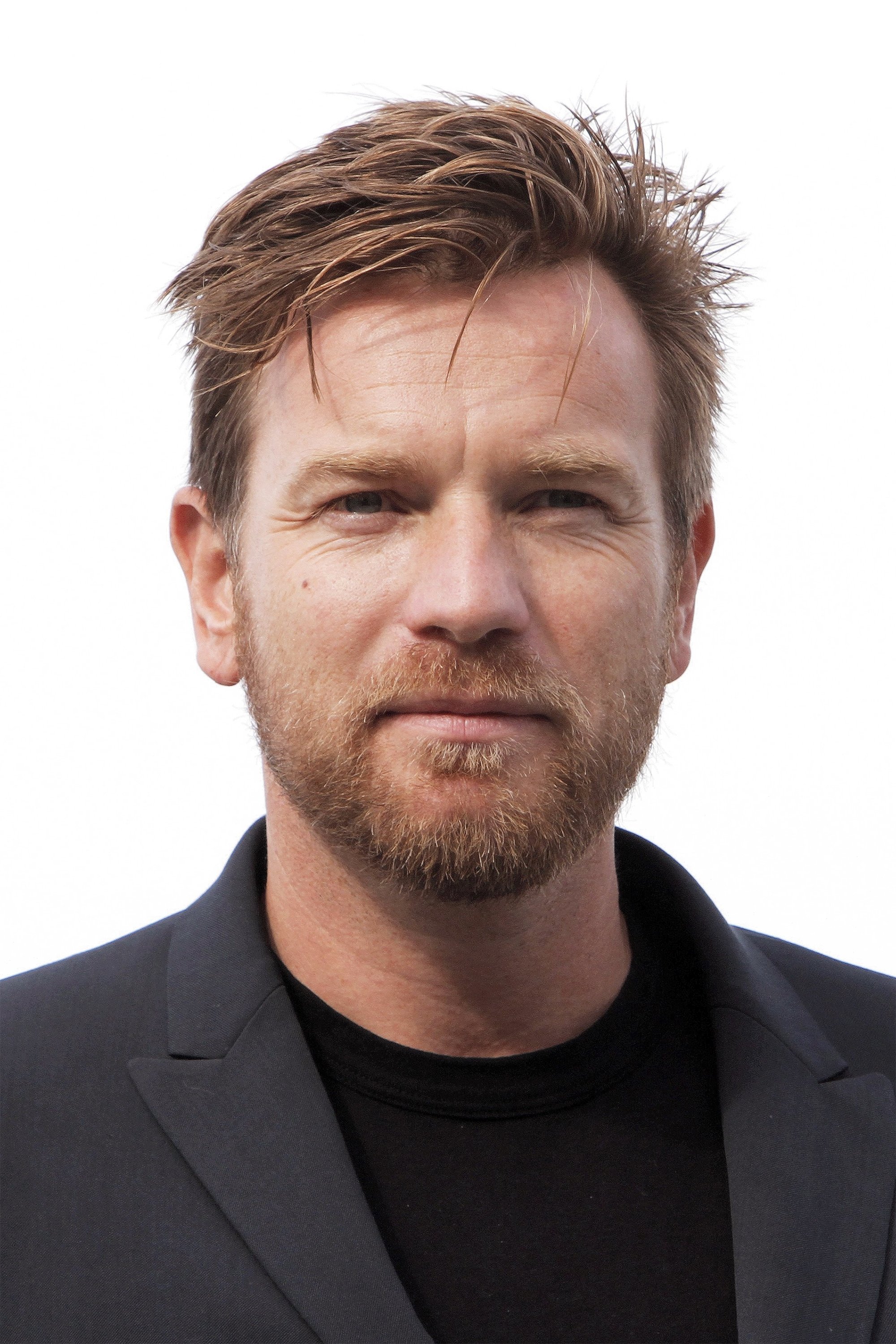
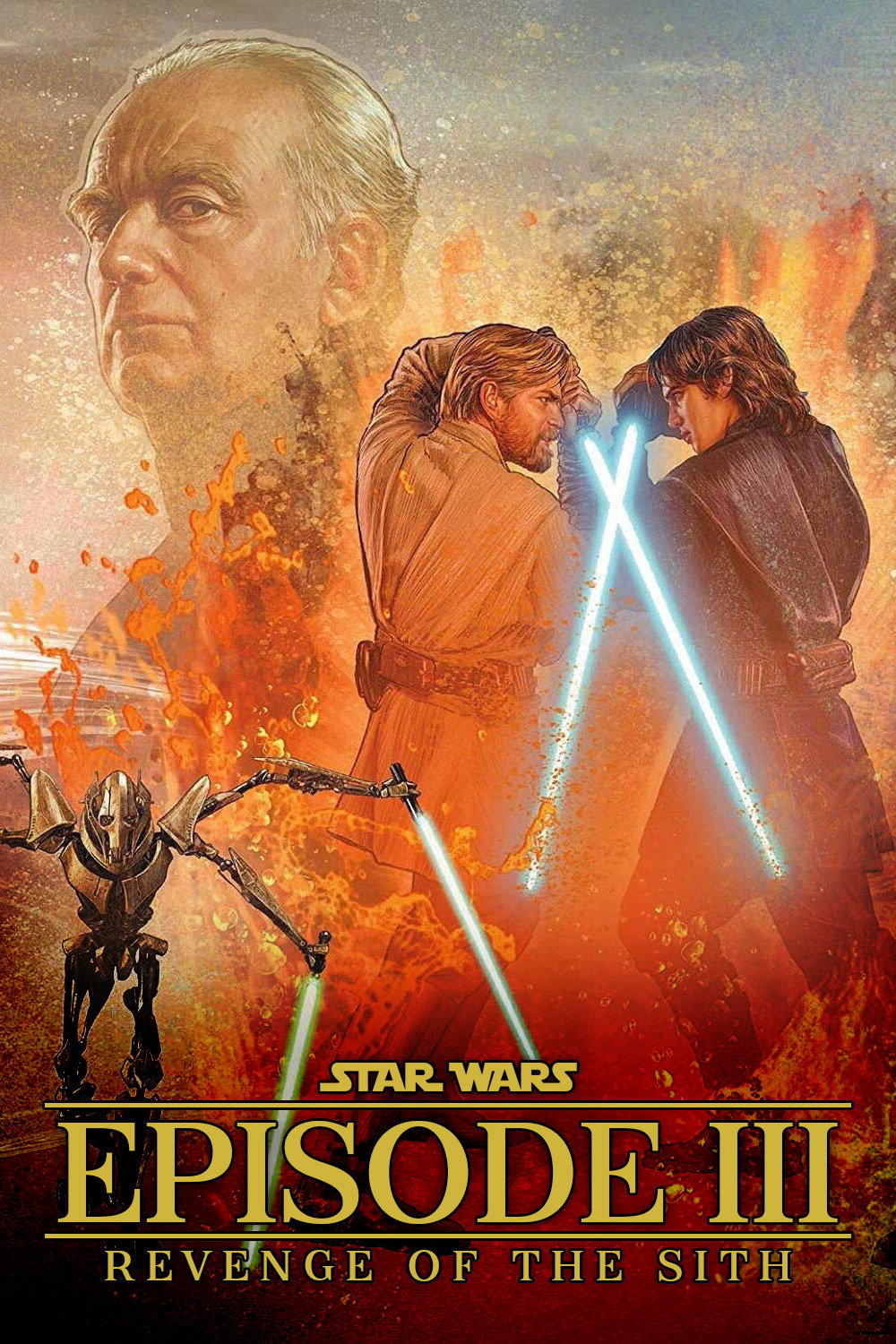
Ian McDiarmid is the reason to keep watching. Chancellor Palpatine spends the middle of the film taking Anakin aside, at the opera, in his office, in corridors, and telling him stories, and McDiarmid plays each one as a kindly uncle with something rotten just behind the smile. He purrs, he pauses, and when the mask finally comes off he has a wonderful time. McGregor, meanwhile, has quietly given the trilogy its best performance: he has found Alec Guinness’s cadence without doing an impression, and his Obi-Wan is dry, tired and fond, a man who knows the boy beside him is slipping and has no idea how to say so. Samuel L. Jackson’s Mace Windu is solemn to the point of furniture. Frank Oz’s Yoda gets one good fight and several sentences only he could make sound wise.
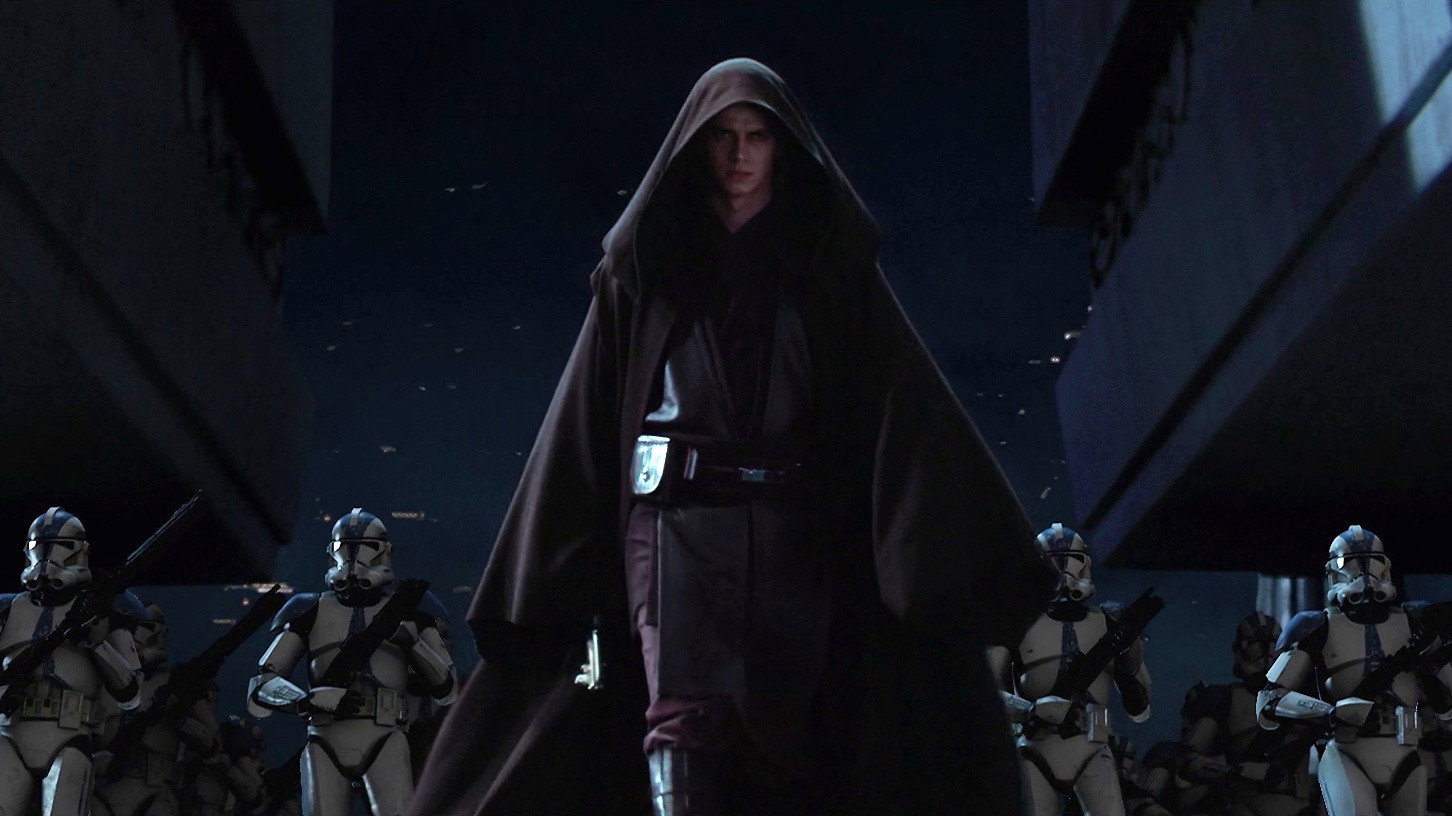
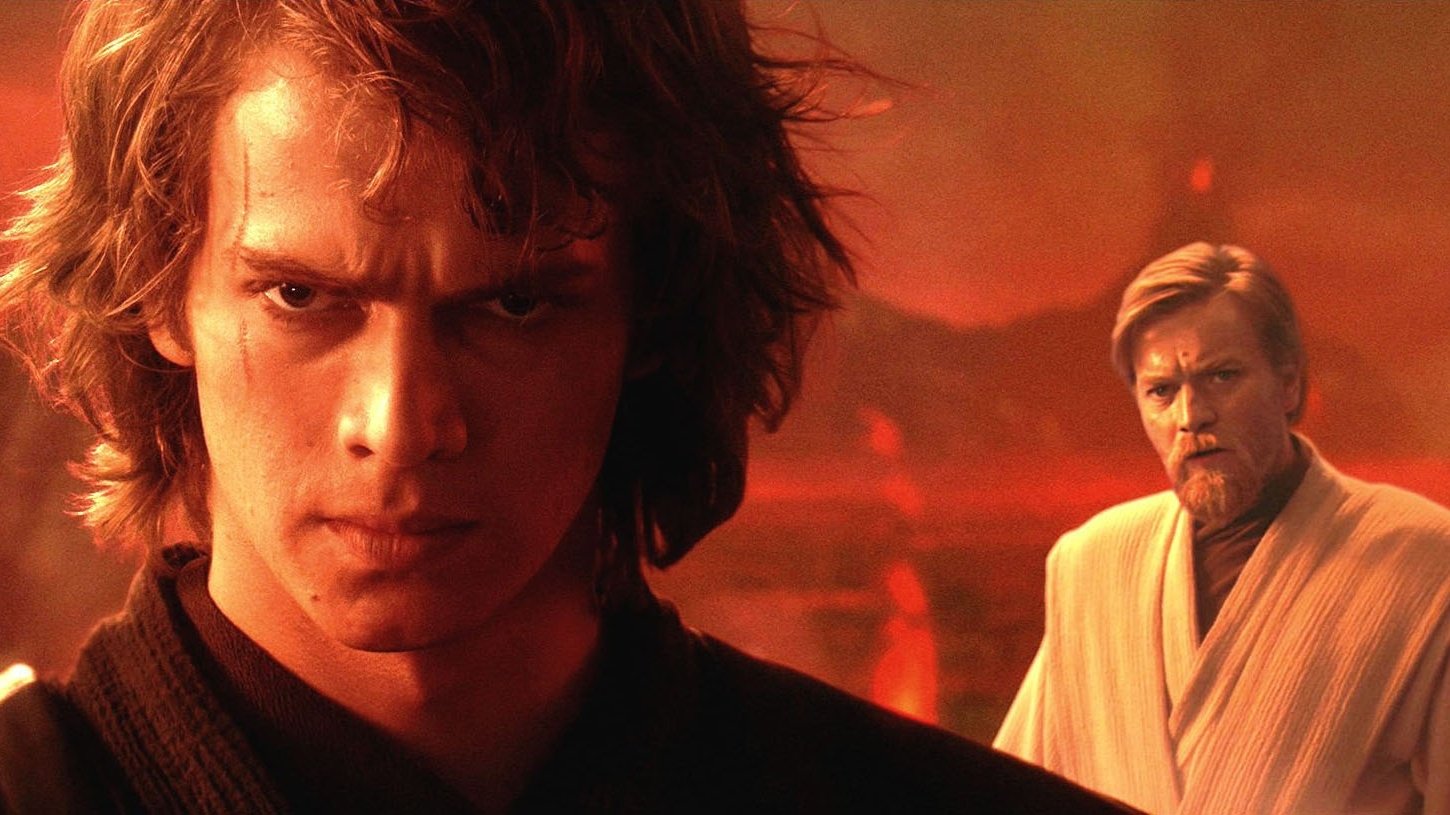
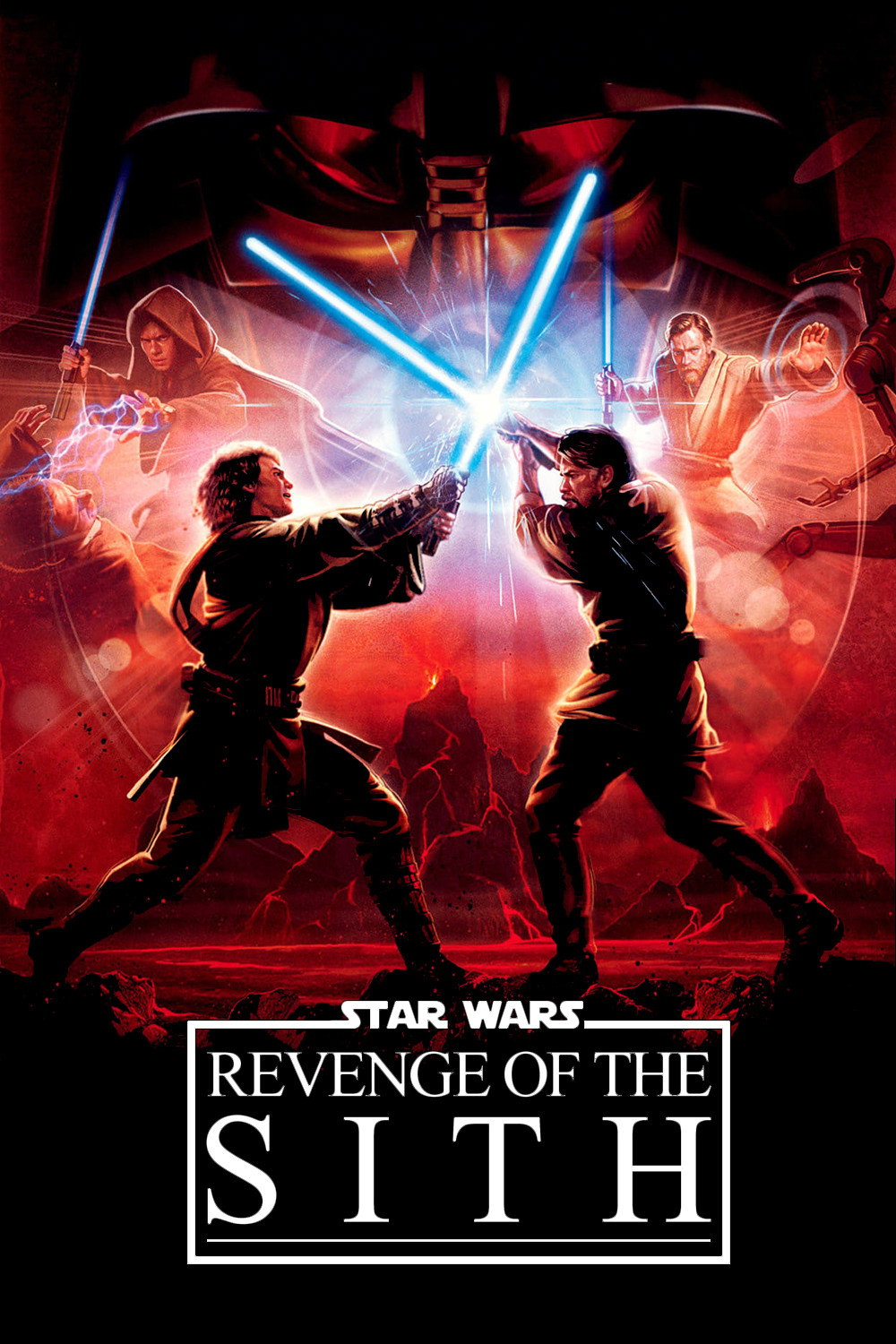
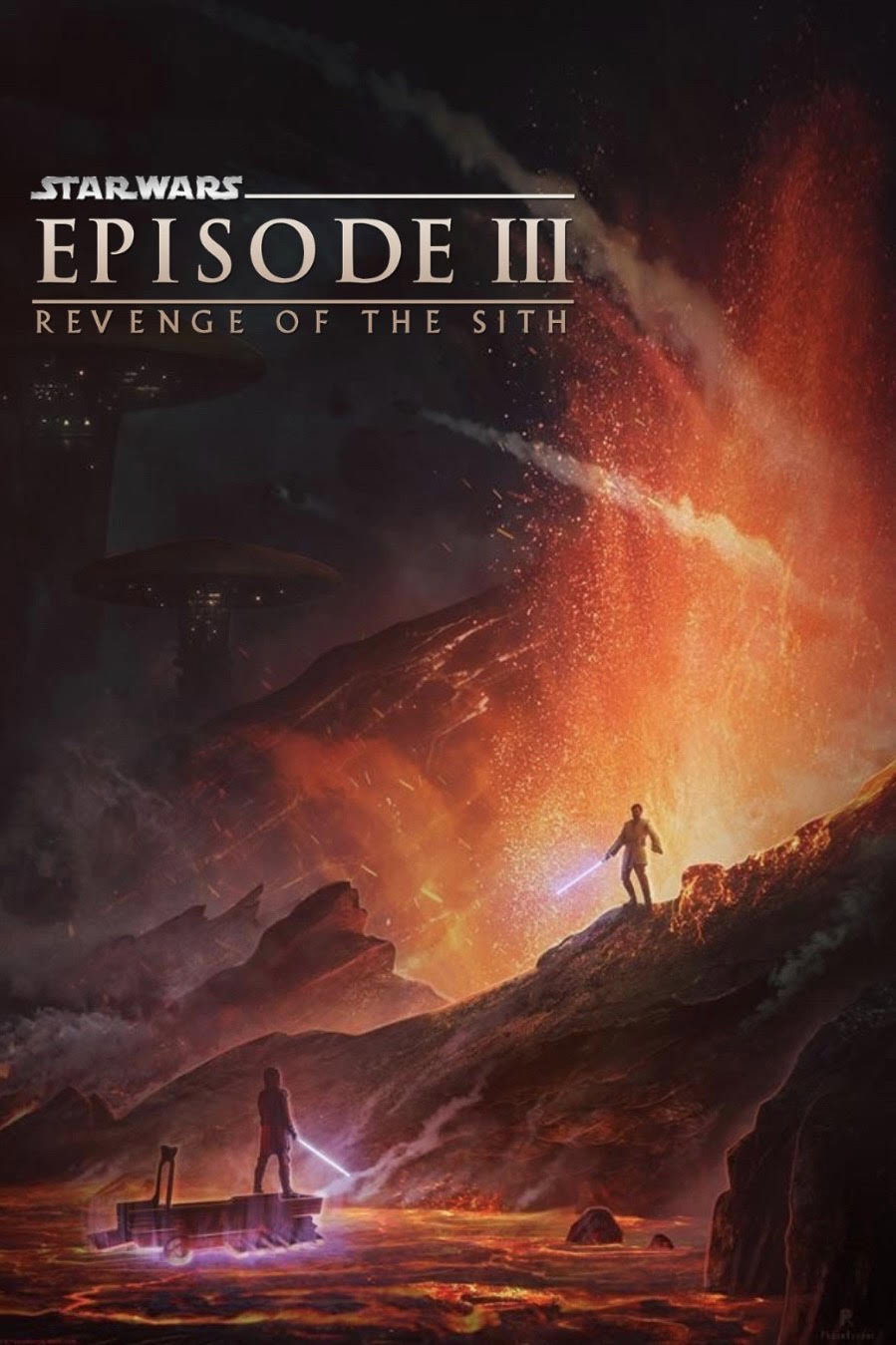
Then the turn comes, the one the title promises, and we will not describe how it is staged. What we can say is that Roger Barton and Ben Burtt cut the last stretch as two fights running at once, on two planets, and that John Williams gives them a choir and a brass line that rises through both. We had been bored through the Senate votes and the balcony scenes, properly bored. Then a montage of things going wrong across the galaxy at once, scored almost as a lament, caught us off guard, and we found we were moved, and slightly cross about it, because the writing had done so little to earn the feeling and Williams had done so much. The final duel, on a planet made of fire, is overlong and over-choreographed, and it still lands, because by then the film has stopped explaining itself.
Against Lucas’s own standard, Star Wars (1977) told a simple story and let the pictures do the talking. The Phantom Menace (1999) and Attack of the Clones (2002) told complicated ones and let nobody speak like a person. This one has the same trouble with words and then, in its last act, finds a way round it, mostly by cutting them. See it for McDiarmid, for McGregor and for the ending. It carries a 12A, and small children who came for the robots may find the last act harder going than the certificate suggests.