Film review

Ran

1985 · Directed by Akira Kurosawa · 2h 40m · MPA R

In a sentenceA family argument with colour-coded armies and nobody fit to chair the meeting

ActionDramaHistory

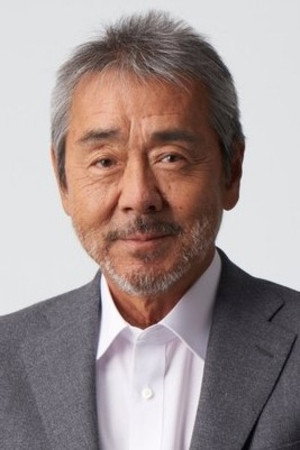
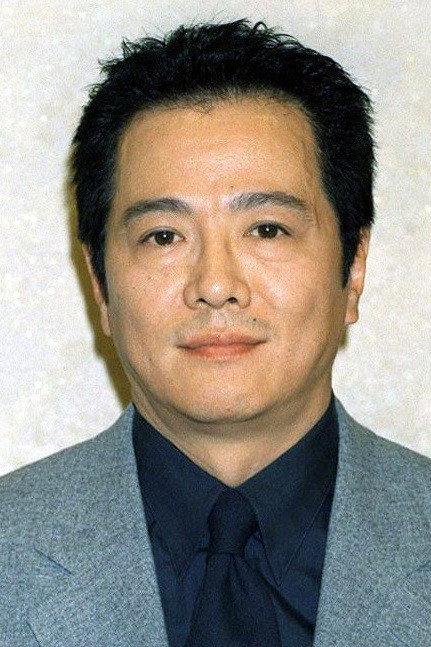
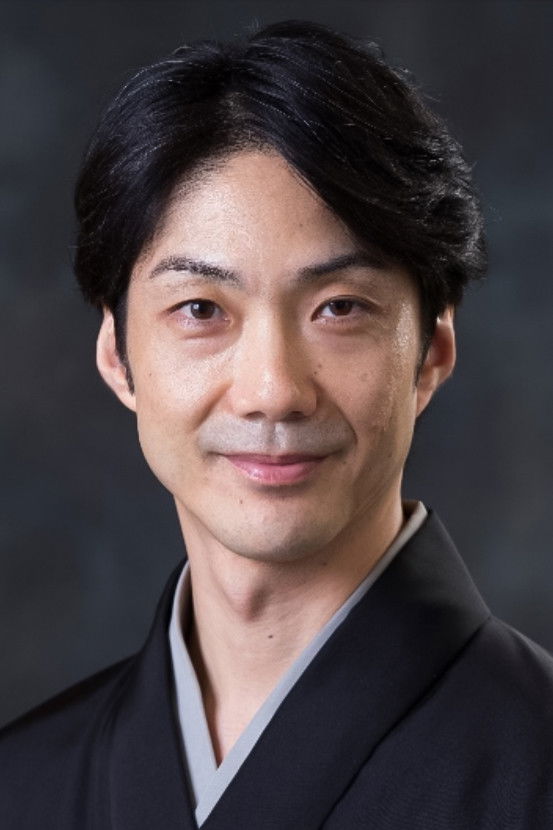
Lord Hidetora Ichimonji (Tatsuya Nakadai) is a warlord in feudal Japan, where family loyalties and political power are bound together. Around him are Taro (Akira Terao), Jiro (Jinpachi Nezu) and Saburo (Daisuke Ryū), with Lady Kaede (Mieko Harada) and Lady Sue (Yoshiko Miyazaki) also caught in the struggle for power. Akira Kurosawa reworks King Lear through a family conflict whose reach extends to armies and battlefields. Intrigue, betrayal and bitter comedy shape a story in which the decisions of those in command affect everyone beneath them.

Plays from YouTube when you press play; nothing loads from them until then.

Fi1m review

Akira Kurosawa’s Ran is a harrowing war film that keeps the family quarrels clear amid the armies. A few overextended conversations do little to diminish its fierce performances or the frightening precision of its battles.

Ran is a terrible family quarrel made large enough to fill a battlefield, and we would recommend it even to those who usually avoid war films. Akira Kurosawa’s reworking of King Lear asks what happens when a powerful man’s failures become everybody else’s problem. The scale matters because private malice can command armies here. It is a severe film, but its anger is easy to understand. The screenplay is by Kurosawa, Hideo Oguni and Masato Ide.

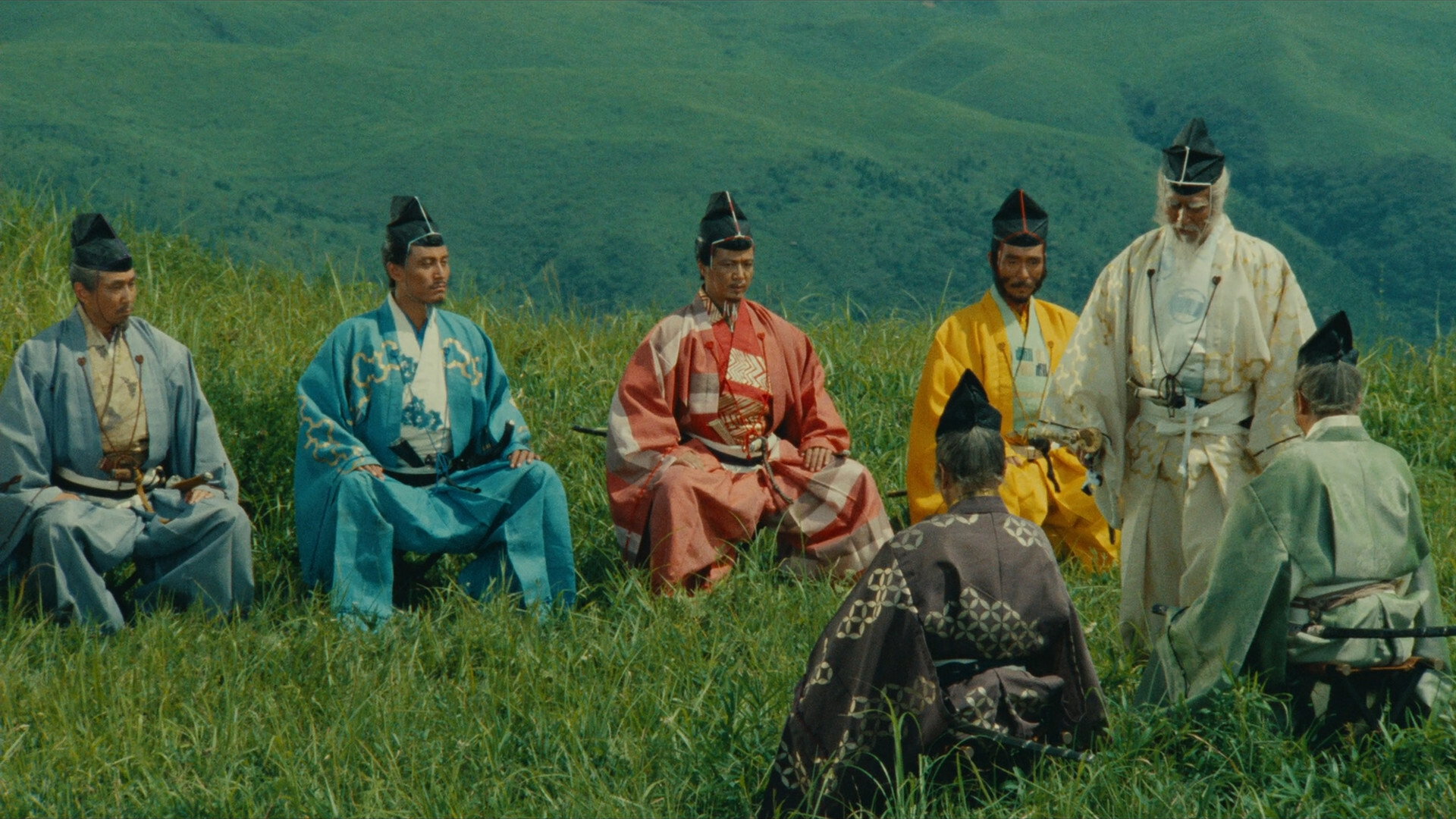
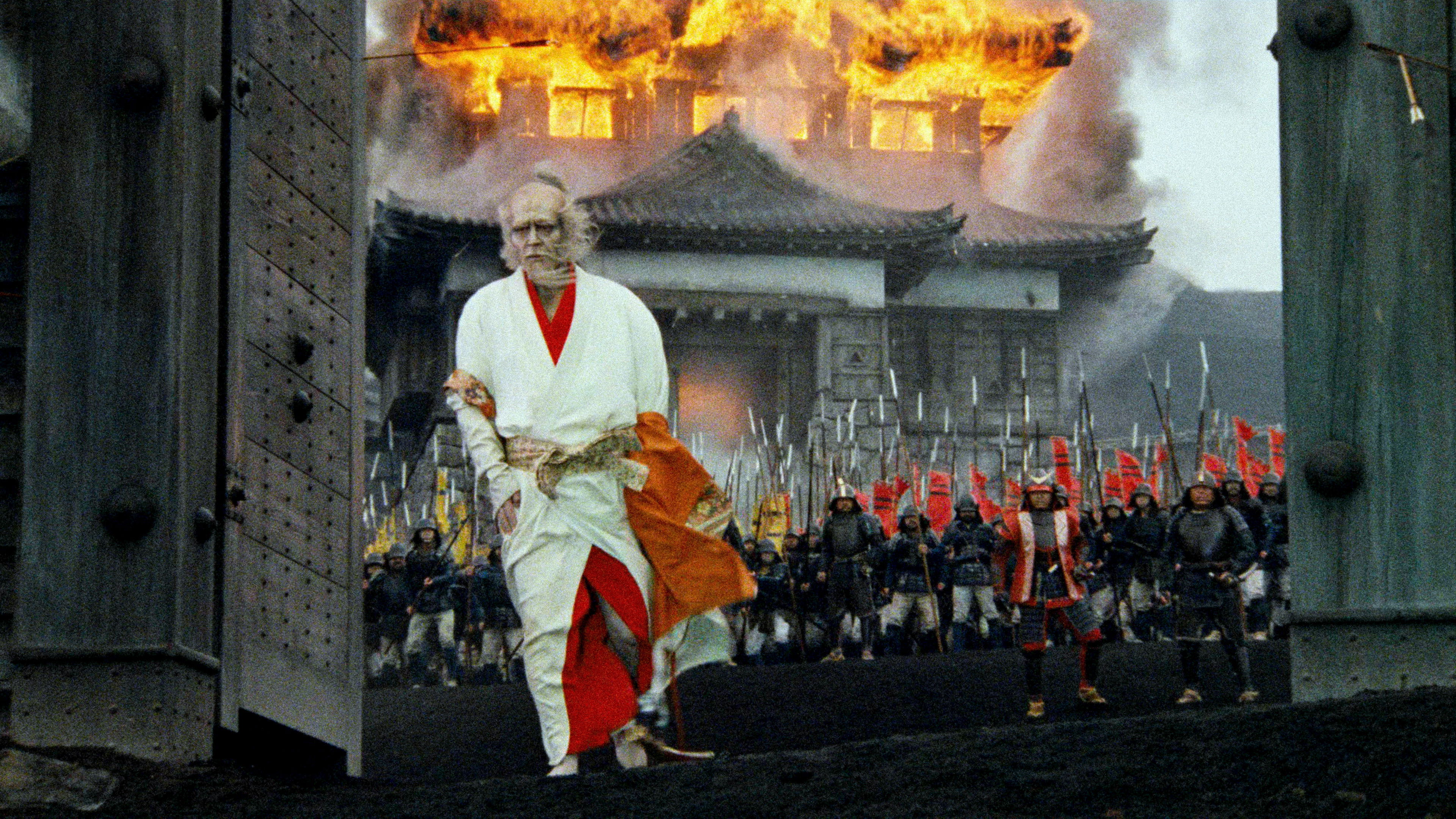
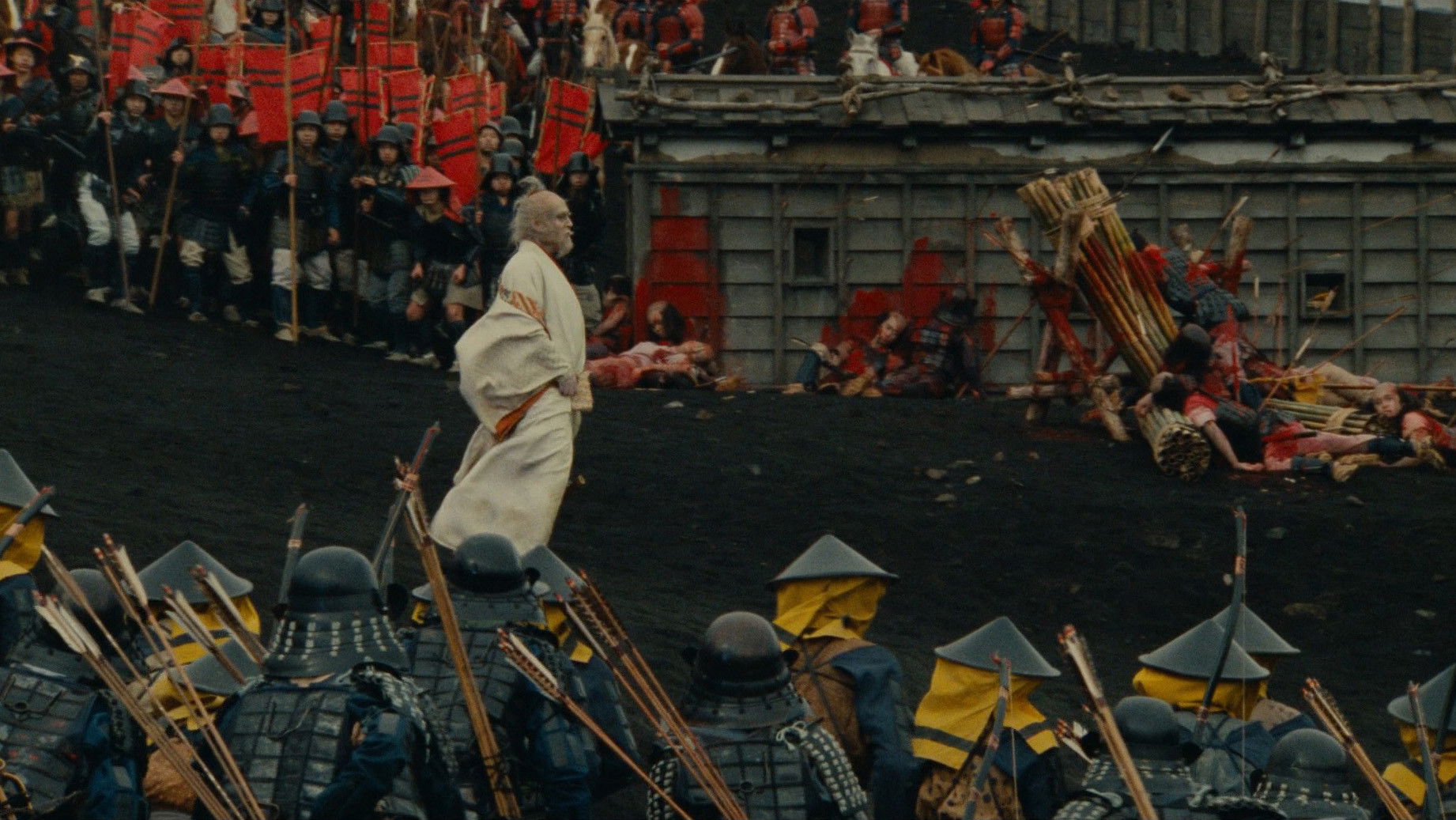
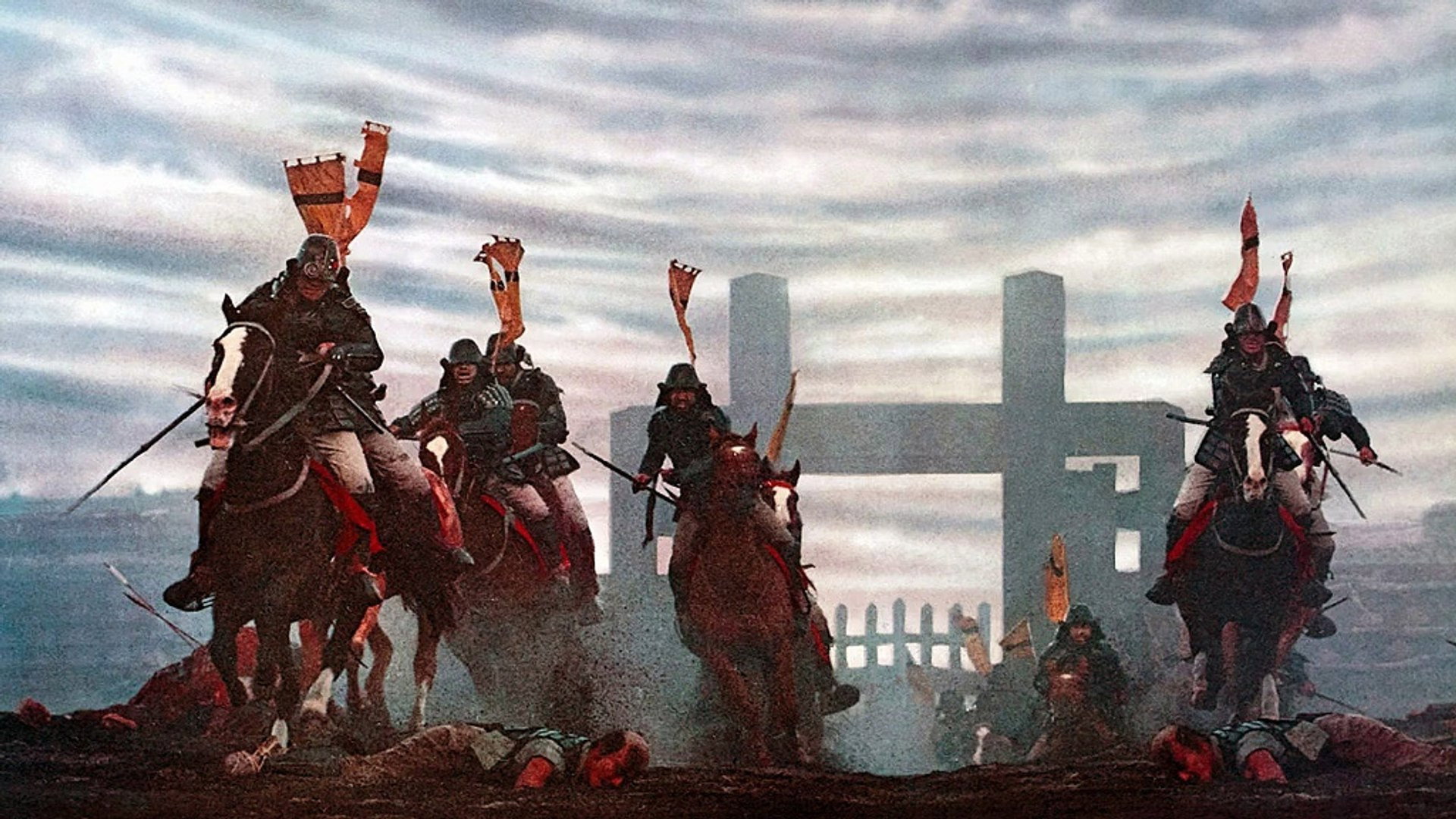
The cinematographers, Shoji Ueda, Asakazu Nakai and Takao Saitō, give the armies enough space for us to follow their movement. The colour coding gives us a practical way of distinguishing the rival forces without constant explanation. That precision lets us register how many people are caught inside a quarrel among a handful of powerful figures. Kurosawa keeps returning to the armies and their banners in sweeping views.

Emi Wada’s costumes help keep the figures distinct within those wide compositions. Production designers Shinobu Muraki and Yoshirō Muraki give the chamber scenes a severity that suits their occupants. These rooms offer little suggestion of domestic comfort, and the formal confrontations feel at home in them. The shift indoors puts the actors and their confrontations at the centre of our attention, without making the struggle over power seem any smaller.

Kurosawa’s editing preserves that sense of organised movement through the battles, giving us time to understand the forces involved rather than simply count the cuts. Tōru Takemitsu’s mournful score makes the fighting harder to enjoy as a display of skill. We were horrified by the battles. The coloured formations stay readable through the brutality, so there is little refuge in pretending we cannot follow what is happening.

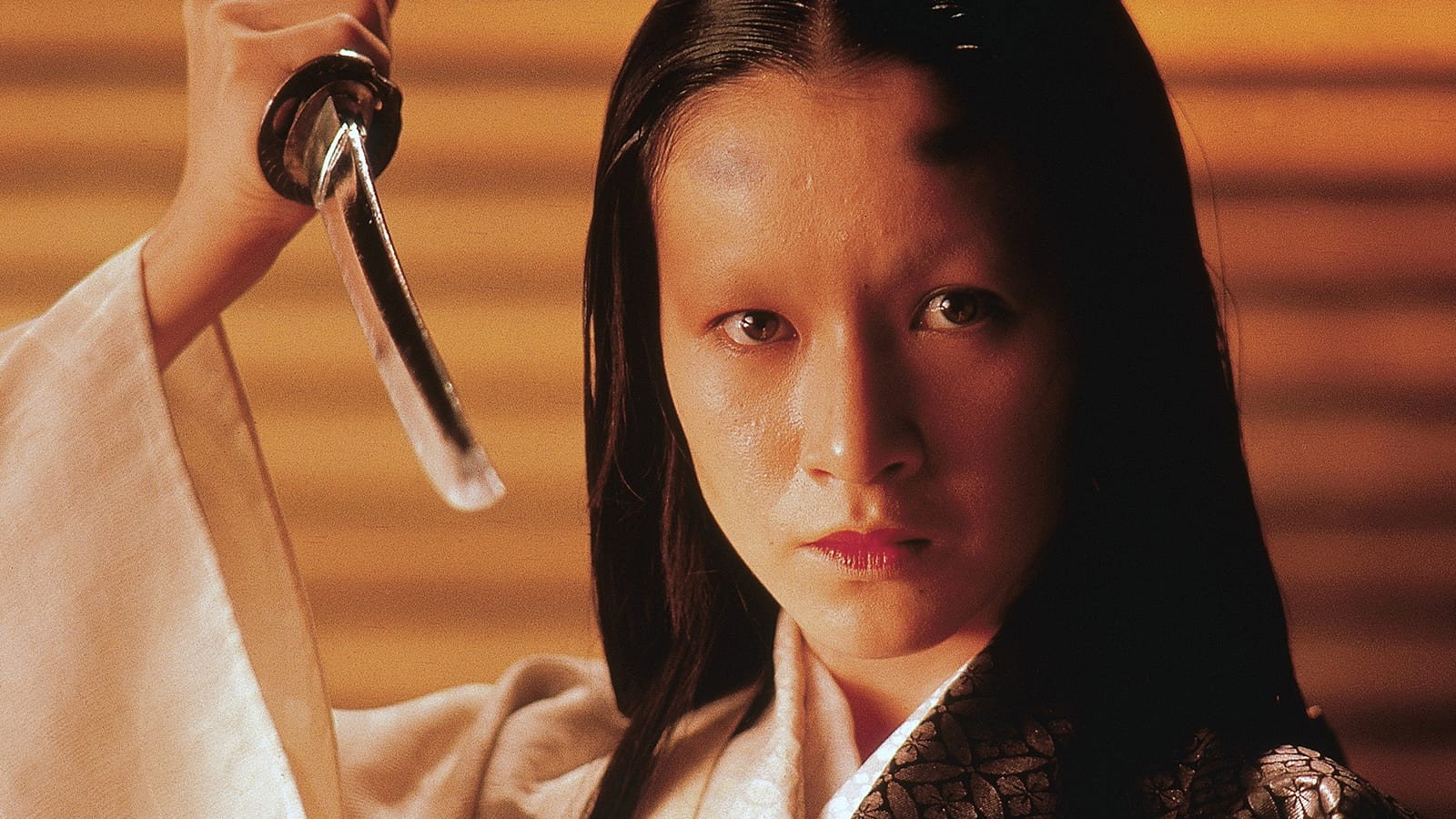
Tatsuya Nakadai gives Lord Hidetora Ichimonji enough frailty to make him recognisably human without asking us to excuse him. His Noh-influenced make-up can make the face appear almost fixed, which gives small changes of expression unusual force. The acting is openly theatrical, and it suits a man accustomed to being watched. Mieko Harada’s Lady Kaede belongs in the same heightened style, with a ferocity that holds our attention through the private confrontations.

The screenplay sometimes labours a point the staging has already made, and the formal exchanges can feel overextended. This is also where the film’s distance becomes a limitation: a less emphatic conversation might bring us closer to the people involved. Nakadai’s vulnerability usually supplies the human detail these passages need, but a few could have been shorter. The film runs 160 minutes.

Many war films encourage us to admire whoever gets the armies moving. Ran makes that authority look dangerous even when the movement is magnificent. Its spectacle keeps sending us back to the damage done by people who expect obedience, and the private scenes make clear how little judgement they can possess. Give it an uninterrupted evening, preferably on a screen large enough to keep the people visible within the formations.
Critical consensus AI synthesised

5 of 6
Positive
5
Mixed
0
Negative
0
Time Out
29 March 2016 · ★★★★★ · Tom Huddleston
100

The critic praises Kurosawa’s adaptation of King Lear as a director’s film packed with brutal violence, tragedy, intrigue, comedy and betrayal. Visual mastery stands out through sweeping shots of banners, armies and shifting colour palettes that heighten the emotional intensity.

Read the full review →
Empire
1 April 2016 · Ian Nathan
90*

The critic calls it an absolute triumph and Kurosawa's last great masterpiece, a Shakespearean epic of betrayal and chaos that remains a film of rare greatness. They single out the monumental scale of the production, the masterful control of vast dramatic and visual elements, and the ferocious performances for particular praise.

Read the full review →
The AV Club
29 March 2002 · Scott Tobias
90*

Kurosawa's 1985 King Lear adaptation in feudal Japan is a self-canonizing masterpiece whose epic battle sequences and visual poetry exceed mere spectacle. The critic singles out the painterly cinematography, Nakadai's delicate descent into madness, and Takemitsu's haunting score for particular praise.

Read the full review →
Los Angeles Times
28 December 1985 · Kevin Thomas

The critic hails it as a superb re-working of King Lear and a glorious culmination of the director's career, at once brisk and elegiac, intimate and epic. He singles out the images as beautiful and terrifying as any captured on film and the impeccable performances.

Read the full review →
RogerEbert.com
25 December 1985 · Roger Ebert

The critic calls it a great, glorious achievement that Kurosawa could perhaps only have made at 75. He singles out the director's command of epic battle scenes contrasted with intimate chamber drama, and the freshness brought by samurai costumes and Noh-inspired makeup.

Read the full review →
The New Yorker
6 January 1986 · Pauline Kael

The critic admires the monumental, conceptualized scale of the film viewed from a detached, heaven-like perspective, praising the fastidious preparation, color-coded armies, and extravagantly beautiful battle imagery that pays off despite the tragic story.

Read the full review →

Cast

Stills

Awards

Academy Awards, 1986

Nominated
Best Cinematography
Nominated
Best Director
Nominated
Best Production Design
Won
Best Costume Design

Amanda Award for Best Foreign Feature Film, 1986

Won
Amanda Award for Best Foreign Feature Film

If you liked this, try…

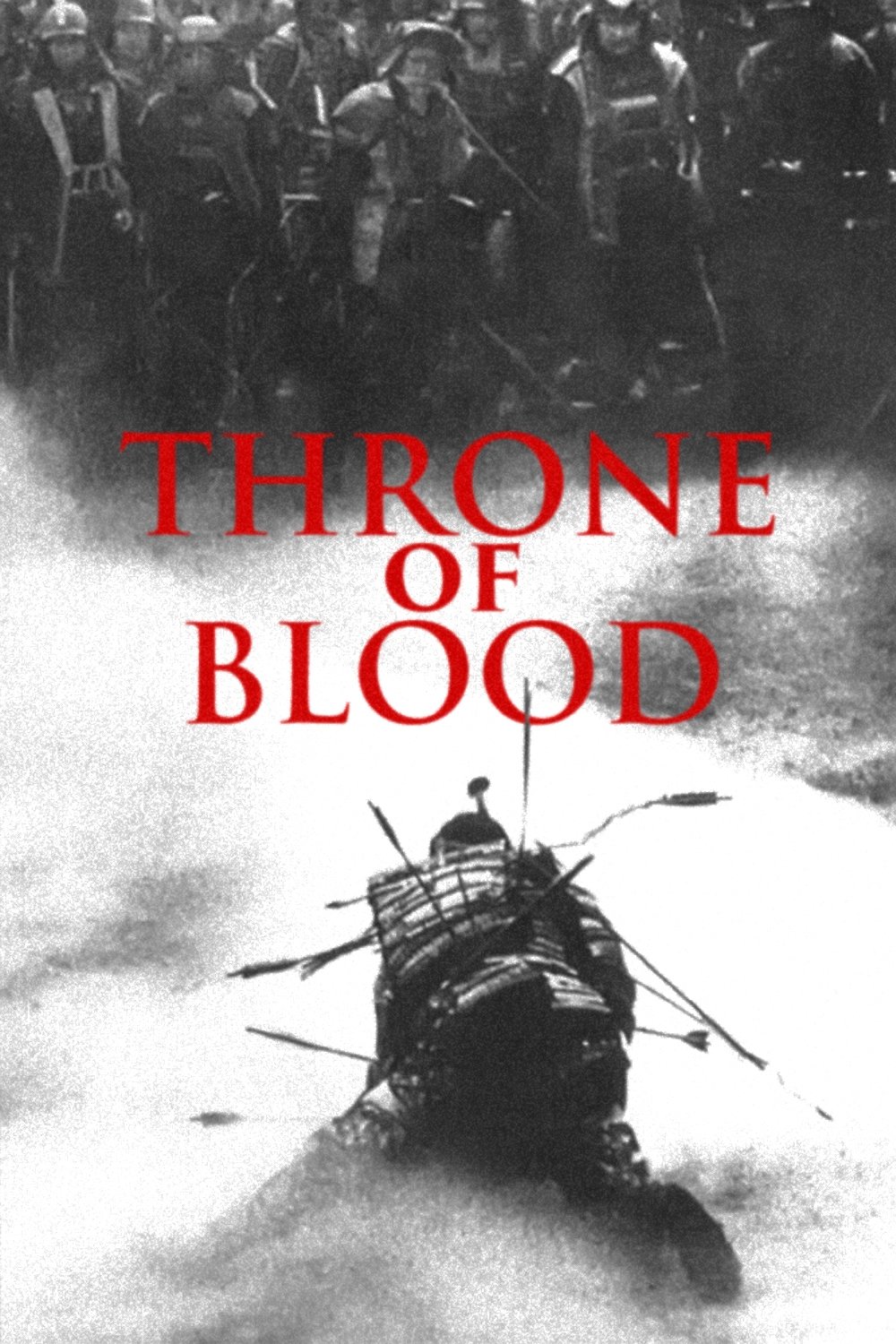
Throne of Blood poster

Throne of Blood

1957 · Kurosawa tackles Shakespeare with fog, military ambition and an equally unforgiving view of power.

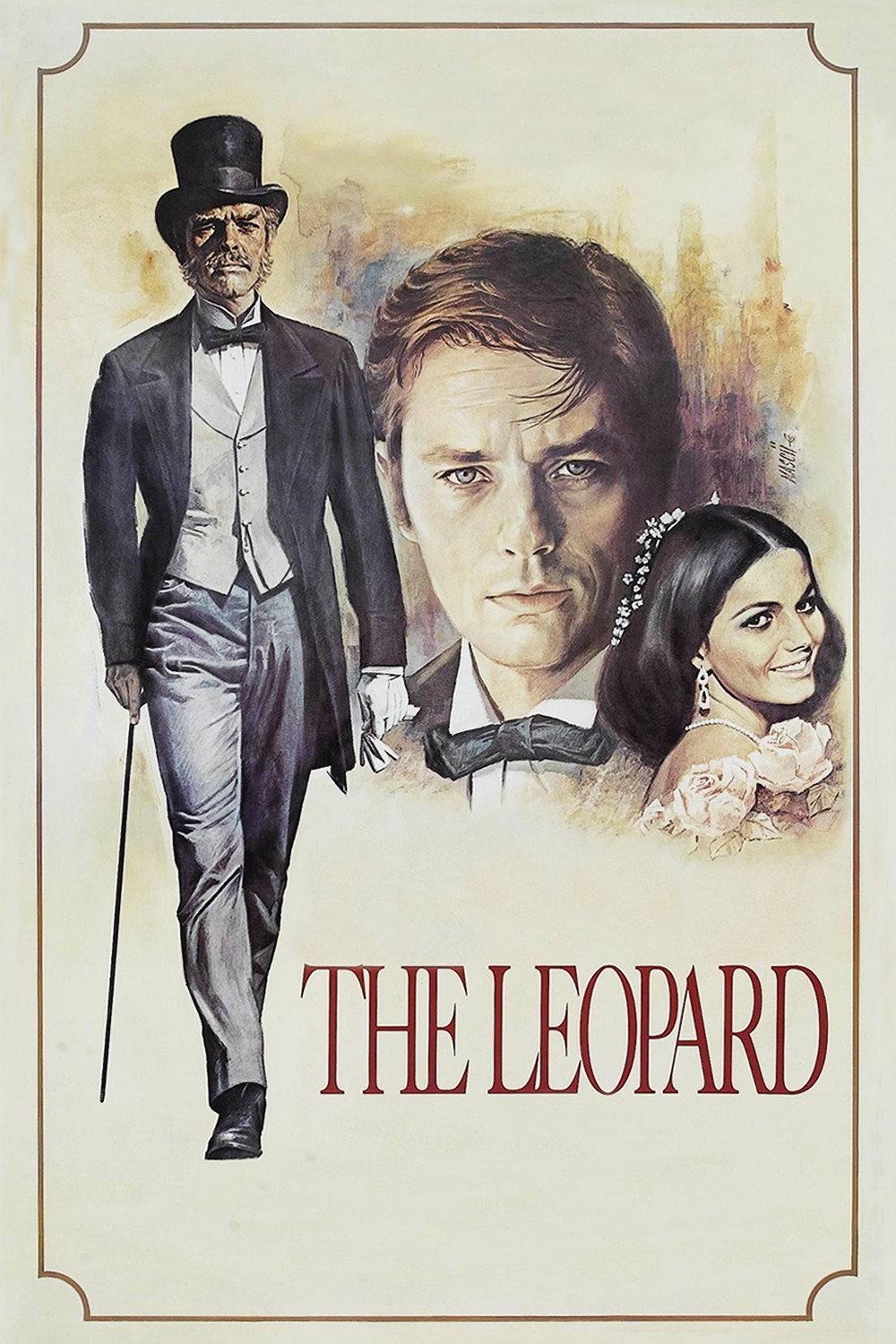
The Leopard poster

The Leopard

1963 · Another ruling family faces change, with political calculation visible in clothes and rooms.

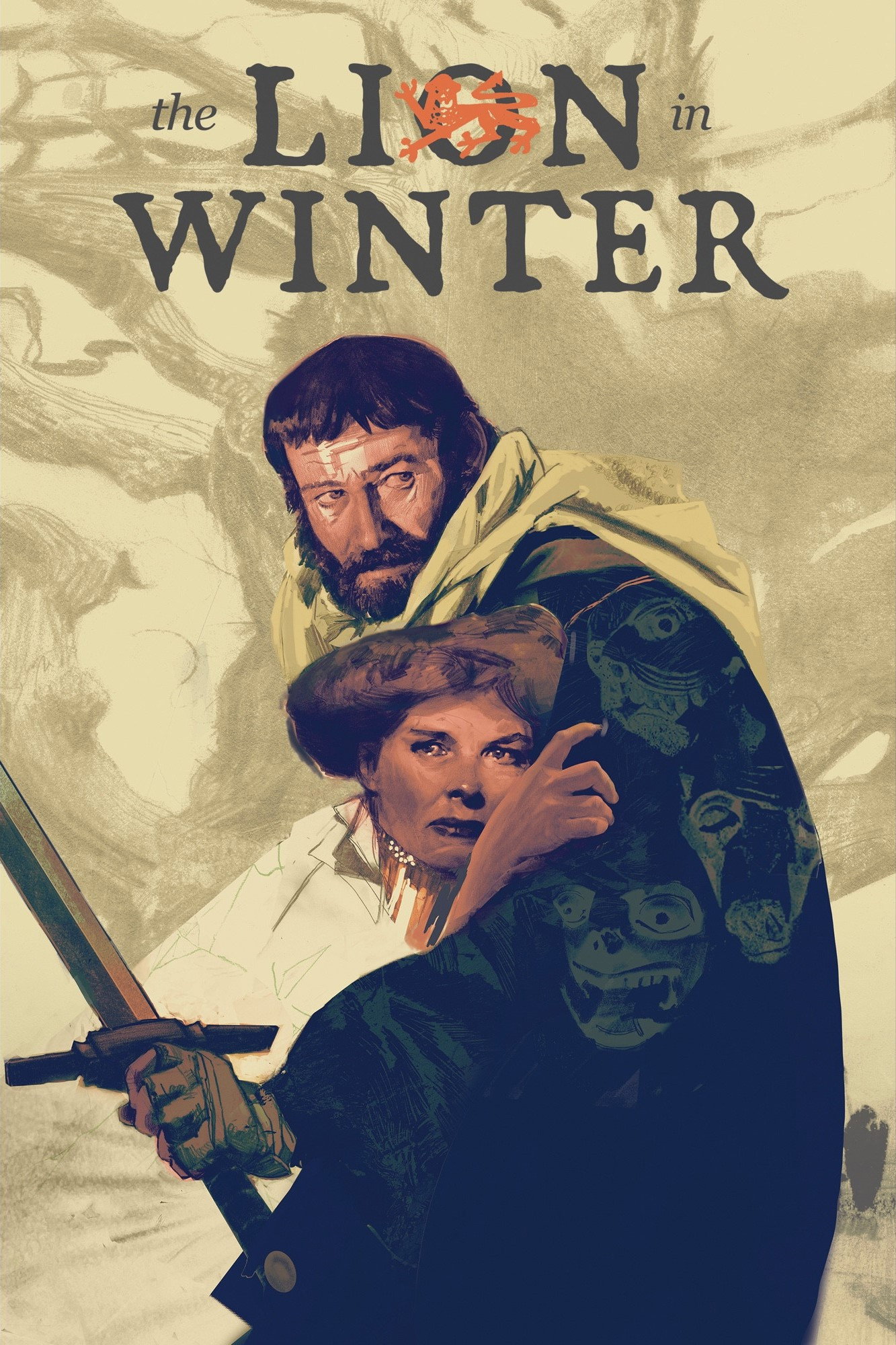
The Lion in Winter poster

The Lion in Winter

1968 · A royal family negotiates succession with enough spite to make armies seem unnecessary.

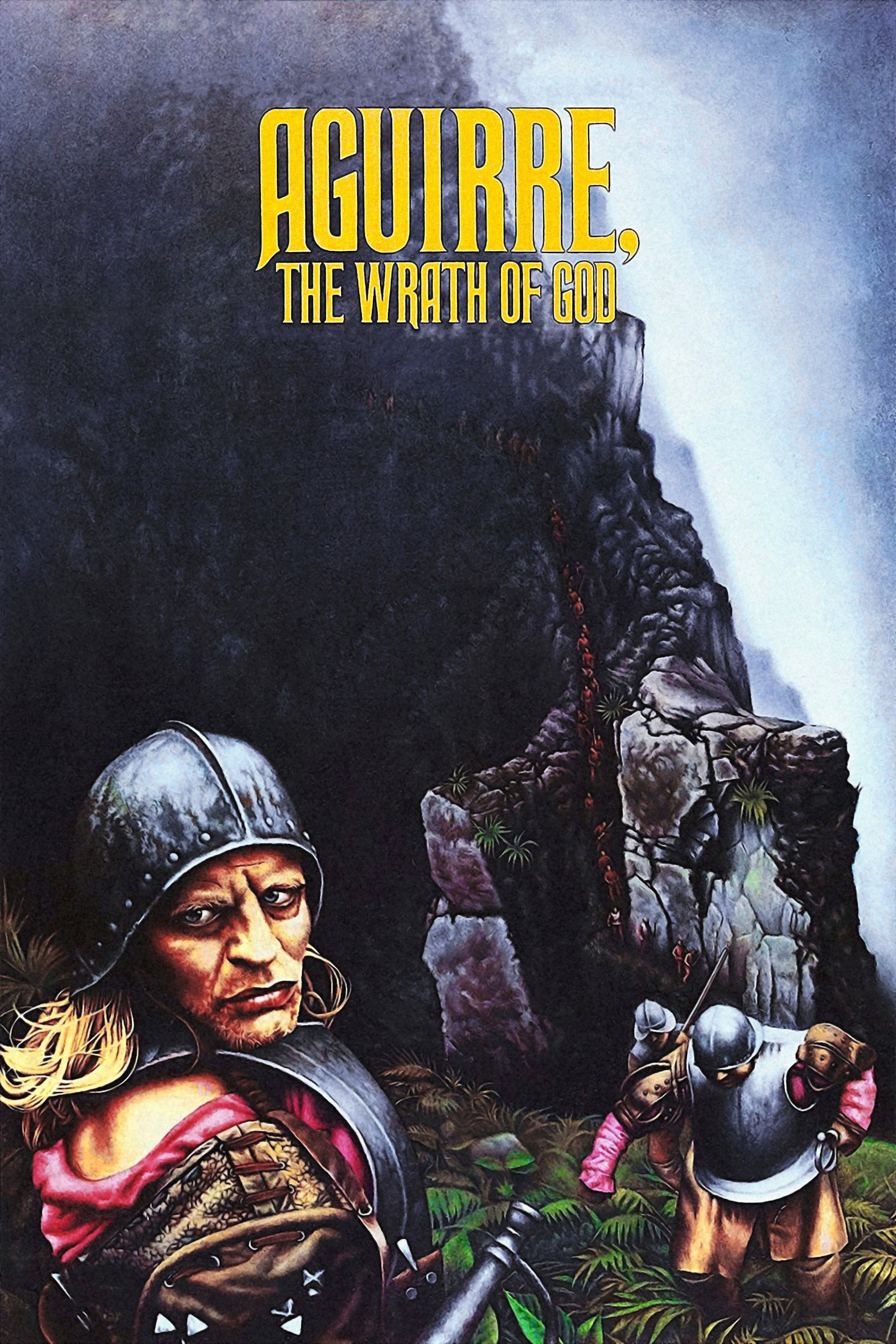
Aguirre, the Wrath of God poster

Aguirre, the Wrath of God

1972 · A leader’s delusions endanger everyone around him, with the landscape refusing to cooperate.

The Tragedy of Macbeth poster

The Tragedy of Macbeth

2021 · Shakespearean ambition in stark, enclosed spaces, with performances that welcome theatrical intensity.