Akira Kurosawa makes action matter by giving us time to know the people caught up in it. We rate his patient storytelling as highly as his battles, though his actors can sometimes press a point too hard.
Fi1m perspective
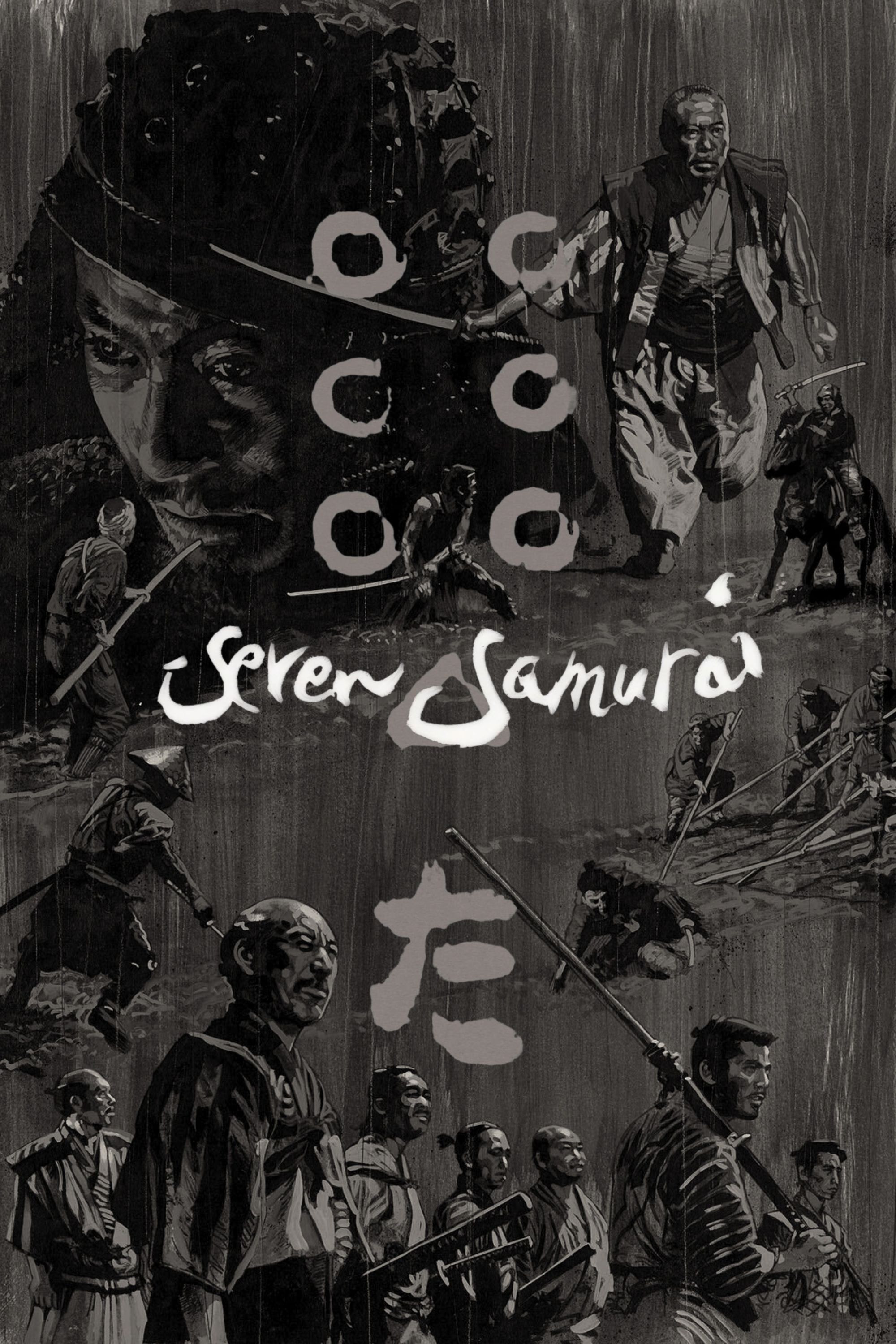
A village needs protection from bandits, and Kurosawa lets the recruitment occupy our attention before asking us to care about the fighting. In Seven Samurai (1954), each new man changes the company; we have time to consider why he would agree to fight without pay. We were absorbed by the gathering of these men because each arrival gave us someone distinct to watch. The 207 minutes feel well spent, and the care taken over introductions is a large part of the reason.
Rashomon (1950) builds its story from conflicting viewpoints; Ikiru (1952) follows a bureaucrat’s search for meaning. Both belong to a prolific stretch in which Kurosawa directed roughly a film a year through the 1950s and early 1960s. Throne of Blood (1957) takes Macbeth into feudal Japan, drawing on Noh theatre. Across these different settings and ways of telling stories, his interest in why people behave as they do remains clear.
His craft is easiest to appreciate when several people are moving at once. In Seven Samurai, cinematographer Asakazu Nakai keeps individual fighters visible without losing the larger battle, so we understand both a man’s decisions and what lies beyond his control. Kurosawa’s own editing distinguishes the attention needed for a duel from that needed for a mass fight. Fumio Hayasaka supplies an exciting score, but we would credit the photography and cutting first. The screenplay, written with Shinobu Hashimoto and Hideo Oguni, makes us take the villagers’ need seriously and notice the class differences between them and their protectors.
He is less restrained with Toshirō Mifune’s Kikuchiyo, whose broad, often funny performance occasionally keeps insisting after we have understood. We could do with less emphasis, particularly in a film so good at distinguishing its people through the business of assembling them. Still, Mifune makes the company feel unsettled whenever he takes its centre. The excess can be tiring, but it scarcely dents our affection for this humane, exciting film.
After Red Beard (1965), Kurosawa directed less frequently, with international admirers later supporting Kagemusha (1980) and Ran (1985). The latter returned to Shakespeare through King Lear, with colour and visual scale prominent in its telling. For a first encounter, though, we would choose Seven Samurai, even for someone who regards sword fights as a reason to stay away. Give it an evening when nobody needs to be up early.
Biography
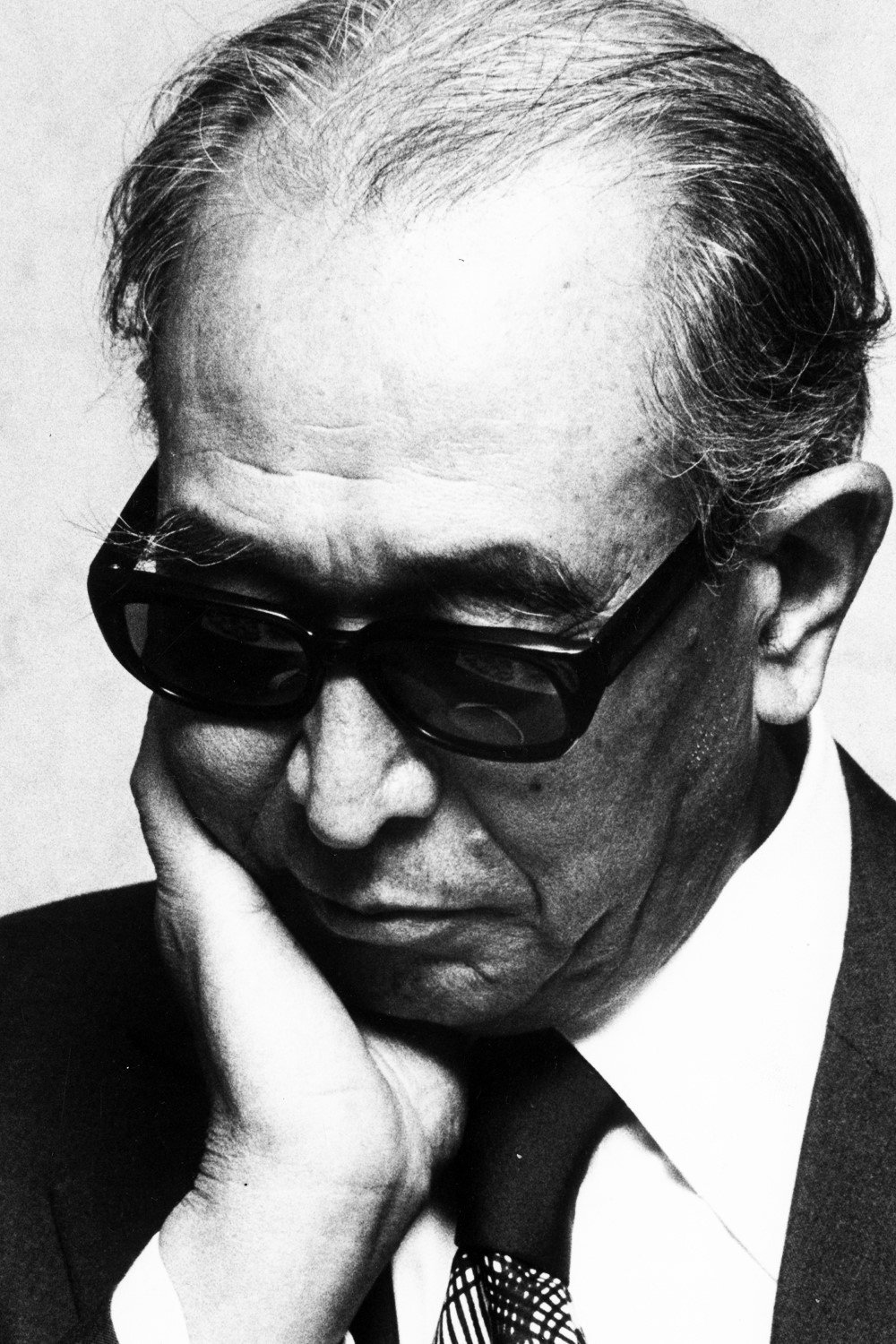
Akira Kurosawa was a Japanese film director, screenwriter, editor and producer. He entered the film industry in 1936 as an assistant director after studying painting, and made his directorial debut with Sanshiro Sugata (1943).
He directed thirty films across a career of more than five decades. His early postwar work included Drunken Angel (1948) and Rashomon (1950), the latter winning the Golden Lion at the Venice Film Festival in 1951. He collaborated frequently with actor Toshirō Mifune.
Kurosawa is credited as director, screenwriter and editor on Seven Samurai (1954). Other notable films include Ikiru (1952), Yojimbo (1961) and Ran (1985). He died in Tokyo on 6 September 1998.