Akira Kurosawa’s Yojimbo is a sharply staged, darkly funny thriller, carried by Toshirō Mifune’s scruffy, calculating samurai. The scheming grows repetitive, but the performance and the clarity of the action make it easy to recommend.
Yojimbo is a thoroughly enjoyable thriller about a man who sees two gangs feuding over a small town and decides that their hostility could be useful. Akira Kurosawa gives Sanjuro plenty of scope to be clever, nasty and funny, without asking us to mistake him for a model citizen. Toshirō Mifune supplies the chief reason to watch: an apparent unwillingness to exert himself that makes everyone else’s agitation look foolish. We recommend it warmly, with a small warning that the manoeuvring occasionally becomes more elaborate than interesting.
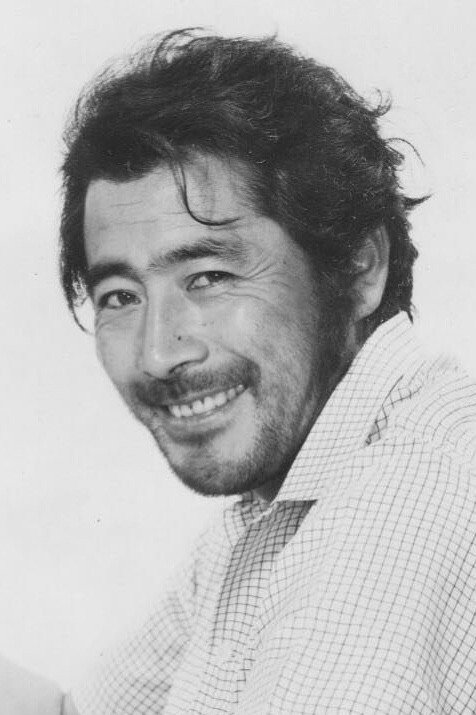
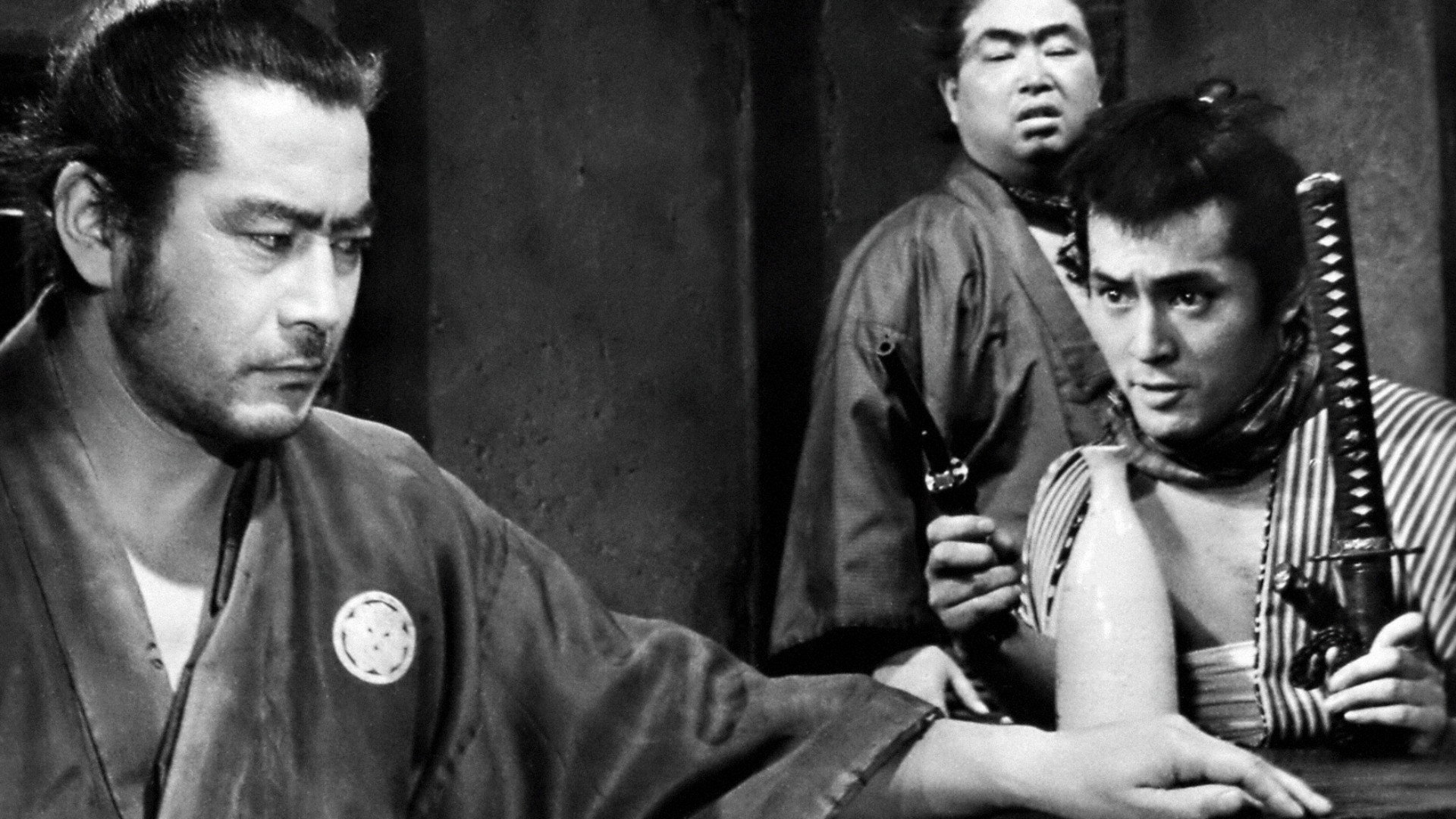
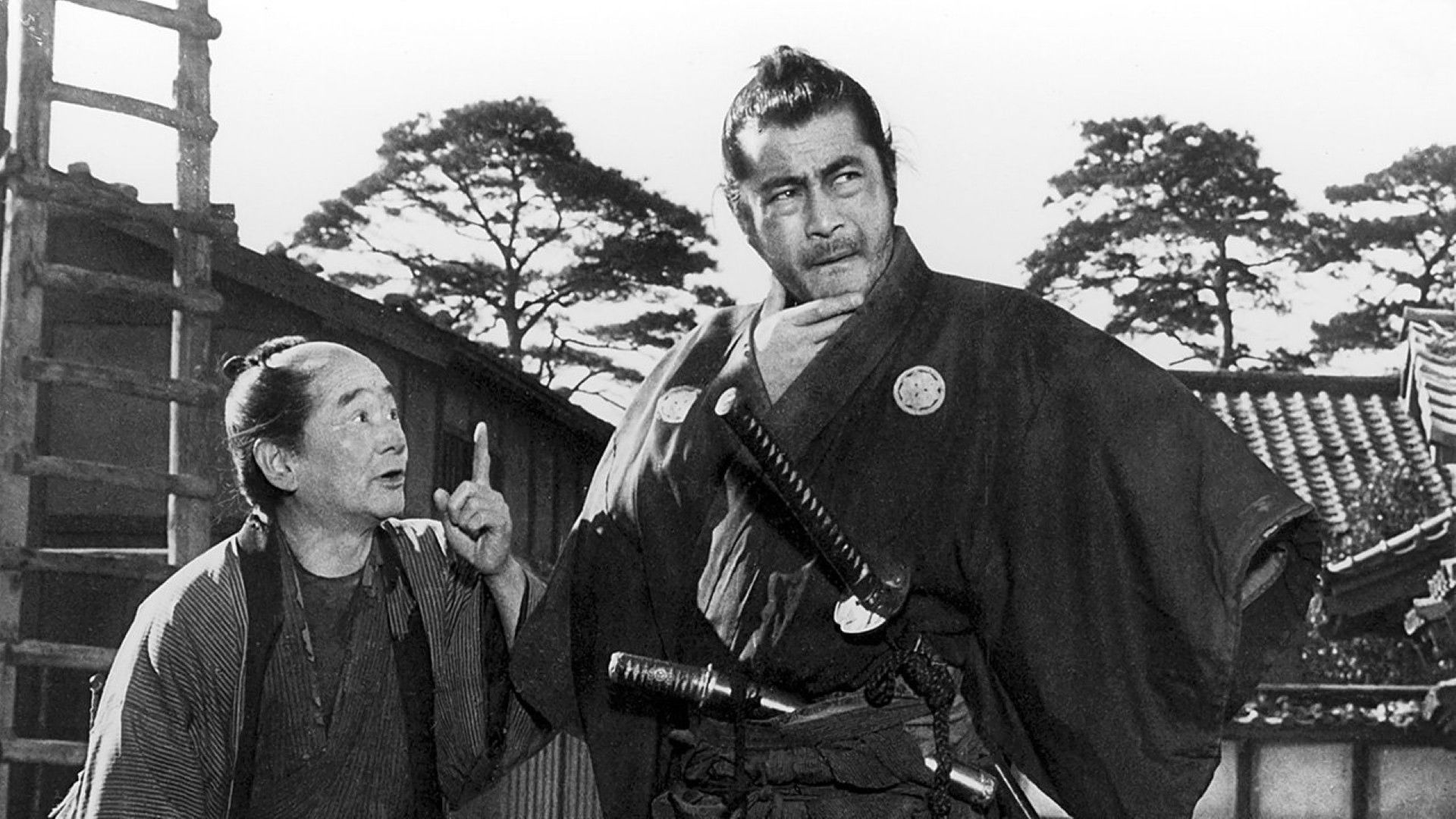
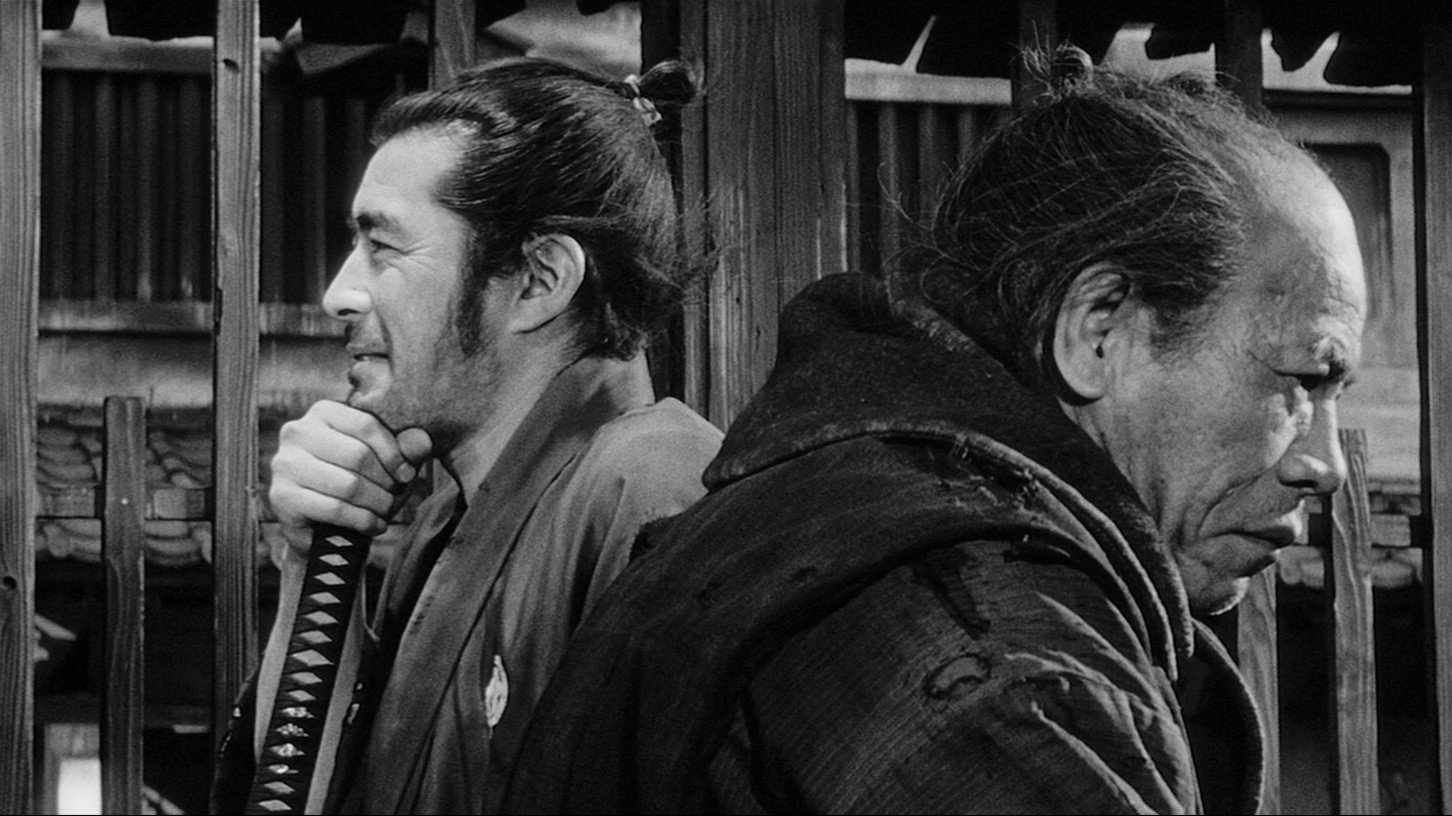
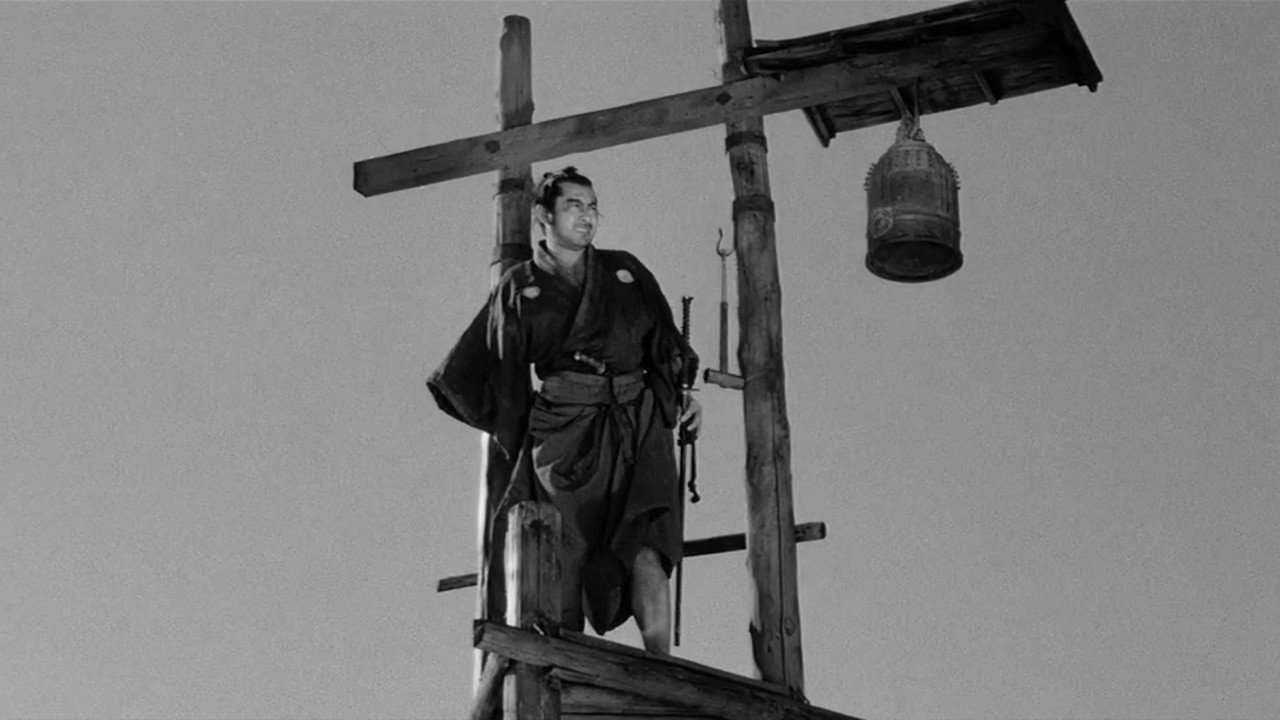
Mifune’s physical performance is so persuasive that Sanjuro scarcely needs an explanation for his behaviour. His scruffiness and studied reluctance to do much make him seem approachable, until his capacity for violence changes our minds. We laughed at his indolence, then felt chilled by how casually he could hurt someone. Kurosawa and co-writer Ryuzo Kikushima are wise to leave that discomfort in place; the jokes would be much less interesting if the script kept assuring us that we were backing a decent man.
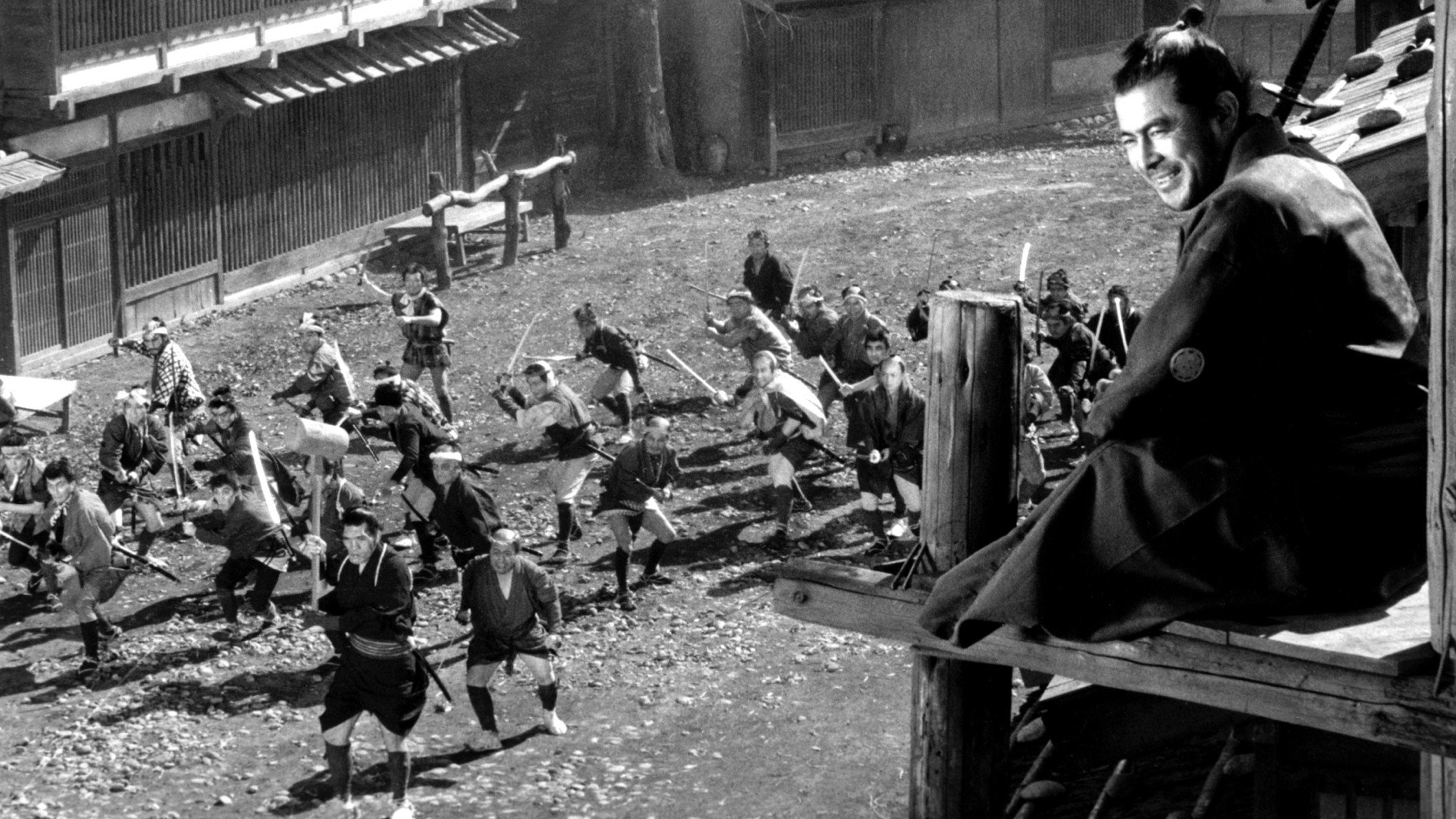
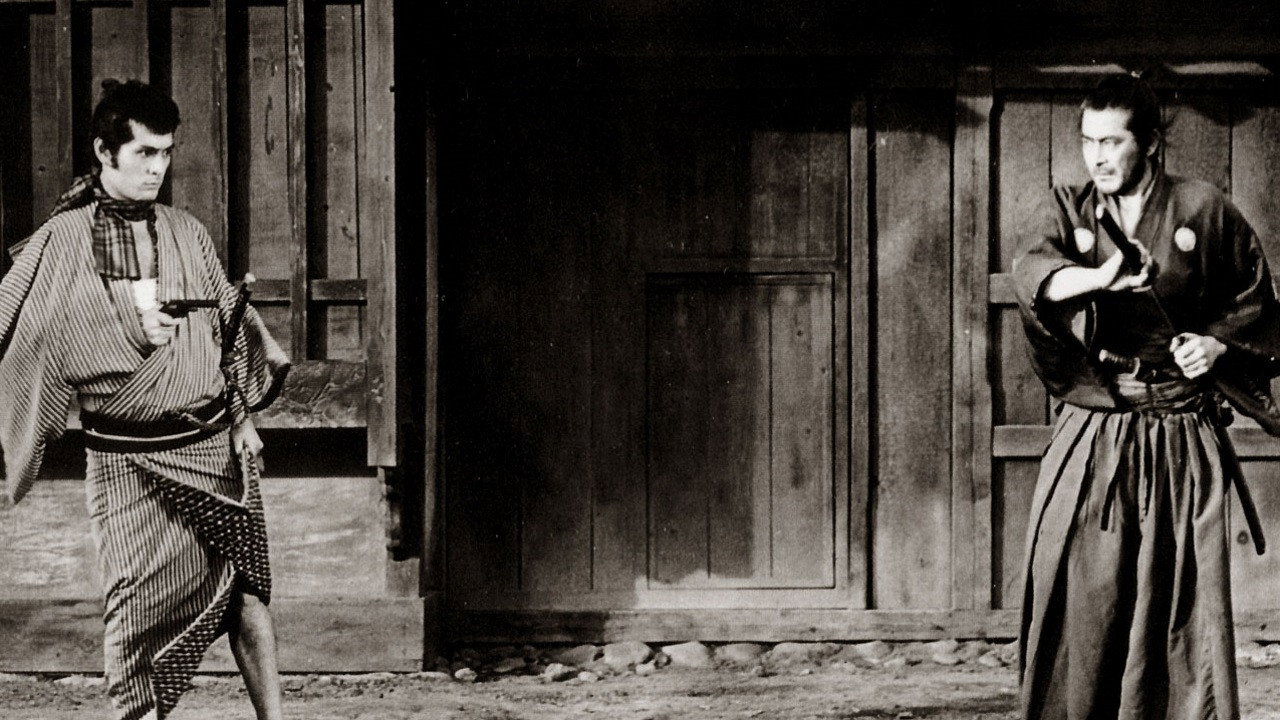
Cinematographer Kazuo Miyagawa uses the widescreen frame to keep us alert to the rival groups and the space between them. The compositions help us follow the scheming because we can study the people who have to be persuaded or intimidated. The telephoto action photography has force without making the fighting difficult to follow. Yoshirō Muraki’s production design gives the gangs a small, contained place to dispute, and helps make their constant proximity feel oppressive.
Kurosawa is also the editor, and he gives Mifune’s apparent inactivity enough time to become funny. The changes of pace matter because a film about calculating opponents can easily become a succession of explanations. Here, the action interrupts our comfortable enjoyment of Sanjuro’s cleverness, and its directness gives the jokes an unpleasant edge. Masaru Satō’s music adds a welcome jazzy insolence; it suits the samurai’s lack of ceremony and helps the film stay playful without making the danger seem negligible.
The limitation is that we become more interested in Sanjuro than in the people he manipulates. Once we have enjoyed Mifune sizing up the opposition, another round of scheming does not necessarily tell us much more about him. Kurosawa and Kikushima draw the surrounding rivalry broadly, which is useful for comedy but leaves some of the manoeuvring short of surprise. At 110 minutes the film is hardly an endurance test, though a little less business would have made its nastiness more concentrated.
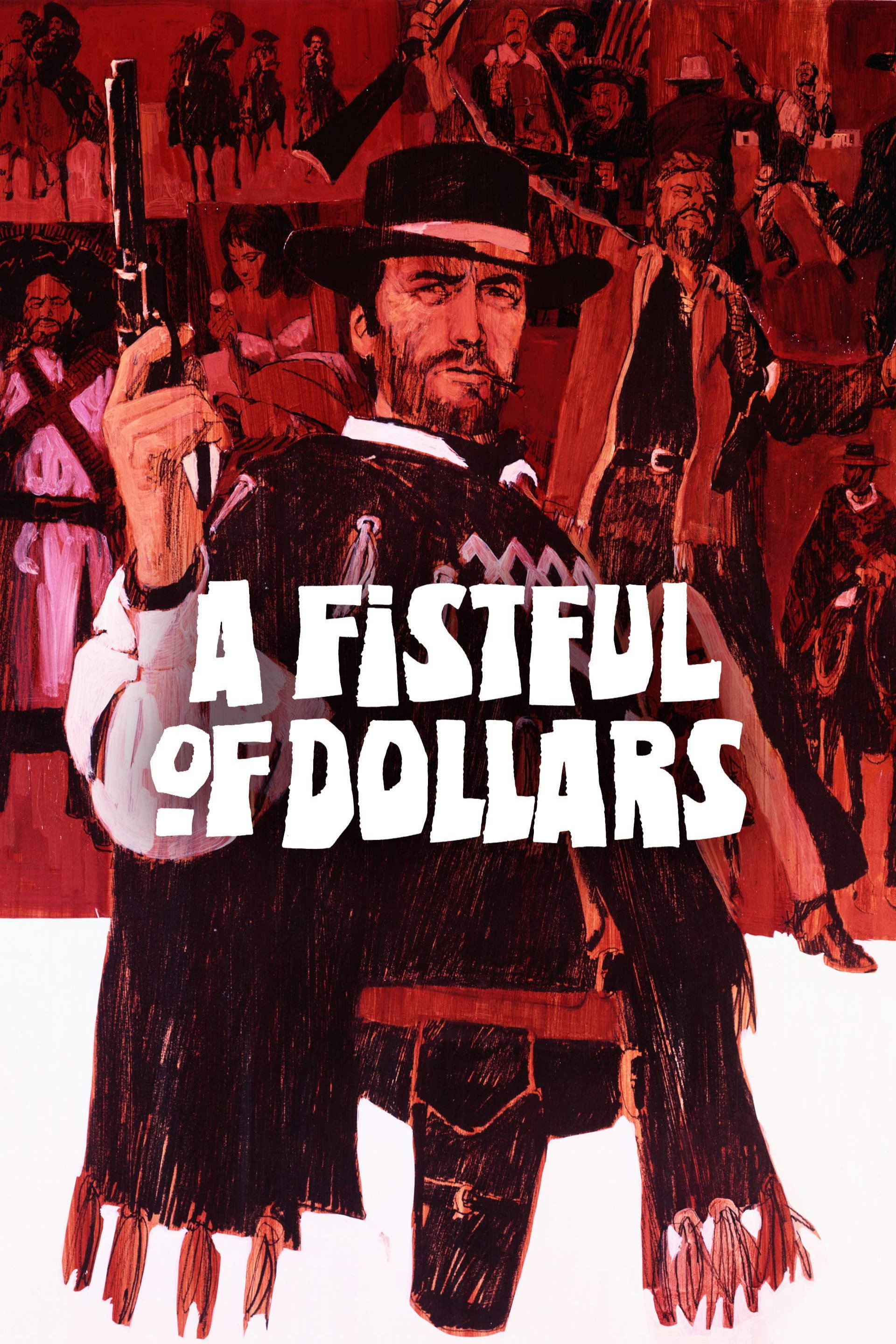
The mixture of samurai film, Western and noir is easy company. Kurosawa takes the familiar stranger entering a lawless town and finds humour in the amount of trouble its inhabitants manufacture. The cruelty matters because it prevents the genre pleasures from becoming too reassuring; Sanjuro’s casual violence fits all too comfortably into the town he finds. We can enjoy his superiority without having to believe that a ruthless man is the answer to every civic problem.
There is plenty here for anyone who comes primarily for the fighting, and enough malice in the comedy to keep the quieter stretches alive. Mifune is the reason to return, particularly if the plotting has lost its power to surprise. Watch him when he seems to be doing least; Kurosawa knows how much entertainment there is in a dangerous man who would prefer not to make an effort.