Masaki Kobayashi’s Harakiri is a harrowing samurai drama, with Tatsuya Nakadai holding our attention through its patient, sometimes demanding storytelling. Its anger at cruelty dressed up as honour is precise, persuasive and difficult to shake.
Masaki Kobayashi’s Harakiri is a samurai drama we would recommend even to someone with little interest in samurai films. It asks what happens when obedience matters more than the person required to obey, and it follows that question with a severity that feels earned. The storytelling takes its time, occasionally more than it needs, but the anger behind it keeps us attentive. Shinobu Hashimoto’s screenplay makes the code of honour something its defenders must answer for.
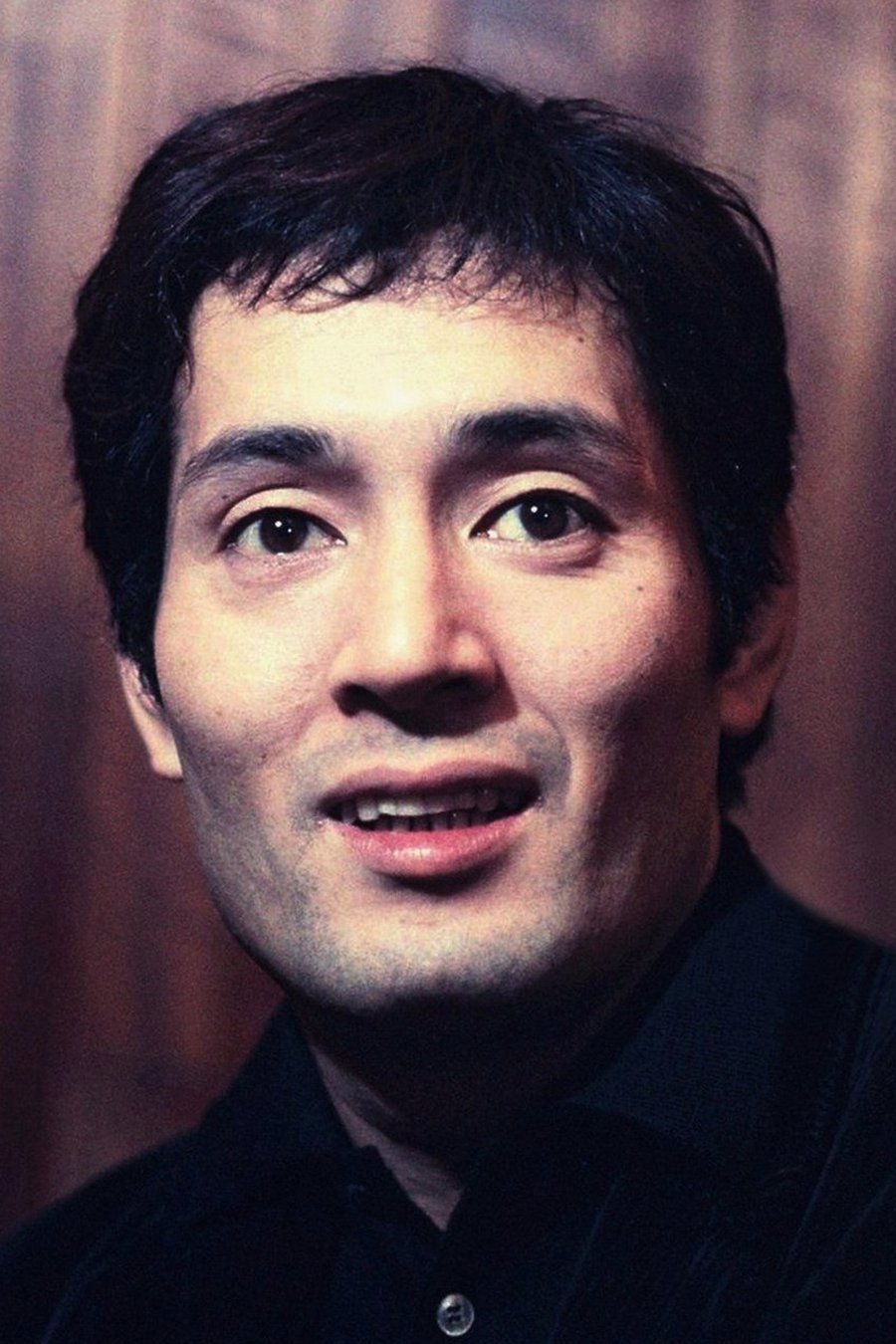
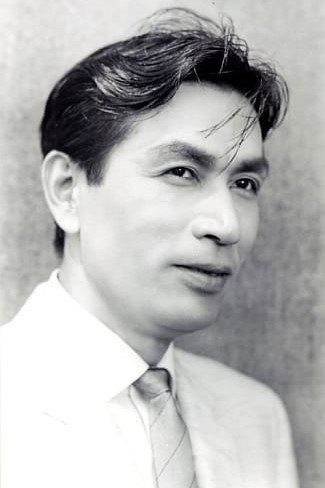
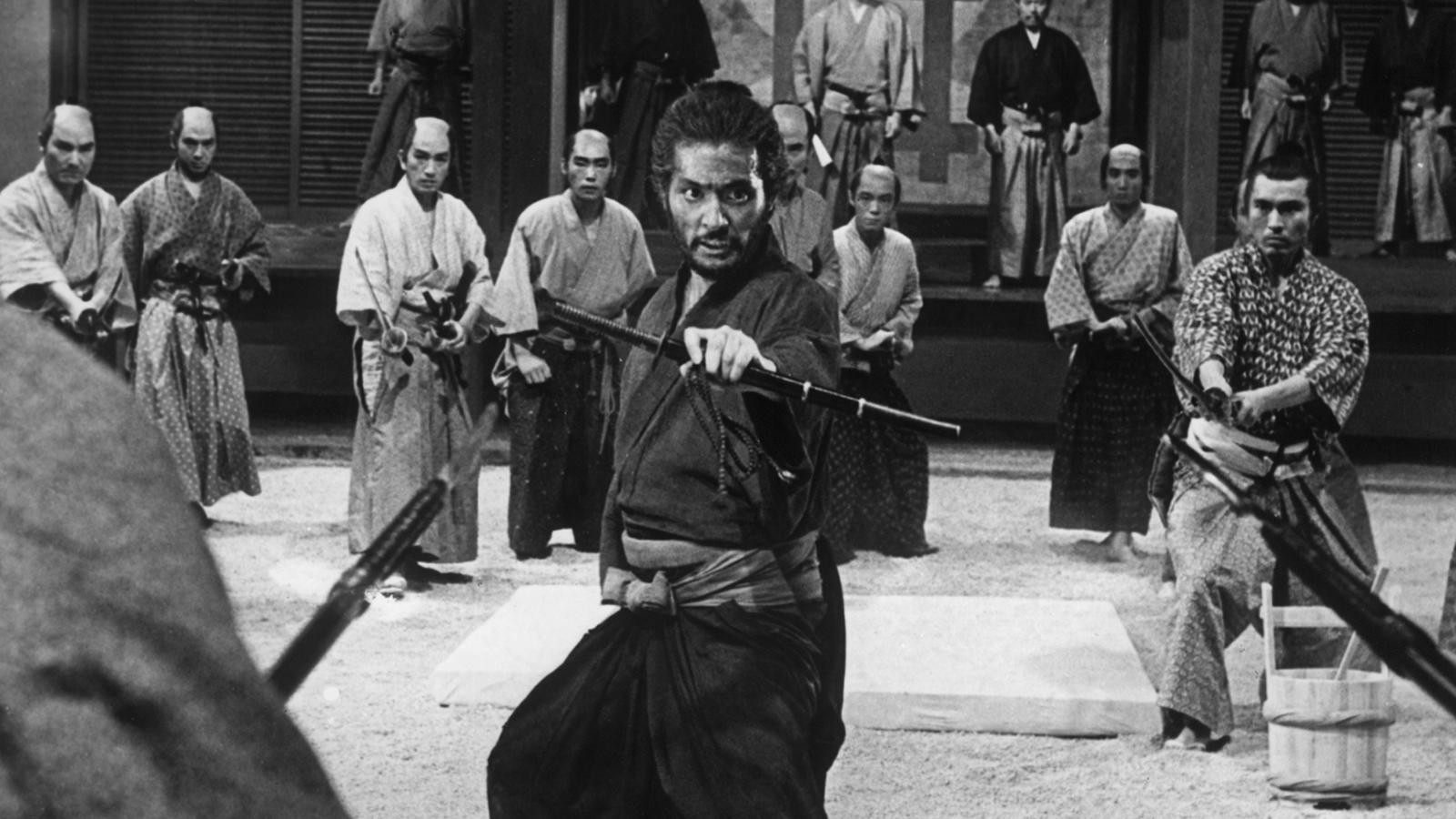
Tatsuya Nakadai plays Hanshiro Tsugumo, the ronin at the centre of the confrontation. His performance gives the measured exchanges enough pressure that we keep attending to them even when the story seems reluctant to move. His restraint makes us study him, searching for the feeling underneath the controlled manner. Kobayashi allows that performance to hold our attention through the ritual formality, trusting Nakadai with passages that could otherwise become forbidding.
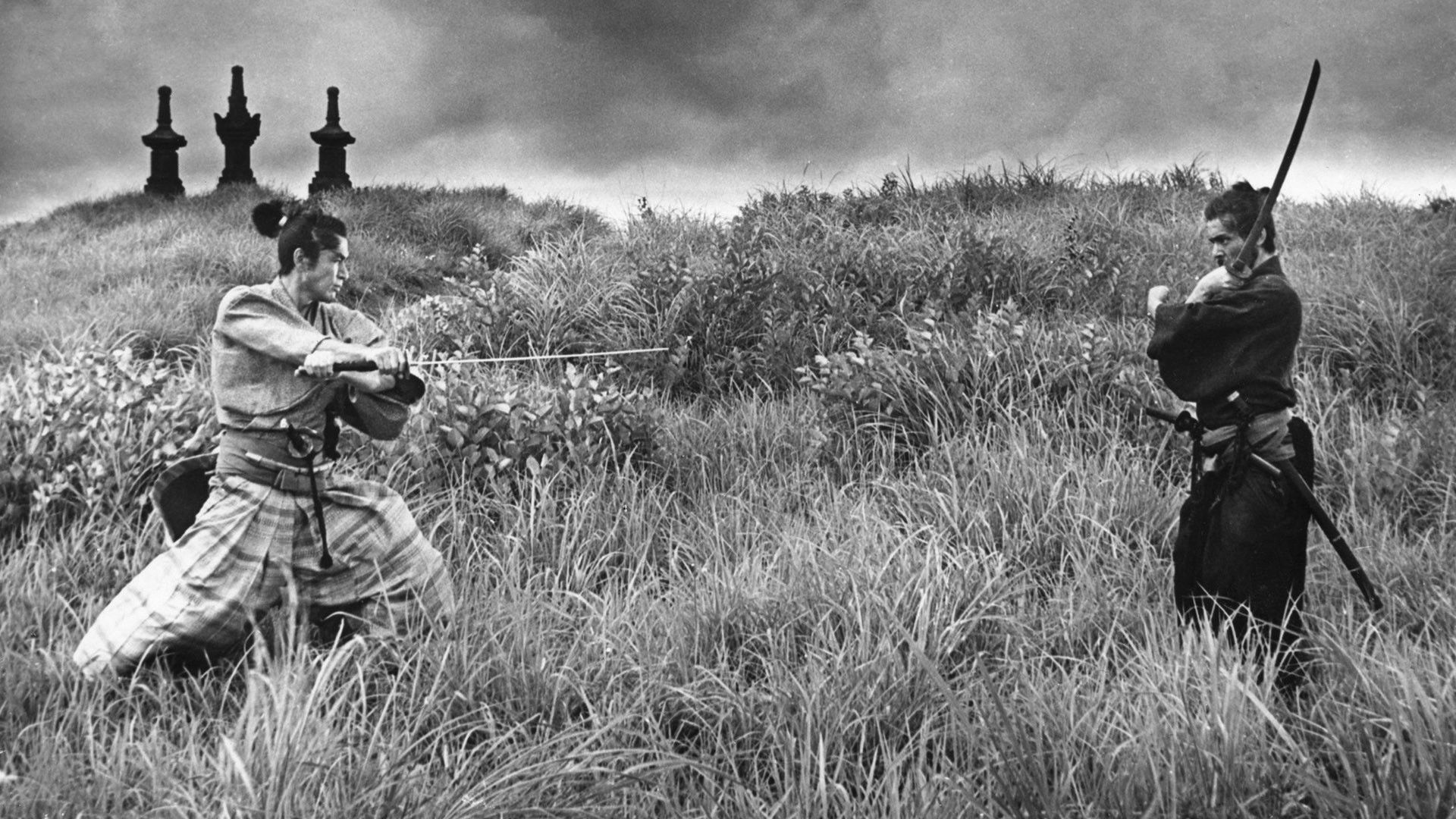
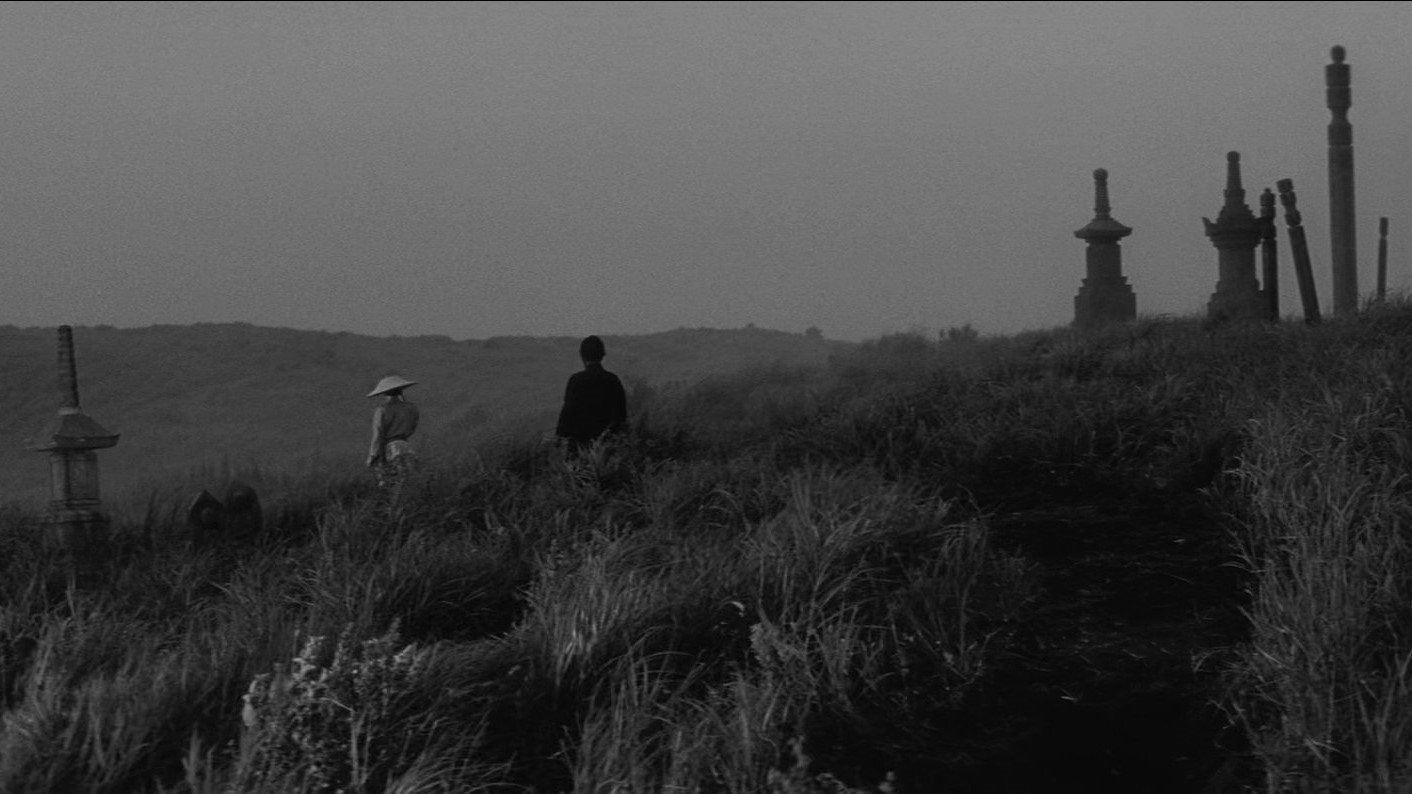
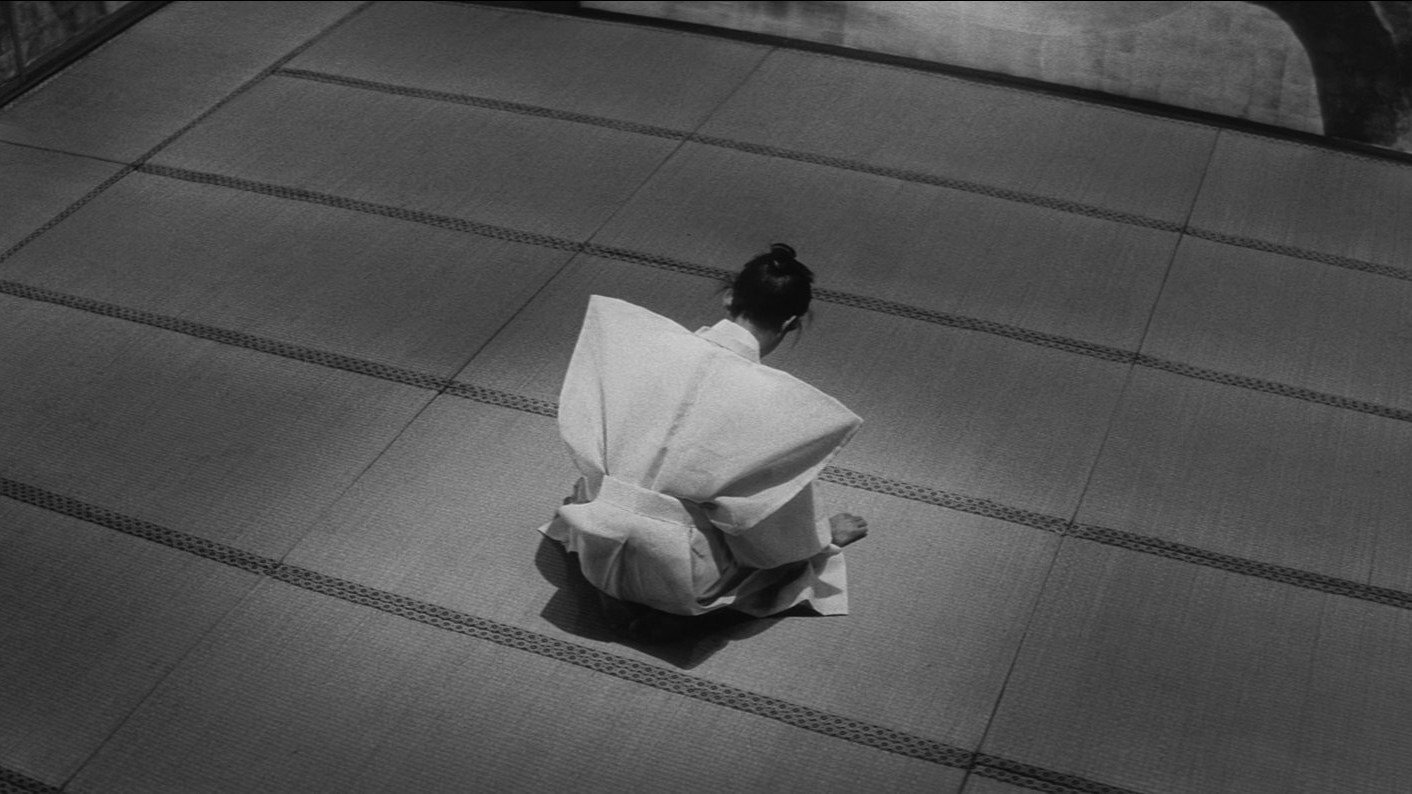
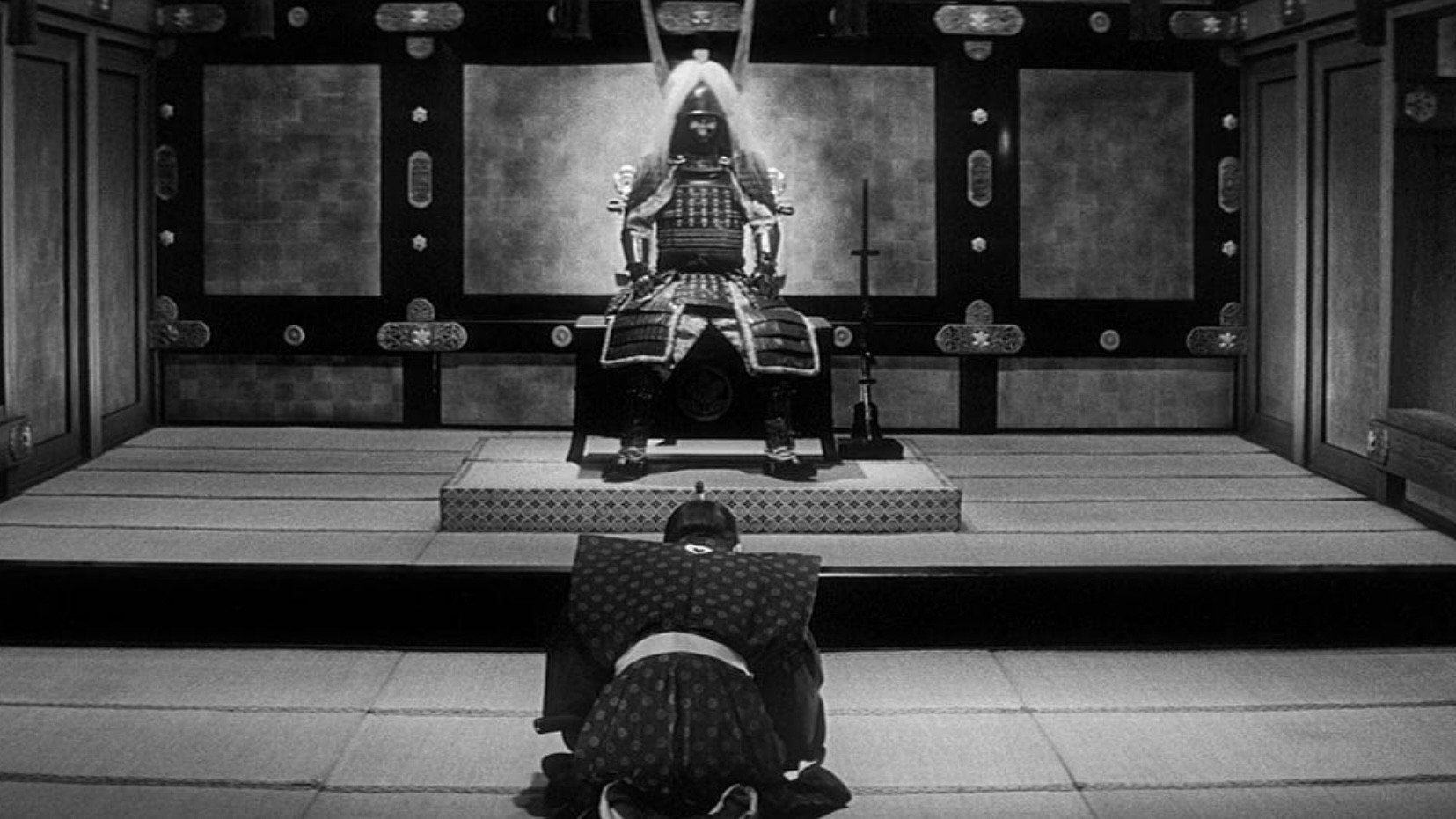
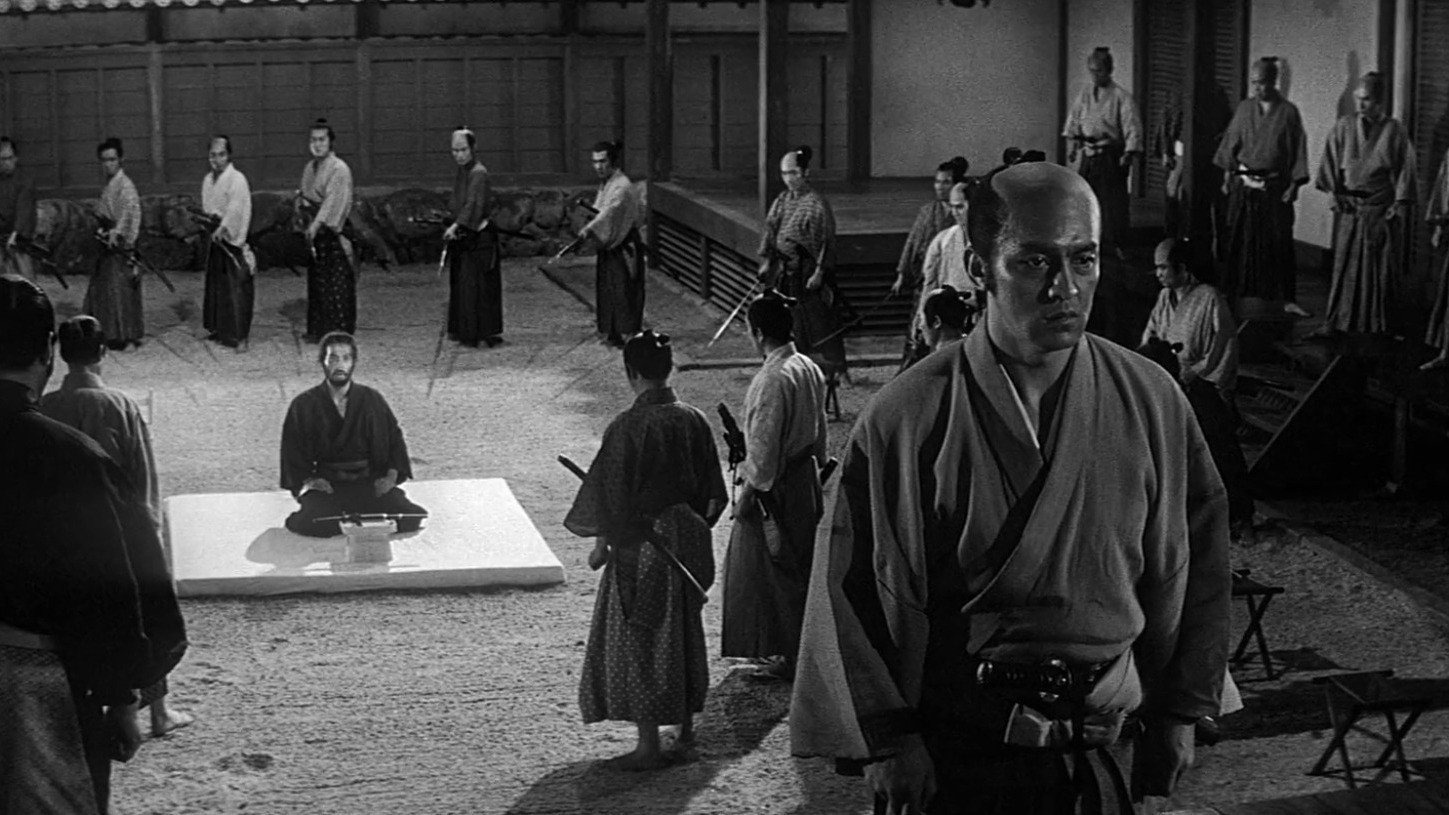
Yoshio Miyajima’s widescreen cinematography gives that formality a visible shape. The width of the frame makes the arrangement of people impossible to ignore. We are encouraged to notice where they are placed in relation to one another and who seems entitled to command the space. The staging makes the code’s defenders look convincing in their own eyes, which matters: simple villains would be easier to dismiss. Kobayashi gives their confidence time to become disturbing.
Hisashi Sagara’s editing puts that ceremonial order alongside flashbacks of suffering, with Akira Ishihama’s Motome Chijiiwa giving the cruelty a particular human cost. We were horrified by those passages, because the pain comes with rules and people prepared to observe them. The film makes us sit with the consequences of the obedience its characters are so ready to defend. Tōru Takemitsu’s music adds to the unease without making that suffering feel grand. Kobayashi’s severity leaves little room for relief.
The cost of this patience is real. Some stretches move slowly enough that we become conscious of waiting for the next piece of information, and the route through the story is not always immediately clear. Hashimoto’s screenplay asks for concentration before all the reasons for that concentration are apparent. A little less insistence in the measured exchanges would make the film easier to enter, although rushing through the flashbacks would damage the force they gather.
Kobayashi’s approach to the samurai film makes the code itself a source of dread. The anger is easy to recognise whenever a cruel decision is defended as proper procedure. At 135 minutes, Harakiri requires a willingness to sit with formal exchanges and painful recollections, and we would give it that time. The performances reward close attention, even when the telling becomes demanding. Give it an evening without distractions, and do not choose it for comfort.