Stanley Kubrick’s war drama is furious, exact and unexpectedly moving, with Kirk Douglas making Colonel Dax’s decency convincing under pressure. Some speeches press too hard, but its anger at military cruelty is earned.
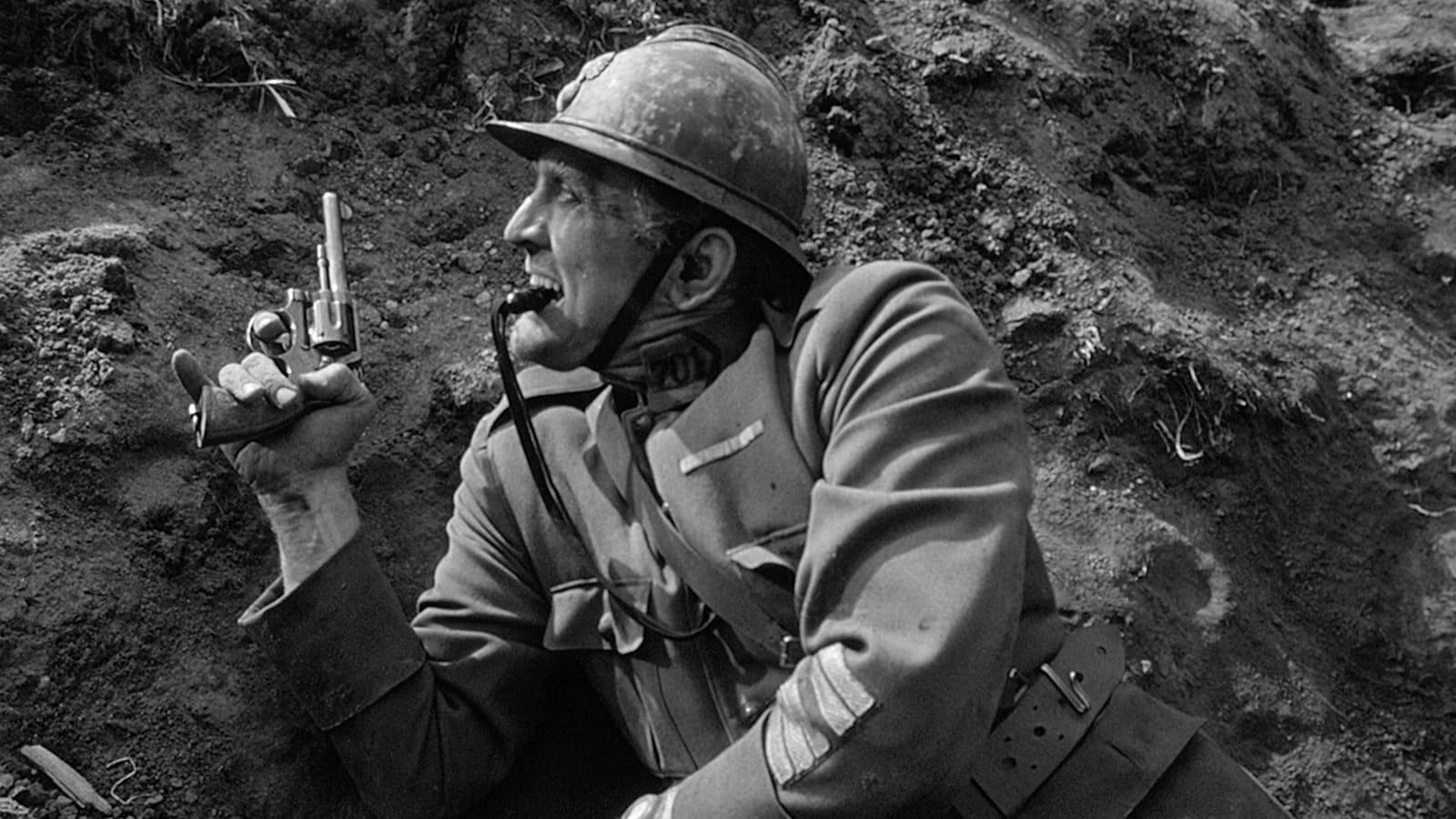
Stanley Kubrick’s Paths of Glory is a war film we would recommend even to people who usually avoid them. It is short, angry and precise about the difference between giving an order and carrying it out. In the French army during the First World War, Colonel Dax faces an attack whose planning gives little reason for confidence. Kubrick keeps his attention on the officers making the decisions and the soldiers who must obey them, without pretending to explain an entire war.
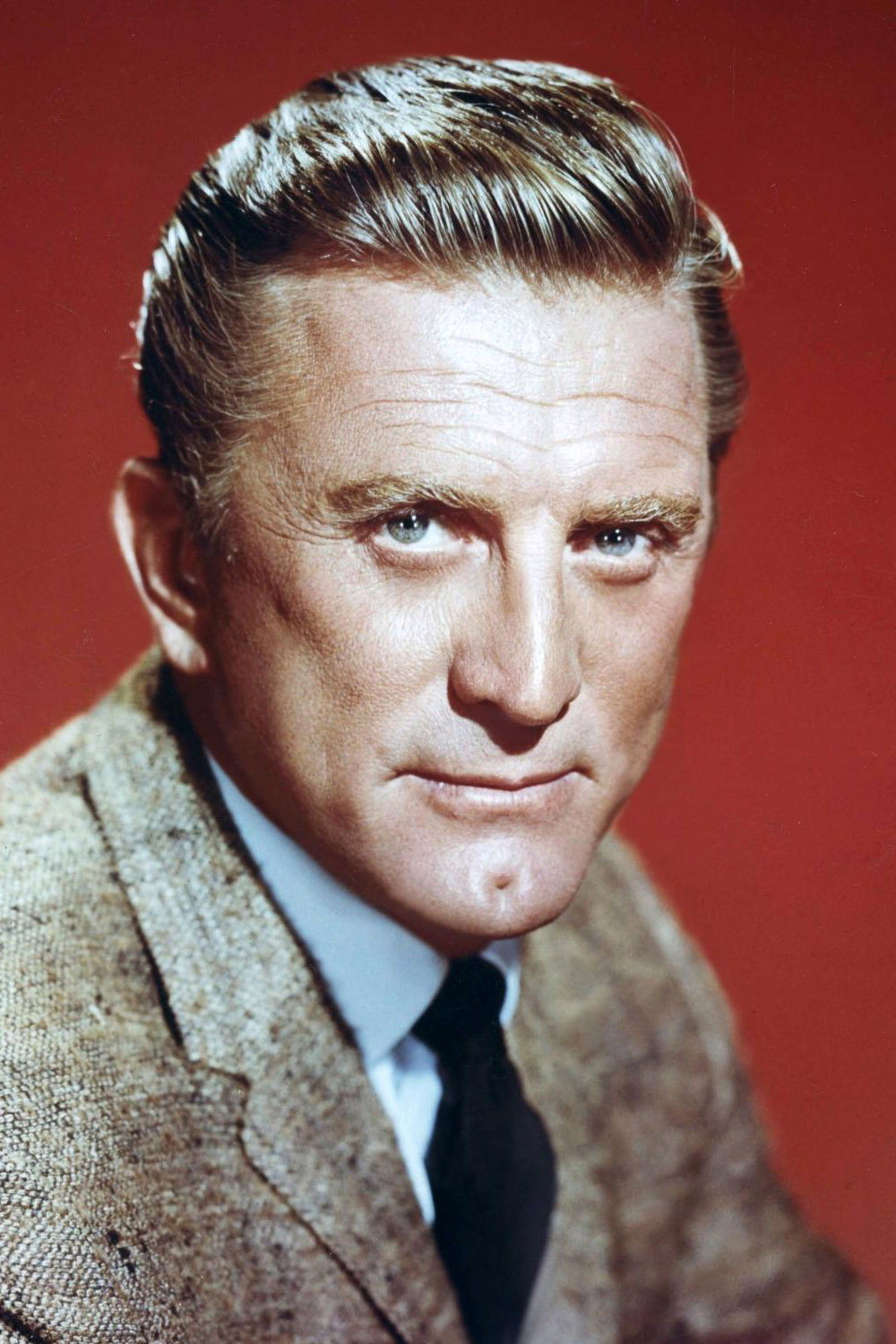
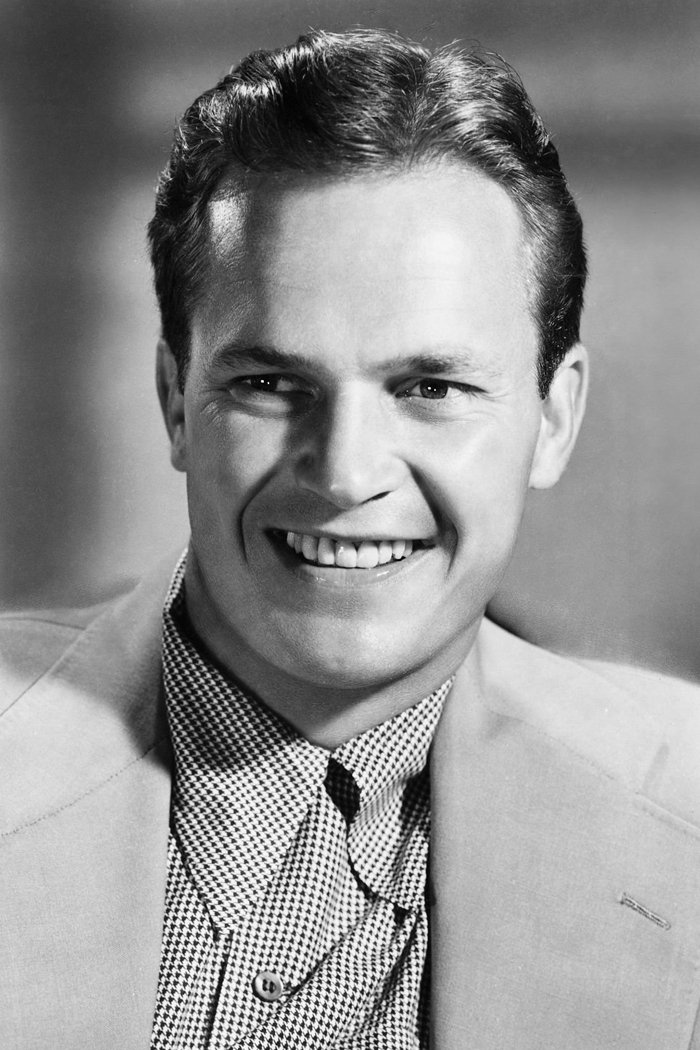
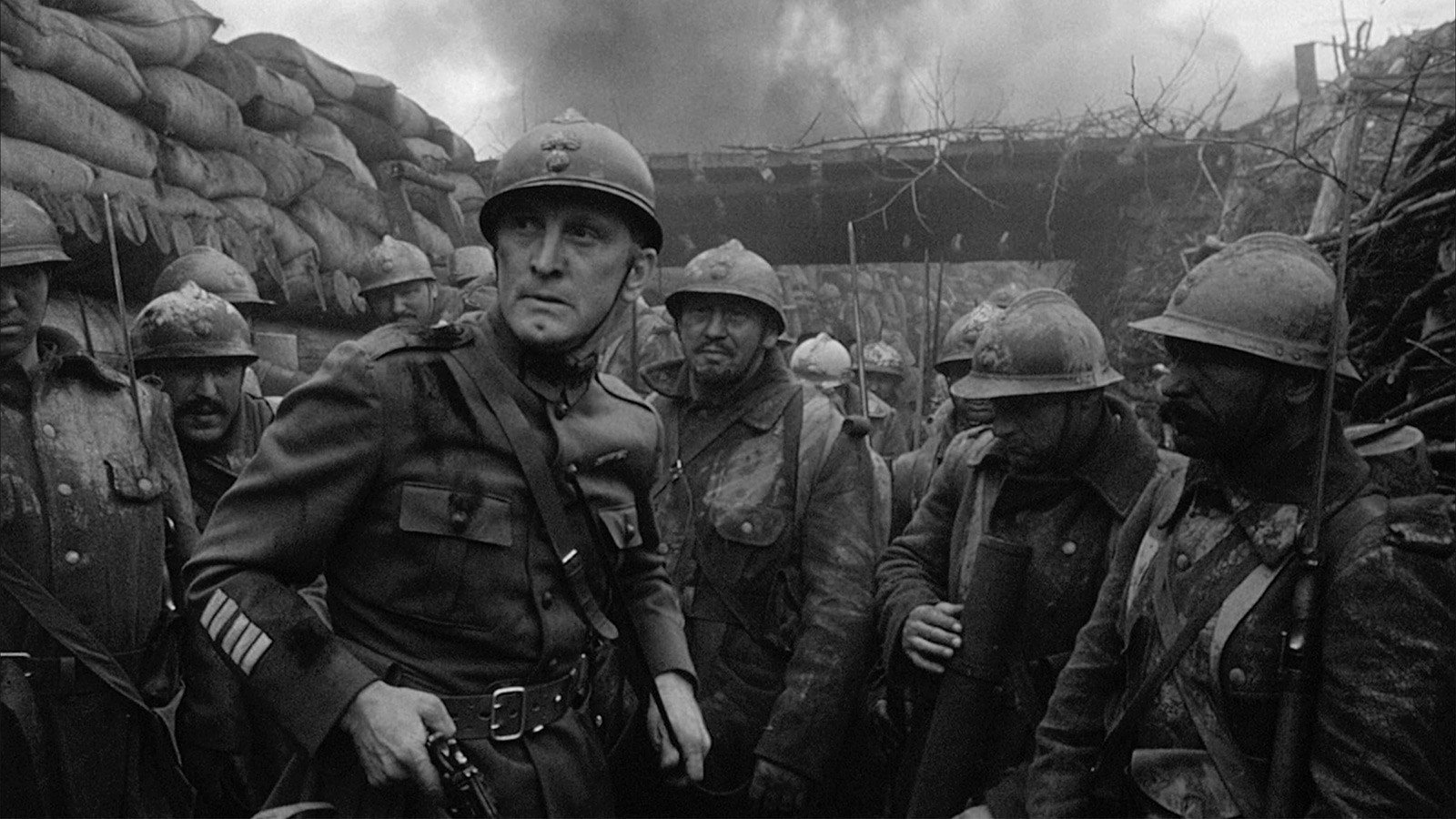
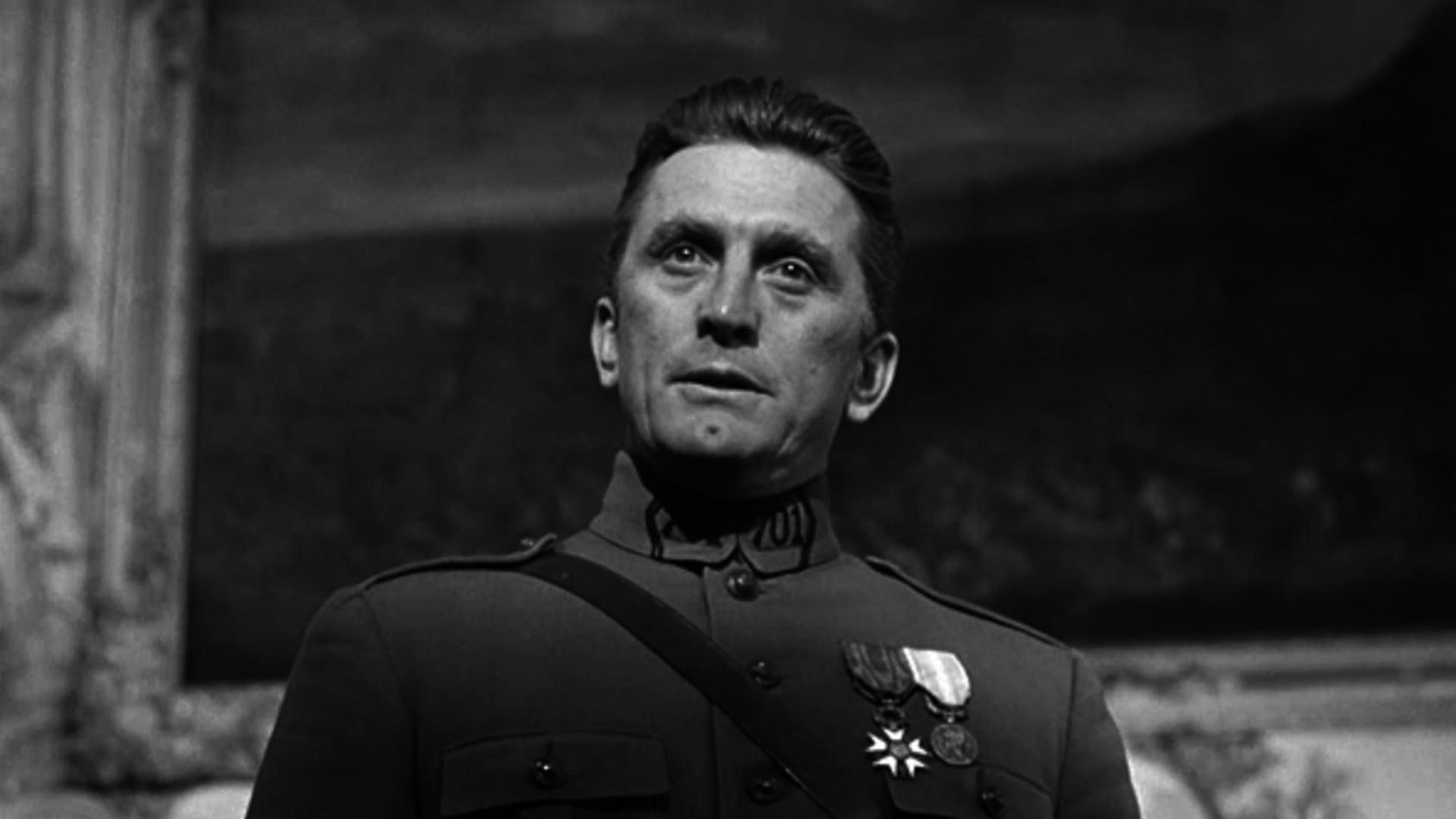
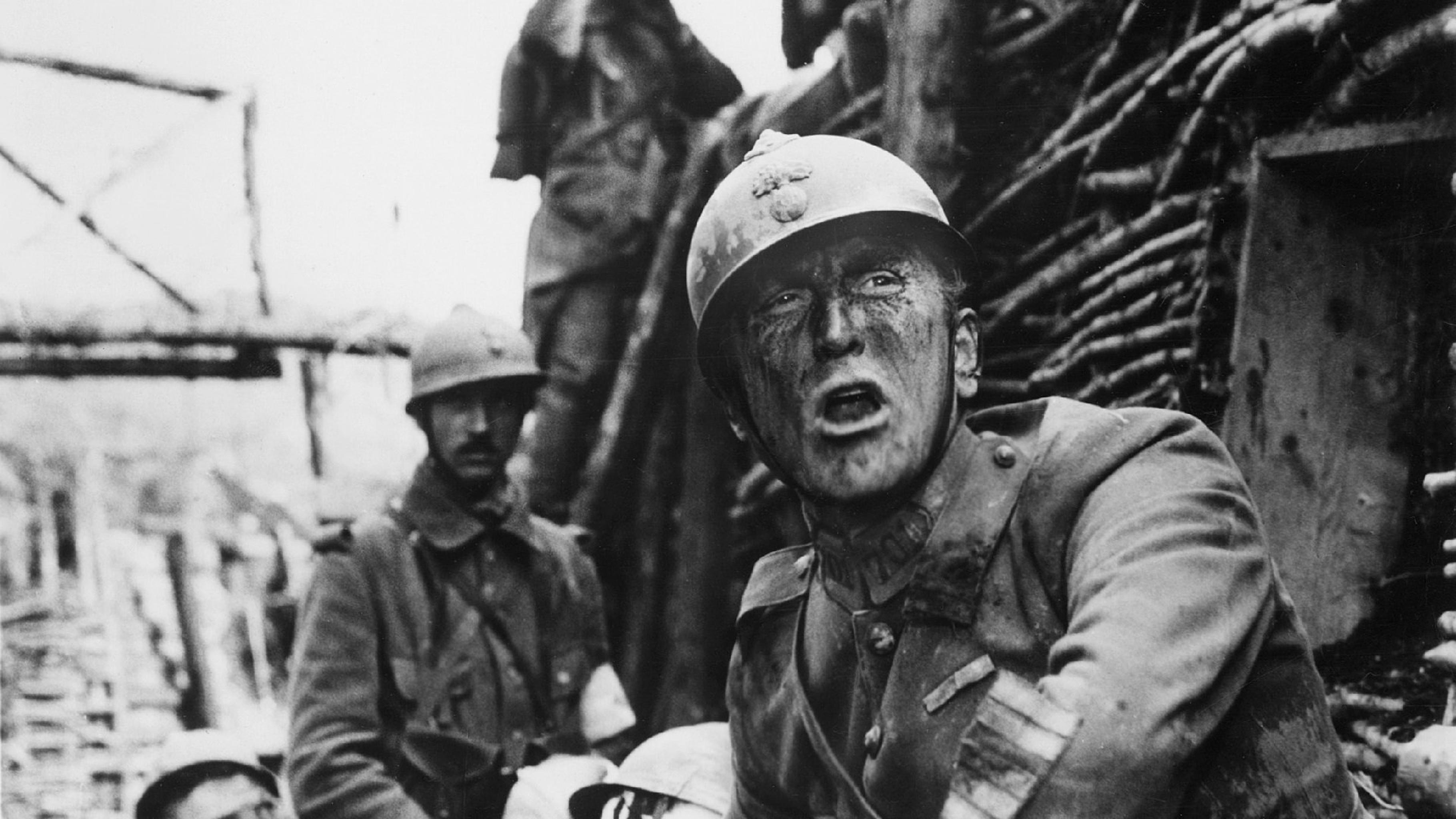
Dax needs to be decent without becoming dull, and Kirk Douglas manages that difficult assignment. His forcefulness makes the colonel credible as a soldier, while his anger at the hierarchy gives us someone to follow through its procedures. There is a danger that such a commanding lead will make everyone around him seem incidental. Ralph Meeker’s Corporal Philippe Paris and Joe Turkel’s Private Pierre Arnaud provide enough individual presence to keep the soldiers from becoming an anonymous collection of victims.
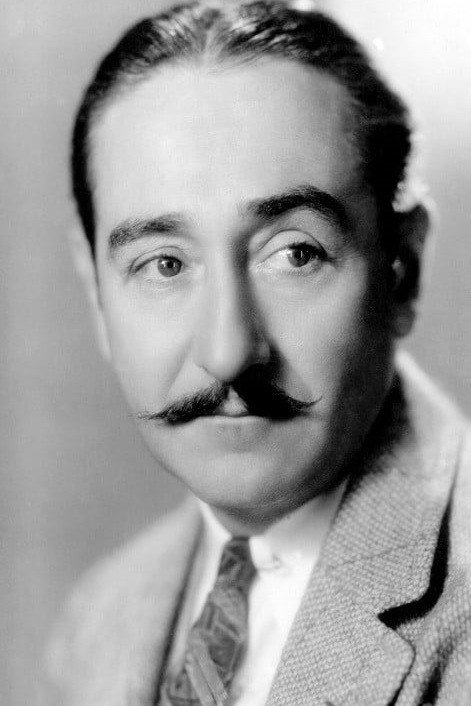
Adolphe Menjou’s General George Broulard and George Macready’s General Paul Mireau are more disturbing for being recognisable. Their jockeying for position has the pettiness of an office dispute, conducted with other men’s lives at stake. We laughed at the officers’ manoeuvring, then felt uncomfortable about it. Their self-interest is funny only until we remember who must act on their decisions. Menjou is particularly good at making the calculation seem ordinary.
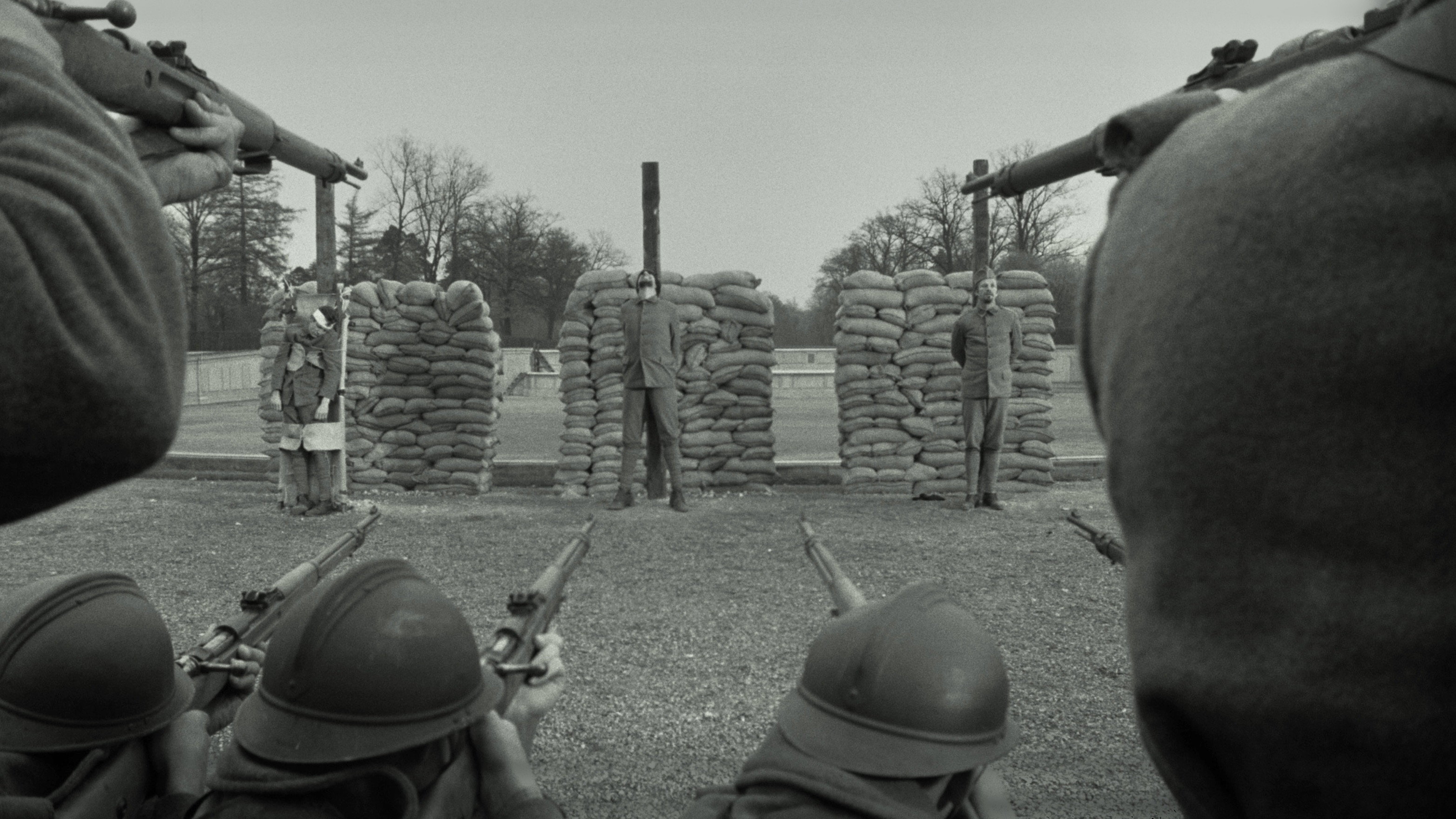
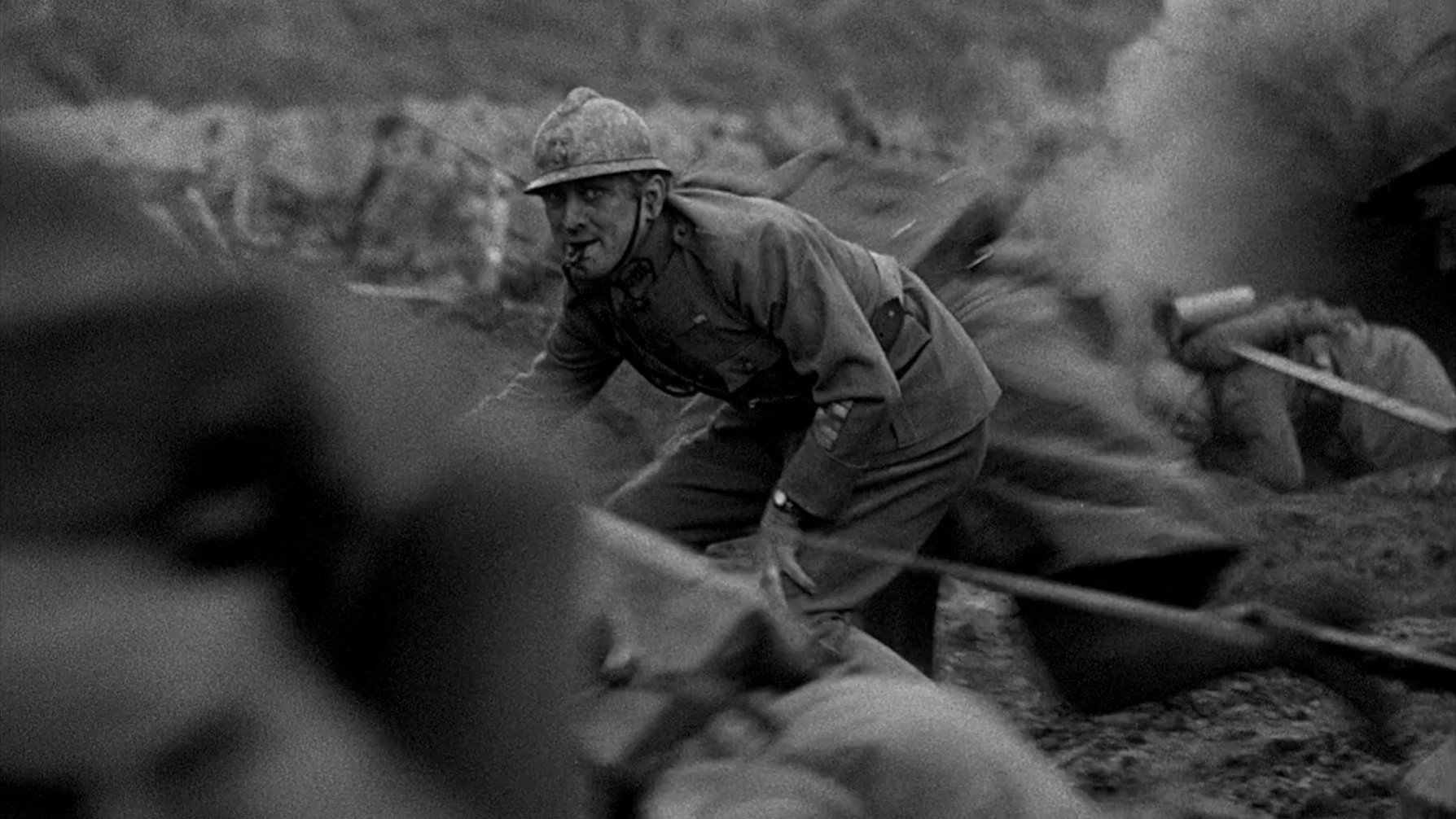
Georg Krause’s cinematography gives the advance into no man’s land a terrible clarity. The tracking camera makes us follow the men across exposed ground, and the high-contrast images keep the danger visible without making it attractive. We were horrified by how little protection that ground offered. The ordered compositions around the military hierarchy make the battlefield harder to bear, because the officers’ control over appearances is so much greater than their concern for the men.
Eva Kroll’s editing gets through the story in 88 minutes without making the people seem hurried out of the way. The screenplay, credited to Kubrick, Jim Thompson and Calder Willingham from Humphrey Cobb’s novel, gives the military’s reasoning enough space to expose its ugliness. We understand how the orders travel and who is left to answer for them. Gerald Fried’s score helps sustain the tension without making the fighting feel like an invitation to cheer.
Some speeches press their point too hard, particularly when Douglas has to express indignation that the situation has already made clear. Kubrick does not always trust us to reach the obvious judgement unaided, and for a few moments Dax sounds too much like the film’s spokesman. Douglas remains convincing, but we occasionally wished the script would let him do more of the work.
As a war film, it offers little of the reassurance that courage will make the fighting worthwhile. Douglas gives us a man worth supporting, but his presence does not make the military hierarchy any less frightening. At this length, Kubrick can sustain that pressure without exhausting our attention, and the film deserves an audience beyond those usually drawn to battlefield drama. See it, but do not mistake the PG certificate for a promise of an easy evening.