Film review

The Lives of Others

2006 · Directed by Florian Henckel von Donnersmarck · 2h 17m · MPA R

In a sentenceA secret policeman takes an unhealthy interest in other people, which is also his job

DramaThriller

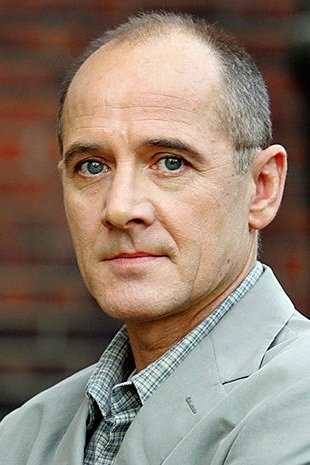
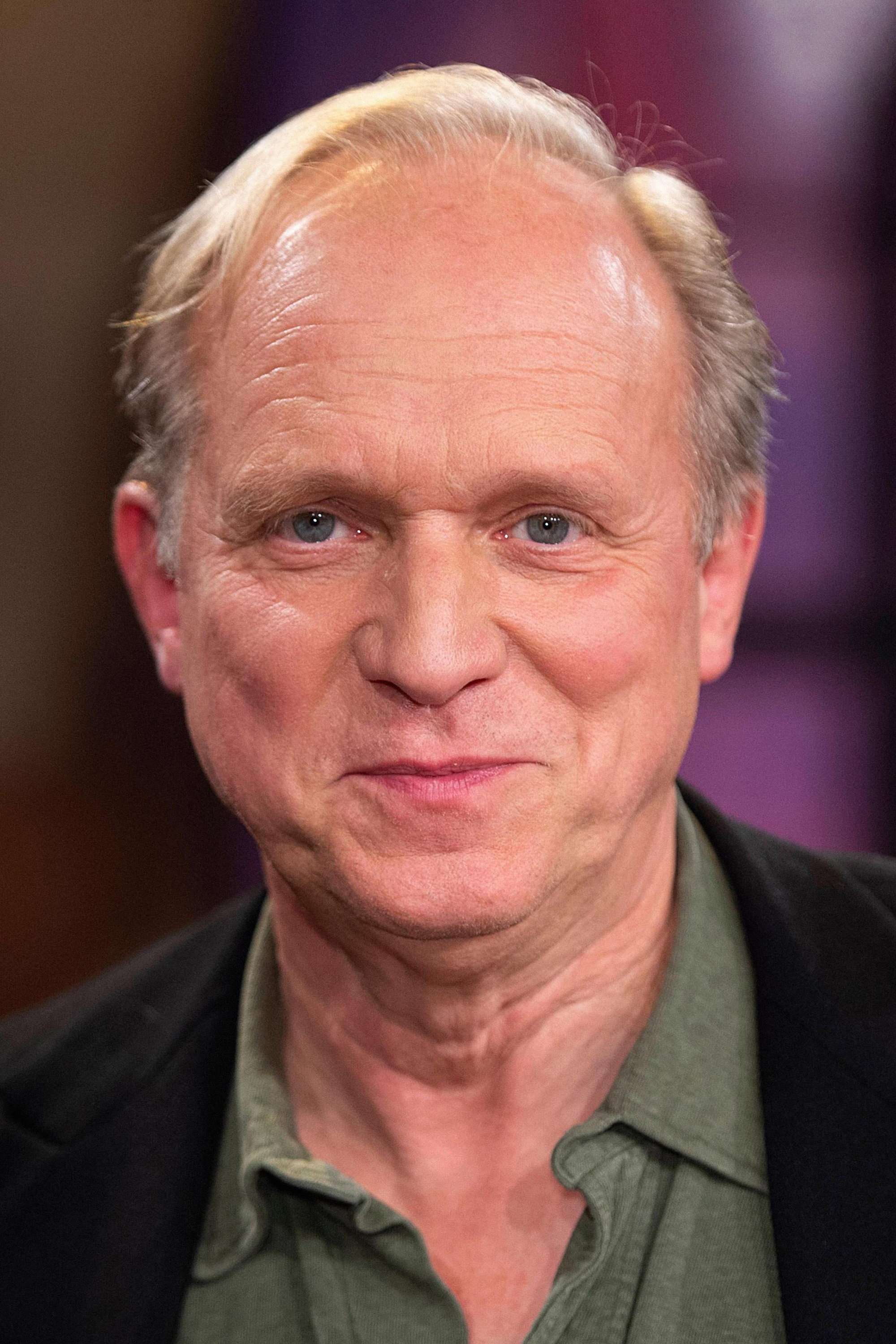
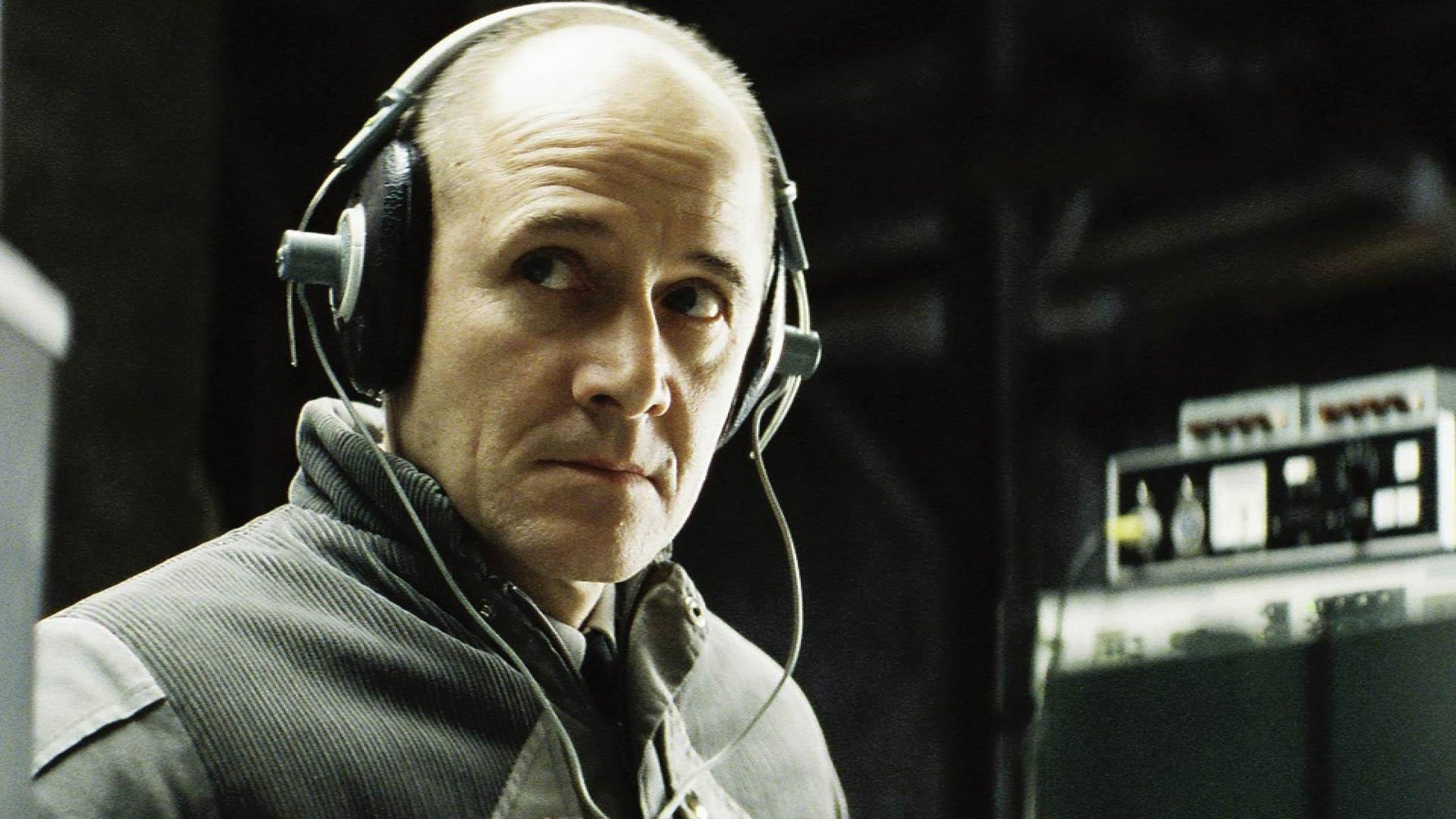
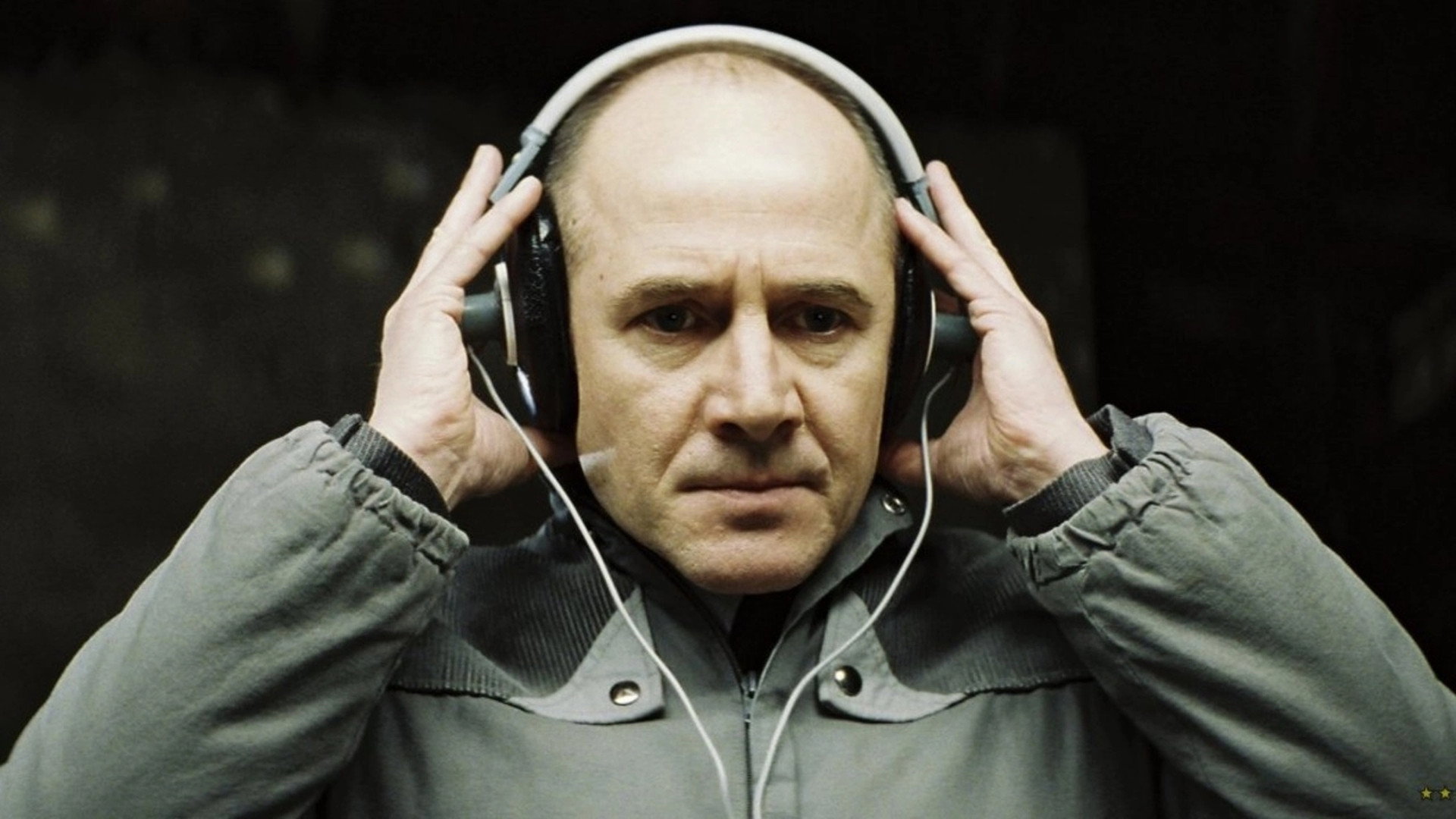
In East Germany before the fall of the Berlin Wall, secret police officer Gerd Wiesler (Ulrich Mühe) is assigned to monitor playwright Georg Dreyman (Sebastian Koch). Dreyman’s girlfriend, actress Christa-Maria Sieland (Martina Gedeck), also comes under scrutiny as their private lives become the subject of state surveillance. Wiesler listens for evidence against the people he watches, while the couple must live with the possibility that their words and relationships can be used against them. Written and directed by Florian Henckel von Donnersmarck, the film follows the officer and those under his watch through a society where private life is a matter of state interest.

Plays from YouTube when you press play; nothing loads from them until then.

Fi1m review

Florian Henckel von Donnersmarck’s surveillance thriller is tense, humane and carried by Ulrich Mühe’s patient performance. Its faith in personal goodness occasionally makes a brutal political system look too easily understood, but we recommend it warmly.

The Lives of Others makes a gripping thriller out of surveillance without allowing us to forget who has the power. In East Germany, Stasi officer Gerd Wiesler is assigned to watch the playwright Georg Dreyman, and the intrusion extends to Dreyman’s actress girlfriend, Christa-Maria Sieland. We recommend it warmly, chiefly for Ulrich Mühe, whose performance makes the simple business of listening difficult to watch. Writer-director Florian Henckel von Donnersmarck asks how closely someone can attend to other people’s lives while continuing to treat them as material for an investigation.

Mühe is careful about how much he lets us read in Wiesler. He makes us study a face that seems determined to disclose as little as possible, giving each suggestion of doubt unusual force. We were frightened by his concentration: the listening itself feels invasive, even before we consider what might be done with the information. Donnersmarck understands that the prospect of being understood by the wrong person can be enough to sustain a scene.

Sebastian Koch’s Dreyman and Martina Gedeck’s Sieland have the harder task of making the people under scrutiny feel like more than a case worth caring about. Koch gives the playwright enough ease to prevent him becoming a ready-made emblem of resistance. Gedeck is particularly good at making vulnerability feel uncomfortable rather than inviting our sympathy on cue. Their relationship gives the surveillance something personal to damage, though Donnersmarck is occasionally too eager to arrange our sympathies in advance. We are rarely left uncertain about where decency lies.

Hagen Bogdanski’s cinematography keeps the colours subdued, and that suits a film in which people have reasons not to draw attention to themselves. Silke Buhr’s production design makes this a drab place to live, without making every image equally dull. The restraint keeps our attention on the people under scrutiny and on the man studying them. It also makes the surveillance feel like ordinary work, which is more disturbing than presenting it as an exceptional act of wickedness.

Patricia Rommel’s editing keeps the act of watching and the lives being watched clearly connected. We can understand the danger without having to stop and reconstruct who knows what, an important achievement in a thriller about information. At 137 minutes, though, the film sometimes restates what an earlier exchange has already made clear. The music by Gabriel Yared and Stéphane Moucha can be similarly insistent, steering us towards a feeling Mühe has already earned without help. Neither problem undoes the tension, but both suggest a little less confidence in the audience than the performances deserve.

The larger reservation concerns Donnersmarck’s faith in the possibility of personal goodness inside the secret police. His screenplay gives that possibility persuasive human detail, but the moral choices can look tidier than the circumstances should allow. This is a familiar danger in political thrillers: one person’s conscience can become an easier subject than the power exercised over everyone else. We do not need a history lesson, but we do need the film to resist making its central question too comfortable. Give it an uninterrupted evening; the faces need as much attention as the conversations.

Critical consensus AI synthesised

74
Positive
4
Mixed
1
Negative
1

Most critics respond warmly to The Lives of Others, praising its combination of surveillance thriller and moral drama. The strongest notices find the screenplay precise and absorbing, with suspense growing from difficult questions about compassion and conduct under oppression. Praise also clusters around the central performances, controlled direction and austere visual treatment of East German life. For its admirers, the film makes the workings of surveillance chillingly clear without neglecting the people caught up in them.

The spread is wide, however, and the disagreements concern emotional credibility as much as storytelling. Sight and Sound admires the performances but questions the plausibility of the central agent’s transformation. Paste finds a strong lead performance undermined by repetition and over-explanation. Slant Magazine offers the sharpest dissent: it acknowledges technical skill but sees a manipulative, emotionally thin account that simplifies East German history, rejecting the humane complexity that more favourable reviews find persuasive.

Radio Times
★★★★★ · Alan Jones
100

The critic hails it as a riveting masterpiece and meticulous portrait of compassion amid oppression, intelligently written and sensitively directed. Exceptional performances and dynamic storytelling create nuanced tension around rediscovering humanity under surveillance.

Read the full review →
Empire
30 March 2007 · Alan Morrison
90*

The critic hails it as European filmmaking at its finest and a major work of German cinema's renaissance. They single out the emotional precision of the screenplay and the perfect balance between thriller and drama, along with the memorable central performances.

Read the full review →
Financial Times
11 April 2007 · ★★★★ · Nigel Andrews
80

The immaculately made drama-thriller pits a free-thinking playwright against a ruthless Stasi officer in surveillance, resulting in an absorbing and cleverly structured story. It features austerity colours and witty characterisation even in small roles.

Read the full review →
Slant Magazine
9 February 2007 · Fernando F. Croce
30*

The critic views the film as a tepid, bloodless reduction of East German history that oversimplifies social struggles with a trite uplift at the end. He praises the director's technical facility but faults the manipulative narrative and lack of genuine emotional depth.

Read the full review →
Screen Daily
6 August 2006 · festival review

The review describes a remarkably confident debut that is a deft, gripping Communist-era drama with breakout potential, anchored by assured writing and confident direction. It highlights strong lead performances and the drab world as a character, while suggesting minor trims.

Read the full review →
Sight and Sound
· Geoffrey Macnab

The critic finds the film a remarkably assured debut that chillingly details Stasi methods and the moral awakening of its central agent, with strong performances and a mature vision of the GDR era. Some reservations are noted about the plausibility of the agent's transformation and a slightly maudlin ending.

Read the full review →

Cast

Stills

Awards

Academy Awards, 2007

Won
Best International Feature Film

Central Ohio Film Critics Association Award for Best Foreign Language Film, 2007

Won
Central Ohio Film Critics Association Award for Best Foreign Language Film

International Submission to the Academy Awards, 2007

Nominated
International Submission to the Academy Awards

European Film Award for Best Actor, 2006

Won
European Film Award for Best Actor

European Film Award for Best Actress, 2006

Nominated
European Film Award for Best Actress

European Film Award for Best Composer, 2006

Nominated
European Film Award for Best Composer

European Film Award for Best Director, 2006

Nominated
European Film Award for Best Director

European Film Award for Best Film, 2006

Won
European Film Award for Best Film

European Film Award for Best Screenwriter, 2006

Won
European Film Award for Best Screenwriter

If you liked this, try…

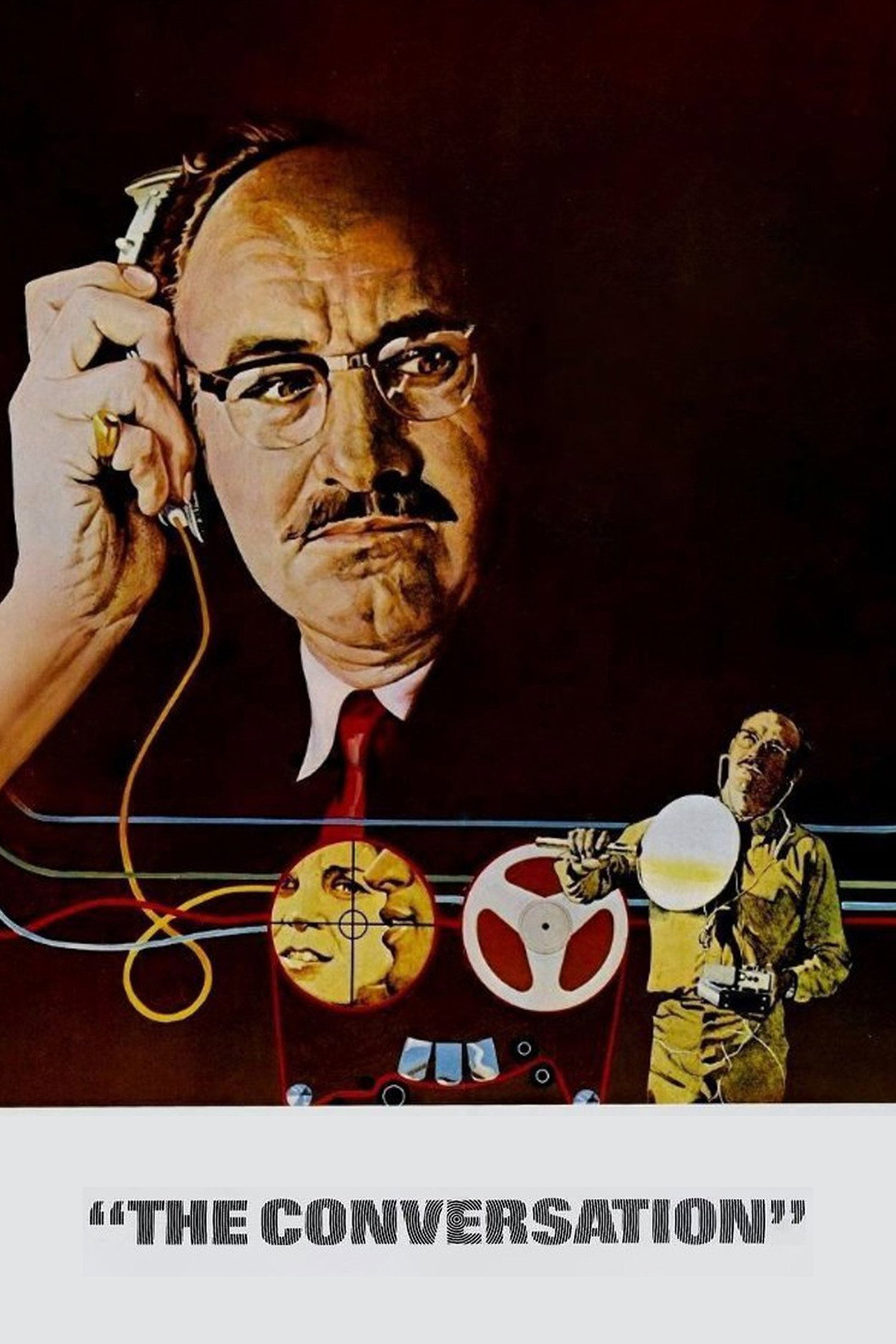
The Conversation poster

The Conversation

1974 · Another surveillance thriller in which listening closely becomes a reason to lose sleep.

Barbara poster

Barbara

2012 · A quieter East German drama, equally alert to the dangers of trusting someone.

The Secret in Their Eyes poster

The Secret in Their Eyes

2009 · An investigation entangles private longing with the failures of public justice.

A Separation poster

A Separation

2011 · Private loyalties become painfully difficult to separate from questions of responsibility and blame.

The Conformist poster

The Conformist

1970 · Political obedience examined through a man whose need to belong makes him dangerous.