Film review

The Conformist

1971 · Directed by Bernardo Bertolucci · 1h 48m · MPA R

In a sentenceA man joins the fascists and still looks worried about making the wrong impression

Drama

In 1930s Italy, Marcello Clerici (Jean-Louis Trintignant) serves the Fascist regime because he wants to be accepted as normal. He negotiates its bureaucracy while trying to keep his sexual unease separate from the respectable life he seeks with Giulia (Stefania Sandrelli). In Paris, Professor Quadri (Enzo Tarascio) and Anna Quadri (Dominique Sanda) enter his affairs. The luxurious rooms and official routines offer Marcello reassuring surroundings, but his dealings with the women expose desires he cannot comfortably acknowledge. His need for approval shapes the choices he makes in both his political work and his private relationships.

Plays from YouTube when you press play; nothing loads from them until then.

Fi1m review

Bernardo Bertolucci makes the wish to fit in frightening, helped by Jean-Louis Trintignant and Vittorio Storaro’s seductive images. We recommend it, despite a tendency to make sexual repression explain too much of its central man’s politics.

The Conformist is an absorbing political drama with an explanation of its central man that is sometimes too convenient. Bernardo Bertolucci writes and directs this adaptation of Alberto Moravia’s novel, following Marcello Clerici’s wish to be accepted into respectable society. Fascism suits him because it tells him how to belong. The film takes that small, recognisable desire seriously enough to make it frightening, without asking us to admire the man who acts on it.

Jean-Louis Trintignant makes Marcello’s insecurity the most important thing about him. We keep looking for a conviction strong enough to explain his allegiance, and finding a man anxious to avoid being singled out. His need for approval is uncomfortably easy to recognise, and the performance allows no reassurance about where it leads. Marcello’s weakness is unpleasant to spend time with, but the actor gives us enough to watch without making him secretly admirable.

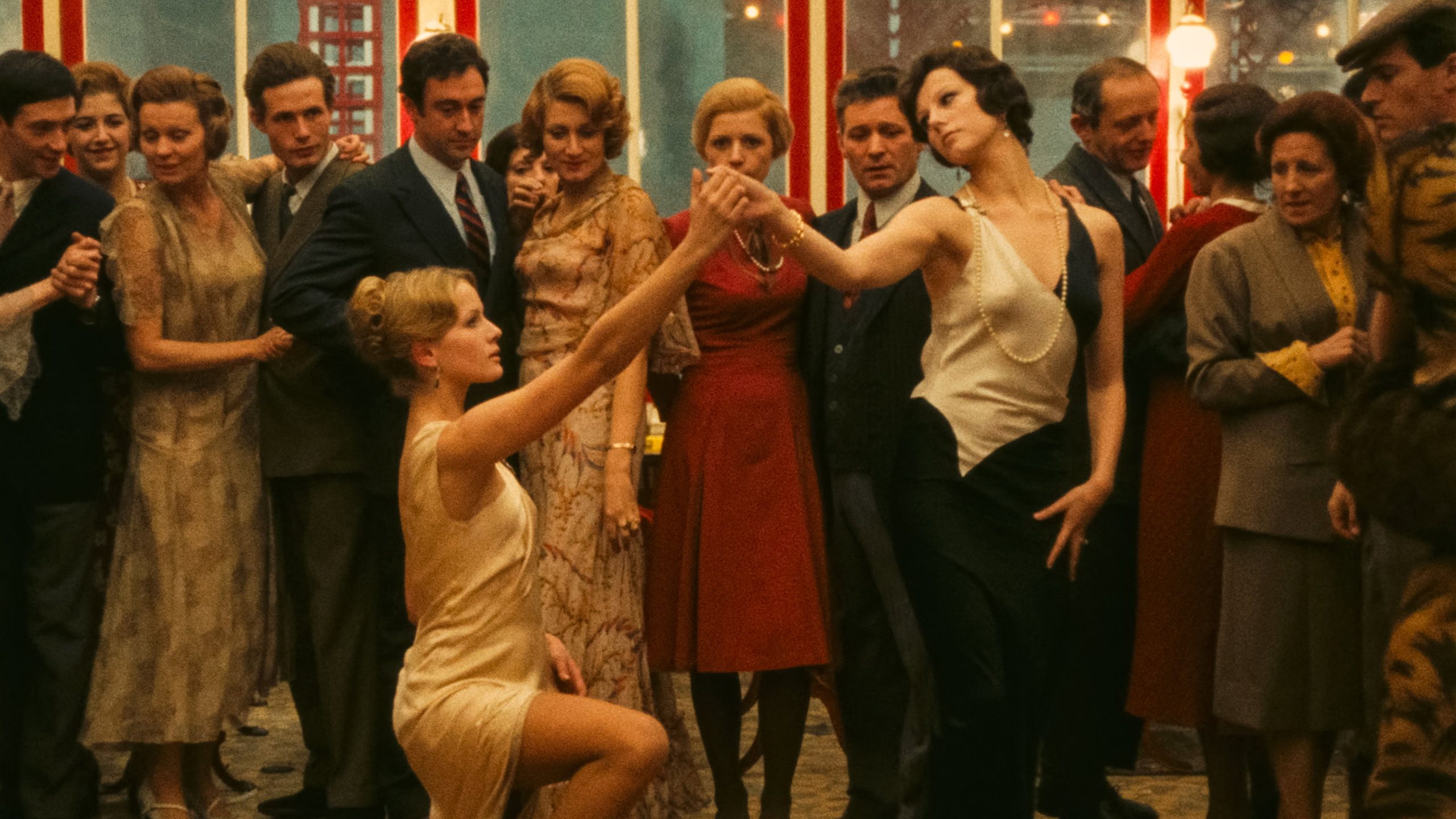
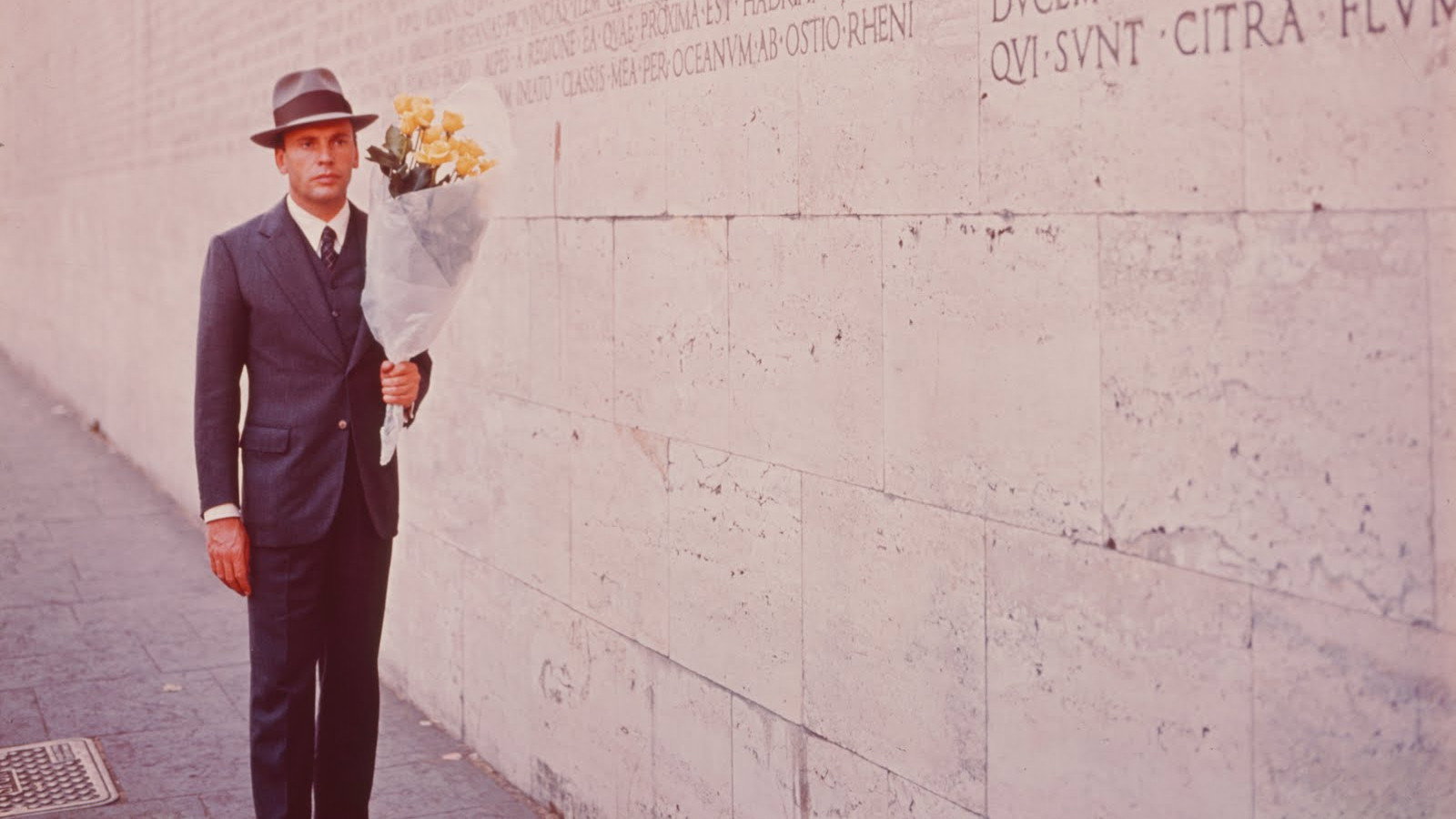
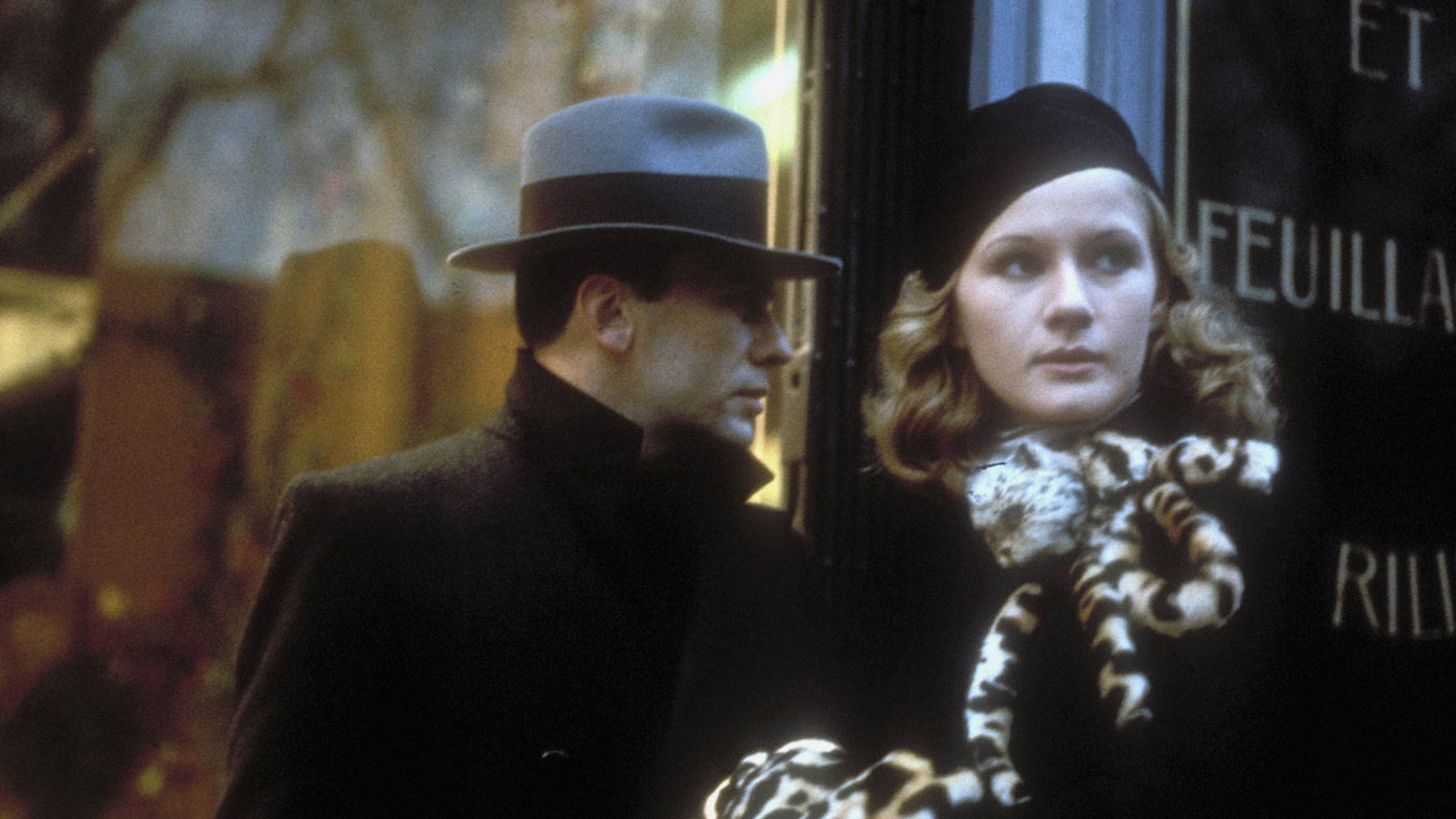
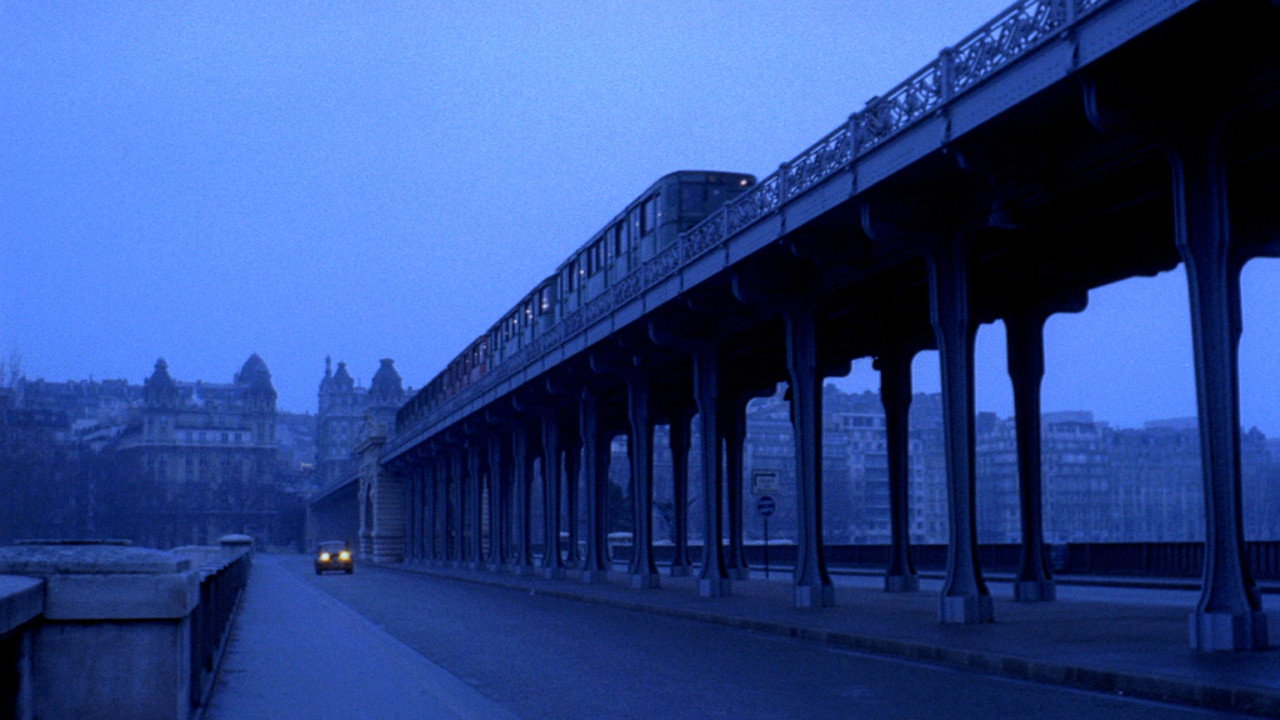
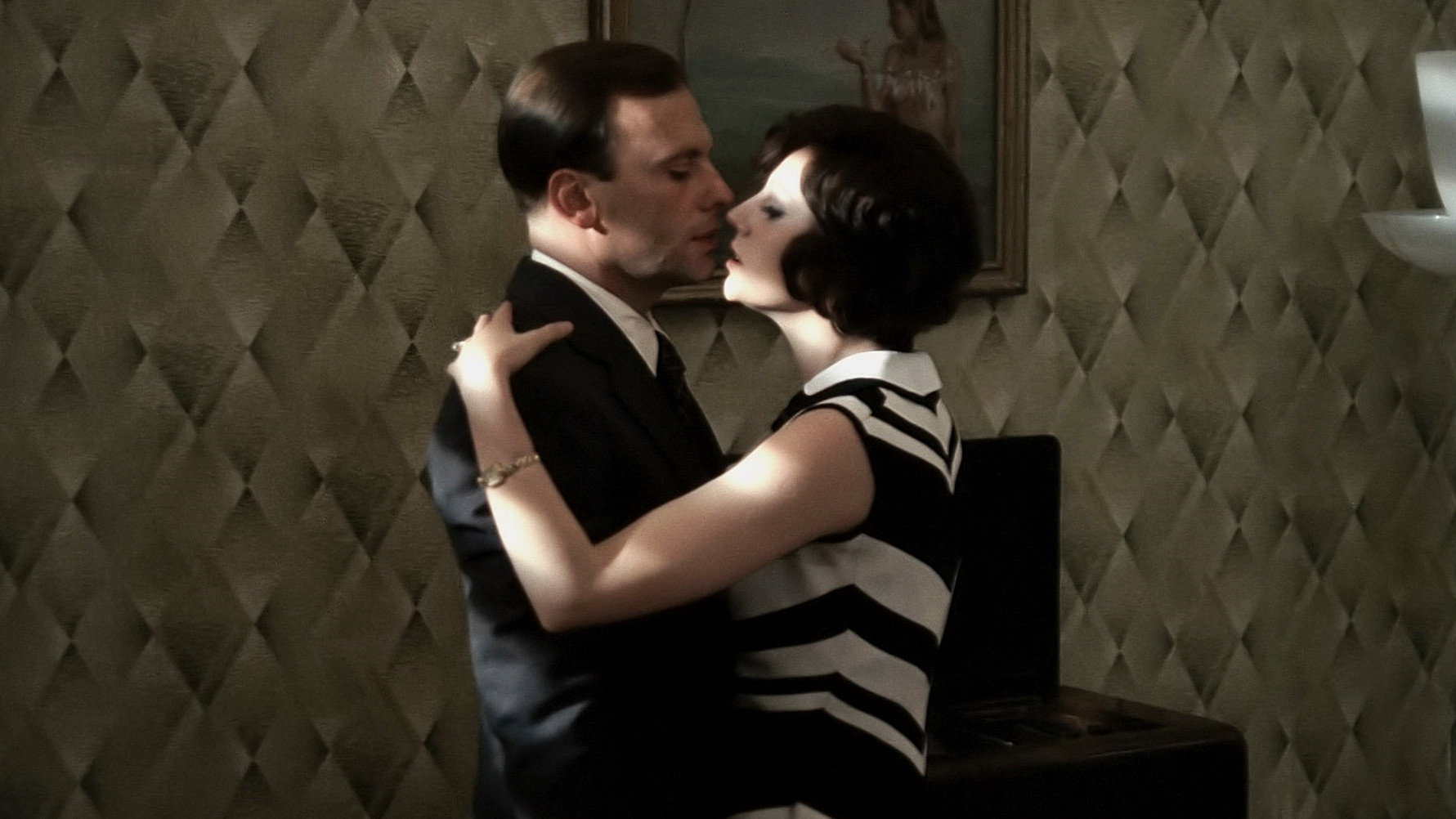
Vittorio Storaro’s cinematography makes the attraction of this world difficult to dismiss. His rich colours and carefully arranged frames work with Ferdinando Scarfiotti’s luxurious production design to make fitting in look worth the effort. We were unsettled by how inviting the Parisian rooms looked. Their comfort helps us understand Marcello’s hunger for acceptance, even while his behaviour makes us recoil.

Franco Arcalli’s editing is just as important to the effect. The flashbacks interrupt a straightforward account of Marcello’s behaviour, asking us to revise our reading of him as the film moves through time. This takes concentration, and the occasional difficulty is worth it: a tidier sequence would make him too easy to explain. Georges Delerue’s music contributes to the film’s sensual appeal, giving us another reason to enjoy spending time in uncomfortable company. The score’s attractiveness works here because the whole film makes us suspicious of what we find pleasing.

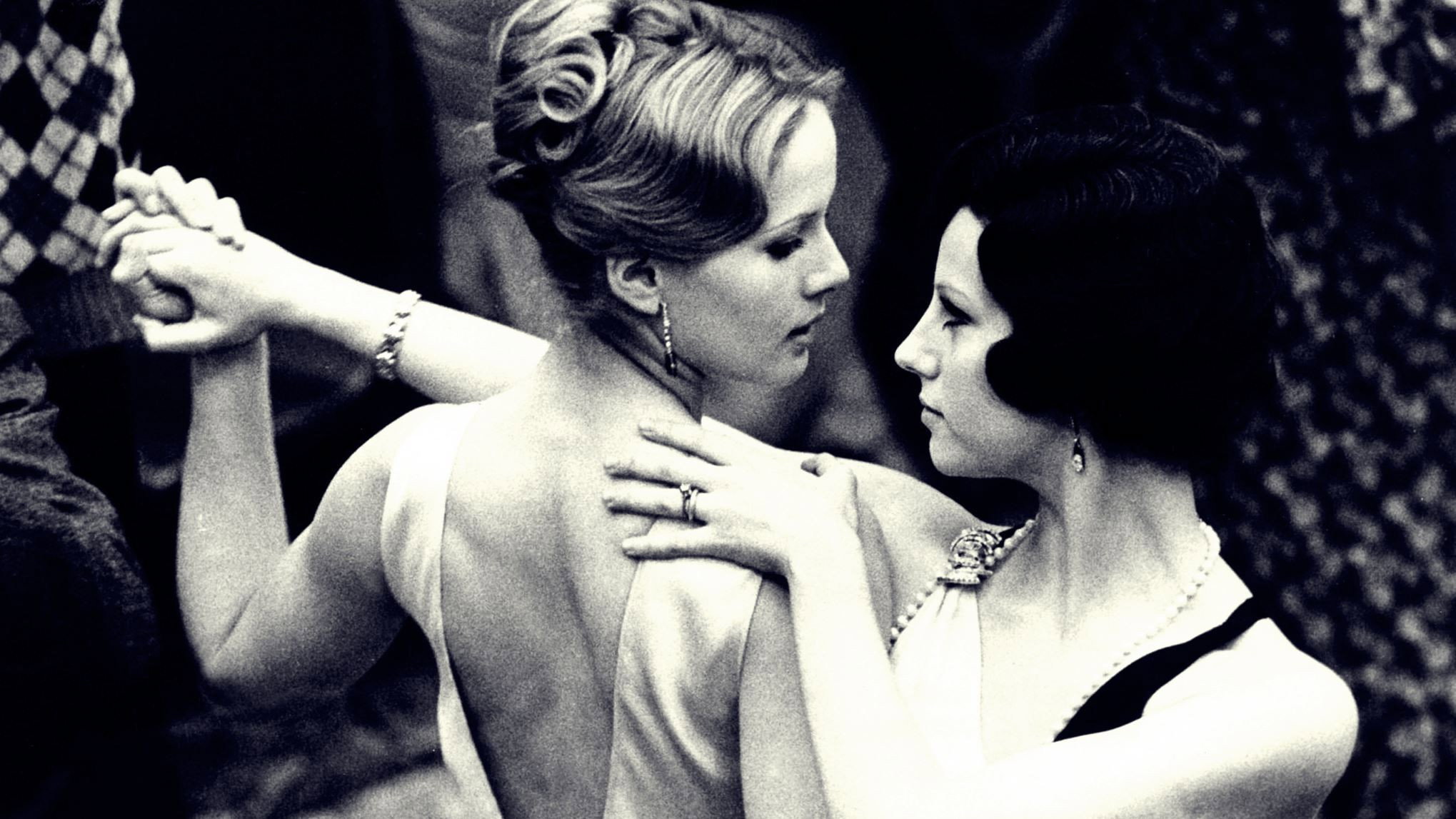
Stefania Sandrelli gives Giulia a welcome ease beside all this self-consciousness. Dominique Sanda makes Anna Quadri harder to read, and the uncertainty keeps our attention on her rather than solely on what she means to Marcello. Both performances help a film so preoccupied with one man’s fears. The women can feel overburdened with the job of explaining his sexuality, yet the actors make them interesting enough that we want the film to give them more room.

That appetite for explanation is the substantial weakness. Bernardo Bertolucci connects sexual repression and political obedience so insistently that Marcello sometimes seems to have been built to prove a diagnosis. We believe the cowardice more readily than the account of what causes it. The film has already shown how attractive it can be to follow rules and receive approval; it does not need to make private shame explain quite so much. A little less certainty about his psychology would have made him more troubling.

At 108 minutes, this is a demanding but rewarding evening, especially for anyone who likes a thriller to give them more to think about than the next danger. Its noir unease comes from having to stay close to a man whose judgement we distrust. There is little relief in his company, even with so much beauty around him. Watch it when there is time to look properly, and expect to argue about Marcello afterwards.
Critical consensus AI synthesised

86
Positive
16
Mixed
0
Negative
0

The reviews are uniformly positive about The Conformist, with praise clustering around Bertolucci’s direction, Vittorio Storaro’s cinematography and Jean-Louis Trintignant’s performance. Critics repeatedly connect the carefully composed images, colour and luxurious settings to the film’s examination of fascism, sexuality and the desire to fit in. Trintignant earns particular credit for making a weak, compromised protagonist psychologically compelling. Several reviews also admire the way political drama, sensuality and thriller tension work together without simplifying the character’s cowardice.

The differences concern the degree of enthusiasm rather than any substantial opposition. The Guardian admires the spectacle and central performance but finds the Freudian psychology simplistic, while Variety suggests some trimming despite praising the film’s power and cast. The Hollywood Reporter acknowledges narrative and thematic flaws but considers the visual style sufficient compensation. These reservations leave a clear consensus, though the more qualified reviews question the psychology and pacing that others find persuasive.

Time Out
26 February 2008 · ★★★★★ · Wally Hammond
100

The review calls the film a dazzling, idea-laden thriller that balances politics, philosophy and sex with a serio-comic tone, crediting its striking cinematography and performances while noting its intellectual engagement.

Read the full review →
Empire
1 January 2009 · David Parkinson
95*

The critic describes it as Bertolucci's greatest film, a complex study of a man trapped between convention and rebellion that also reveals much about the director himself.

Read the full review →
Vulture
14 January 2023 · Bilge Ebiri
95*

The critic hails it as one of the greatest and most visually ravishing films ever made, singling out its innovative nonlinear flashback structure that mirrors the protagonist’s psyche and its blend of sensuous beauty with moral and political complexity in a 4K restoration re-release.

Read the full review →
Los Angeles Times
10 June 2010 · Betsy Sharkey
90*

The critic calls it a surreal masterwork that feels contemporary, praising its tale of political and sexual dark forces in Fascist Italy and the sheer beauty of every frame. Trintignant's performance as Marcello is singled out as sweeping the viewer away.

Read the full review →
Slant Magazine
15 December 2010 · Violet Lucca
90*

The critic celebrates the re-release as one of the best films of the year, praising its timeless exploration of conformity and complicity through stunning visual storytelling—color, framing, and sets—along with Jean-Louis Trintignant’s complex performance and the film’s blend of art-house sensuality and noir tension.

Read the full review →
The Hollywood Reporter
31 January 2007 · Doug Pratt
90*

The critic calls it one of the great triumphs of stylistic filmmaking, praising Vittorio Storaro’s cinematography, the sensuous construction of the images, and how the style smooths over any narrative or thematic flaws to create an overwhelming cinematic experience.

Read the full review →

Cast

Stills

Awards

Academy Awards, 1972

Nominated
Best Writing, Adapted Screenplay

If you liked this, try…

The Servant poster

The Servant

1963 · Respectability proves unreliable in another carefully arranged house full of competing desires.

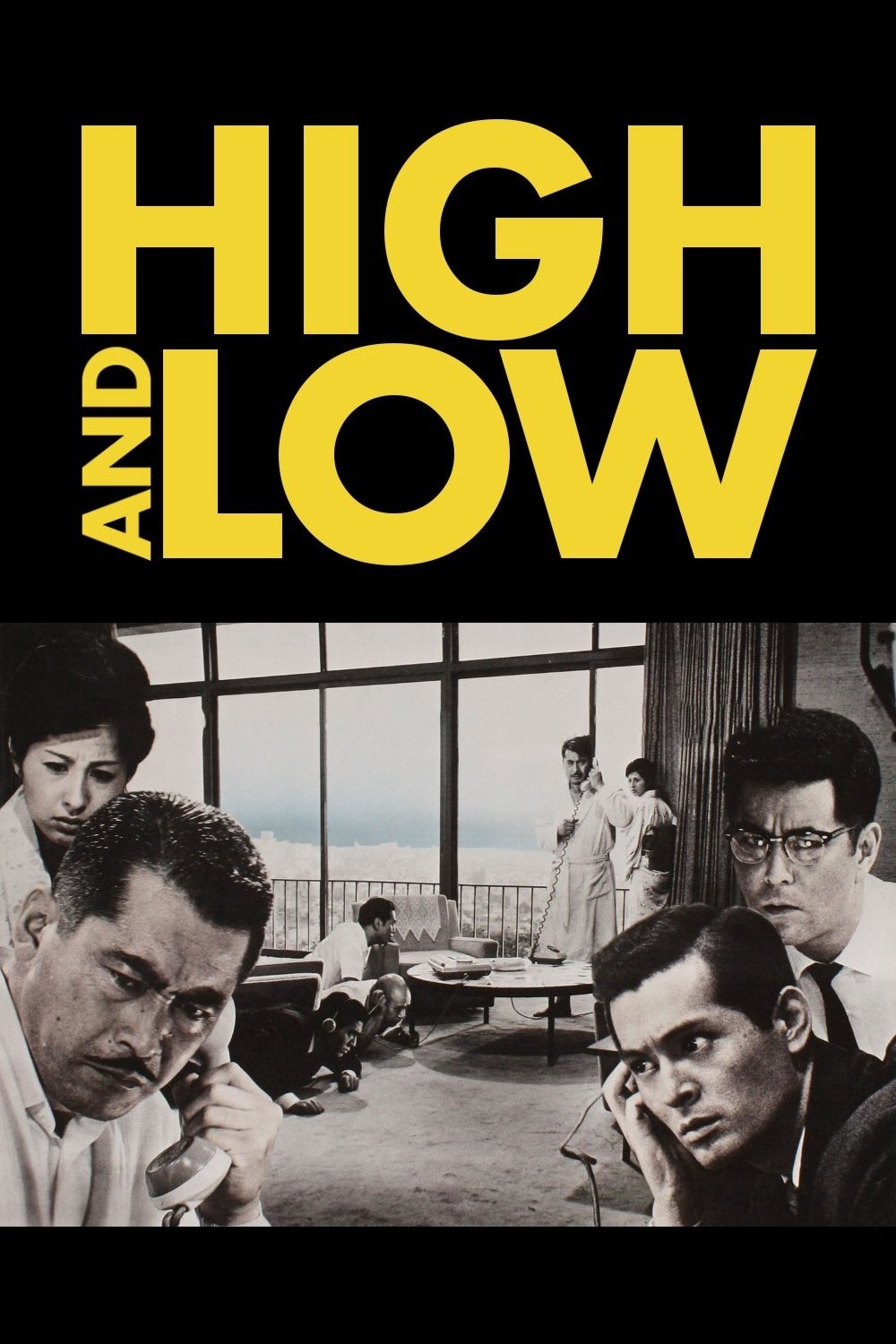
High and Low poster90

High and Low

1963 · Rooms, clothes and camera placement make class impossible to overlook.

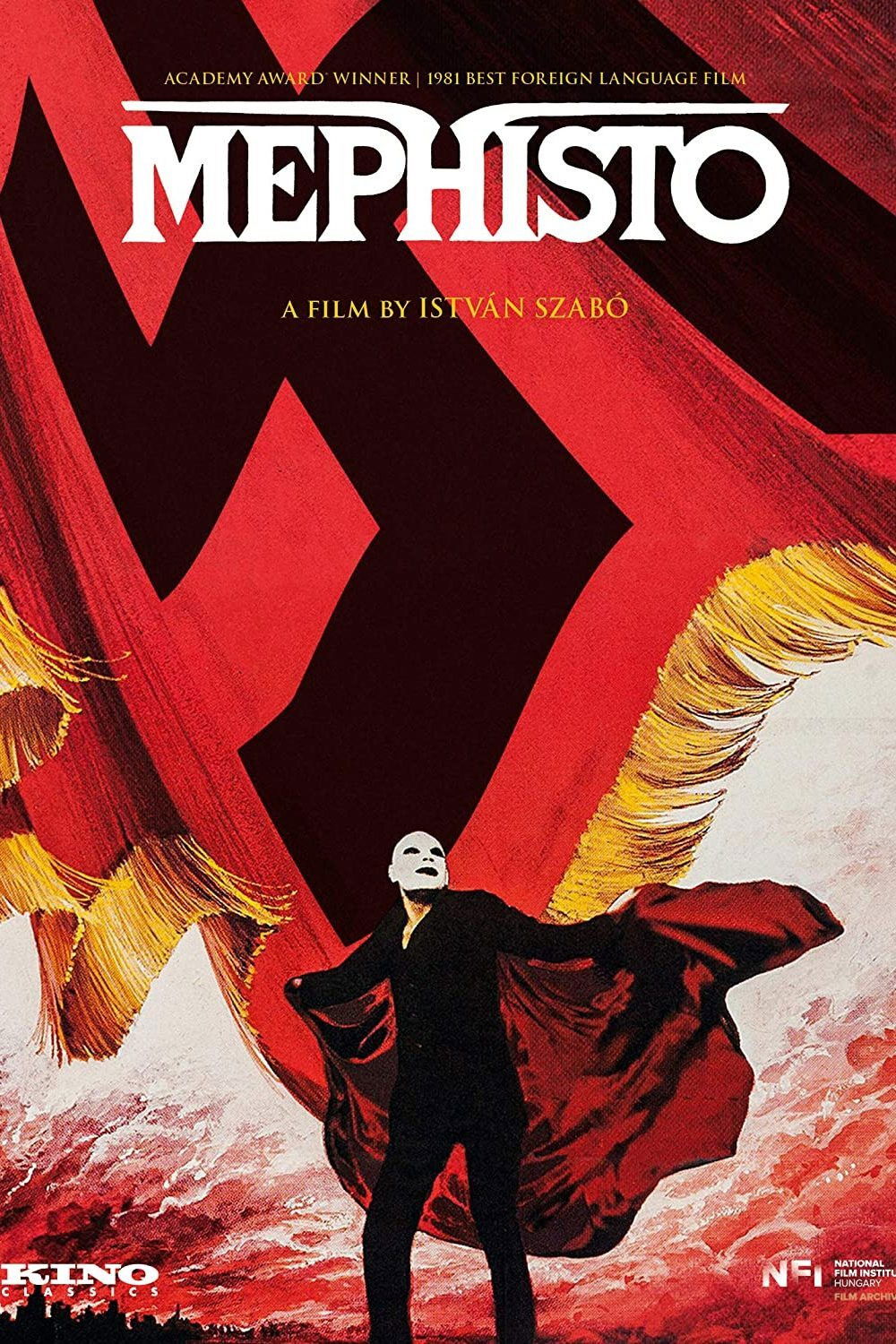
Mephisto poster

Mephisto

1981 · An actor discovers how comfortably professional ambition can accommodate political obedience.

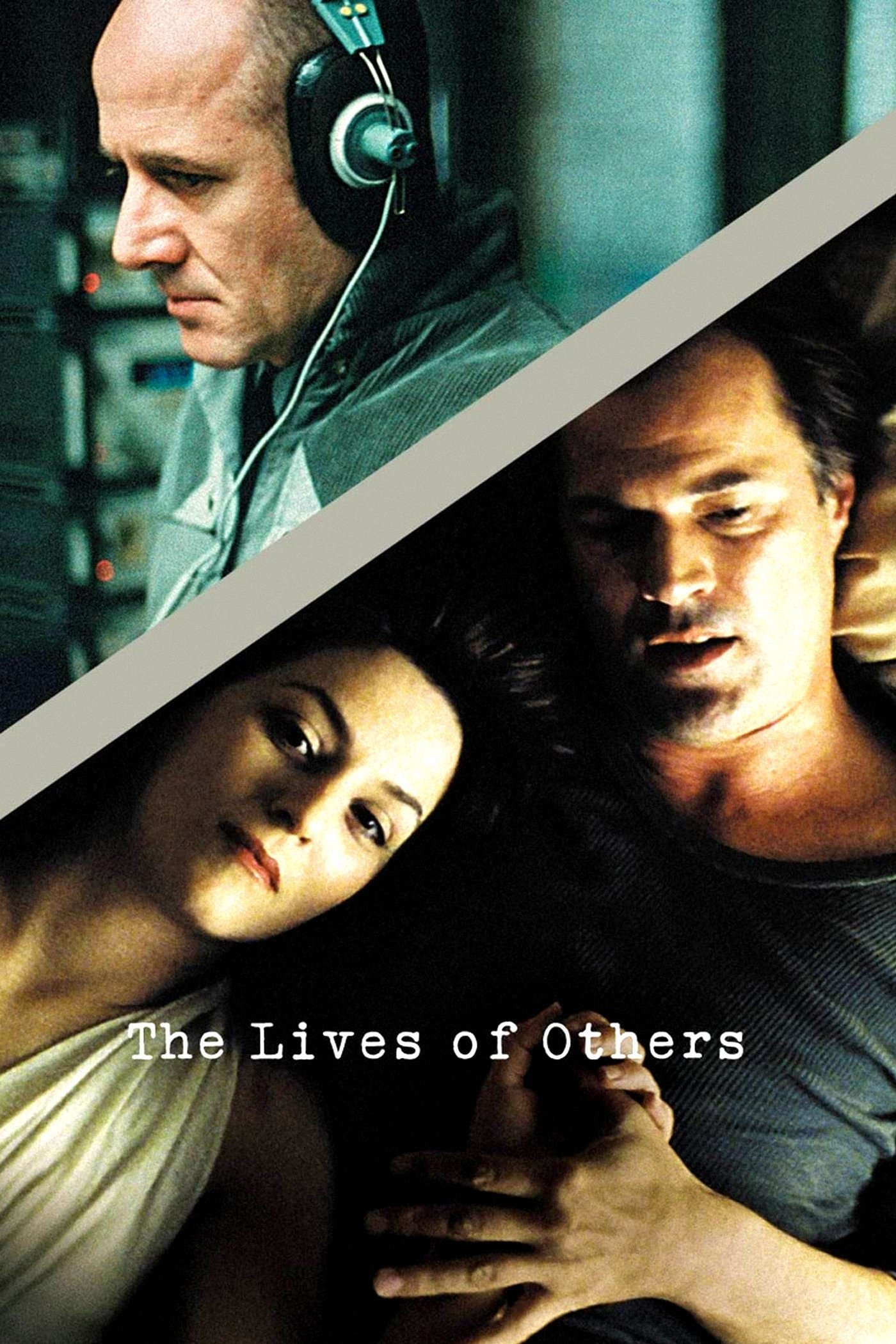
The Lives of Others poster84

The Lives of Others

2006 · Another state employee finds private lives complicating the business of obedience.

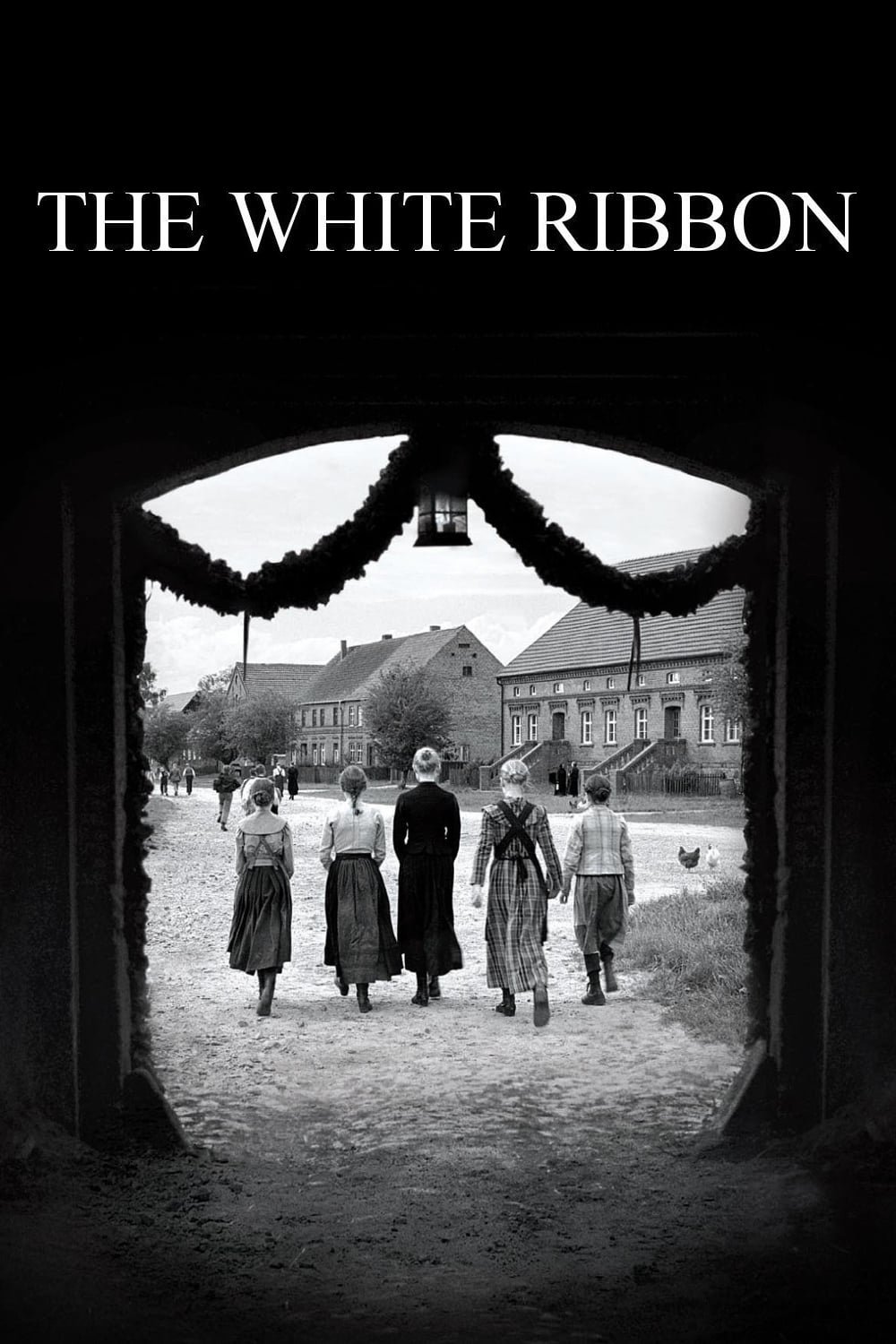
The White Ribbon poster86

The White Ribbon

2009 · A stricter, colder examination of obedience and the cruelty respectable communities permit.