Bernardo Bertolucci’s films ask us to look closely at the places that shape people’s lives. We admire their care and ambition, especially in The Last Emperor, though the characters can remain frustratingly remote inside those carefully described surroundings.
Fi1m perspective
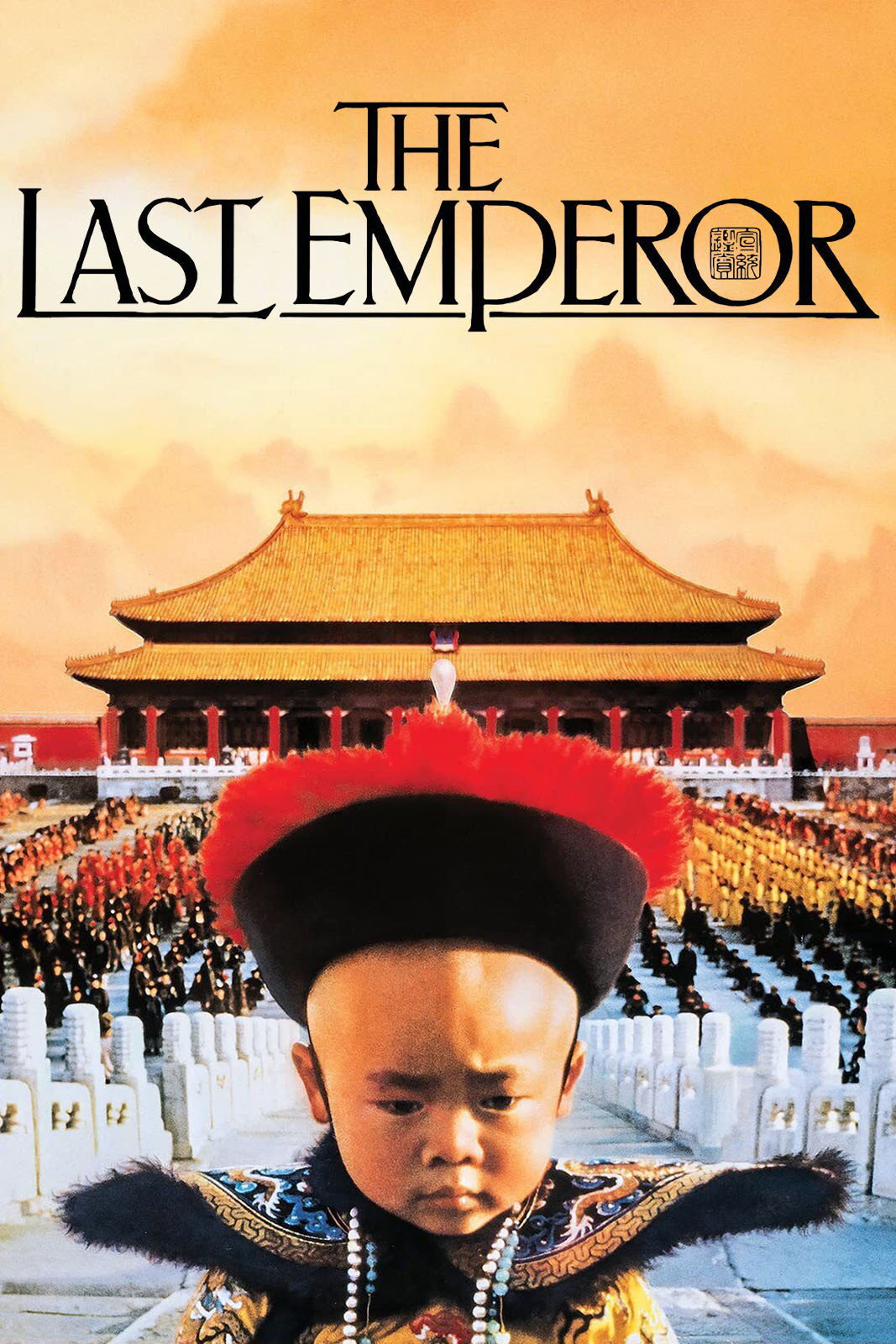
In The Last Emperor (1987), a boy brought up to expect obedience looks tiny amid the ceremony conducted around him. We felt unexpectedly protective of him because the scale makes his lack of choice so clear. Bertolucci lets us see how a child’s expectations are formed before asking us to spend time with the less approachable adult. It is an absorbing historical drama, and we recommend it with patience for a central figure who can remain remote.
After the early Before the Revolution (1964), international recognition came with The Conformist (1970) and Last Tango in Paris (1972). Larger historical productions followed with 1900 (1976) and The Last Emperor. Those films retained his interest in private lives, while giving him more history to fit around his characters. The emperor’s childhood shows how well that could work, giving a grand ceremony a clear effect on one small person.
Cinematographer Vittorio Storaro helped make elaborate lighting, colour and tracking shots central to Bertolucci’s films. In The Conformist, light and composition help describe states of mind, giving that visual care a reason beyond decoration. We value this aspect of his work because the surroundings can explain something a character cannot put into words. The later The Sheltering Sky (1990) is less persuasive: the visual richness is there, but the drama is thin.
In The Last Emperor, the difficulty is often in the telling. Mark Peploe and Bertolucci’s screenplay sometimes moves through historical change before Pu Yi’s responses have become convincing. Gabriella Cristiani’s editing keeps the long account manageable, but the transitions between stages of his life do not always feel natural. We want to stay with a relationship just as another passage of explanation arrives, and the adult protagonist’s reserve makes those interruptions more wearing. Start here, with an unhurried evening, and do not expect the emperor to explain himself on request.
Biography
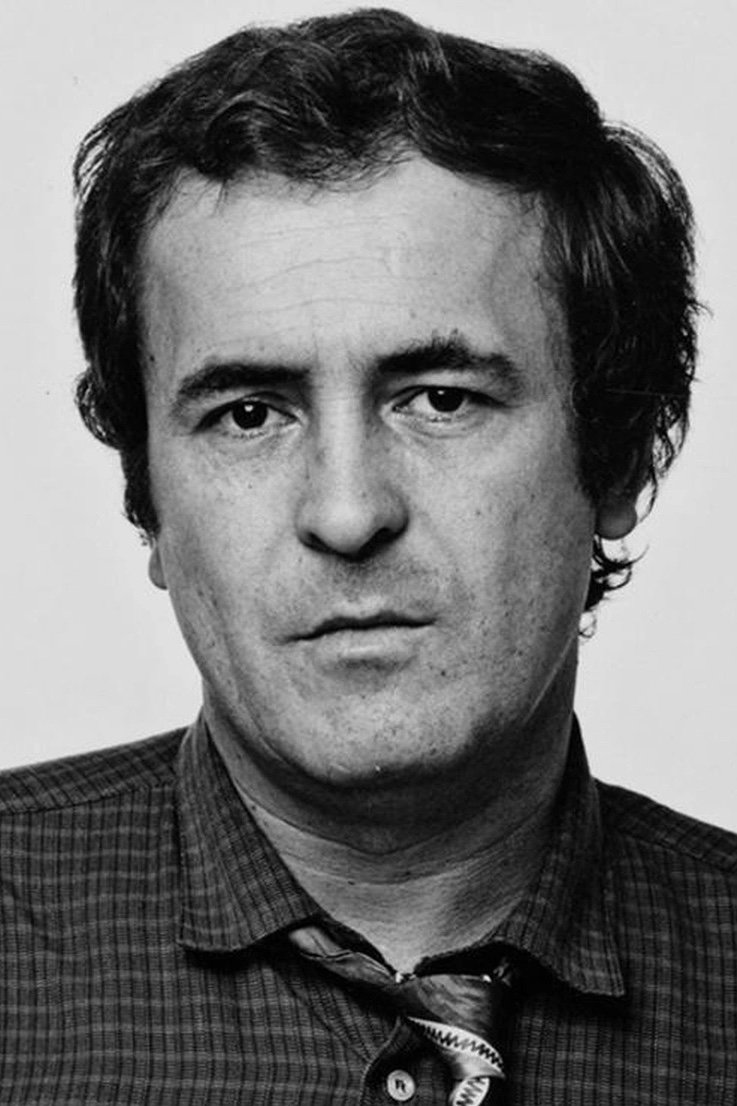
Bernardo Bertolucci was an Italian film director and screenwriter. Born in Parma on 16 March 1941, he died on 26 November 2018. A protégé of Pier Paolo Pasolini, he made his directorial debut at the age of 22.
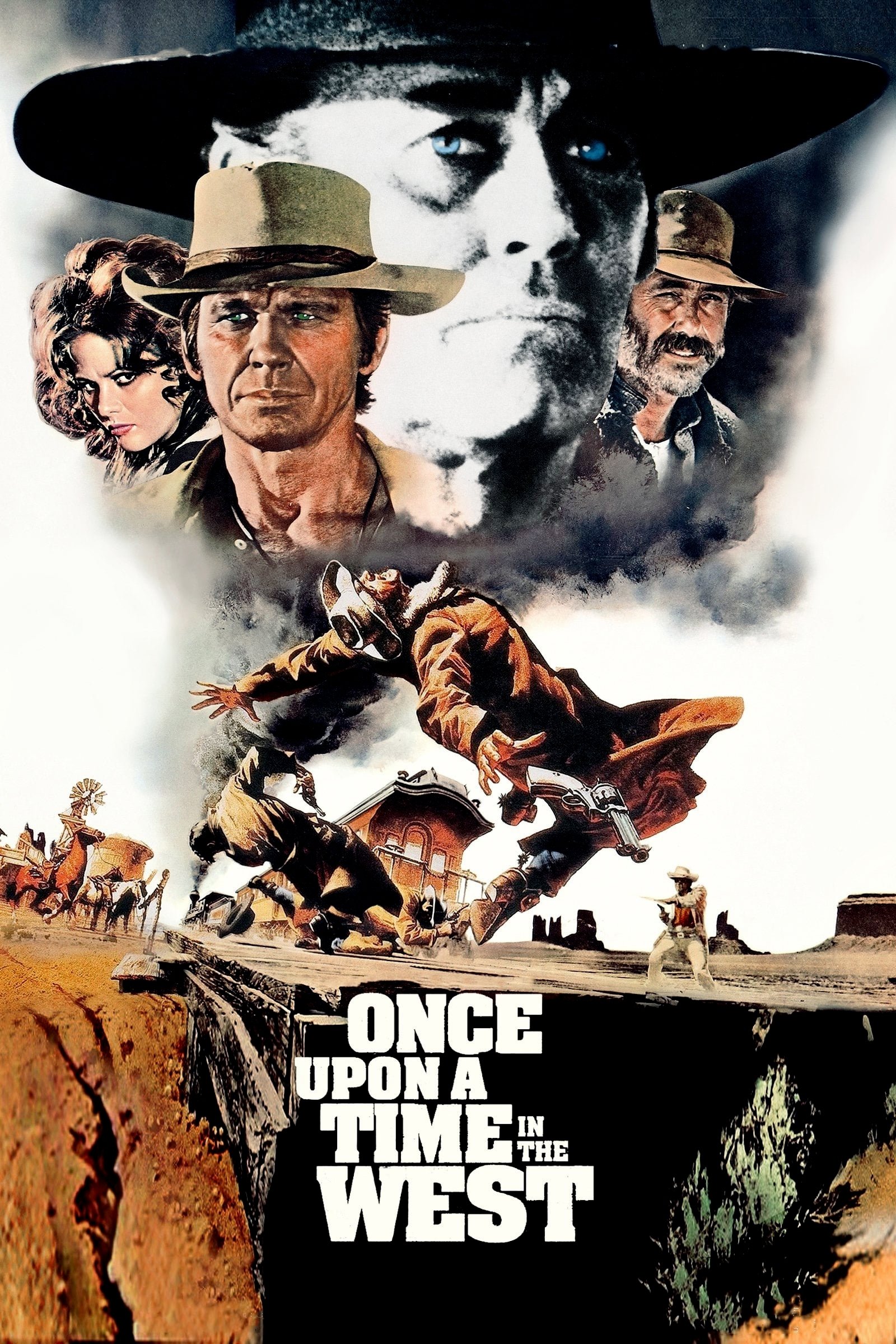
Bertolucci directed and co-wrote the screenplay for The Last Emperor (1987), becoming the first Italian filmmaker to win the Academy Award for Best Director. The film also won the Academy Award for Best Picture. He contributed to the story of Once Upon a Time in the West (1968) and is known for other films including The Conformist (1971), Last Tango in Paris (1972) and 1900 (1976).