Bernardo Bertolucci’s The Last Emperor makes imperial ceremony both fascinating and painfully lonely. It is a richly made, absorbing historical drama, though its adult protagonist can remain frustratingly remote.
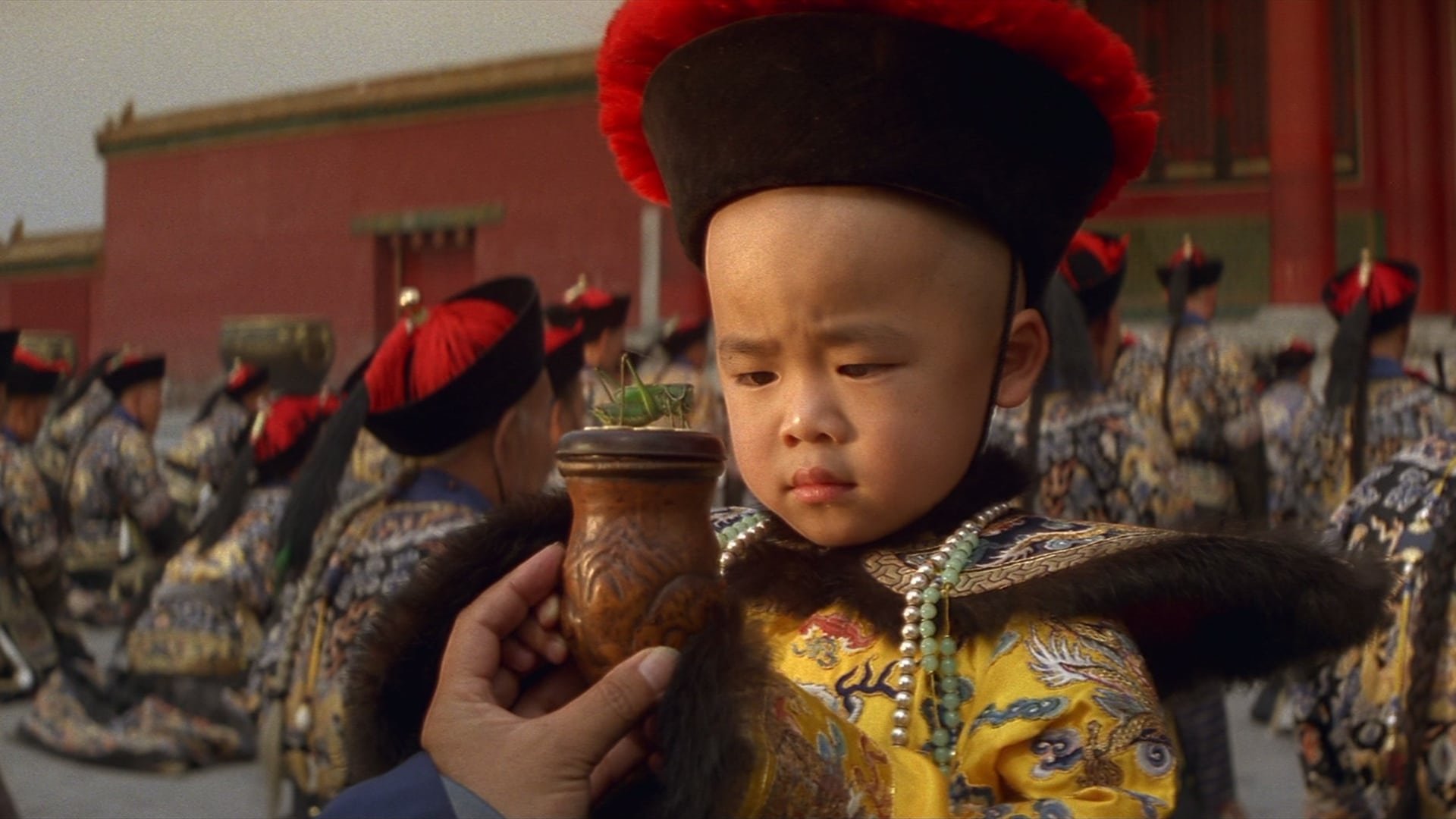
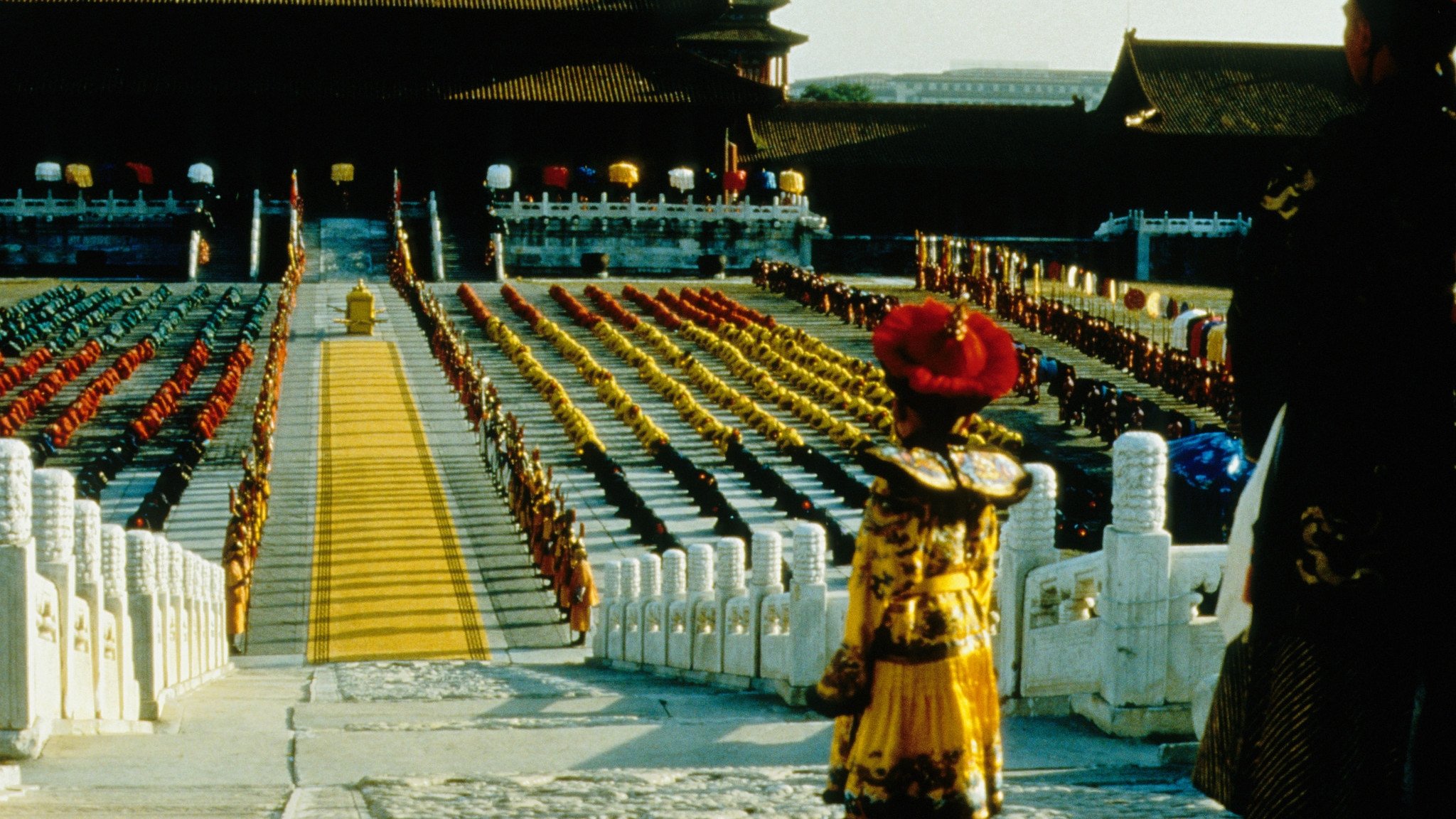
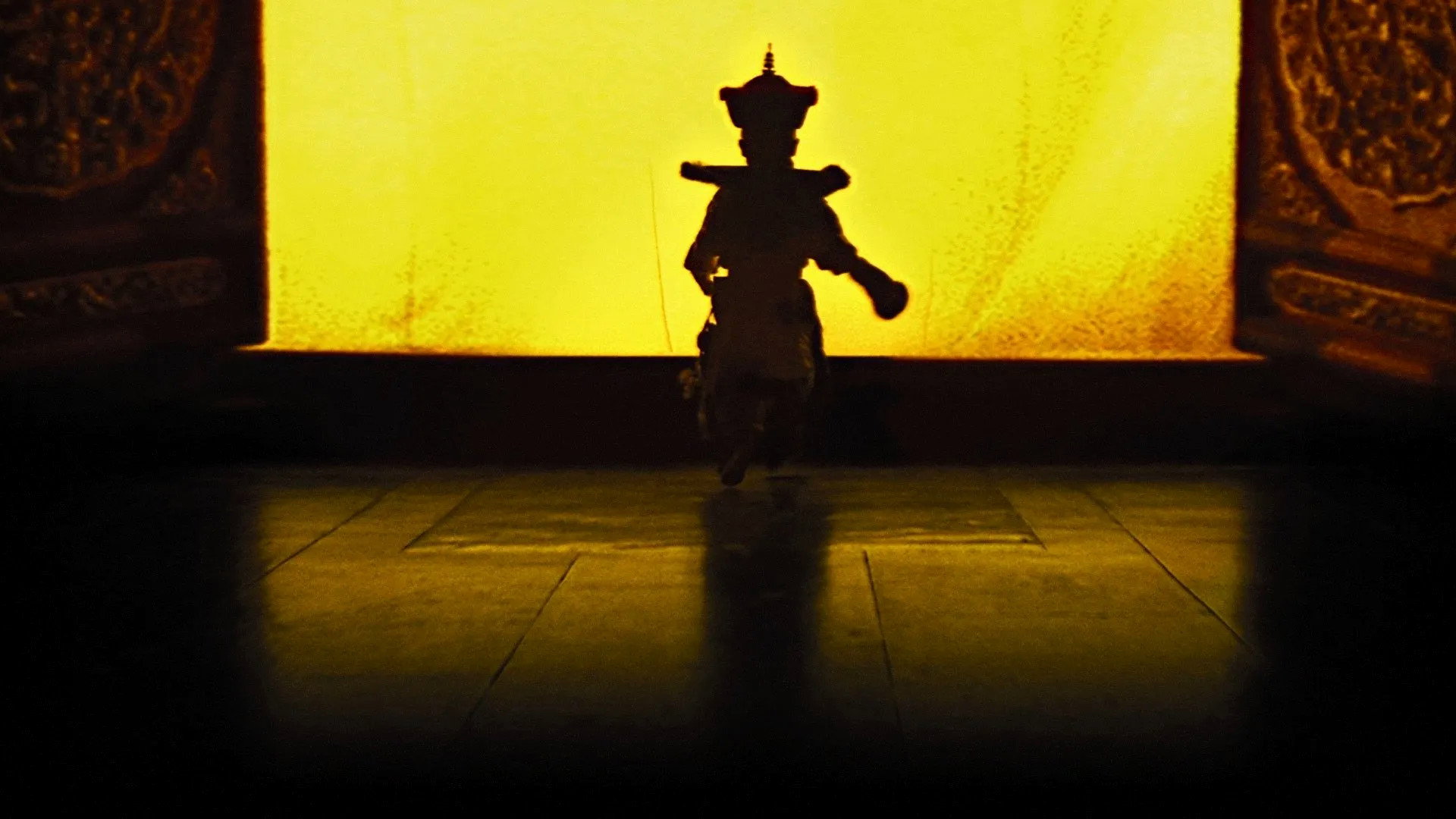
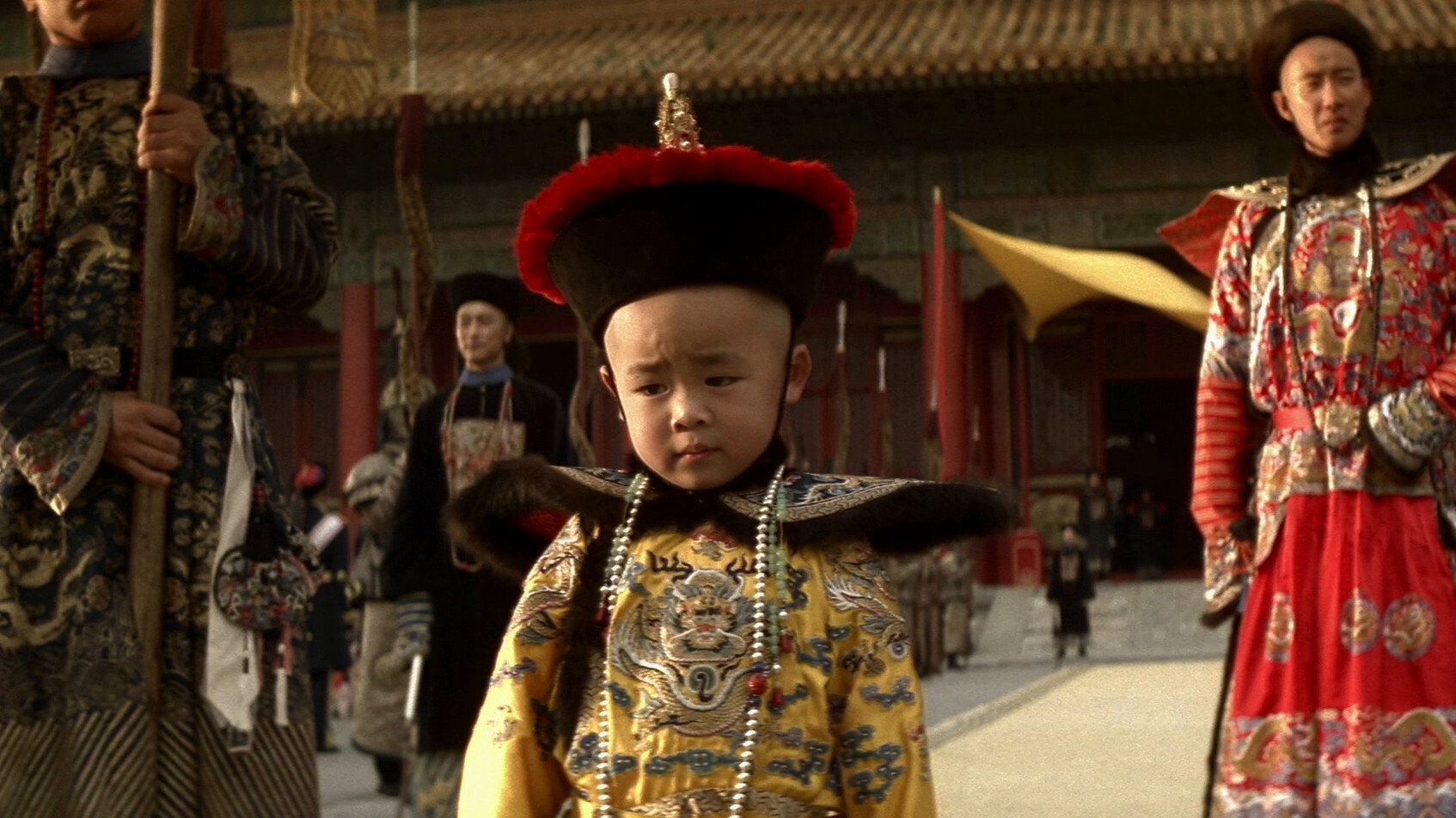
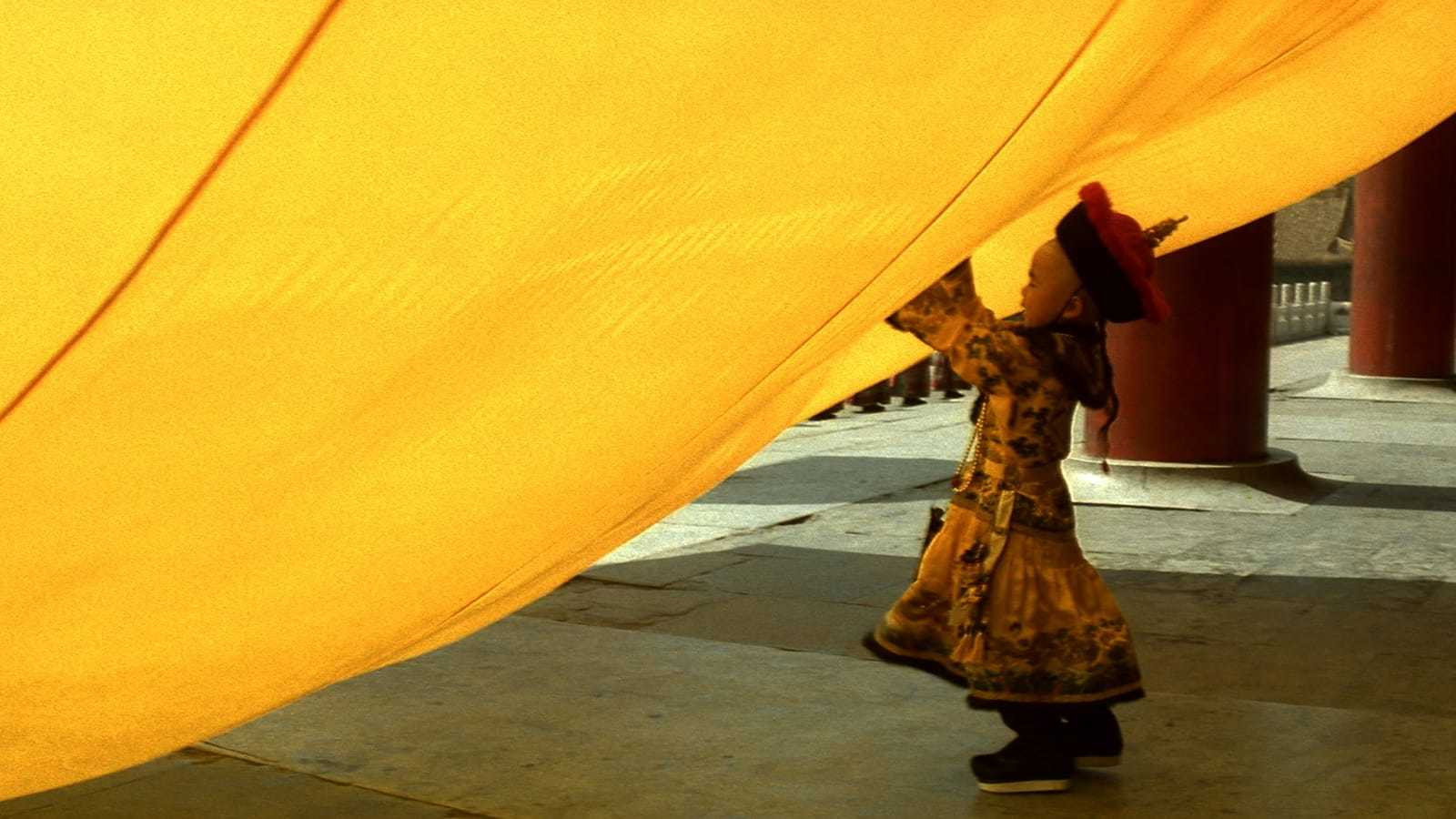
The Last Emperor is worth its 163 minutes, provided we accept that its central figure will not always explain himself to us. Bernardo Bertolucci considers what happens to a child brought up to expect obedience from almost everyone he meets. The ceremonial scale matters because the boy has so little choice about his place within it. We felt unexpectedly protective of him when the ceremony around him made him look so small.
Vittorio Storaro’s cinematography makes the Forbidden City sequences worth lingering over, even when the drama seems reluctant to proceed. The grandeur has a useful dramatic effect: the palace commands our attention before any person in it does. Production designers Ferdinando Scarfiotti and Bruno Cesari give these surroundings a formality that helps explain why privilege might offer so little comfort. We can enjoy looking at the palace and still understand why growing up there might be miserable.
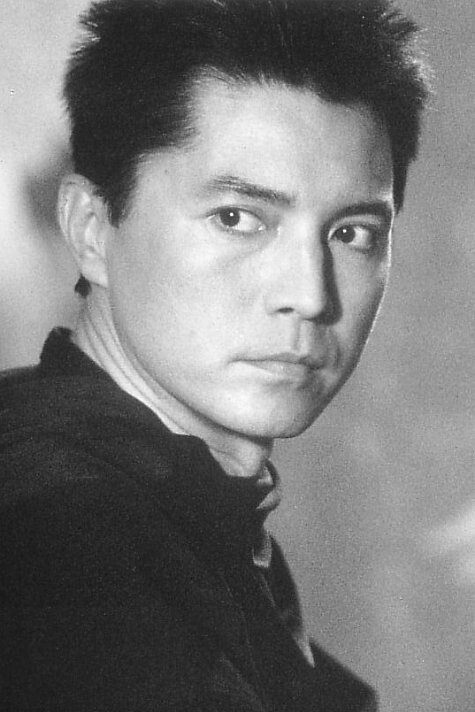
James Acheson’s costumes reinforce the household’s formality; looking properly dressed seems to be another obligation. As the adult Pu Yi, John Lone gives the film a reserve that is persuasive but sometimes difficult to get past. His performance suits someone accustomed to being watched, and we do not need him to become suddenly confessional. There are nevertheless stretches when we want a clearer sense of what he wants from another person, beyond the respect his position has taught him to expect.
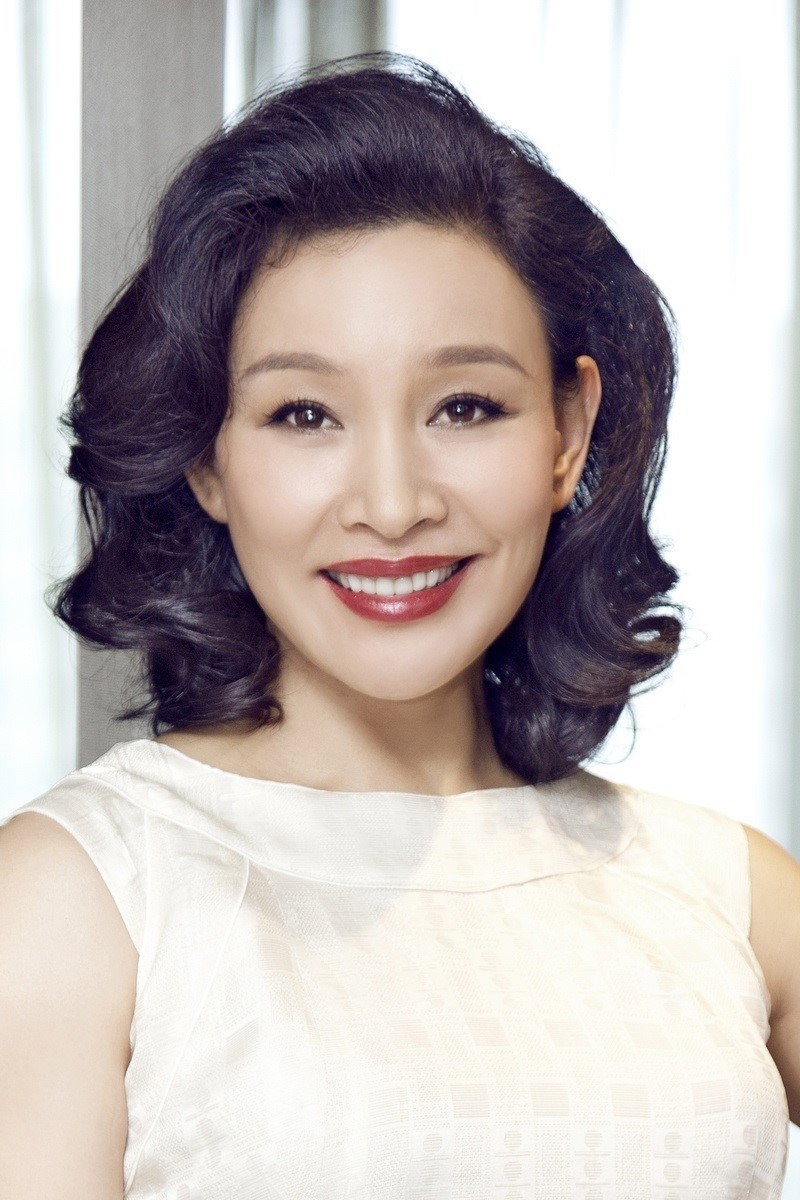
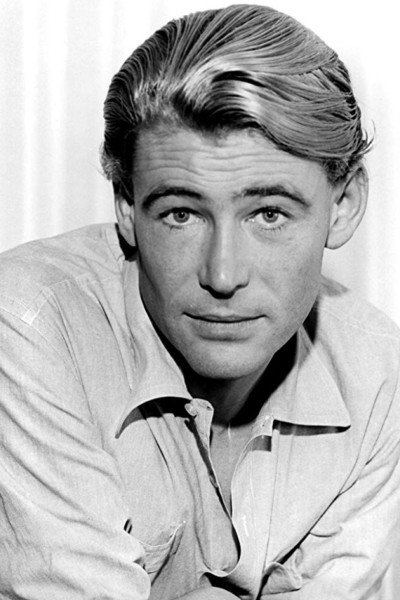
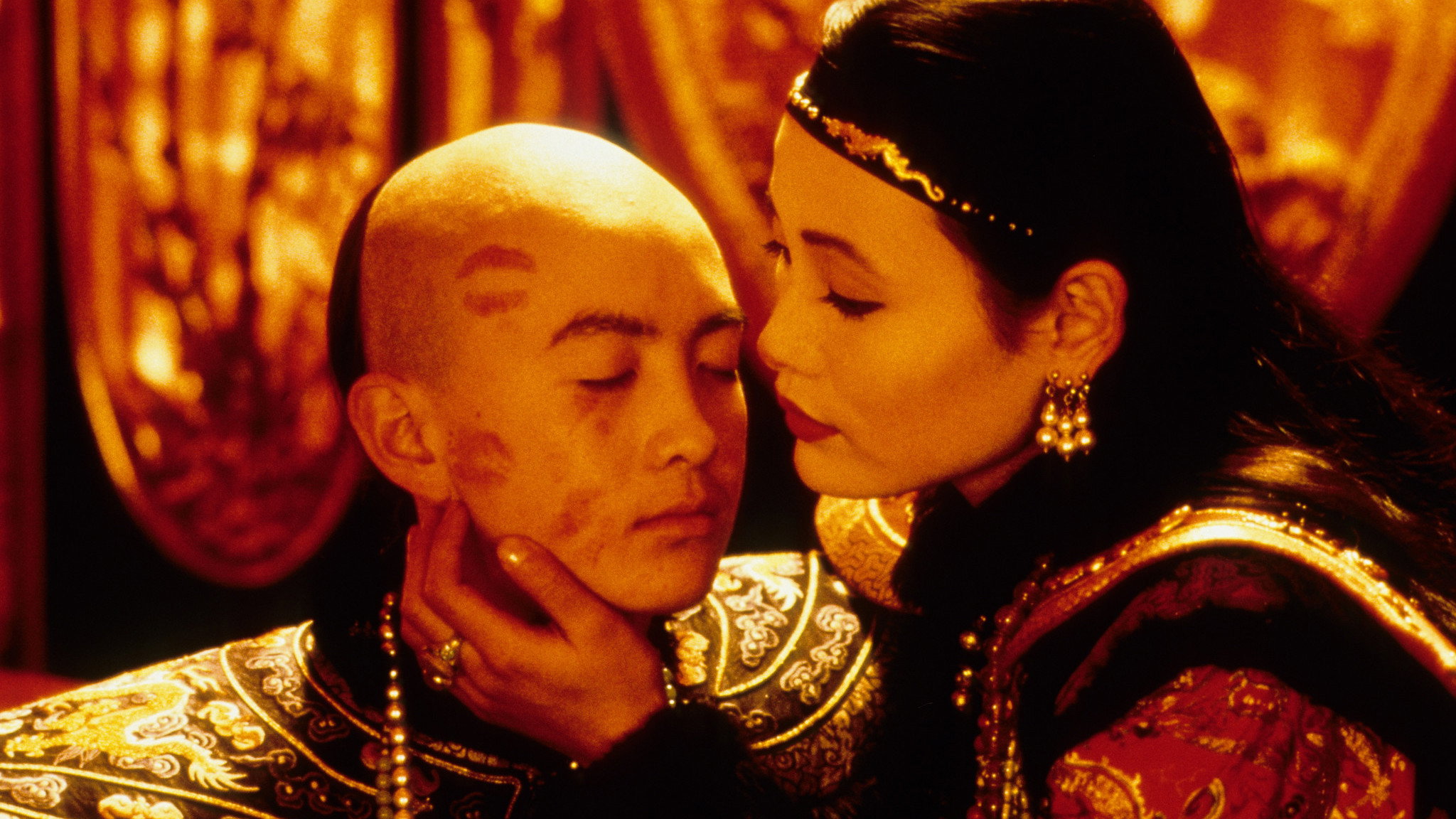
Joan Chen, as Wan Jung, helps make that emotional distance matter, suggesting private unhappiness without asking the film to stop and explain it. We could use more time in her company, especially when the scale of the story starts to make individual relationships feel hurried. Peter O’Toole’s Reginald Johnston supplies a welcome lightness of manner. His presence allows the film to relax a little, although the contrast also exposes how stiff some of the surrounding exchanges can be.
The screenplay by Mark Peploe and Bertolucci is less assured when it has to carry the weight of historical change. We understand the broad pressure on Pu Yi, but some transitions leave too little time for his responses to become convincing. Gabriella Cristiani’s editing keeps the long account manageable, though it cannot always make the movement from one stage of the life to another feel natural. A stretch of explanation can arrive just when a relationship has begun to interest us.
The score by Su Cong, Ryuichi Sakamoto and David Byrne is an important source of warmth. It gives the ceremony feeling without requiring Lone to make every thought visible, and its emotional directness is welcome. There is pleasure in the film’s patience, too, when it lets us spend time with these surroundings instead of hurrying to the next historical development. Those passages give us time to consider how thoroughly the imperial household determines what Pu Yi expects from other people.
A royal biography need not make its subject likeable, but it does need to make the time spent with him rewarding. Bertolucci achieves that often enough through the childhood and through his attention to the places that shape Pu Yi’s expectations. The reserve becomes tiring at times, and anyone hoping for a more intimate portrait will have reasonable cause to complain. Give it an unhurried evening, and do not expect the emperor to become easy company.