Zhang Yimou’s drama makes a household’s rituals and rivalries frighteningly absorbing. Gong Li gives its study of women’s subjugation a painful immediacy, though the rigid compositions occasionally make the point harder than they need to.
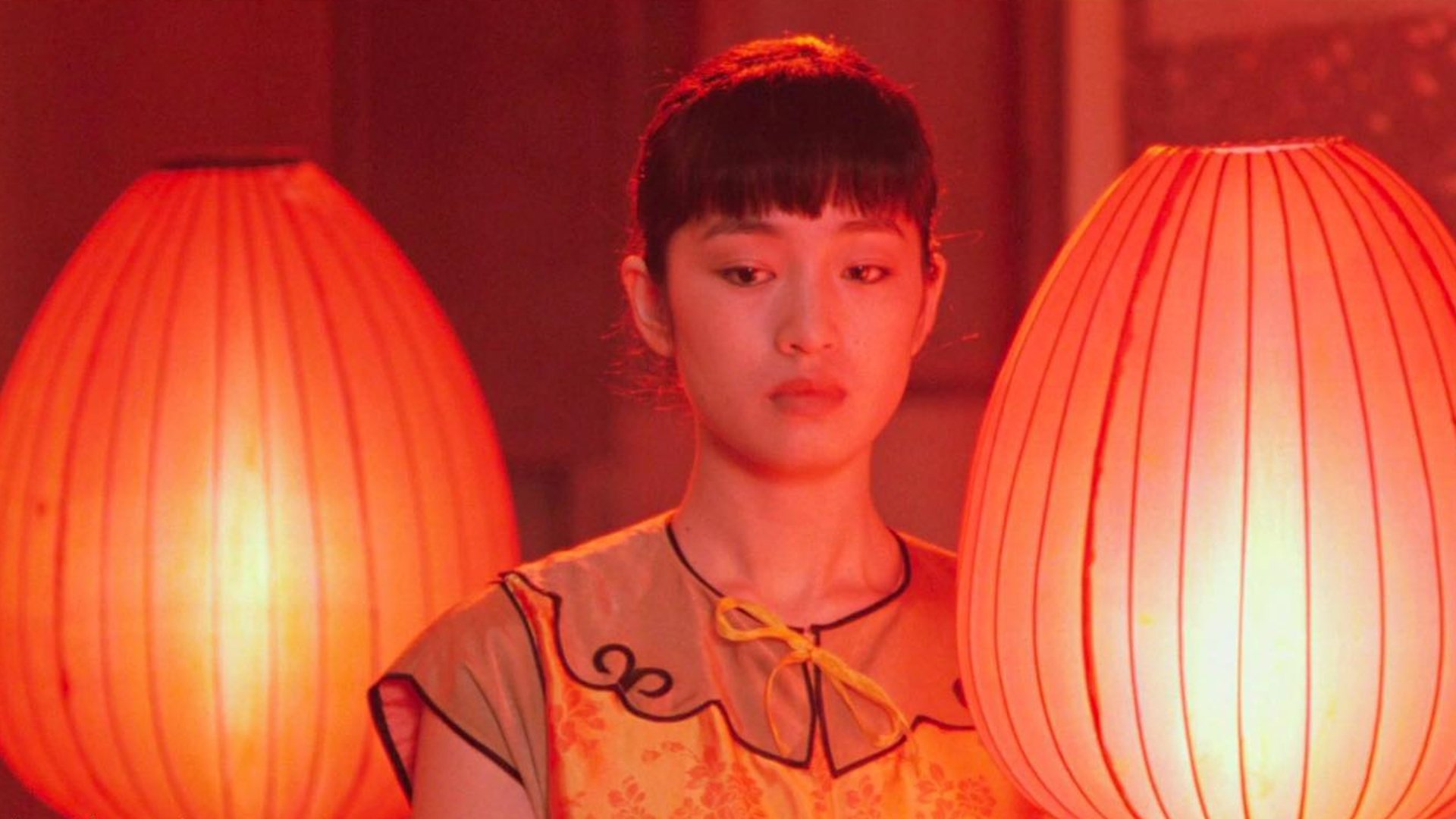
Zhang Yimou’s Raise the Red Lantern is a domestic drama in which being favoured by the master is almost the only power a wife can obtain. It is a frightening, absorbing film, and we would recommend it far beyond the audience for period drama. Adapted by Ni Zhen from a novel by Su Tong, it follows Songlian, played by Gong Li, into a household where four wives compete for one man’s attention. Zhang makes the rivalries easy to follow without making the women easy to judge.
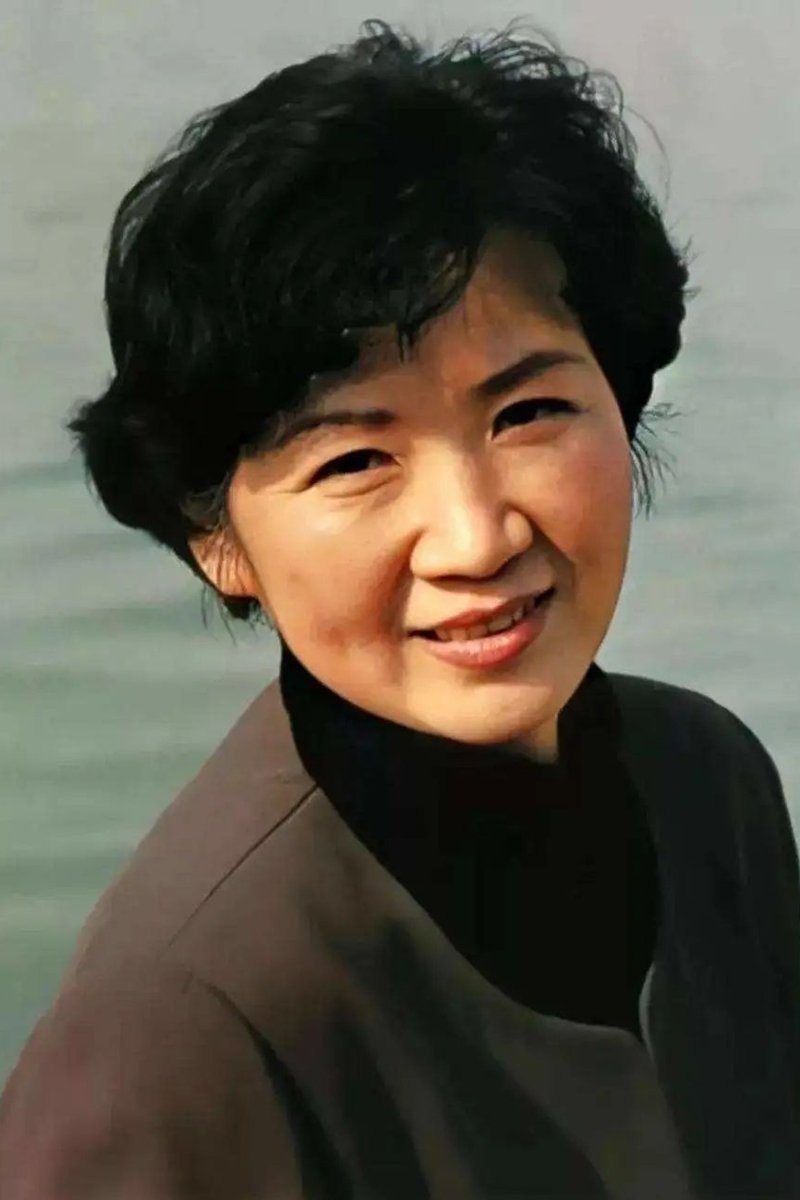
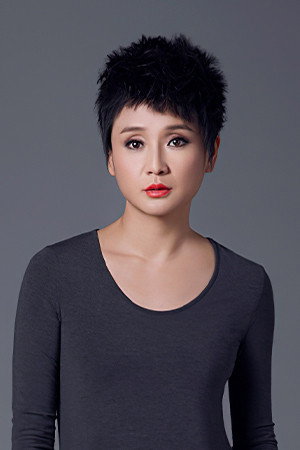
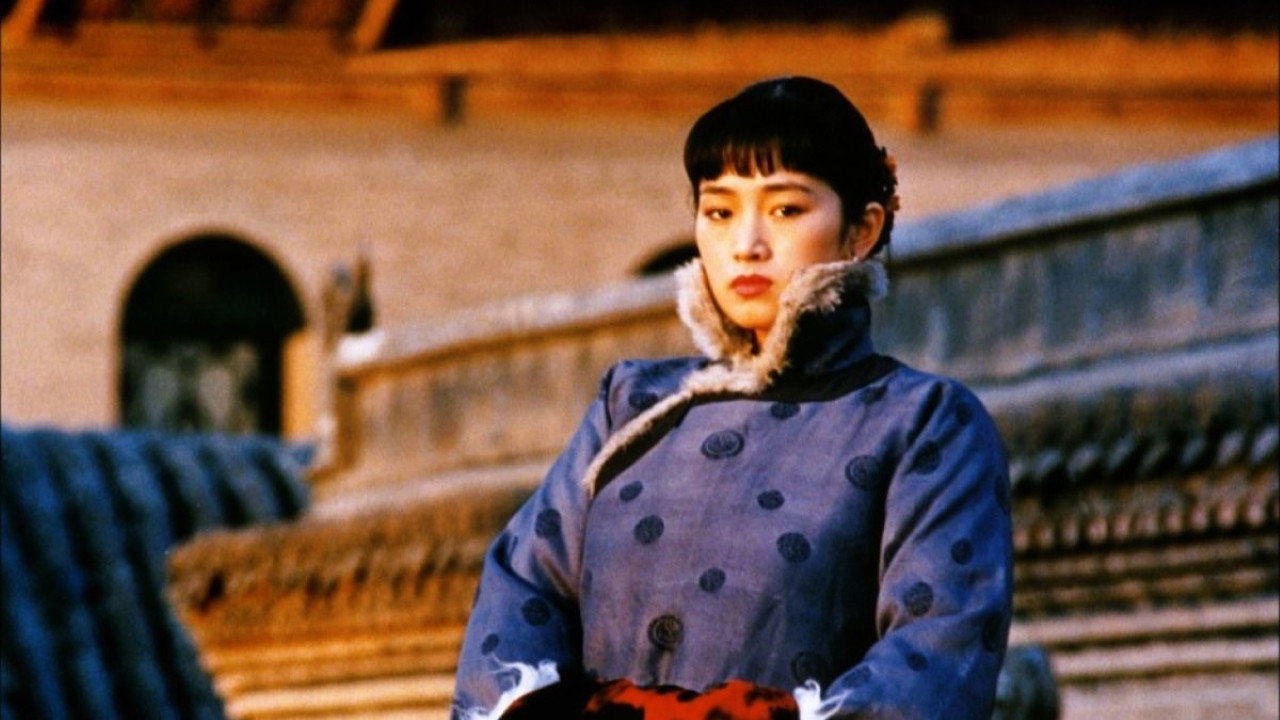
Gong’s performance keeps our attention on what Songlian stands to lose in each encounter. It would be easy to play her simply as an illustration of female suffering, but Gong makes the competition for favour feel like a practical problem that requires an answer. He Saifei, as Meishan, helps make the rivalries absorbing even when nobody’s position looks enviable. We can understand the need to secure an advantage without approving of everything that need encourages, and the performances keep that discomfort alive.
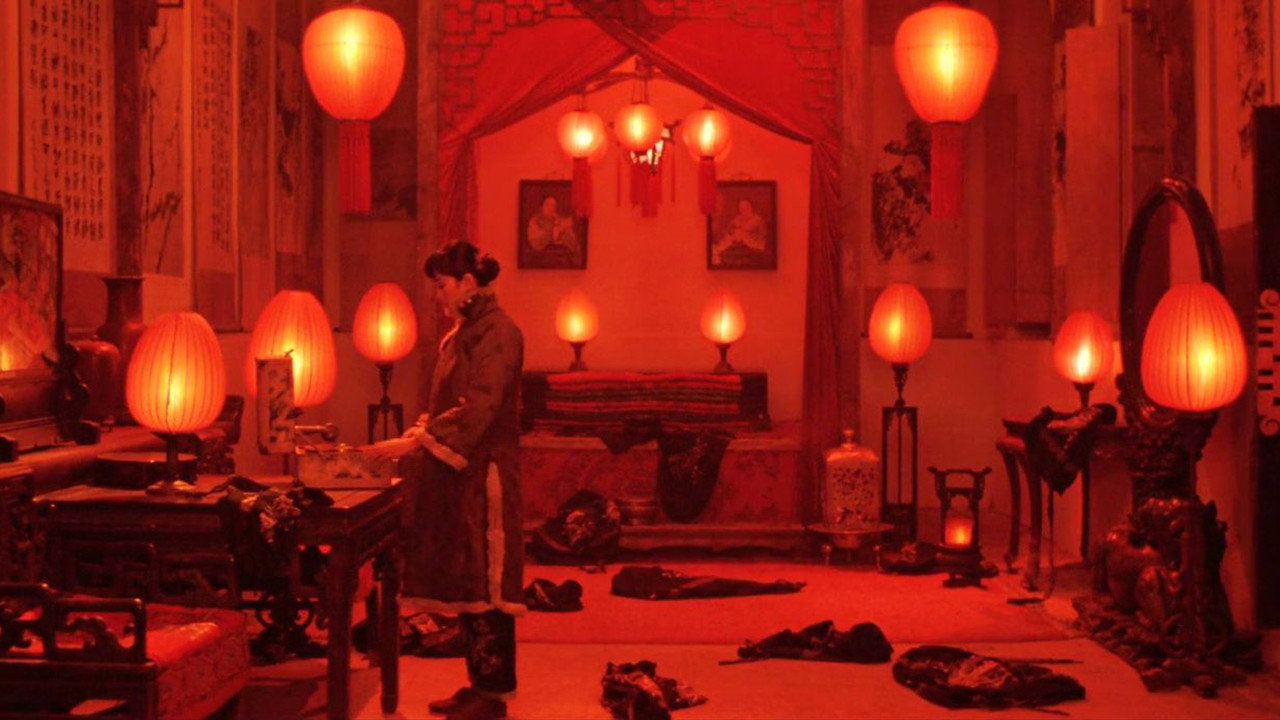
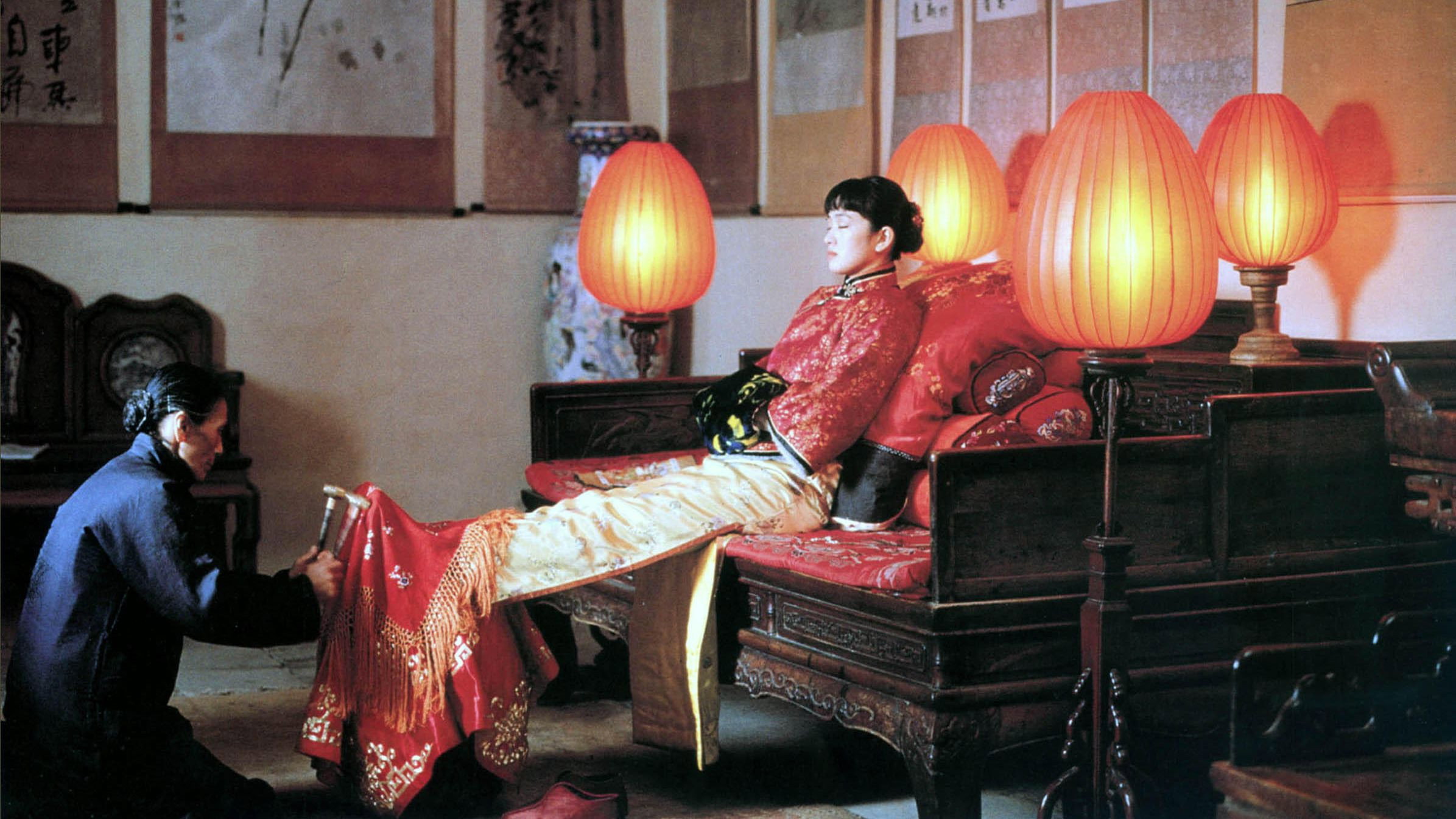
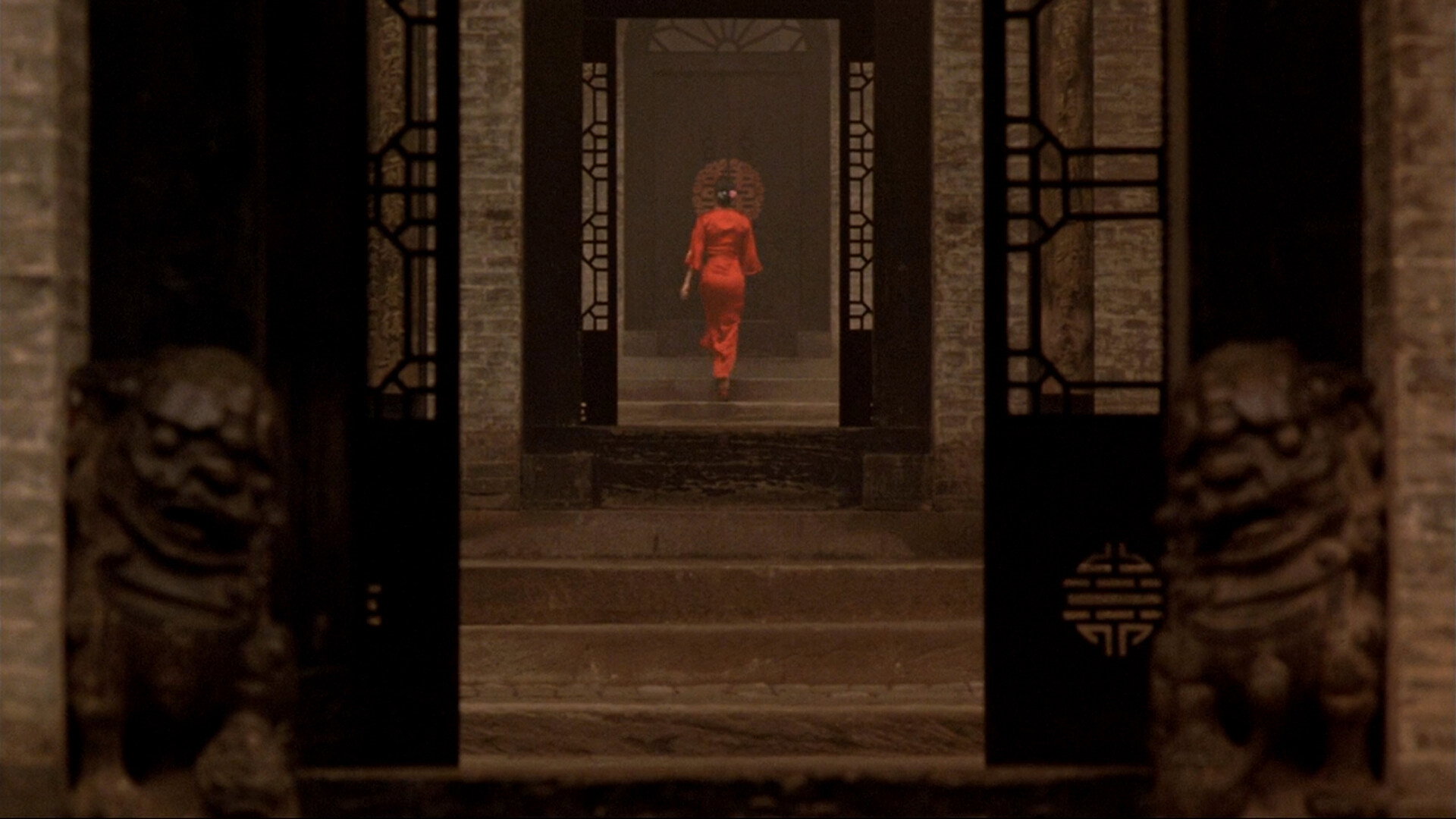
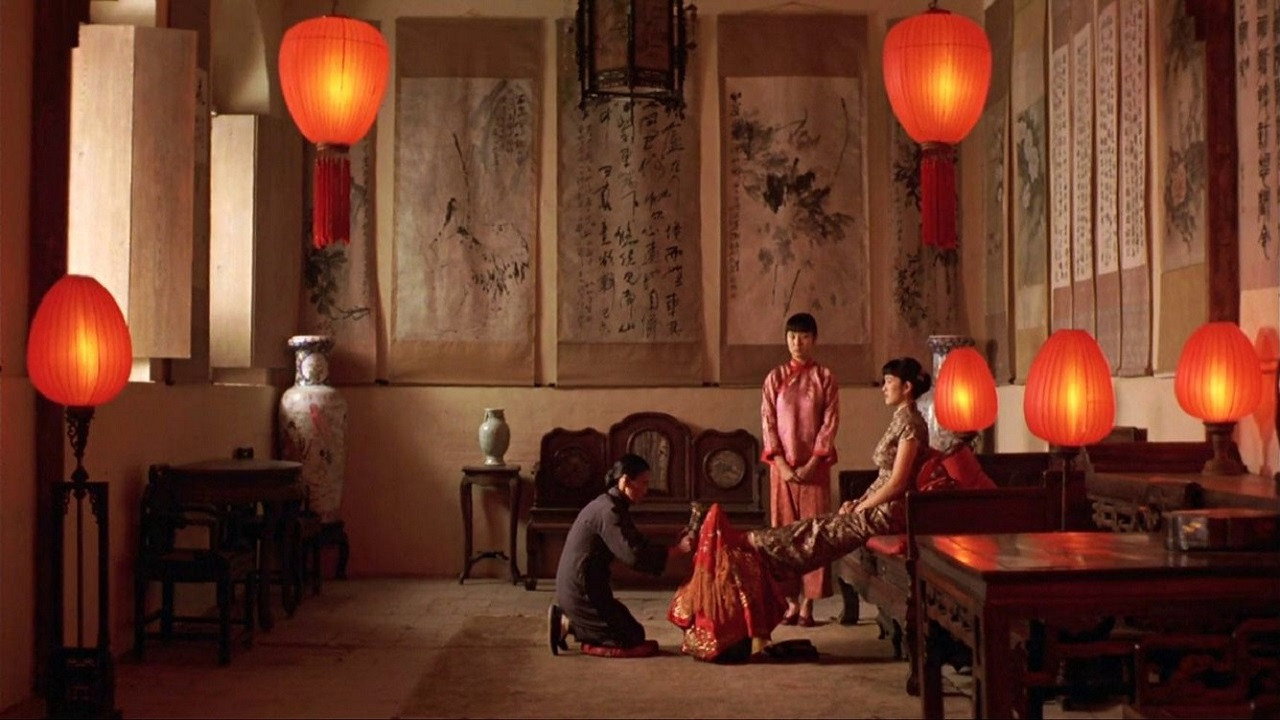
Cinematographers Lun Yang and Zhao Fei organise the household into still, symmetrical compositions, using strong colour with a deliberateness that can itself become unsettling. The careful framing makes the women’s confinement apparent before we have worked out all the relationships. We felt trapped by these ordered views of the household, with its inhabitants so precisely placed. The images remain beautiful, but spending time looking at them becomes an increasingly uncomfortable pleasure.
Du Yuan’s editing supports that patience, giving the domestic competition time to develop its own suspense. The pace asks us to pay attention to the women’s dealings with one another, and the acting rewards the attention. The music by Zhao Jiping and Naoki Tachikawa feels appropriate to a drama this emotionally severe, though the compositions do more to unsettle us. There is plenty of melodrama here, and Zhang lets us become thoroughly interested in who gains the advantage.
The precision can also become a limitation. Some compositions explain the women’s confinement so emphatically that they leave little for us to discover, and the rivalries occasionally feel as neatly arranged as the pictures. Zhang’s framing sometimes seems to settle what we should think about an encounter before the actors have finished it. Their performances are persuasive enough to resist that tidiness, but we would still have welcomed a little less insistence from the camera.
As a period drama, the film offers remarkably little comfort in the distance between its household and our own. Its account of male authority is clear, but the intrigue makes us interested in the immediate outcome of each contest. We can catch ourselves wanting someone to win an advantage that should never have depended on a man’s whim. That is an effective way to make the politics matter: the rivalries draw us into decisions we might prefer to judge from a safe distance.
At 125 minutes, it deserves an uninterrupted evening, especially because the stillness requires attention rather than simply rewarding a glance. Anyone put off by the prospect of a forbidding period piece should know how readily the household intrigue draws us in. Watch when there is time afterwards to disagree about the women, rather than simply condemn them.