Film review

The Handmaiden

2016 · Directed by Park Chan-wook · 2h 25m · MPA R

In a sentenceThe men have elaborate plans; the women have chemistry, which proves a considerable administrative nuisance

ThrillerDramaRomance

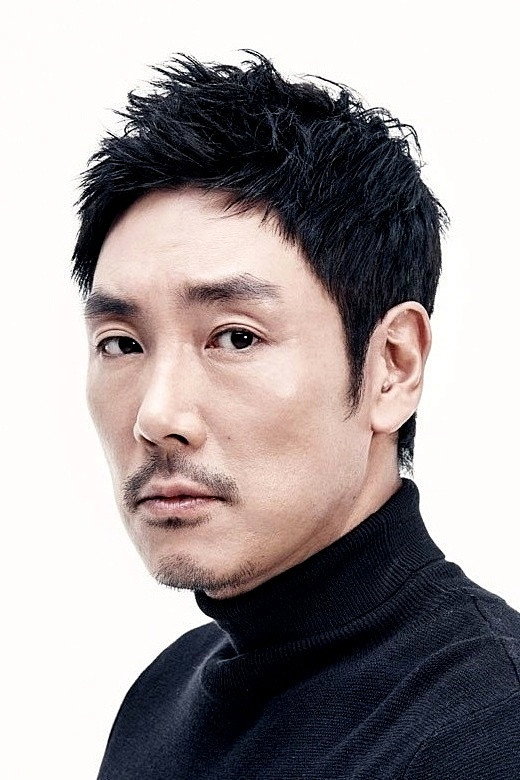
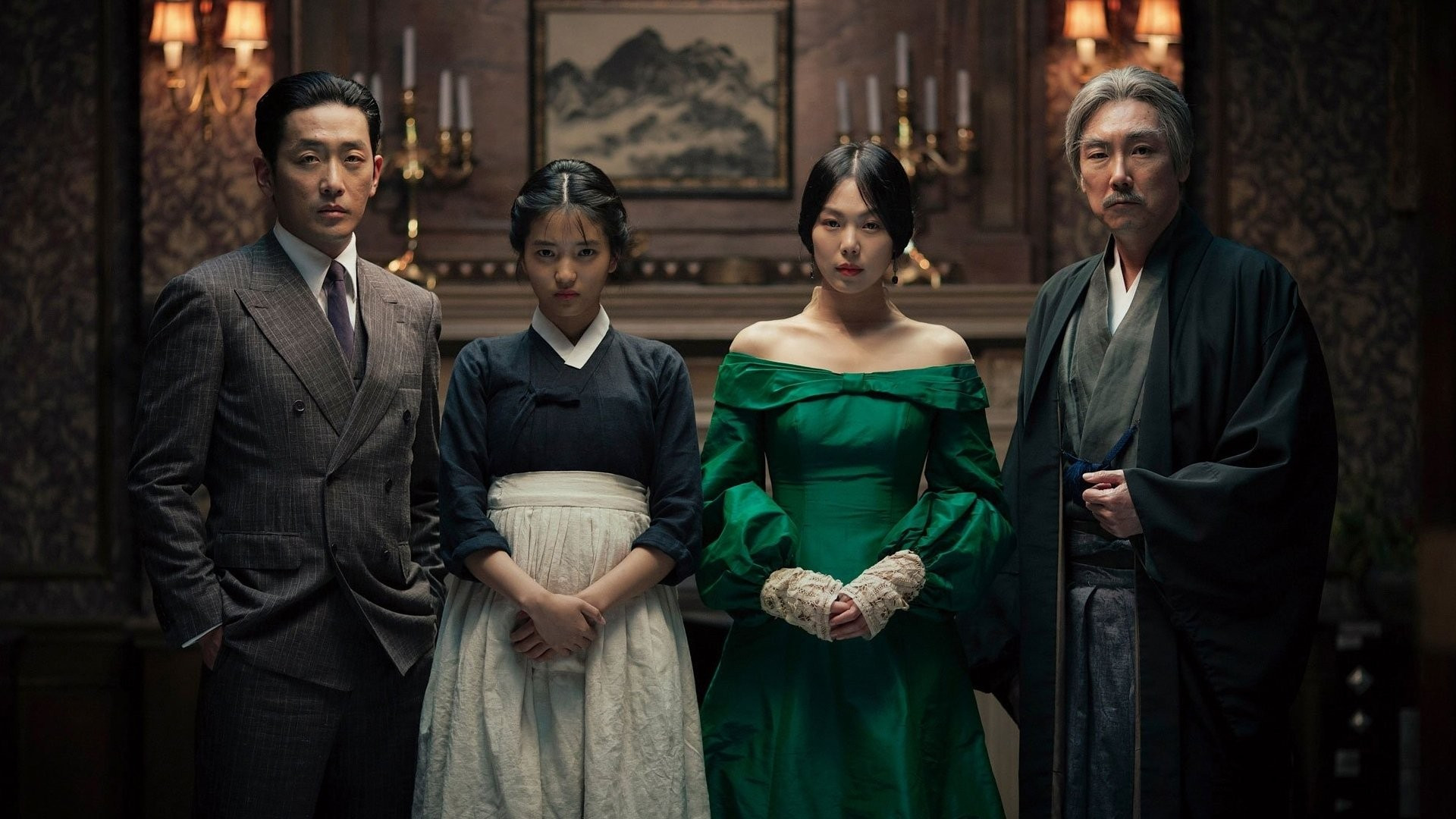
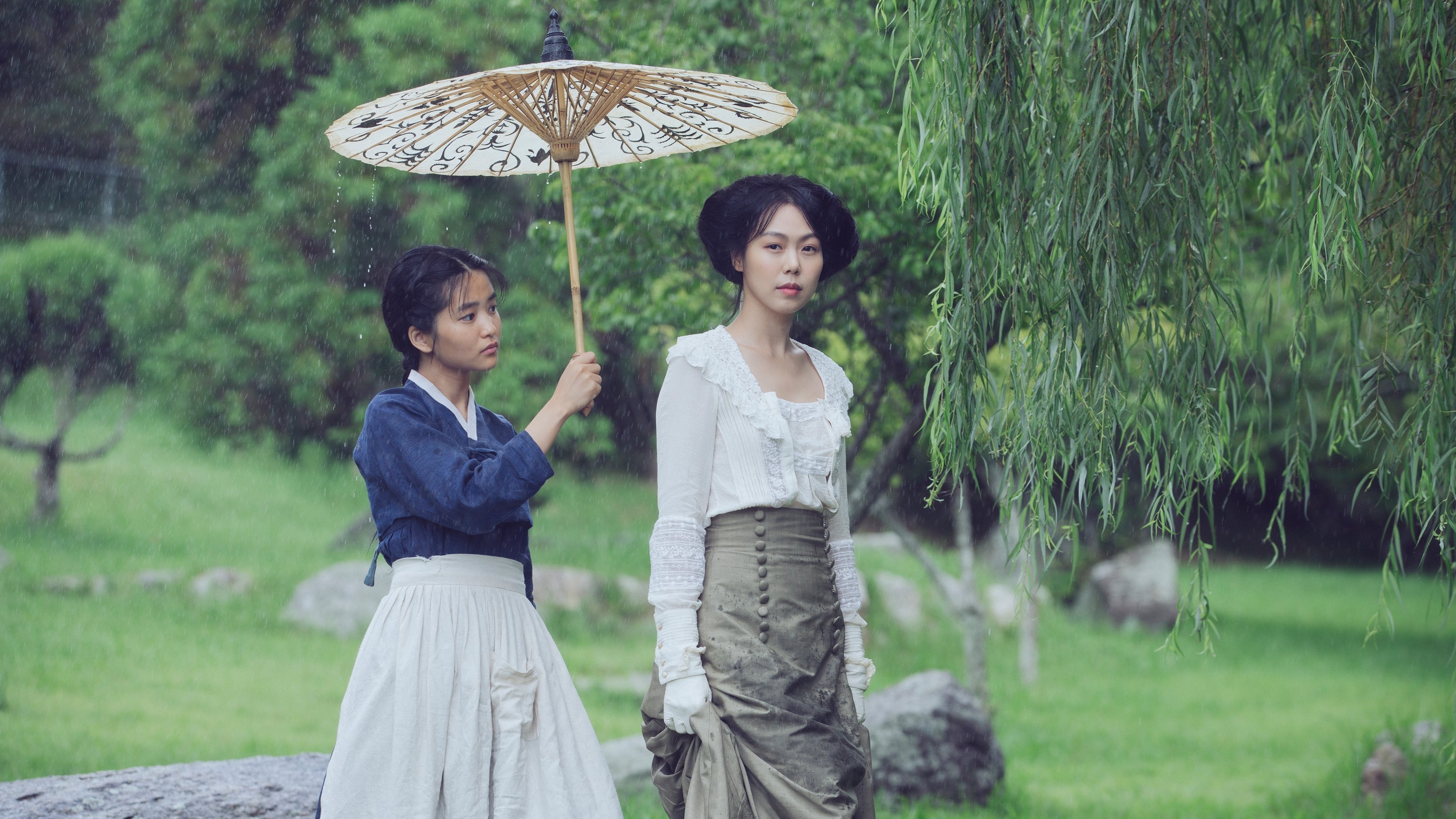
The Handmaiden is set in 1930s Korea under Japanese occupation, where a Gothic mansion provides the setting for a confidence trick involving a fortune. Lady Hideko (Kim Min-hee) and Sook-hee (Kim Tae-ri) are caught up in the plotting, alongside Count Fujiwara (Ha Jung-woo) and Uncle Kouzuki (Cho Jin-woong). As attraction develops between the women, questions of money, class and sexual control become harder to separate. Park Chan-wook adapts Sarah Waters’ novel Fingersmith, combining a crime story with a romance in which affection and calculation can be difficult to tell apart.

Plays from YouTube when you press play; nothing loads from them until then.

Fi1m review

Park Chan-wook makes a clever, funny erotic thriller whose romance survives all the plotting. Kim Min-hee and Kim Tae-ri give it feeling, even when the camera seems too pleased with what it can show.

Erotic thrillers can become tiresome when every touch has to announce danger. The Handmaiden has a better use for desire: it makes us care what happens to the people doing the deceiving. Park Chan-wook and co-writer Chung Seo-kyung adapt Sarah Waters’ Fingersmith into a clever, funny film with a romance worth taking seriously. The schemes are elaborate, but the attraction between the women gives us a reason to keep track of them.

Kim Tae-ri’s Sook-hee and Kim Min-hee’s Lady Hideko give that attraction enough warmth to compete with the narrative tricks. Neither performance feels confined to the business of keeping secrets, and their chemistry makes the possibility of trust interesting. We were more moved than we expected by the tenderness between them in the sex scenes. The actresses make curiosity about each other palpable; there are people here discovering what they want, even when Park is being conspicuously careful about how they look.

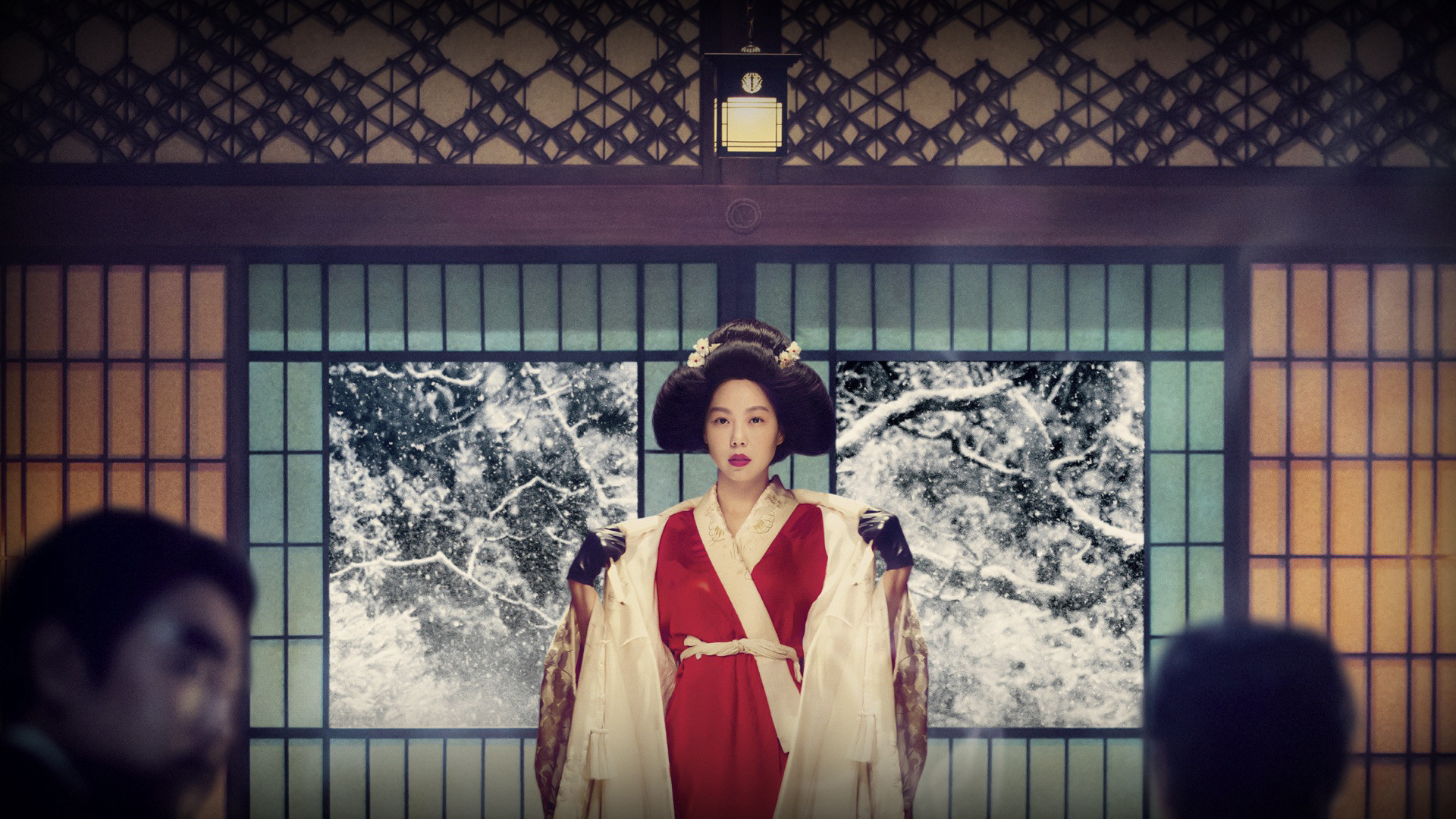
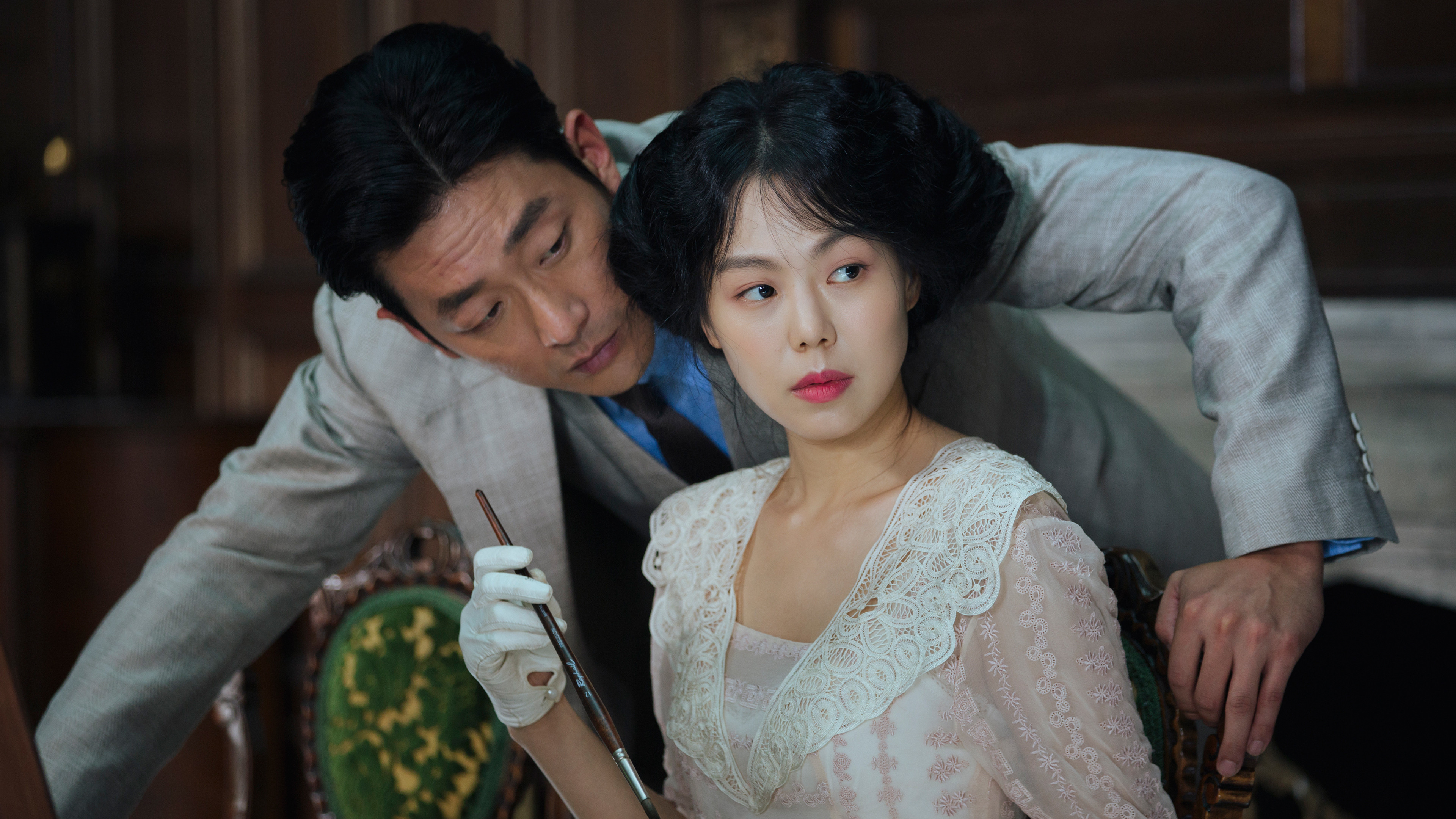
Ryu Seong-hie’s production design makes the Gothic mansion worth examining closely, with elaborate furnishings that give the eye plenty to do. The attention paid to possessions suits a story in which a fortune is at stake. Cho Sang-kyung’s costumes are equally useful: the characters’ concern with appearances extends to what they wear. Set in 1930s Korea under Japanese occupation, the film makes class and Korean-Japanese relations part of its account of who gets to exercise control.

Chung Chung-hoon’s cinematography gives clothes, objects and bodies a similarly exacting scrutiny. That makes the film pleasurable to look at, and occasionally exposes its chief weakness. Park wants the women’s desires to matter, yet some of the sex is arranged so insistently for inspection that the performers’ intimacy has to compete with the camera. We do not object to its explicitness. We object to the moments when looking at the women seems to interest the film more than letting them respond to each other.

Editors Kim Jae-beom and Kim Sang-bum keep the complicated plotting clear enough that following it remains a pleasure. There is time to enjoy a discovery before the film asks us to prepare for another. At 145 minutes, it does occasionally linger over a complication after its interest has passed, though the humour helps. Jo Yeong-wook’s score supports the romance through all this manoeuvring, encouraging us to take the feelings seriously even when the plot is being mischievous.

The wit belongs to the characters as well as the plotting, and Park avoids making the women’s attraction a joke. His relish for the grotesque is less consistently helpful, sometimes making the struggle against male control feel crudely drawn. The writing is sharper when people are trying to outwit one another and cruelty has not taken over the scene. The women’s performances usually restore some feeling before the nastiness becomes tiresome.

Set aside an evening when there is enough patience for an intricate thriller. The explicit sex and cruelty deserve attention as caveats, especially if the period romance is the main attraction. Choose it with someone who enjoys a love story but does not require the people in it to behave respectably.

Critical consensus AI synthesised

83
Positive
20
Mixed
1
Negative
0

Most critics greet The Handmaiden with strong enthusiasm, praising Park Chan-wook’s intricate storytelling and the feeling that survives all its deceptions. Praise clusters around the lead performances and their sexual chemistry, with many reviews finding a persuasive romance beneath the elaborate thriller. The photography, costumes and interiors draw repeated approval for making the film’s decadence tangible. Critics also value its dark humour and the way its changes of perspective keep the plotting surprising yet coherent.

Reservations centre on what the erotic imagery means for the women it depicts. Variety offers the clearest dissent, arguing that eroticised cruelty and misogyny submerge the theme of female rebellion; Sight and Sound also questions whether the leads are objectified. Time Out raises pacing issues and mixed messages despite admiring the love story and visuals. The spread is chiefly between qualified approval and outright enthusiasm, but the disagreement over the film’s sexual politics is substantial.

The i Paper
13 April 2017 · ★★★★★ · Matthew Turner
100

Park Chan-wook’s ingenious adaptation of Fingersmith is unmissable, a lushly photographed, dizzyingly erotic thriller full of delicious twists. The critic singles out the palpable sexual chemistry between the leads and the extraordinarily beautiful cinematography.

Read the full review →
Empire
3 April 2017 · Andrew Lowry
90*

Park Chan-wook has followed up Stoker with what might be his best film, a superlative thriller and deeply erotic character study. The critic singles out the intelligence, mordant wit and depth of characterisation as the real turn-ons.

Read the full review →
Evening Standard
21 November 2017 · Matthew Norman
90*

This is a masterwork more than the sum of its dazzling parts, confirming the awesome redemptive power of love. The critic singles out the intricate details and twists that make it impossible to pigeonhole and tempt a second viewing.

Read the full review →
The AV Club
20 October 2016 · A- · A.A. Dowd
90

The fiendishly clever con-job melodrama keeps yanking the rug out from under everyone, yet it is also the year’s most genuinely romantic movie. The director’s gonzo adaptation locates moving human feeling and a feminist edge amid the twists and explicit set pieces.

Read the full review →
Vulture
28 October 2016
90*

Park delivers a lush, romantic, crowd-pleasing melodrama that channels his perversity with discipline and style. The year’s most irresistible romance emerges from the women’s sparks and the film’s formal constraints, turning oppression into wellsprings of love.

Read the full review →
The New Yorker
20 October 2016 · Anthony Lane
85*

Park's film is his most delectable to date, an illicitly suave puzzle that takes pleasure in fooling with the characters' intricate plans and the audience's minds. It is drenched in longing and desire through role reversals and the leads' performances.

Read the full review →

Cast

Stills

If you liked this, try…

Bound poster80

Bound

1996 · Another ingenious crime romance in which attraction between women makes the plotting matter.

The Servant poster

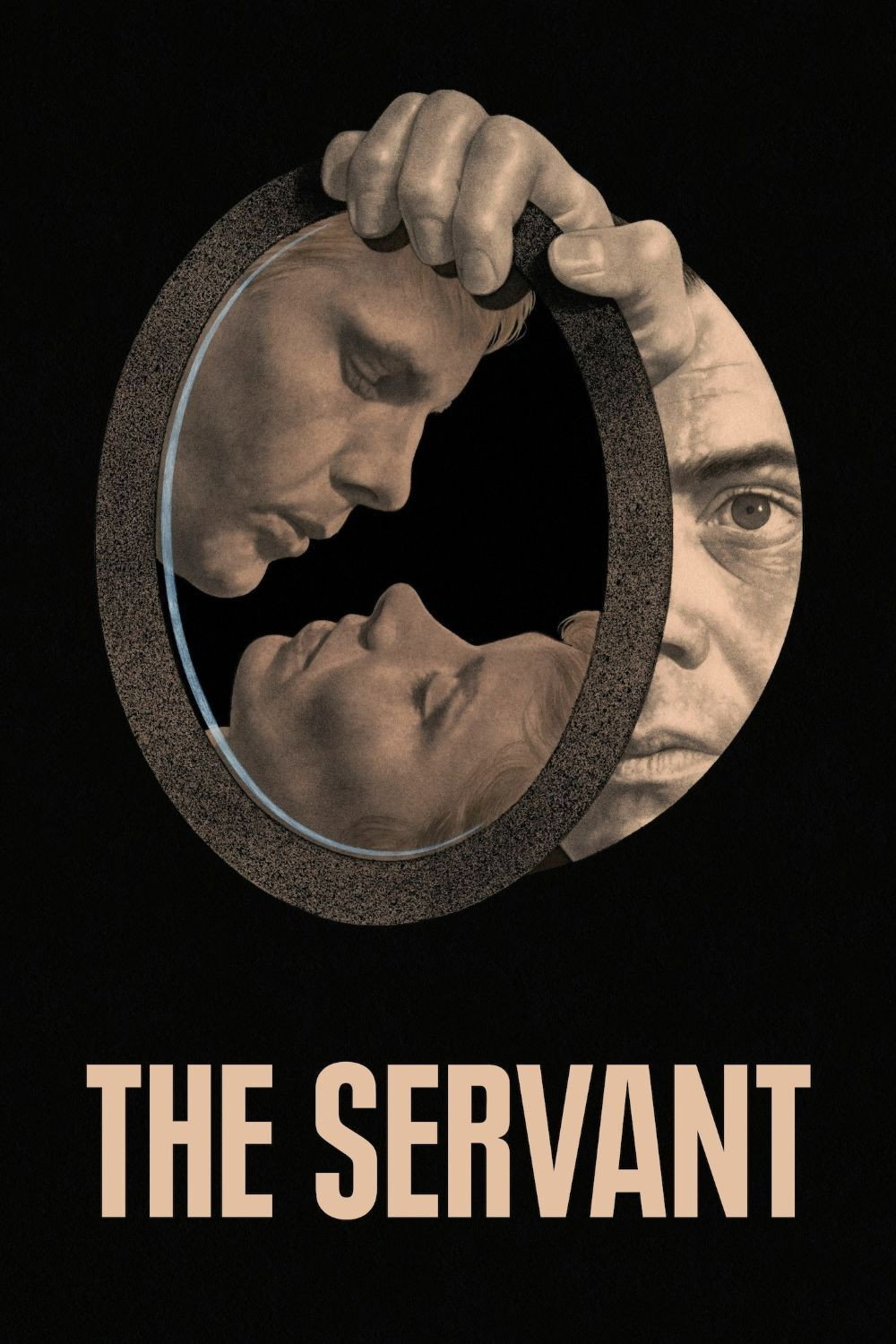
The Servant

1963 · For class resentment and shifting control inside another carefully furnished, deeply unhealthy household.

Diabolique poster

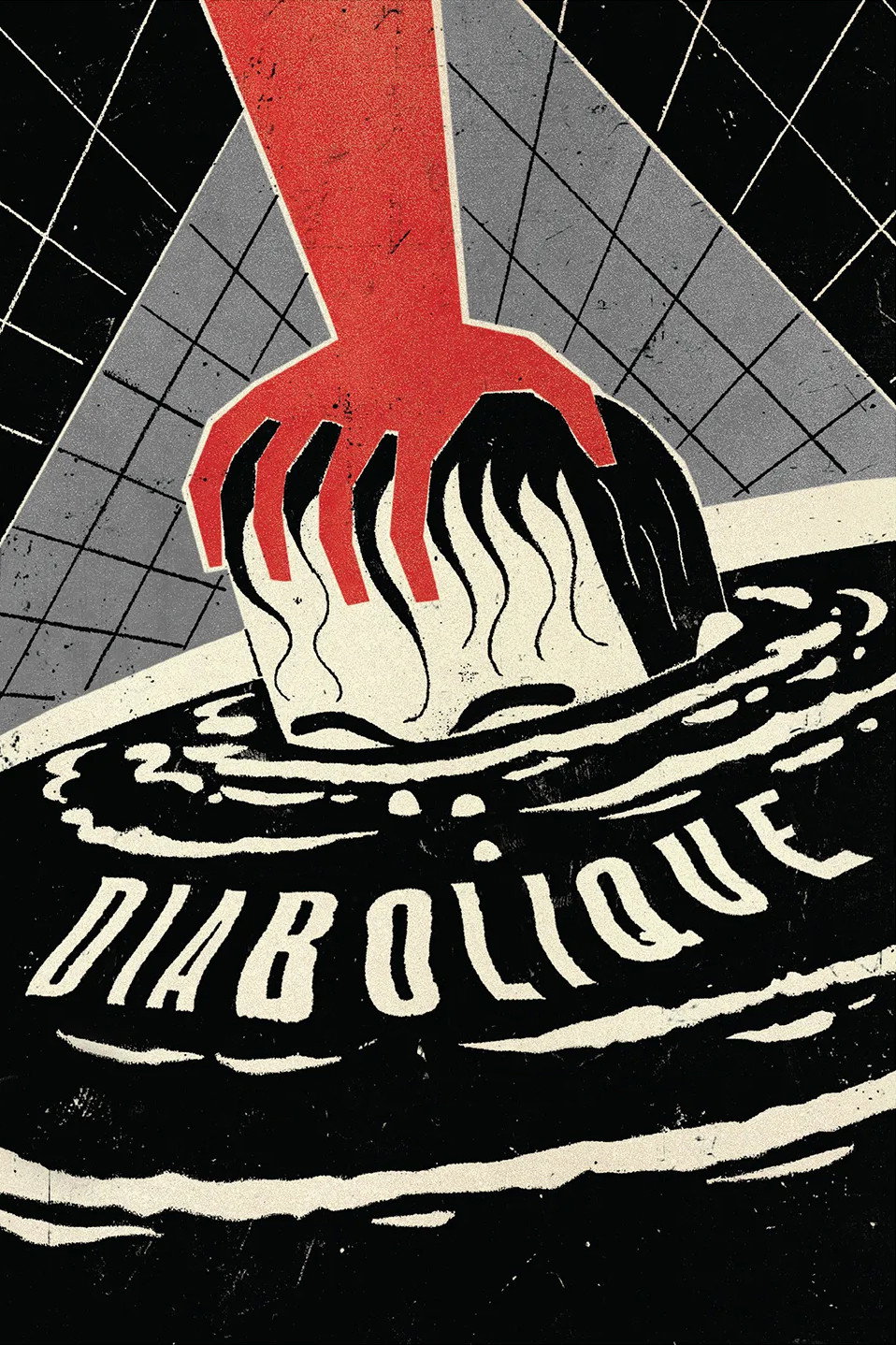
Diabolique

1955 · A colder conspiracy thriller, with patience, cruelty and close attention to women’s alliances.

Lust, Caution poster

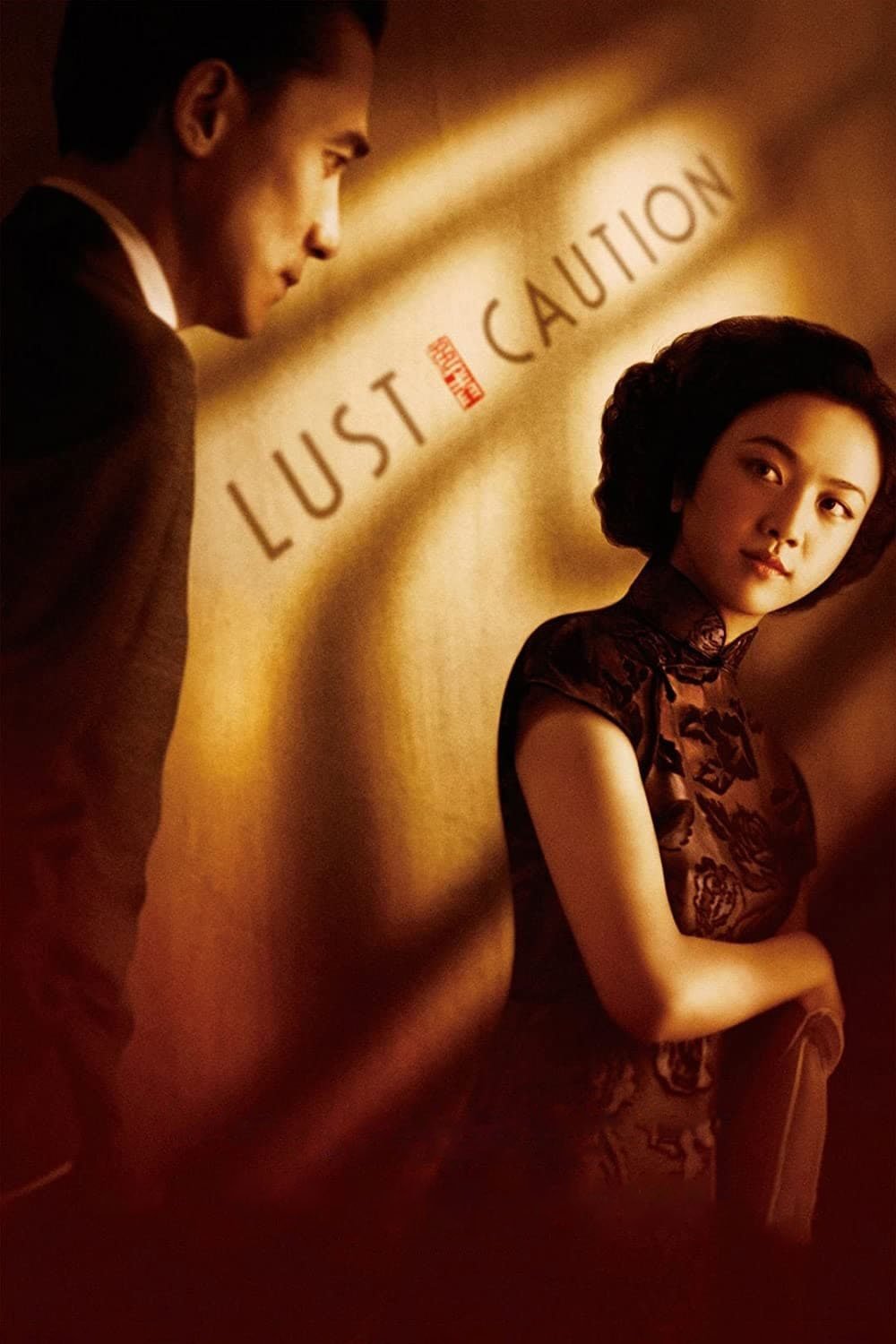
Lust, Caution

2007 · Desire complicates deception again, with political loyalties making intimacy still more dangerous.

The Duke of Burgundy poster

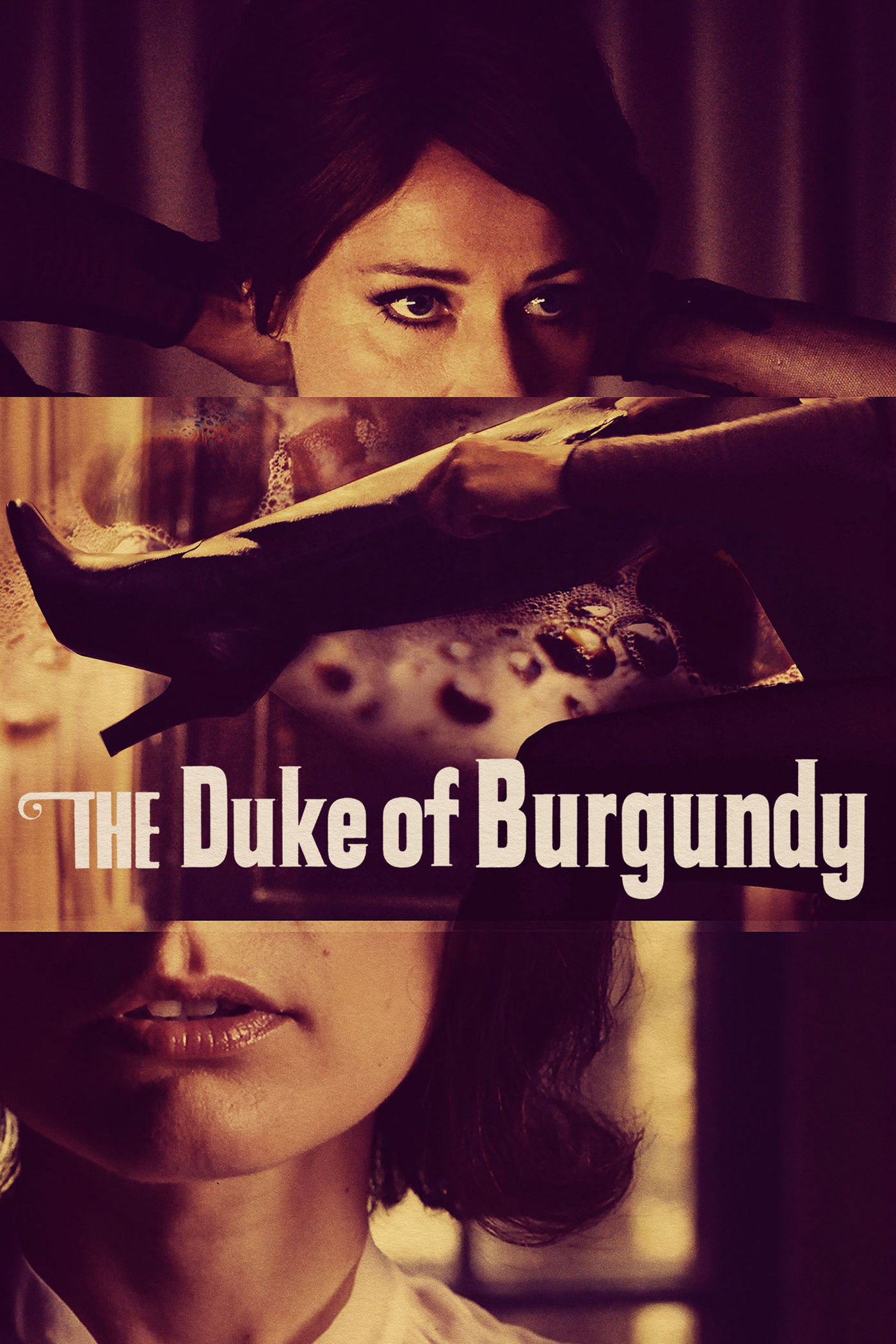
The Duke of Burgundy

2014 · An erotic drama attentive to the work involved in keeping a fantasy alive.