Peter Strickland’s tender, dryly funny romance understands how tiring it can be to fulfil a lover’s fantasies. Sidse Babett Knudsen makes that effort moving, though the repeated rituals sometimes test our patience as well as hers.
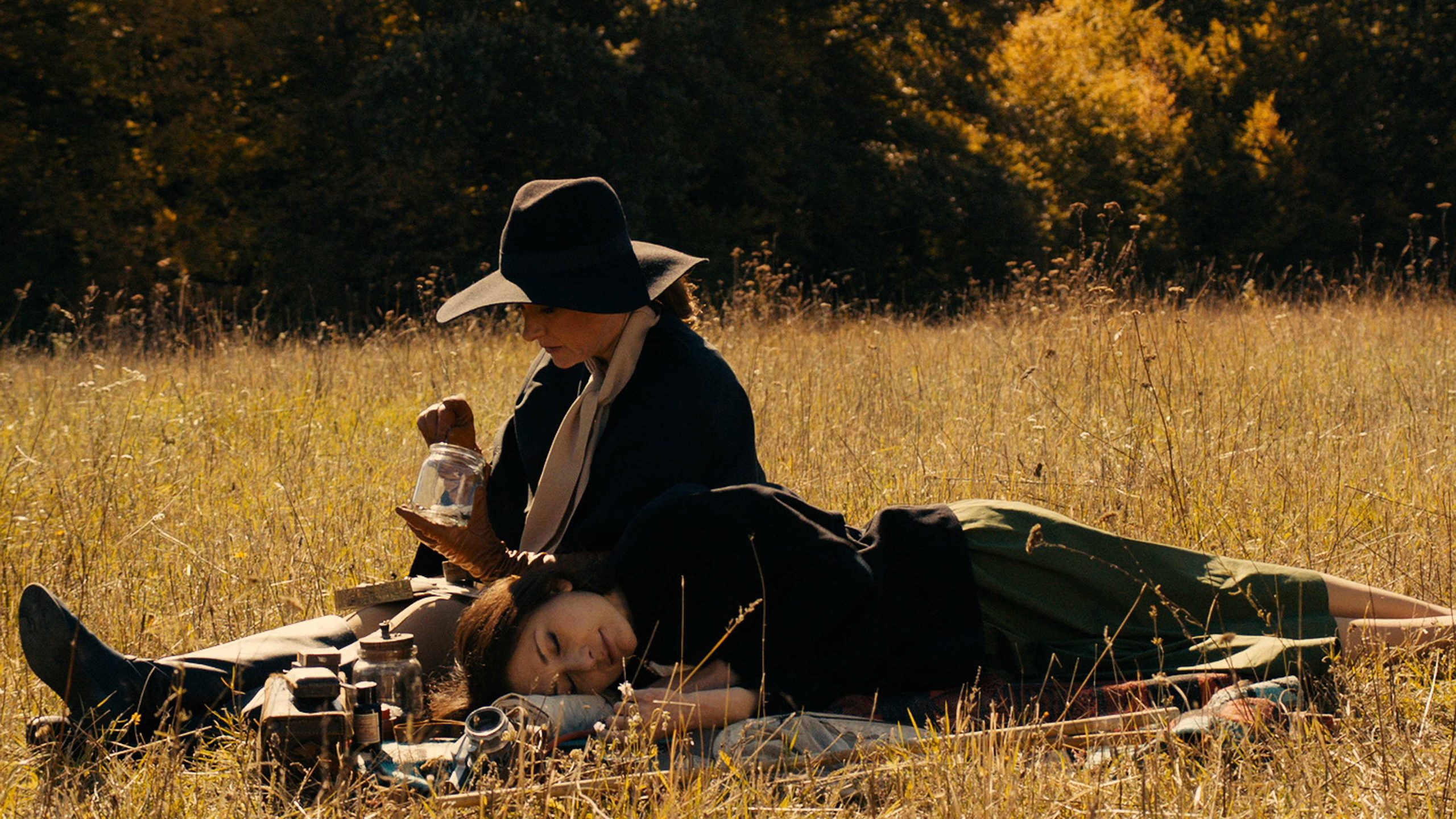
The Duke of Burgundy is a funny, patient romance about the effort of giving a lover what she wants, and we recommend it with one reservation about its pace. Peter Strickland borrows the secluded setting and elaborate sexual rituals of older European erotica, then pays close attention to how exhausting those rituals can become. Cynthia and Evelyn have a shared life organised around insects and domination. The butterflies and moths are unusual; the problem of mismatched appetites is easy enough to recognise.
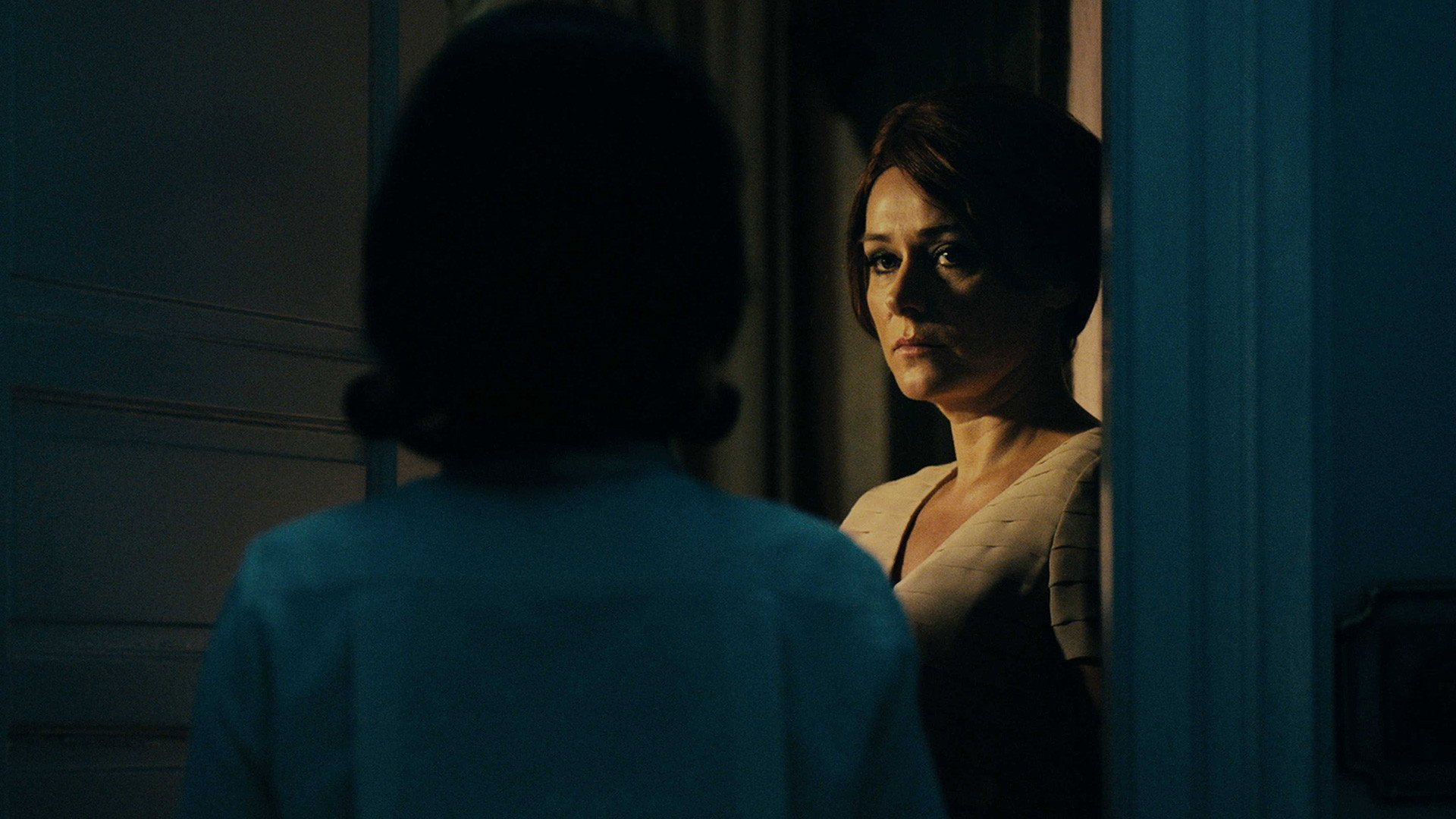
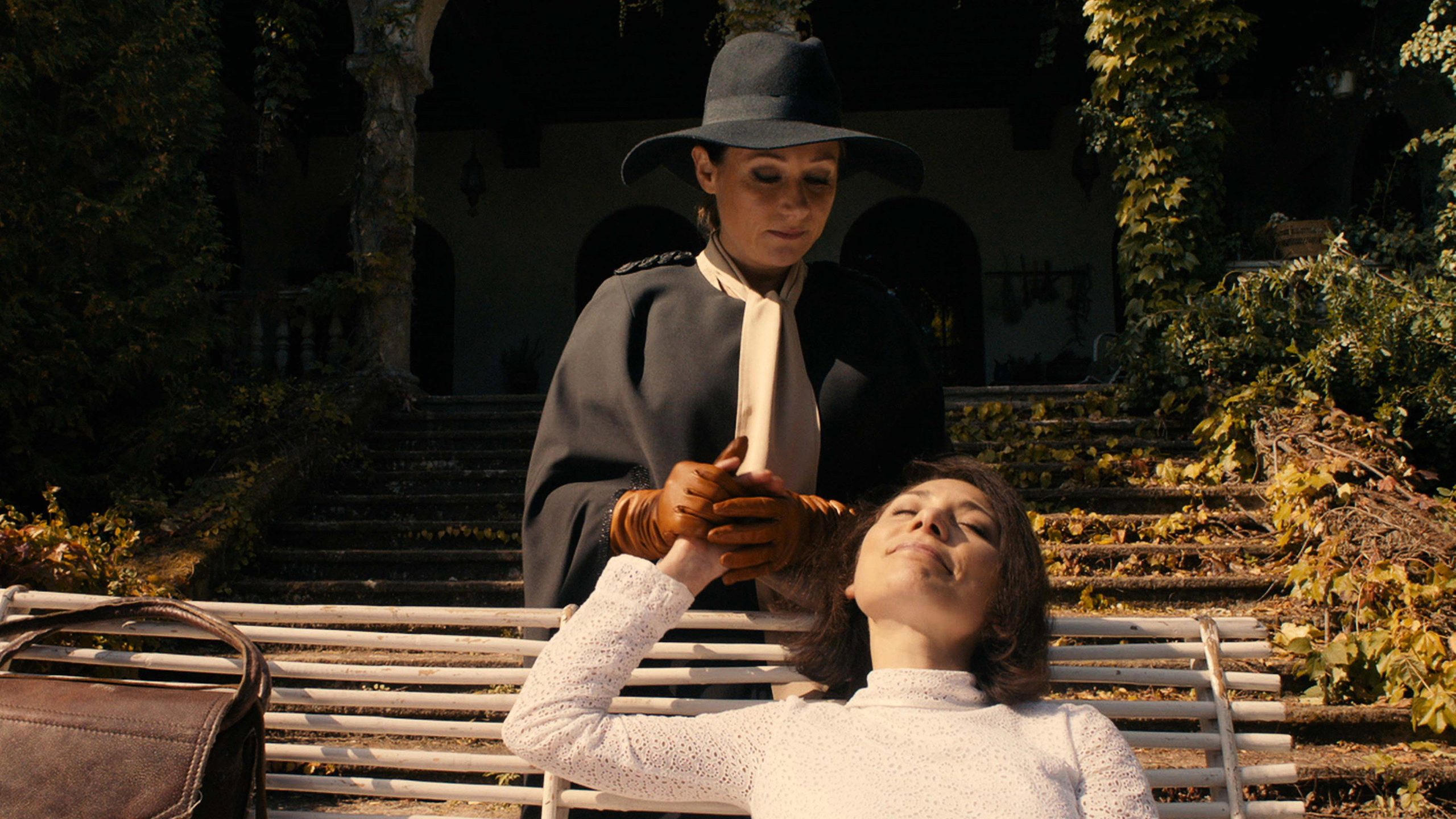
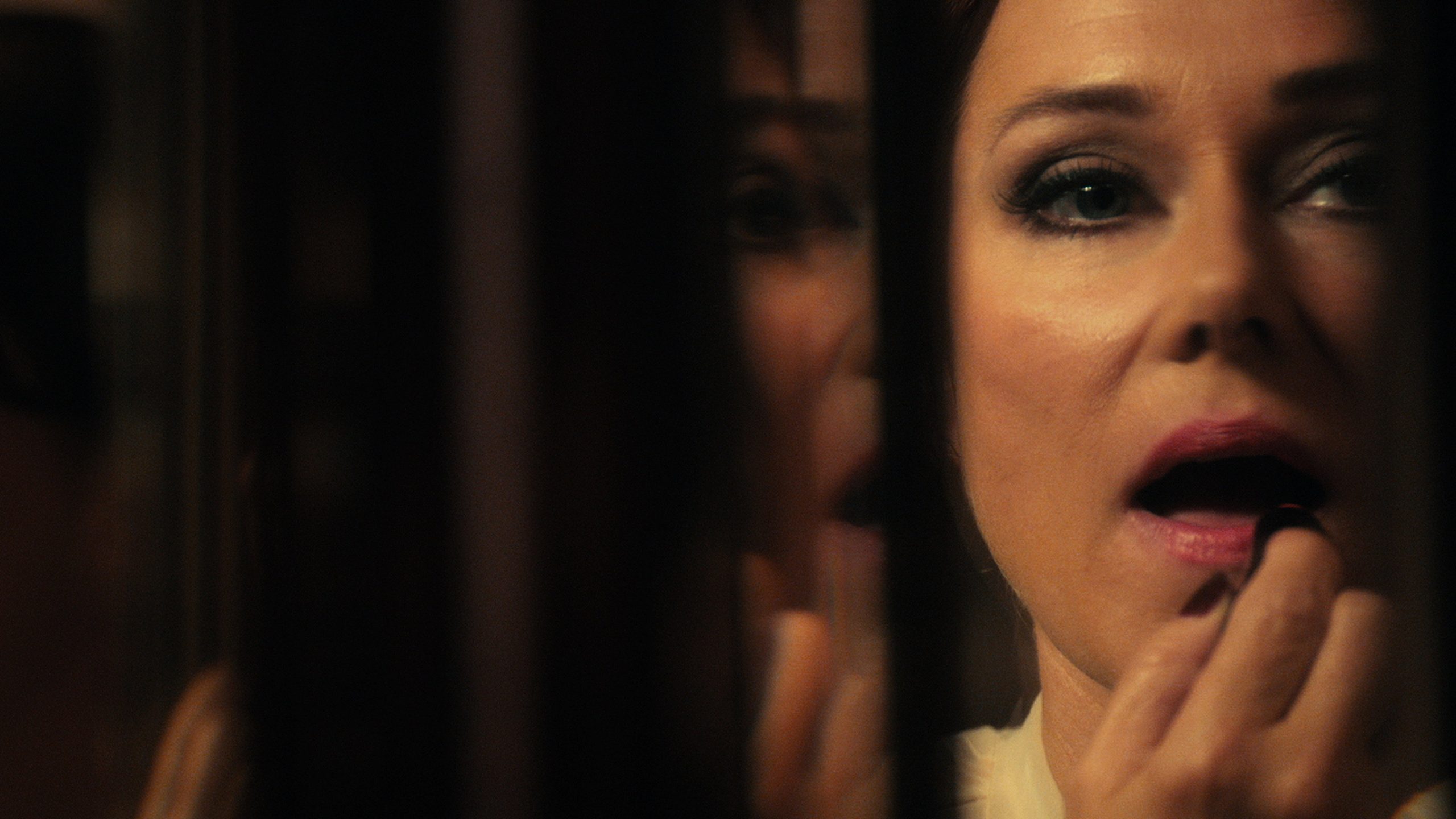
Cynthia, played by Sidse Babett Knudsen, has the commanding role, while Chiara D’Anna’s Evelyn submits with a commitment that can itself become demanding. We were moved by Cynthia’s effort to keep playing the severe lover. Sidse Babett Knudsen makes her reluctance visible without suggesting that her affection has disappeared, which is why the role-playing begins to hurt. Chiara D’Anna gives Evelyn’s desires enough conviction that we can understand the pressure without treating her as a joke. Neither performance asks us to pick the reasonable woman and dismiss the other.
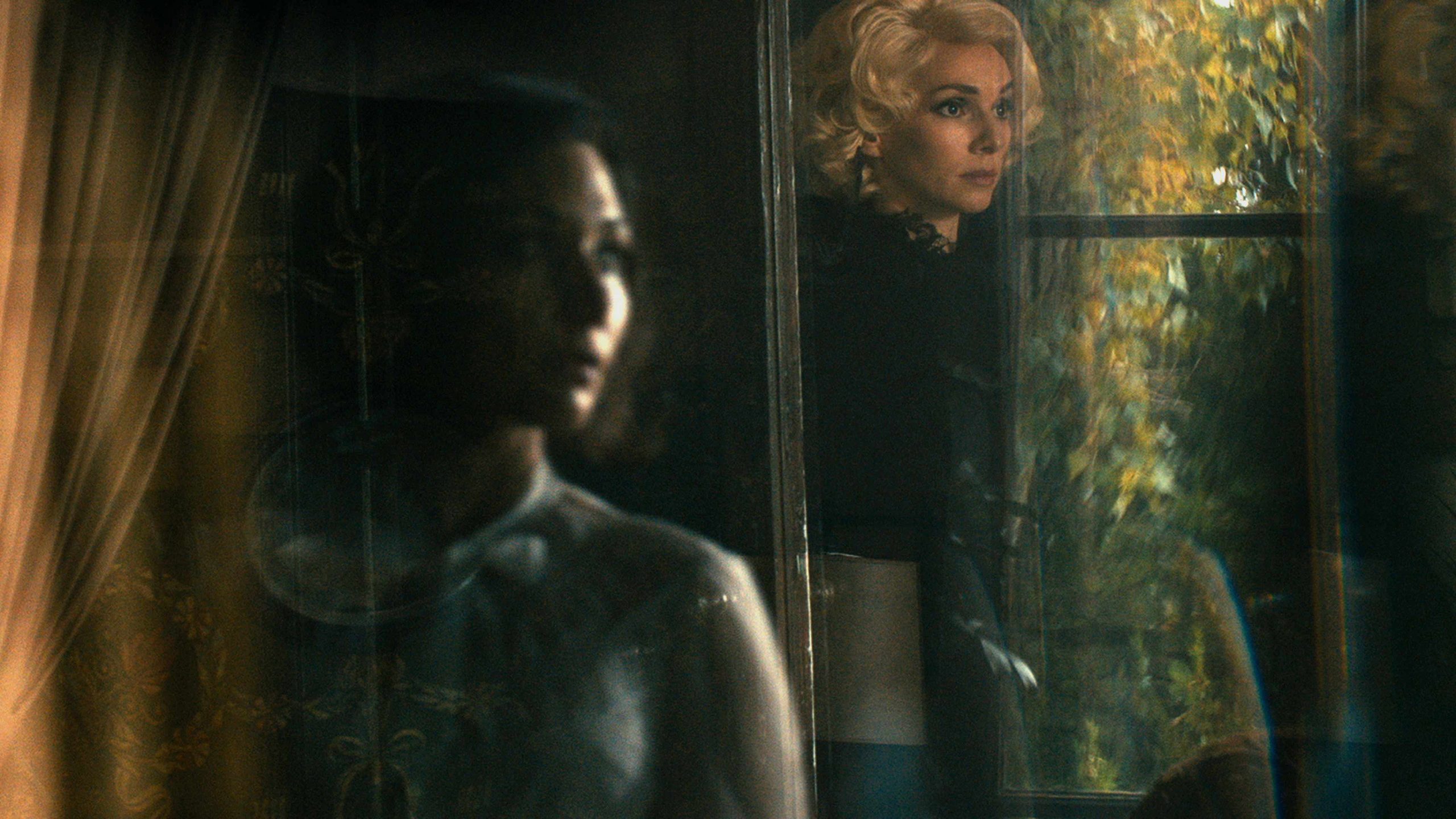
Nic Knowland’s soft-focus countryside gives the lovers a setting that seems removed from ordinary working life. Inside the gothic villa, Pater Sparrow’s production design makes the couple’s elaborate routines look entirely at home, which helps the comedy: nobody appears to have noticed how peculiar any of this is. The all-female community of insect specialists extends that impression beyond the couple. Peter Strickland lets us accept its rules without stopping to explain how such a place came to exist.
Andrea Flesch’s costumes make dressing for the role part of the effort involved in pleasing a partner. The music by Faris Badwan and Rachel Zeffira encourages us to linger in this secluded place, and its seductive mood initially makes the repetition welcome. The care spent on clothes, rooms and sound is pleasurable in itself. It also gives the actors something to resist: the characters’ fatigue can disturb an atmosphere otherwise arranged for pleasure.
Matyas Fekete’s editing makes the repeated encounters useful, inviting us to notice how much effort goes into reproducing the same experience. Familiarity gradually allows irritation and disappointment to become more apparent. There is a limit to what that can achieve, and the middle stretches beyond it. We have understood the strain on Cynthia before the film has finished demonstrating it, so some repetitions add duration without adding much feeling. At 104 minutes, this is not a long film, but its unhurried pace occasionally feels like an obligation to remain entranced.
The writing is kinder and funnier than the premise may suggest. Peter Strickland finds comedy in the practical difficulty of making a fantasy happen repeatedly, without assuming that unusual desires make the people who have them ridiculous. That matters in a film borrowing so much from 1960s and 1970s European erotic cinema, where elaborate style could easily become the entire attraction. Here the performances keep returning us to a recognisable question: how much should someone do for a lover before asking for something different?
The lack of nudity is worth knowing, especially if the premise has suggested a more explicit evening. The interest lies in watching these women negotiate what they want, and in the discomfort when the pleasure is unevenly shared. We would allow the film its slow passages for the attention it gives that difficulty. Choose it for a romance in which being devoted to someone does not make keeping them happy any easier.