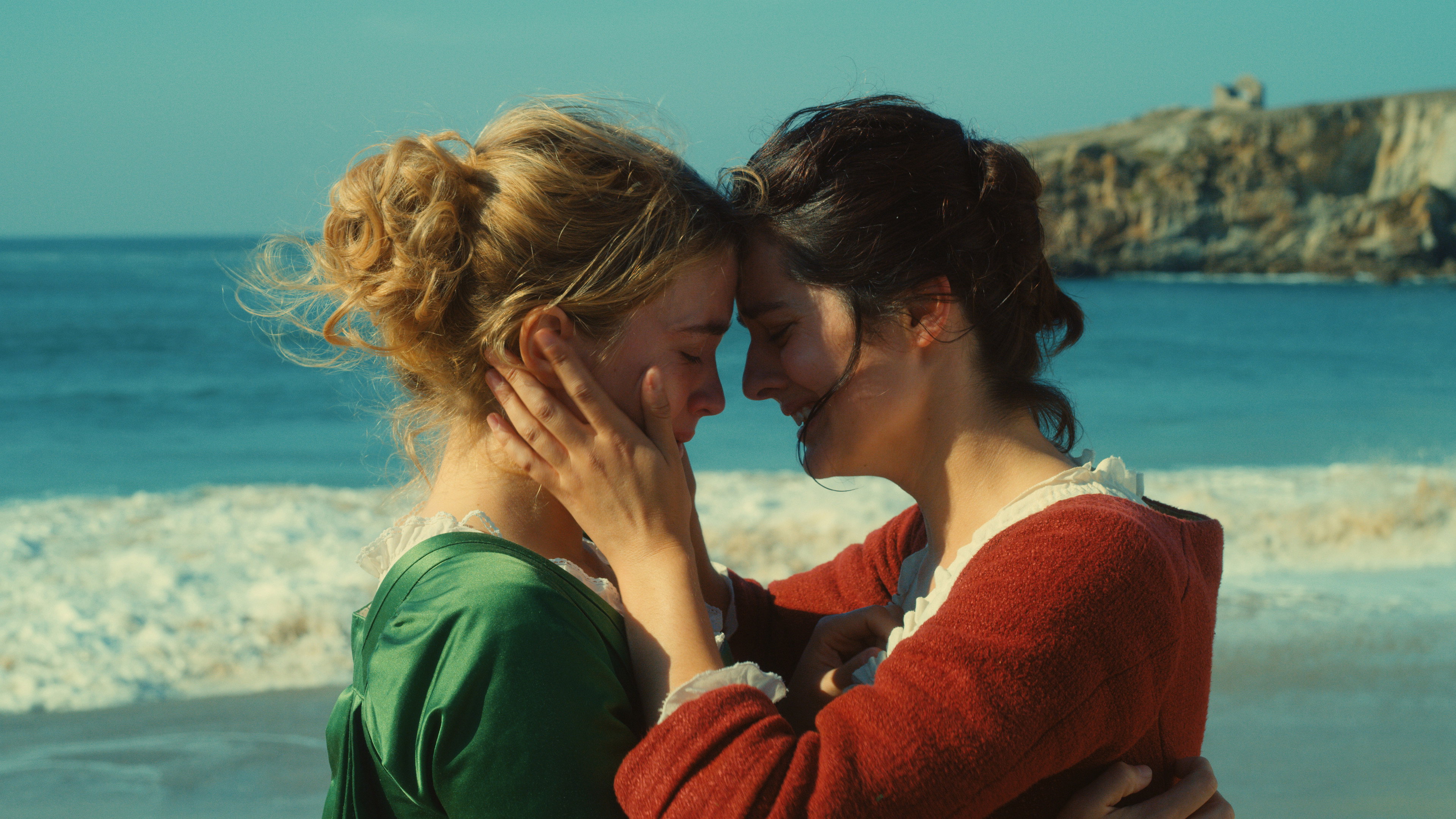
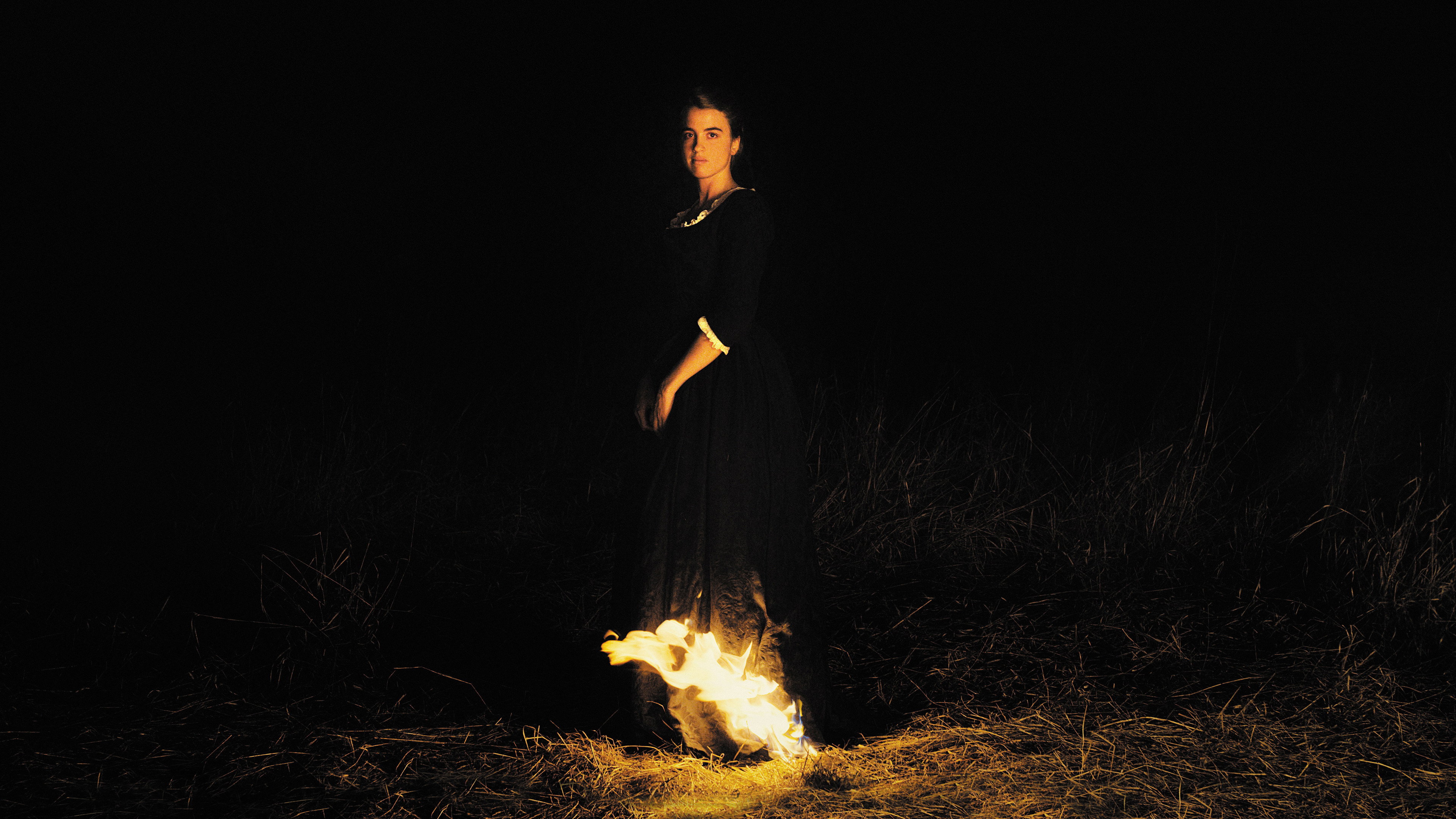
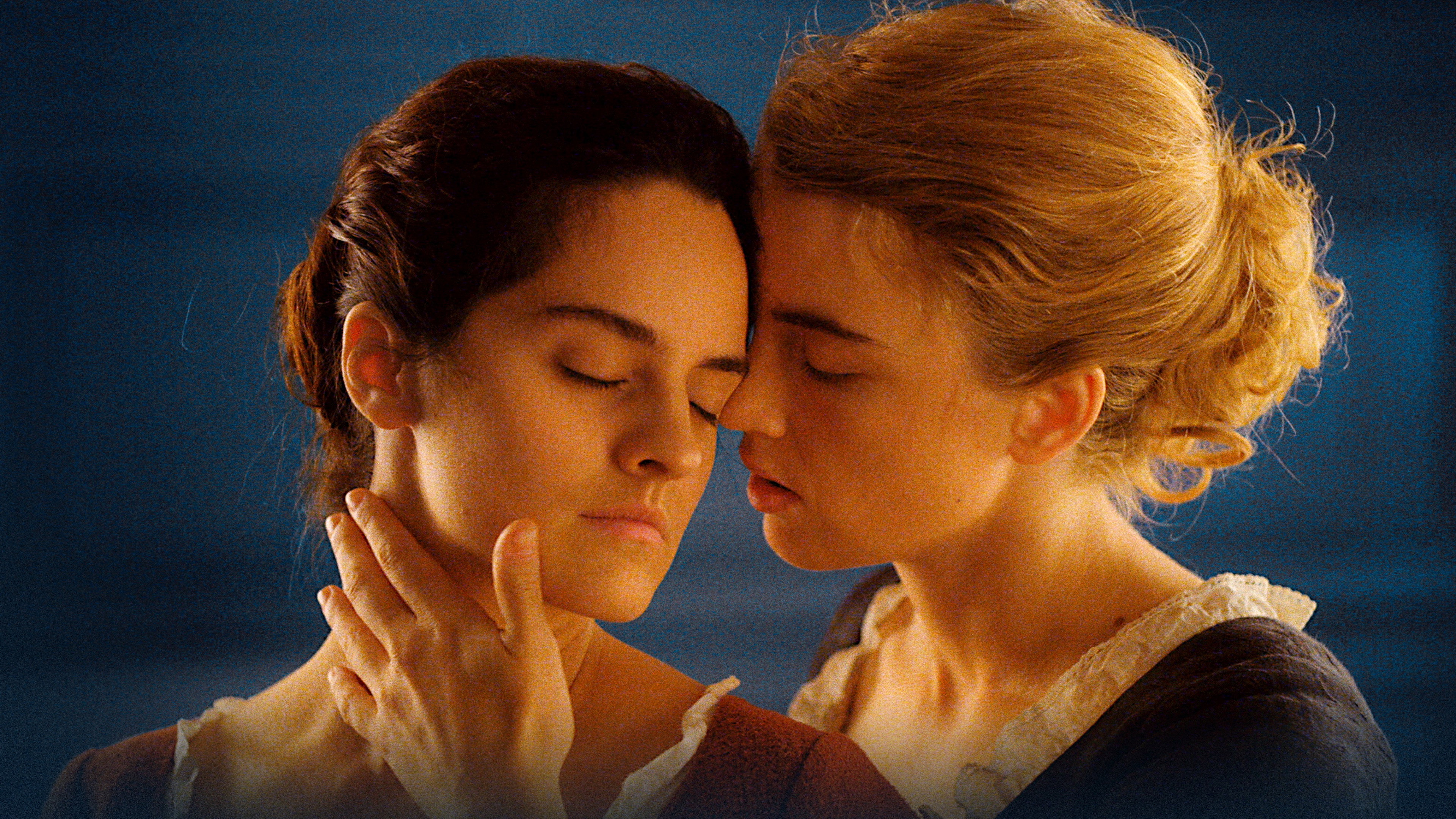
Céline Sciamma makes the exchange of looks between an artist and her subject unusually absorbing, helped by Noémie Merlant and Adèle Haenel. Its restraint can feel over-managed, but the tenderness earns the attention it asks for.
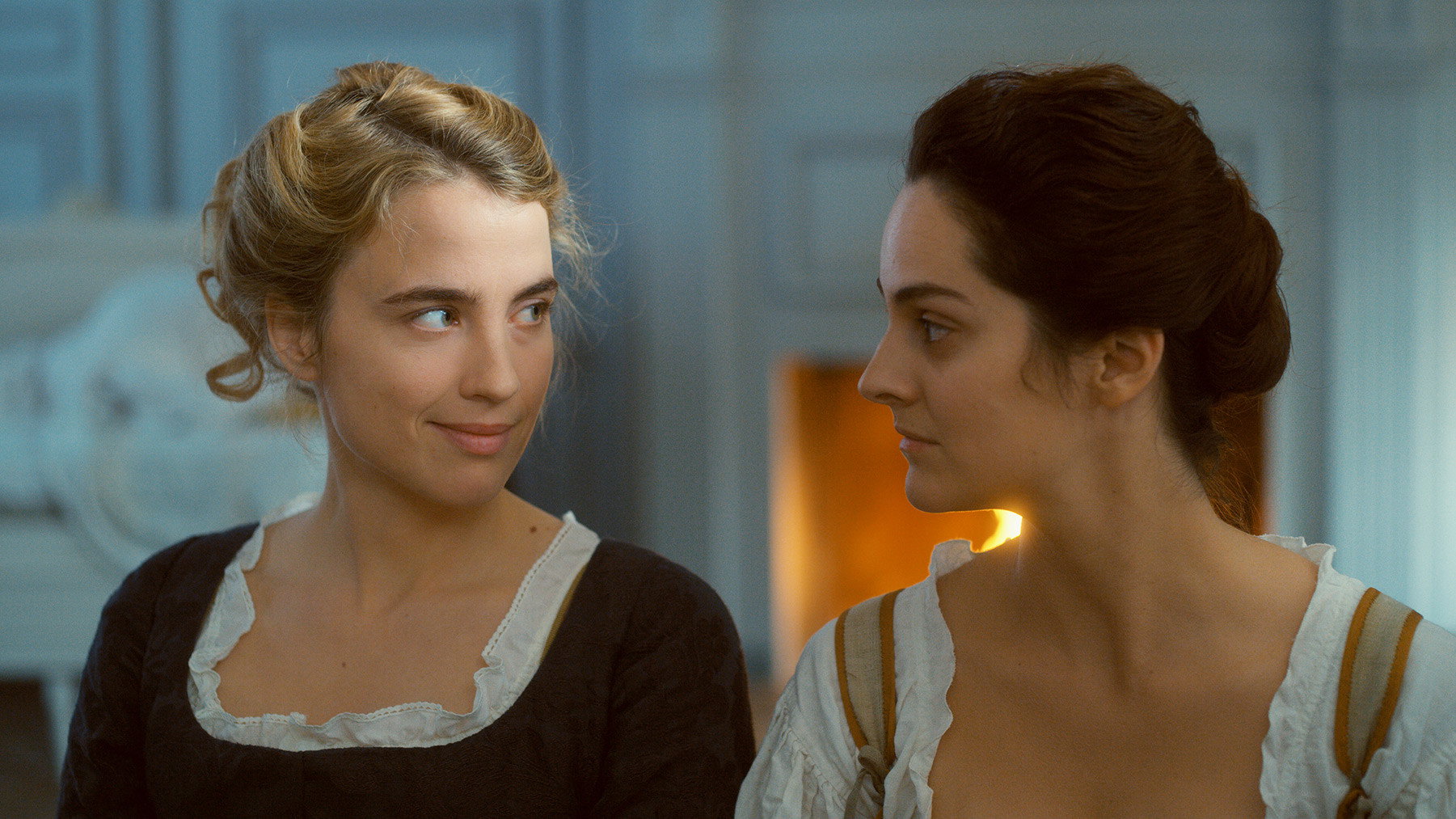
Portrait of a Lady on Fire is a deeply affecting romance, provided we accept how slowly Céline Sciamma wants an acquaintance to become intimate. An artist studies a woman for a portrait, and the woman studies her in return. The director, who also wrote the screenplay, makes that exchange carry a great deal: attraction, professional judgement and the awkwardness of discovering that someone has been paying attention. The pleasure lies in being allowed to notice these things before anyone puts them into words.
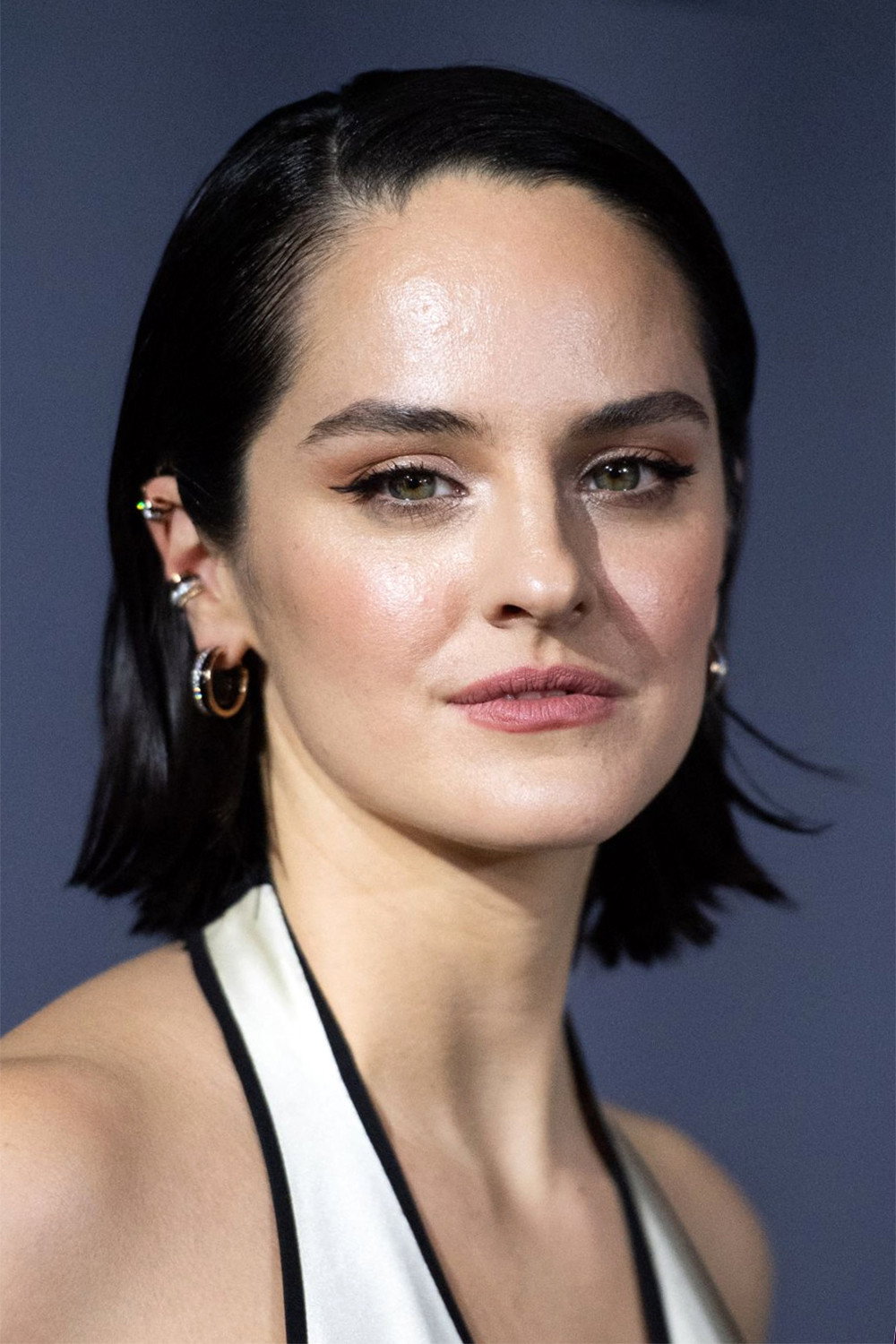
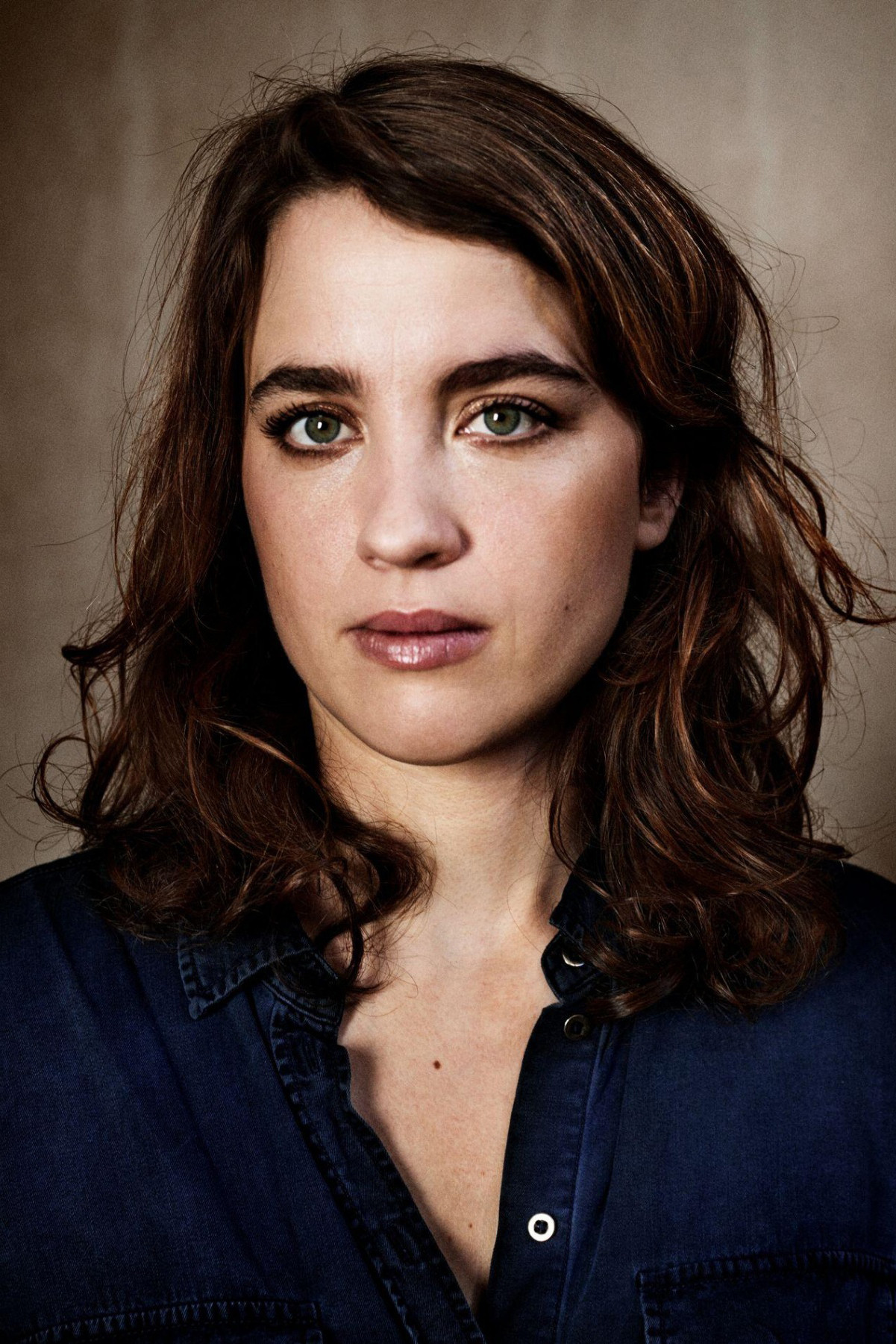
Noémie Merlant’s Marianne has the concentrated attention that makes the painting believable as work. Adèle Haenel’s Héloïse makes being watched feel like something she can answer, rather than simply endure. The performances keep us alert to small changes in their exchanges, without asking us to decode a separate meaning behind every blink. We felt almost shy watching them look at one another, because both actors make the attention so personal. The attraction is visible in the effort each makes to understand the other’s expression.
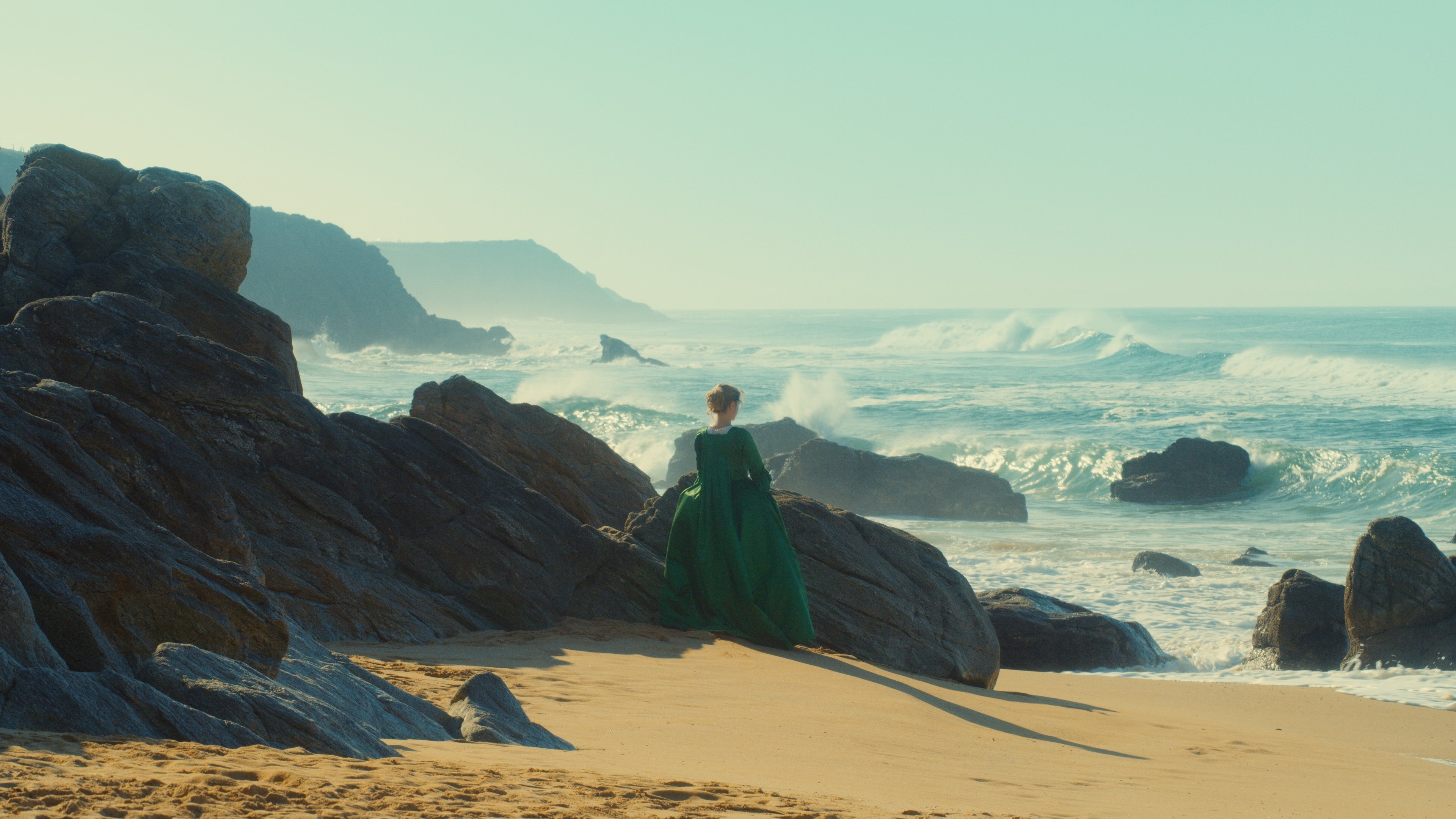
Claire Mathon’s cinematography gives the faces the same close consideration that the story gives the portrait. The compositions are exact, but there is room within them for a look to change our understanding of the person we are watching. Thomas Grézaud’s production design works with the spare staging, keeping the surroundings from becoming an exhibition that distracts from the women. We can enjoy the arrangement of a frame without losing track of the exchange taking place inside it. The faces remain the things we want to examine.
Julien Lacheray’s editing is patient about the looks and economical about moving between them. He allows the attraction time to become legible without making every pause seem equally important. There is little score across much of the film, with music credited to Para One and Arthur Simonini. That restraint works: music is not continually telling us how deeply we ought to feel. When it does arrive, we notice it with an alertness that continuous accompaniment would have worn away.
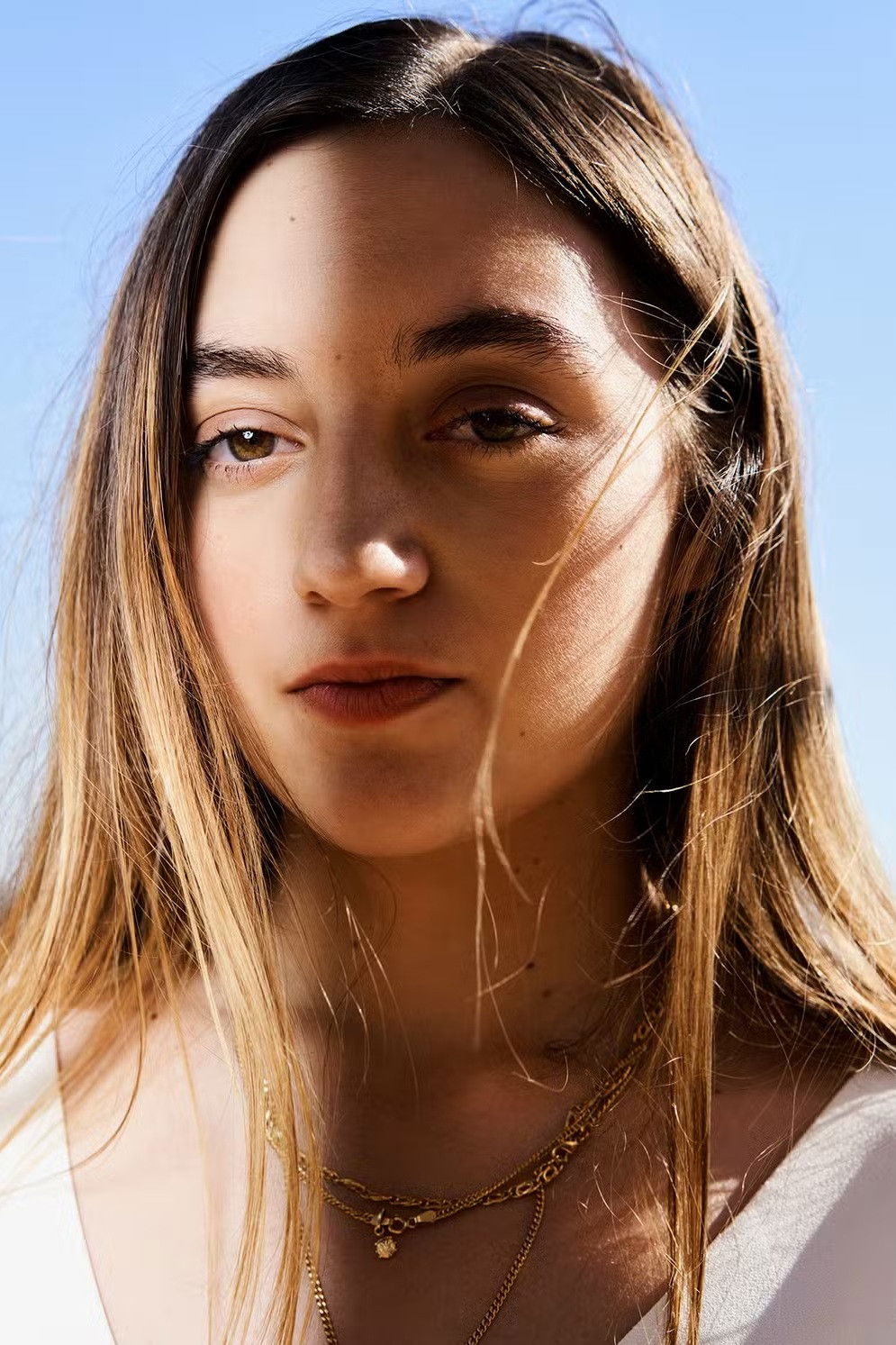
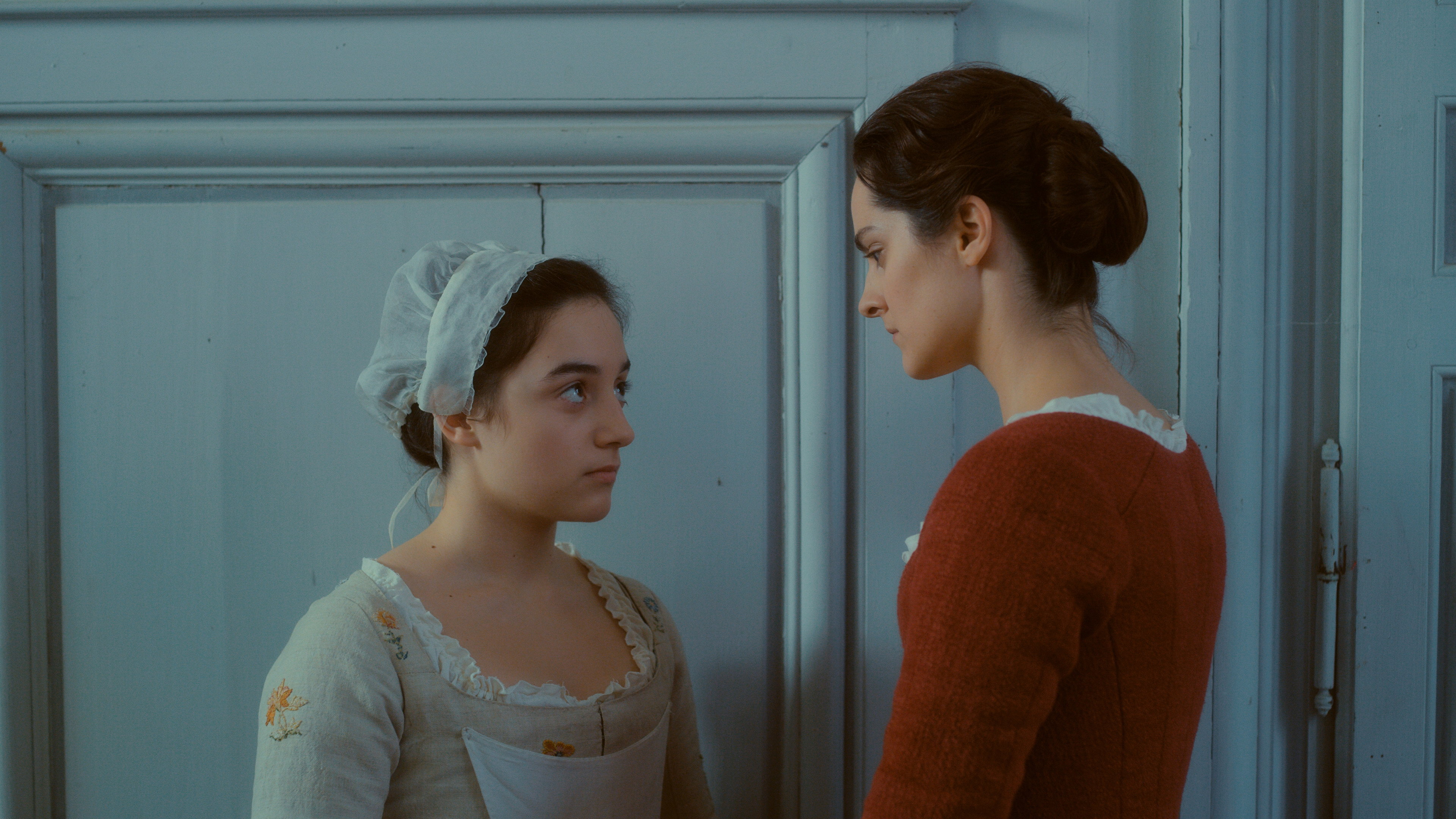
The director also gives the women a life together beyond the central courtship. Luàna Bajrami’s Sophie helps make their companionship feel valuable in itself, and her presence stops the romance from occupying every available inch of the film. The attention to women helping one another broadens the story without making their friendship seem like another subject to be covered. We understand why this company matters under restrictions that leave them so little freedom.
The reservation is that the director’s control sometimes becomes too apparent. There are stretches when the careful compositions and restrained performances seem so perfectly agreed that we want a little more clumsiness between the women. The link between making a portrait and getting to know someone can also feel too neatly worked out. At 121 minutes, the film asks for sustained attention, and impatience with its pace is understandable. We occasionally shared it, though the actors kept drawing us back.
Stories of forbidden love can become so busy establishing the obstacles that the attraction itself goes unattended. Here, the women have time to enjoy one another’s company, and that pleasure makes the restrictions on their lives more painful. Give it a quiet evening and let the looks last as long as they need to.