Todd Haynes makes Carol a deeply affecting romance by trusting Cate Blanchett and Rooney Mara to make small gestures matter. Its careful manners occasionally keep us outside, but the performances earn our patience.
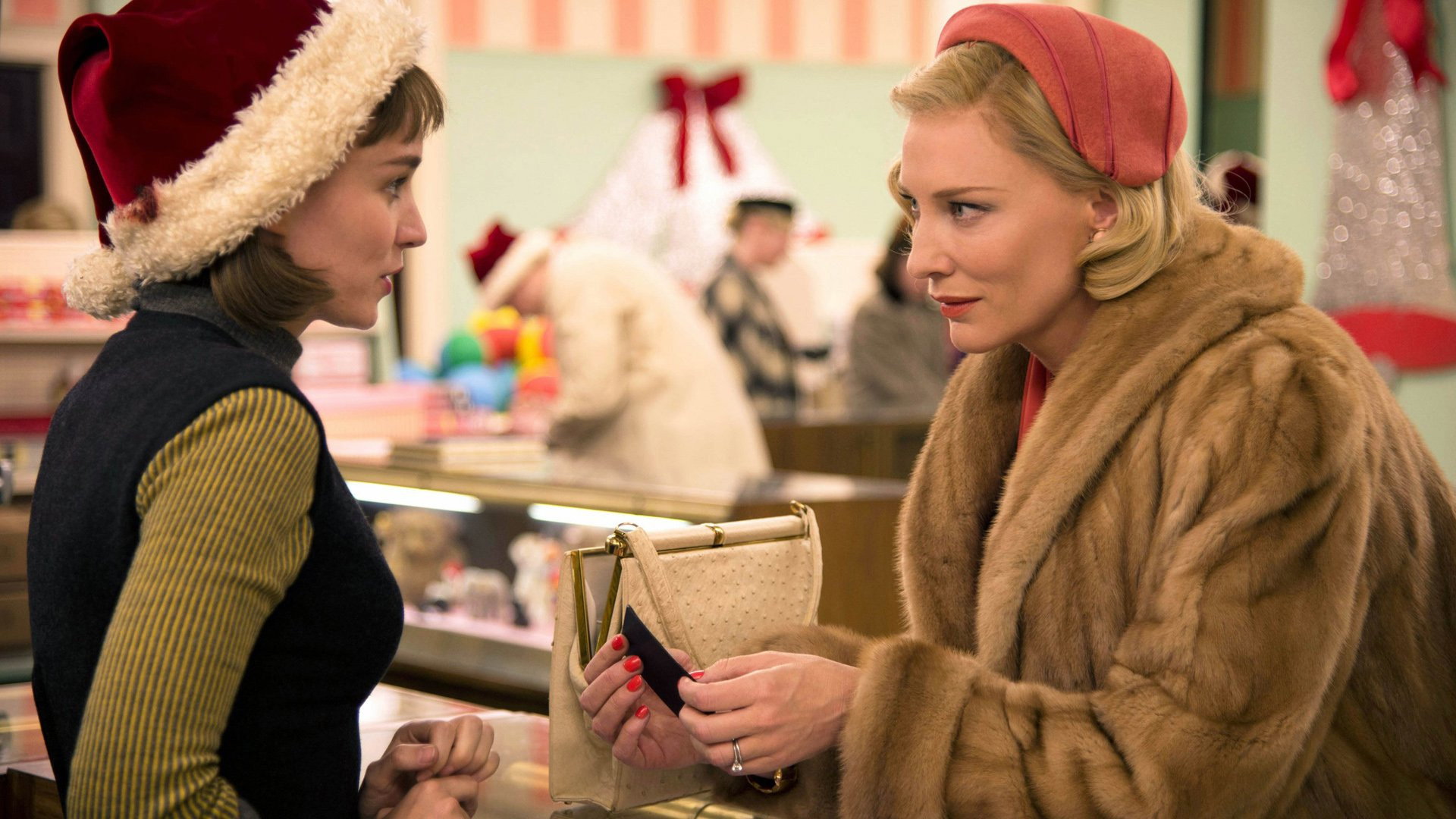
Few romances ask us to pay this much attention to the delay before someone looks back. Todd Haynes’s Carol deserves that attention: it is a moving, carefully acted film whose occasional stiffness never quite gets in the way of the two women at its centre. Adapted by Phyllis Nagy from a novel by Patricia Highsmith, it follows an attraction that has to be approached cautiously in 1950s New York. The script keeps explanations to a minimum, and the direction gives the actors time to establish how much can be risked in a glance.
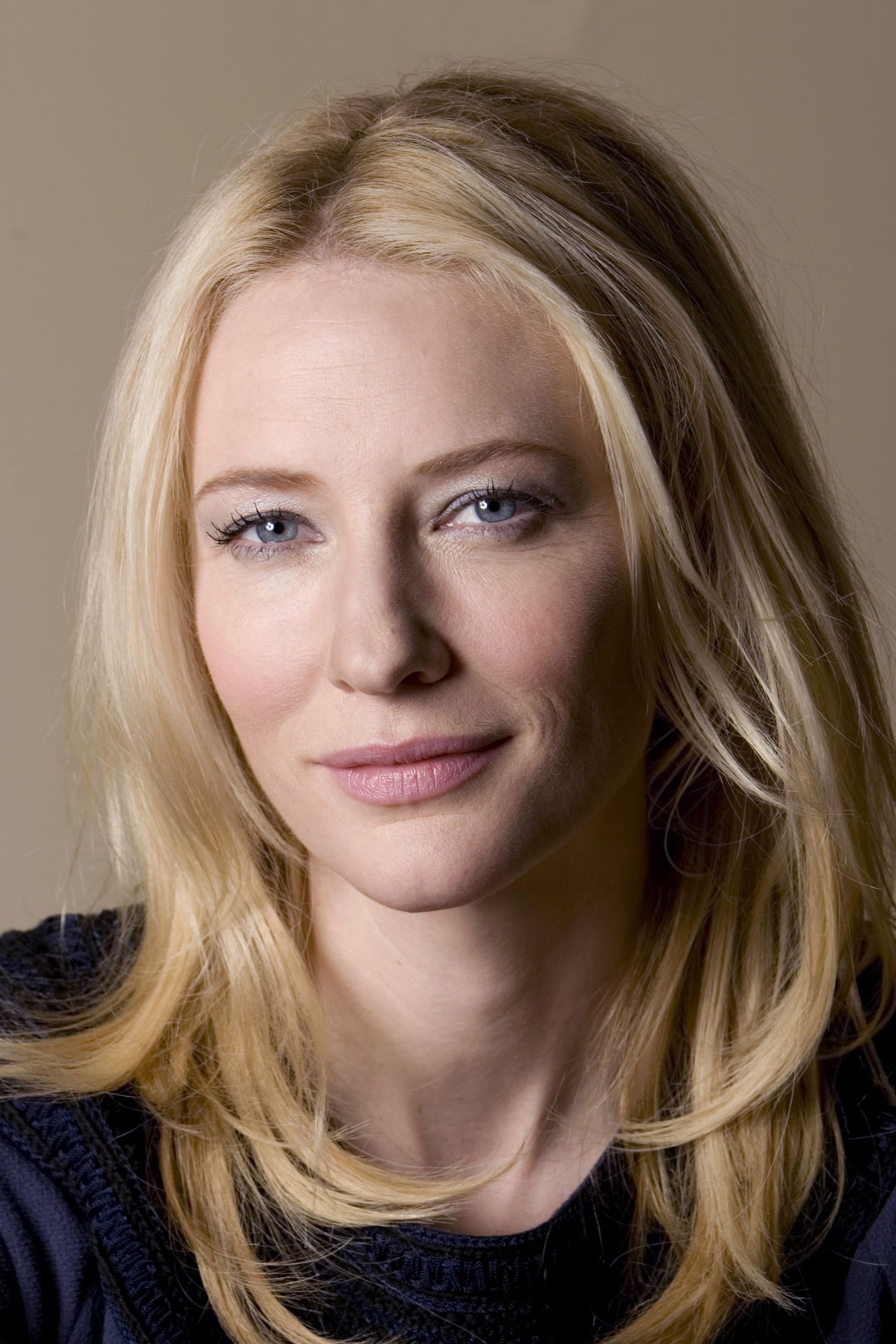
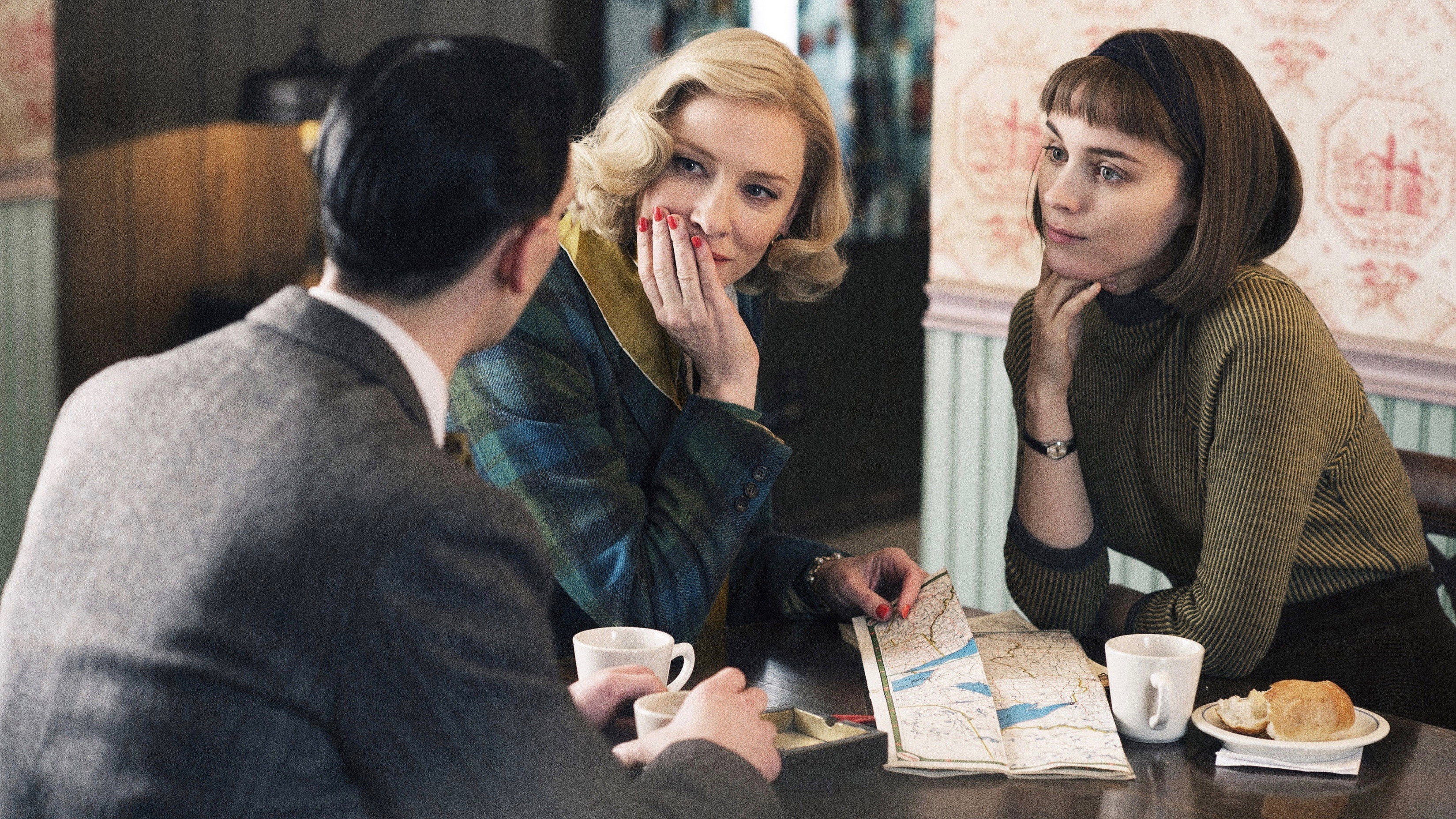
Cate Blanchett plays Carol Aird with a composure that can make the character seem almost out of reach. There is pleasure in that assurance, and a little danger: an actor this controlled can turn a person into someone we merely watch with admiration. Here the small changes of expression matter because the face usually gives so little away. We start paying attention to the effort involved in remaining so composed.
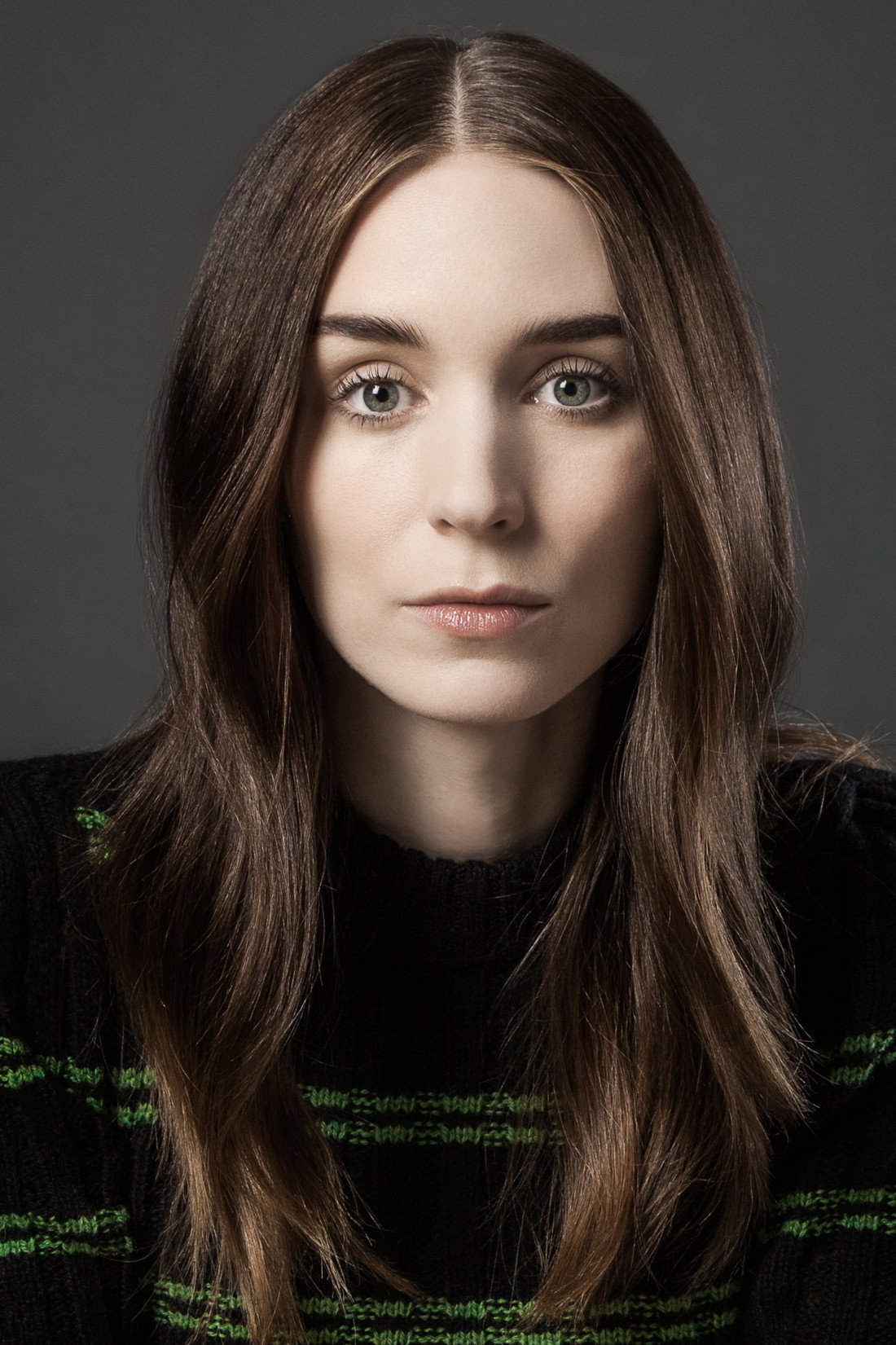
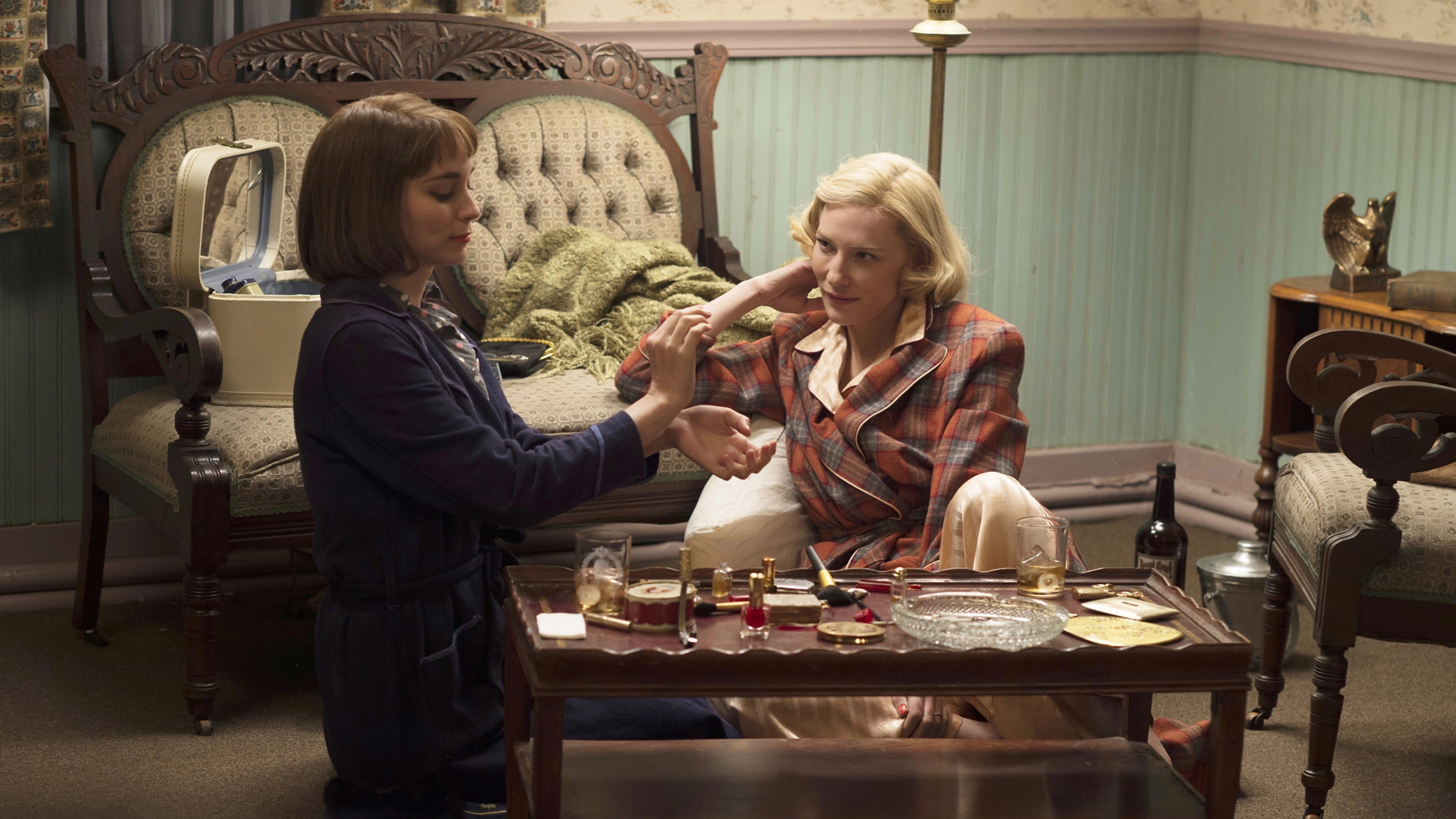
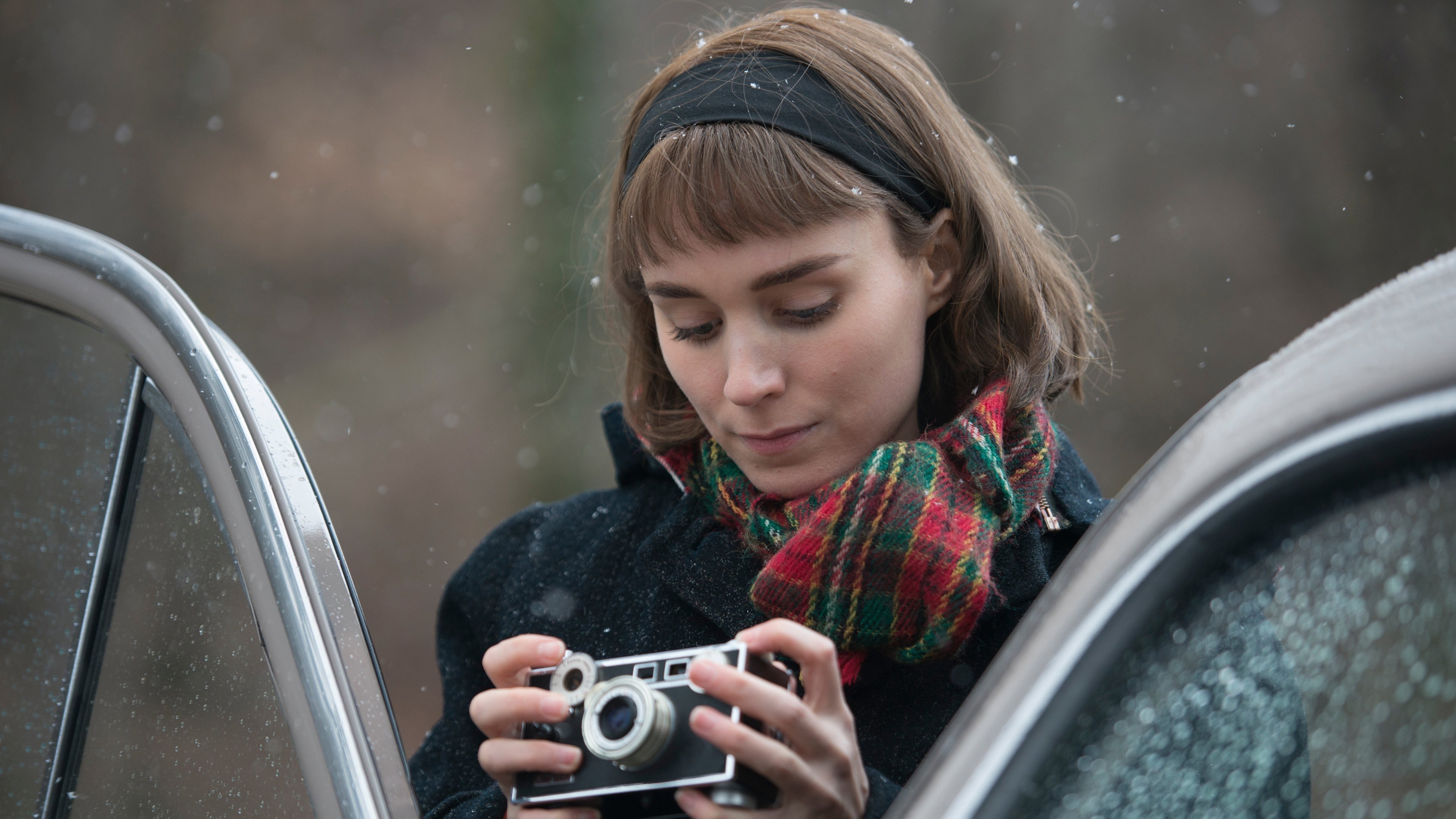
Rooney Mara gives Therese Belivet a different kind of reserve, less certain of how she appears to the woman watching her. Her attention to Carol is active, questioning, sometimes difficult to read; she prevents the younger woman from becoming merely an audience for the older one’s glamour. We were moved by the hesitations in their exchanged looks. Each seems to be waiting for permission to be a little less careful, and both actors make that waiting hurt.
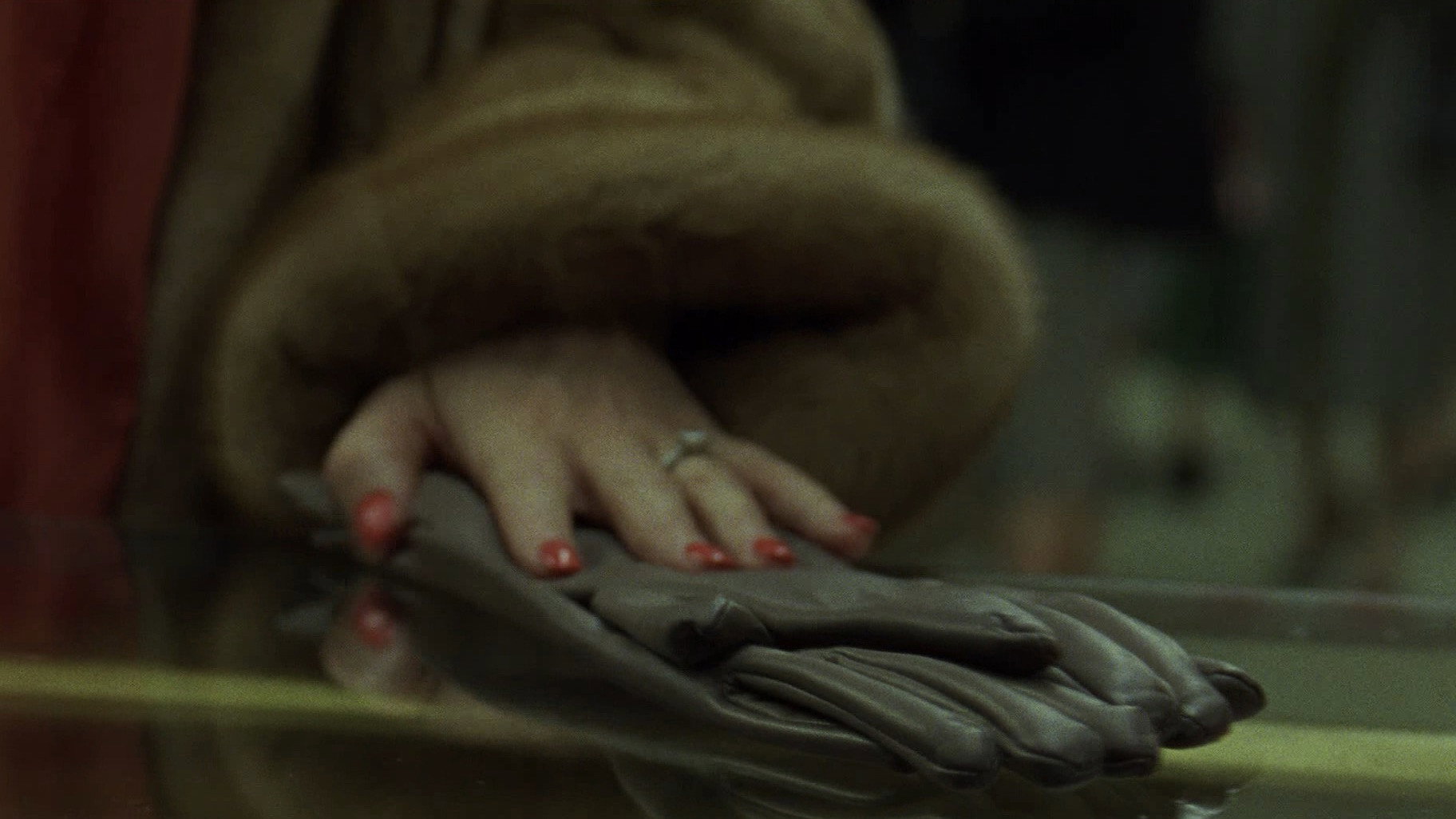
Edward Lachman’s cinematography rewards this close attention to faces. The images can feel chilly, but their restraint makes the small gestures legible without insisting on their importance. Judy Becker’s production design establishes the period through detail that feels chosen to suit the people living among it. We sometimes noticed the care of the arrangement too much, though the surroundings are persuasive enough to make the women’s caution seem ordinary.
Affonso Gonçalves’s editing lets the silences last long enough for a look to become uncomfortable. That patience matters in a film where a quick exchange would let everyone escape too easily. Carter Burwell’s spare score supports the same restraint, giving the feelings room without treating every hesitation as a crisis. Together, the cutting and music keep the measured pace from becoming simply slow.
The reservation is that such care can become self-conscious. Some passages seem so concerned with maintaining the film’s poise that desire feels politely demonstrated, and we wanted a little more untidiness from people taking an emotional risk. Romantic melodrama needs us to believe that people might lose control, and Carol sometimes seems too determined to keep everything tidy. The small hesitations in the performances do more to overcome this than the direction.
We would recommend it even to someone who usually wants a romance to move faster. Allow for the formality, and watch how much the two leads can alter a scene without raising their voices. This is a film to give an uninterrupted evening, preferably with someone who will resist explaining every silence.