Jane Campion’s romance is fierce, sensual and worth the discomfort, with Holly Hunter making Ada’s silence impossible to mistake for passivity. Michael Nyman’s music occasionally insists on feelings the acting has already made clear.
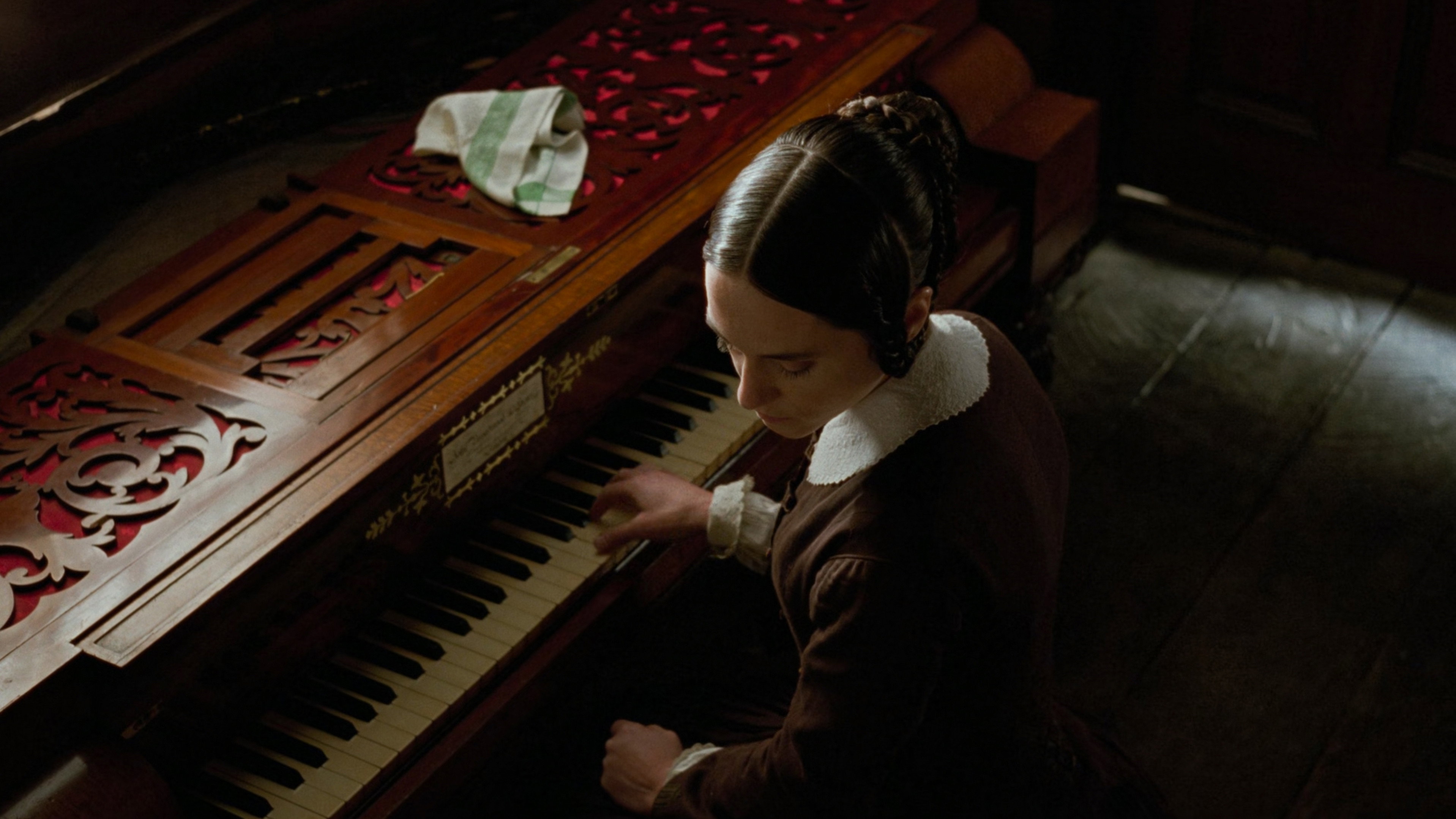
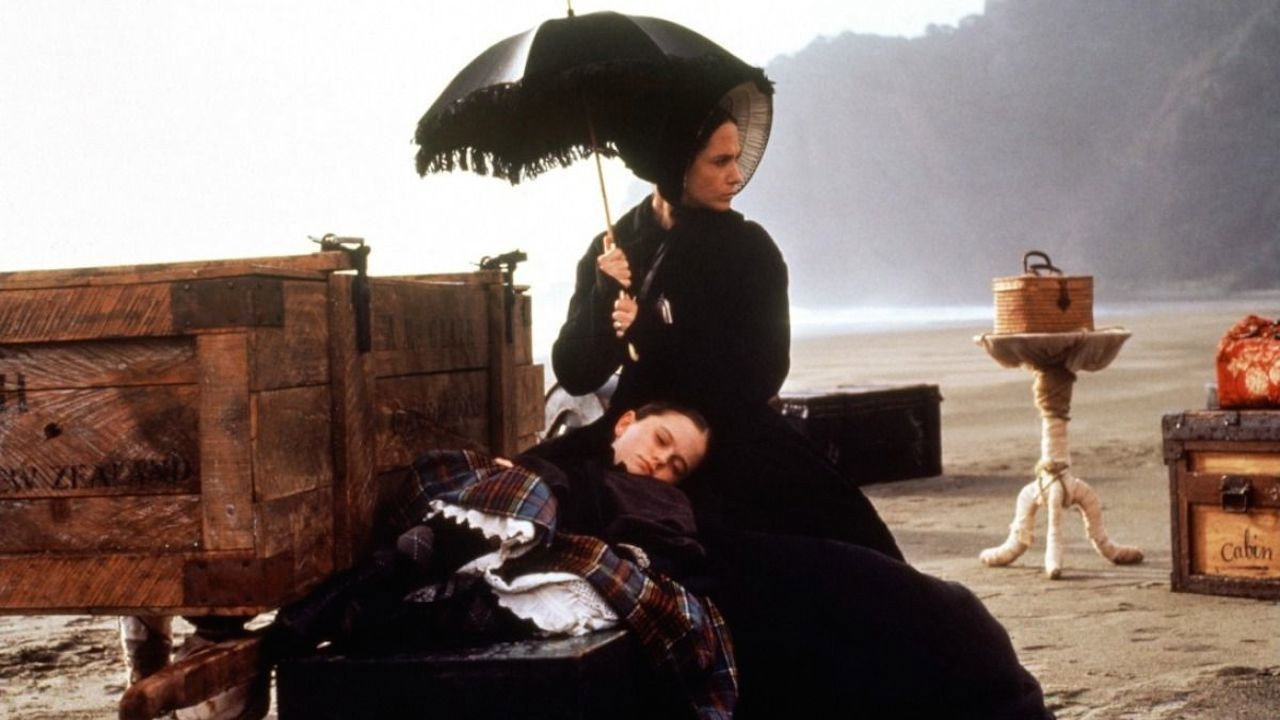
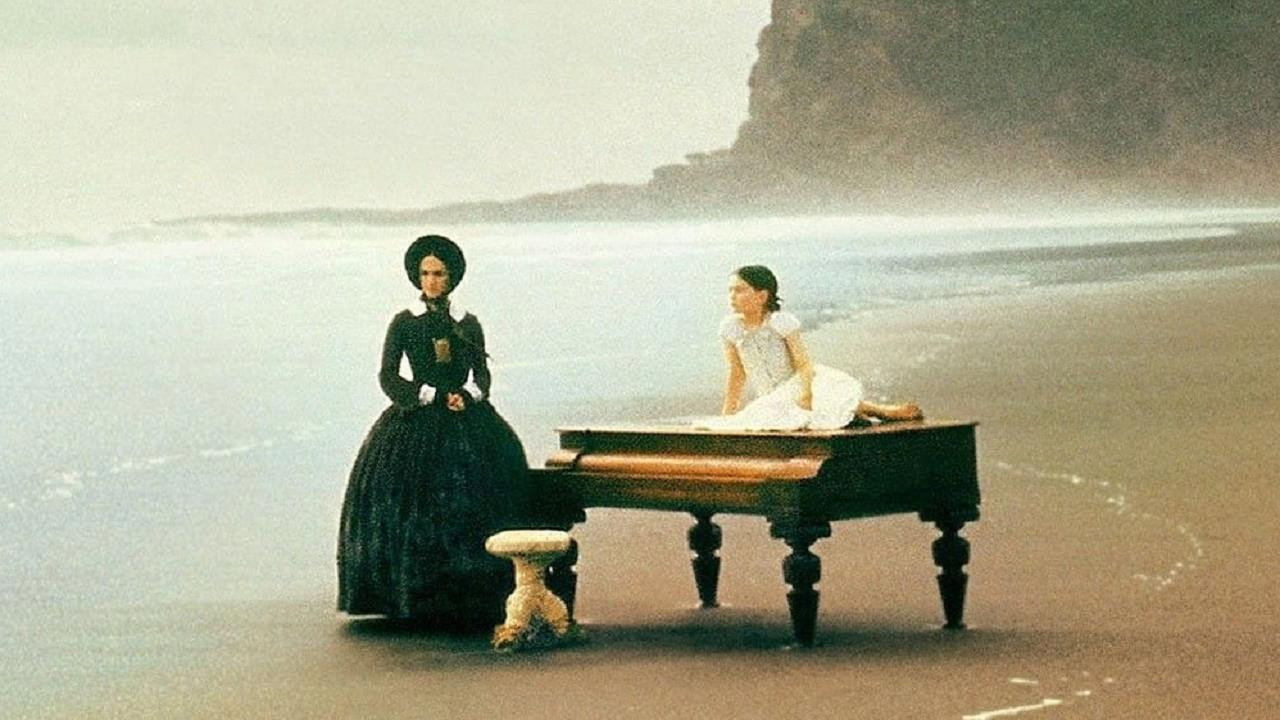
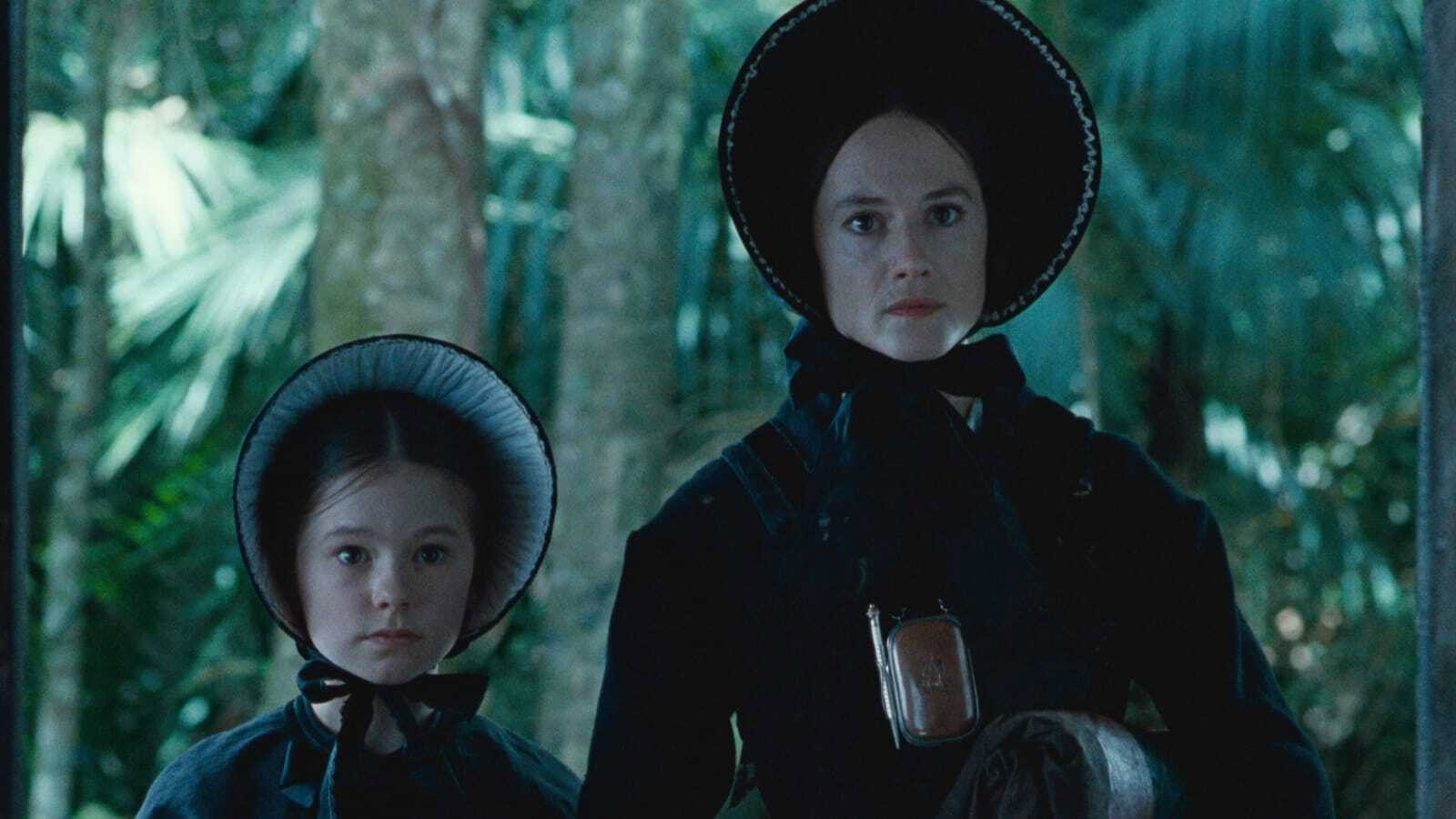
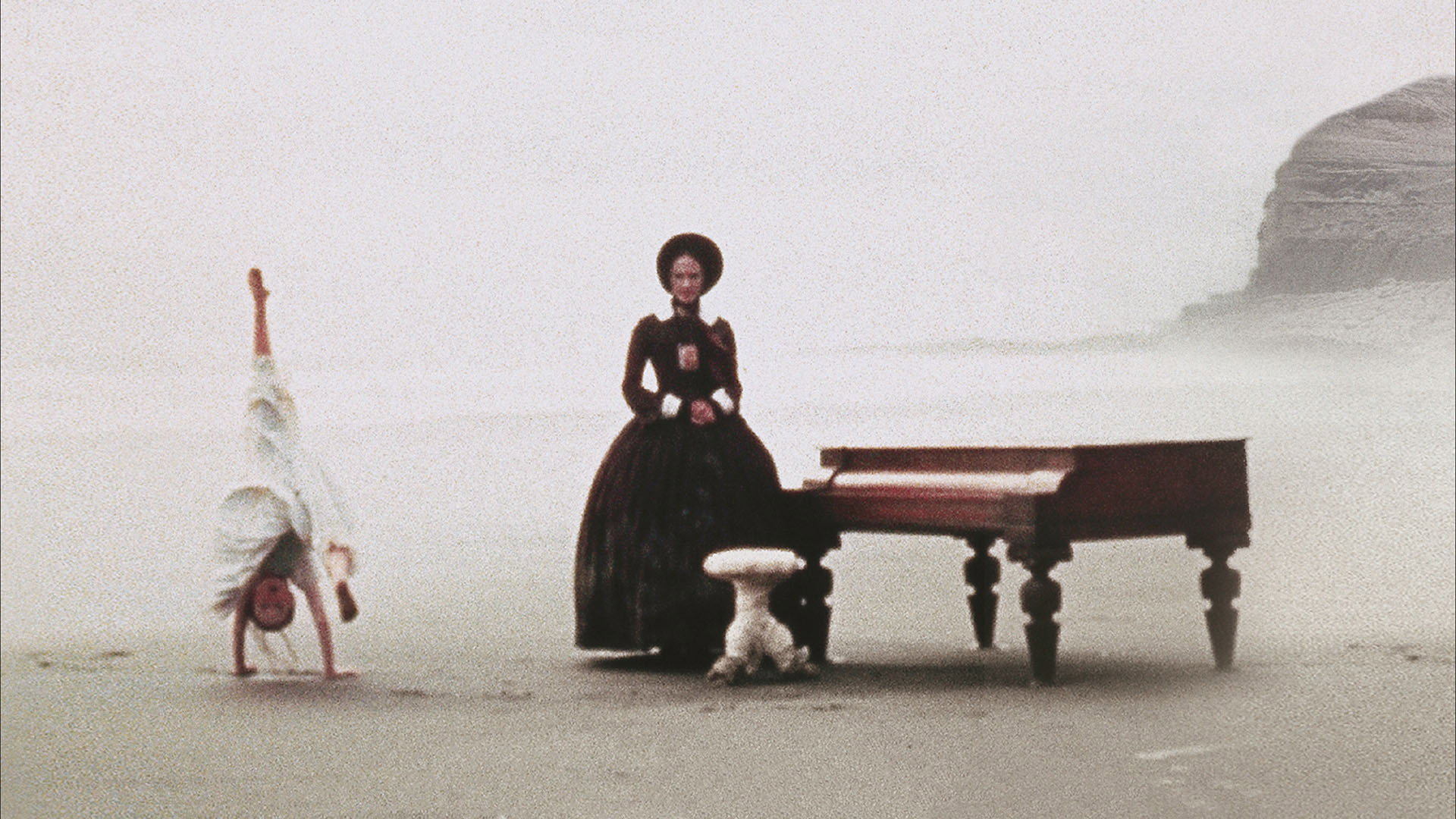
Jane Campion’s The Piano is a forceful, unsettling romance, and well worth the discomfort. Ada McGrath, played by Holly Hunter, is a Scottish woman who does not speak, entering an arranged marriage in 19th-century New Zealand. Campion writes and directs, taking the restrictions on Ada’s life seriously enough to make courtship feel risky. The film concerns itself with what this woman wants and how much freedom she has to pursue it.
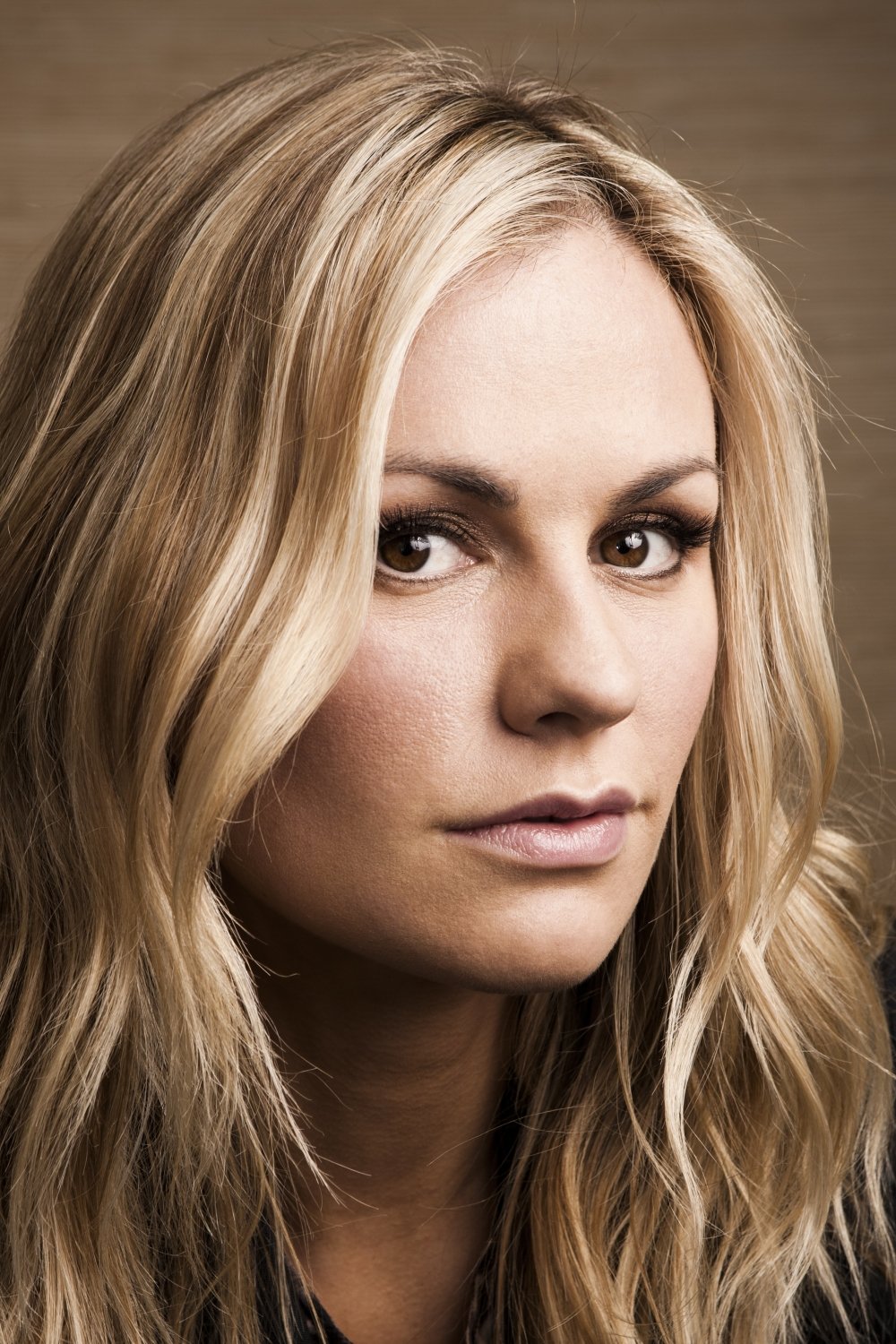
Hunter makes Ada fierce enough to resist the pity that a silent romantic heroine might so easily invite. We were moved by her stubbornness during the courtship, because Hunter makes her wish to choose for herself painfully clear. She can be unnerving, too, and Campion allows that without hurrying to reassure us that we will like her. Anna Paquin’s Flora McGrath is an expressive presence alongside her. Paquin holds her own beside a lead performance that could easily make everybody else seem incidental.
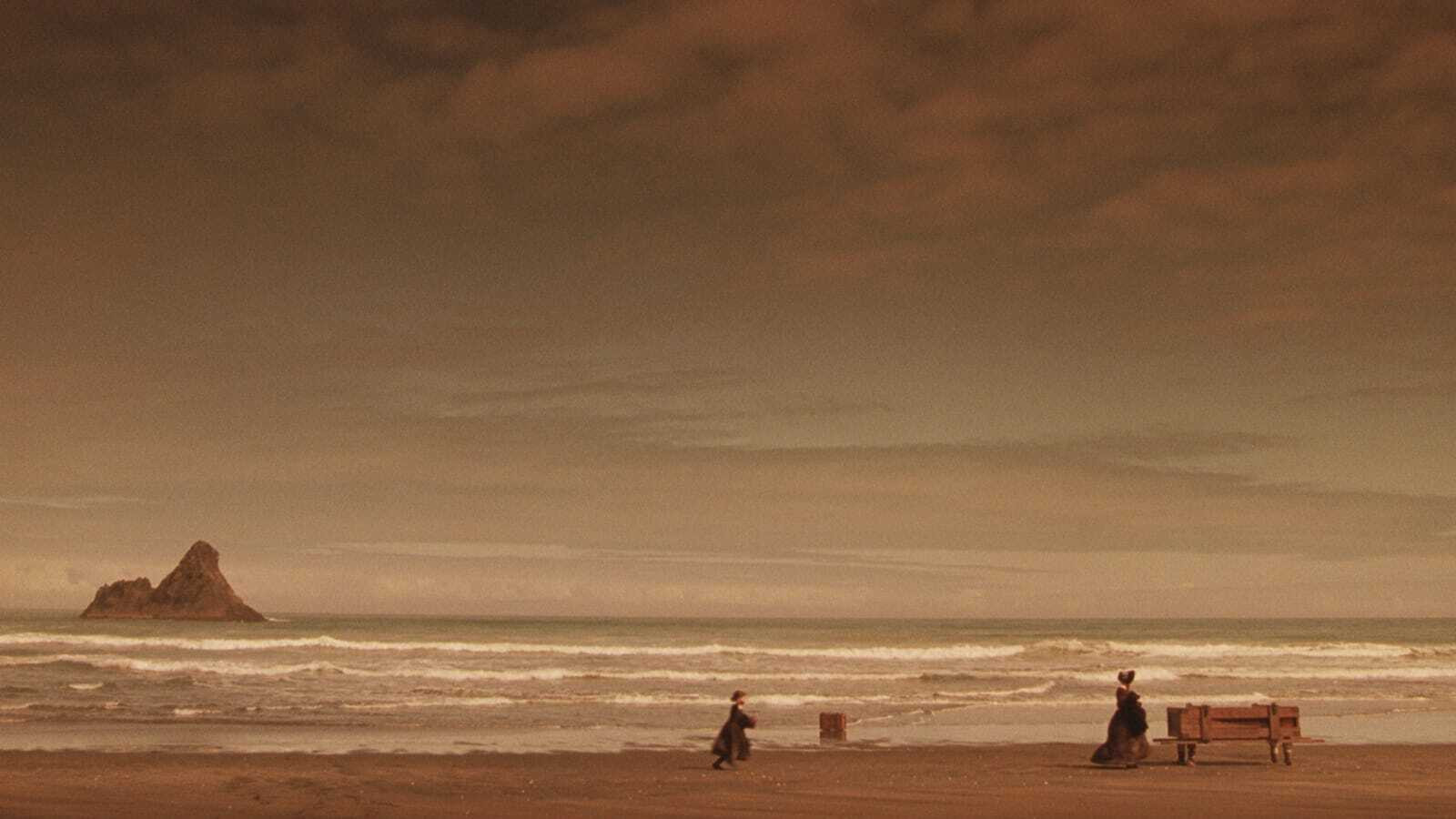
Stuart Dryburgh’s cinematography makes the muddy New Zealand setting feel close and unpleasant underfoot. Courtship takes place somewhere that looks exhausting to inhabit, which gives the physical attraction a welcome lack of prettiness. Andrew McAlpine’s production design contributes to that severity, making the surroundings feel resistant to anyone’s comfort. This is useful work in a costume drama, where an attractive setting can so easily make a restrictive society seem like a pleasant place to spend an afternoon.
Veronika Jenet’s editing keeps the romantic story unpredictable without making it difficult to follow. The story has momentum even when Ada herself remains difficult to understand. That balance helps Campion avoid the dutiful progress of a courtship in which every hesitation seems to have been scheduled in advance. We stay interested in what this particular woman wants, and in how dangerous it may be for her to want it.
Michael Nyman’s score is a considerable pleasure, though it also supplies our chief reservation. Its sweep suits a film in which so much feeling struggles to find an acceptable way out. It gives the severe-looking film a warmth that is welcome. Yet the music sometimes tells us too firmly how much we should be feeling, when Hunter has already made the point. We would have welcomed a little less help from the score while trying to work out what Ada feels.
A safer costume drama might make Ada more agreeable, or turn her silence into an invitation for everyone else to explain her. Campion resists both temptations. The film’s treatment of erotic desire stays uncomfortable because being wanted does not settle the question of how much choice a woman has. It also allows sexual feeling to be pleasurable without offering it as an excuse for every kind of behaviour. Hunter has to sustain that difficulty, and does.
Set aside its 120 minutes when a difficult romance sounds inviting. Hunter deserves attention, and Campion gives little encouragement to the comforting habit of deciding which characters have behaved well enough to earn our affection. For a soothing evening, choose something else.