Film review

Barry Lyndon

1975 · Directed by Stanley Kubrick · 3h 08m · MPA PG

In a sentenceThree hours in excellent rooms with a man we would not trust with the furniture

DramaHistory

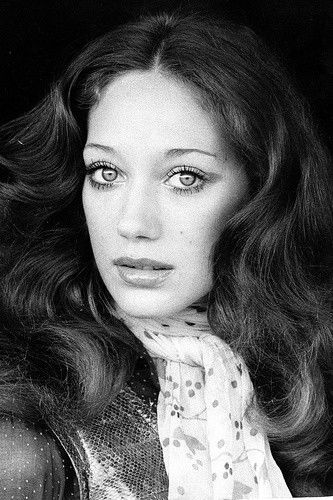
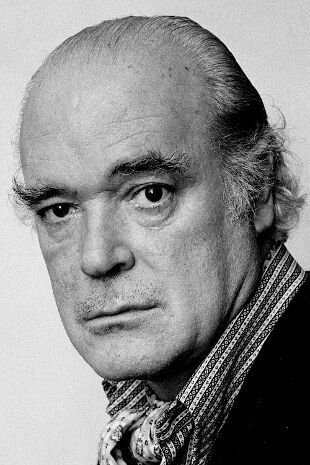
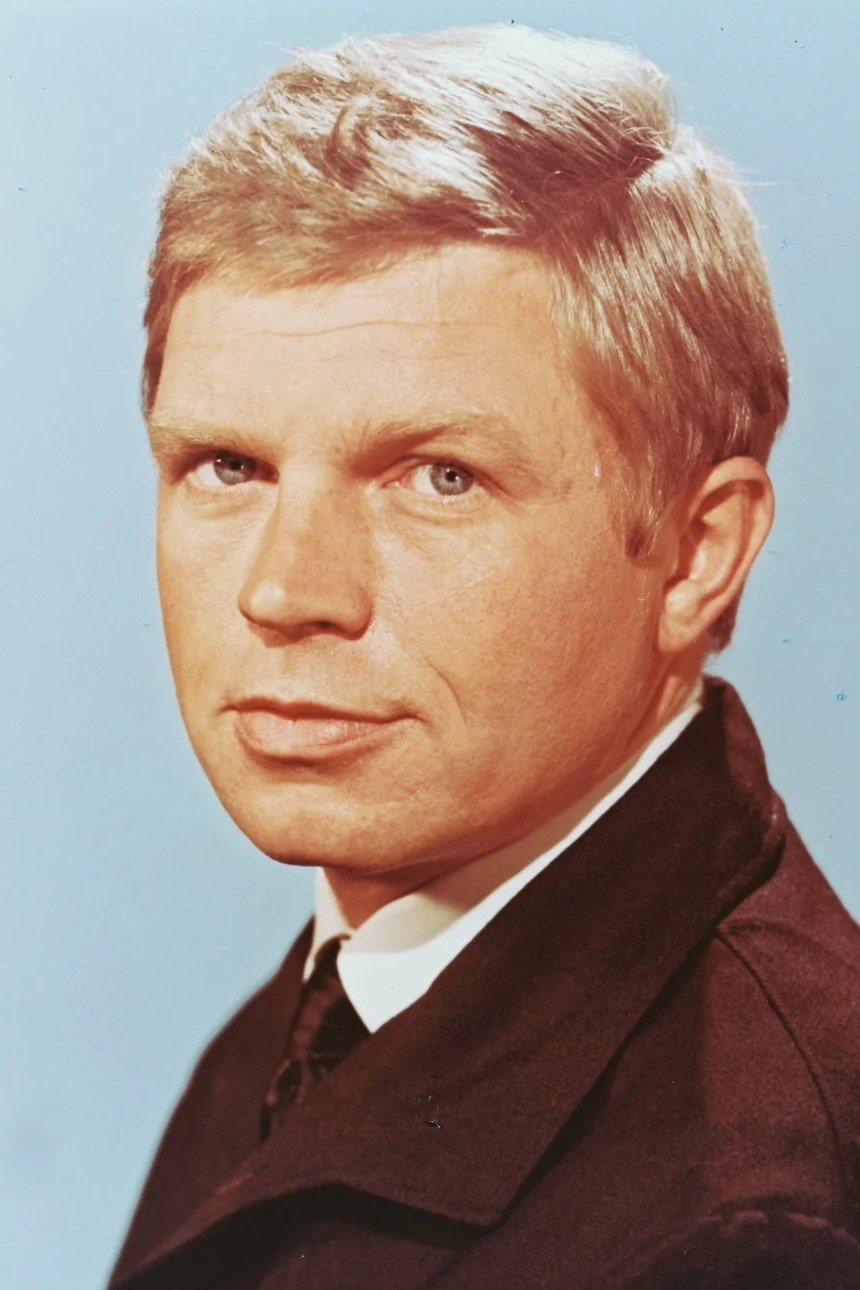
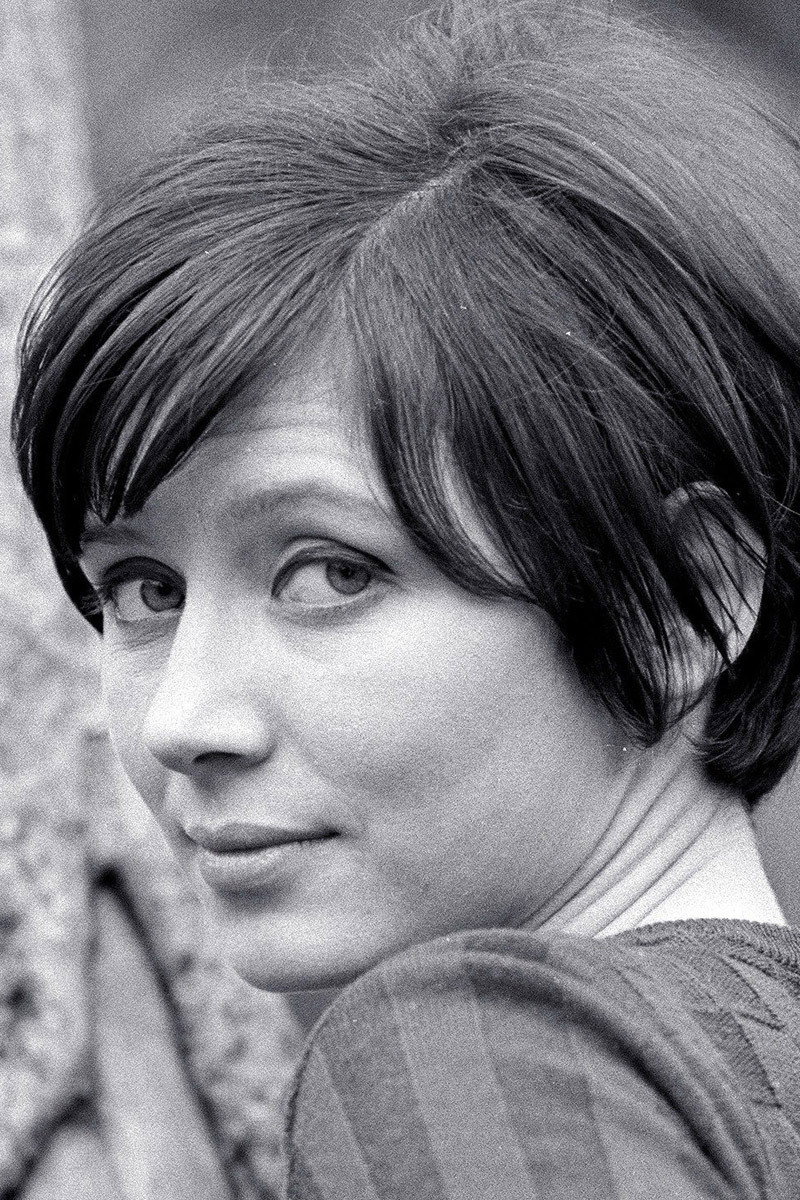
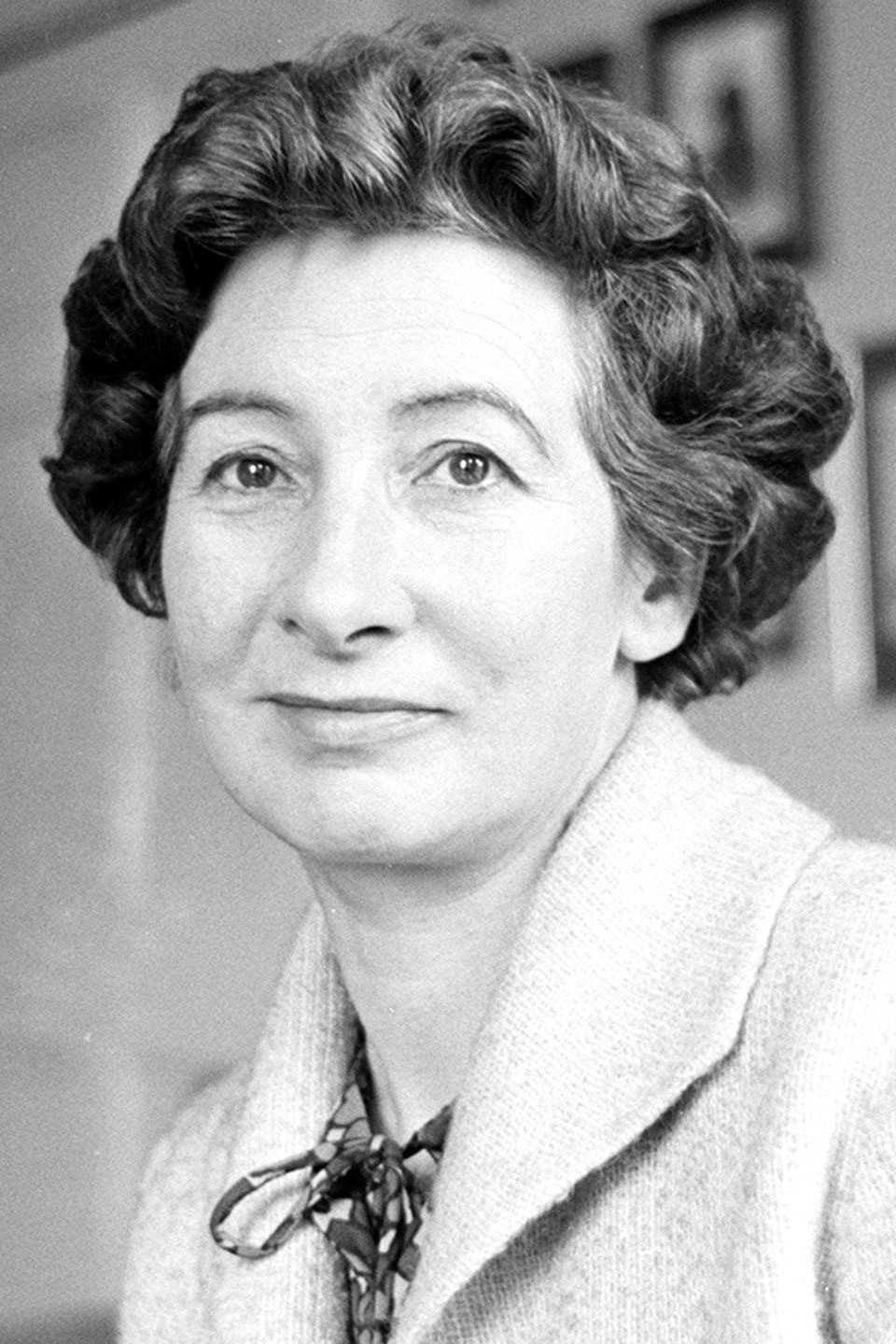
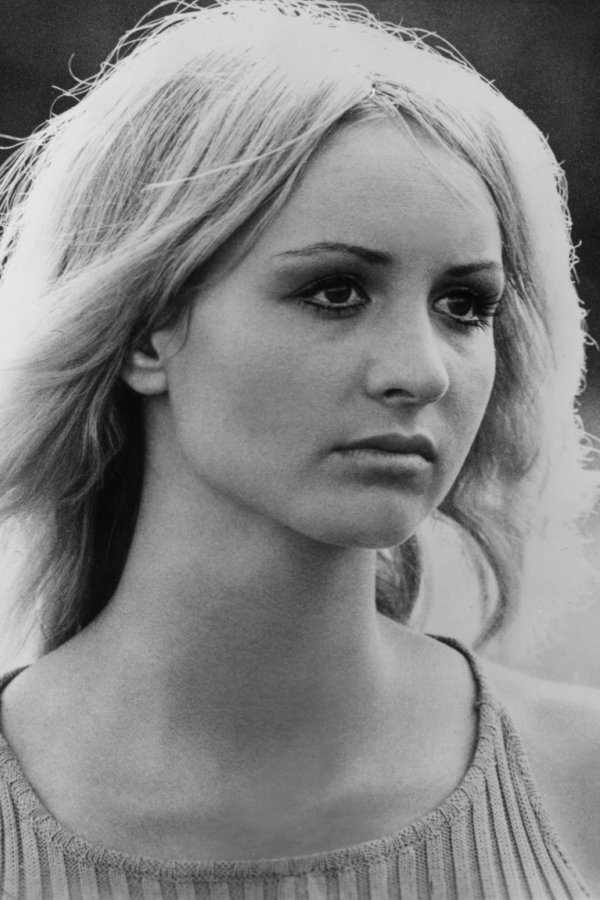
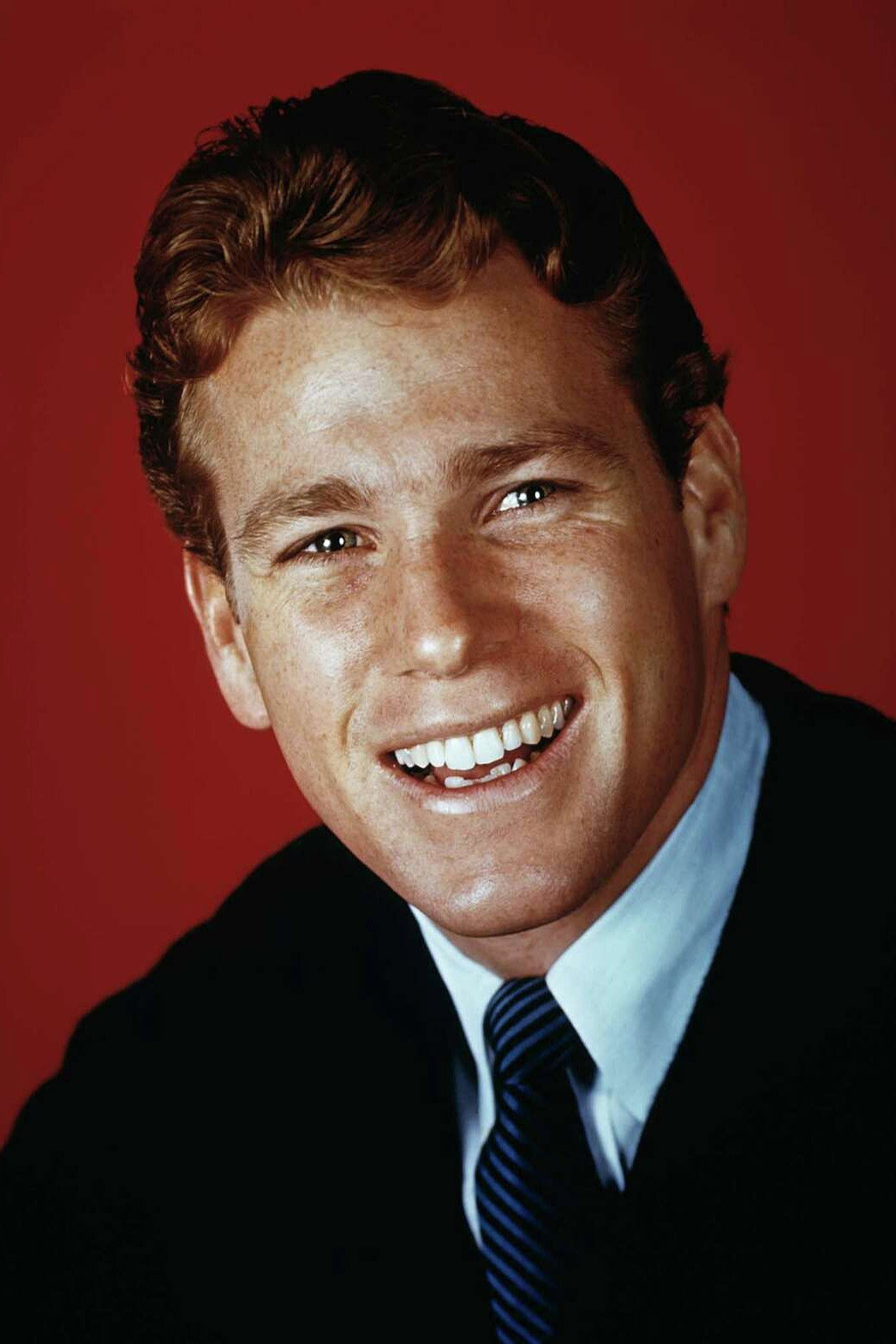
Barry Lyndon (Ryan O’Neal) is an opportunist making his way through eighteenth-century society. Stanley Kubrick adapts a novel by William Makepeace Thackeray, placing Barry among people whose titles establish their rank and whose manners govern their dealings. Marisa Berenson plays Lady Lyndon, Patrick Magee the Chevalier and Hardy Krüger Captain Potzdorf. Gay Hamilton plays Nora, with Marie Kean as Barry’s mother and Murray Melvin as Reverend Runt. Frank Middlemass appears as Sir Charles Lyndon and Leon Vitali as Lord Bullingdon, in a drama concerned with status and the uses people make of one another.

Plays from YouTube when you press play; nothing loads from them until then.

Fi1m review

Stanley Kubrick’s study of a shallow opportunist is worth the long evening it demands. Ryan O’Neal’s restraint and John Alcott’s candlelit images hold us, although the measured pace can become tiresome.

Barry Lyndon rewards patience, though we would not pretend it makes patience easy. Stanley Kubrick’s adaptation of William Makepeace Thackeray runs for 188 minutes and studies an opportunist without doing much to make him welcome company. The interest lies in watching Ryan O’Neal’s Barry occupy a world whose manners are more polished than his motives. Kubrick gives us time to look at that world closely, and the film is funny, disquieting and occasionally wearing because he is so unwilling to hurry.

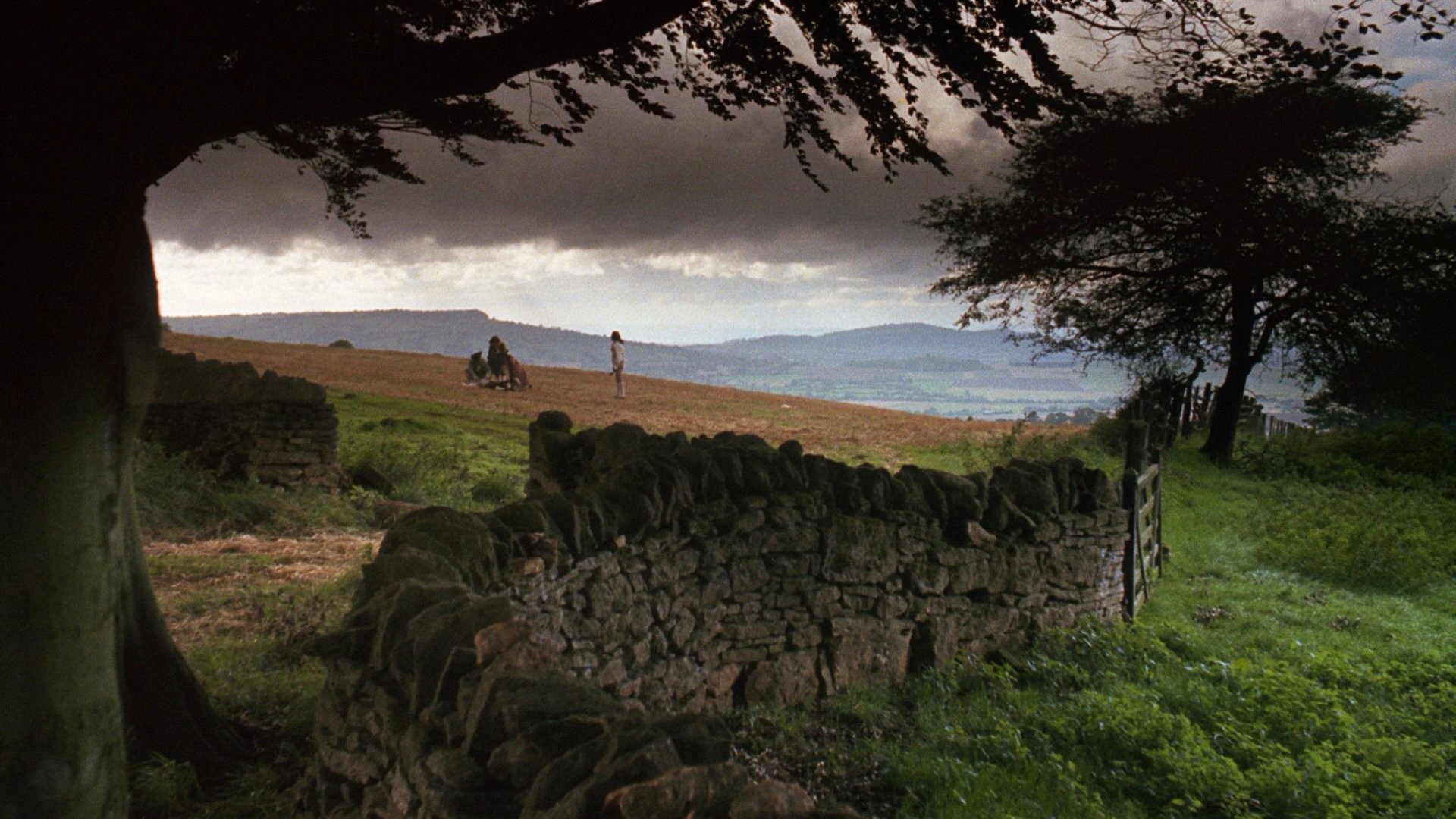
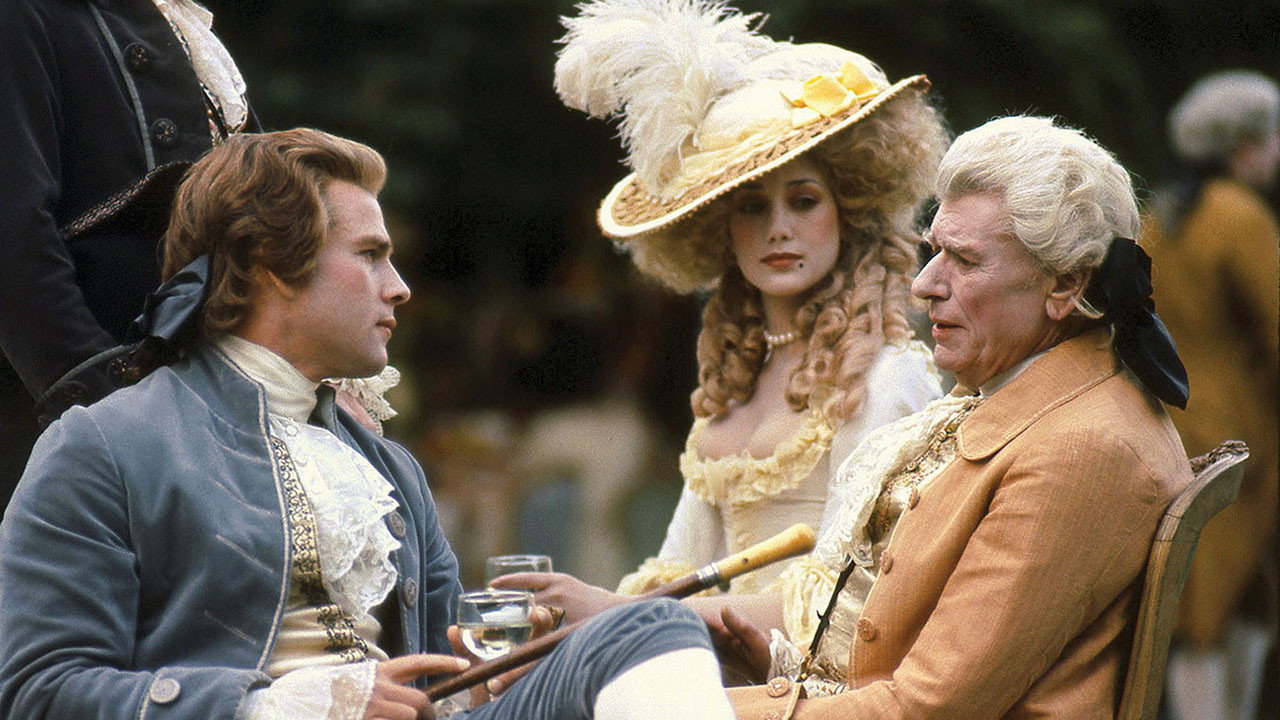
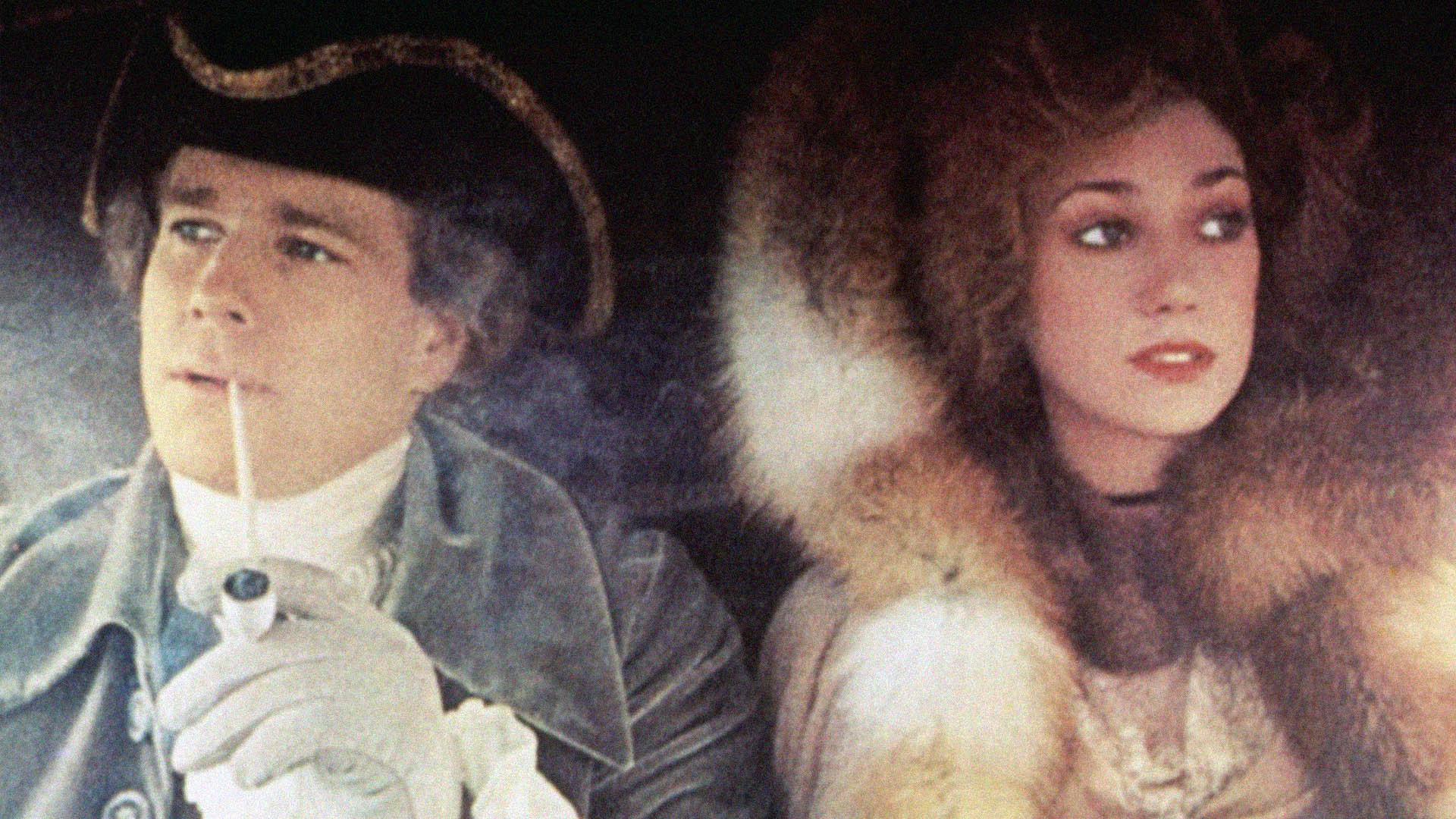
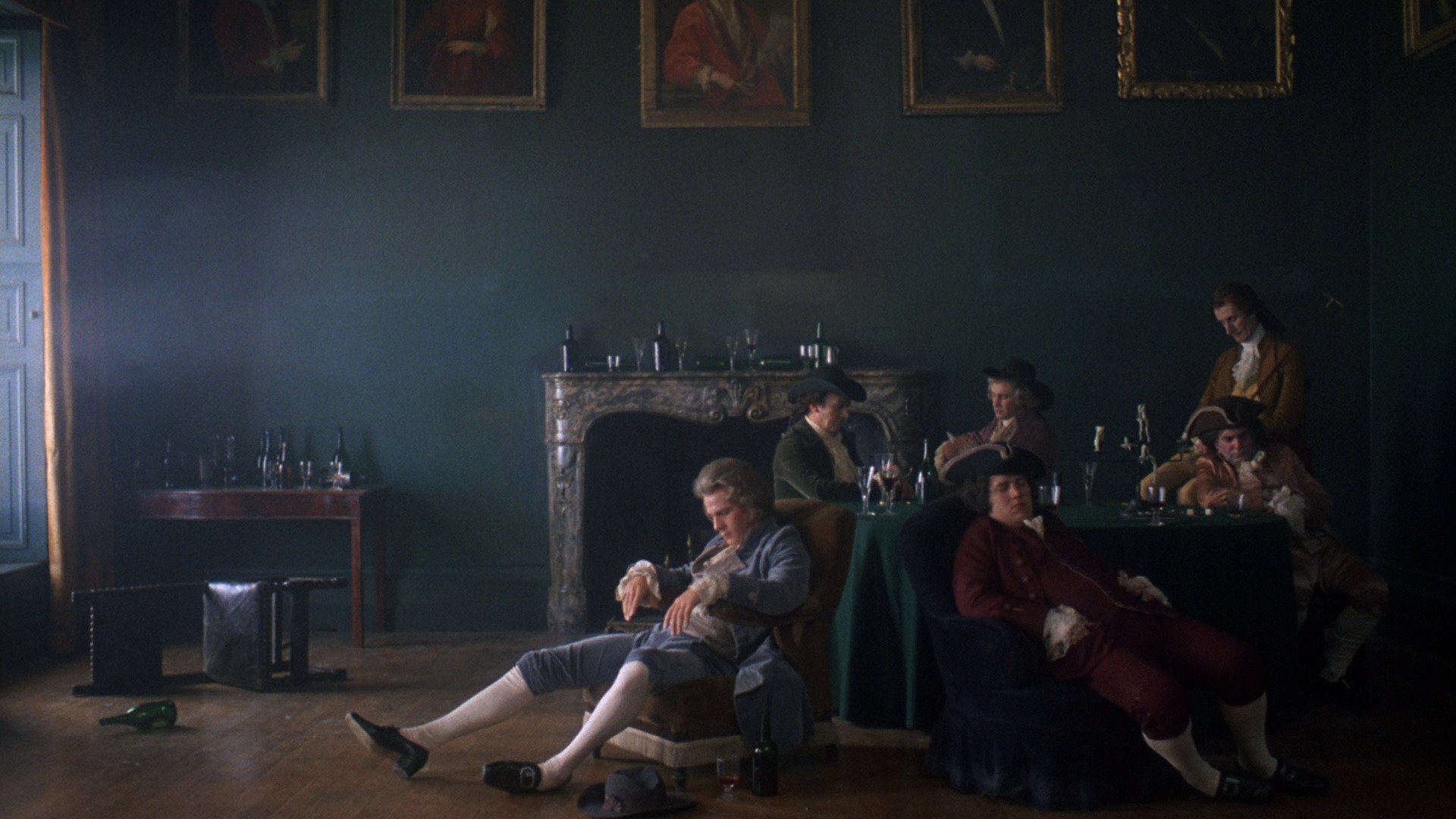
John Alcott’s natural-light and candlelit photography is central to the experience. We felt unexpectedly uneasy in the candlelit interiors, where the formal arrangements of people suggest that even sitting still could be done incorrectly. The images have the stillness of paintings, but the faces keep them from becoming merely decorative. Alcott makes us look carefully at people whom the story gives us little reason to like, which is a considerable service to a film this long.

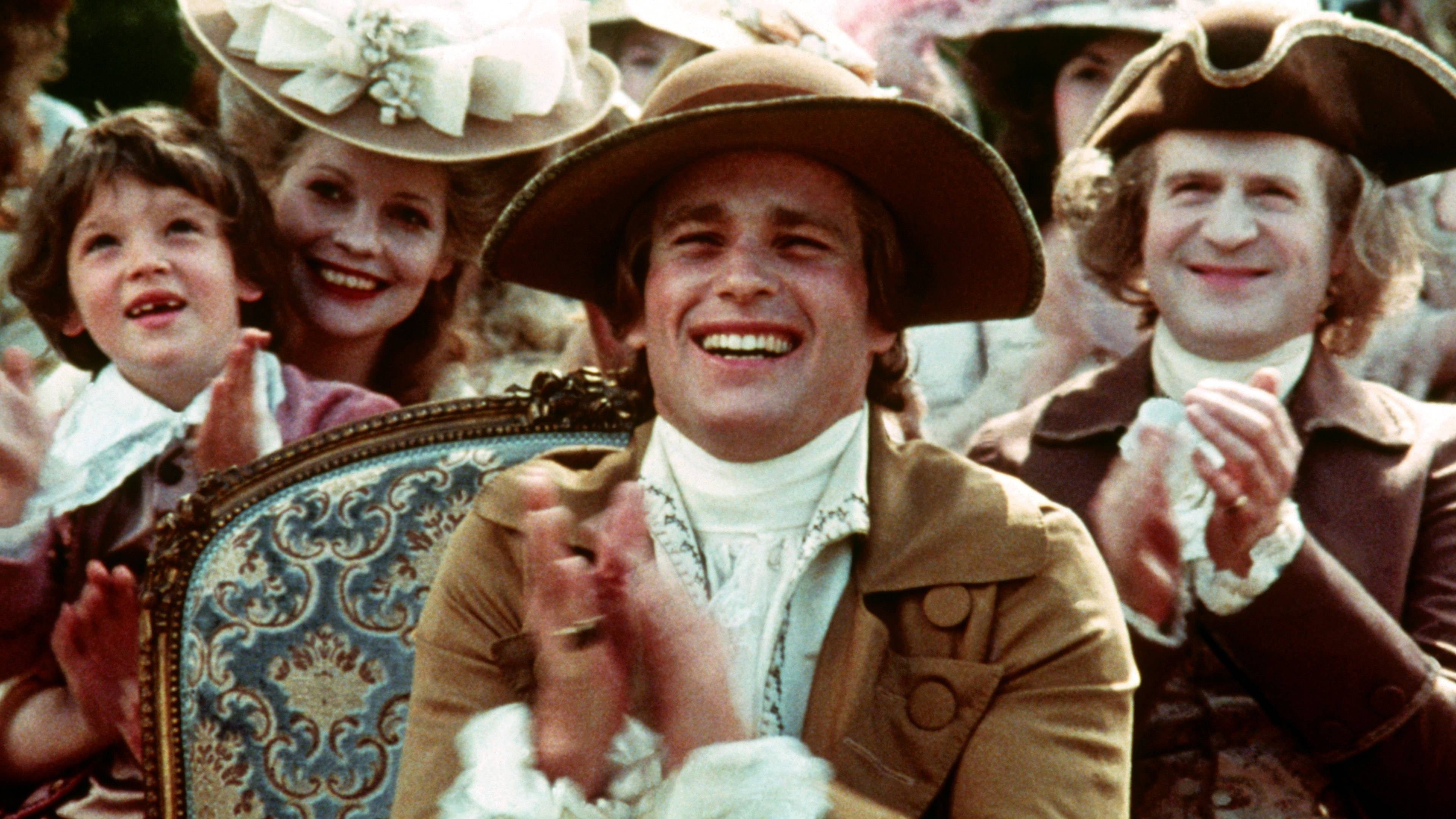
Ken Adam’s production design gives that scrutiny something solid to work on: rooms arranged with a precision that can feel faintly oppressive. They make a persuasive setting for people concerned with rank and appearances. Ulla-Britt Söderlund and Milena Canonero’s costumes contribute to the same sense of public presentation, with little invitation to imagine anyone comfortable. There is pleasure in looking at all this, but the period detail also makes the characters’ formality easier to understand.

O’Neal is well suited to Barry’s shallow opportunism. He does not keep asking us to discover a better man underneath it, and that restraint prevents the film from turning into an excuse for its central character. Yet there are stretches when we want more from him: some sign of thought that goes beyond the next advantage. Kubrick’s screenplay holds him at a distance so consistently that our curiosity sometimes slackens, even while the actor remains convincing.

Tony Lawson’s editing gives the composed images time to register, and then often leaves them there a little longer. That extra duration is useful when it lets us examine a face or the arrangement of a room; elsewhere, the deliberation becomes something we have to endure. Leonard Rosenman’s music reinforces the formality effectively, although its gravity can add to the sense that nothing here will be allowed to pass lightly. Some passages would benefit from being shorter.

The consensus of the scored reviews is against us, chiefly over the pace and length. We think they underestimate how much there is to observe while Kubrick appears to be doing so little: an opportunist’s manner, an actor’s face, the way a room reinforces its occupants’ importance. Costume dramas can encourage us to enjoy the fine clothes and overlook the conduct of the people wearing them. Kubrick makes that difficult, even when the image is inviting.

We recommend giving it an uninterrupted evening. At home, resist the temptation to leave the pictures running behind a conversation; the small differences in behaviour need as much attention as the rooms. Anyone who needs a sympathetic central character may find the distance exhausting. The candlelight is no promise of a cosy evening.
Critical consensus AI synthesised

2 of 6
Positive
0
Mixed
0
Negative
2
The Guardian
11 December 1975 · Derek Malcolm
40*

Derek Malcolm found the film slow and overly deliberate in its pacing, suggesting it risked lulling viewers into drowsiness despite its visual ambitions. He acknowledged Kubrick's technical control but questioned whether the measured approach served the story effectively.

Read the full review →
Empire
13 April 2006 · Ian Nathan

The critic calls it a superb, meticulous adaptation that is philosophically stimulating. He praises Kubrick's obsessive visual detail and stately tableau but notes it can leave audiences unmoved emotionally.

Read the full review →
RogerEbert.com
1 January 1975 · Roger Ebert

Ebert finds the film technically awesome and emotionally distant in classic Kubrick style, praising its audacious directorial vision that dictates the viewer's detached perspective on the story.

Read the full review →
The Independent
23 June 2025 · Xan Brooks

The critic hails the film as a brilliant masterpiece that has grown in stature over time after a poor initial reception. He singles out its deliberate, remorseless pace and stunning natural-light visuals for particular praise.

Read the full review →
The New York Times
19 December 1975 · Vincent Canby

Canby calls the film handsome and assured, praising its brilliant images and cool examination of an 18th-century world as strange as Kubrick's futuristic ones, while noting its long and leisurely pace.

Read the full review →
Variety
31 December 1974 · Variety Staff

The review deems the adaptation elegant and handsome, praising Ryan O'Neal's performance capturing the character's shallow opportunism and the superb casting, concept, and execution overall.

Read the full review →

Cast

Stills

Awards

Academy Awards, 1976

Nominated
Best Director
Nominated
Best Picture
Won
Best Cinematography
Won
Best Costume Design
Won
Best Original Song Score
Won
Best Production Design

If you liked this, try…

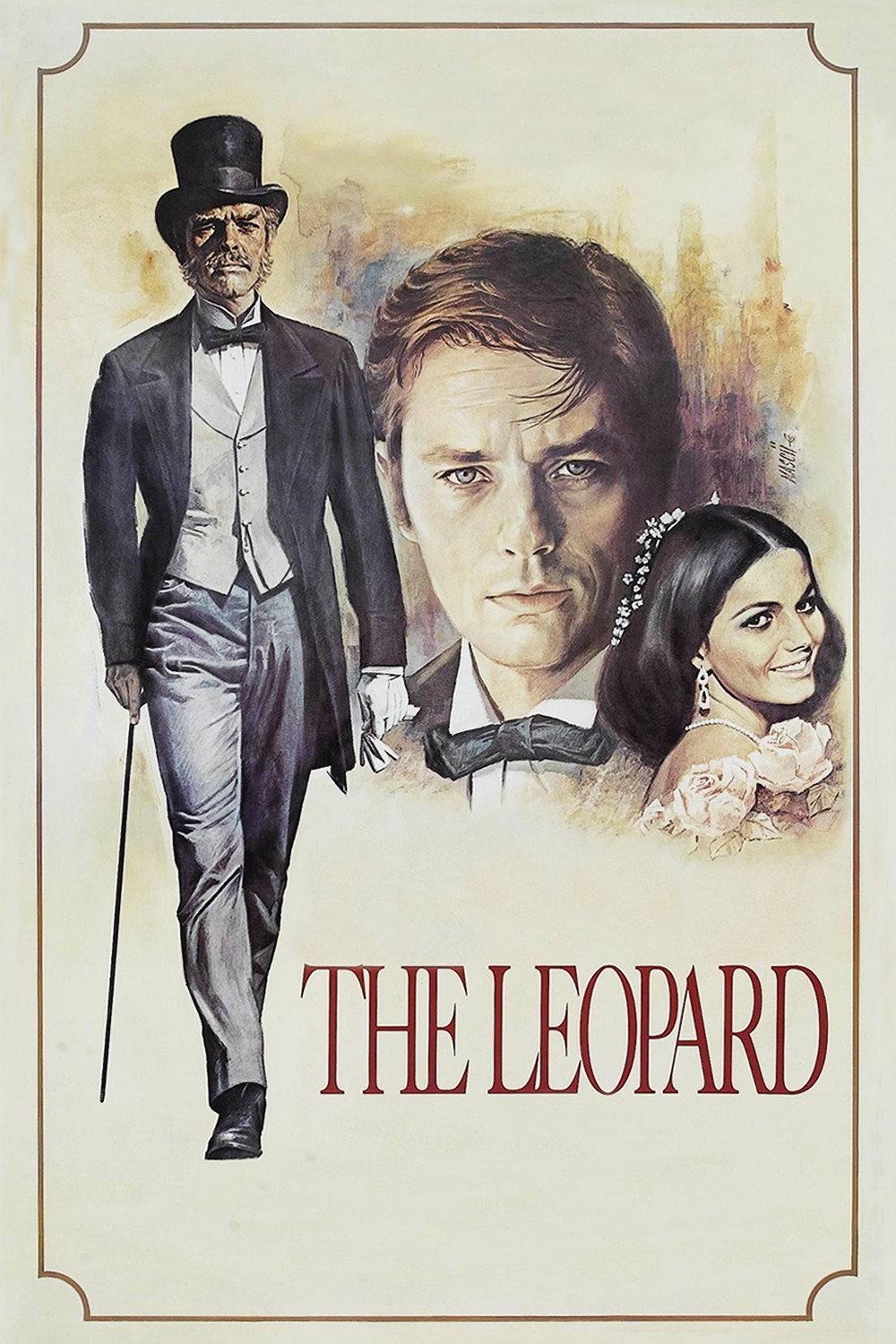
The Leopard poster

The Leopard

1963 · Another patient account of rank, compromise and people dressed for decline.

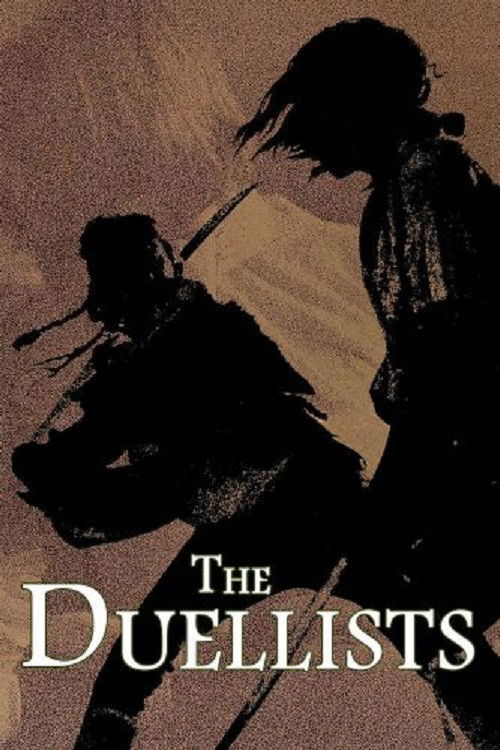
The Duellists poster

The Duellists

1977 · Formal manners and wounded pride make an exhausting business of being gentlemen.

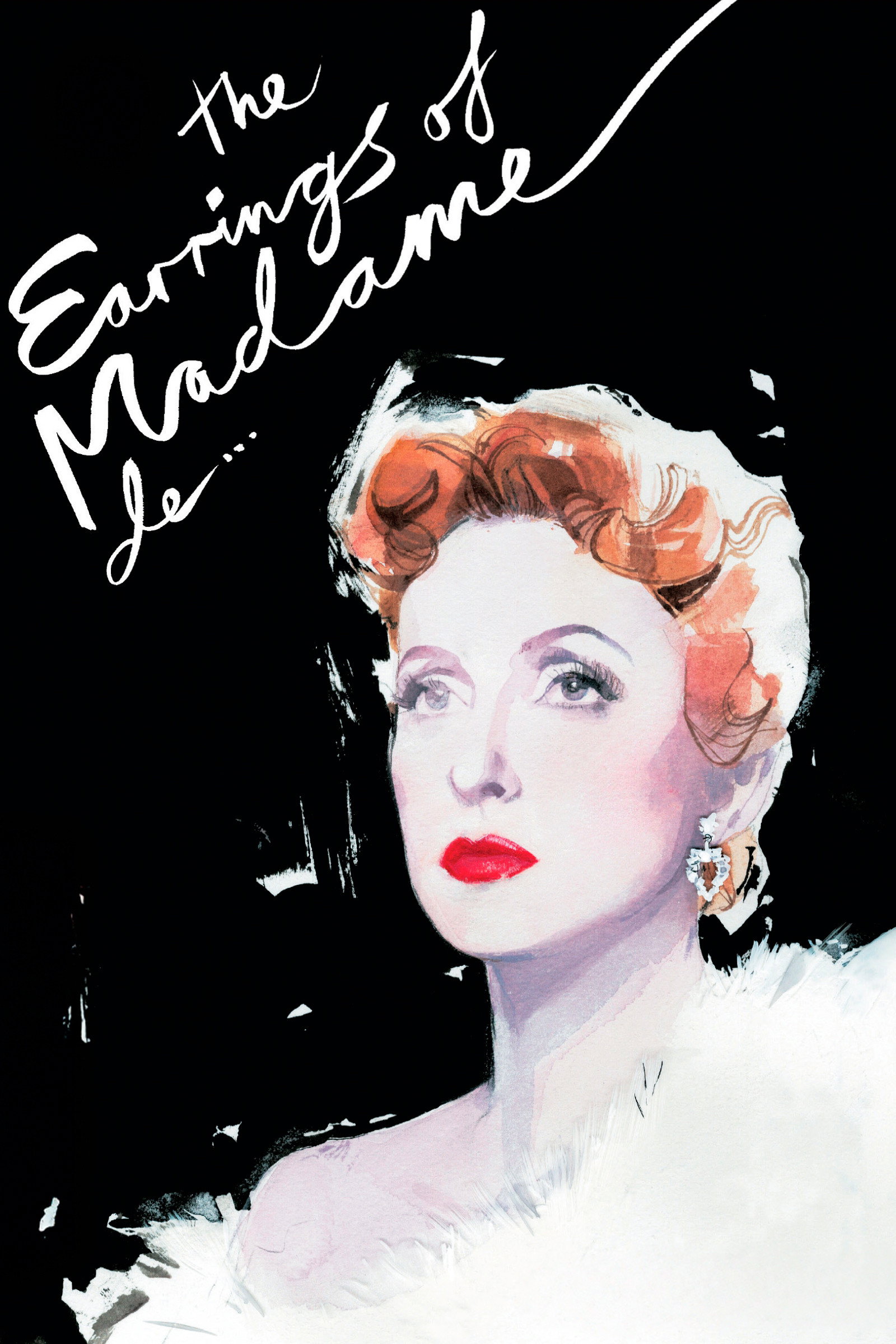
The Earrings of Madame de… poster

The Earrings of Madame de…

1953 · Social polish conceals the damage in another carefully observed world of privilege.

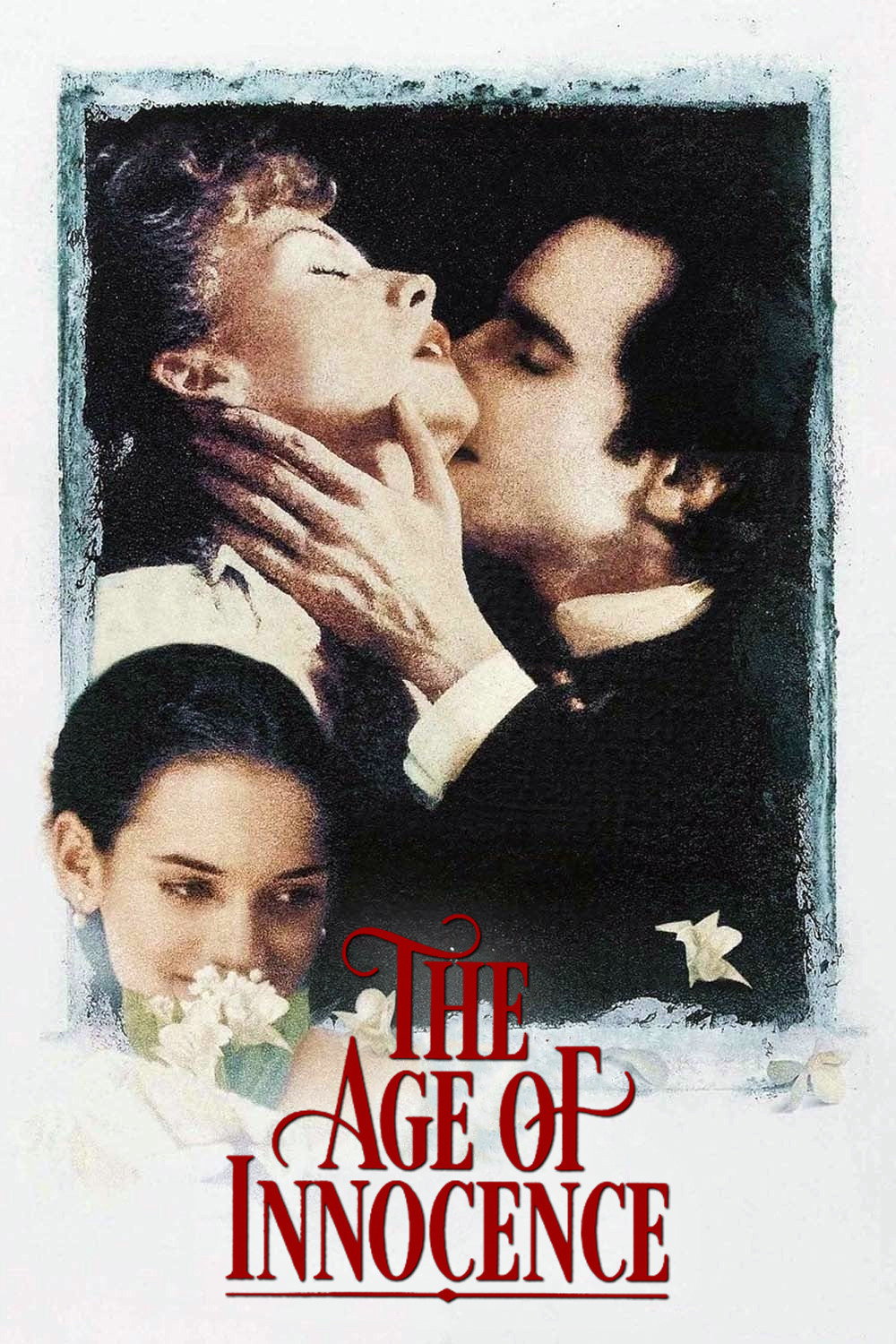
The Age of Innocence poster86

The Age of Innocence

1993 · Watch closely for the injuries inflicted without anyone needing to raise their voice.

The Favourite poster

The Favourite

2018 · For a harsher laugh at the humiliations involved in getting close to power.