Yorgos Lanthimos makes royal rivalry funny and uncomfortable, with Olivia Colman giving the cruelty a human cost. The camera sometimes works too hard, but the three central performances deserve the attention.
The Favourite is a funny, cruel costume comedy with enough feeling to make its quarrels matter. Yorgos Lanthimos makes royal favour feel dangerously personal: a change in Queen Anne’s mood matters to everyone around her. The screenplay by Deborah Davis and Tony McNamara keeps political manoeuvring close to the business of getting and keeping somebody’s attention. We recommend it for the performances and the spiteful pleasure of its dialogue, with a reservation about how insistently it advertises its strangeness.
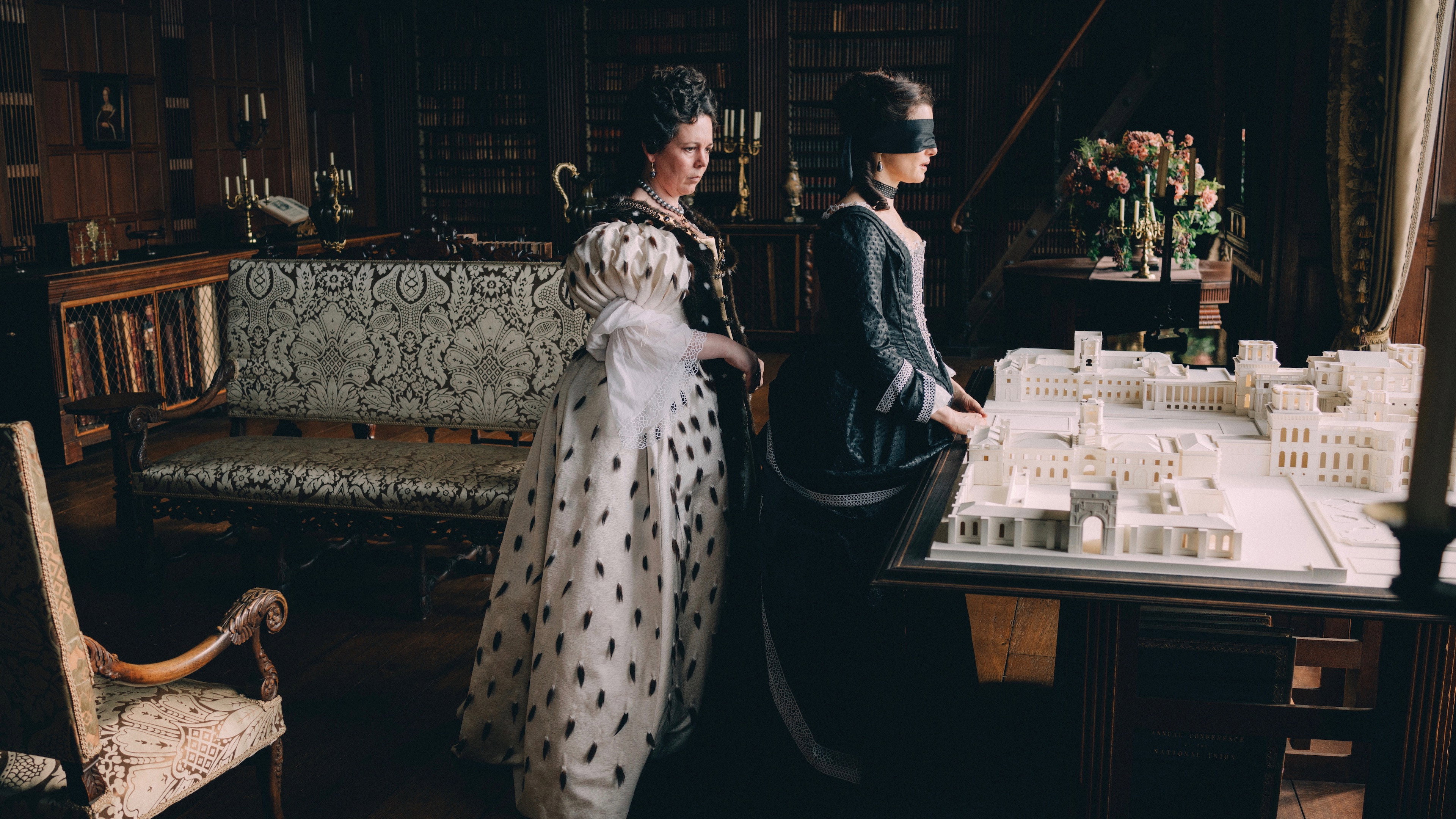
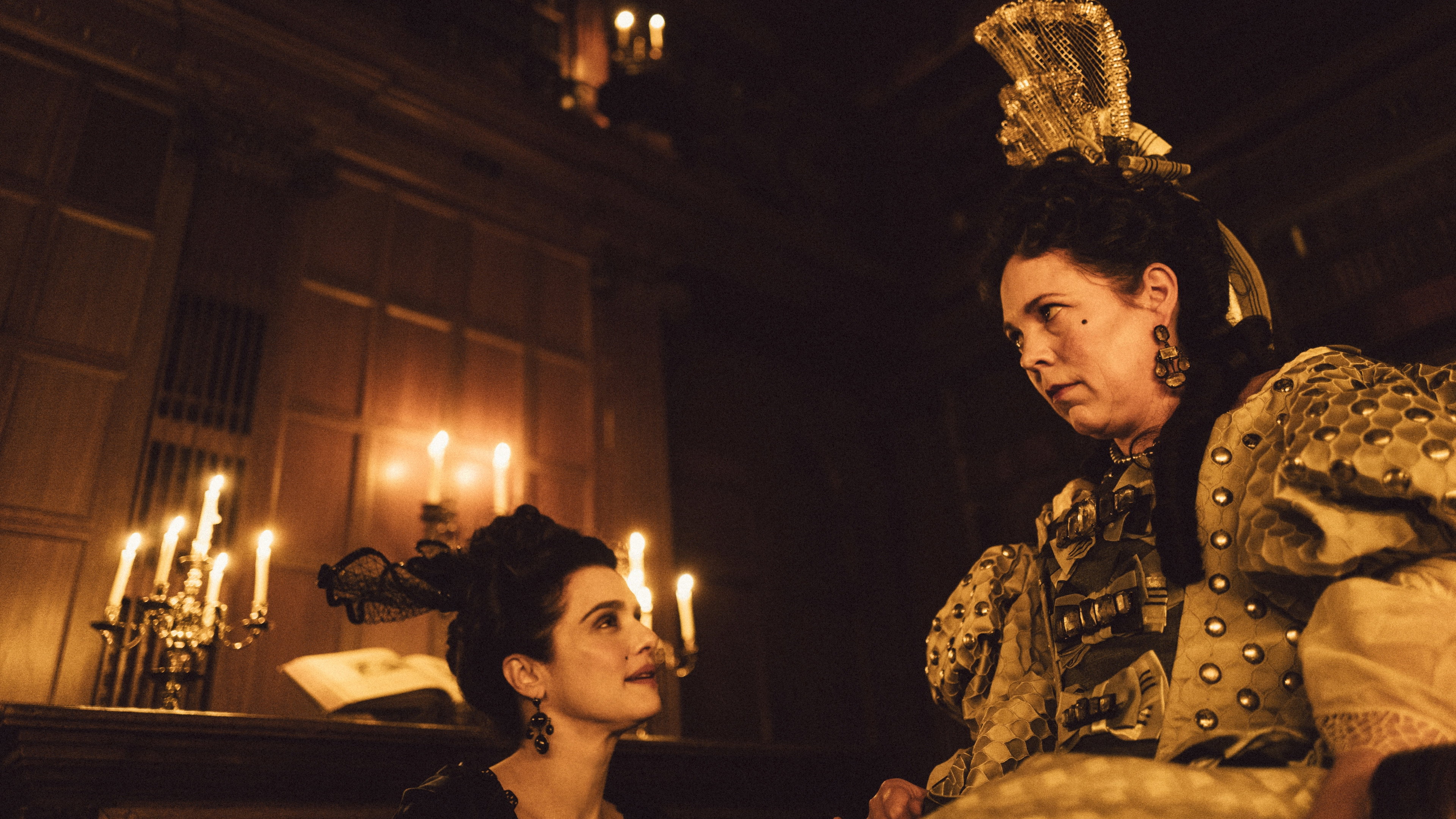
Olivia Colman is the reason its nastiness remains bearable. Queen Anne’s petulance can be funny enough to make her pain seem like another nuisance, until the performance makes us attend to it. We laughed at her ill temper, then felt ashamed of how readily we had dismissed her unhappiness. Olivia Colman can make an unreasonable demand sound like a frightened attempt to keep someone close. That fear gives the rivalry a consequence beyond the satisfaction of watching somebody get the better of somebody else.
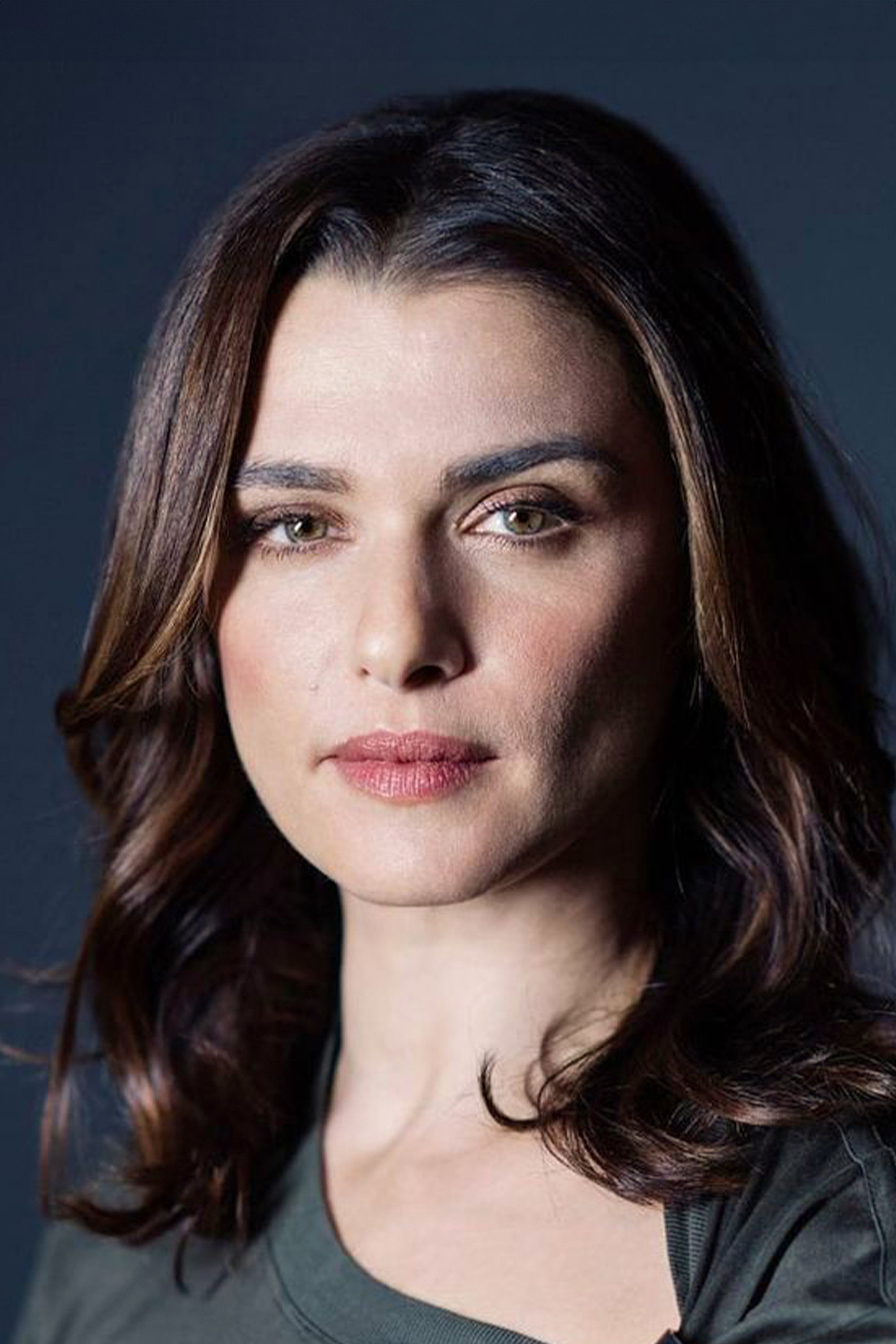
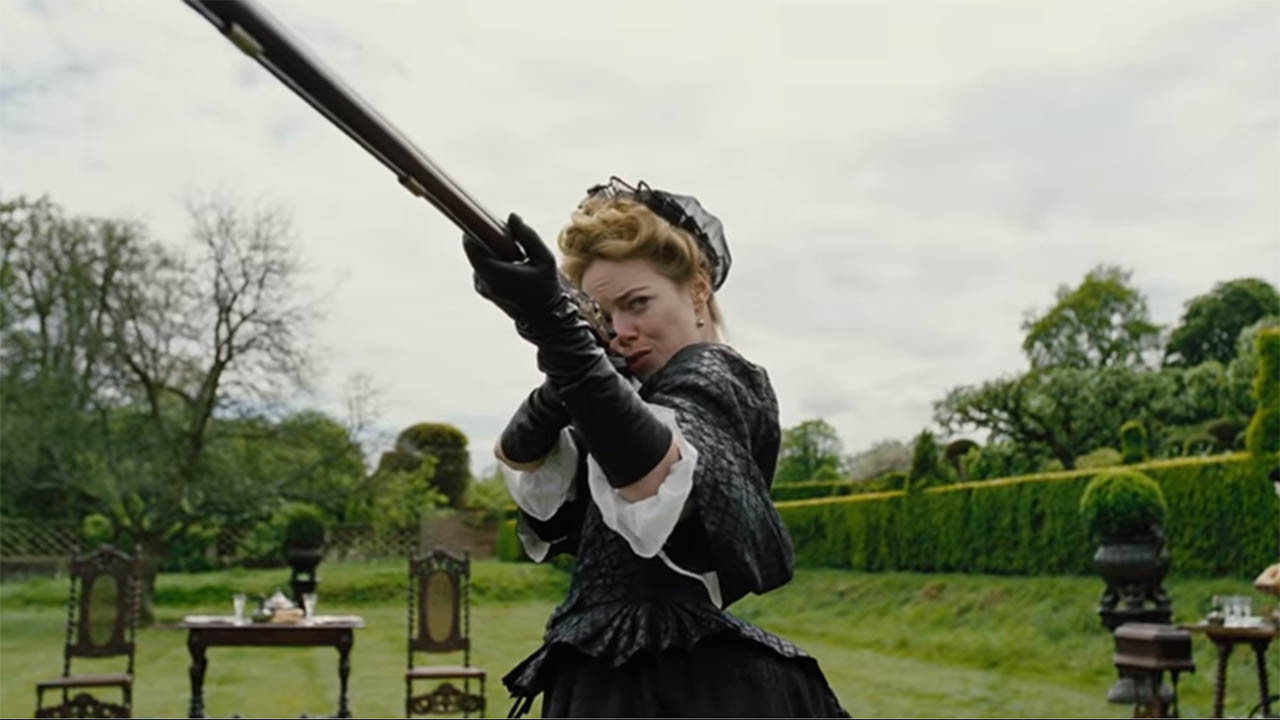
Rachel Weisz plays Lady Sarah with a certainty that makes opposition seem almost bad manners. Her authority gives Emma Stone something solid to push against, and Abigail’s watchfulness prevents the contest from becoming a simple exchange of insults. Emma Stone is particularly good at making calculation interesting to watch without asking us to applaud it. The pleasure comes from how differently the three women approach their struggle: Lady Sarah expects to prevail, Abigail looks for an advantage, and Queen Anne needs attention badly enough to make everyone nervous.
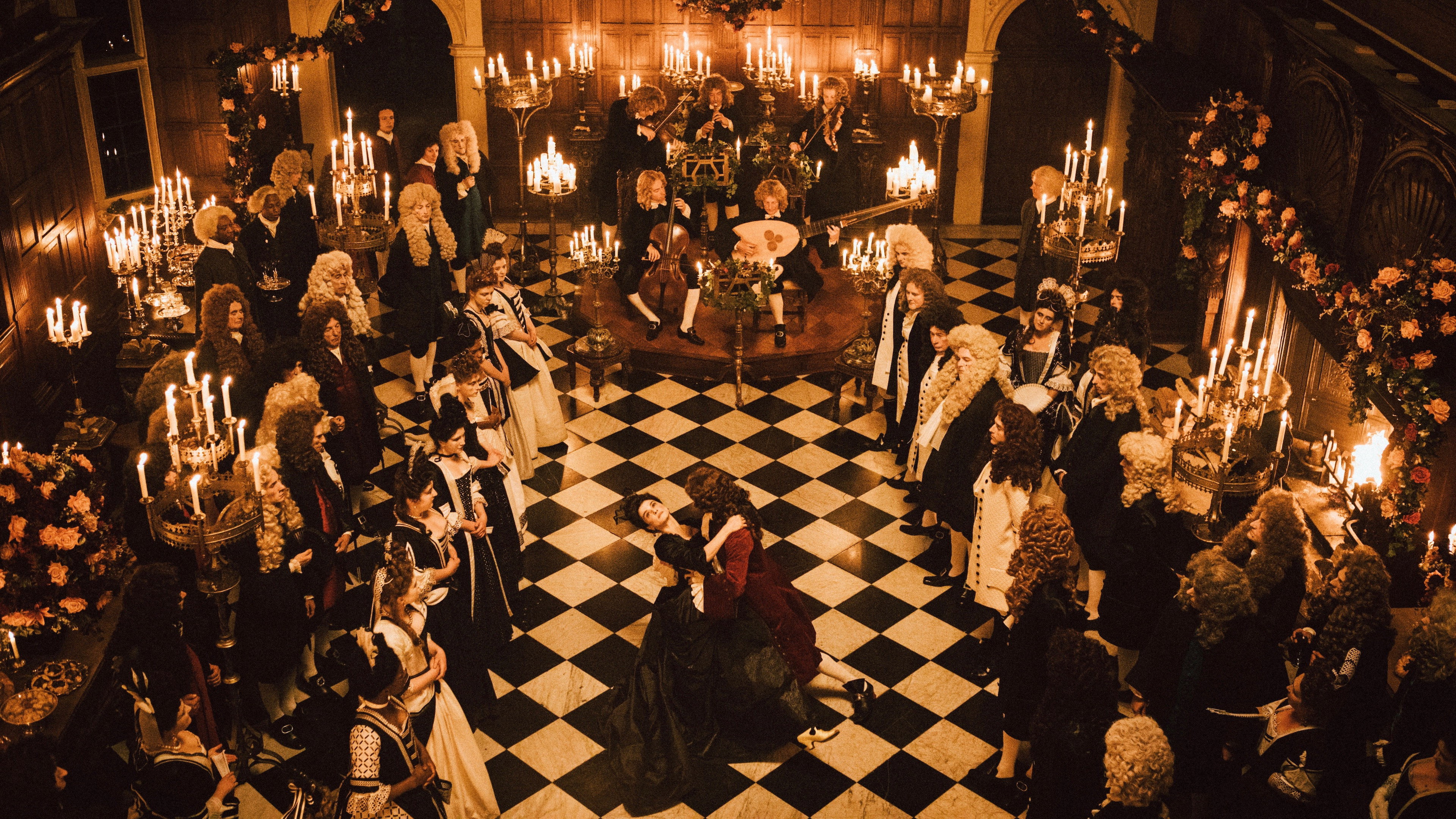
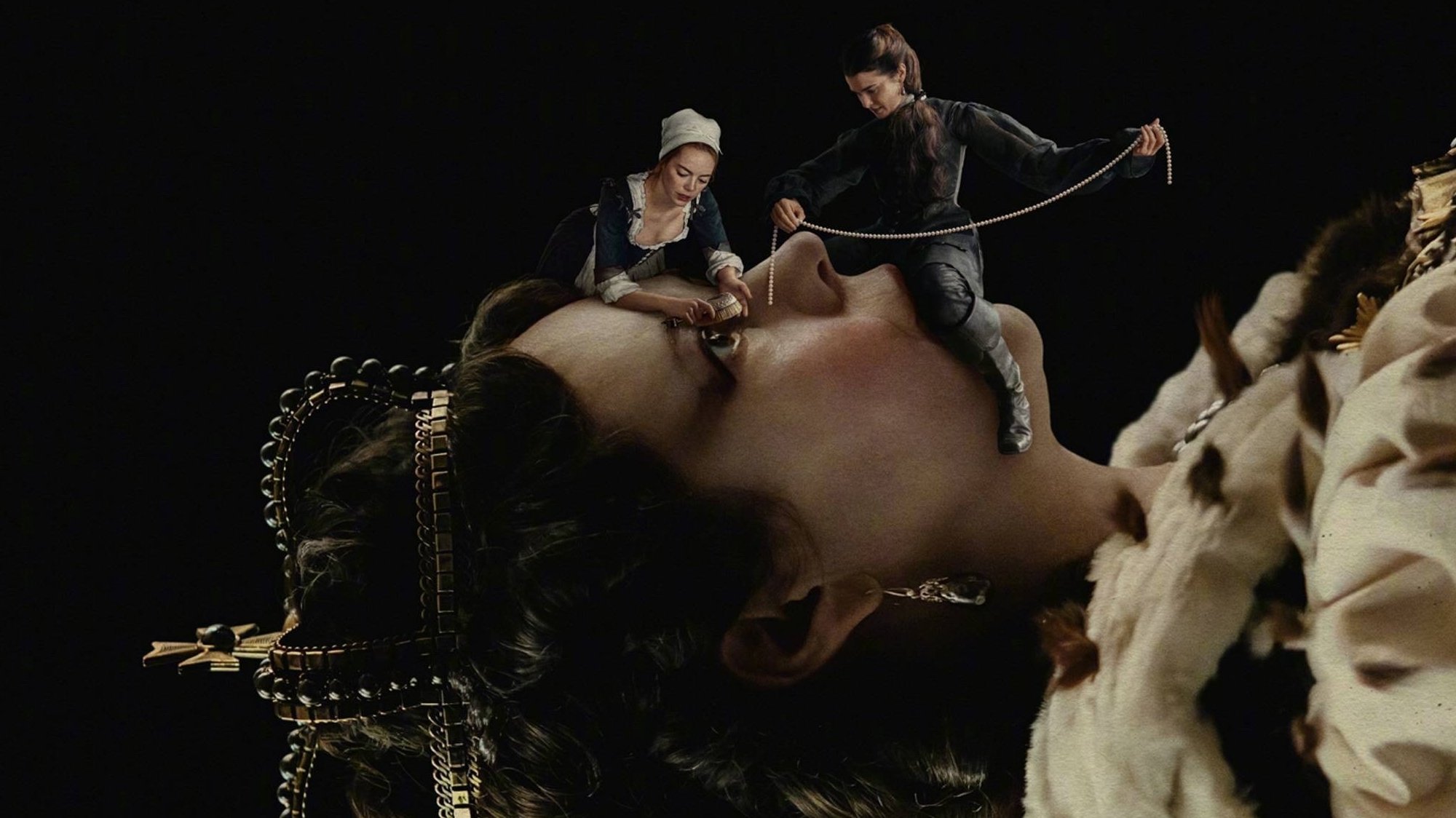
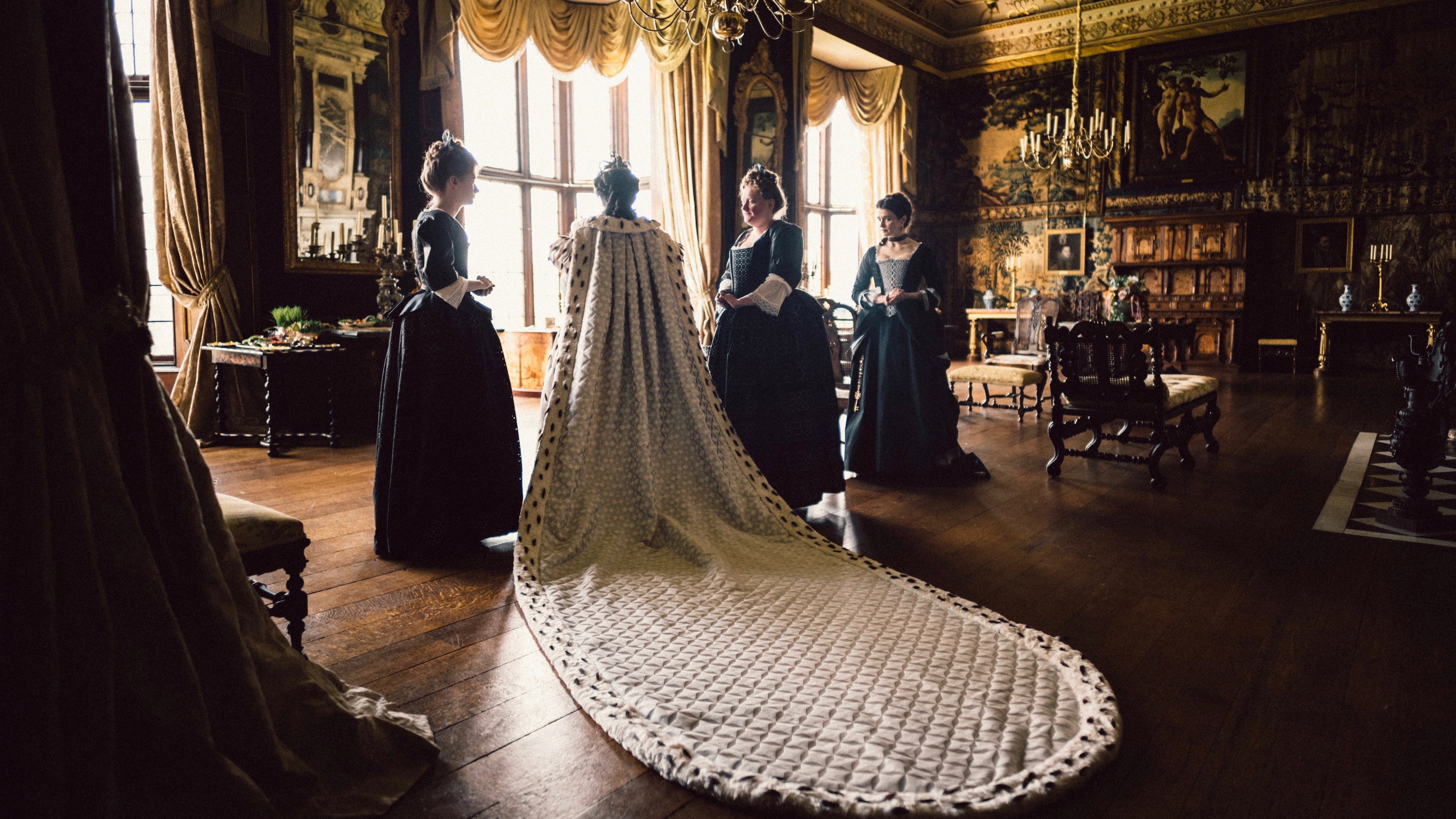
Robbie Ryan’s wide-angle cinematography is useful when it makes the court seem an uncomfortable place to inhabit, however grand the surroundings. It keeps the period setting from settling into a tasteful background for the dialogue. Some of that distortion is overinsistent, though, and we occasionally wanted the camera to leave the actors alone. With performances this alert to changes in status, the image does not always need to keep reminding us that something is wrong.
Fiona Crombie’s production design gives small acts of vanity grand rooms in which to flourish, and the scale helps make the quarrels ridiculous. Sandy Powell’s costumes add to that sense of people making an elaborate public display of themselves, even when their behaviour is embarrassingly childish. Yorgos Mavropsaridis edits the competing performances with enough room for the cruelty of a remark to register before the next exchange begins. The dialogue is brisk, but the film still lets us notice who has been wounded and who is pretending not to be.
Deborah Davis and Tony McNamara are good at giving malice a conversational ease, so the dialogue rarely sounds like a speech about power. Their weakness is repetition: another round of humiliation does not always tell us much more about these people. Across 120 minutes, a few exchanges feel like variations on a contest we already understand. Yorgos Lanthimos is too willing to prolong that sourness, although the actors keep finding embarrassment and need where a less attentive costume comedy might be content with rude words.
The useful surprise is how much feeling survives the mockery. A costume drama can make its people seem protected by their clothes and titles; here their need to be loved is often painfully obvious. That is why we stayed interested even when the power games began to repeat themselves. See it for the three women, and forgive the occasional camera flourish that distracts from them.