Film review

The Draughtsman's Contract

1982 · Directed by Peter Greenaway · 1h 48m · MPA R

In a sentenceEveryone has dressed carefully for the business of being unpleasant

HistoryMysteryComedy

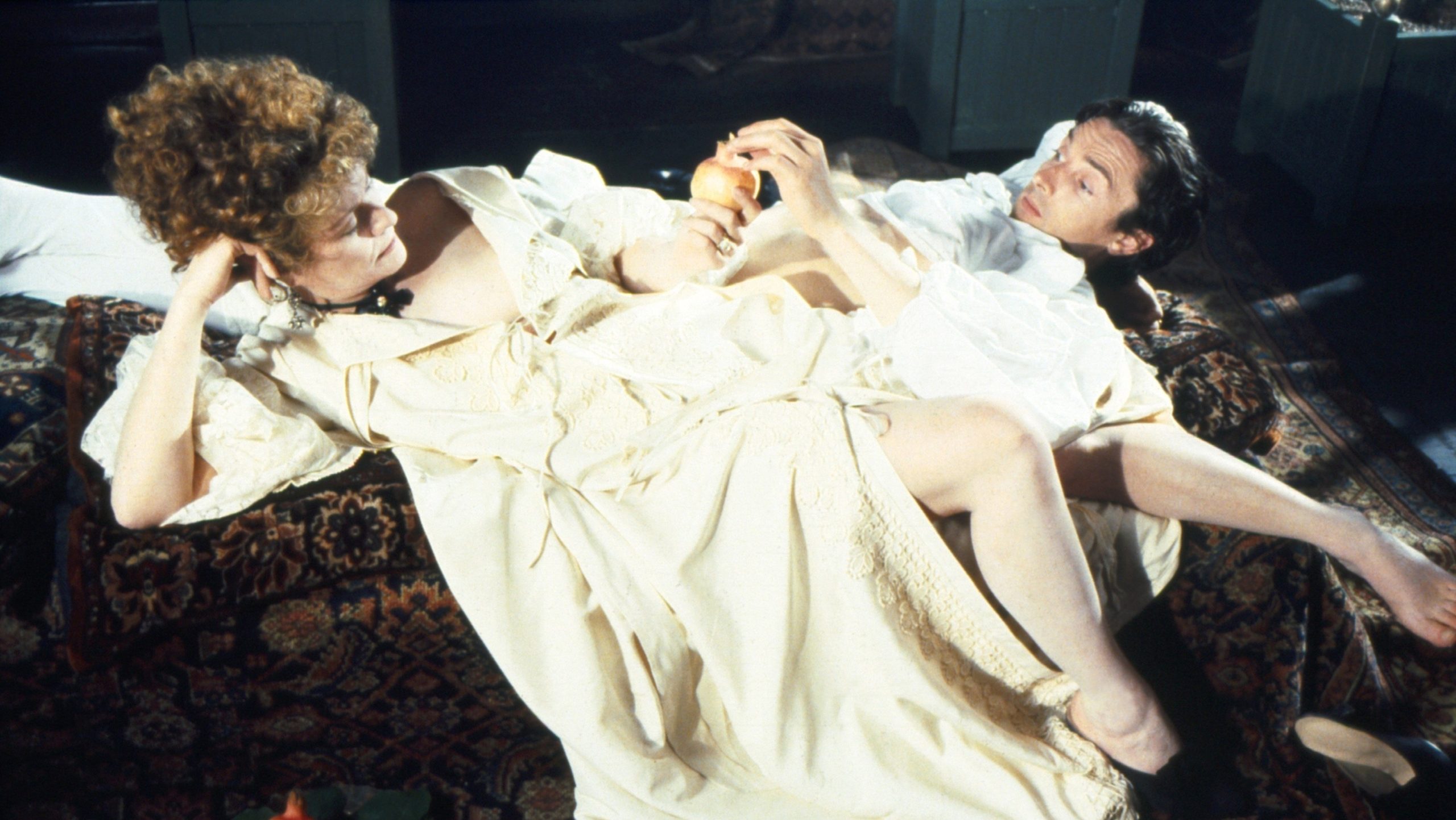
In 1694, Mr. Neville (Anthony Higgins) enters a country-house society where sexual bargaining and social standing complicate every exchange. Around him are Virginia Herbert (Janet Suzman), Sarah Talmann (Anne-Louise Lambert) and Mr. Talmann (Hugh Fraser). Elaborate clothes and landscaped grounds suggest an orderly household, but the conversation is full of hostility. Mr. Neville has to judge what he sees while dealing with people whose words are no safer to trust. Insults arrive as civil remarks, private interests govern public behaviour, and the house’s cultivated appearance offers little help in deciding what anyone means.

Plays from YouTube when you press play; nothing loads from them until then.

Fi1m review

Peter Greenaway’s country-house mystery is funny, exacting and quietly vicious. The carefully arranged images repay attention, though the mannered conversation can make its people seem remote even while they are entertaining us.

Peter Greenaway makes the country-house mystery work unusually hard. The grounds invite close inspection, the clothes announce status, and the conversation provides reasons to distrust almost everyone. The Draughtsman’s Contract is a funny, exacting film that we recommend, though anyone requiring every clue to be accounted for may find it frustrating. It is easy to mistake this degree of care for solemnity, until the spite in Peter Greenaway’s screenplay starts to register.

Anthony Higgins gives Mr. Neville enough assurance to make the film’s concern with looking and understanding feel personal. His manner is a pleasure to watch even when the character is making himself difficult company. Janet Suzman, as Virginia Herbert, and Anne-Louise Lambert, as Sarah Talmann, keep the exchanges from becoming a display of one man’s cleverness. Their restraint suits a screenplay in which a civil tone can make an insult worse, and it encourages us to listen for more than the immediate joke.

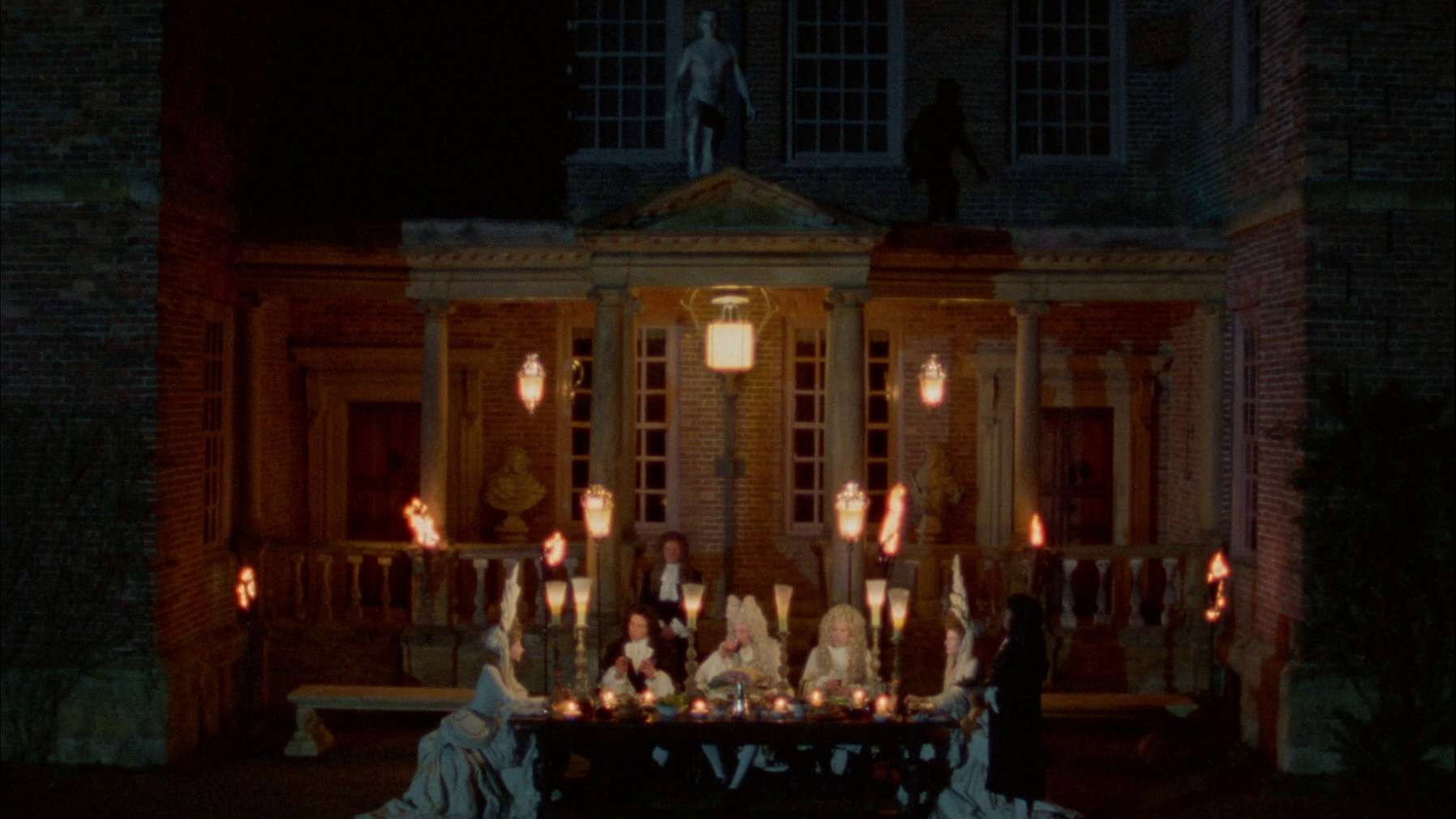
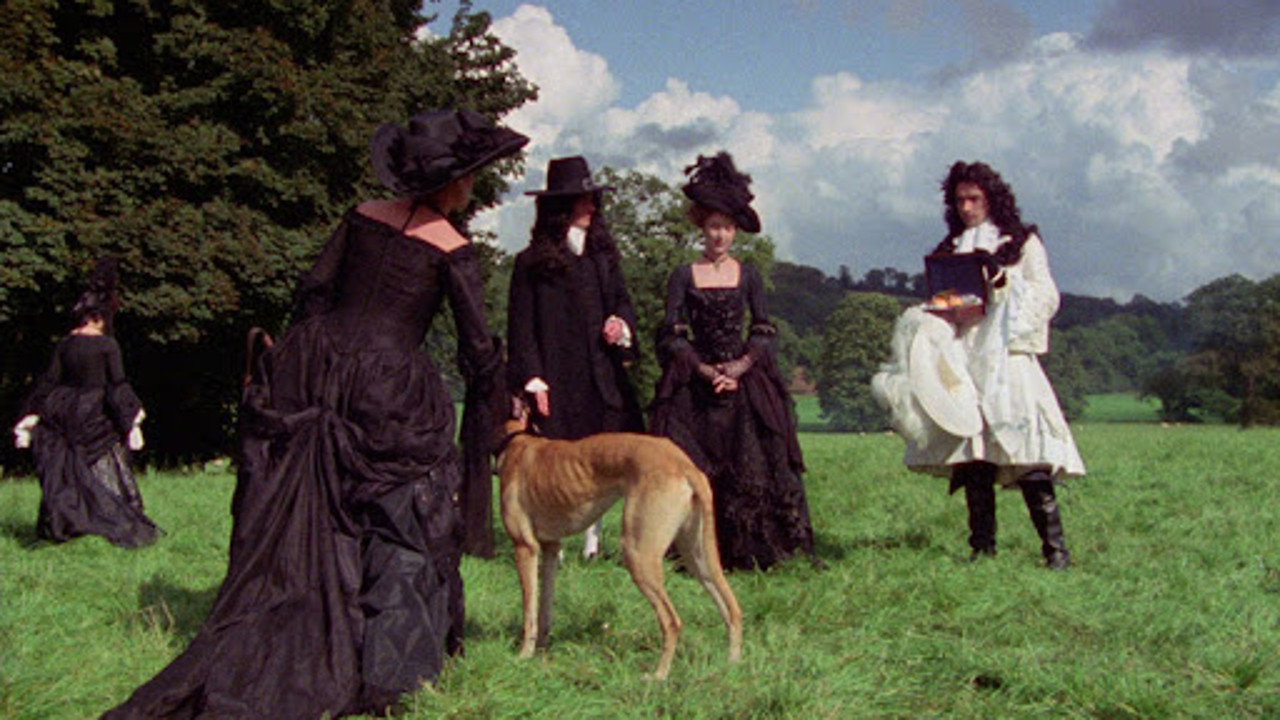
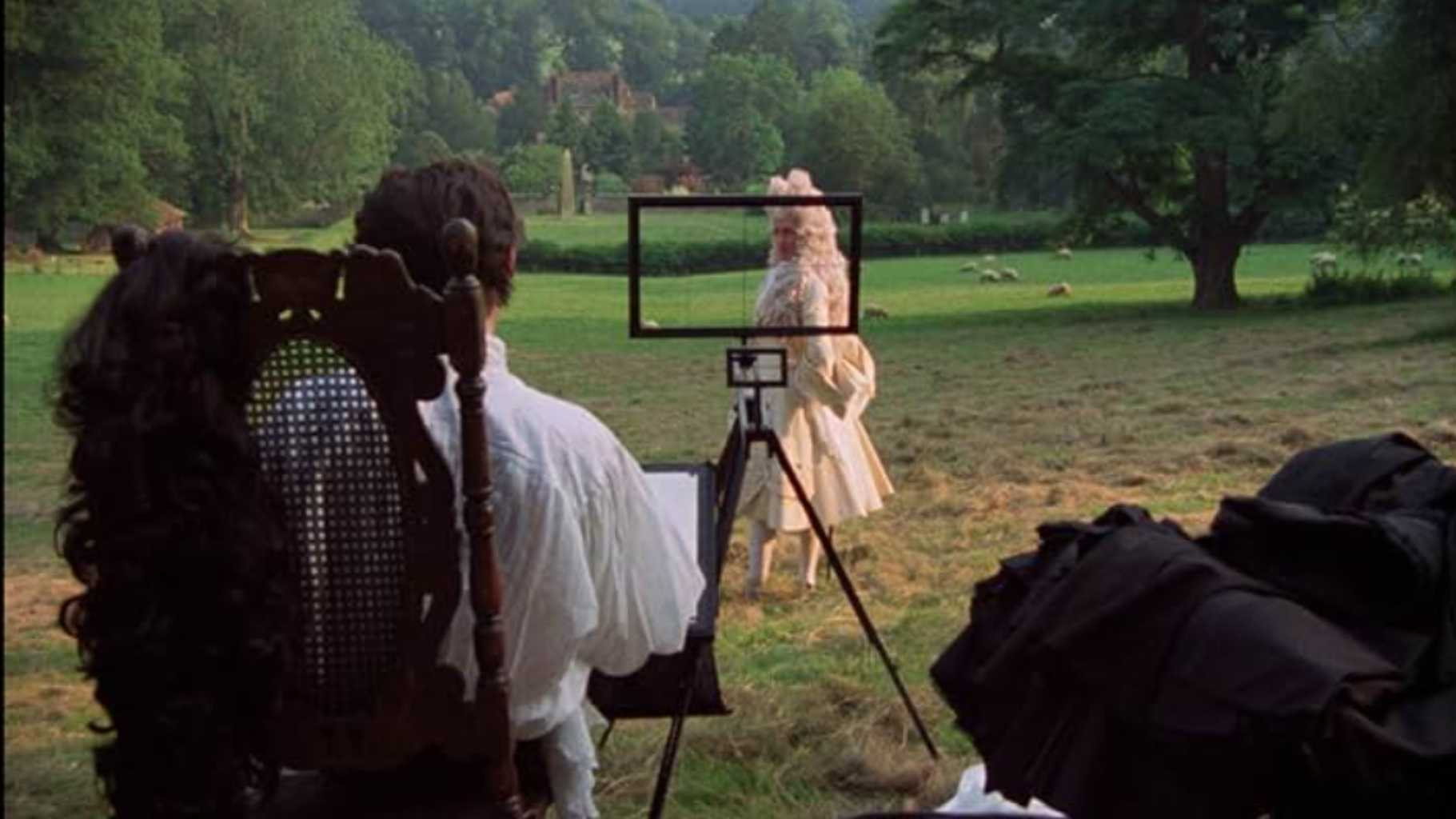
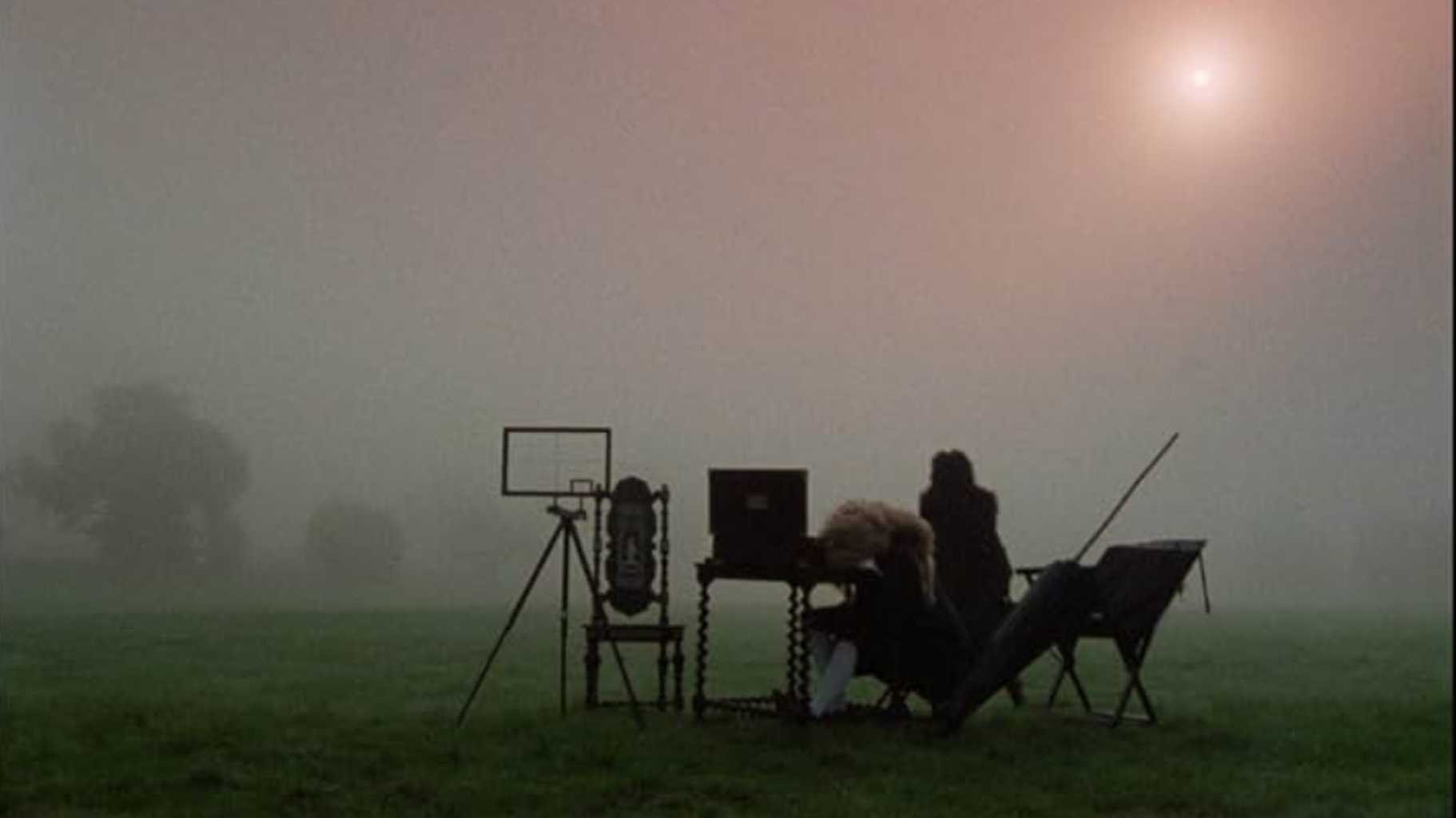
Curtis Clark’s cinematography gives the landscaped grounds the same scrutiny as the people occupying them. The long-held, formally arranged views allow us to inspect who stands where and how everyone fits into the surroundings. John Wilson’s editing preserves that looking time, so the compositions remain readable instead of becoming decorative glimpses between conversations. We begin searching them for something the speakers might have overlooked, which is an effective way to involve us in a mystery without having somebody announce another clue.

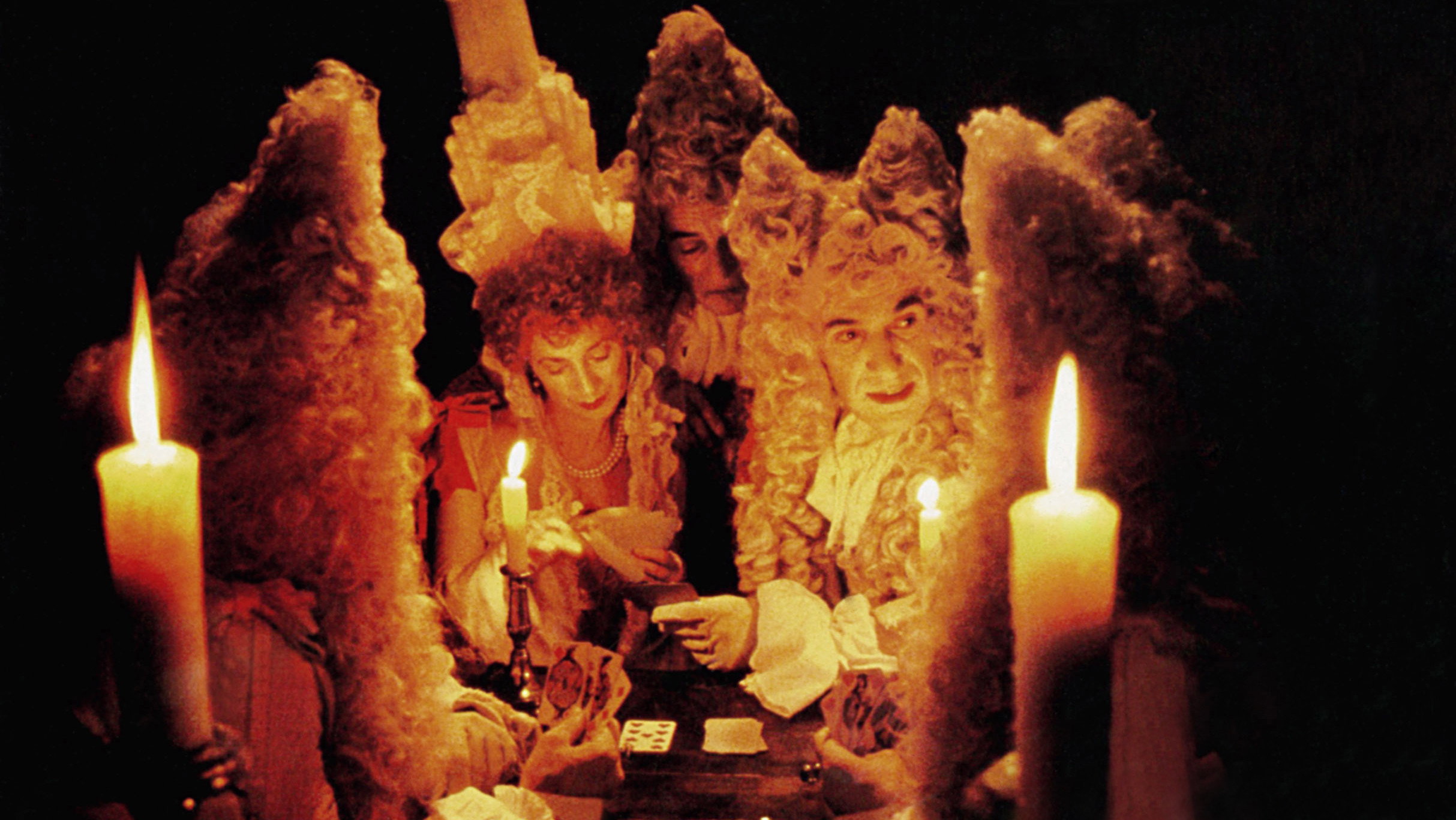
Sue Blane’s costumes make this society’s appetite for display immediately legible. Their elaboration is funny before anybody speaks, and it makes the cultivated settings feel inhabited by people who expect to be looked at. Michael Nyman’s music brings a welcome urgency to all this posing; it helps scenes feel active even when the camera is content to watch. The combination keeps our attention on the screen during stretches when the dialogue might otherwise start to feel like an examination.

We laughed at the exchanges of polished insults, then felt uncomfortable about how much amusement we were taking in the bullying. Peter Greenaway lets the conversation stay civil while the intentions become unmistakably nasty. The people remain amusing long enough for their cruelty to seem momentarily acceptable, and that catches us off guard. The elaborate clothes help: their wearers continue to look respectable while giving us reasons to think otherwise.

The difficulty is that this control sometimes makes the people seem arranged as carefully as the landscape. Peter Greenaway can be so pleased with a verbal complication that we lose interest in what anyone actually wants. John Wilson’s patient cutting, so useful when we are inspecting a composition, cannot always make another mannered exchange feel necessary. There are stretches when we want the conversation to become less elaborate, simply so that somebody might sound capable of being hurt.

We tend to approach a country-house mystery by listening for information that will help solve it. Here, much of the pleasure comes from hearing people use words against one another, and from noticing how the pictures complicate what we hear. That gives the film plenty to offer even when its manner has tried our patience. Choose it for an evening when a disputed clue will improve the conversation afterwards.
Critical consensus AI synthesised

77
Positive
9
Mixed
1
Negative
0

Most critics respond warmly to The Draughtsman’s Contract, with praise clustering around its barbed dialogue, painterly compositions and elaborate period costumes. The reviews find that Greenaway’s carefully arranged landscapes and verbal sparring make the country-house mystery funny and unsettling, with social cruelty beneath the polite manners. Many also welcome the demands it makes on its audience, treating its clues and unanswered questions as invitations to look more closely rather than obstacles to enjoyment.

The reservations concern how far that pleasure survives the film’s mannered storytelling, though the spread runs from enthusiasm to qualified approval rather than outright rejection. The AV Club finds it rewarding as a patterned puzzle but less successful as a straightforward narrative, while Empire praises the plot’s construction. The New Yorker offers the clearest dissent, suggesting that the superior tone can become boring and that the violence jars with the comedy’s artifice.

RogerEbert.com
14 December 2012 · Roger Ebert
90*

The film is a tantalizing puzzle wrapped in eroticism and presented with utmost elegance. Greenaway gives viewers clues to a complex story of plots and murder but leaves them to draw their own conclusions rather than spelling everything out.

Read the full review →
The New York Times
22 June 1983 · Vincent Canby
90*

The film is cinema's first Restoration comedy-mystery, an enigmatic tale of murder set in 1694 with loose morals and mannered behavior. Greenaway creates a detailed, elegant, and mindbendingly rich picture of the period through words as weapons and lush landscapes.

Read the full review →
The Guardian
10 November 2022 · Peter Bradshaw
85*

Greenaway’s arch tale of sexual and political manipulation has not lost its power to bewilder and compel after 40 years. The critic praises its singular brilliance, bizarre vehemence and intensity, and refusal to dumb anything down.

Read the full review →
Little White Lies
12 November 2022 · Finlay Spencer
80*

The critic celebrates the film as a fresh and funny blueprint for modern period pieces thanks to its acerbic script and anachronistic flourishes. They single out the witty, barbed dialogue and the painterly visual style blended with new-wave influences.

Read the full review →
Empire
1 January 2000 · Alan Morrison
70*

The critic presents the film as enjoyable both as a country-house murder mystery with Restoration trappings and for its playfully significant formal structure. A well-constructed plot is singled out as a strength.

Read the full review →
Slant Magazine
22 January 2008 · Jeremiah Kipp
70*

The film is a fledgling attempt at Greenaway's later perfected style, told through obsessive long-take tableaus that feel like diving into a painting. There is a story and mystery here that prevents the director from indulging in his sometimes alienating proclivities, resolved with merciless efficiency.

Read the full review →

Cast

Stills

If you liked this, try…

Blow-Up poster

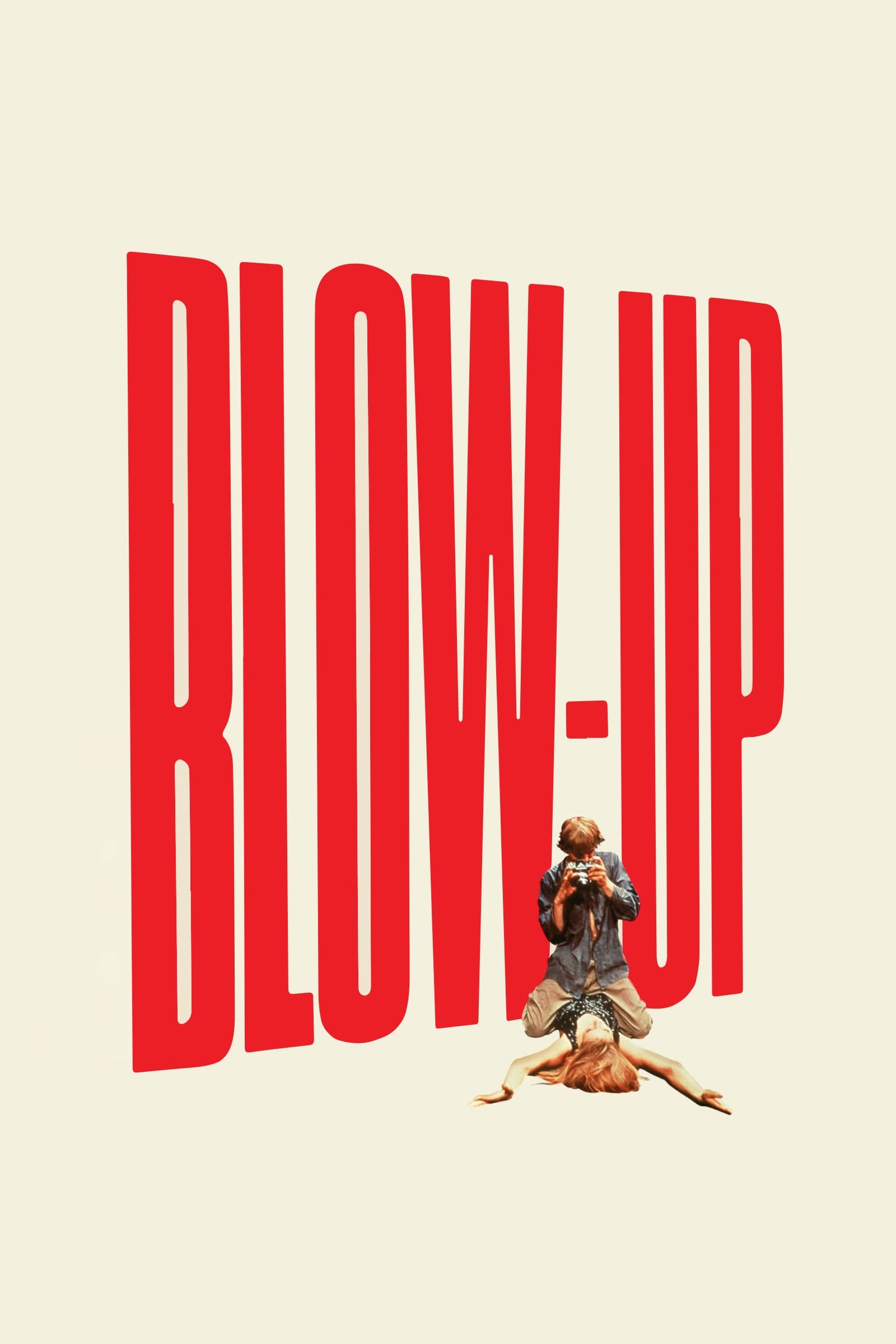
Blow-Up

1966 · Another artist looks closely at evidence and becomes less certain what happened.

The Servant poster

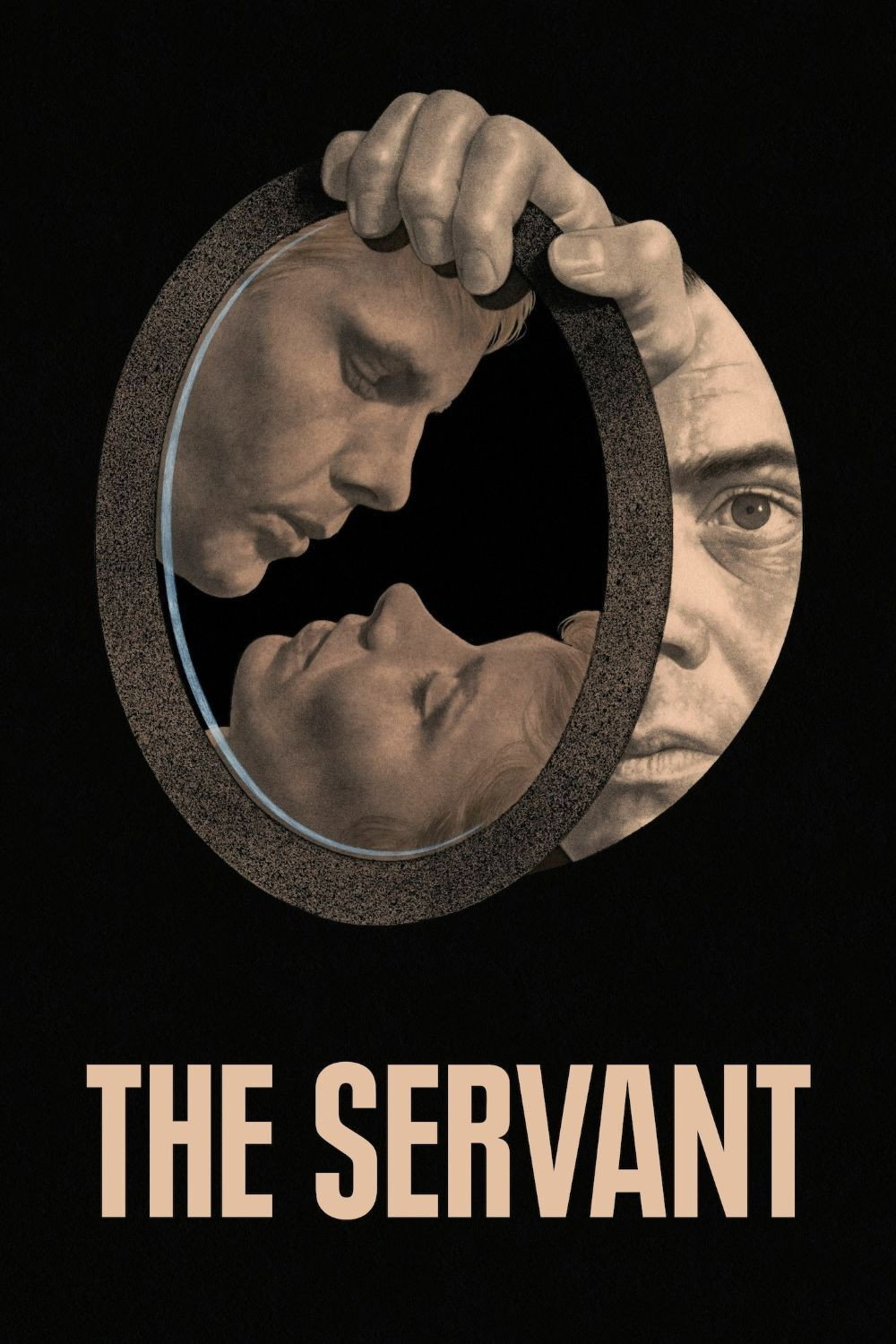
The Servant

1963 · For another household where good manners conceal a vicious contest for control.

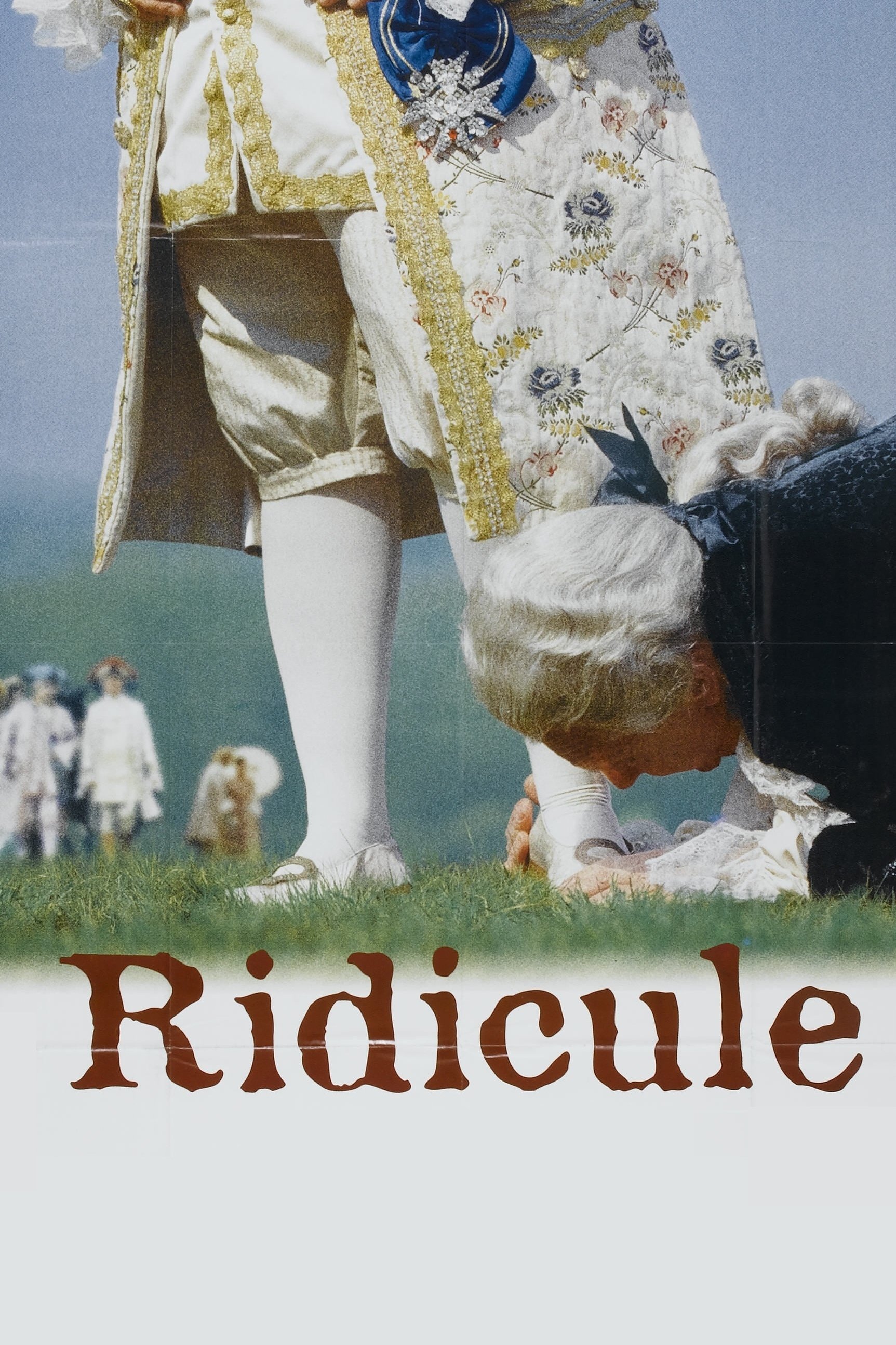
Ridicule poster

Ridicule

1996 · A French court makes verbal cruelty both entertainment and a qualification for advancement.

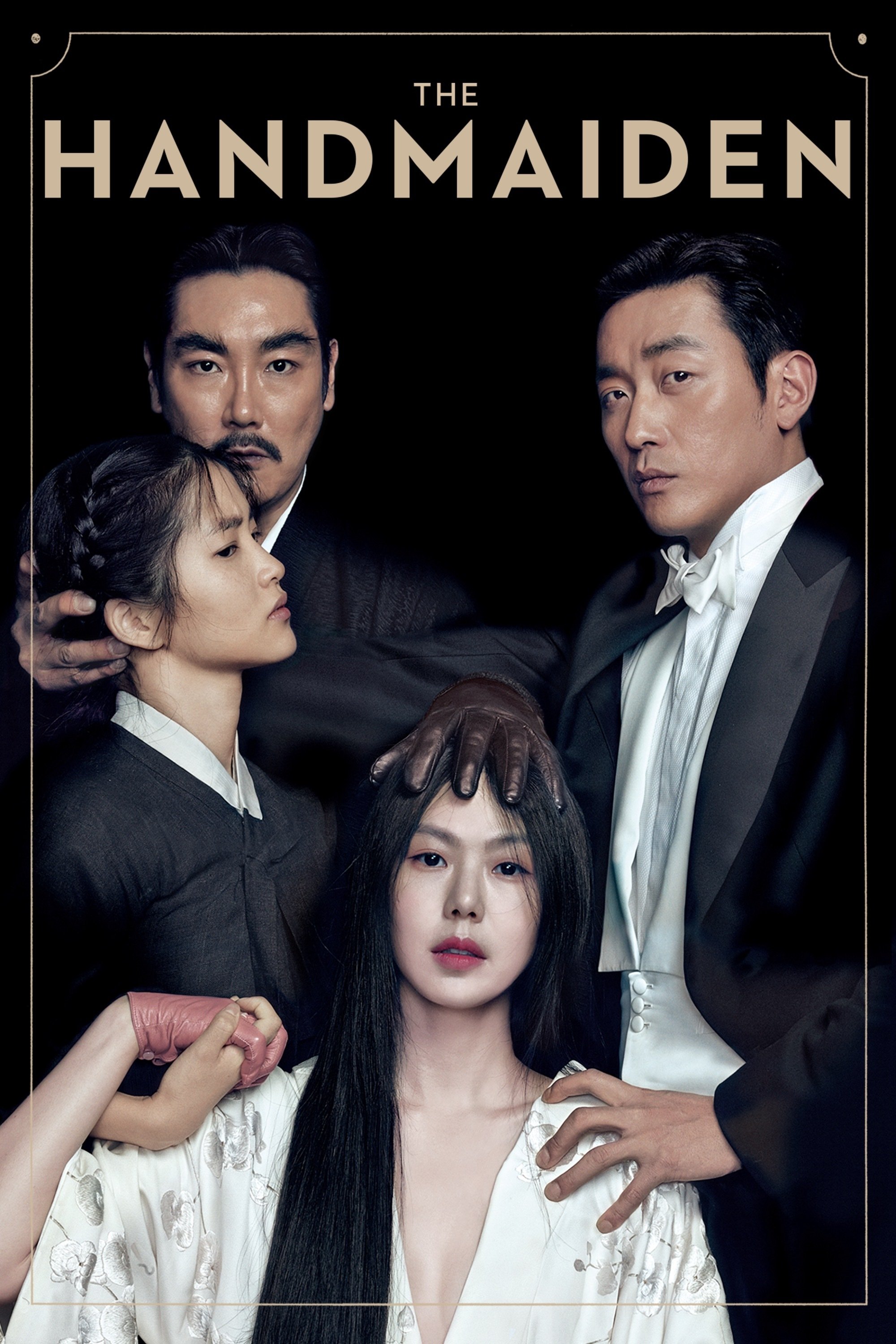
The Handmaiden poster85

The Handmaiden

2016 · Elaborate rooms, unstable allegiances and sexual bargaining, with considerably more emotional heat.

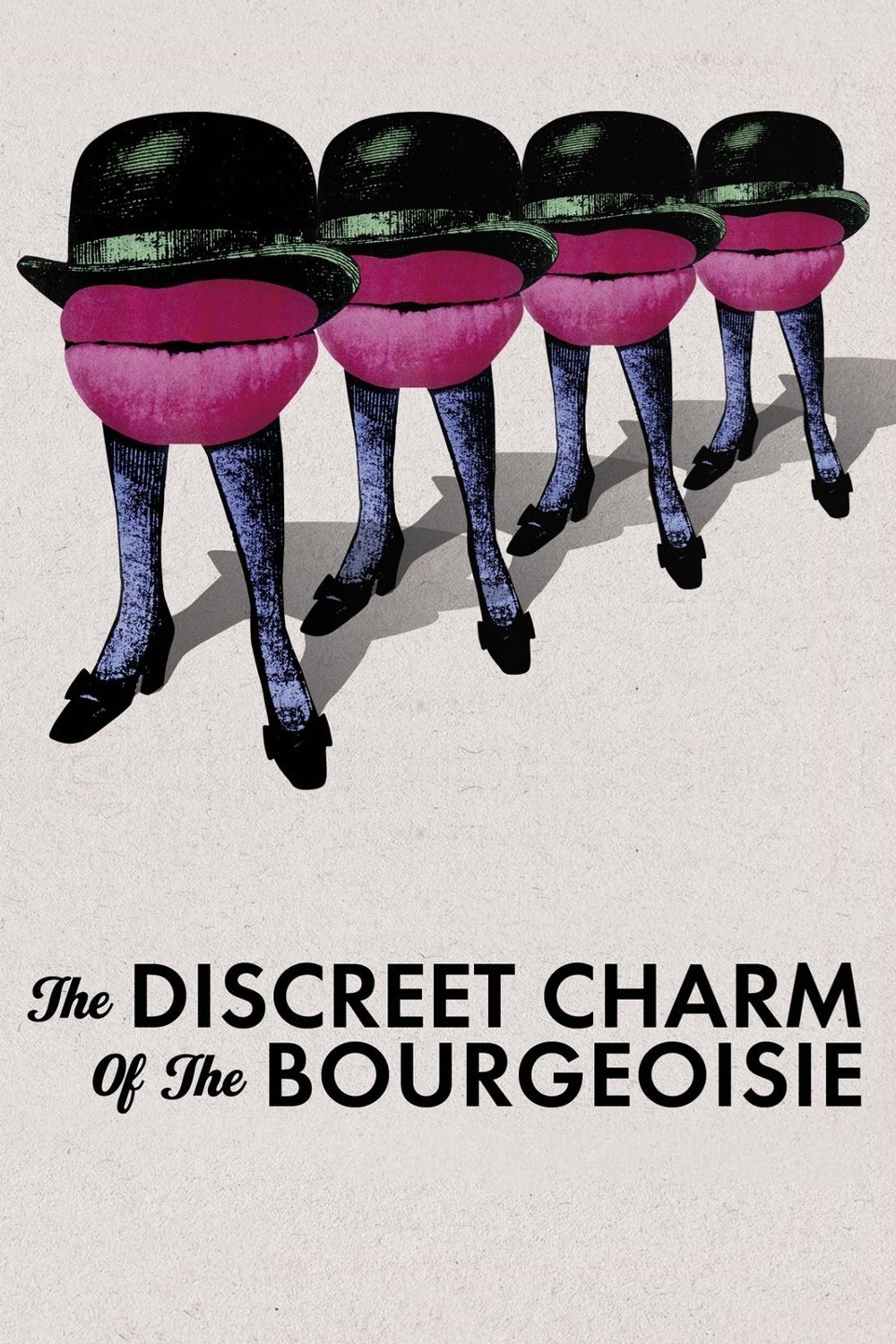
The Discreet Charm of the Bourgeoisie poster83

The Discreet Charm of the Bourgeoisie

1972 · Dinner keeps slipping away while respectable people make their absurdities increasingly plain.