Film review

The Discreet Charm of the Bourgeoisie

1972 · Directed by Luis Buñuel · 1h 41m · MPA PG

In a sentenceDinner keeps being cancelled, and somehow these people still think they are entitled to a pleasant evening

Comedy

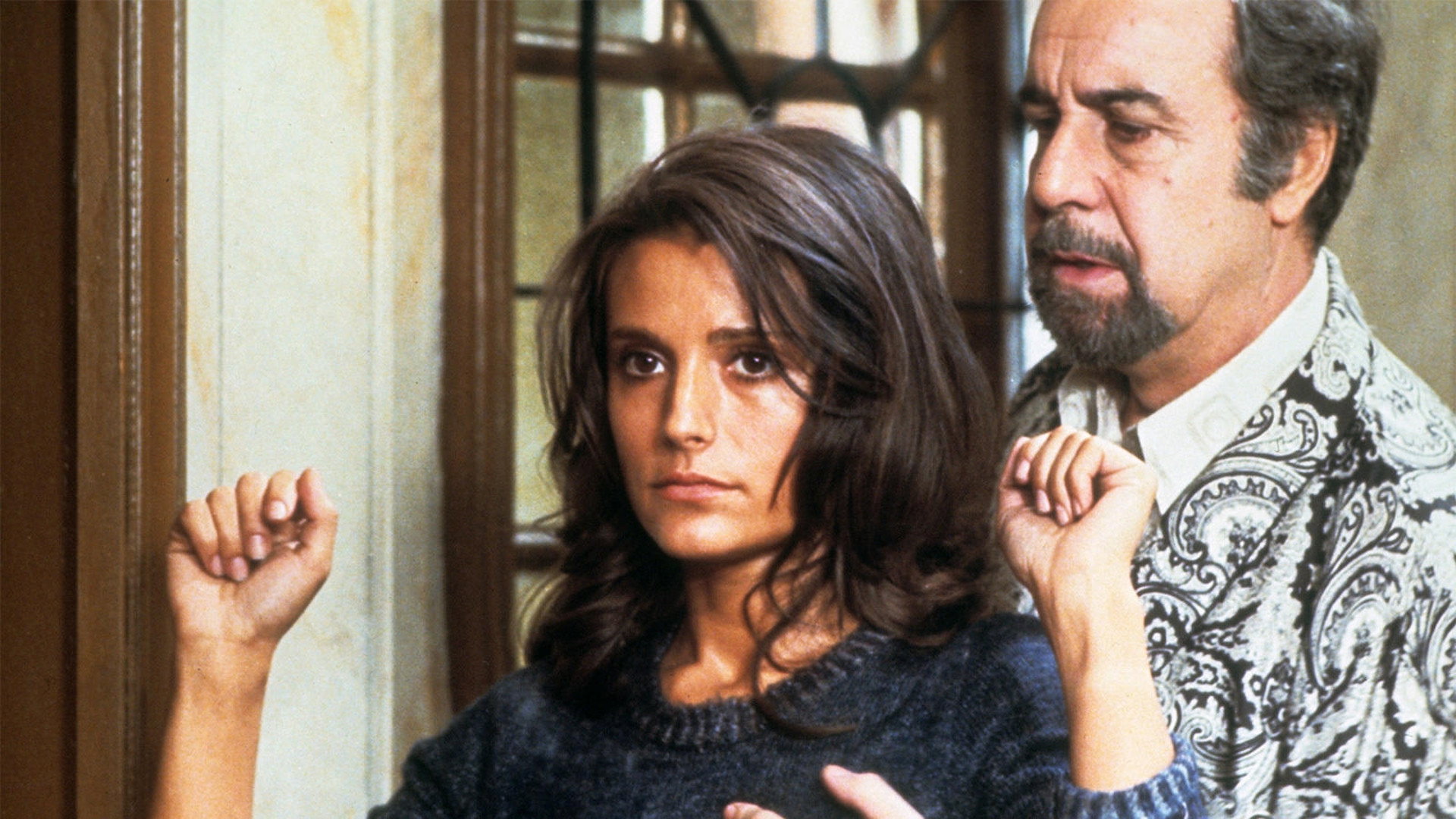
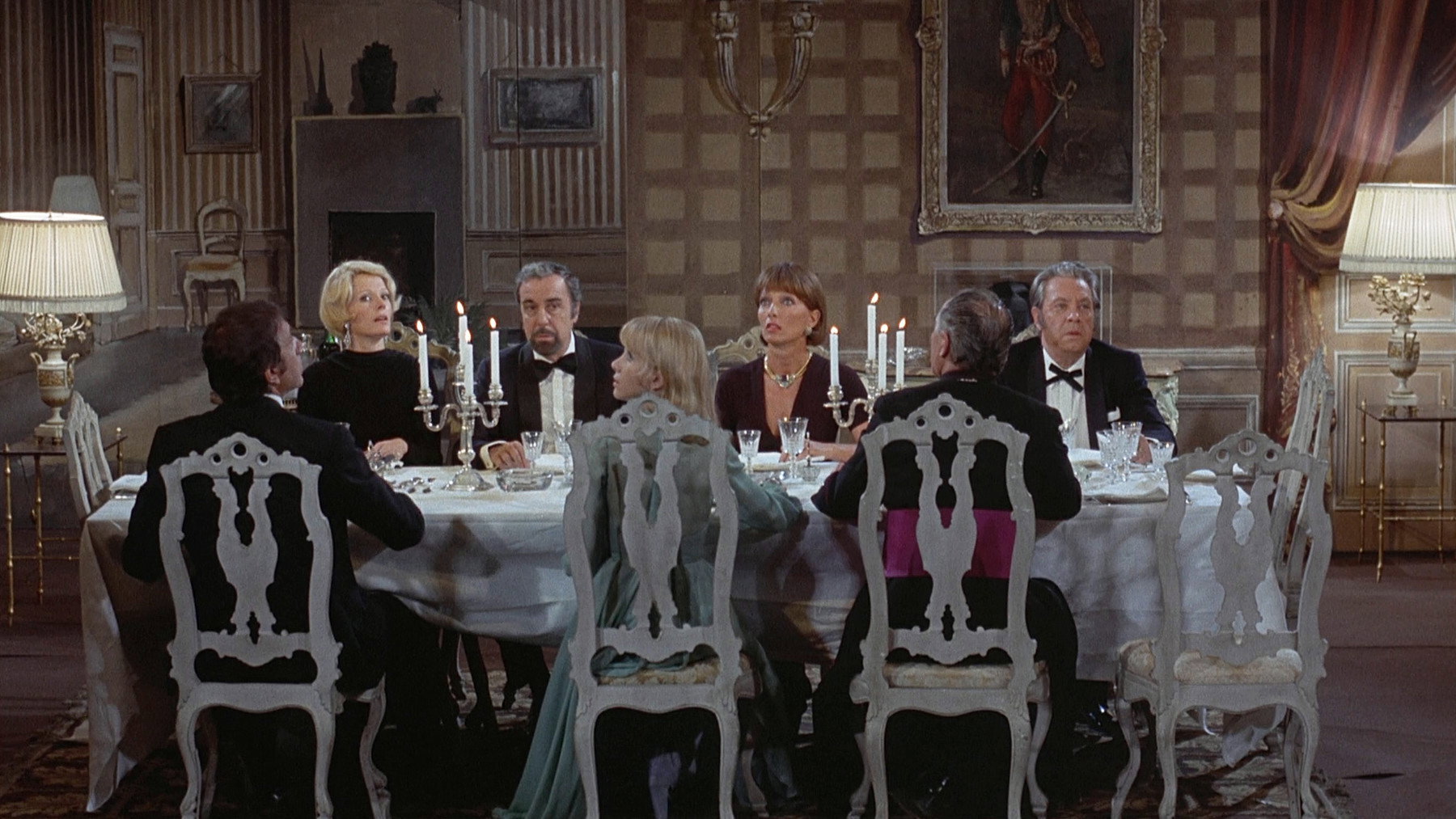
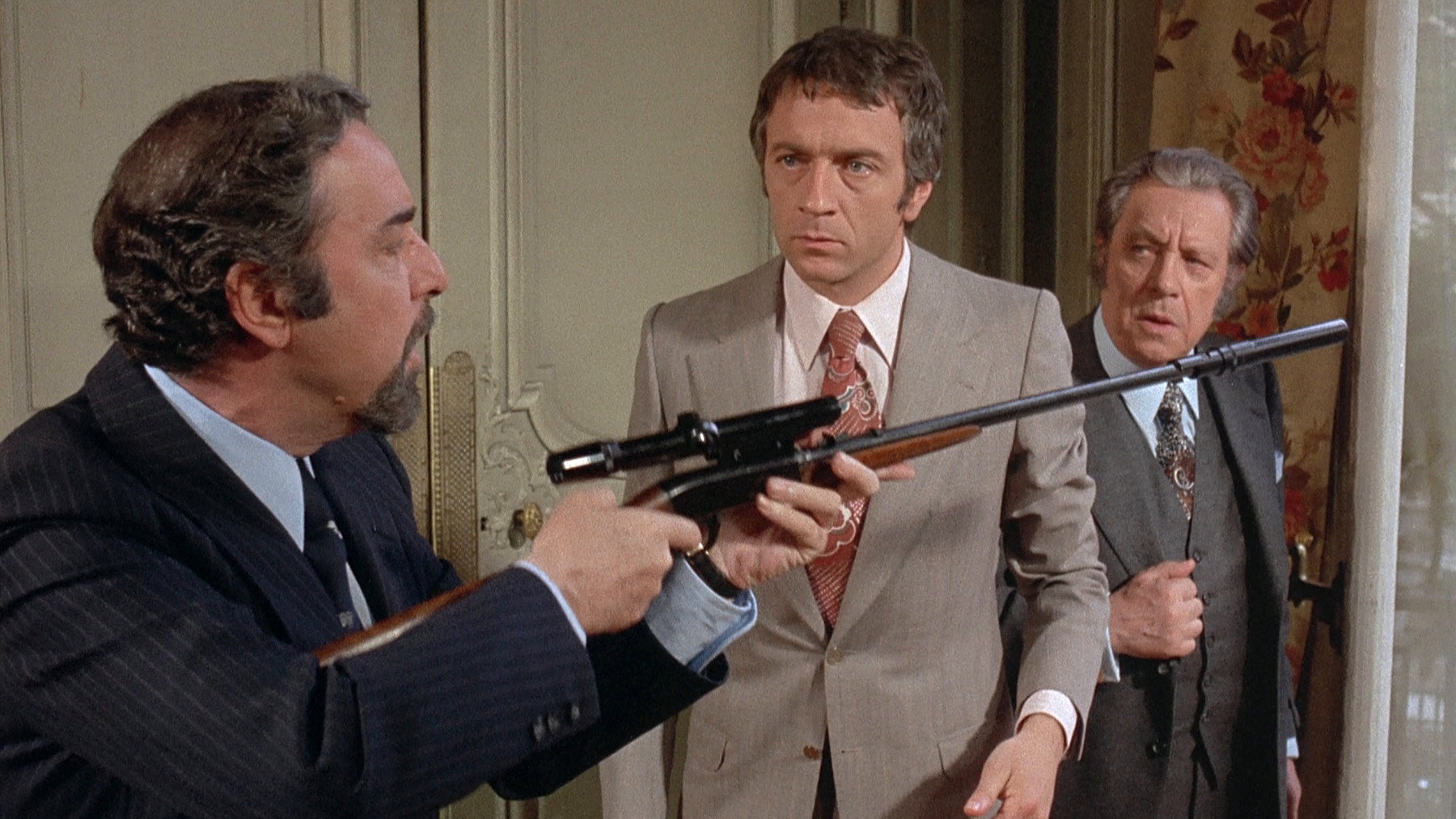
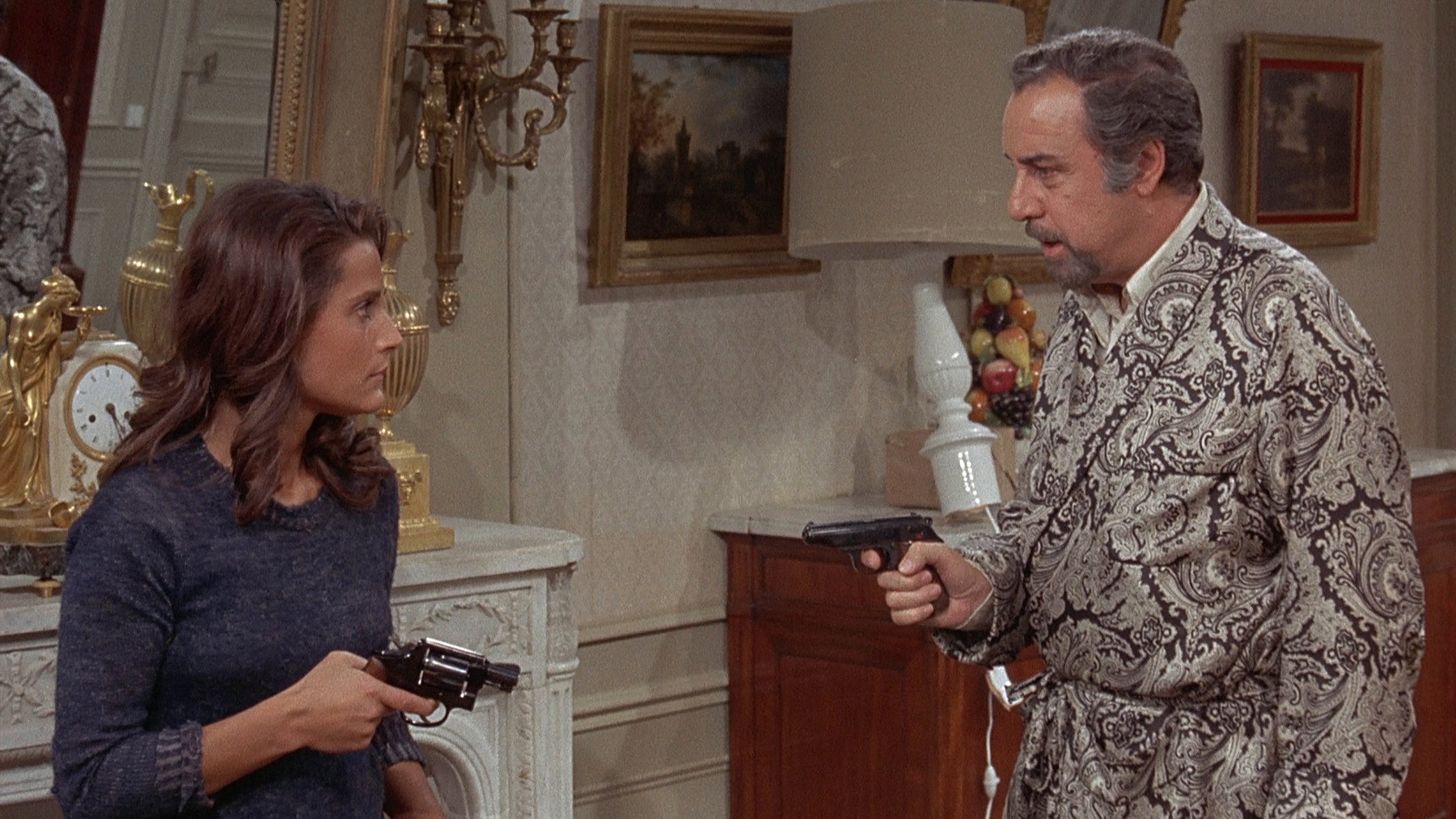
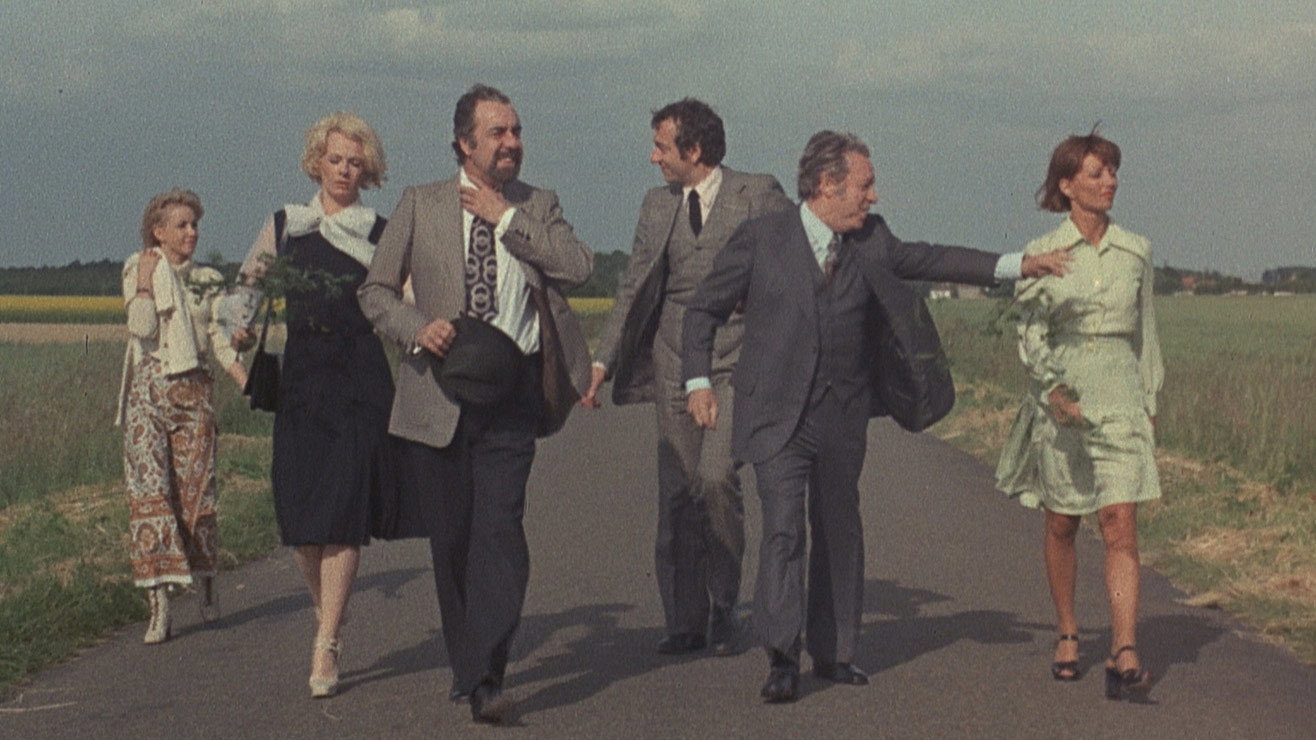
Don Rafael (Fernando Rey) plans to dine with a circle of French upper-middle-class friends, including Simone Thévenot (Delphine Seyrig) and François Thévenot (Paul Frankeur). Alice Sénéchal (Stéphane Audran), Henri Sénéchal (Jean-Pierre Cassel) and Florence (Bulle Ogier) share their concern with keeping up appearances and observing the social niceties. The immediate task is to get everyone to a meal, but the arrangements keep coming undone. Each interruption brings another attempt to carry on as expected. As dinner becomes harder to secure, the friends cling to the rules of behaviour that distinguish their company from everyone else’s.

Plays from YouTube when you press play; nothing loads from them until then.

Fi1m review

Luis Buñuel turns interrupted dinners into a dry, unsettling comedy, with a cast that never begs for laughs. A few interruptions repeat a joke we have already understood, but the acting keeps these entitled people entertaining.

Luis Buñuel’s The Discreet Charm of the Bourgeoisie makes a good evening out of people failing to have one. It is a funny, controlled comedy about prosperous friends whose attempts to dine together keep going wrong, and we recommend it with a caveat about the repetition. The interruptions grow stranger, but the friends’ expectation that they ought to be having a pleasant time remains remarkably firm. Their confidence gives the film plenty to work with for its 101 minutes.

The screenplay, by Luis Buñuel and Jean-Claude Carrière, gives the group an ambition small enough to seem harmless: eat together and enjoy the company. They are used to having their comforts provided and their distinctions respected. Having to try again is an affront. The writing finds comedy in the persistence of these habits under increasingly unreasonable conditions, without requiring us to decode every interruption. It is easy enough to recognise people who think an inconvenience to them must be a serious matter.

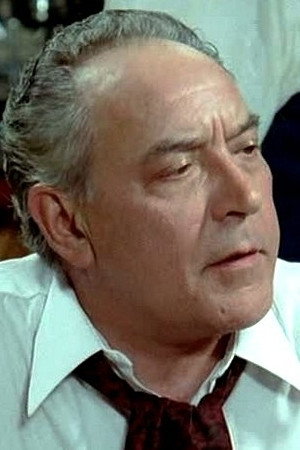
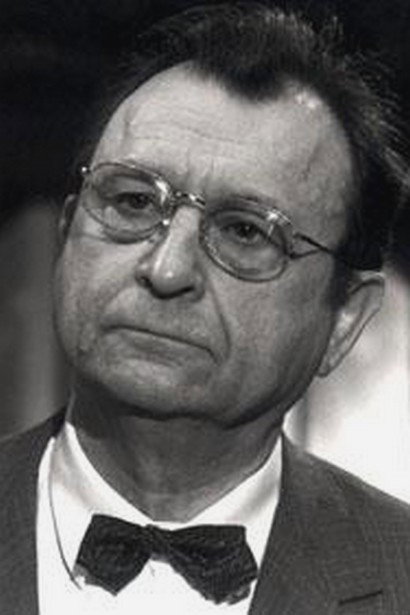
Fernando Rey gives Don Rafael a composure that makes any disturbance worth waiting for. Delphine Seyrig, as Simone Thévenot, and Stéphane Audran, as Alice Sénéchal, make the social niceties seem so practised that they can be funny without being exaggerated. Paul Frankeur, Bulle Ogier and Jean-Pierre Cassel help keep the company persuasive when the situations cease to be plausible. The actors take their characters’ expectations seriously, and their restraint gives us time to notice what is objectionable about them.

Edmond Richard’s cinematography presents the absurd situations plainly, keeping the people and their relations easy to follow. There is no need to announce a change of mood every time ordinary explanations fail, and the visual restraint makes the intrusions funnier. Pierre Guffroy’s production design makes the settings for polite entertaining convincing, so the guests’ expectations do not look ridiculous before anything has happened. Hélène Plemiannikov’s editing lets each renewed attempt to eat establish itself, encouraging us to entertain the possibility that this one might work. That repeated settling down is essential to the comedy.

We felt uncomfortable when the diners ridiculed people below them in the social order. Their ease in one another’s company had been pleasant to watch, and the casual contempt made that pleasure feel less innocent. Luis Buñuel does not have to make them uniformly repellent to expose their entitlement. Their good company makes it harder to dismiss the behaviour as something only unpleasant people do.

The limitation is that the film sometimes seems content to demonstrate what we have already grasped. Another obstruction to another meal can be amusing without telling us much more about the people waiting to eat it. Luis Buñuel and Jean-Claude Carrière keep changing the circumstances, but the underlying complaint about privilege becomes familiar. There are stretches when the pleasure depends almost entirely on the cast’s timing, and the satire feels less searching than its inventiveness first suggests.

As a comedy of manners, it is unusually willing to let ordinary explanations fall away. Anyone expecting a farce in which every complication eventually fits together will need to adjust to its looser succession of frustrations. The film remains accessible because the wish to sit down and eat needs so little explaining, however strange the obstacles become. Watch it with someone who enjoys bad manners performed with complete composure.
Critical consensus AI synthesised

80
Positive
12
Mixed
1
Negative
0

Most critics warmly praise The Discreet Charm of the Bourgeoisie, with agreement strongest around Buñuel’s dry humour and control of its surreal interruptions. The repeatedly thwarted dinners give the reviews a common focus: a funny, bitter exposure of upper-class entitlement, hypocrisy and greed. Praise centres on the direction, particularly the deadpan staging and playful shifts between dreams and social rituals, though the handling of the ensemble also earns approval.

Reservations concern how sharply the satire still cuts and how strange its disruptions now feel. The AV Club finds the social criticism less pointed with distance, while still admiring Buñuel’s inventiveness. Time Out offers the sole mixed assessment, enjoying the mischief but questioning whether some original strangeness has faded; The Guardian argues that historical distance makes the underlying weirdness more insistent. The spread is chiefly between enthusiasm and qualified enjoyment, with no outright rejection.

The Guardian
28 June 2012 · Peter Bradshaw
90*

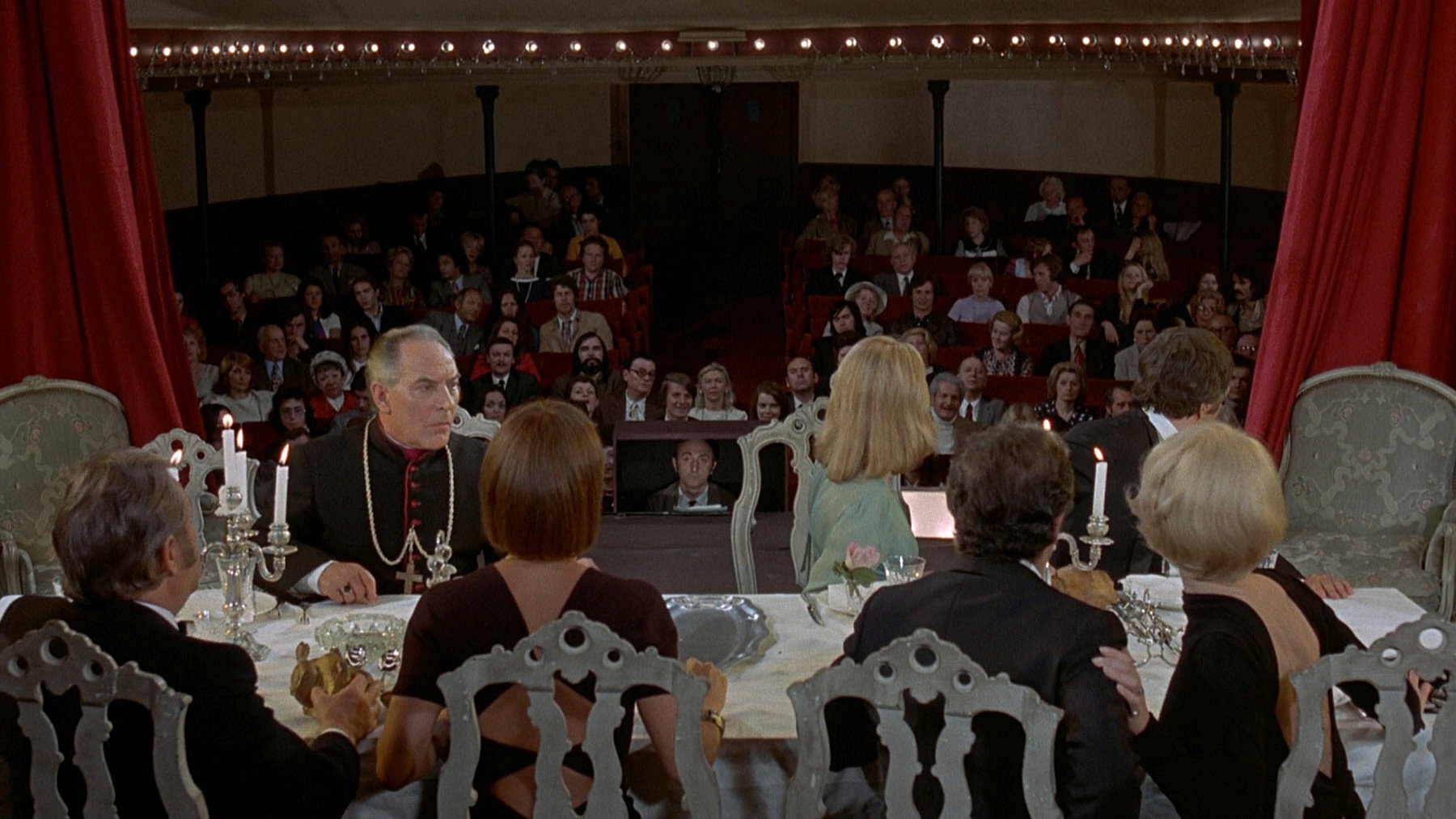
Buñuel’s 1972 surreal masterpiece is stranger and more sensual than ever, with its weirdness under the conventions throbbing more insistently now that those conventions are historically distant. The critic singles out the superbly disturbing scene in which a dinner party discovers it is on stage before an audience.

Read the full review →
The New York Times
29 October 1972 · Vincent Canby
90*

The critic praises Buñuel's brilliant new comedy as free in form yet lucid and wise, a collection of funny and somber thoughts on the French upper middle class by a master moralist, humorist and social critic.

Read the full review →
Variety
31 December 1971 · Variety Staff
90*

Luis Buñuel adds another fine film to his record with this surrealistically oriented tale of bourgeois types that encompasses politics, the Church, the army and the upper class in a timely and timeless way; the director at 72 remains a youthful filmmaker with impeccable handling of a solid cast.

Read the full review →
Empire
31 March 2006 · David Parkinson
85*

The critic calls it a mordant masterpiece and Buñuel's most artistically complete film, praising its innovative imagery and games with reality while noting the satire on the bourgeoisie is delivered with humour rather than violence.

Read the full review →
The AV Club
29 March 2002 · Scott Tobias
80*

The critic finds the film still great due to Buñuel's command of the medium and inventive design, even if its satire feels less sharp in a later era. He highlights the reversal of the premise from The Exterminating Angel and the director's shift to a more playful prankster mode.

Read the full review →
The Independent
6 August 1992
80*

The review highlights the film's re-release as one of Buñuel's great late works, praising its formal simplicity, deadpan mise-en-scène, and the way it blends absurdity with a clear sense of situations and relationships while showing the characters' inner lives directly.

Read the full review →

Cast

Stills

Awards

Academy Awards, 1973

Nominated
Best Writing, Original Screenplay
Won
Best International Feature Film

International Submission to the Academy Awards, 1973

Nominated
International Submission to the Academy Awards

If you liked this, try…

The Exterminating Angel poster

The Exterminating Angel

1962 · Another gathering of comfortable people finds its social arrangements becoming impossible.

Playtime poster

Playtime

1967 · For more exact comic timing amid surroundings nobody quite knows how to inhabit.

Tampopo poster

Tampopo

1985 · Food, appetite and social rules become the basis for generous comic digressions.

Force Majeure poster84

Force Majeure

2014 · A comfortable family’s manners falter when self-preservation becomes difficult to explain away.

Sorry to Bother You poster

Sorry to Bother You

2018 · Workplace ambition and class resentment push an ordinary setting towards comic absurdity.