Ruben Östlund makes a father’s moment of panic into a painfully funny examination of marriage. Force Majeure is controlled, well acted and worth the discomfort, though the marital arguments go on longer than they need to.
Force Majeure is a painfully funny marital drama, and we recommend it with a small reservation about its persistence. Writer-director Ruben Östlund puts a family on a skiing holiday in the Alps, then gives the father a reason to panic. What interests him is how they can carry on together after seeing what he does. He is patient enough to make the explanation almost as uncomfortable as the incident.
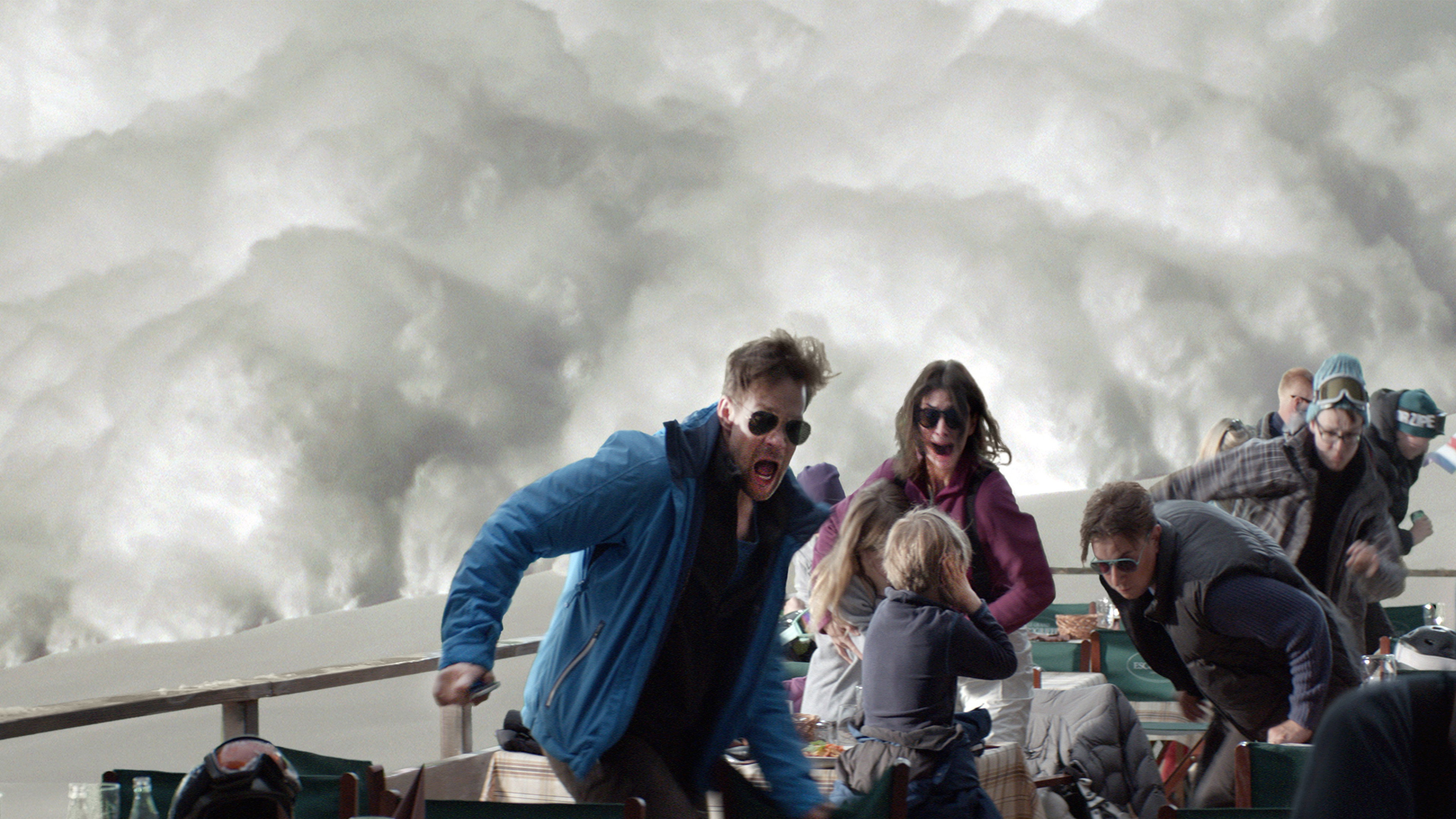
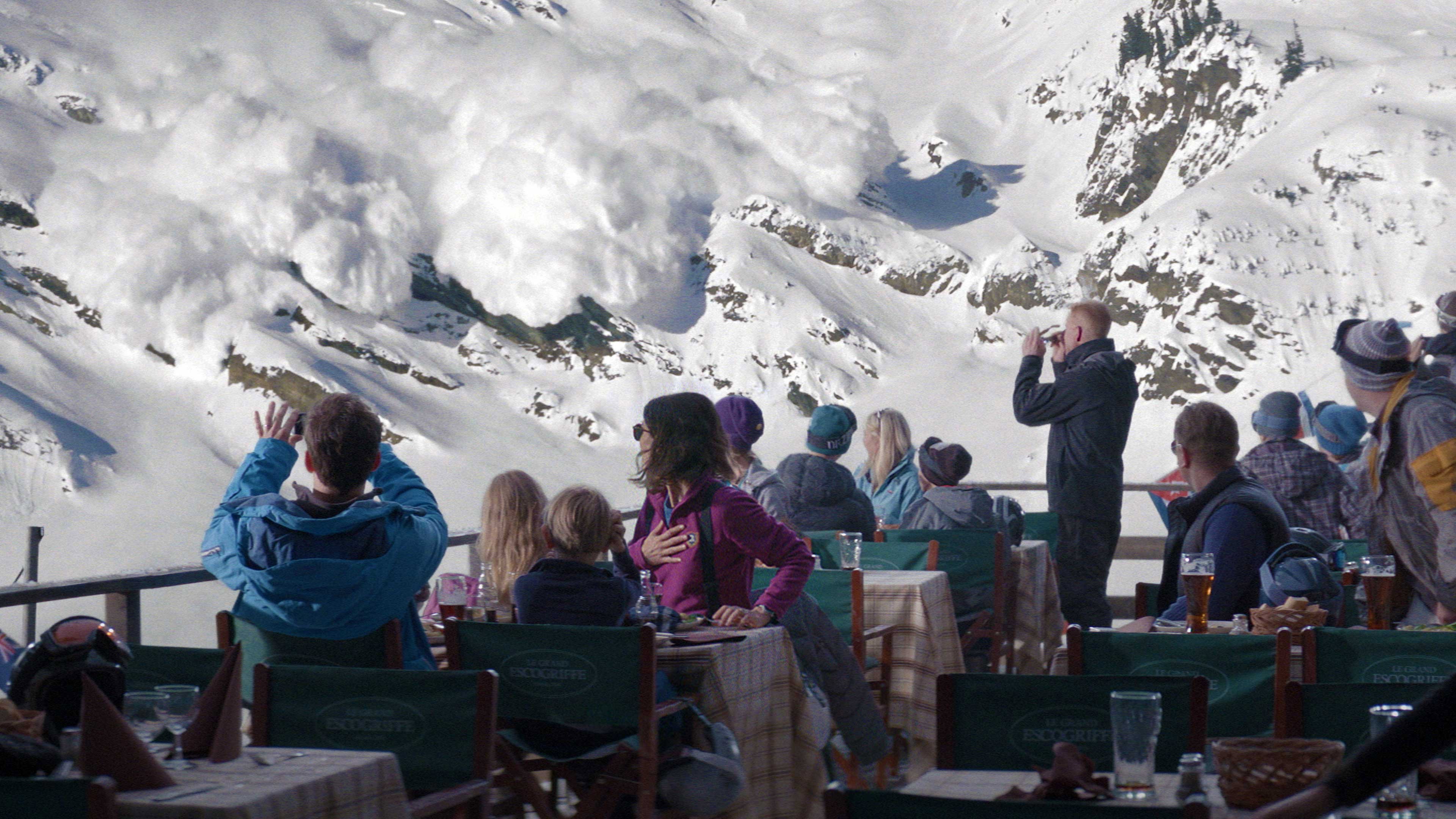
The avalanche is filmed in a single shot, and Fredrik Wenzel’s cinematography makes that decision count: we have time to register the danger and the father’s response without a cut telling us where to look. Tomas flees, leaving Ebba and the children. We were appalled by his flight, then uncomfortable with how readily we judged him for an instinctive act. Östlund allows that doubt to persist, even as Tomas makes things worse by refusing to acknowledge what happened.
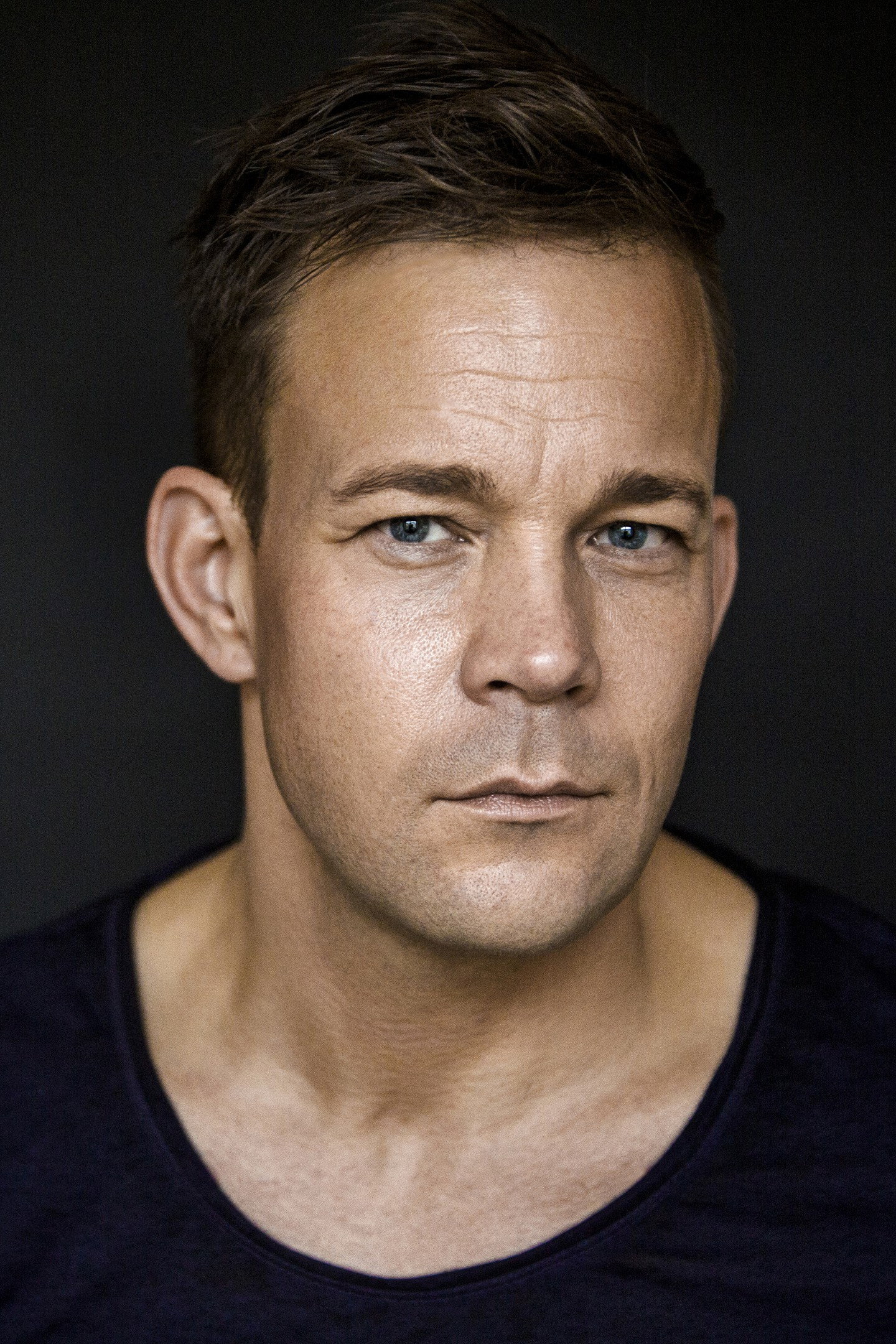
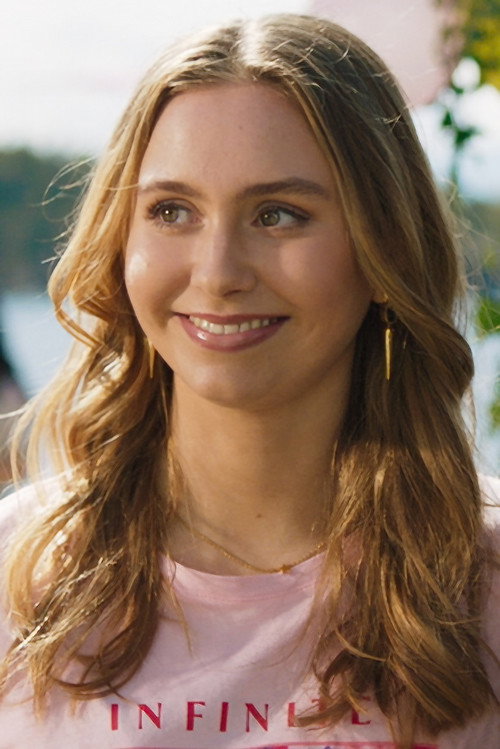
Johannes Bah Kuhnke is excellent as Tomas, particularly at making self-defence look like a reasonable contribution to a conversation. The performance lets us see how badly he needs Ebba to accept his account, without making that need an excuse. Lisa Loven Kongsli gives Ebba’s insistence enough hurt to keep her from becoming merely the person who has the facts right. The exchanges are funniest when both still seem to believe that choosing the correct words will make this an ordinary disagreement.
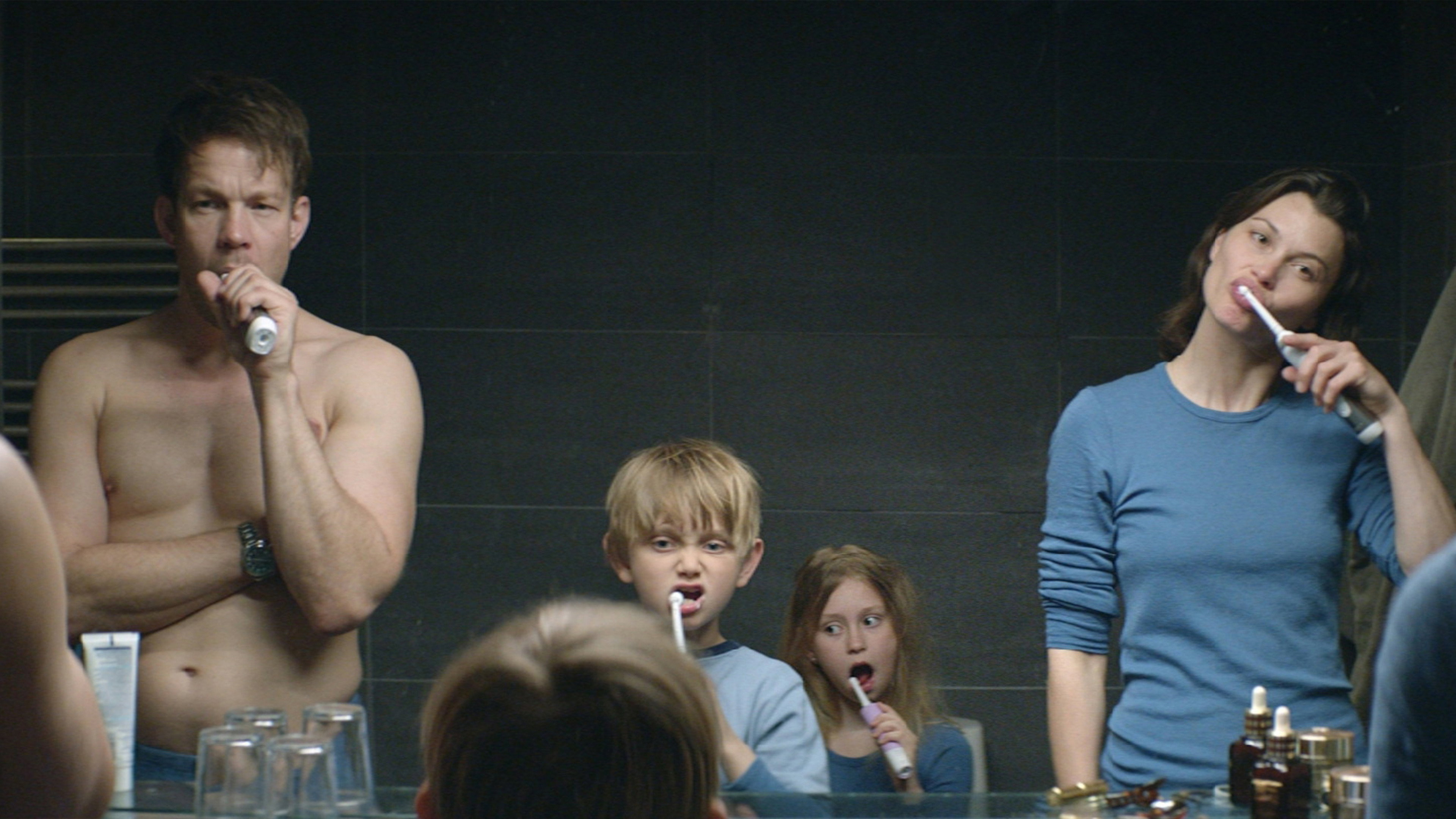
The holiday setting matters because it promises a break from precisely this sort of domestic work. Josefin Åsberg’s production design gives the surroundings a convincing air of comfort and order, making the couple’s loss of composure more conspicuous. Wenzel’s controlled framing gives their embarrassment time to become ours, while Ola Fløttum’s music offers little relief. The awkward exchanges are what we remember most clearly, and the film is right to give them so much space.
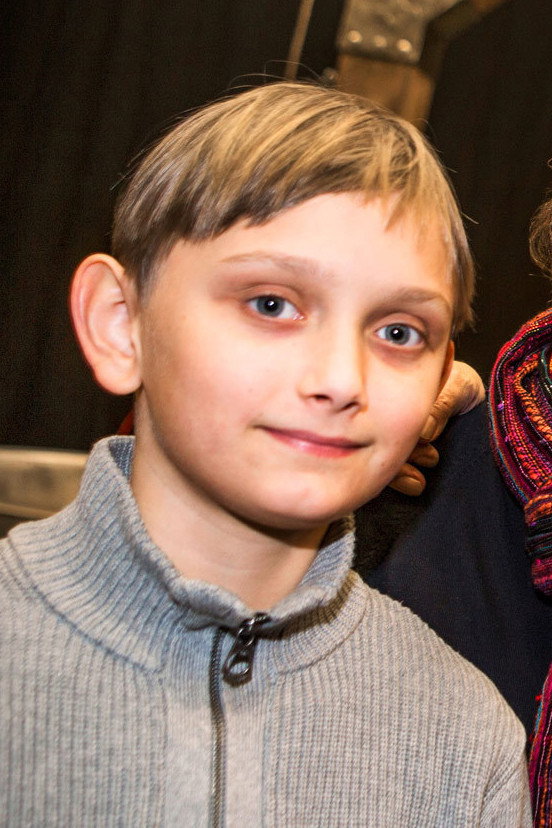
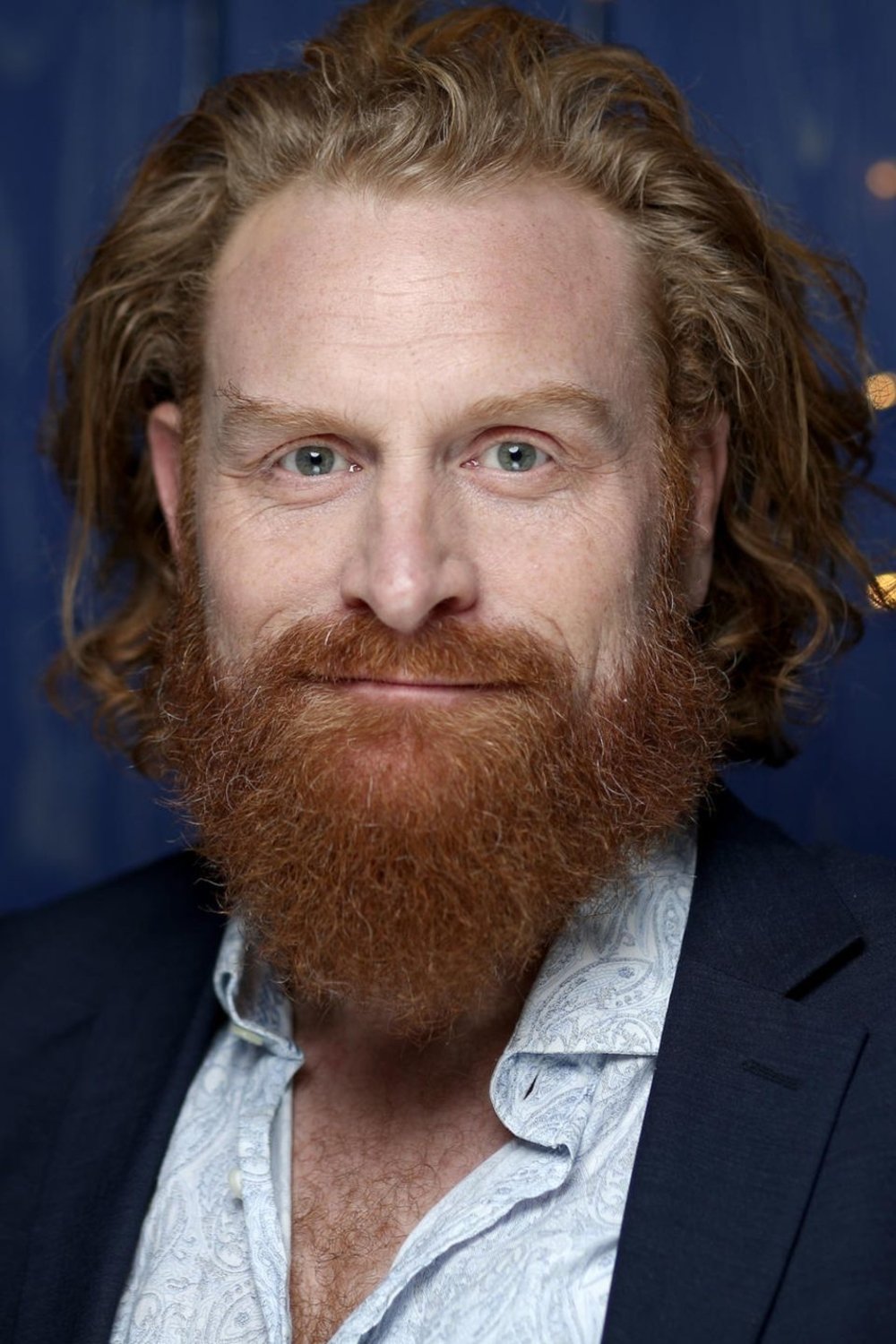
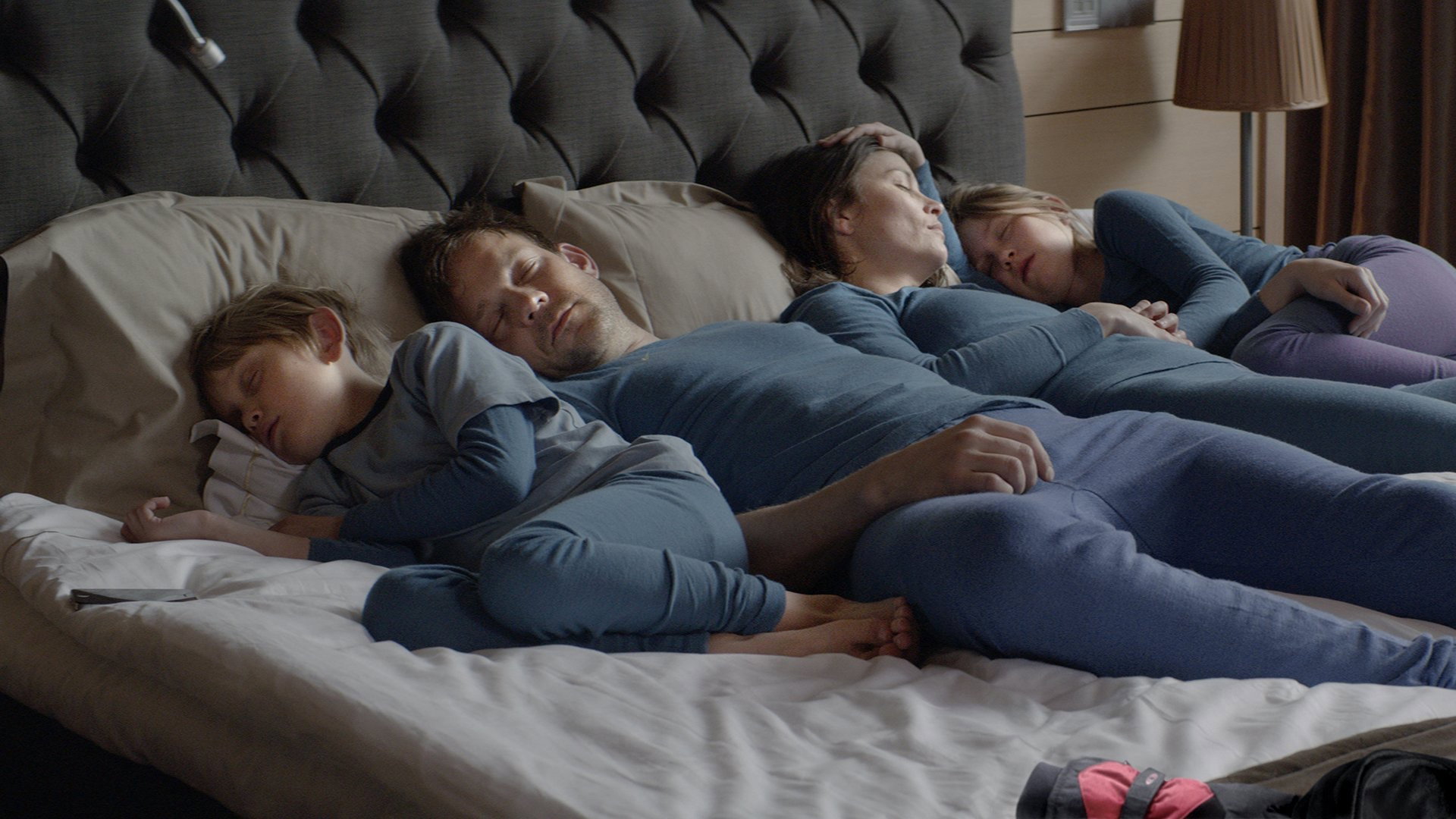
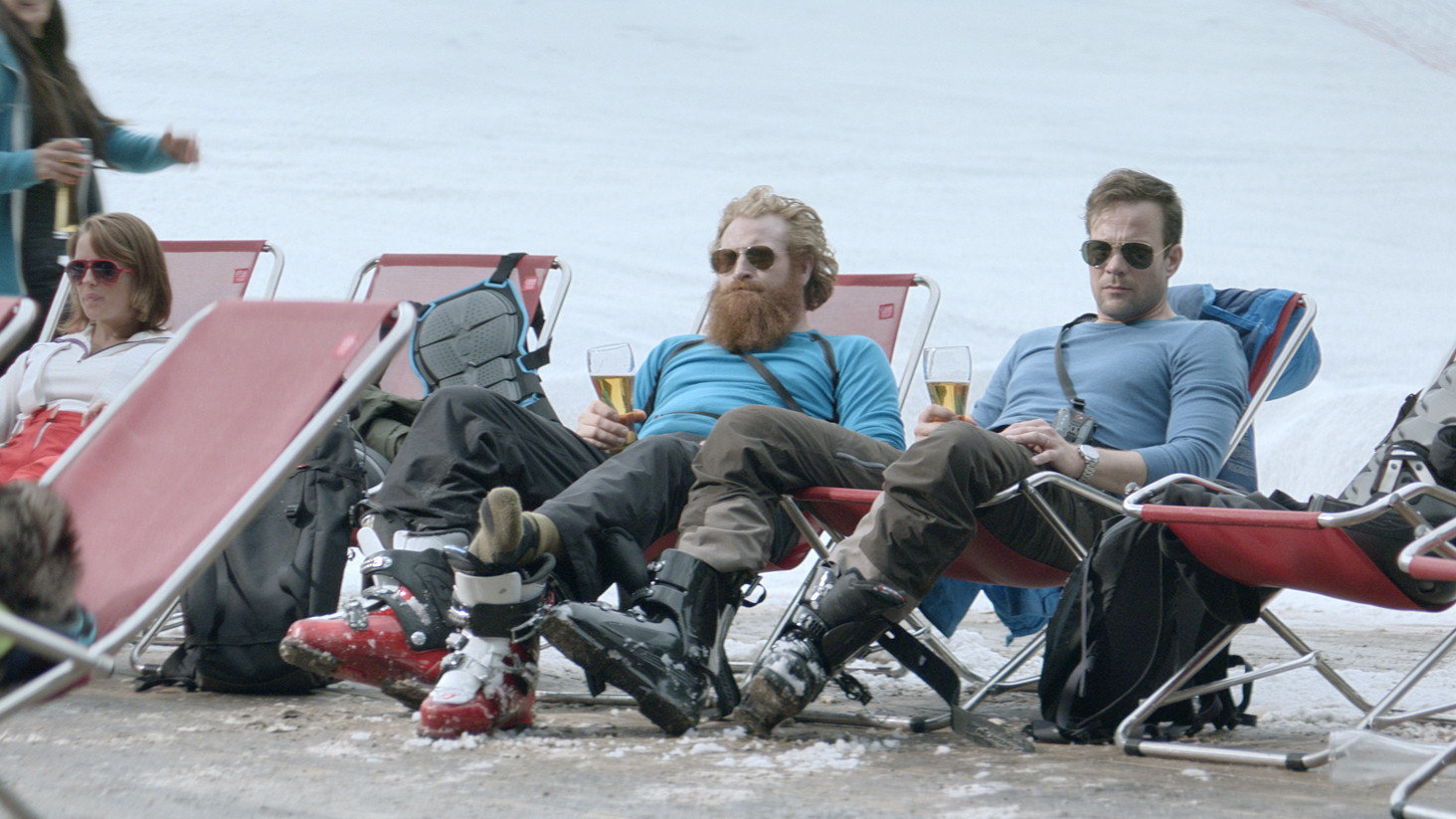
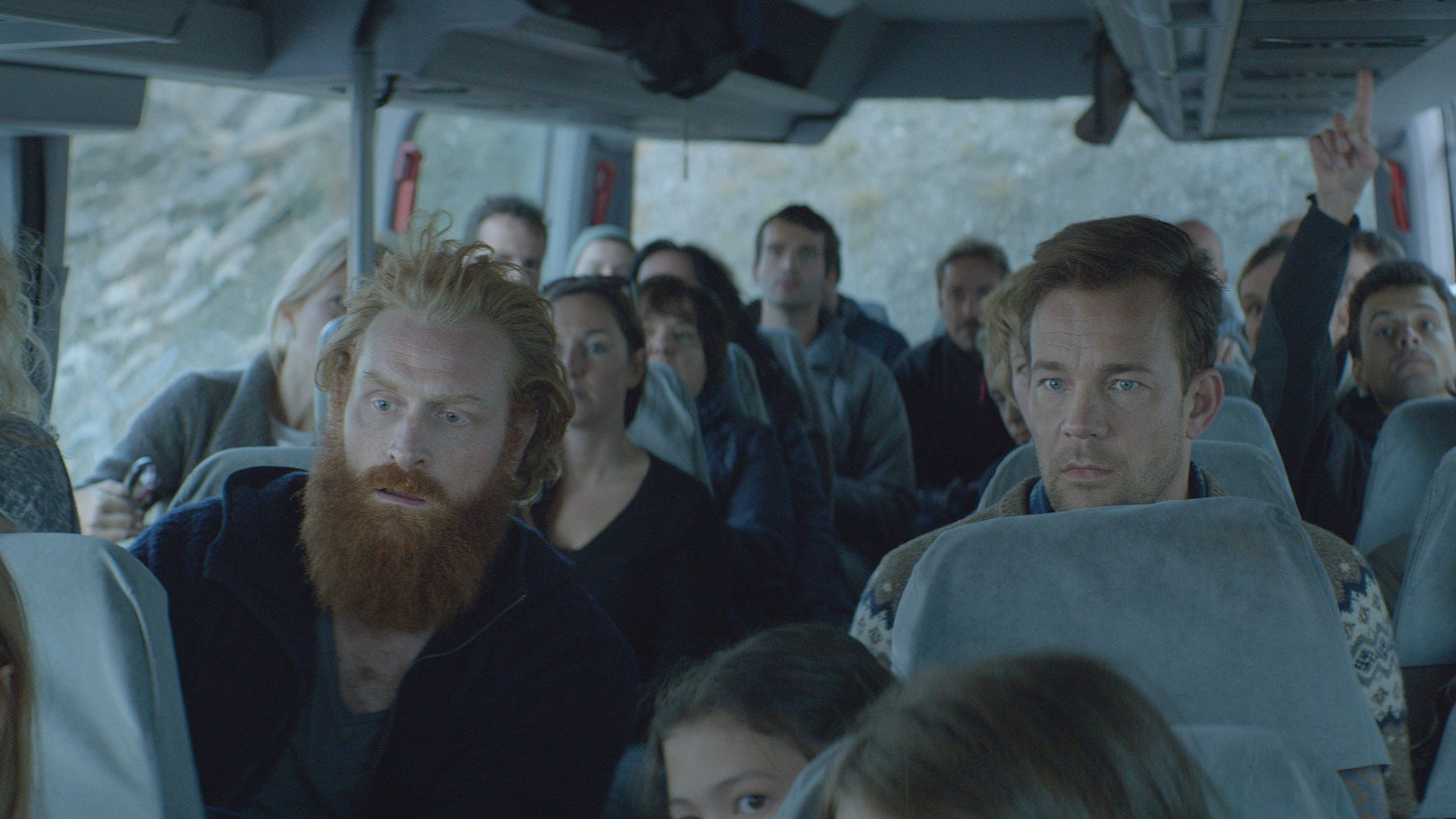
The supporting performances keep the film from feeling like a prolonged exercise for its two leads. Kristofer Hivju brings welcome comic assurance to Mats, while Clara Wettergren’s Vera and Vincent Wettergren’s Harry make the family’s distress harder to dismiss as adult foolishness. The children have to live with this disagreement, and they keep it from becoming an entertaining marital debate. That helps when the adults begin explaining themselves again.
Editors Jacob Secher Schulsinger and Östlund let the conversations run long enough for the audience to start wishing somebody would stop talking. That patience is essential to the comedy, but across 119 minutes it occasionally becomes repetition. Once we understand Tomas’s defensiveness and Ebba’s anger, another round does not always deepen either character. The screenplay can sound too neatly arranged to provoke a discussion, and the later stretches would benefit from the restraint that makes the avalanche so effective.
Black comedy can become tiring when it assumes that everyone on screen deserves whatever is coming to them. Östlund gets close to that here, but the actors keep the couple recognisable enough for the mockery to sting. We are allowed to find Tomas ridiculous without being certain we would have behaved any better. Watch it together, but agree beforehand that nobody has to answer hypothetical questions.