Film review

The Celebration

1998 · Directed by Thomas Vinterberg · 1h 41m · MPA R

In a sentenceA family birthday that makes eating a sandwich alone seem an excellent social life

Drama

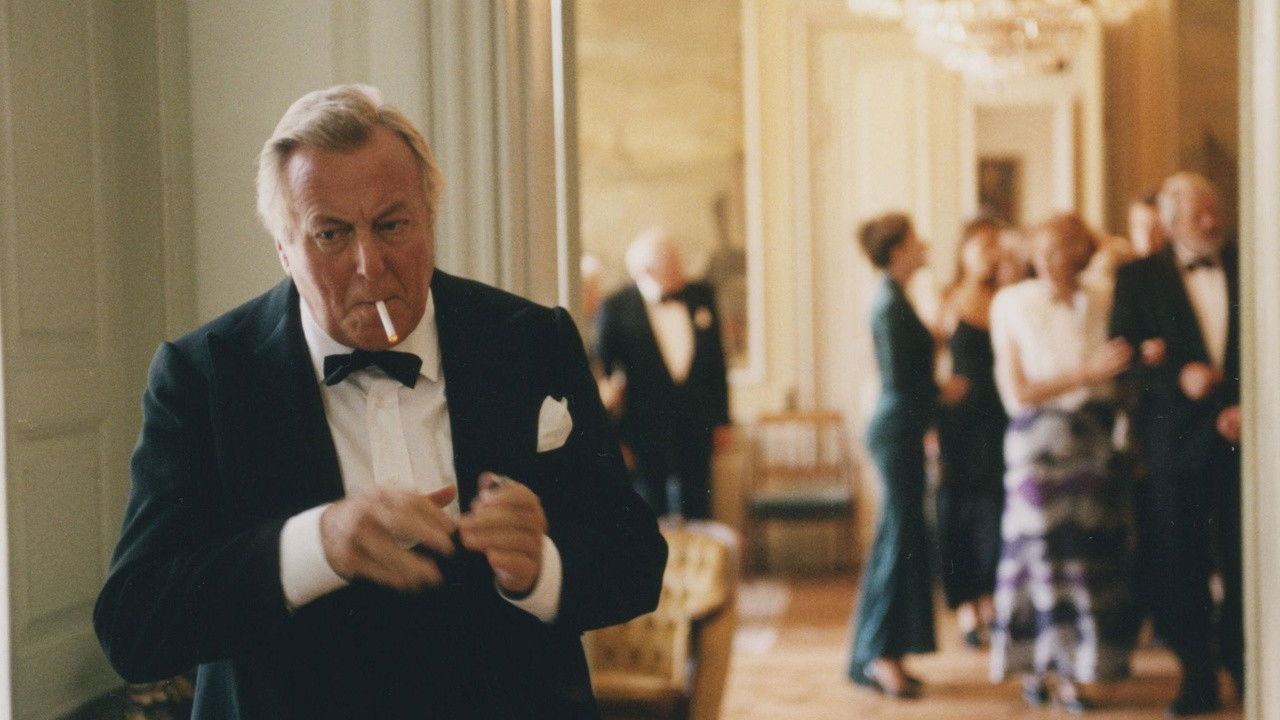
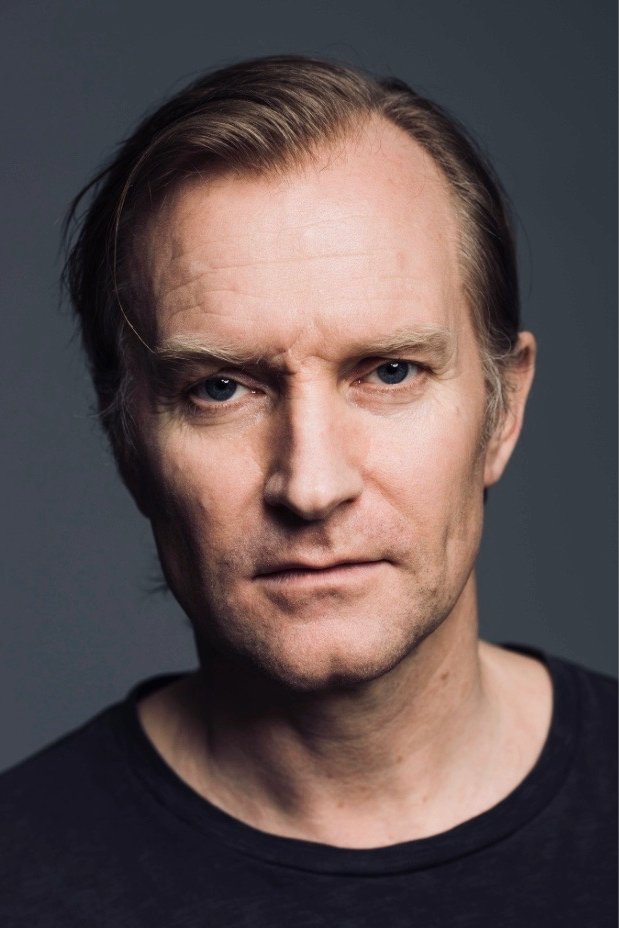
A family gathers for a patriarch’s birthday, bringing its private tensions into an occasion organised around celebrating him. Among those assembled are Christian (Ulrich Thomsen), Michael (Thomas Bo Larsen) and Helene (Paprika Steen), with Henning Moritzen playing the father and Birthe Neumann the mother. Revelations of abuse disrupt the reunion, and the relatives must confront what lies behind their family’s respectability. As the gathering turns confrontational, Thomas Vinterberg’s drama follows the collision between loyalty, embarrassment and the pressure to acknowledge what has happened. The occasion becomes a test of what the family is prepared to admit, and whom it is prepared to hear.

Fi1m review

Thomas Vinterberg’s family reunion is funny, distressing and well worth the discomfort. The handheld photography sometimes gets between us and the actors, but the performances keep this birthday confrontation from becoming merely an exercise in making everyone miserable.

A family birthday is a useful place to test what people will put up with for the sake of appearing affectionate. Thomas Vinterberg makes that test cruel in The Celebration, as a patriarch’s gathering is disrupted by revelations of abuse. It is a disturbing, often funny drama that we recommend warmly, with a warning that its agitated photography can be hard work. Vinterberg and co-writer Mogens Rukov understand how a reunion can make adults seem trapped in arrangements they ought to have outgrown.

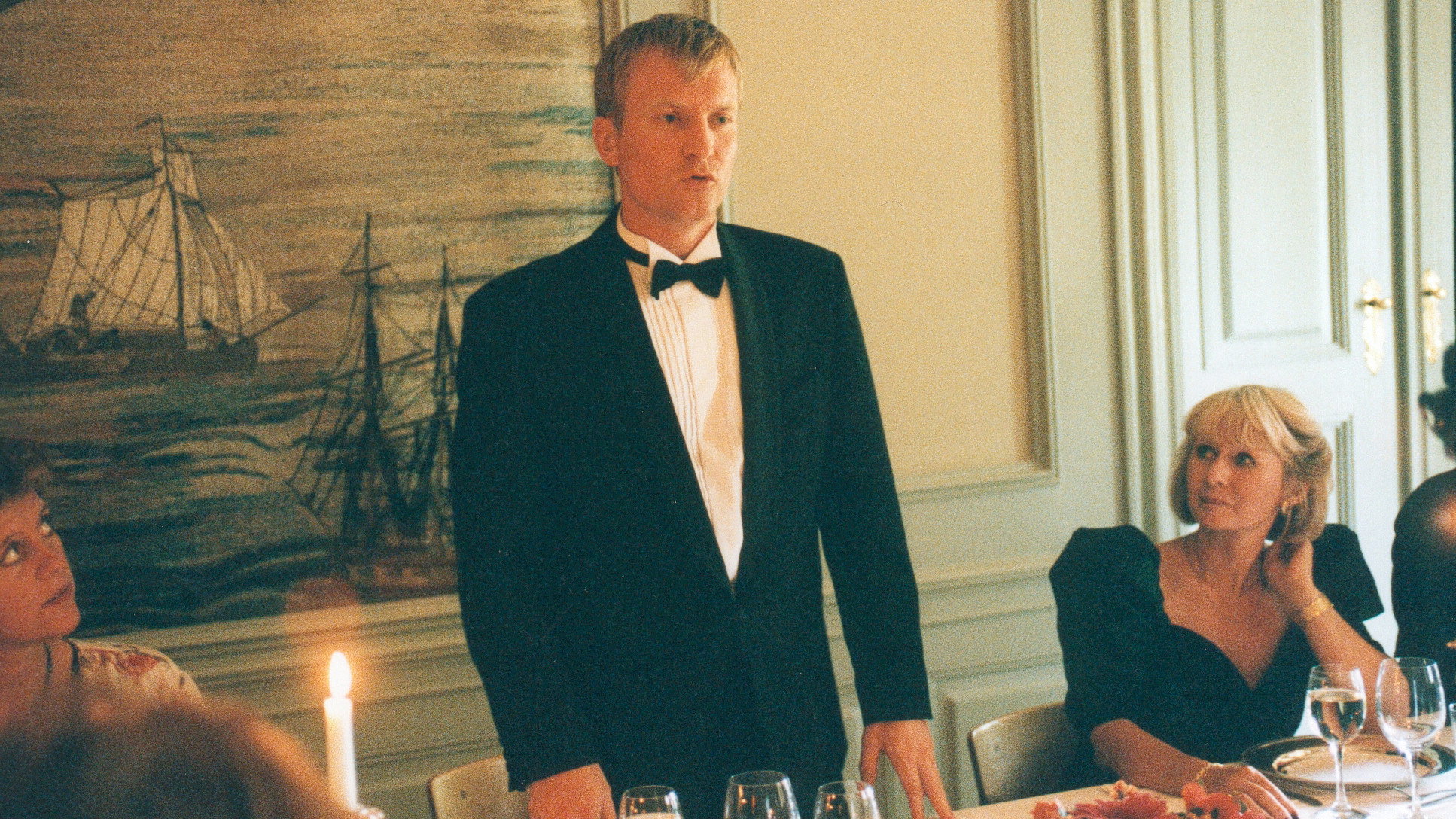
The birthday matters because everyone has arrived to honour the same man, and questioning him spoils the occasion before it changes anything else. We laughed at the family’s efforts to preserve its respectability, then felt ashamed of ourselves. The comedy continues while abuse is being discussed, and the insistence on having a proper birthday becomes horrible to watch. Vinterberg does not make the subject manageable by separating the funny passages neatly from the painful ones.

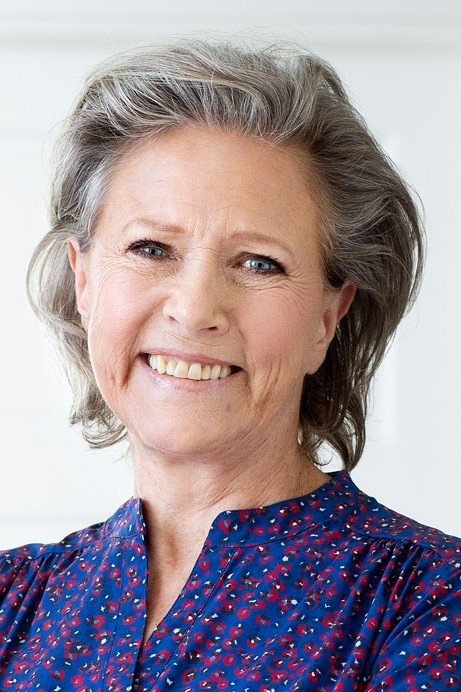
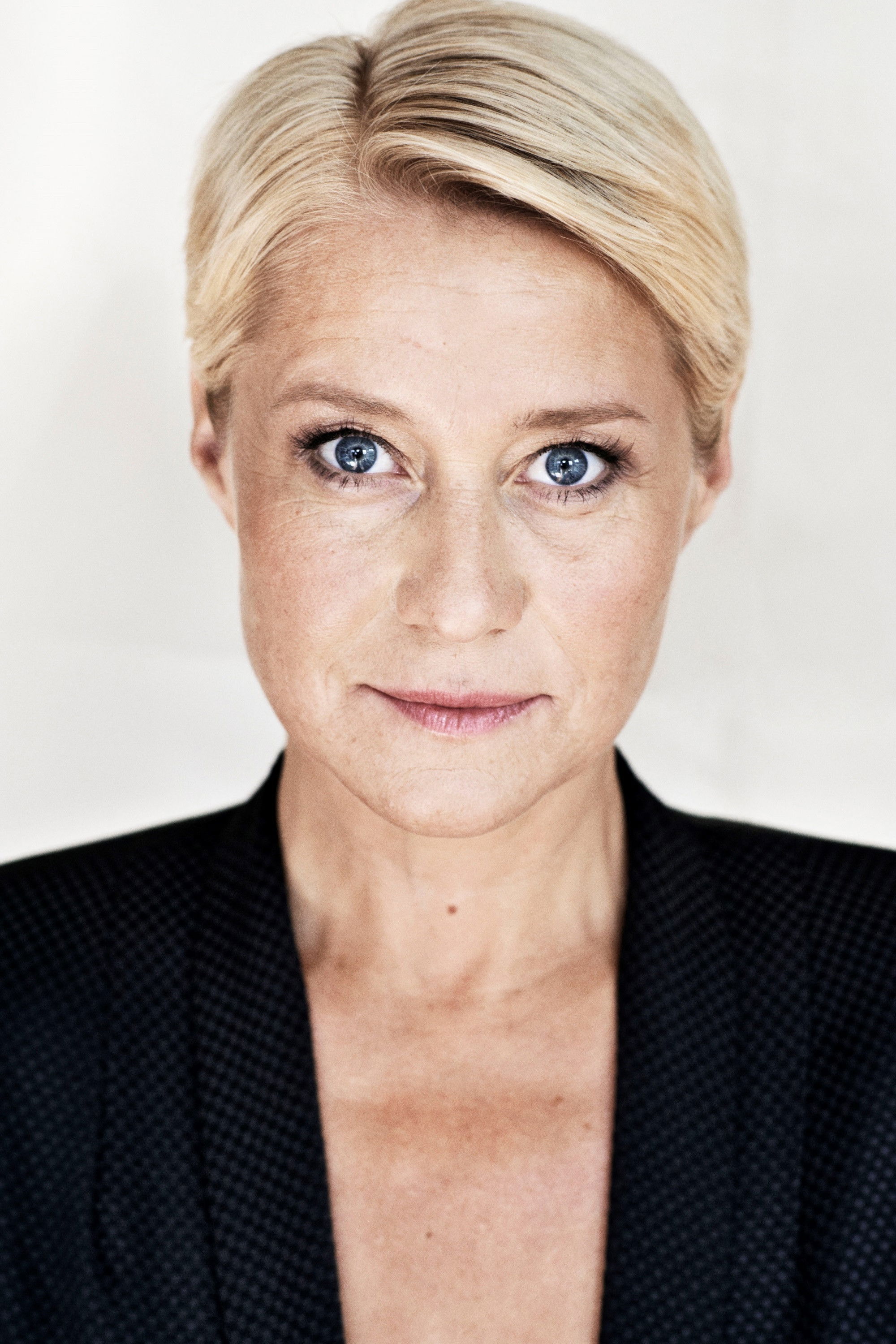
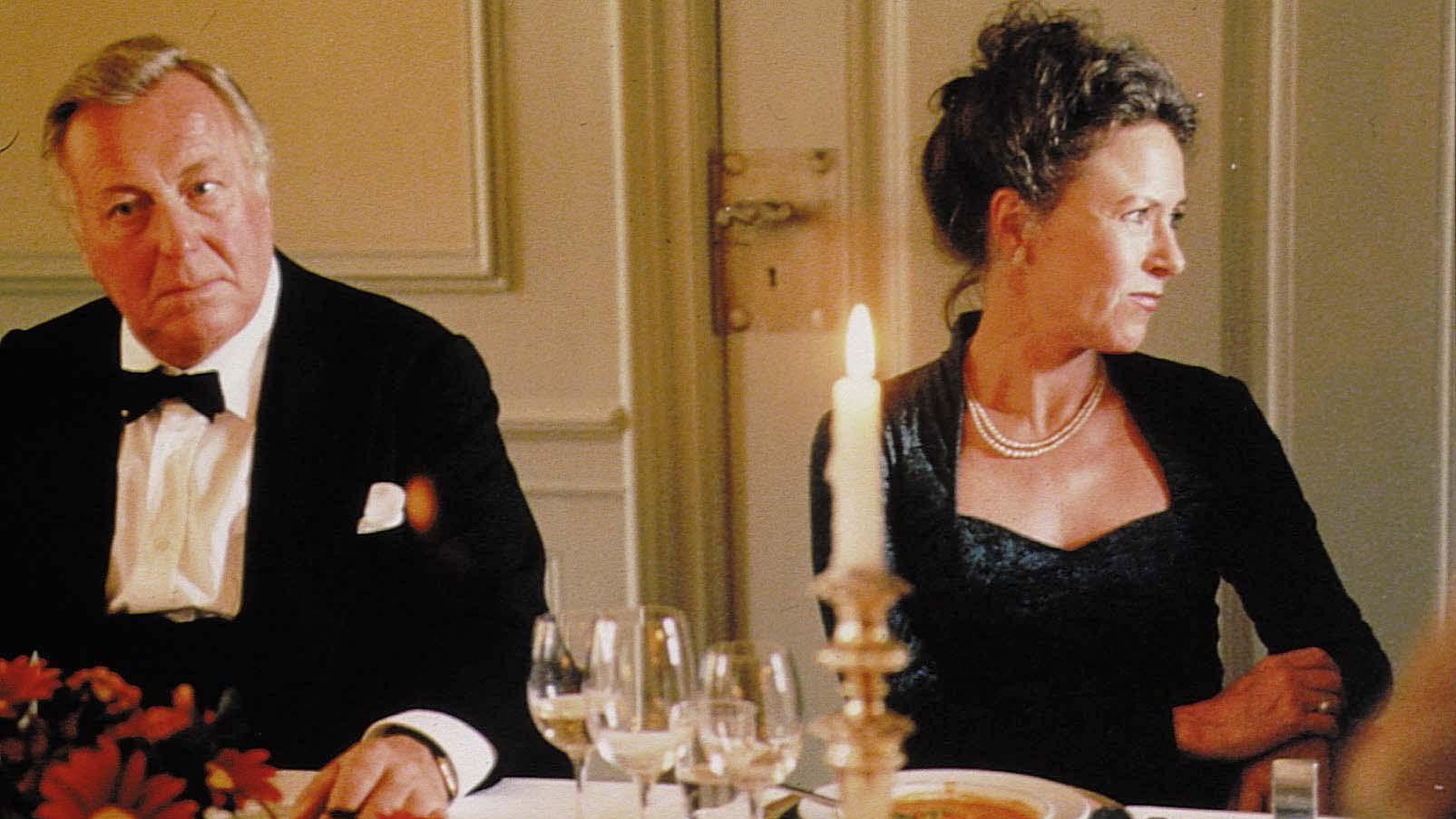
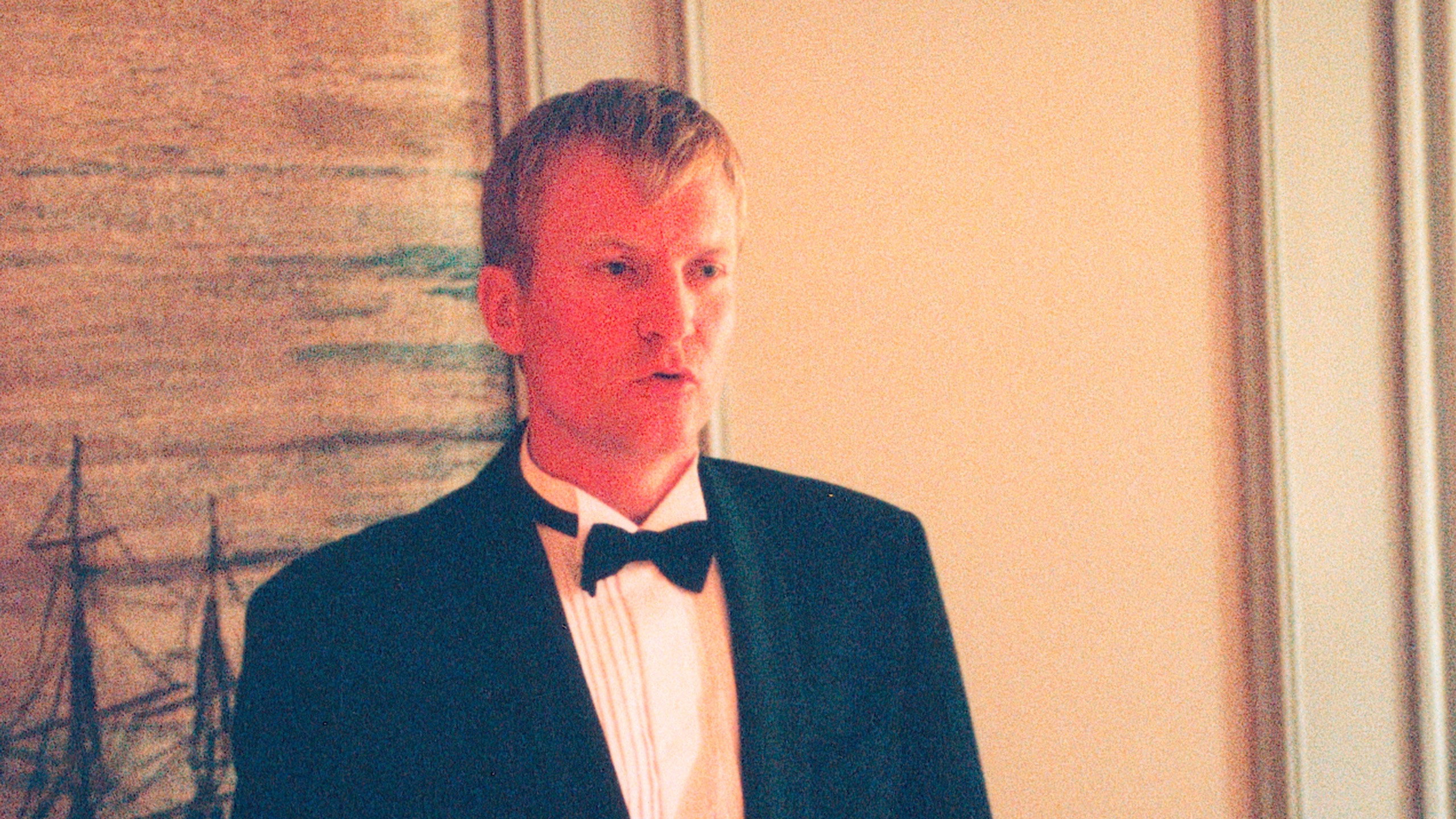
Ulrich Thomsen, as Christian, is essential to that uneasy mixture, keeping the performance direct when the writing risks becoming emphatic. Henning Moritzen, as the father, has the authority a birthday patriarch needs: the occasion already tells us how much attention belongs to him. Thomas Bo Larsen’s Michael and Paprika Steen’s Helene help make the reunion feel crowded with separate grievances, and their discomfort never looks interchangeable. The performances make these people recognisable enough for their behaviour to hurt.

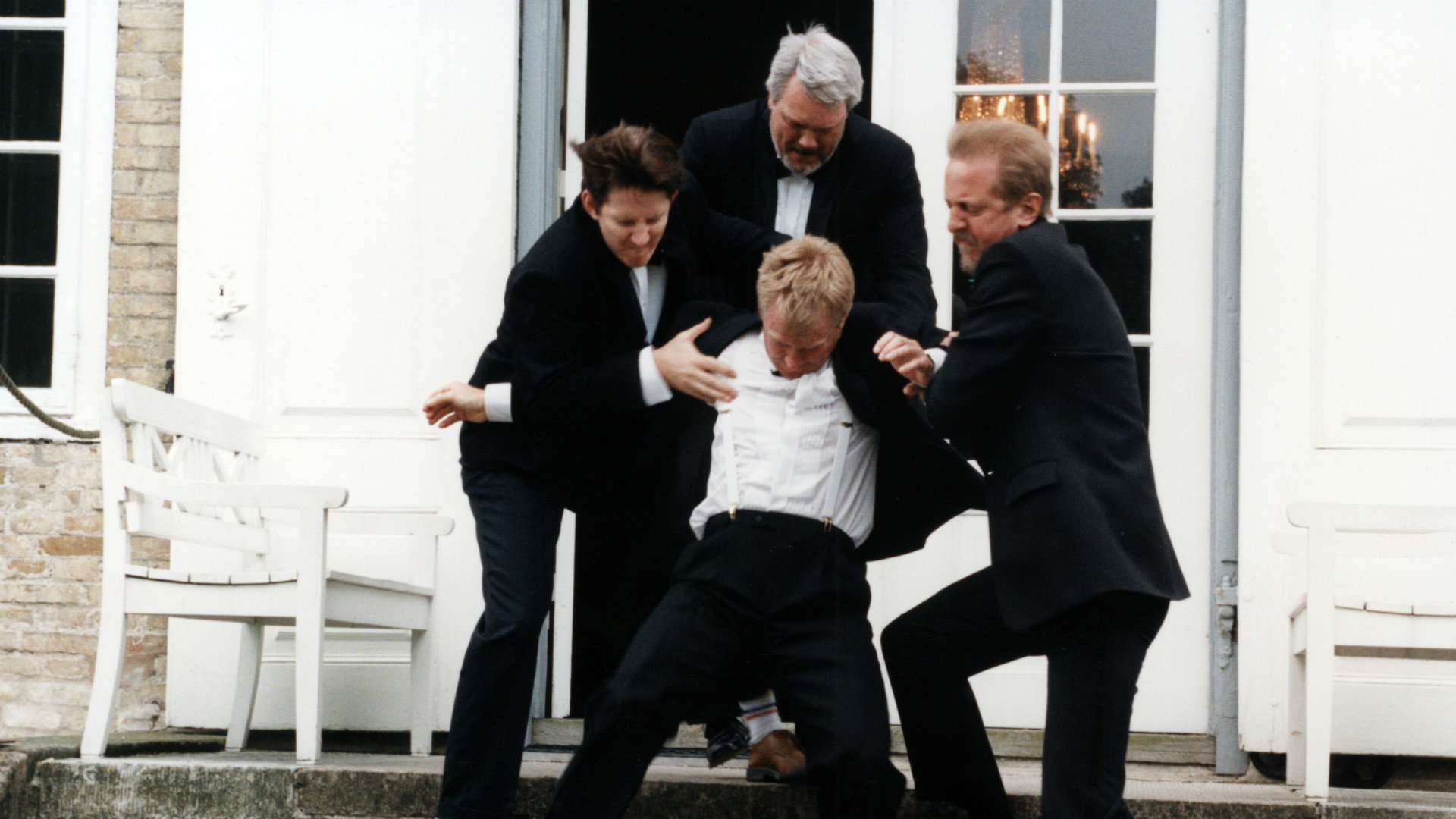
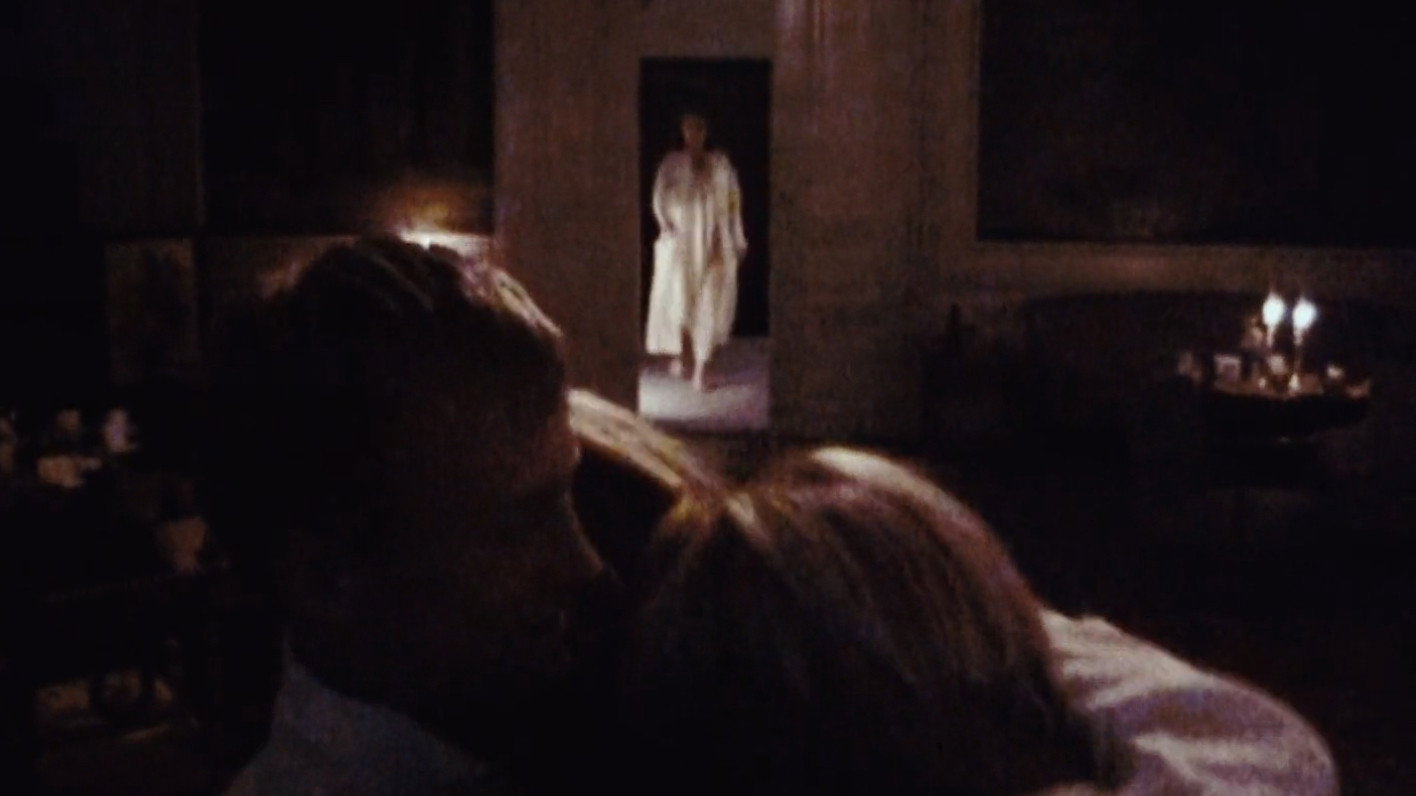
Anthony Dod Mantle’s handheld photography makes the gathering uncomfortable to look at even before we have decided what to make of the people in it. The unstable images deny us the pleasant distance a more polished family drama might offer. We do occasionally want him to stop moving, and there are moments when the roughness draws attention away from the actors. Those distractions matter because watching the faces is already demanding enough.

Editor Valdís Óskarsdóttir keeps the reunion moving without smoothing away its awkwardness. There is time to register how differently the actors respond to the pressure, and the cutting does not reduce the party to a queue of people waiting to speak. Lars Bo Jensen’s music offers little comfort, which suits material that should not be made reassuring. The actors have room to make the confrontations untidy.

The limitations are in Vinterberg and Rukov’s writing as much as in the restless camera. Some of the confrontations feel pushed towards melodrama, and we become conscious of how carefully this apparently unruly gathering has been arranged. The Dogme 95 restrictions do not prevent that; the rough photography sometimes makes the more calculated writing conspicuous. Against the familiar family-reunion drama, though, the film is unusually willing to let embarrassment turn nasty and keep the comedy going.

At 101 minutes, it does not ask us to endure the occasion for the length of a real family party. That is probably a mercy. Do not choose it as an easy evening’s entertainment, however much laughter we have mentioned. Choose it when both of you are prepared for abuse to be part of the conversation afterwards.
Critical consensus AI synthesised

74
Positive
4
Mixed
2
Negative
0

Most critics respond warmly to The Celebration, with praise clustering around its performances and its uncomfortable mixture of family tragedy and black comedy. The reviews find that Thomas Vinterberg keeps the birthday gathering tense while allowing humour to sharpen the distress rather than soften it. Supporters see the stripped-down Dogme 95 approach as crucial to the drama’s immediacy: the acting feels exposed, and the family’s respectable surface becomes difficult to maintain.

The main disagreement concerns whether those filmmaking restrictions reveal more than they obscure. The New York Times celebrates Vinterberg’s freedom from conventional storytelling, while Empire finds the shaky handheld images distracting despite the strong acting. Variety admires the invention but considers the film uneven and its destination disappointing. The spread runs from enthusiastic praise to qualified interest, with reservations centred on the story’s substance and the value of its abrasive style.

Los Angeles Times
16 October 1998 · Kenneth Turan
85*

A beautifully calibrated and carefully thought out film about a completely out-of-control situation, it is raw without being off-putting and wrenching without losing its sense of humor. “Celebration” allows the audience to share the same sense of emotional danger and uncertainty its characters feel.

Read the full review →
The AV Club
23 April 2002 · Keith Phipps
85*

Vinterberg uses the Dogme 95 restrictions to craft a powerful, naturalistic family drama centered on a patriarch's birthday gathering disrupted by revelations of abuse. The film stands out for its honest, darkly comedic, and humane handling of dark family secrets.

Read the full review →
Empire
1 January 2000 · Caroline Rees
60*

The film is a mildly intriguing, well-acted tale of family reunion and buried secrets, particularly strong in its performances. However, the Dogme 95 rules and shaky handheld cinematography distract from the content.

Read the full review →
Variety
18 May 1998 · festival review · Godfrey Cheshire
55*

A propulsively inventive but uneven family comedy-cum-melodrama that should score well in international fests and Euro sites. Ultimately, the story’s disappointing destination underscores that Dogma 95’s stylistic prescriptions have little to do with human truth.

Read the full review →
RogerEbert.com
13 November 1998 · Roger Ebert

Thomas Vinterberg’s “The Celebration” mixes farce and tragedy so completely that it challenges us to respond at all. The long day’s journey into night is fraught with wounds that the farcical elements only help to keep open.

Read the full review →
Sight and Sound
· Peter Matthews

The critic notes the Dogme 95 style's contrived effects but praises how the stripped-down aesthetic forces strong performances that make the family drama feel like a near-documentary.

Read the full review →

Cast

Stills

Awards

International Submission to the Academy Awards, 1999

Nominated
International Submission to the Academy Awards

Silver nugget for the best foreign film, 1999

Won
Silver nugget for the best foreign film

Amanda Award for Best Nordic Feature Film, 1998

Won
Amanda Award for Best Nordic Feature Film

European Film Award for Best Actor, 1998

Nominated
European Film Award for Best Actor

European Film Award for Best Film, 1998

Nominated
European Film Award for Best Film

European Film Award for European Discovery of the Year, 1998

Won
European Film Award for European Discovery of the Year

If you liked this, try…

Secrets & Lies poster88

Secrets & Lies

1996 · Another family gathering where disclosure hurts, without making sympathy for anyone simple.

Still Walking poster

Still Walking

2008 · Family resentments emerge through domestic routines, with less shouting and comparable precision.

Fanny and Alexander poster

Fanny and Alexander

1982 · A family drama attentive to festivity, cruelty and the power adults wield.

The Exterminating Angel poster

The Exterminating Angel

1962 · A formal gathering becomes intolerable, and good manners prove an inadequate defence.

Monsoon Wedding poster

Monsoon Wedding

2001 · A family occasion brings difficult truths into view amid preparations and divided loyalties.