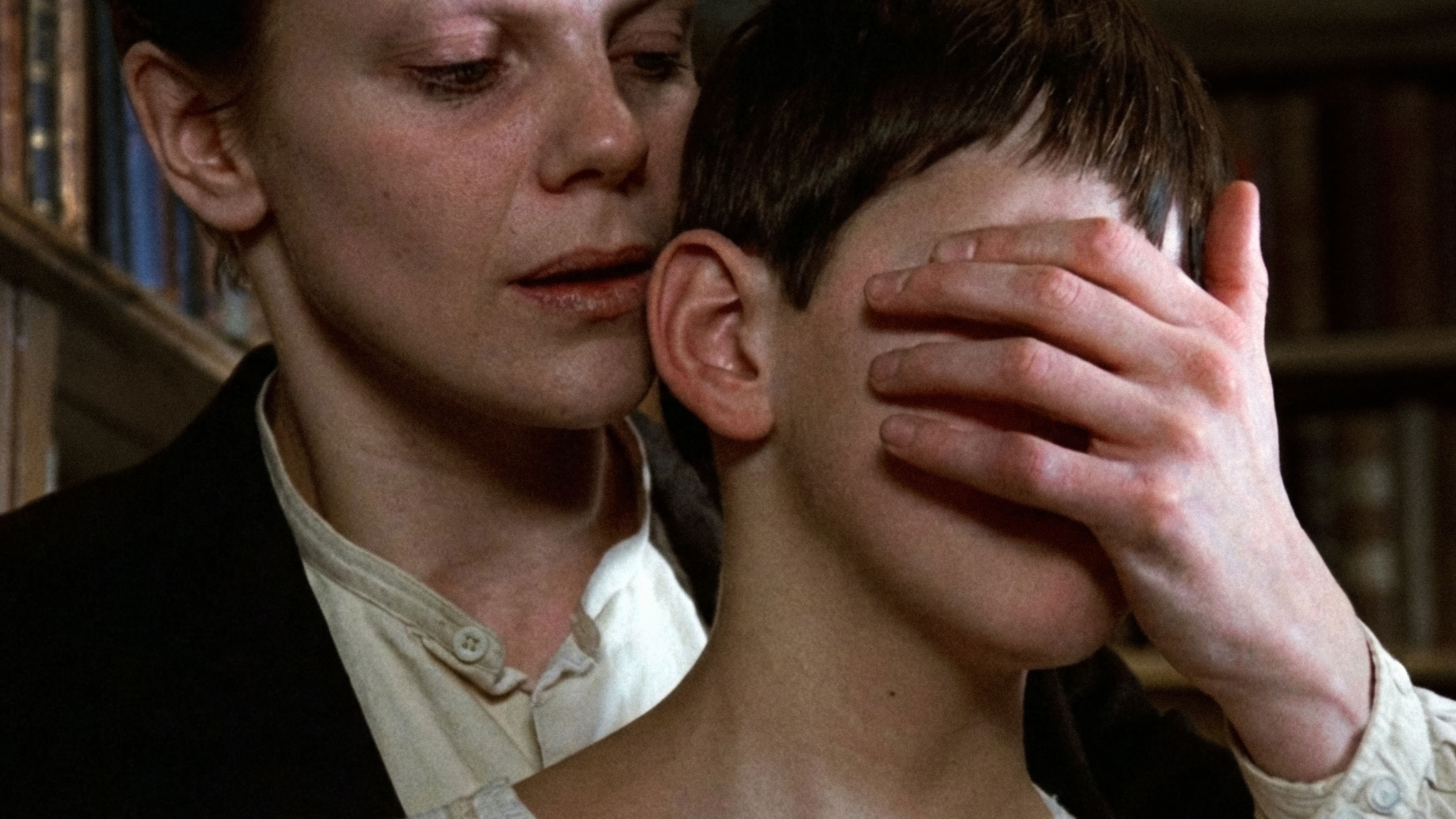
Ingmar Bergman’s family drama is warm, funny and frightening, with Bertil Guve giving childhood a stubborn, watchful presence. We would send a stranger to see it, though Fanny deserves more of the attention Alexander receives.
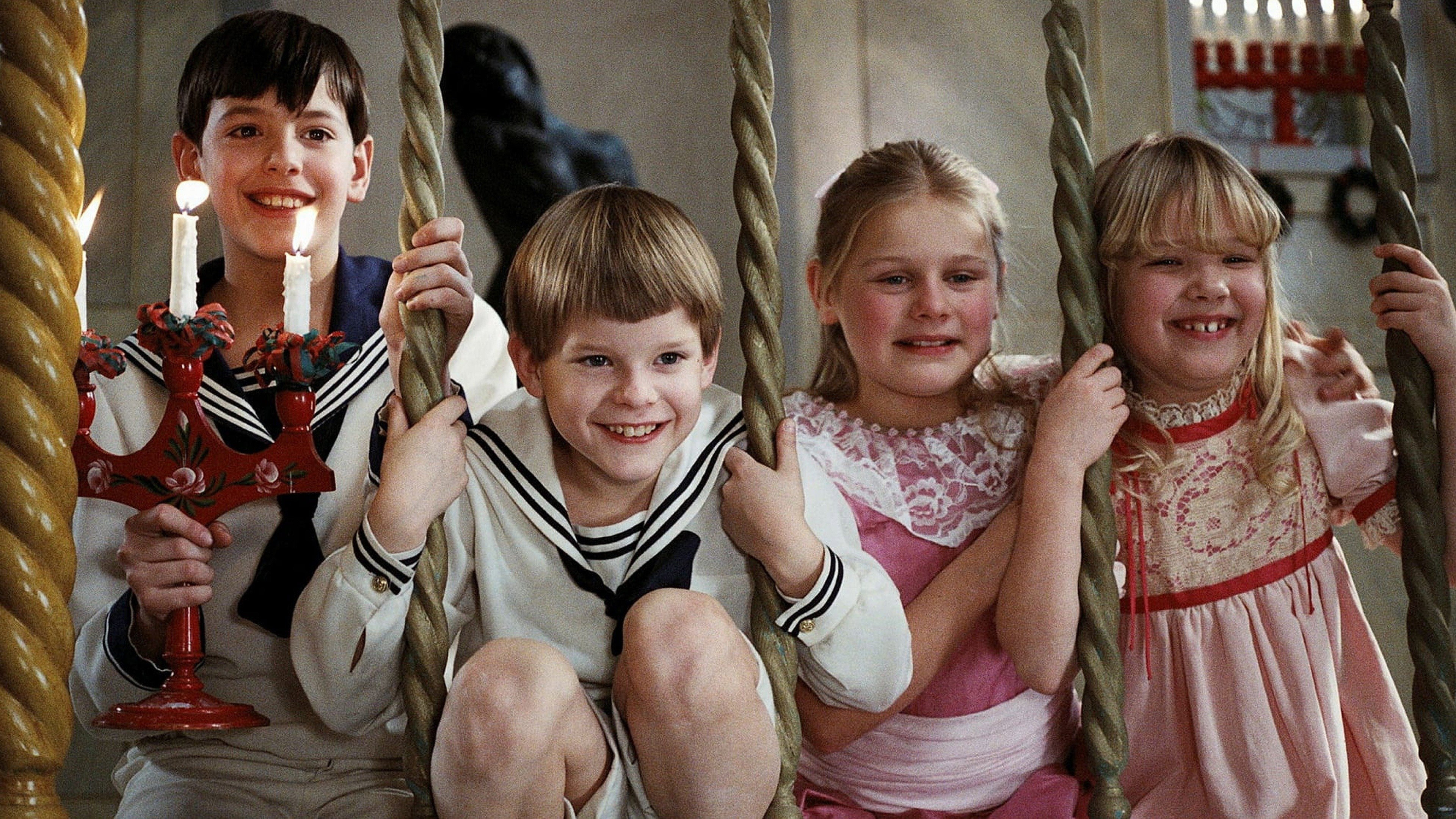
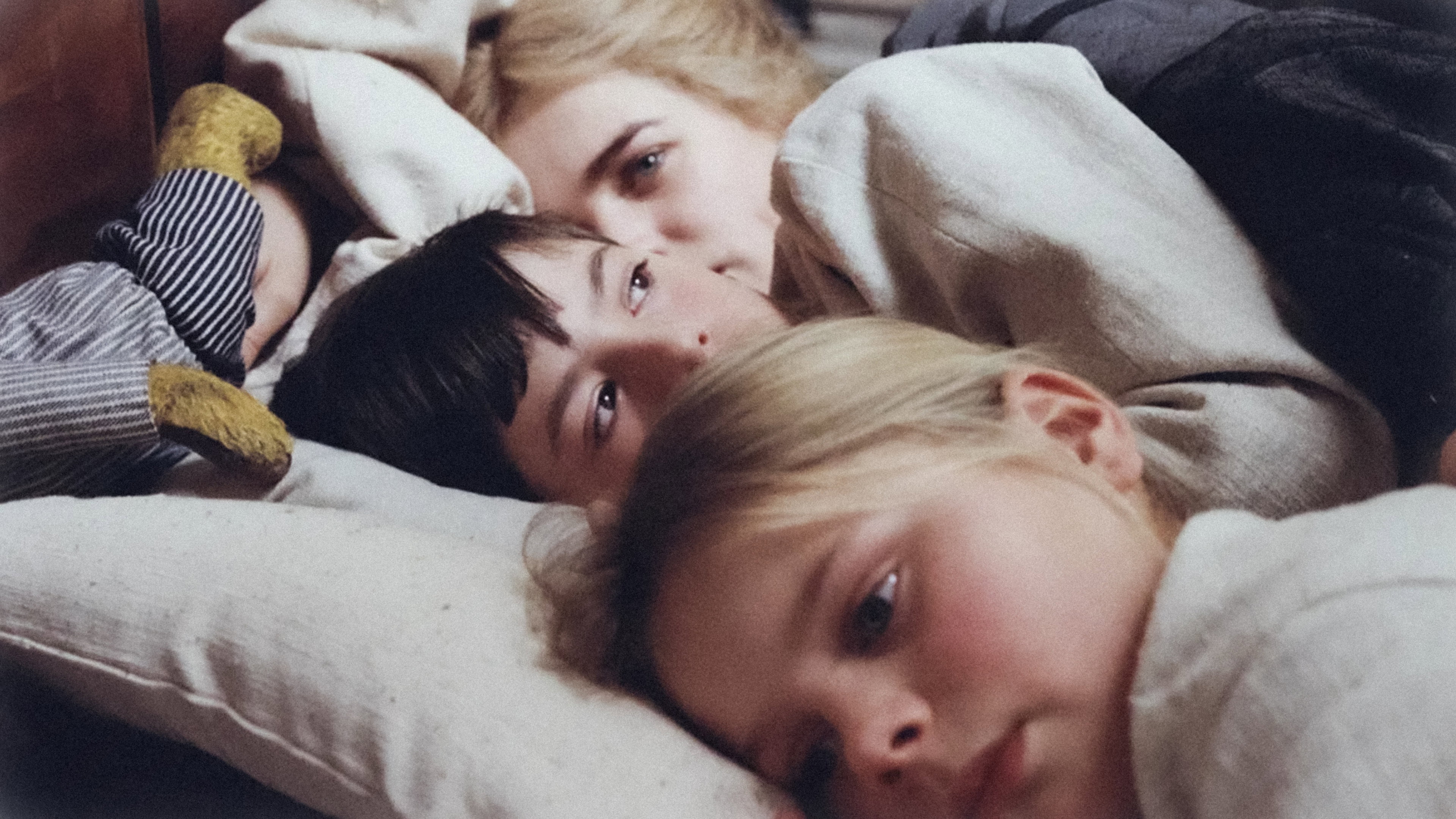
Ingmar Bergman’s Fanny and Alexander earns its 188 minutes by making us care about a family before asking us to fear for its children. We would recommend it even to someone who thinks a long family drama sounds like an obligation. Written and directed by Bergman, it makes room for adult foolishness, affection and cruelty without treating childhood as a period of uninterrupted innocence. Fanny and Alexander are trying to understand people who can be loving and frightening, sometimes for reasons the children cannot see.
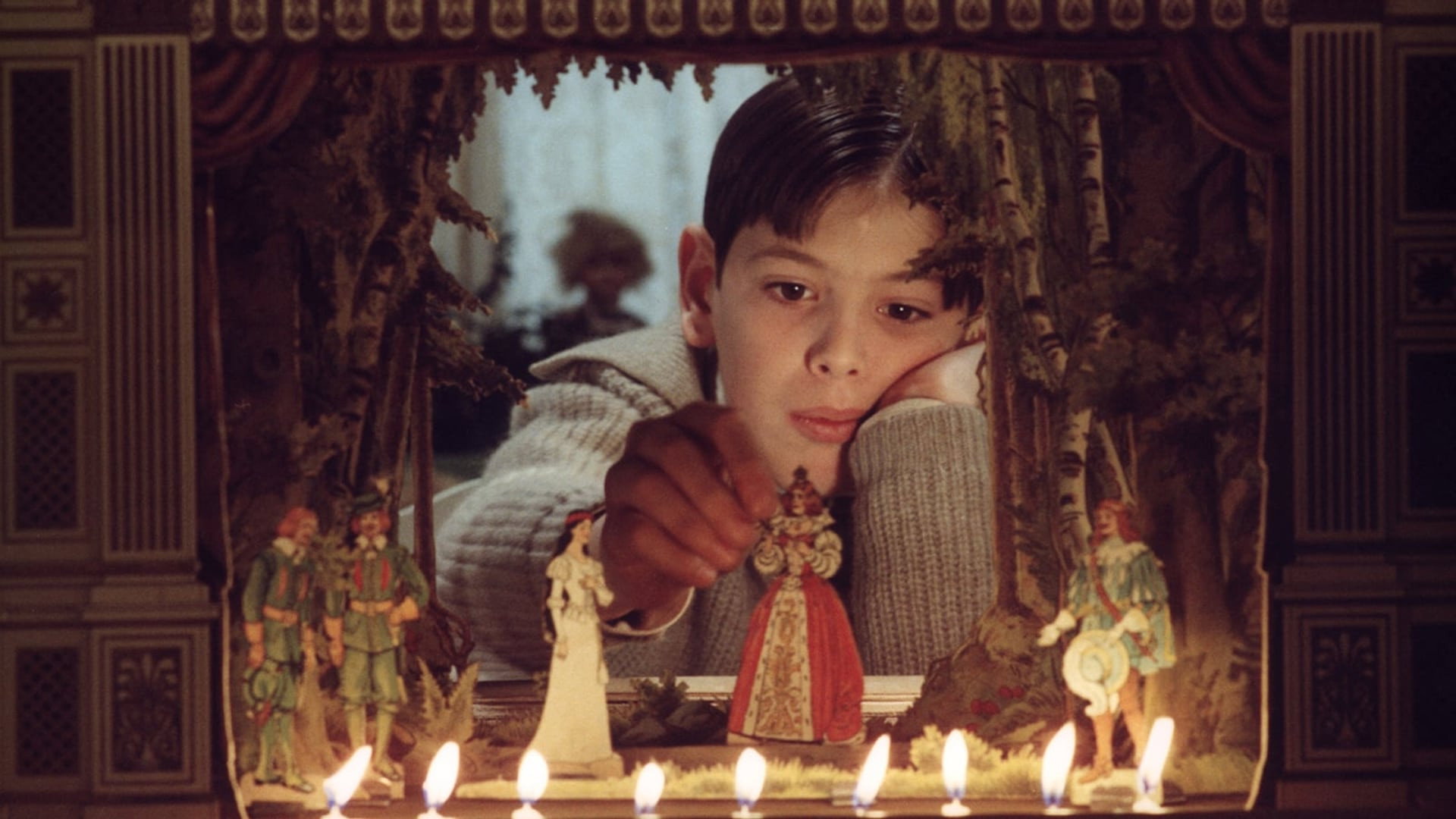
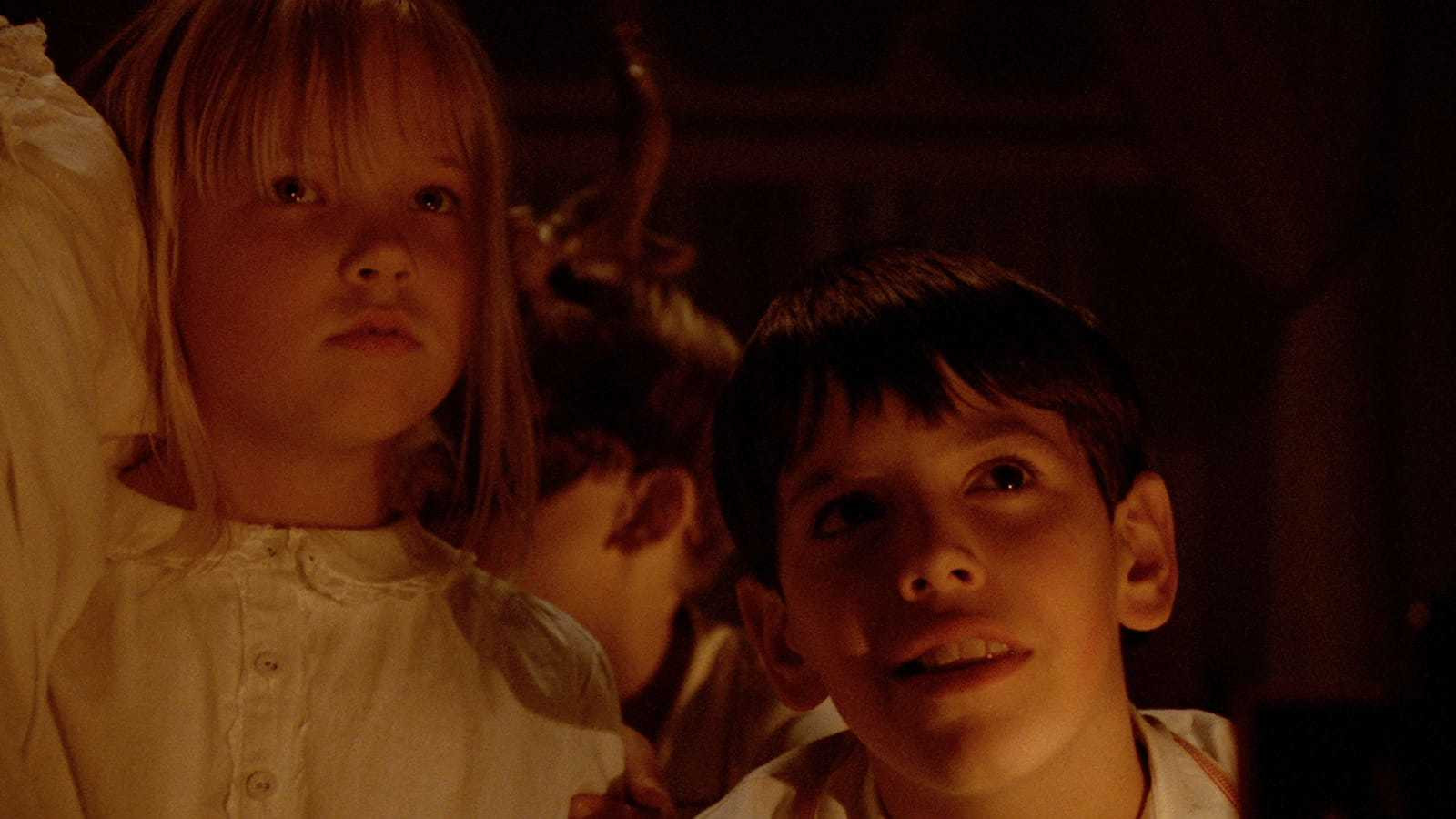
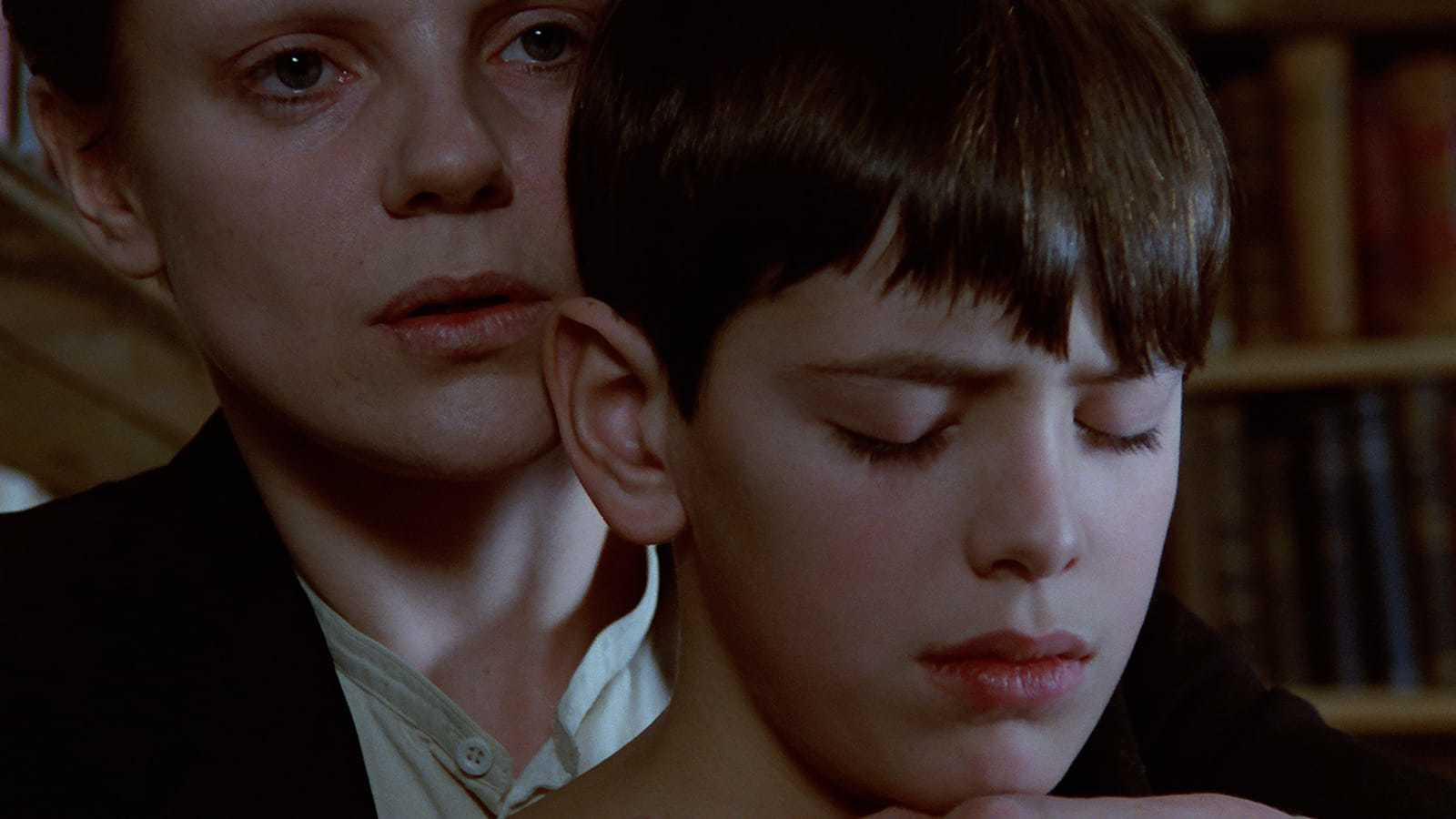
Pernilla Allwin and Bertil Guve play the children, and Guve gives Alexander the awkwardness that keeps a threatened child from becoming a convenient little saint. He can be difficult, and the film respects him enough to allow it. That matters in a story where imagination gives a child some freedom from what adults insist is true. Bergman lets fantasy belong to the children’s experience, so it never feels added merely to make their lives more interesting to watch.
Jan Malmsjö’s Bishop Edvard Vergerus is the reason that freedom matters. We were frightened by his insistence on obedience: Malmsjö makes the bishop’s certainty feel like something a child cannot reason with or escape. The struggle between the boy and this severe adult gives the film its hardest scenes, and Bergman does not make the abuse easier to bear by turning it into a lesson about courage. The unequal contest is painful to watch, even before we begin to worry about what happens next.
Sven Nykvist’s photography gives the well-to-do household enough warmth to make its comforts matter. The production design helps us believe in a family whose life extends beyond the children, rather than providing a handsome background for their troubles. There is pleasure in looking at this home, and that pleasure makes the family’s unhappiness harder to dismiss. Bergman understands that children can be loved, materially comfortable and still have good reason to be afraid of adults.
With Ewa Fröling as Emilie and Gunn Wållgren as Helena, the adult company has enough presence to keep Alexander from swallowing the whole family. Sylvia Ingemarsson’s editing allows the family chronicle to take its time without losing the pressure of the children’s predicament. Music by Benjamin Britten and Robert Schumann contributes to the feeling that private fears can become overwhelming. The film is generous with humour, too, and the comic passages make the adults seem more recognisable before their failings begin to hurt.
Our reservation is there in the title: Fanny receives less attention than Alexander, and Allwin deserves more time to make Fanny’s experience distinct from his. Some of the adult business holds us less closely than the children’s predicament, and a few stretches feel overextended. These are costs of Bergman’s willingness to let the household occupy so much time. They matter, though neither makes us wish for a brisker, tidier version of the whole film.
The fantasy belongs naturally in this family drama because children do not keep fear, invention and everyday experience in separate compartments. Bergman is interested in how it feels to live with those things together, and gives us little reason to demand neat explanations. We would not come to it expecting its mysteries to behave like clues in a detective story. Allow it an evening without interruptions; keeping track of a large family is difficult enough without answering messages.