Bergman’s close-ups make loneliness hard to ignore. We value the humour and companionship alongside his questions about faith, especially in The Seventh Seal, though the dialogue sometimes explains more than it needs to.
Fi1m perspective
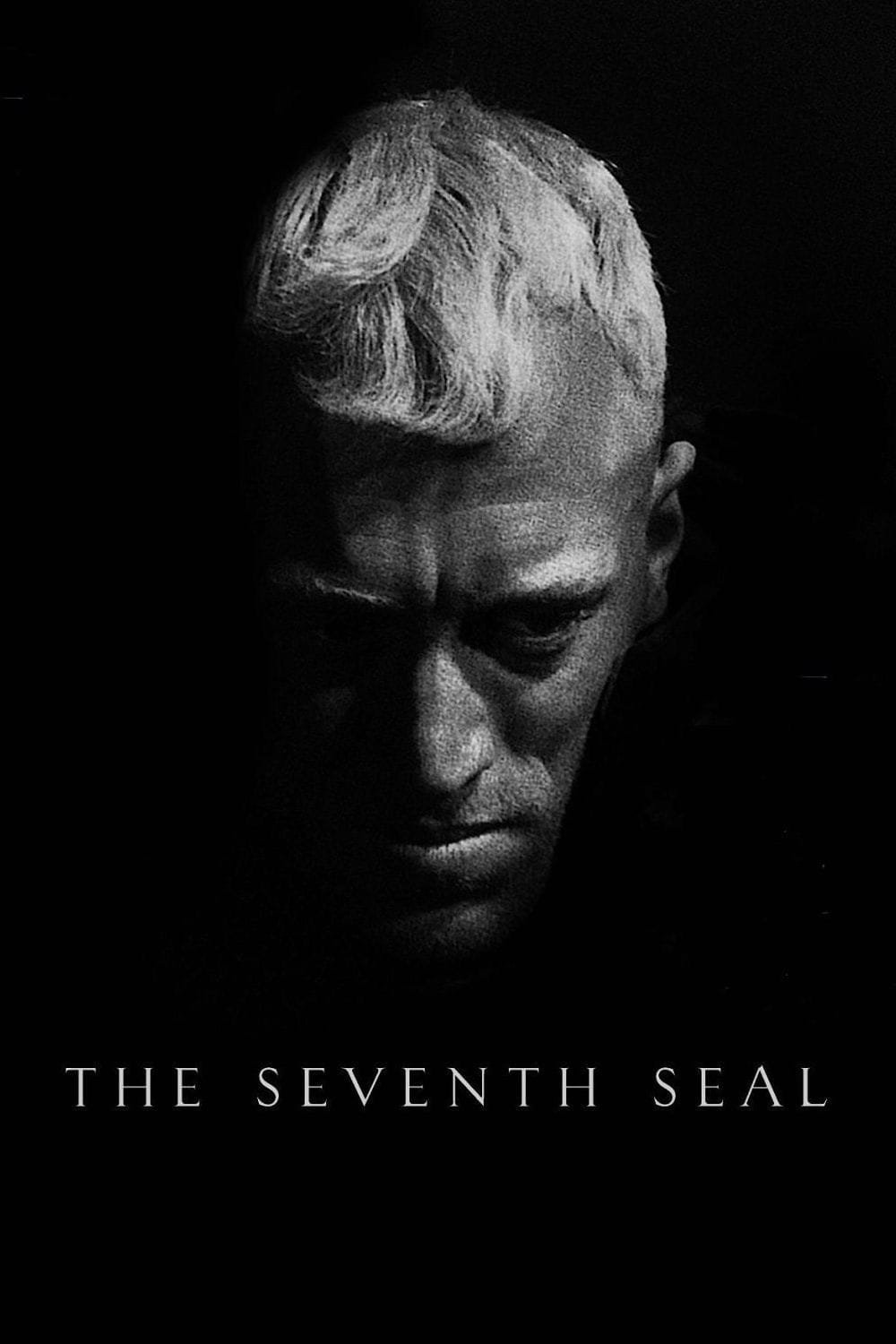
A knight plays chess with Death, and Ingmar Bergman takes the need for answers seriously. Yet The Seventh Seal (1957) also has people with more immediate business: getting through the day, finding company, making a coarse joke. We admire the way he keeps those people interesting while the knight struggles with his doubts. The questions about faith matter because the people asking them are frightened and still want something from life.
Gunnar Fischer’s cinematography leaves the figures exposed against stark landscapes, making fear visible without explaining it. P.A. Lundgren’s production design gives the medieval setting enough substance for the comedy to belong there. Gunnar Björnstrand’s Jöns, Nils Poppe’s Jof and Bibi Andersson’s Mia have concerns that do not stop whenever the knight needs to think. We were moved by the companionship around Jof and Mia, because Bergman lets it matter beside the knight’s distress. His attention to physical life keeps the film from becoming a succession of debates.
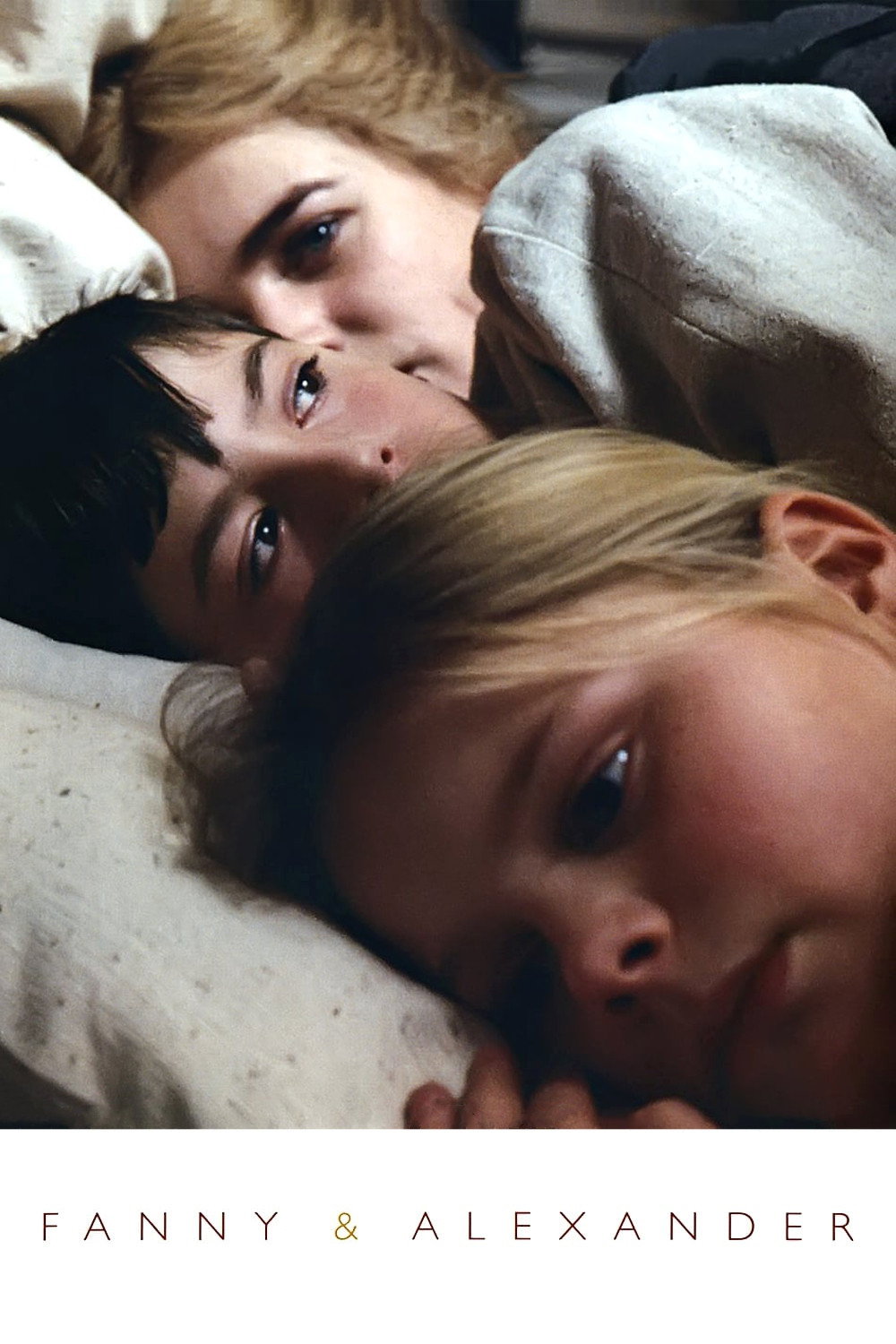
Smiles of a Summer Night (1955) brought international attention, with The Seventh Seal and Wild Strawberries (1957) securing wider recognition. The professor’s journey in Wild Strawberries turns towards memory and regret. Persona (1966) marks a change in how Bergman tells a story, using fragmentation to examine loneliness. The sustained work with actors is central to the intimate scrutiny of Scenes from a Marriage (1973). The later Fanny and Alexander (1982) expands to an autobiographical family saga.
What we resist is the repeated explanation: in The Seventh Seal, a question about faith can remain in the dialogue after the scene has already made it clear. At those moments, the actors seem to be stating positions rather than speaking to one another. But the coarse jokes and ordinary wants are there too, and they keep us interested when the discussion becomes laboured. Start with The Seventh Seal, especially if nobody has thought to tell you it is funny.
Biography
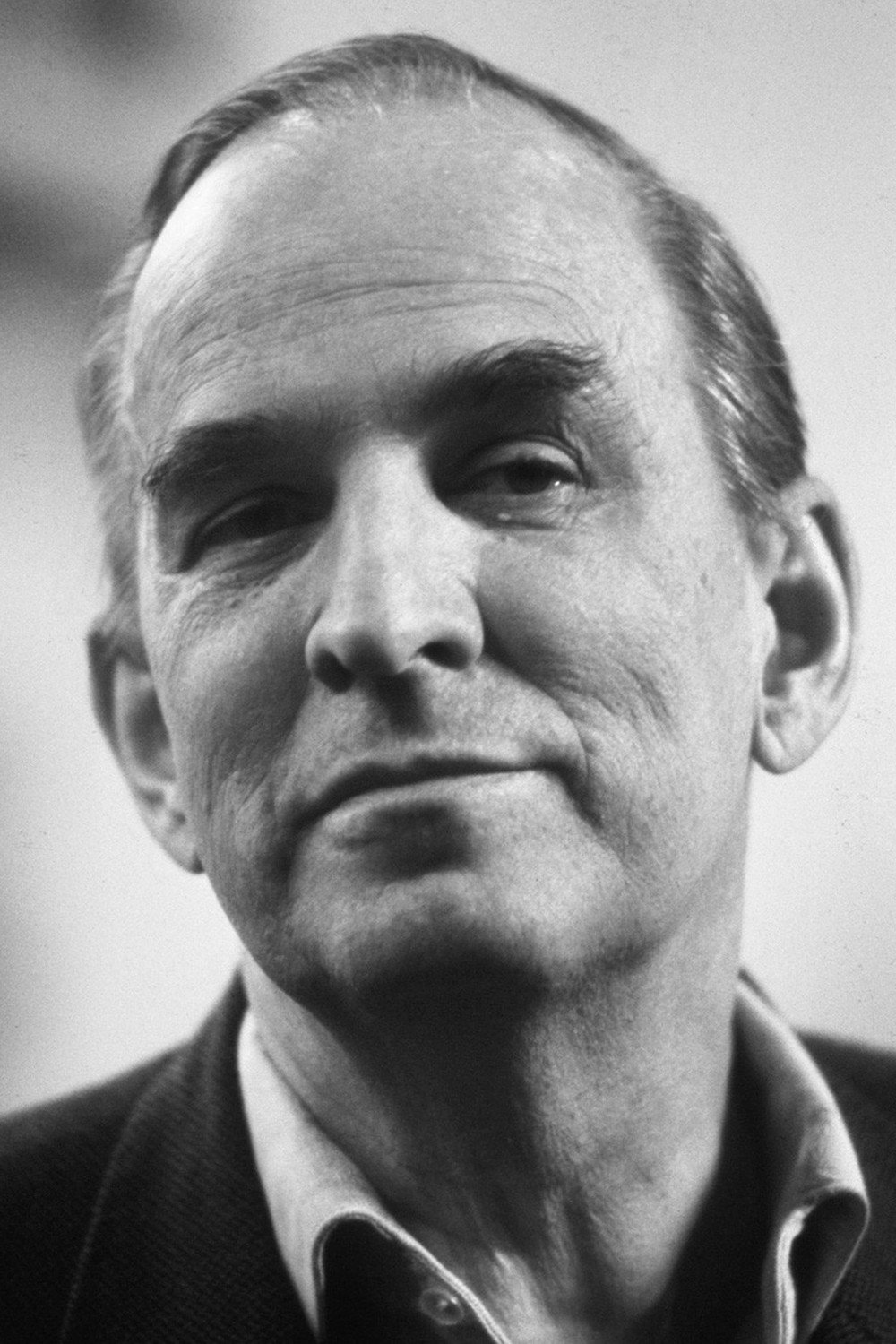
Ingmar Bergman was a Swedish film and theatre director and screenwriter. He was born Ernst Ingmar Bergman on 14 July 1918 in Uppsala, Sweden, and died on 30 July 2007 on the island of Fårö.
He directed and wrote the screenplay for The Seventh Seal (1957). Other films include Wild Strawberries (1957), Through a Glass Darkly (1961), Winter Light (1963), Persona (1966), Cries and Whispers (1972), Autumn Sonata (1978) and Fanny and Alexander (1982). He directed more than 170 stage productions and held positions as leading director at the Royal Dramatic Theatre in Stockholm and the Residenztheater in Munich.
Bergman collaborated repeatedly with cinematographers Gunnar Fischer and Sven Nykvist, and with actors including Max von Sydow, Liv Ullmann, Bibi Andersson, Gunnar Björnstrand and Erland Josephson.