Film review

The Seventh Seal

1957 · Directed by Ingmar Bergman · 1h 36m · MPA NR

In a sentenceDeath agrees to a game of chess; we would have asked for something slower

FantasyDrama

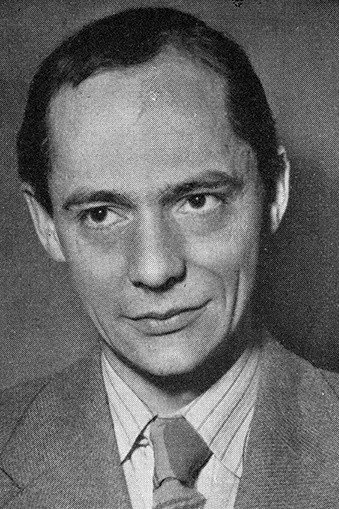
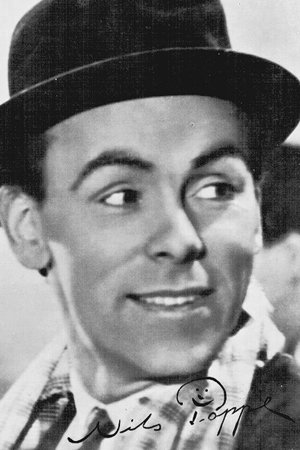
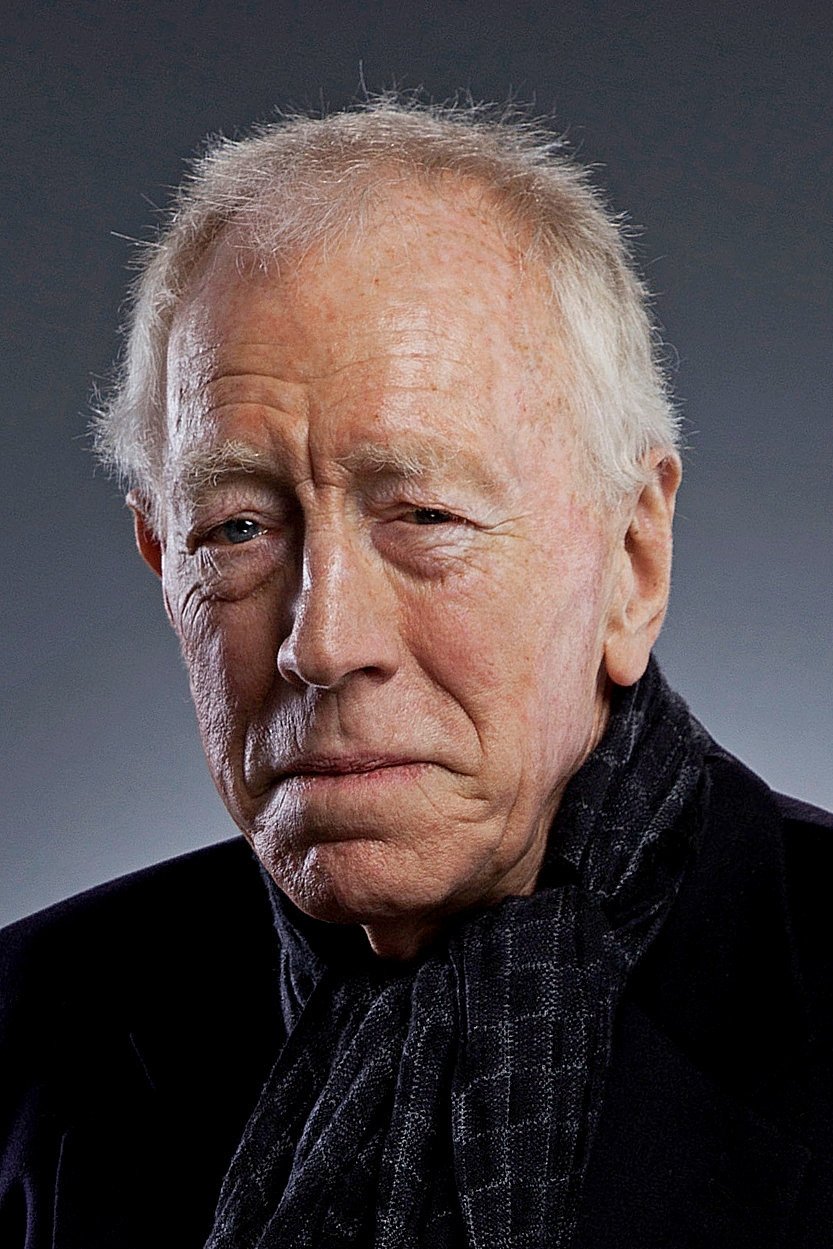
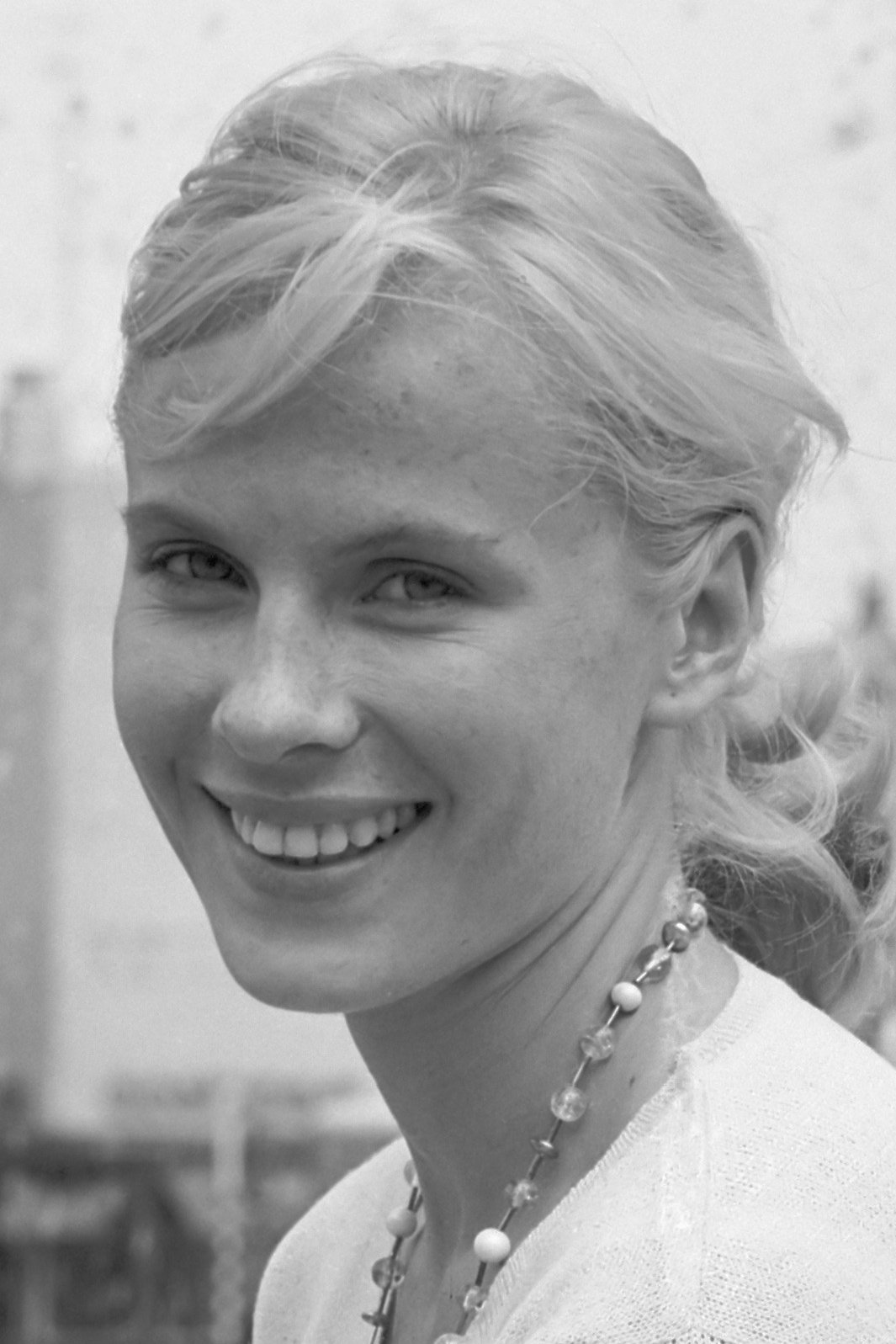
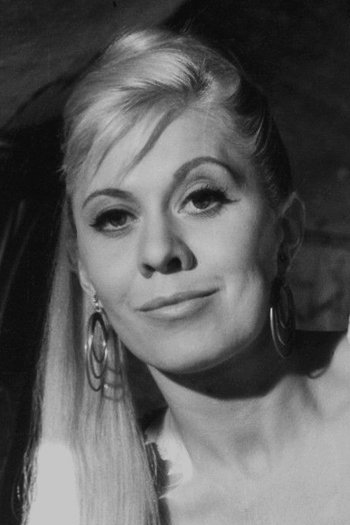
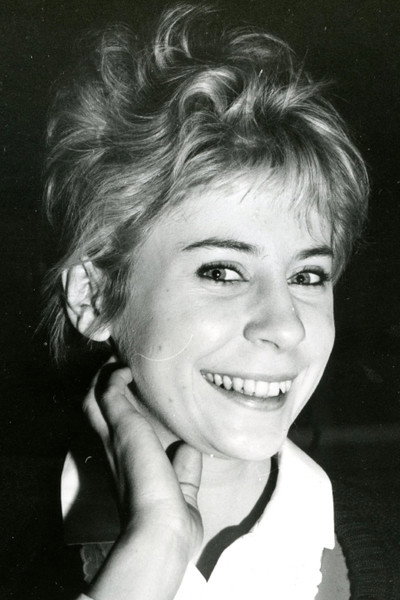
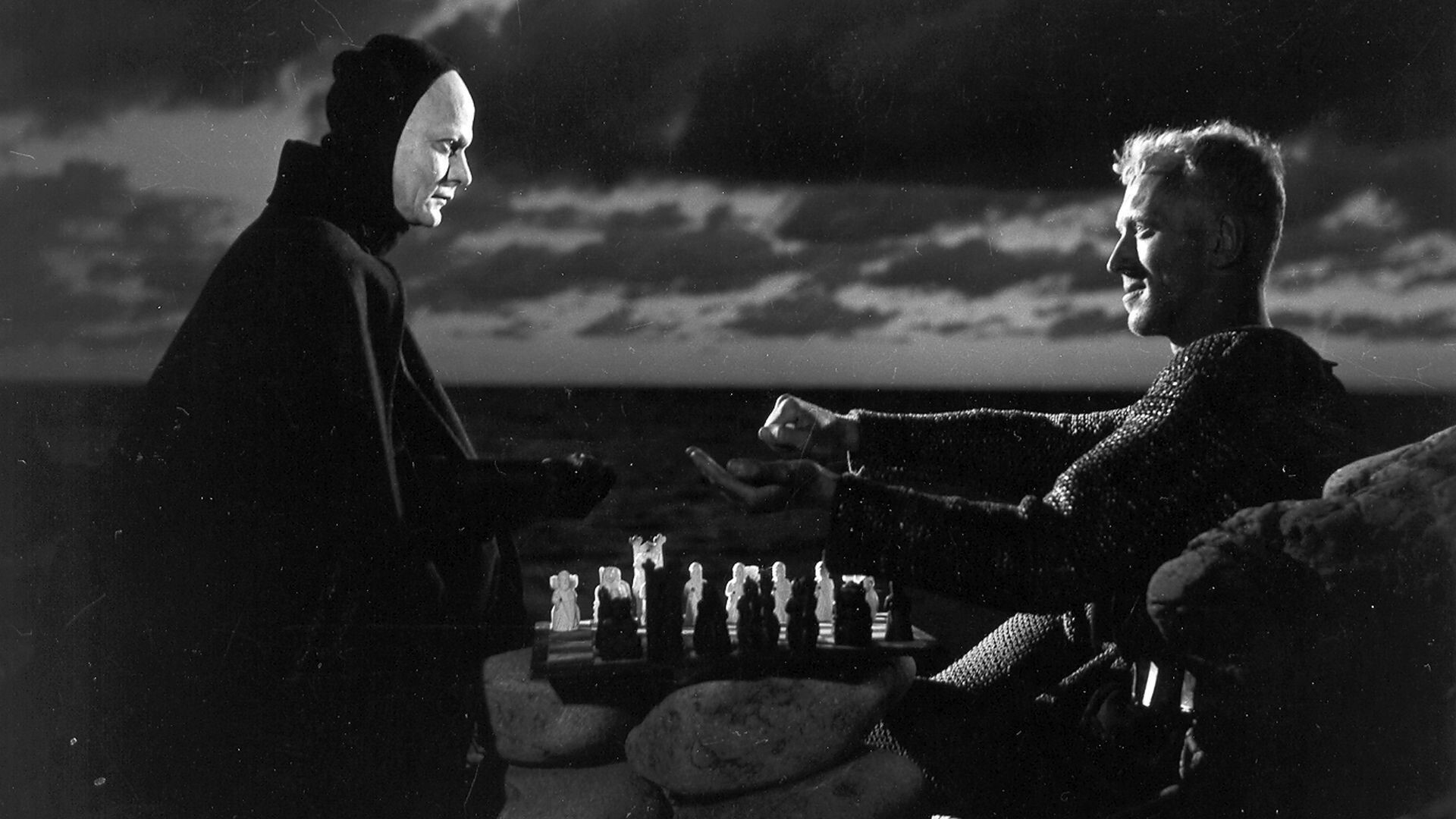
In medieval Sweden, Antonius Block (von Sydow), a knight, faces Death (Bengt Ekerot) while plague ravages the country. He challenges Death to a game of chess, seeking time to make sense of his life and his uncertain faith. Jöns (Gunnar Björnstrand), Jof (Nils Poppe) and Mia (Bibi Andersson) live with the same threat, amid the demands of daily life. As the prospect of death shapes their days, Block searches for evidence of God and some understanding of what awaits him.

Fi1m review

Ingmar Bergman’s drama about a knight confronting Death is frightening, funny and humane. The dialogue occasionally labours its questions about faith, but the people remain worth listening to.

Ingmar Bergman’s The Seventh Seal is a moving film about death with a welcome appetite for coarse humour. We recommend it warmly, with a reservation about dialogue that occasionally explains a question we have already understood. A knight plays chess with Death while plague ravages his country, and Bergman takes the knight’s need for answers seriously. He also finds room for people whose immediate business is getting through the day.

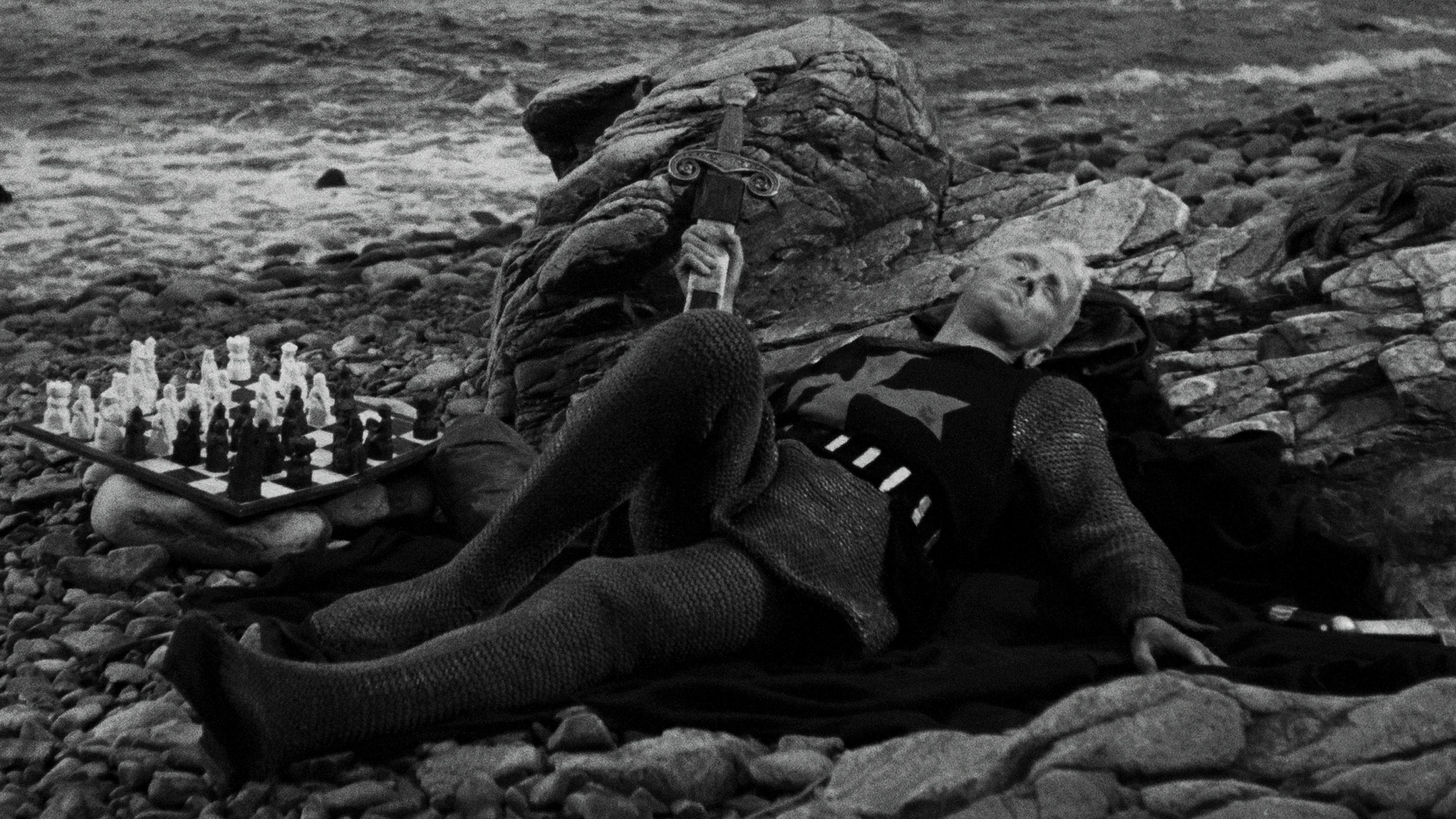
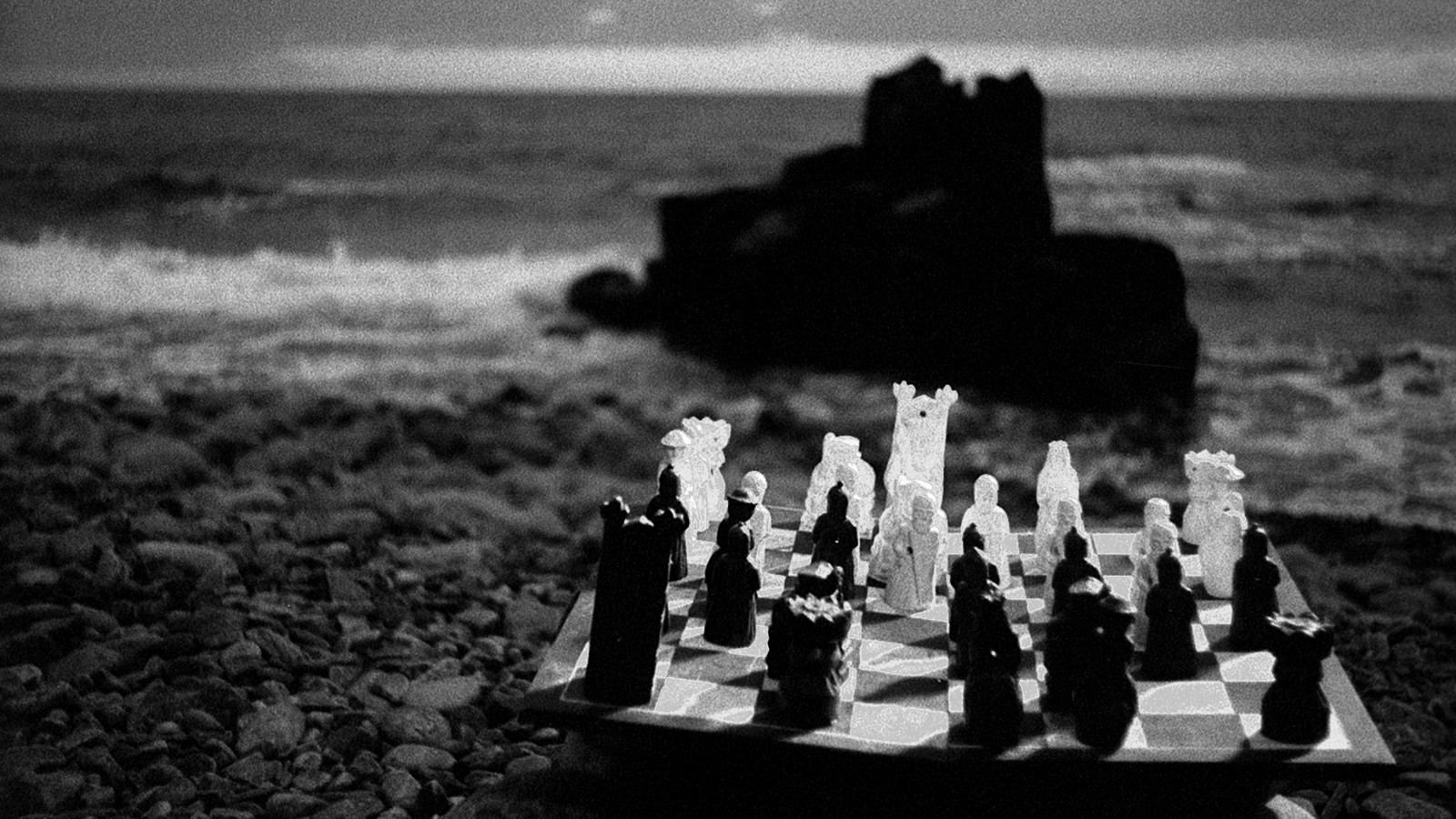
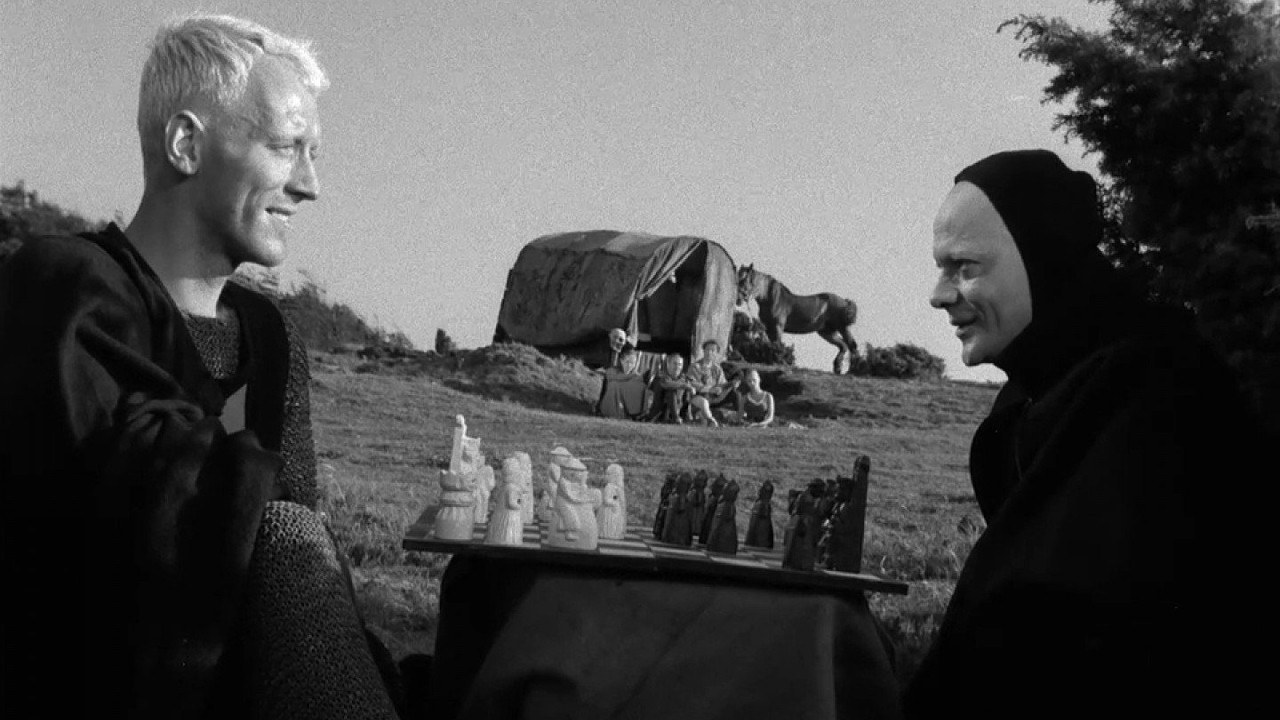
As Antonius Block, von Sydow plays the knight with the seriousness the part needs without making his anguish grand. His need for reassurance is recognisable even when the theological debate grows difficult. Bengt Ekerot’s Death gives him someone definite to confront, which makes their encounter more troubling than an unseen threat. We felt a chill at their chess game, because seeing a man sit opposite Death makes his predicament so horribly easy to picture.

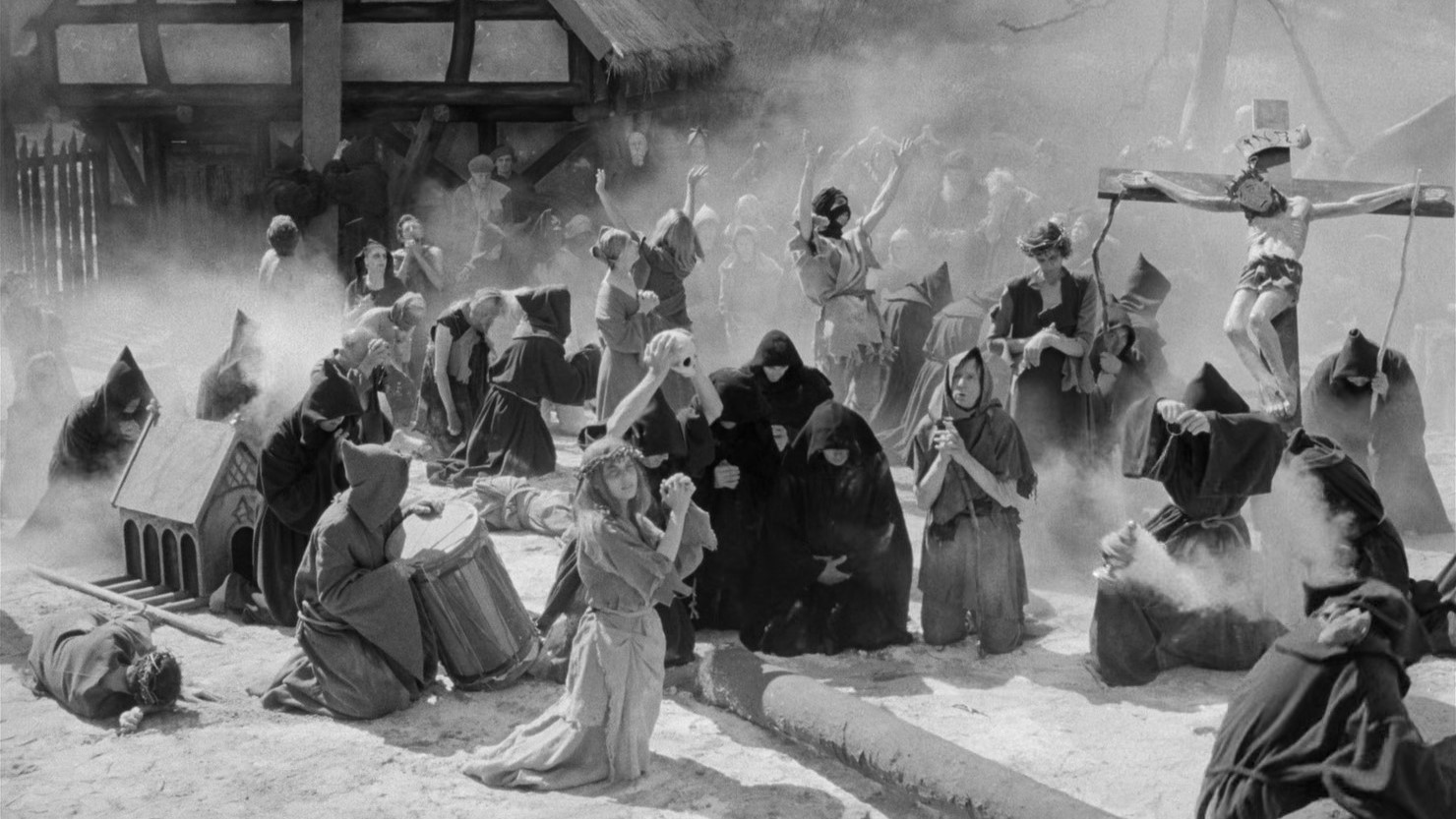
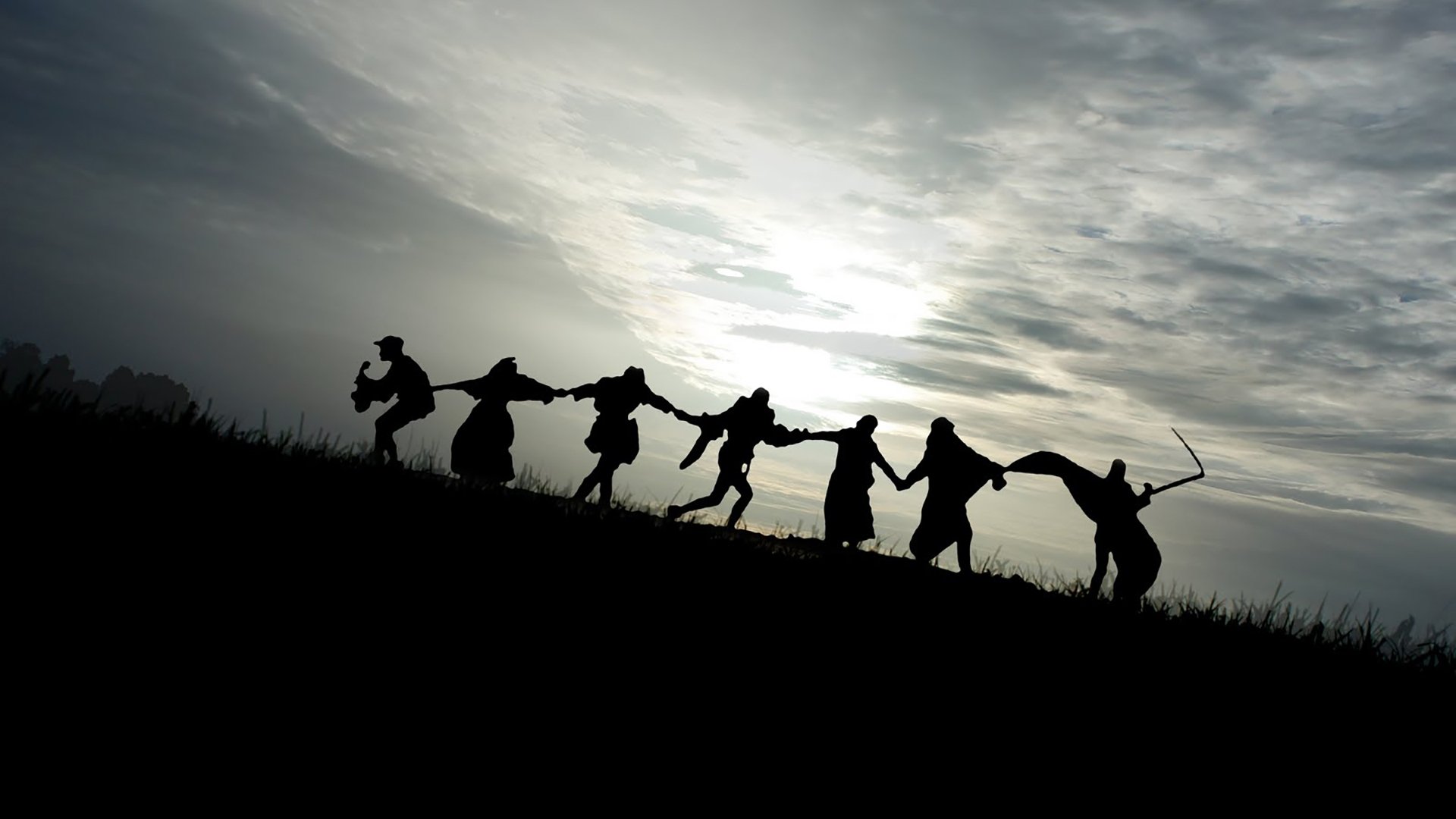
Gunnar Fischer’s cinematography is crucial to that effect: the stark landscapes leave the human figures looking exposed. The images are clear enough for the central encounter to need little explanation, and their coldness gives the fear a physical setting. P.A. Lundgren’s production design supplies the period detail that makes this medieval world feel inhabited. That matters when Bergman turns to comedy, because the earthly concerns of the supporting characters need somewhere credible to play out.

Gunnar Björnstrand’s Jöns, Nils Poppe’s Jof and Bibi Andersson’s Mia help keep the film from becoming a succession of questions addressed to the sky. The cast gives these figures enough individuality that their place in a morality play does not exhaust our interest in them. Bergman’s attention to physical life and companionship is especially welcome beside the knight’s distress. The humour is broad, sometimes deliberately coarse, and it belongs to the same frightened world as the arguments about faith.

Lennart Wallén’s editing allows those changes of tone to register without making the film feel divided into separate entertainments. There is time to listen, but the comic passages keep the serious talk from settling into a single solemn pace. Erik Nordgren’s music supports the foreboding without having to supply all of it; Fischer’s images have already done much of that work. At 96 minutes, the film can afford its pauses without asking for an evening of dutiful endurance.

The limitation is in Bergman’s screenplay, which can linger over a theological difficulty after the scene has made it clear. A few exchanges make us aware of characters explaining their positions, and the people briefly become less interesting than the ideas they have been given to discuss. The directness is valuable, especially with questions this large, but it sometimes turns into repetition. These stretches are worth tolerating for the film’s willingness to take doubt seriously without treating every earthly pleasure as a distraction.

As a fantasy, it has a useful confidence in letting the impossible happen without burdening it with rules. A game of chess is enough to bring a man and Death together; Bergman can then attend to how people behave under that pressure. The film’s interest in helping others gives the discussion a practical consequence, even when certainty remains out of reach. Watch it for the people as well as the famous encounter, and allow a little patience for the speeches.
Critical consensus AI synthesised

85
Positive
7
Mixed
0
Negative
0

The reviews are consistently positive, with praise clustering around Bergman’s stark medieval imagery and his direct treatment of faith, doubt and mortality. Critics repeatedly single out the chess game with Death, but also find warmth in the humour and small acts of human connection amid the plague. The acting, period detail and theatrical clarity receive substantial praise. Across the reviews, the film’s concern for ordinary human life matters as much as its religious questions.

Reservations are limited, and differences concern accessibility and familiarity rather than achievement. The New Yorker notes occasional obscurity, while Little White Lies finds the film more approachable than its arthouse reputation suggests. Time Out acknowledges that parody has taken a toll on the famous images, yet still finds them moving. There is no substantial negative dissent here: the consensus allows for intellectual demands without treating them as a reason to keep the film at a distance.

Time Out
16 July 2007 · ★★★★★ · Wally Hammond
100

Bergman’s medieval allegory gives fear a face in its iconic chess game with Death and remains relevant through its curiosity about human survival and artistic expression under threat. Parody has taken some toll on its most famous images, yet it stays highly impressive and moving.

Read the full review →
The Guardian
8 March 1958
90*

The critic describes the film as a distinct and wonderful work unlike any other, presenting it as a screen version of a medieval morality play with conventional figures elevated by remarkable casting, acting, and Bergman's forceful, simple, and integral writing and direction.

Read the full review →
Empire
2 July 2007 · David Parkinson
85*

The critic highlights the film's emergence as Bergman's mature work exploring faith, doubt, and humanity's debasement of religion amid the Black Death. Iconic sequences like the chess game with Death and the Dance of Death stand out as memorable highlights.

Read the full review →
Evening Standard
10 April 2012
80*

The review calls the film a masterpiece and medieval allegory about lost faith in a desperate world ravaged by plague. It singles out Bergman's superb wintry images, reminiscent of silent cinema, for their indelible impact.

Read the full review →
Little White Lies
16 August 2017 · Ned Carter Miles
80*

The film is a deceptively accessible arthouse staple whose central chess game between knight and Death unfolds with theatrical clarity. It refuses to speculate on the afterlife and instead focuses on earthly human concerns and physicality.

Read the full review →
The AV Club
2 November 2009 · Zack Handlen
80*

The critic finds the film a humane exploration of death's inevitability, praising its striking imagery, bawdy humor, and moments of personal connection that transcend time. They highlight the knight's chess game with Death and the practical lesson that one can help others even while facing one's own end.

Read the full review →

Cast

Stills

Awards

International Submission to the Academy Awards, 1958

Nominated
International Submission to the Academy Awards

If you liked this, try…

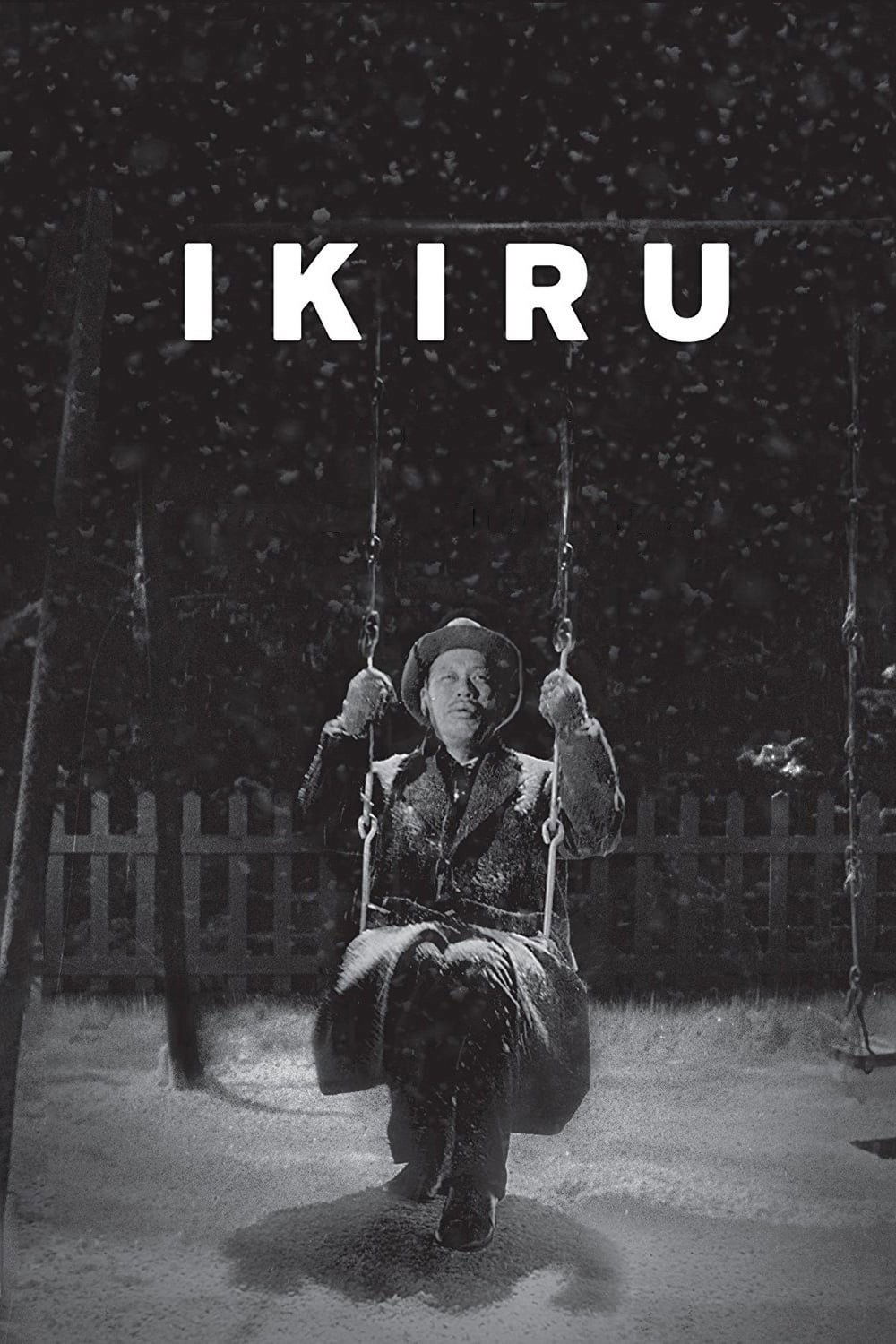
Ikiru poster92

Ikiru

1952 · Another search for meaning that gives ordinary acts of kindness proper weight.

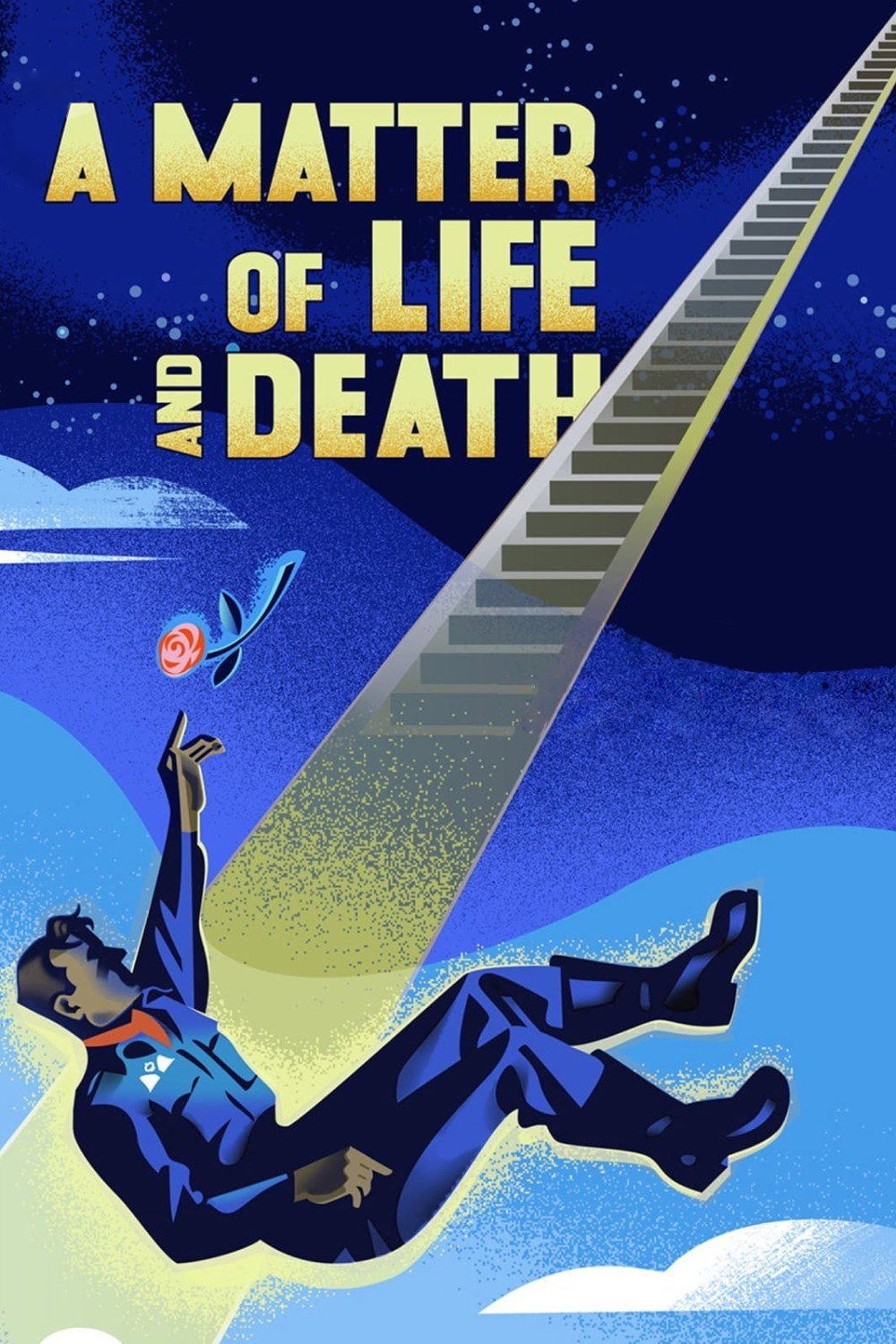
A Matter of Life and Death poster92

A Matter of Life and Death

1946 · A more romantic encounter with mortality, with room for argument and mischief.

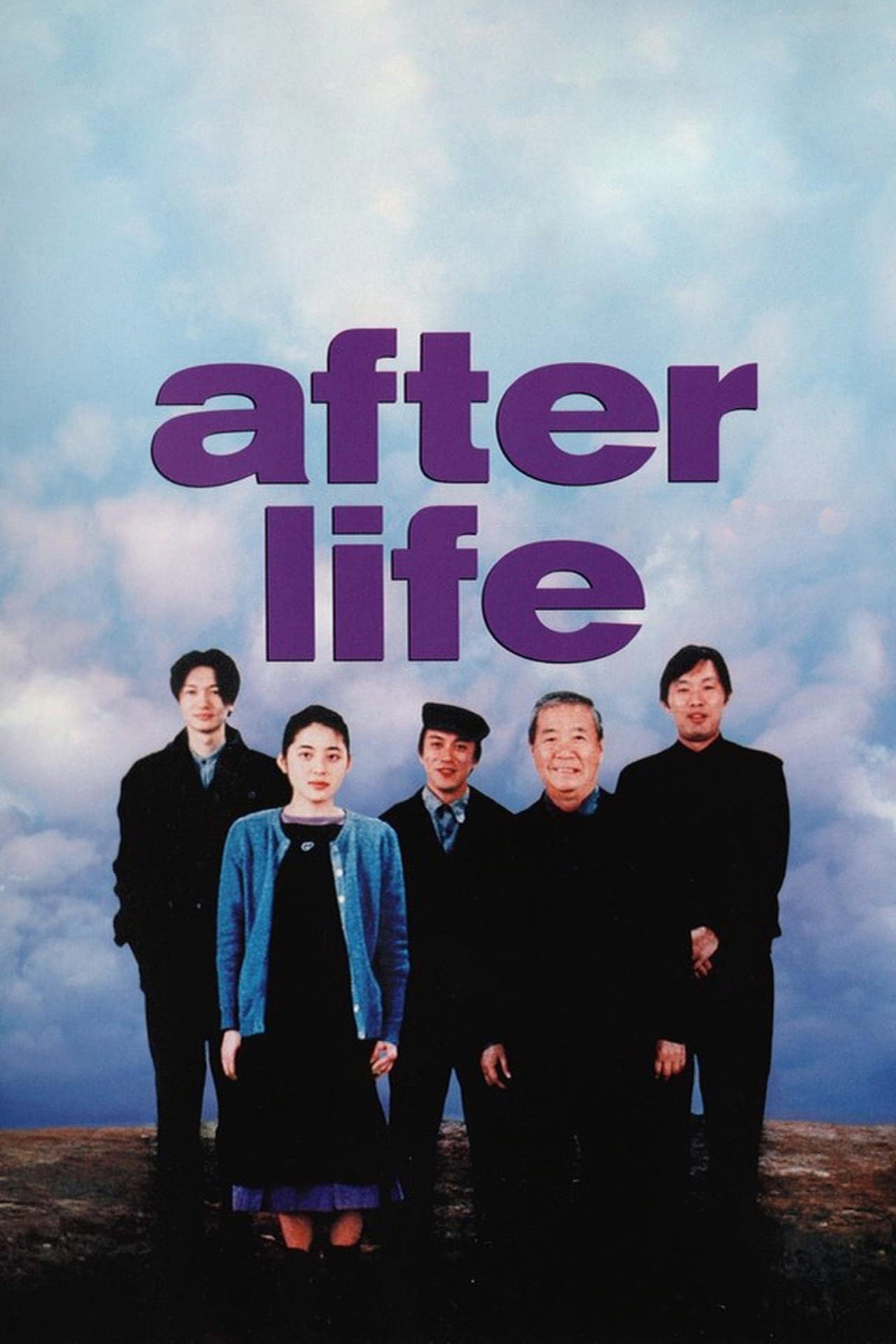
After Life poster

After Life

1998 · The afterlife becomes an occasion to consider which ordinary memories deserve keeping.

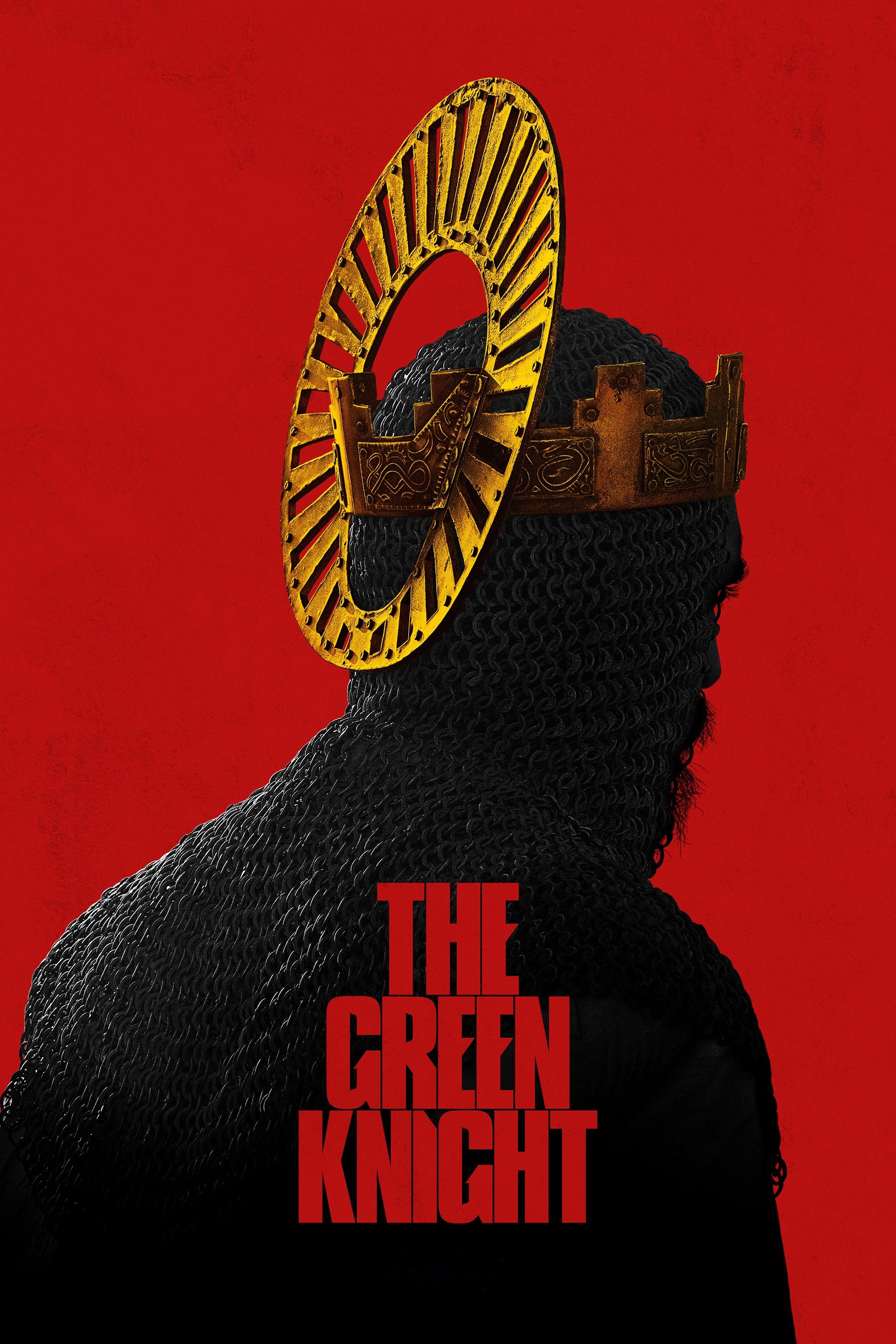
The Green Knight poster

The Green Knight

2021 · A medieval journey where fear matters more than any talent for fighting.

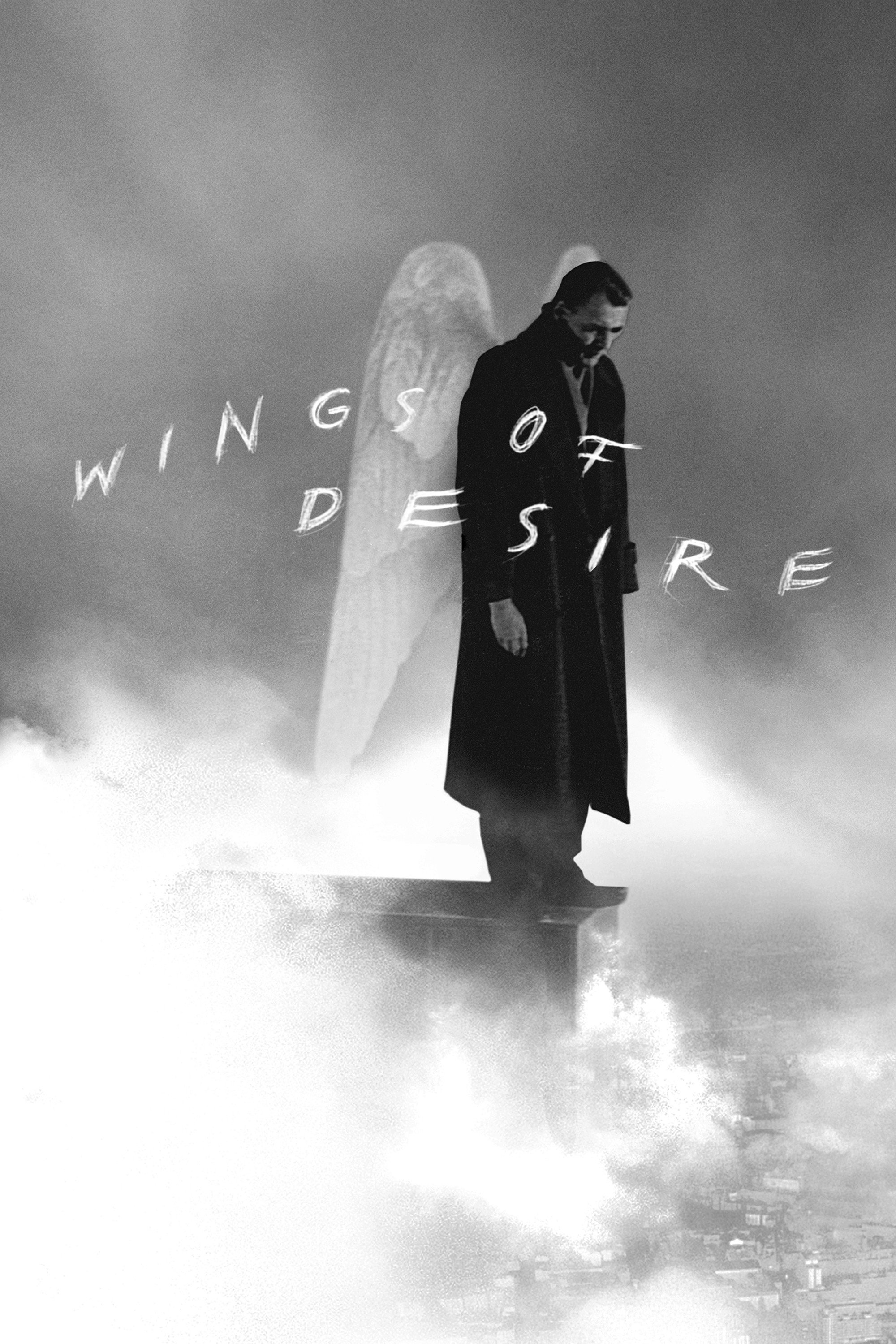
Wings of Desire poster

Wings of Desire

1987 · For the same affection for human company, viewed from an impossible distance.