Bengt Ekerot makes an impossible encounter feel horribly plain. His Death in The Seventh Seal gives the knight someone definite to confront, and we recommend the performance even when Bergman's dialogue makes hard work of the questions.
Fi1m perspective
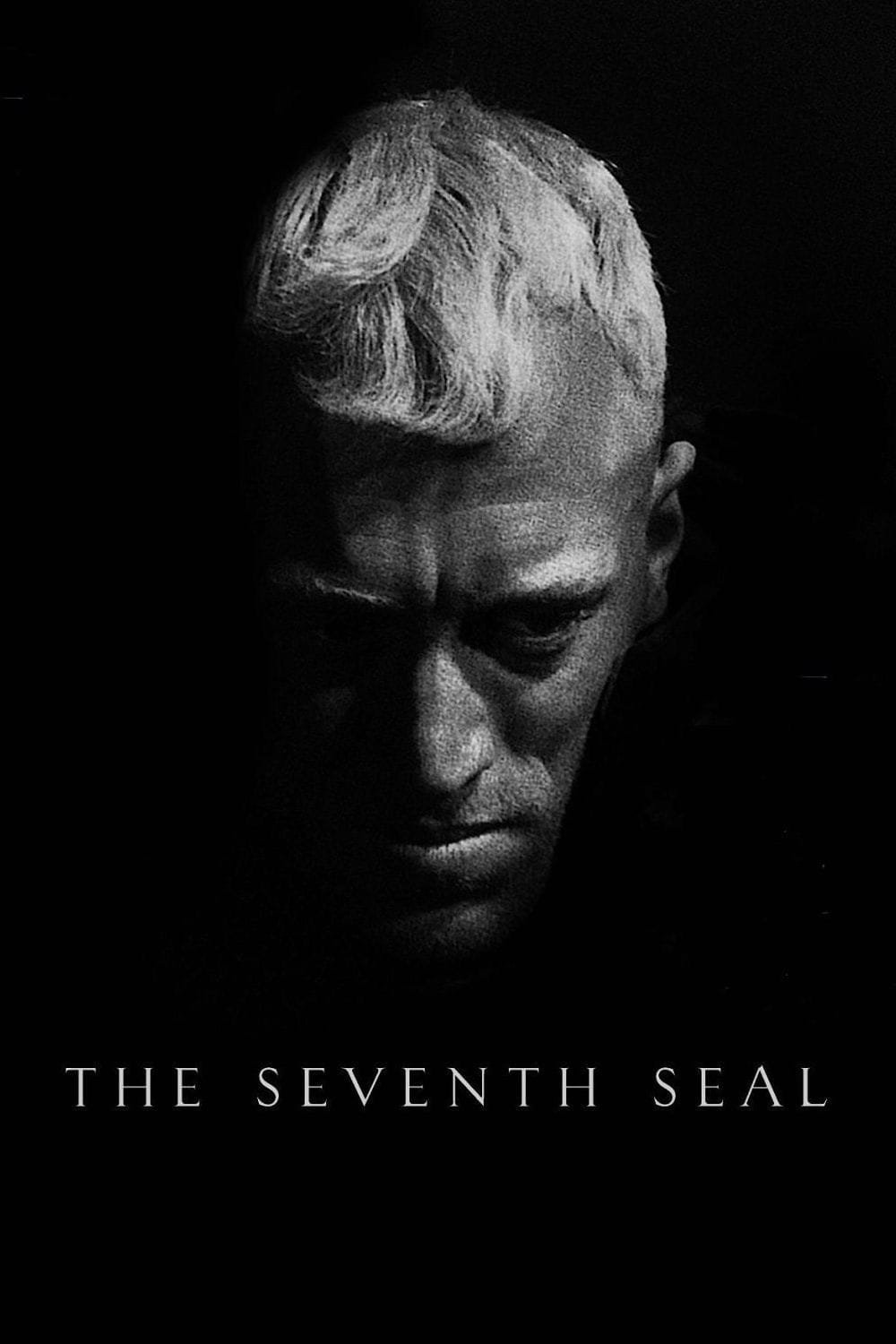
In The Seventh Seal (1957), Bengt Ekerot sits across a chessboard from a knight, his face white above a black cloak. The face was developed with director Ingmar Bergman as a mixture of clown mask and skull. It is an unnerving face to have to address with a serious question. Ekerot makes the costume convincing enough that we attend to the knight's predicament rather than the business of dressing an actor as Death.
Von Sydow plays Antonius Block with a need for reassurance that remains recognisable when the theological debate grows difficult. We felt a chill at their chess game, because Ekerot makes the knight's fear as easy to picture as a man sitting opposite him. The two performances work together: von Sydow keeps the anguish from becoming grand, while Ekerot gives it a definite cause. Bergman's dialogue sometimes labours its questions about faith, and this casting cannot make every exchange equally rewarding. It does keep us concerned for the man asking.
The sensitive, troubled young men of Ekerot's earlier Swedish films, including Dynamit (1947), are useful context for this work. Death was not the starting point of his screen acting, however thoroughly the part came to define it. He also directed Det glada kalaset (1946), and his theatre directing included the 1956 world premiere of Long Day's Journey into Night. His film acting reached its defining stretch with Bergman in 1957–58, with The Magician (1958) giving him the part of vaudevillian Johan Spegel. That role continued the association with death.
The danger with a role this recognisable is that we stop looking at the performance and settle for the picture. We would start with The Seventh Seal, with some patience for its heavier dialogue and an eye on both actors at the chessboard. Watch how much the encounter depends on having a credible person opposite the knight, even in that costume.
Biography
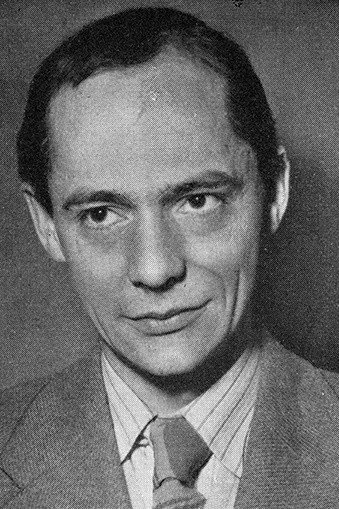
Bengt Ekerot (1920–1971) was a Swedish actor and director. Born Nils Bengt Folke Ekerot in Stockholm, he made his film debut in 1940 and appeared in around 35 feature films between 1940 and 1968, while also working extensively in theatre.
He is best known for his role as Death in Ingmar Bergman's The Seventh Seal (1957). He also appeared in Bergman's The Magician (1958) as Johan Spegel. In 1956 he directed the world premiere of Eugene O'Neill's Long Day's Journey into Night at the Royal Dramatic Theatre in Stockholm. He received the Gold Medal from Teaterförbundet in 1956.