Film review

Ikiru

1952 · Directed by Akira Kurosawa · 2h 23m · MPA NR

In a sentenceA dying man tries to get something done, which is awkward for everyone who works with him

Drama

Kanji Watanabe (Takashi Shimura) is a Tokyo civil servant whose life is organised around his job. Faced with terminal cancer, he begins to question what that life has amounted to and what he can do with the time remaining. His search for a purpose takes place among the routines of bureaucracy and the people around him, including his son Mitsuo (Nobuo Kaneko) and Toyo (Miki Odagiri). Akira Kurosawa directs this drama about a man confronting death and trying to find a reason to change how he lives.

Fi1m review

Akira Kurosawa’s drama about a dying civil servant is worth anyone’s evening. Takashi Shimura makes the fear of wasted time painfully ordinary, even when the satire keeps explaining what we have already understood.

Ikiru asks what a man can do when the chance to begin again arrives almost too late. Kanji Watanabe, a Tokyo civil servant played by Takashi Shimura, has terminal cancer and little confidence that his life has amounted to much. Akira Kurosawa gives his search for a purpose the seriousness it deserves, without making everyone else solemn on his behalf. We would recommend it to almost anyone. There is more comedy here than the subject might suggest.

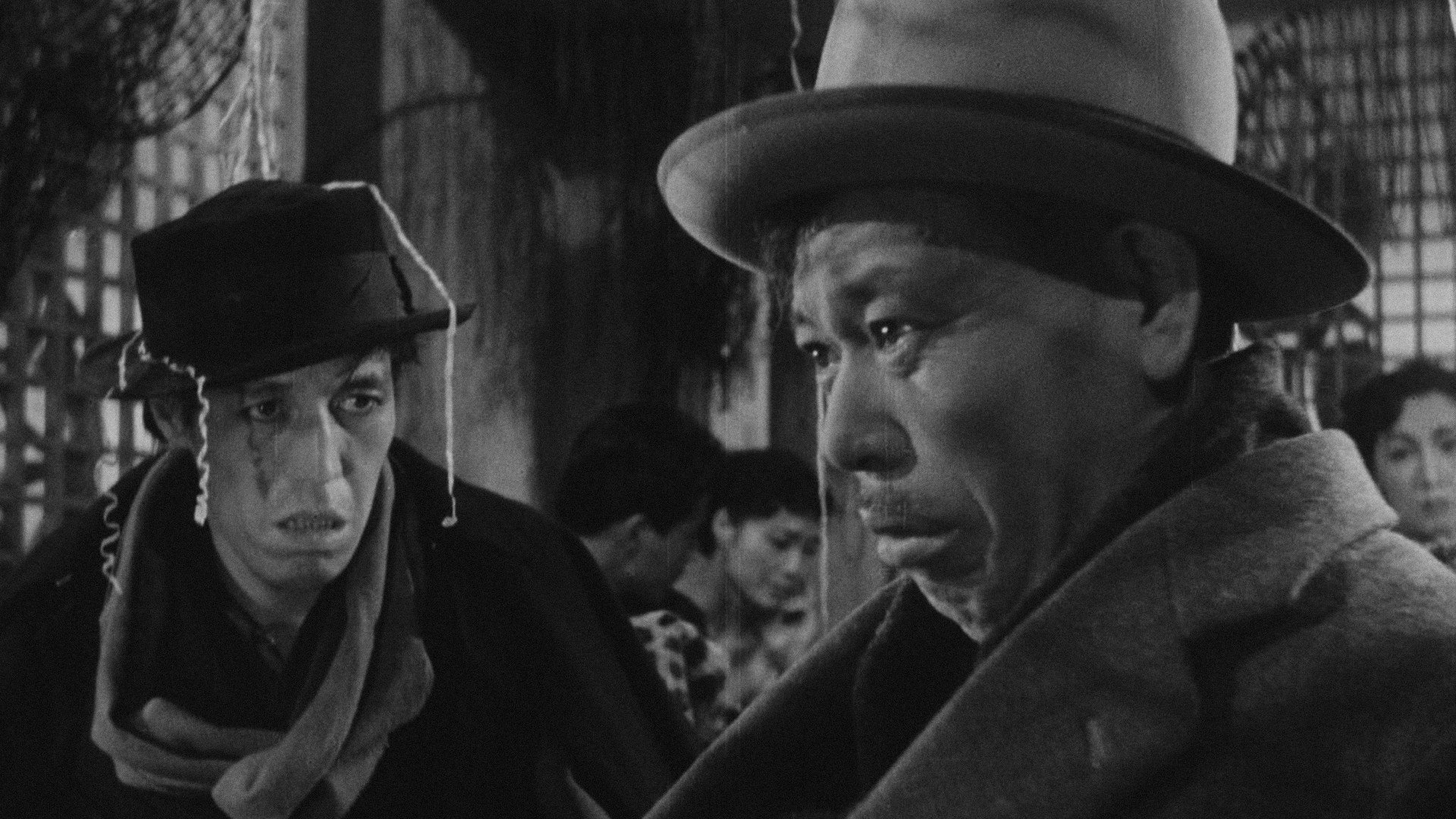
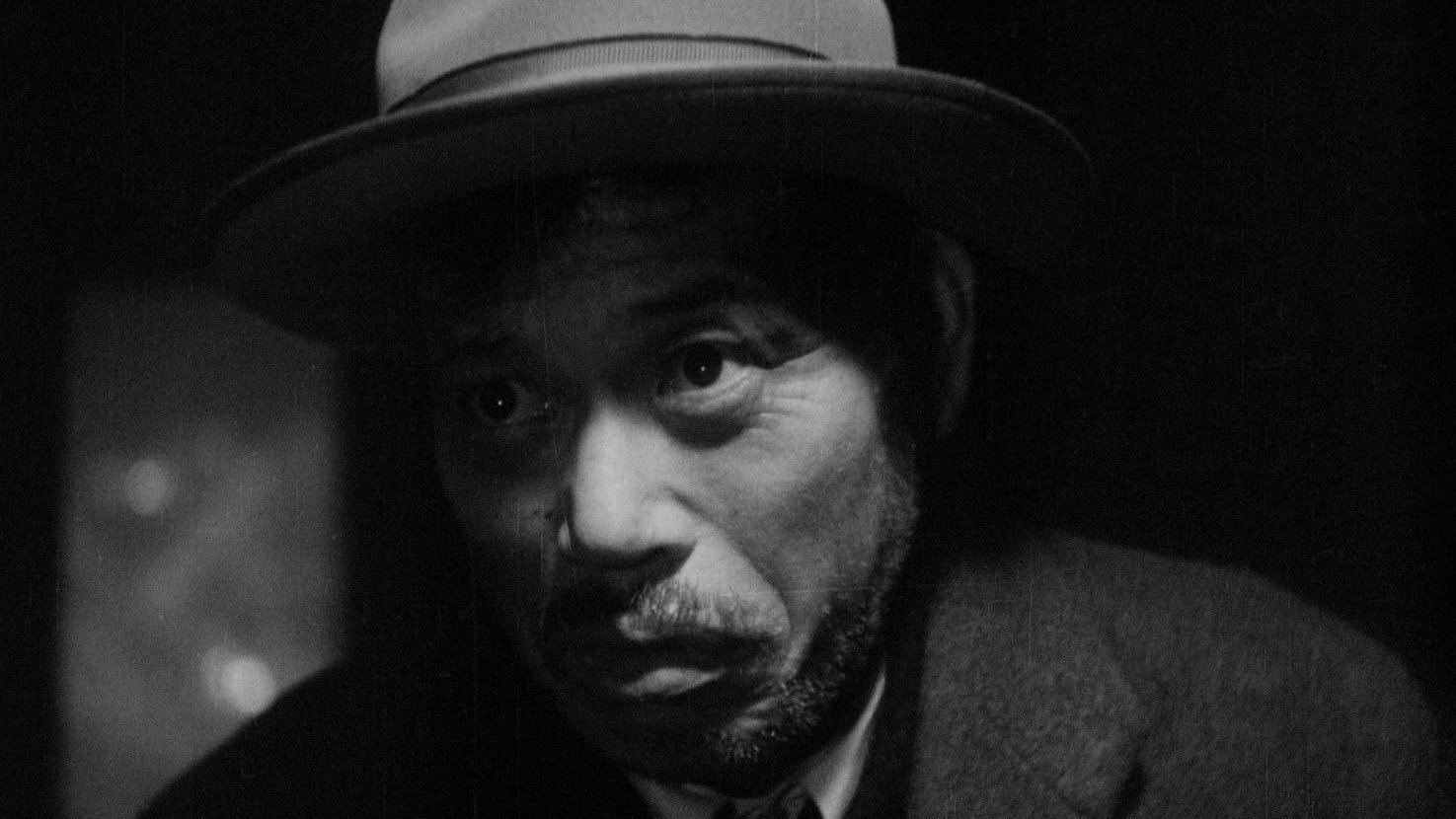
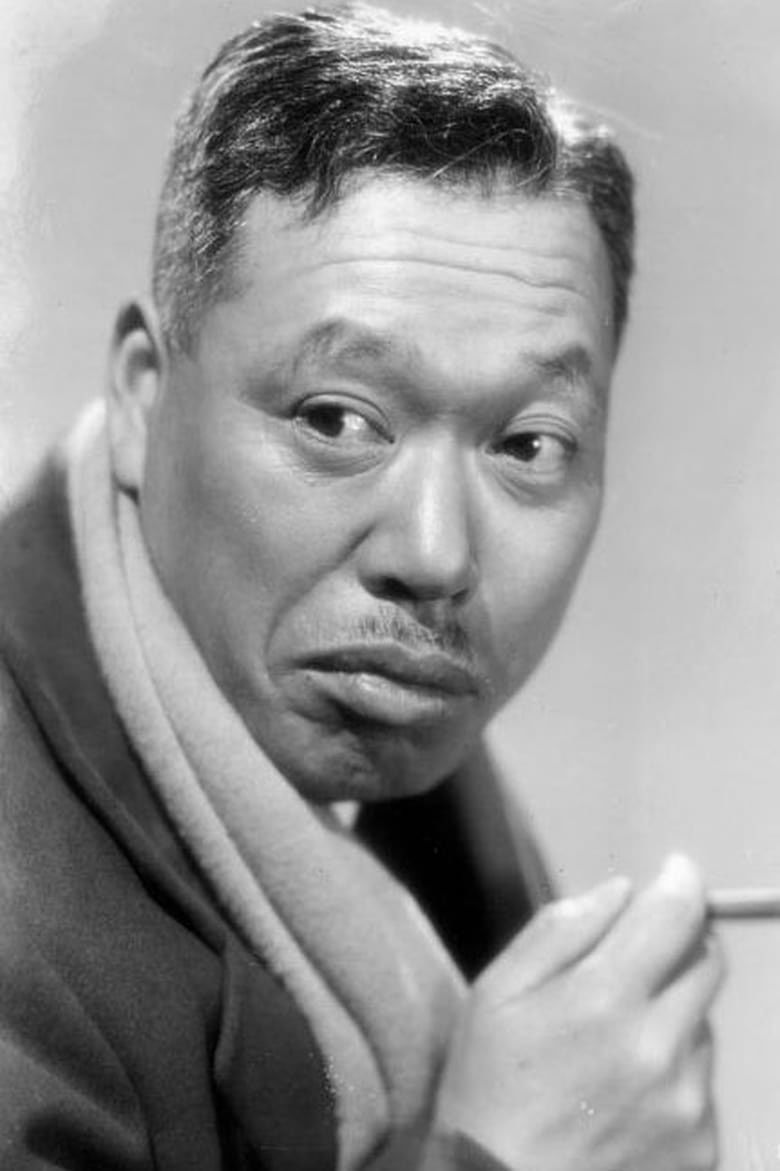
Shimura is the reason we stay with it. He gives Watanabe a hesitancy that makes the search uncomfortable to watch: this is someone who has to learn how to want something. We were moved more than we expected by the uncertainty on his face, and by how little he tries to disguise it. The performance never asks us to admire him simply for being ill. That awkwardness stops the character becoming an example of how the rest of us ought to behave.

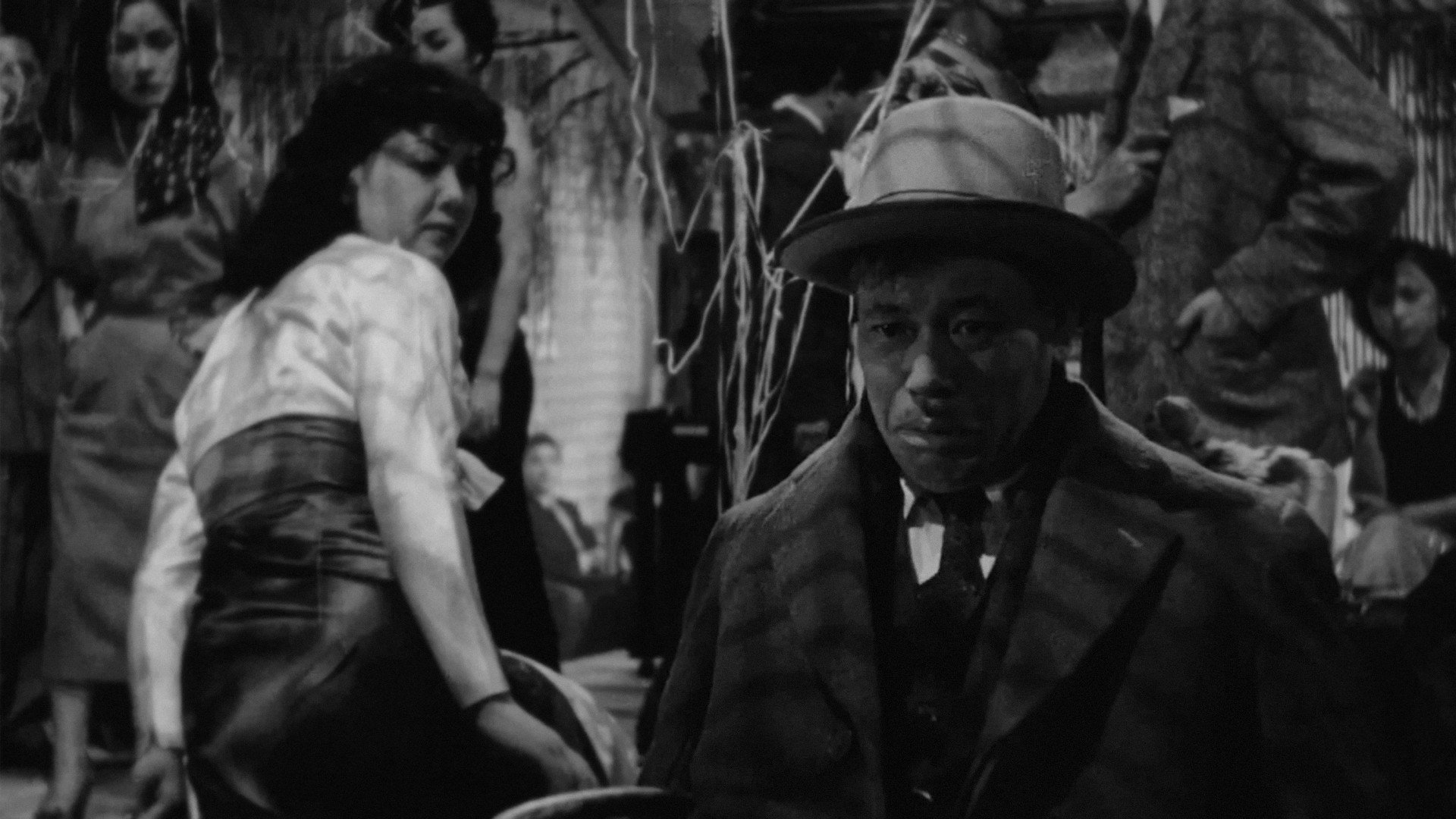
Asakazu Nakai’s cinematography gives Shimura’s expressions room to register; the framing does not compete with him for our attention. Takashi Matsuyama’s production design makes the working environment feel established enough to go on indefinitely, with or without this particular employee. That helps the satire, because the bureaucracy needs to look ordinary before its indifference can become frightening. The film understands the comfort of a job in which carrying on as before can pass for doing what is required.

Fumio Hayasaka’s music is sympathetic without making Watanabe’s fear seem grander than it is. The score supplies warmth around a performance that remains guarded, and it never feels like a substitute for what Shimura is doing. Kurosawa also edits, allowing hesitation to occupy time that a brisker drama might fill with explanations. At 143 minutes, this is a substantial demand on a small story. For most of that time, Watanabe’s uncertainty is enough to keep the measured pace from becoming a drag.

The writing is less restrained. Kurosawa, Shinobu Hashimoto and Hideo Oguni are sharp about the ease with which a civil servant can mistake following procedure for doing a useful job. But they return to the complaint after it has registered. Some supporting figures feel too neatly arranged to prove the point, and the satire occasionally tells us what to think before anyone has had a chance to surprise us. These are the stretches where the film feels long, because the behaviour has become predictable.

Dramas about terminal illness often make their subjects wiser at a suspicious speed. Kurosawa allows Watanabe to be embarrassing, uncertain and occasionally funny as he looks for something worth doing. Other people still have their own business to attend to, even when Watanabe’s need feels urgent. His fear matters, but the film does not assume that it will automatically make him the centre of everybody else’s day.

We will leave the later course of Watanabe’s search alone. There is no need to arrive already interested in bureaucracy, or eager for a lesson about appreciating life. Shimura is company enough, even for an evening when the subject sounds forbidding. Give the film the time it asks for, rather than fitting it between other things.
Critical consensus AI synthesised

87
Positive
9
Mixed
0
Negative
0

The reviews are uniformly positive, with praise centred on Takashi Shimura’s performance and Kurosawa’s handling of a civil servant confronting his mortality. Critics repeatedly describe Shimura’s acting as subtle and moving, conveying inner change without making the character an object of pity. They also value the combination of bureaucratic satire, black humour and compassion, finding that the film’s concern with useful action gives its emotional force a firm social grounding. The careful pacing and construction receive consistent approval.

The differences concern the strength of enthusiasm rather than substantive objections; these accounts offer no recurring reservation. Variety gives a more measured appraisal, praising the dramatic momentum, technical work and score while noting the avoidance of mawkishness. Eye for Film is more emphatic, stressing the assured direction and telling images. Across that spread, critics agree that the film earns its emotion without descending into sentimentality.

Empire
1 January 2000 · David Parkinson
90*

The critic calls Ikiru an absolute good and one of those deceptively simple stories that belongs high on the list of films everyone should see. Kurosawa's mastery ensures the dying bureaucrat never becomes an object of pity, resulting in a meticulously constructed, beautifully played and poignant film.

Read the full review →
Evening Standard
11 April 2012 · Derek Malcom
90*

The critic declares Ikiru (Living) the one that betters even Kurosawa's other classics like Seven Samurai. It movingly tells of a dying civil servant who uses his skills to create a children's playground, with a magnificent sequence that renews belief in man's capabilities.

Read the full review →
RogerEbert.com
8 January 2024 · Seongyong Cho
90*

The critic highlights the film's effective mix of biting satire on bureaucracy with genuine pathos and black humor, crediting Takashi Shimura's subtle performance for conveying the protagonist's inner transformation.

Read the full review →
Slant Magazine
23 March 2010
90*

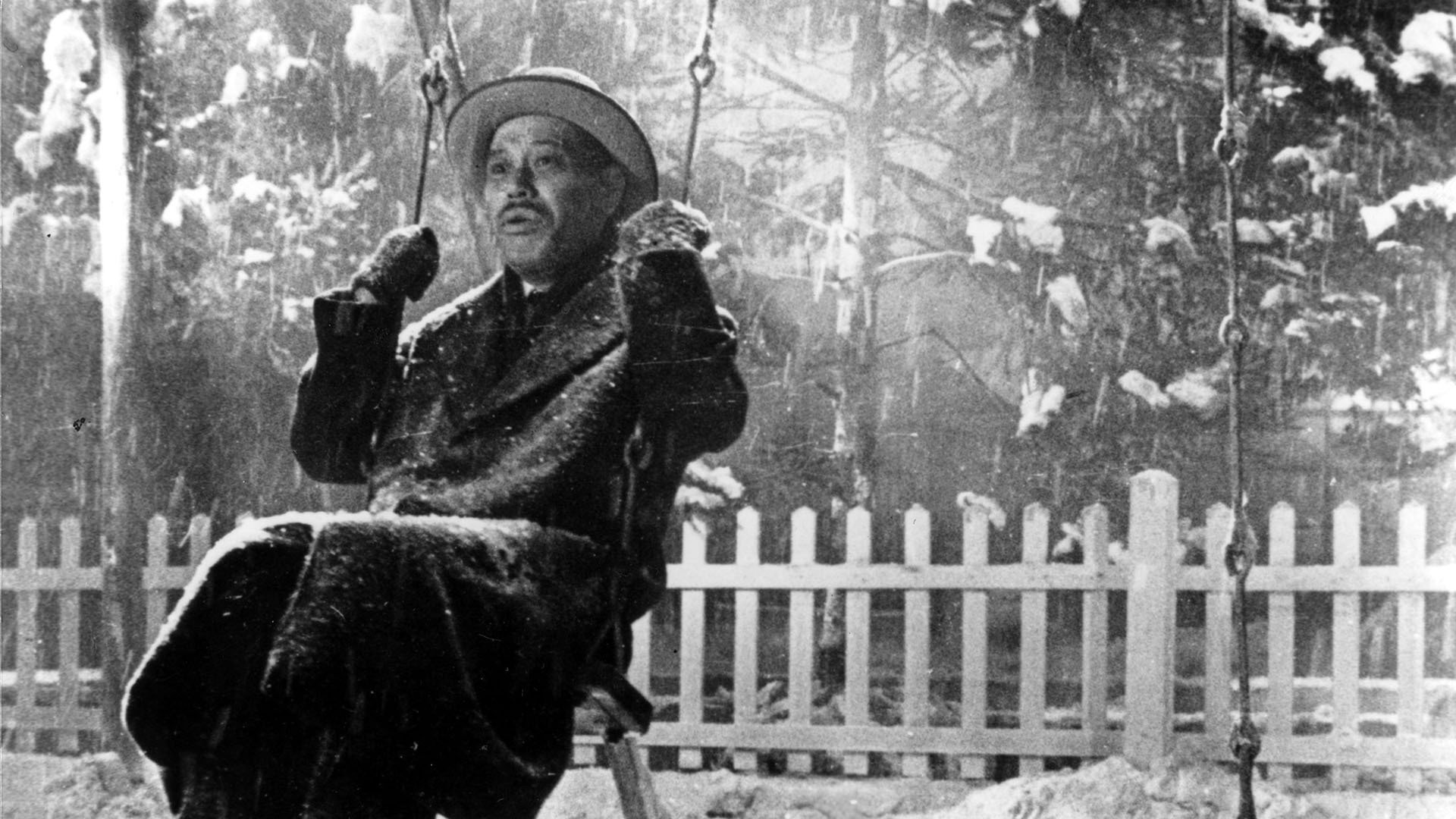
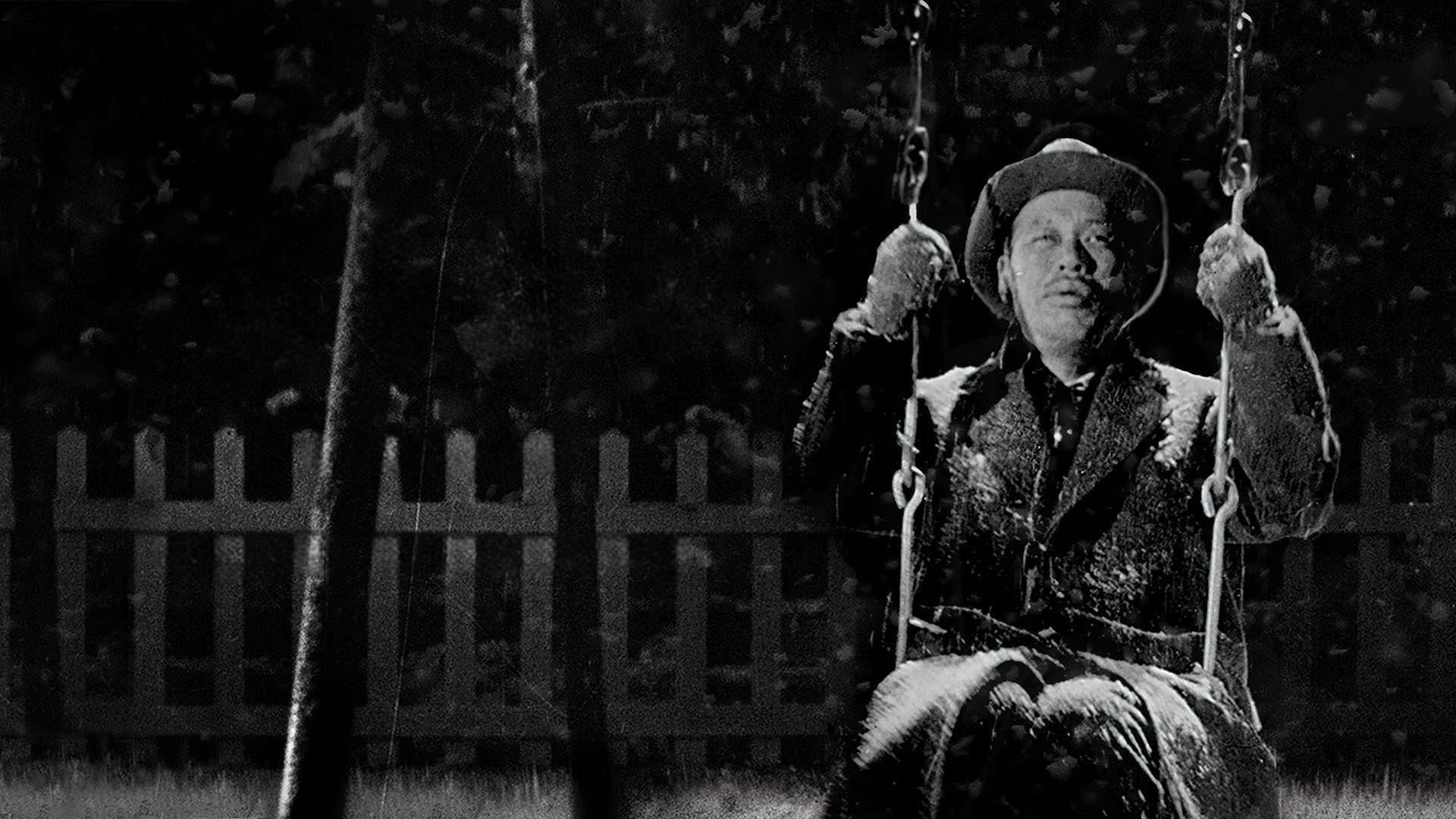
Ikiru is a profound existential and political achievement, a spike to the heart that depicts moral anguish and the necessity of action in the face of death. The critics single out the moving final image of Watanabe on the swing and the film's critique of postwar bureaucracy alongside its celebration of communal good.

Read the full review →
The AV Club
2 January 2014 · Nick Schager
90*

Kurosawa's most assured and affecting film follows a Tokyo bureaucrat confronting his mortality and seeking purpose in his final months. The critic praises the empathetic portrayal of rebirth through Watanabe's dedication to building a children's park and Shimura's plaintive performance.

Read the full review →
The New York Times
5 January 2003
85*

The review celebrates the restored print of the 1952 classic as a profound portrait of postwar bureaucracy and humanism, emphasizing the radiance of the lead performance and the film's subtle exploration of finding purpose in the face of death.

Read the full review →

Cast

Stills

If you liked this, try…

Wild Strawberries poster

Wild Strawberries

1957 · Another ageing man takes stock, with less bureaucracy and more troubling memories

Umberto D. poster

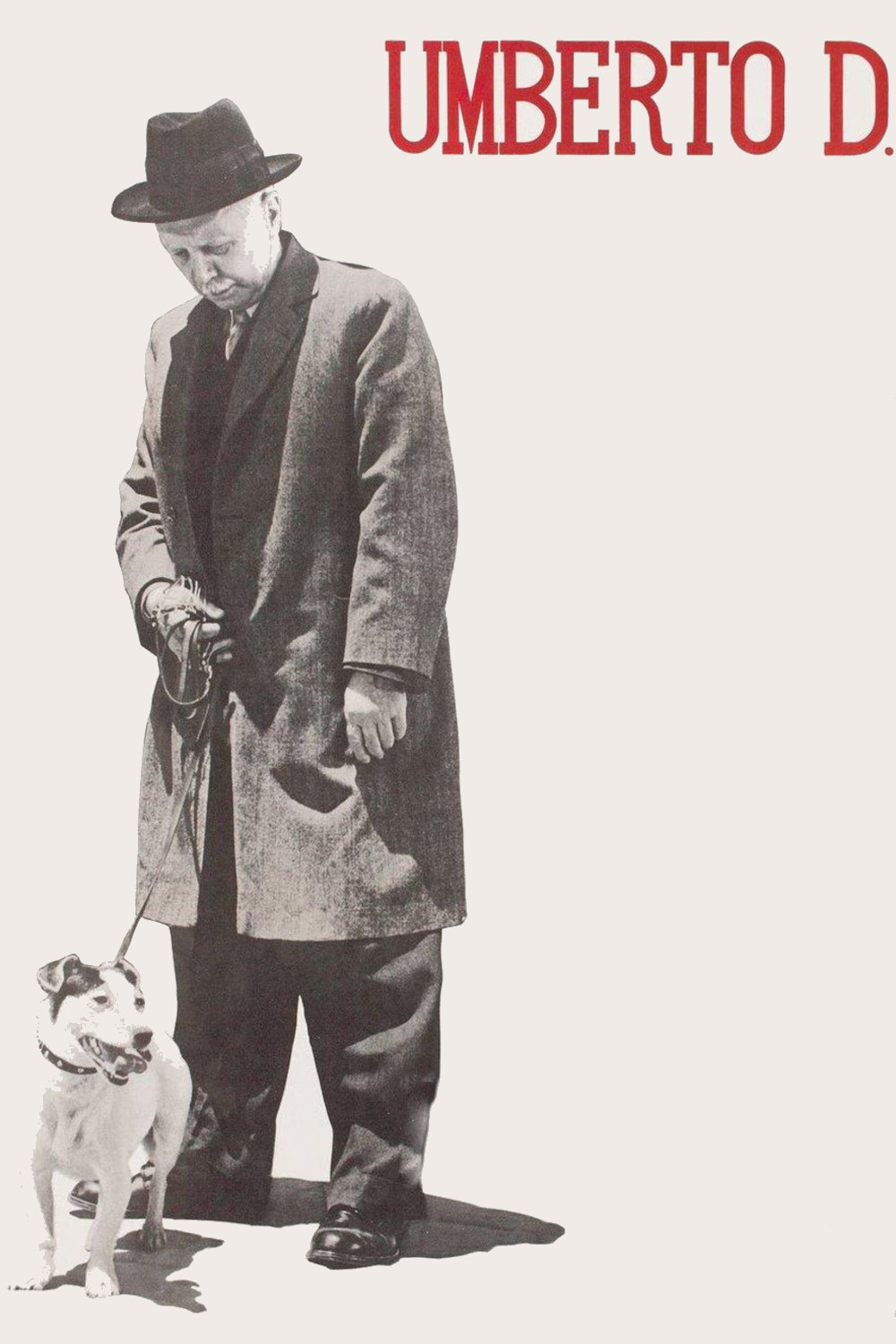
Umberto D.

1952 · For the same patient attention to an older man others overlook

The Straight Story poster88

The Straight Story

1999 · An old man’s modest journey earns its feeling without much fuss

Poetry poster

Poetry

2010 · An older woman’s search for beauty becomes a difficult reckoning with responsibility

The Lunchbox poster

The Lunchbox

2013 · Workday routines give way to unexpected feeling, with loneliness treated without condescension