Film review

Umberto D.

1952 · Directed by Vittorio De Sica · 1h 31m

In a sentenceAn old man, a dog, and the exhausting business of remaining respectable

Drama

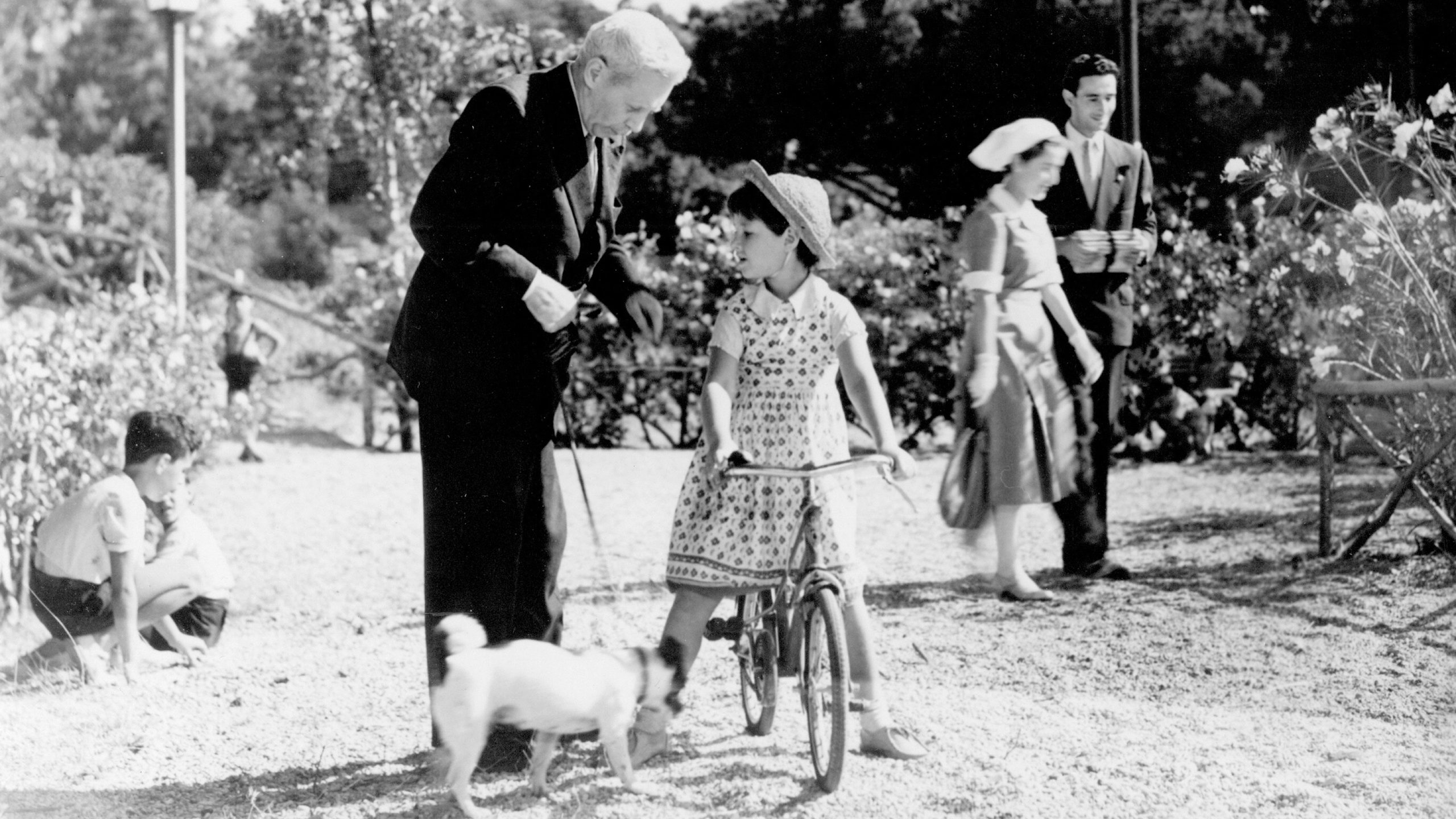
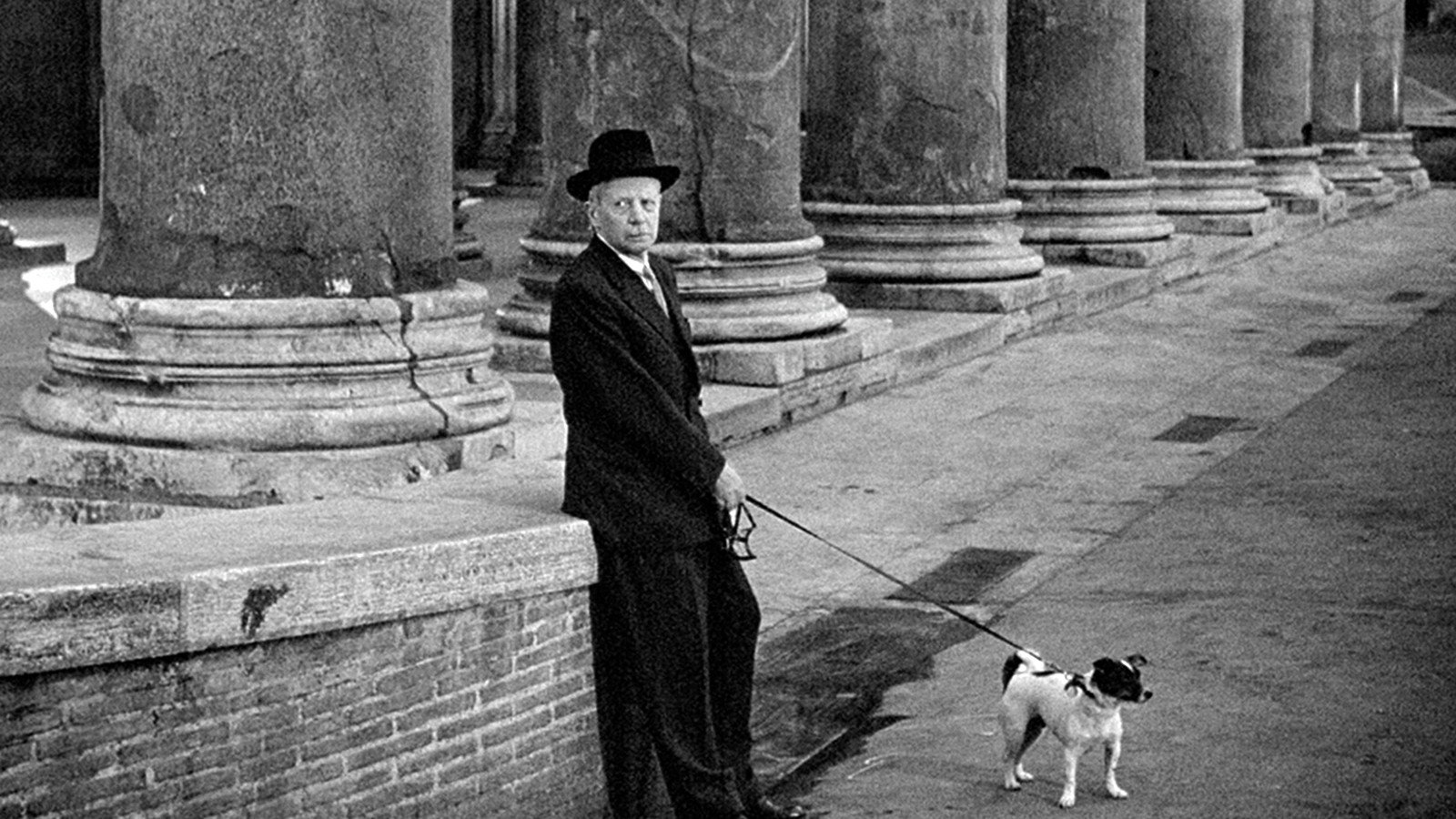
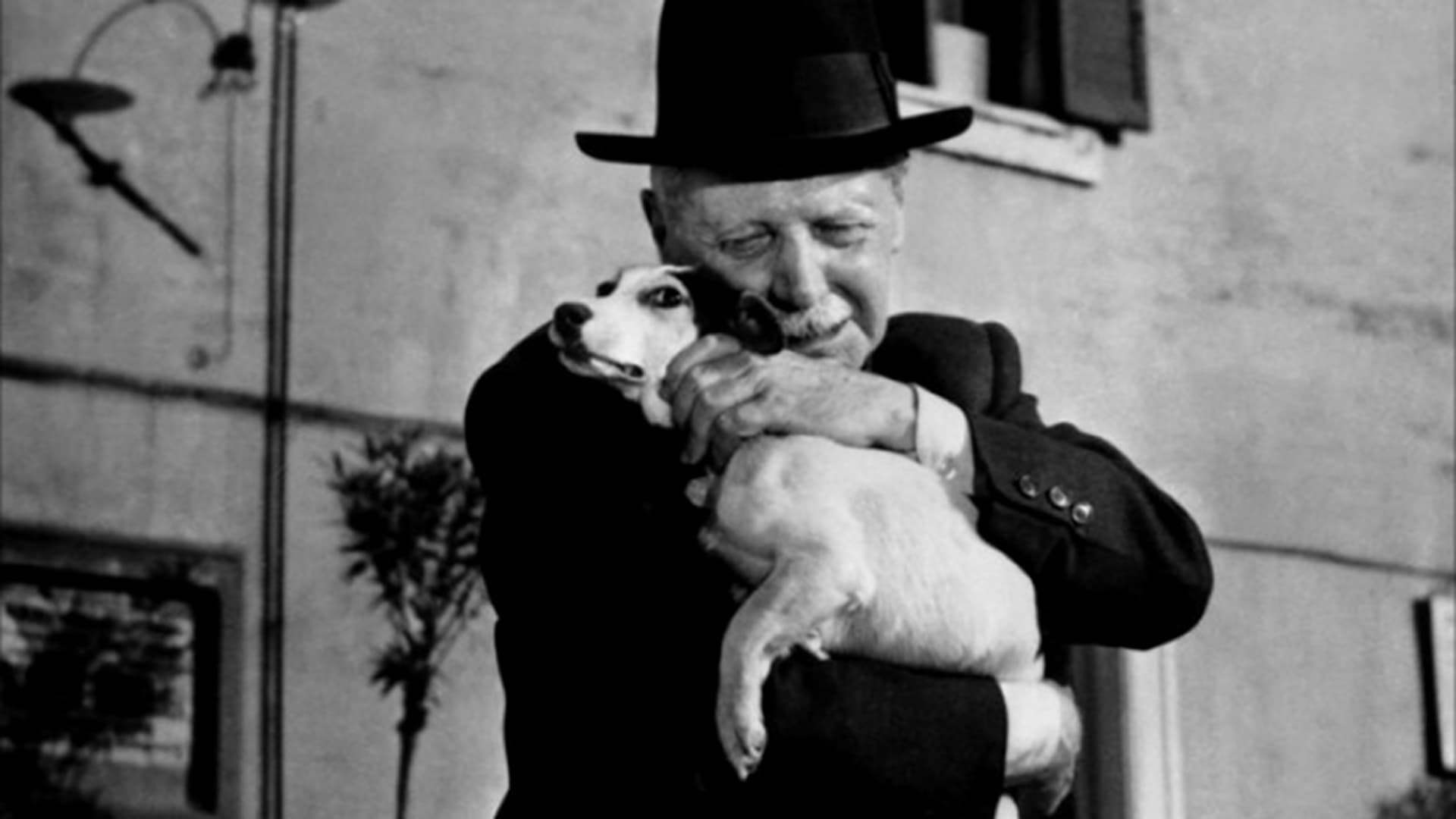
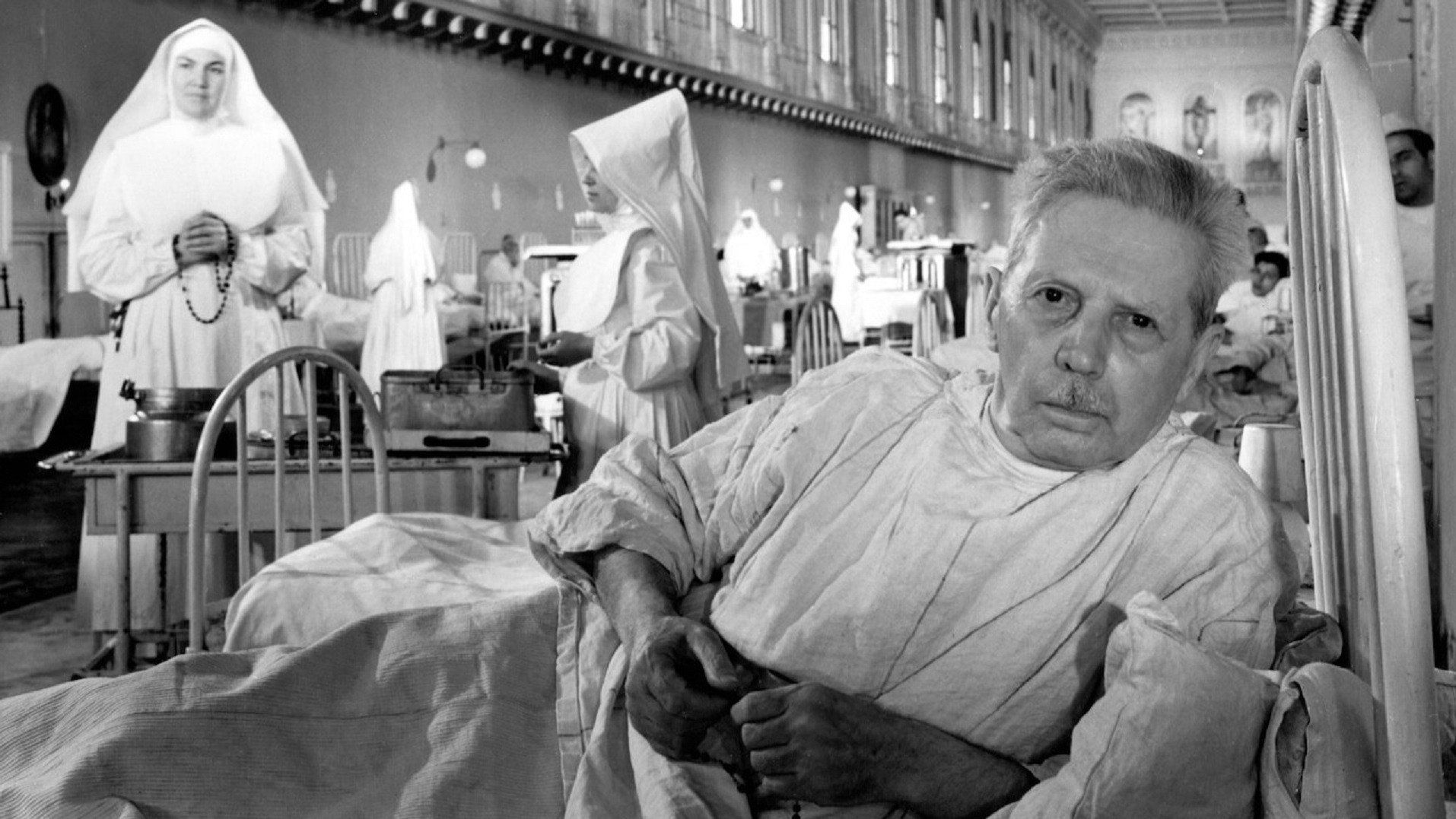
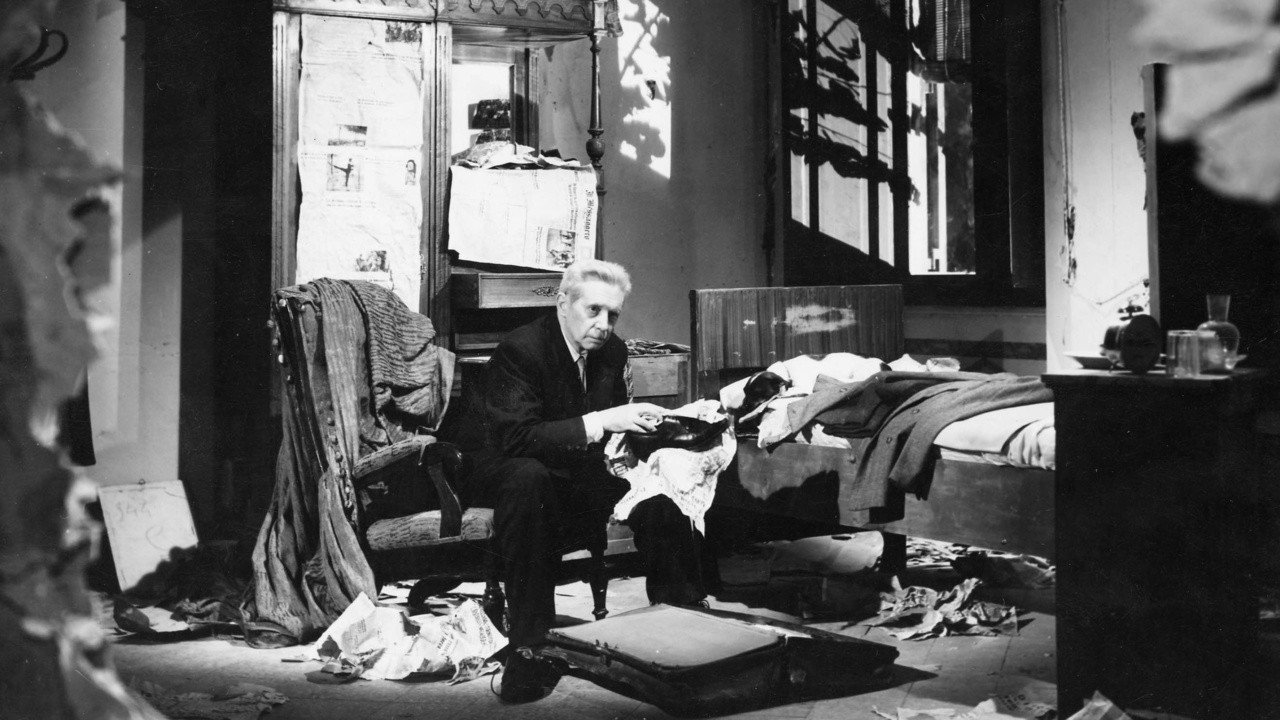
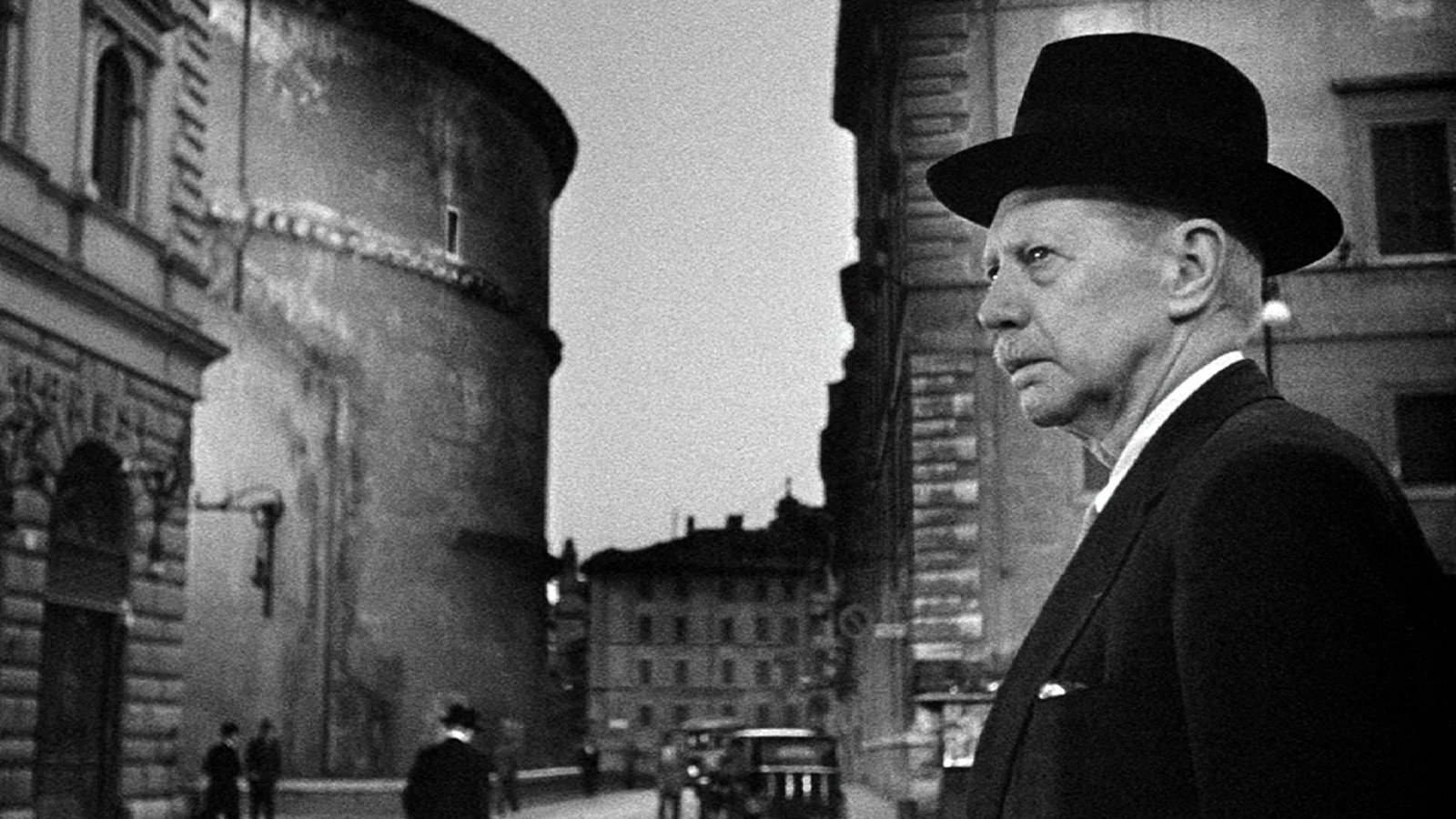
In postwar Rome, pensioner Umberto Domenico Ferrari (Carlo Battisti) struggles to keep his room as poverty brings the threat of eviction. His dog, Flike (Napoleone the Dog), is his companion; Maria (Maria Pia Casilio), a maid, is among the few people who pay him attention. Umberto wants to hold on to his home and his independence, but the money he has cannot sustain the life he is trying to preserve. In the rooms and streets where he spends his days, ordinary routines continue while he tries to manage his needs without surrendering his pride.

Fi1m review

Vittorio De Sica makes an old man’s struggle to keep his home absorbing and painful. Carlo Battisti’s proud, awkward presence gives Umberto D. its force; the music occasionally asks for feelings the performance has already earned.

Umberto D. is a deeply moving film about an old man who cannot afford to continue living as he has, and we would recommend it to almost anyone. Vittorio De Sica follows a pensioner facing eviction in Rome, keeping close to the ordinary business of getting through a day. At 91 minutes, the film has room for pauses that a more hurried drama would cut. We need that time to understand how much work it takes Umberto to preserve a little self-respect.

Carlo Battisti plays Umberto Domenico Ferrari without the practised invitation to affection that can make an elderly screen character tiresome. His bearing stays formal; his pride does not conveniently soften just because he needs help. We found that effort to remain composed painful to watch, because Carlo Battisti lets us see how much of his strength it consumes. This is a non-professional performance, but its force has little to do with novelty. He leaves us to respond to a man whose dignity can make him difficult to approach.

Maria Pia Casilio, as the maid Maria, is given room to matter beyond what she can do for Umberto. Cesare Zavattini’s screenplay lingers over daily routines and incidental observations, so she has time to become someone with a life beyond his difficulties. Flike, played by Napoleone the Dog, could easily become a convenient means of extracting tears. The affection works because caring for the dog gives Umberto something practical to do, and someone whose needs he can still meet.

G.R. Aldo’s deep-focus cinematography keeps the space around Umberto clear, allowing us to notice how alone he is within it. The Roman streets have beauty without looking as though they have been included to give us a rest from his troubles. Virgilio Marchi’s production design makes the rooms feel confining, using the controlled studio spaces to strengthen that impression. Being able to see these surroundings clearly makes the cramped accommodation harder to ignore.

Eraldo Da Roma’s editing allows small actions to retain their duration, and that patience matters as much as any individual image. The everyday routines feel like time somebody actually has to live through. Alessandro Cicognini’s music is less restrained than the faces, and occasionally presses the sadness harder than we need. With an old man and his dog already before us, the film has ample means of moving an audience. Those musical nudges are our reservation about a film generally so good at letting us look.

Within Italian neorealism, this concentration on uneventful stretches of a day is unusually demanding. There is humour here, though it does not arrive at reliable intervals to make the poverty more comfortable. People, streets and rooms receive the attention another drama might reserve for a confrontation. The ordinary actions hold our interest because the performances have made the difficulties behind them matter, even when the immediate task seems too small to warrant a scene.

The pace may frustrate anyone waiting for a crisis every few minutes. The bleakness can also be hard to sit with, and the dog offers no guarantee of an easy evening. Neither is a reason to avoid a film that makes the threat of losing a room feel as serious as it is to the person living there. Give it an evening when you can let the small things take their time.
Critical consensus AI synthesised

86
Positive
10
Mixed
0
Negative
0

The reviews are uniformly positive, with praise centred on the film’s close attention to everyday routines and its compassionate account of poverty and isolation. Most critics find that its emotional force comes from restraint: small gestures, silence and the pensioner’s bond with his dog carry more weight than conventional dramatic incident. The non-professional lead performance draws particular admiration for its dignity and pride, while several reviews also find humour and wit amid the hardship.

The differences are matters of emphasis rather than substantial disagreement, and the range of opinion is narrow. Time Out gives more weight to the depressive tone, though it still praises the compassion and lack of sentimentality. Slant Magazine acknowledges a risk of sentimentality but argues that precise details and body language keep it in check; across the reviews, bleakness is chiefly treated as inseparable from the film’s attention to social neglect.

RogerEbert.com
28 April 2002 · Roger Ebert
90*

Ebert deems it the best of the Italian neorealist films for its direct simplicity and avoidance of forced effects or messages. He singles out the un sentimental portrayal of the old man's bond with his dog and his quiet dignity in facing poverty.

Read the full review →
Sight and Sound
· Karel Reisz
90*

The critic describes the film as a masterpiece of neorealism, praising its profound poetic intensity in scenes of everyday observation and its passionate identification with the characters' human predicament. It highlights the experimental extension of the neorealist approach through a chain of side-observations rather than conventional drama.

Read the full review →
Slant Magazine
7 September 2012 · Budd Wilkins
90*

The critic describes Umberto D. as an almost perfect blend of social commentary and intimate humanistic drama, with astringent observations on societal neglect and an affecting finale. It risks sentimentality but succeeds through subtle details, gesture, and body language in its portrayal of poverty and isolation.

Read the full review →
The AV Club
3 August 2015 · Ignatiy Vishnevetsky
90*

The critic calls Umberto D. a modest masterpiece of Italian neorealism that trades in Chaplin-like pathos and expresses itself through contrasts of sadness and humor, cruelty and touch. It achieves sublimity through silence, inference, and the non-professional lead performance rather than sentimentality.

Read the full review →
Variety
31 December 1951 · ** · Variety Staff
90*

The review finds the simple tale of a poor pensioner's struggles offers sharp and poignant observations of life, humanity, and solitude. It notes the compelling performances, especially the maid's, and the disturbing overall effect even as the ending brings a note of hope via the dog.

Read the full review →
Los Angeles Times
6 September 2002 · Kenneth Turan
85*

Turan celebrates the restored classic for finding drama, beauty, and poetry in simple lives and everyday routines. He singles out the nonprofessional lead performance for its compelling dignity and pride amid encroaching age and hardship.

Read the full review →

Cast

Stills

Awards

Academy Awards, 1957

Nominated
Best Story

If you liked this, try…

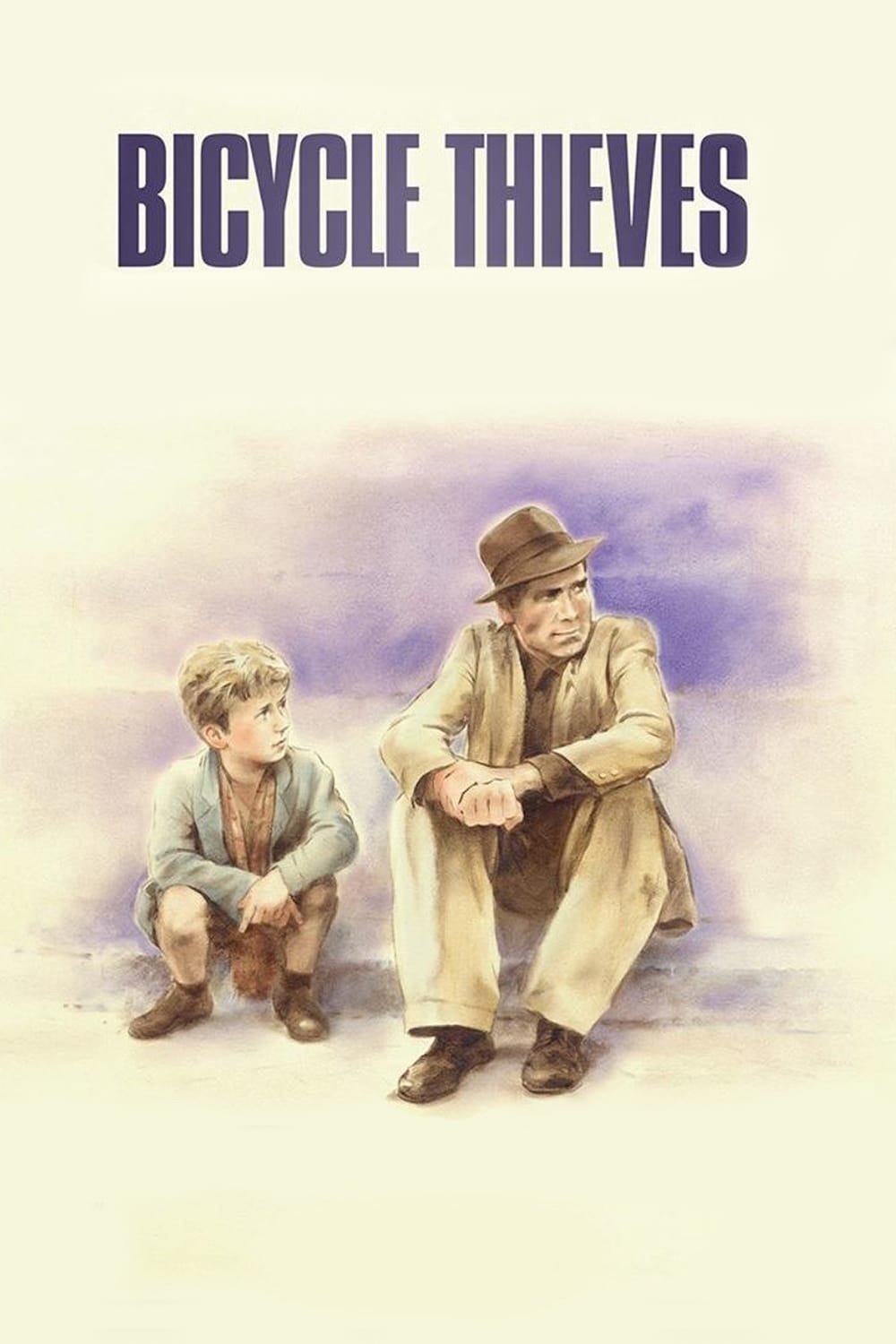
Bicycle Thieves poster92

Bicycle Thieves

1948 · Another patient account of money running out and dignity becoming harder to maintain.

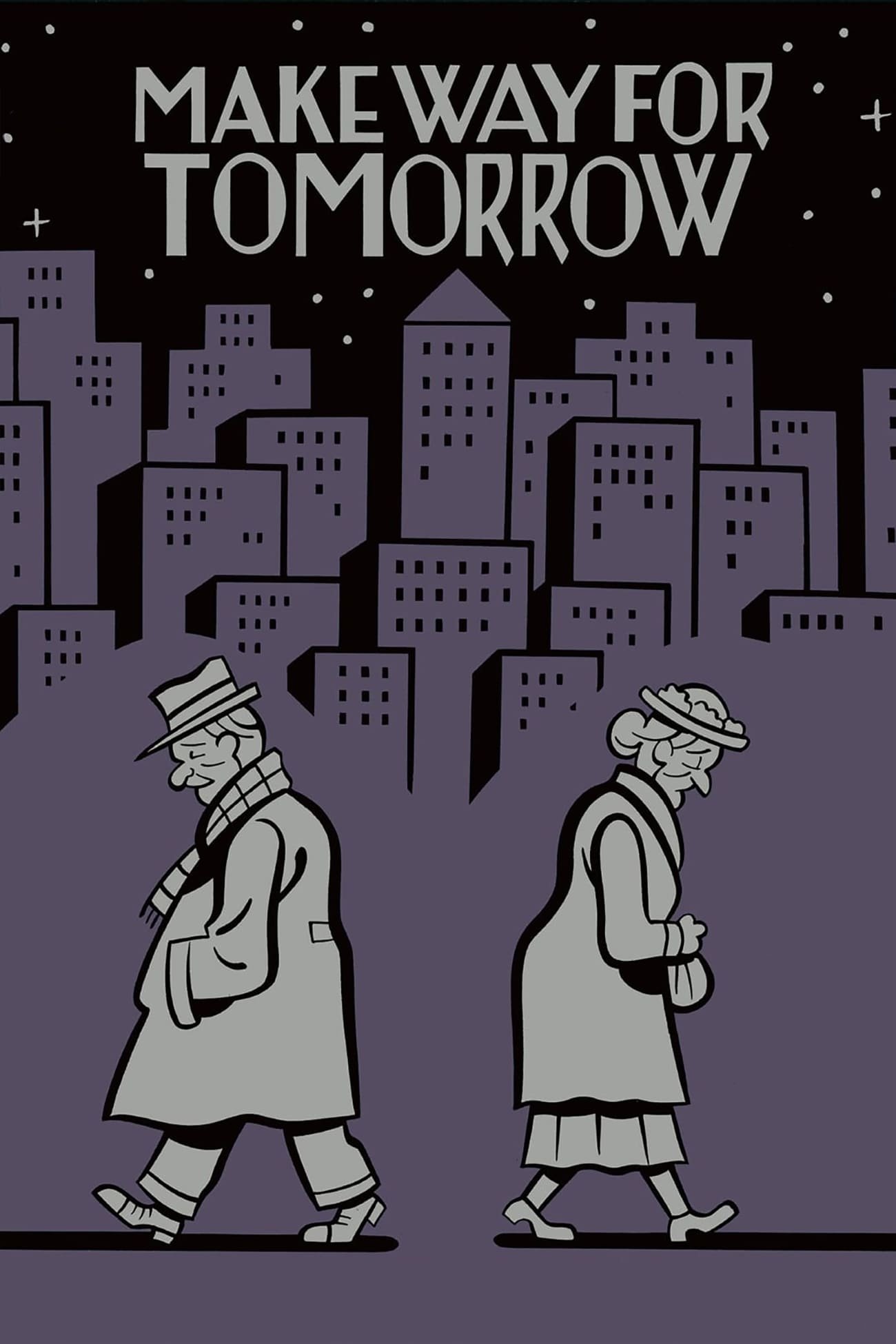
Make Way for Tomorrow poster

Make Way for Tomorrow

1937 · An ageing couple discover how readily a family can explain away neglect.

Tokyo Story poster92

Tokyo Story

1953 · Ageing parents discover how little space their children have left for them.

Rosetta poster

Rosetta

1999 · A young woman’s search for work makes survival immediate, physical and exhausting.

The Gleaners and I poster

The Gleaners and I

2000 · An attentive documentary about discarded things and the people who find uses for them.