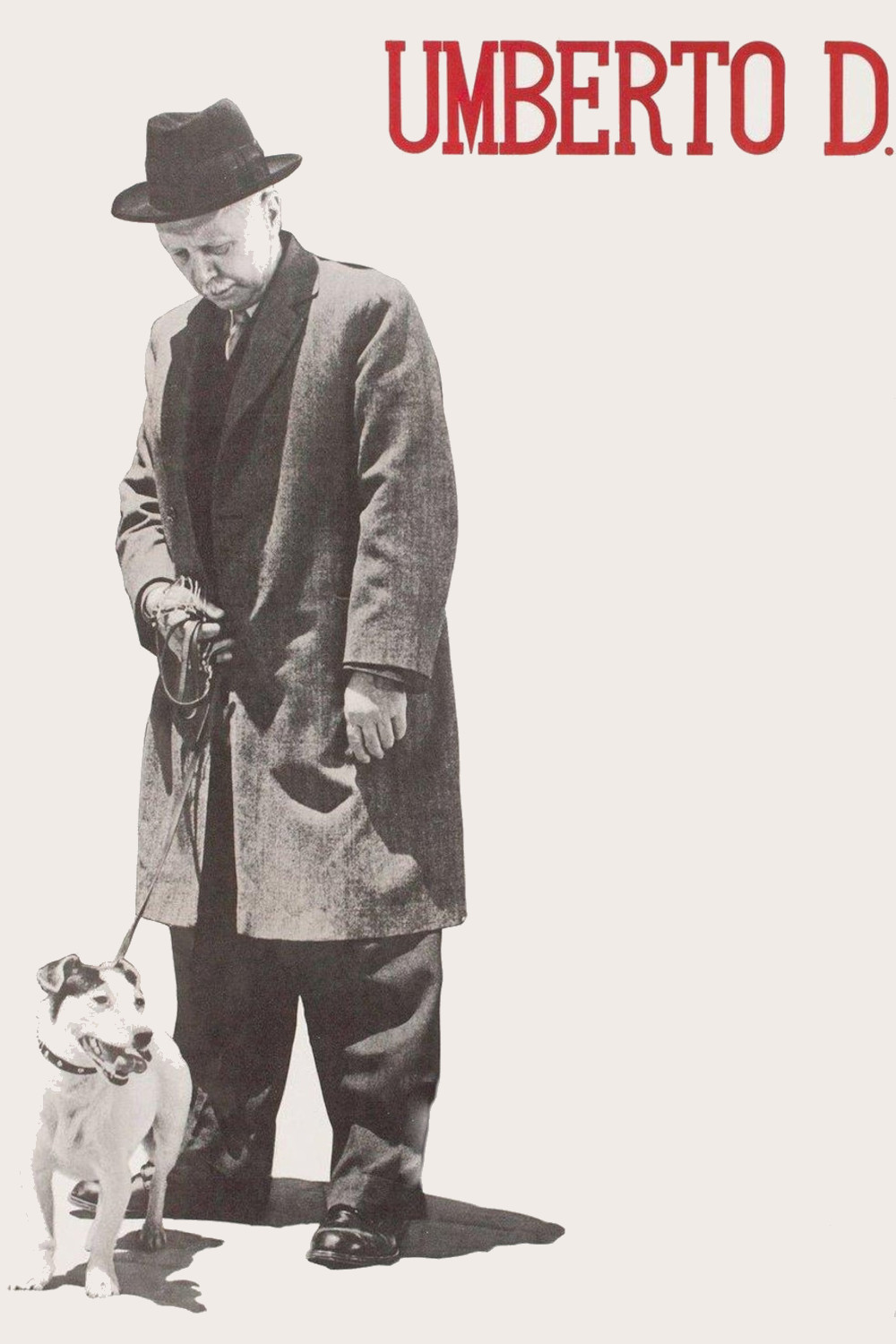
The reviews are uniformly positive, with praise centred on the film’s close attention to everyday routines and its compassionate account of poverty and isolation. Most critics find that its emotional force comes from restraint: small gestures, silence and the pensioner’s bond with his dog carry more weight than conventional dramatic incident. The non-professional lead performance draws particular admiration for its dignity and pride, while several reviews also find humour and wit amid the hardship.
The differences are matters of emphasis rather than substantial disagreement, and the range of opinion is narrow. Time Out gives more weight to the depressive tone, though it still praises the compassion and lack of sentimentality. Slant Magazine acknowledges a risk of sentimentality but argues that precise details and body language keep it in check; across the reviews, bleakness is chiefly treated as inseparable from the film’s attention to social neglect.