Critics’ reviews

Ikiru (1952)

10 reviews from 10 publications. Critics’ score 87: 9 positive, 0 mixed, 0 negative.

Back to our review of Ikiru

87
Positive
9
Mixed
0
Negative
0

The reviews are uniformly positive, with praise centred on Takashi Shimura’s performance and Kurosawa’s handling of a civil servant confronting his mortality. Critics repeatedly describe Shimura’s acting as subtle and moving, conveying inner change without making the character an object of pity. They also value the combination of bureaucratic satire, black humour and compassion, finding that the film’s concern with useful action gives its emotional force a firm social grounding. The careful pacing and construction receive consistent approval.

The differences concern the strength of enthusiasm rather than substantive objections; these accounts offer no recurring reservation. Variety gives a more measured appraisal, praising the dramatic momentum, technical work and score while noting the avoidance of mawkishness. Eye for Film is more emphatic, stressing the assured direction and telling images. Across that spread, critics agree that the film earns its emotion without descending into sentimentality.

Empire
1 January 2000 · David Parkinson
90*

The critic calls Ikiru an absolute good and one of those deceptively simple stories that belongs high on the list of films everyone should see. Kurosawa's mastery ensures the dying bureaucrat never becomes an object of pity, resulting in a meticulously constructed, beautifully played and poignant film.

Read the full review →
Evening Standard
11 April 2012 · Derek Malcom
90*

The critic declares Ikiru (Living) the one that betters even Kurosawa's other classics like Seven Samurai. It movingly tells of a dying civil servant who uses his skills to create a children's playground, with a magnificent sequence that renews belief in man's capabilities.

Read the full review →
RogerEbert.com
8 January 2024 · Seongyong Cho
90*

The critic highlights the film's effective mix of biting satire on bureaucracy with genuine pathos and black humor, crediting Takashi Shimura's subtle performance for conveying the protagonist's inner transformation.

Read the full review →
Slant Magazine
23 March 2010
90*

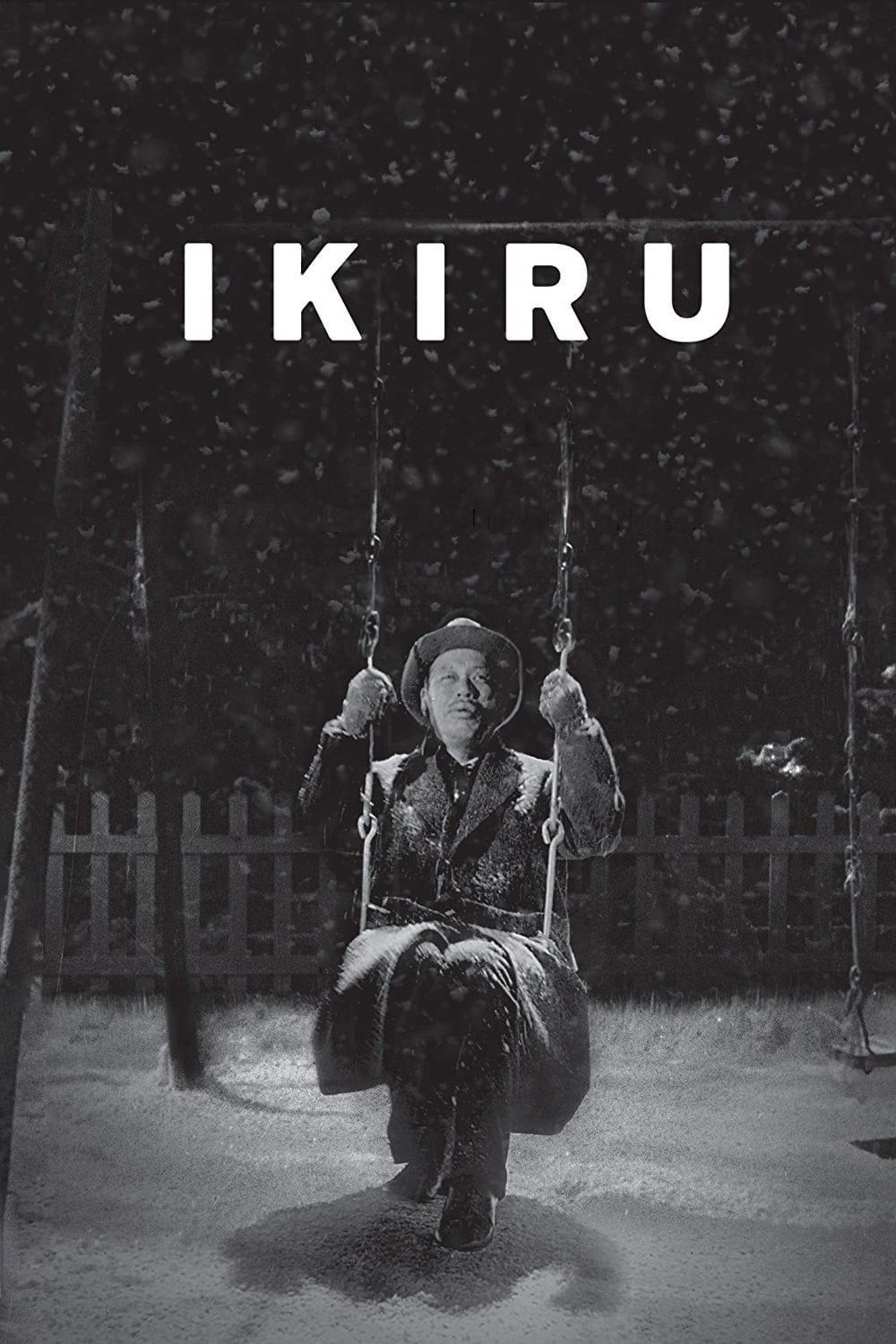
Ikiru is a profound existential and political achievement, a spike to the heart that depicts moral anguish and the necessity of action in the face of death. The critics single out the moving final image of Watanabe on the swing and the film's critique of postwar bureaucracy alongside its celebration of communal good.

Read the full review →
The AV Club
2 January 2014 · Nick Schager
90*

Kurosawa's most assured and affecting film follows a Tokyo bureaucrat confronting his mortality and seeking purpose in his final months. The critic praises the empathetic portrayal of rebirth through Watanabe's dedication to building a children's park and Shimura's plaintive performance.

Read the full review →
The New York Times
5 January 2003
85*

The review celebrates the restored print of the 1952 classic as a profound portrait of postwar bureaucracy and humanism, emphasizing the radiance of the lead performance and the film's subtle exploration of finding purpose in the face of death.

Read the full review →
Los Angeles Times
13 October 1992 · Mark Chalon Smith
80*

The critic calls it a Kurosawa masterpiece of self-discovery set in postwar Japan, praising the director's energetic storytelling and ability to deliver pure emotion without descending into sentimentality.

Read the full review →
Variety
31 December 1951 · Variety Staff
70*

The review describes the film as a compassionate work in which Kurosawa maintains dramatic momentum while avoiding mawkishness, noting its technical excellence and effective score.

Read the full review →
The Guardian
20 July 2008 · Philip French

An established masterpiece made between Rashomon and Seven Samurai. The central performance by Takashi Shimura is magnificent and the narrative carefully paced, with an overwhelming final effect recalling the Russian writers Kurosawa admired.

Read the full review →
Eye for Film
17 June 2008 · ★★★★★ · Jeff Robson
100

The critic praises Kurosawa's subtle, heartfelt portrayal of a lonely civil servant who, facing terminal cancer, finds purpose by building a playground for children. Direction is singled out as stately and assured with a keen eye for telling images, making it a universal classic.

Read the full review →

Ordered by the weight we give each publication, then by score. Scores are normalised to 100; * means inferred from an unrated review. Summaries are ours, not quotations; follow the links for the reviews themselves. How we rate