Lee Chang-dong’s Poetry is a deeply moving drama about a grandmother learning to write while facing illness and her grandson’s wrongdoing. Yoon Jeong-hee makes its patience worthwhile, even when the classroom scenes linger too long.
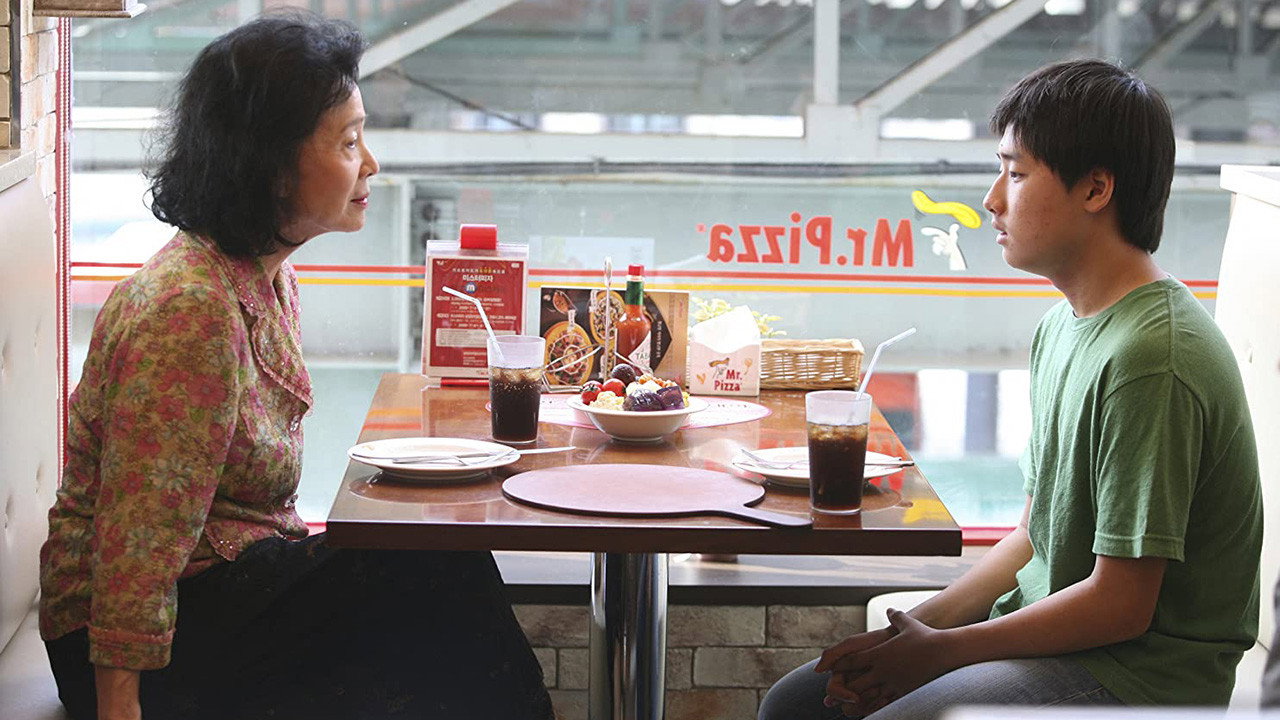
Lee Chang-dong’s Poetry is a patient, moving drama that takes its elderly heroine’s wish to write seriously. A poetry class could easily supply a consoling subplot to a story about illness and family disgrace, with each lesson helping someone cope. Here, the lessons become harder to separate from the trouble outside them. Yang Mi-ja is learning to look carefully at ordinary life while her grandson’s involvement in a rape and suicide scandal gives her reason to turn away, and that conflict keeps the film alive.
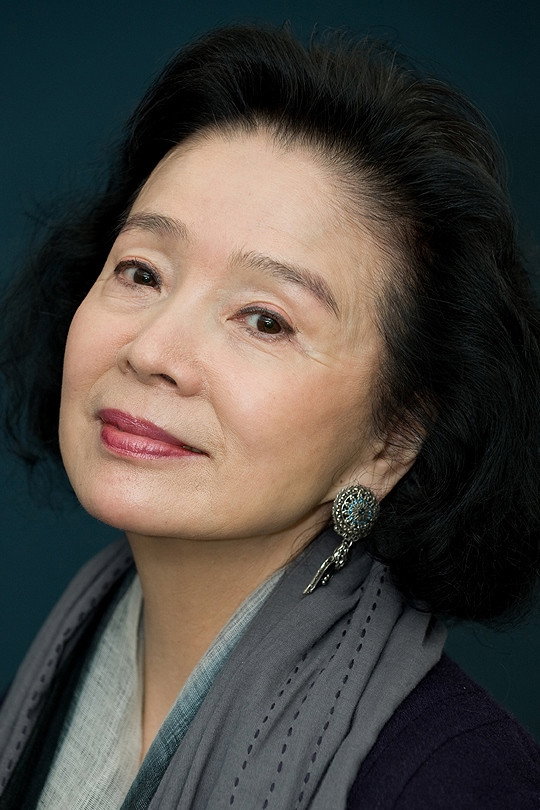
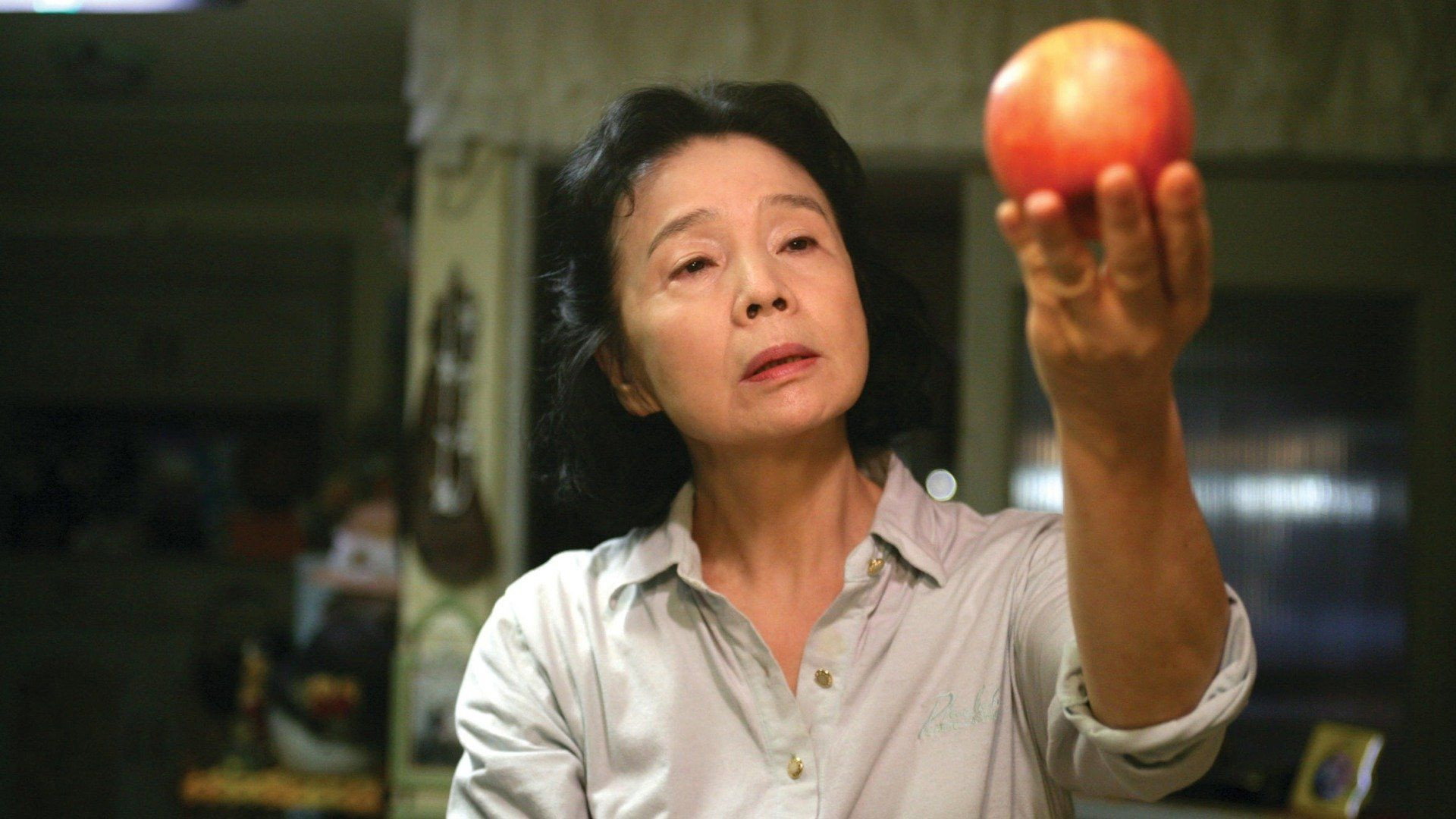
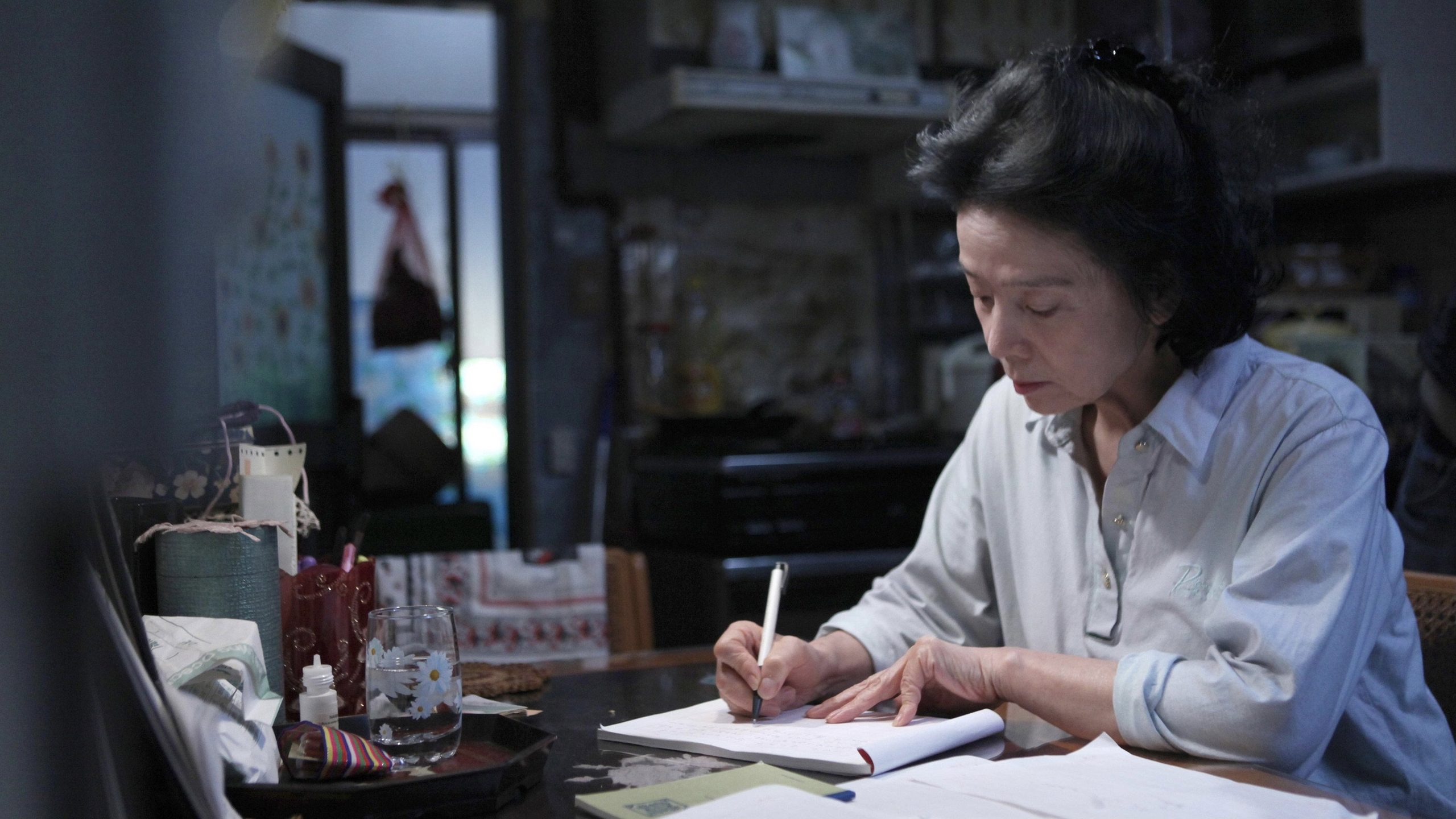
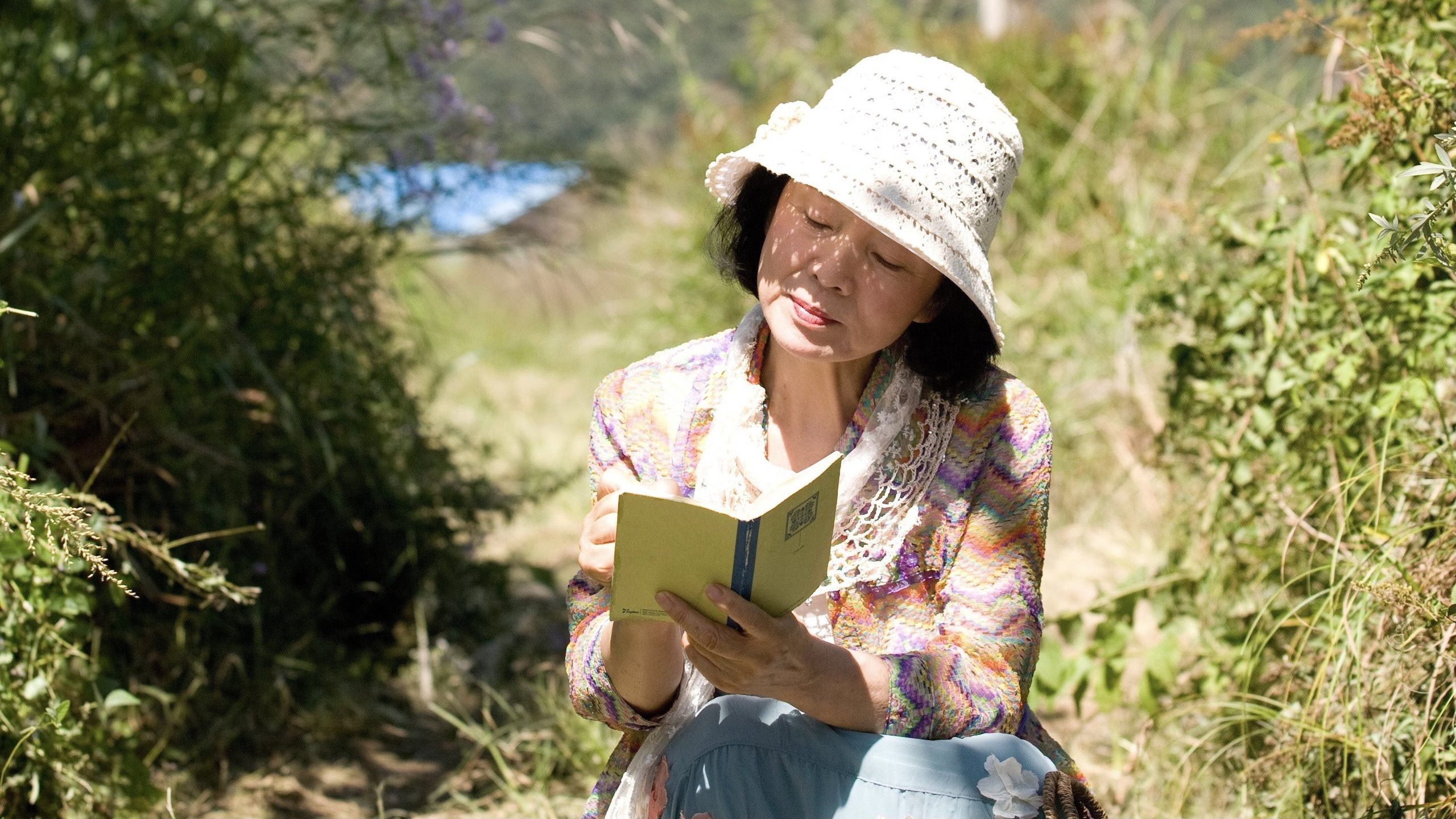
Yoon Jeong-hee gives Mi-ja an uncertainty that never settles into helplessness. Her interest in poetry is allowed to seem awkward and incomplete; the performance does not keep signalling that a revelation is on its way. We were moved by her persistence in the poetry class, because trying to find words while facing Alzheimer’s makes an ordinary beginner’s difficulty painful to watch. She still has to work out what she wants to say. The performance leaves room for curiosity as well as distress.
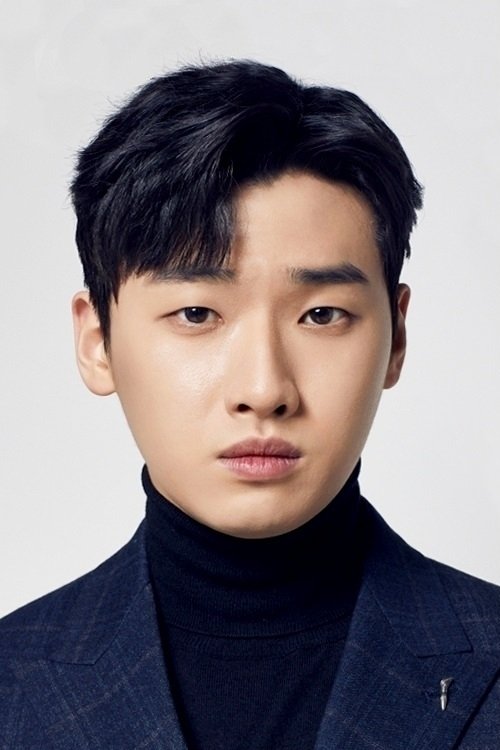
The men around Mi-ja are concerned with protecting themselves, and Lee Chang-dong lets their self-absorption show through the politeness. Jong-wook (Lee David) is her grandson, which makes the scandal harder to keep at a comfortable moral distance. We have to consider the harm done to a girl while remaining close to a woman who cares about someone implicated in it. That is difficult material, and the film handles it without leaning on graphic violence or making Mi-ja’s suffering an excuse for him.
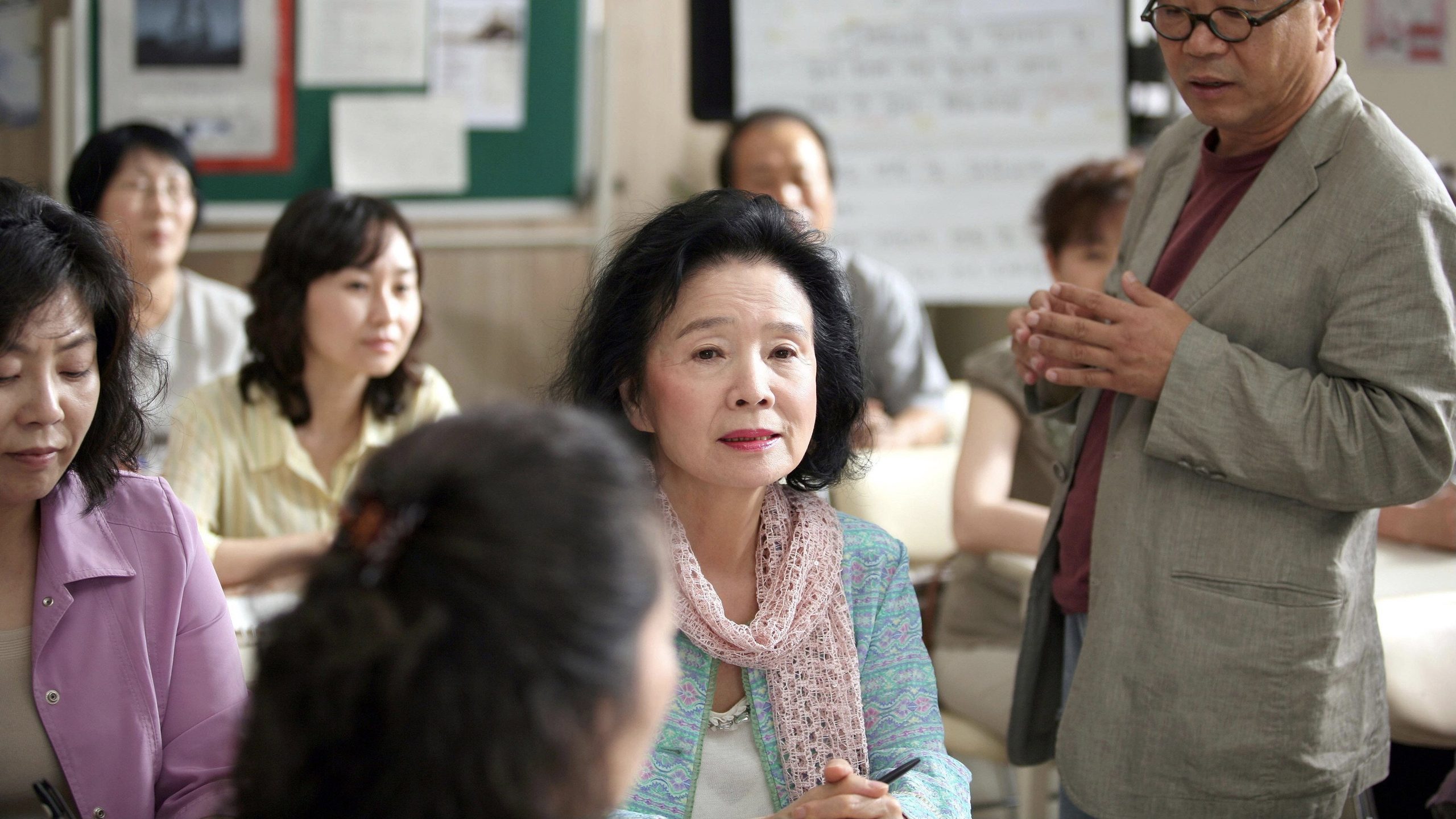
Kim Hyun-seok’s cinematography supports the quietness without turning Mi-ja’s wish to see beauty into an invitation to admire every image. We are asked to attend to her effort, and the visual restraint helps. Shin Jeom-hee’s production design is similarly unobtrusive: the poetry class remains an ordinary place of learning, with no promise that entering it will sort out the rest of her life. That plainness keeps the classroom scenes from feeling like an advertisement for the healing powers of art.
Kim Hyun’s editing gives Mi-ja time to hesitate, but not every pause needs to be kept. Some of the poetry-class passages continue after their value is clear, and at 139 minutes we occasionally wanted the film to move on. Its subdued manner can also leave an important change in feeling harder to read than it needs to be. These are real costs of the approach, even if a brisker, more explanatory version would risk losing what is affecting about it.
The obvious danger in a drama about Alzheimer’s is that we spend the running time anticipating decline and learn little about the person. Mi-ja’s attempt to write gives her work that requires judgement and curiosity, and Yoon Jeong-hee never makes that work seem like an endearing hobby. Her uncertainty about poetry is worth taking seriously in itself. We would recommend it even to those usually put off by films about writers, with fair warning about its slow pace and distressing subject matter. Give it an evening when there is no need to hurry.