Lee Chang-dong lets us see how resentment grows between people with unequal chances. His patient, actor-led films reward close attention, though the uncertainty in Burning occasionally lasts longer than it needs to.
Fi1m perspective
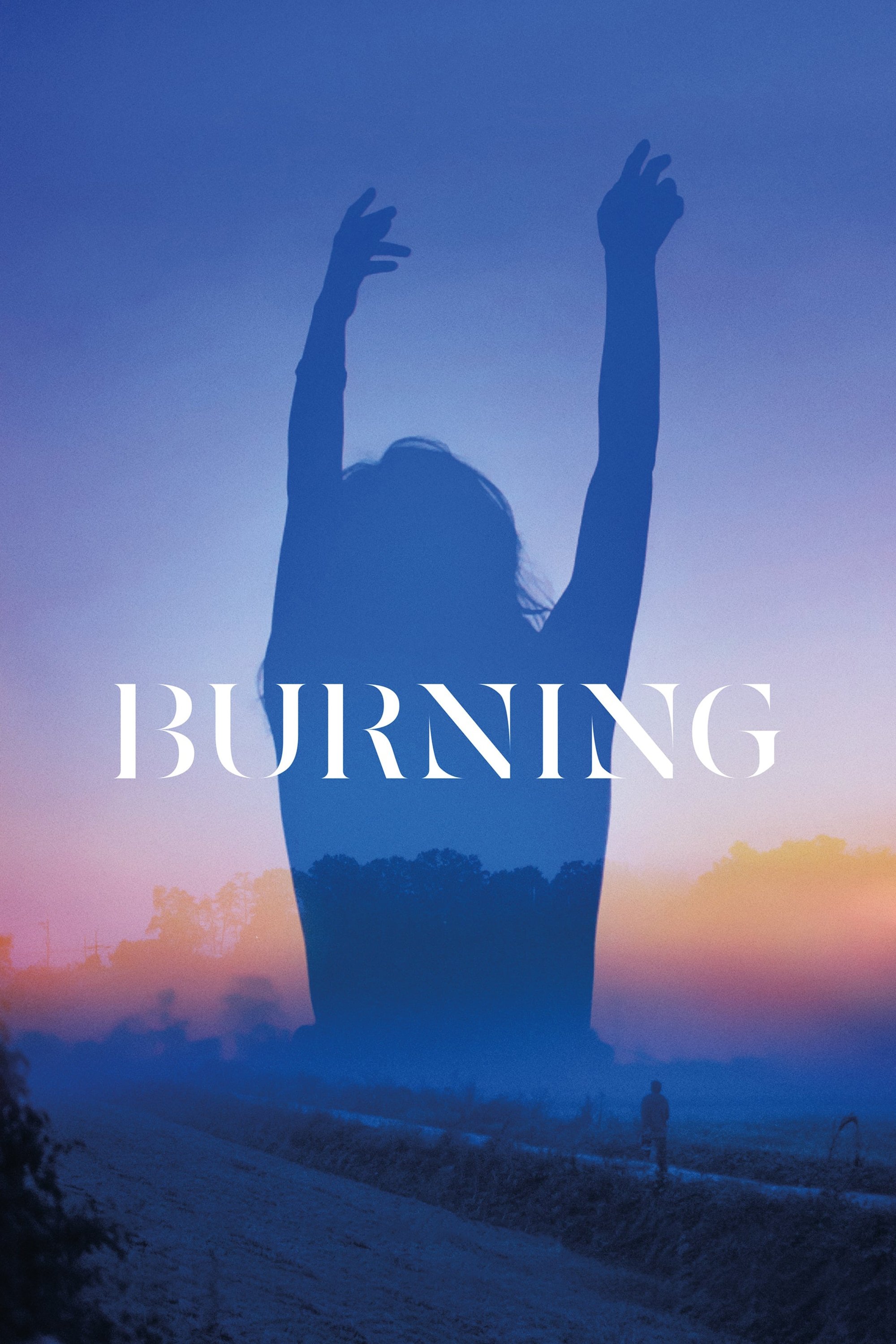
In Burning (2018), Jong-su watches Ben apparently enjoy money, confidence and Hae-mi's attention without effort. Lee Chang-dong makes the differences between the men uncomfortable before there is much mystery to occupy us. The romantic triangle is enough to make trouble. We found Jong-su's jealousy unsettling because his longing for Hae-mi is so difficult to separate from his envy of Ben. Lee gives us good reason to stay with these people, even when the thriller is taking its time.
His debut, Green Fish (1997), dealt with rapid urbanisation and the criminal underworld. Peppermint Candy (2000) then told one man's life in reverse chronology, tying private experience to South Korean history. The later Secret Sunshine (2007) explored grief, faith and forgiveness, while Poetry (2010) followed an elderly woman through a moral crisis. These films give difficult subjects their due by attending closely to the people living through them. Burning carries that interest into a thriller about class and envy, where wanting someone else's advantages can affect how a person sees them.
Lee favours long takes and a naturalistic style, encouraging actors to inhabit a character rather than supplying precise instructions. In Burning, that approach gives three performers space to make small differences in confidence and desire worth studying. Yoo Ah-in sustains our interest in Jong-su's need to understand Ben, while Jeon Jong-seo gives Hae-mi feelings and impulses that neither man's interest can explain. She prevents Hae-mi from becoming merely an answer to their problems. The screenplay Lee wrote with Oh Jung-mi lets us notice how much the men want from her, and how little they necessarily understand about her.
There is a cost to all this patience. At 148 minutes, Burning sometimes leaves us waiting after the unease has already registered. Lee spends more time examining Jong-su's suspicion than letting us sort through evidence, and there are stretches when we would welcome a little more movement. Yet the three leads keep the encounters involving, particularly when Hae-mi's unpredictability unsettles the men's assumptions about her. Start with Burning, provided neither person on the sofa needs the plot to get a move on.
Biography
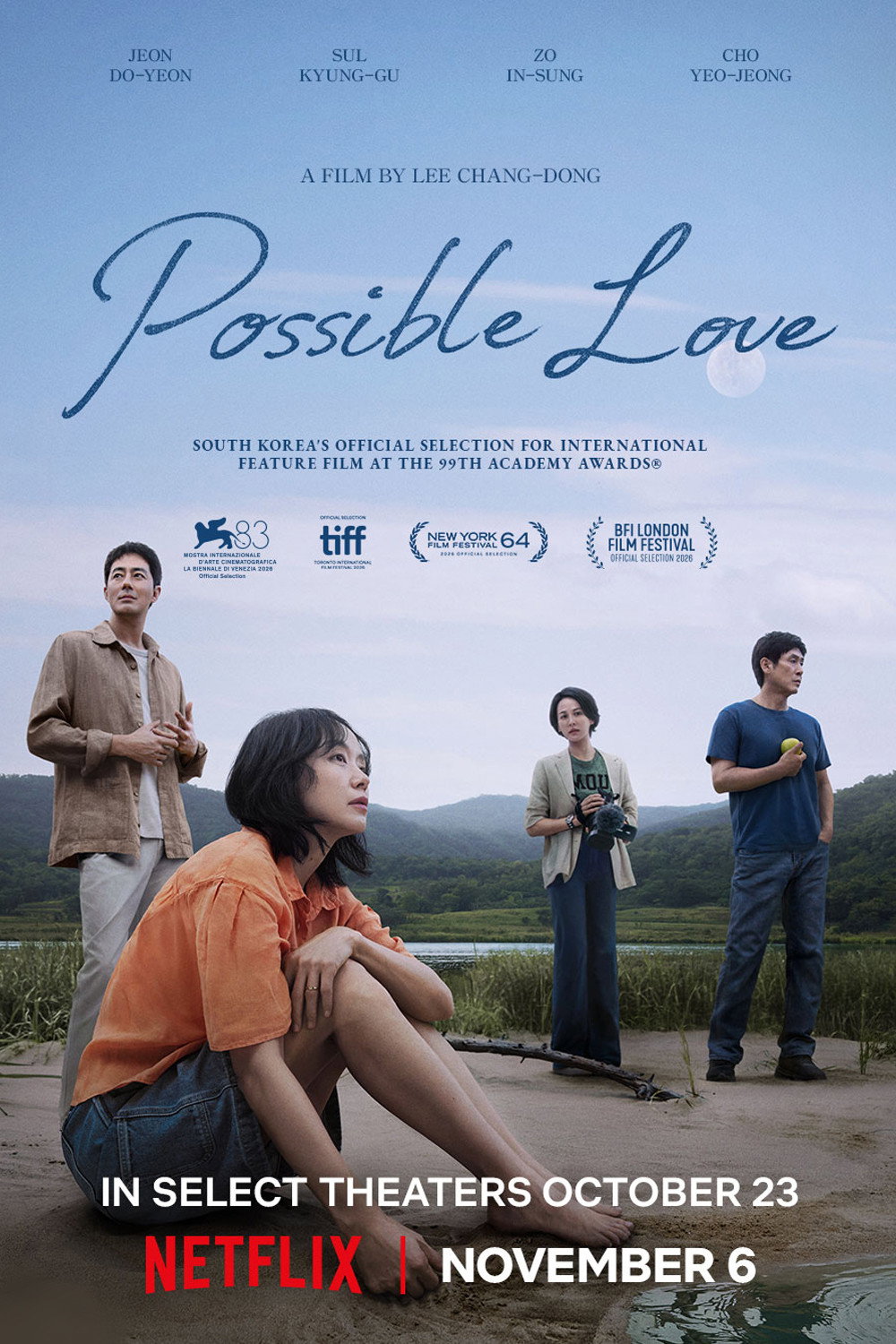
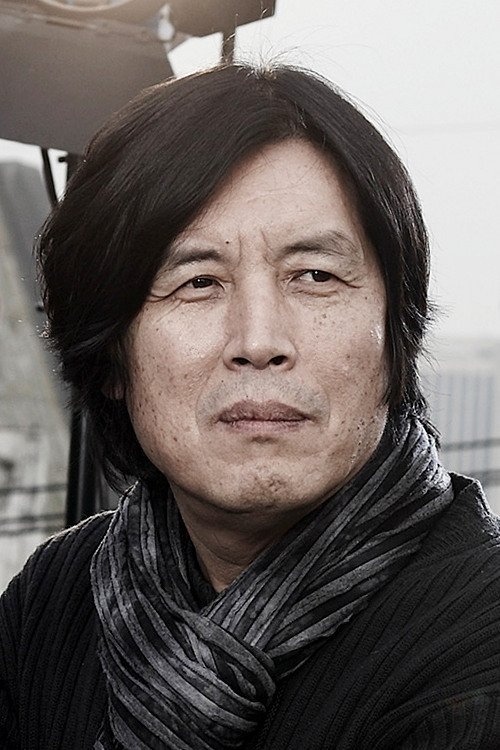
Lee Chang-dong is a South Korean film director and screenwriter. He made his directorial debut with Green Fish (1997) and has since directed Peppermint Candy (2000), Oasis (2002), Secret Sunshine (2007), Poetry (2010), Burning (2018) and Possible Love (2026). He also wrote the screenplays for several of these films.
Before entering cinema, he studied Korean literature at Kyungpook National University and worked as a high school teacher. He published novels and later contributed screenplays to films by Park Kwang-su. Lee served as South Korea’s Minister of Culture and Tourism from 2003 to 2004.