Lee Chang-dong turns a romantic triangle into a patient, unnerving thriller about money and jealousy. The uncertainty occasionally feels prolonged, but the three leads make small differences in confidence and desire worth watching.
Burning is an unusually patient thriller, and we think its patience is mostly justified. Lee Chang-dong begins with a romantic triangle and makes the unequal footing of the people in it uncomfortable before the mystery needs to be. Lee Jong-su wants what Ben appears to have without effort: money, confidence and the attention of Shin Hae-mi. Jealousy is already doing damage to his judgement. At 148 minutes, the film asks us to spend a long time with that discomfort, but its three leads give us good reason to stay.
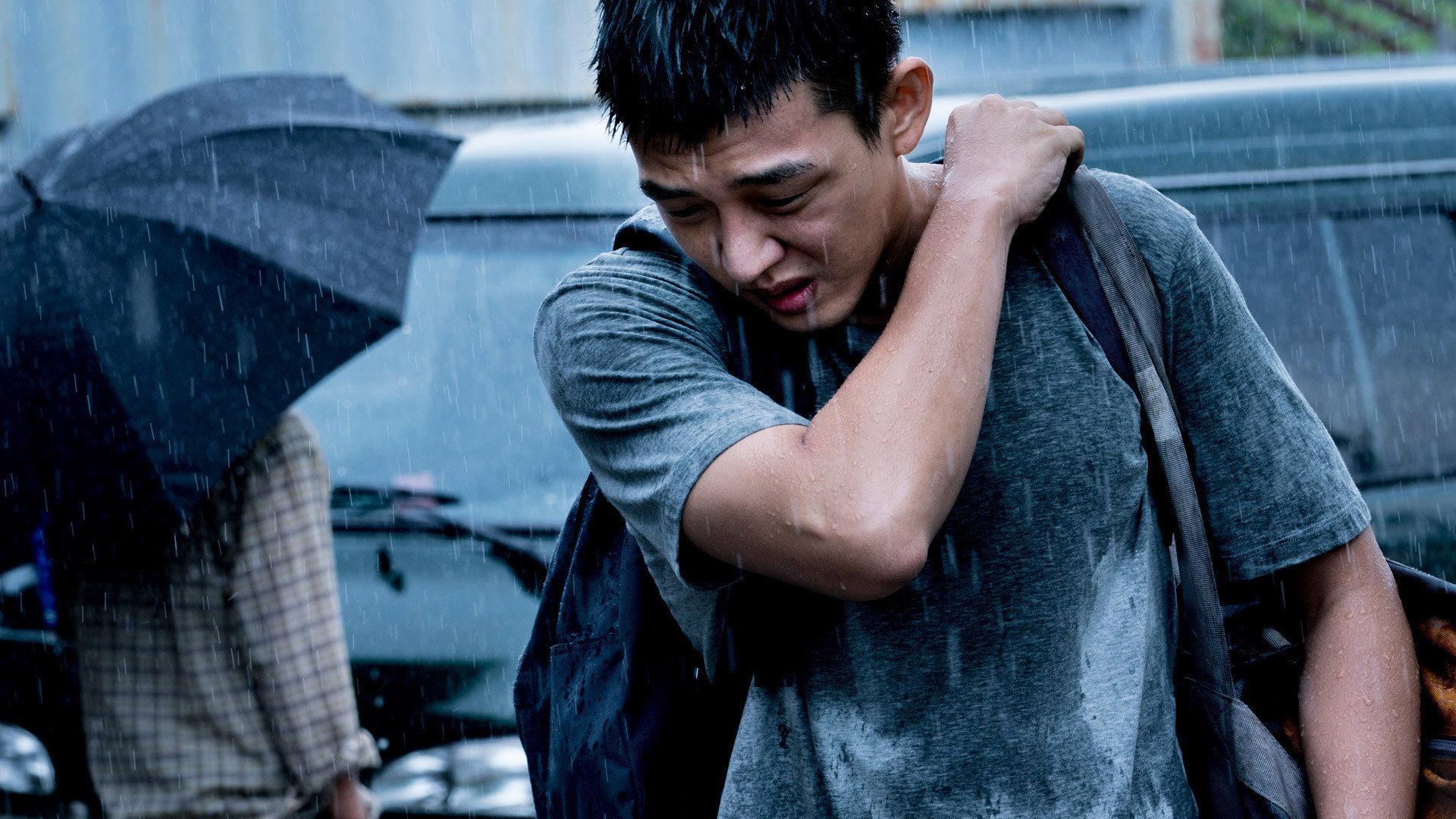
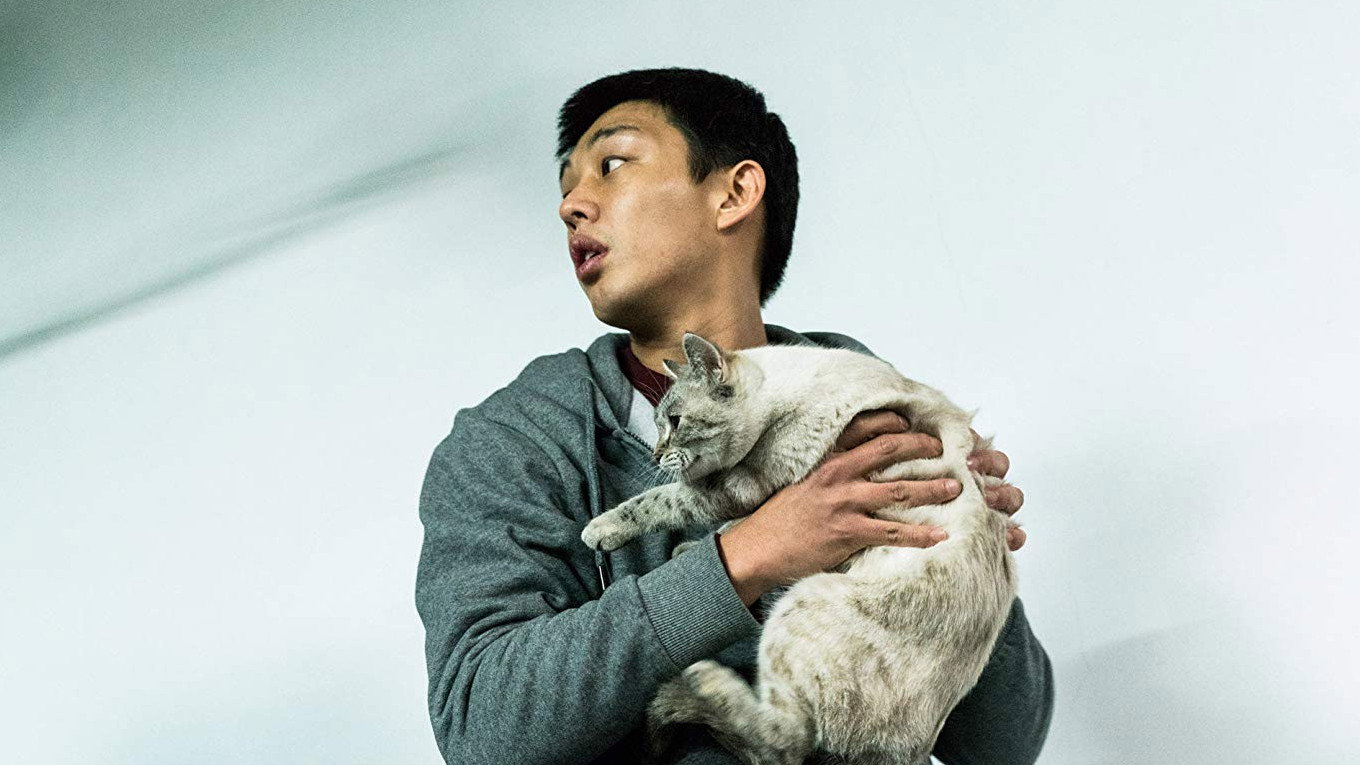
Yoo Ah-in makes Jong-su’s ineffectualness painful without turning him into someone we are obliged to pity. He seems poorly equipped to ask for what he wants, and still less equipped to accept that Hae-mi might want something else. The performance keeps frustration visible even when the character has little to offer the people around him. We can understand how he reaches a suspicion without agreeing that he has good grounds for it. That matters in a thriller that spends so much time attending to his uncertainty.
Steven Yeun plays Ben with a composure that gradually becomes harder to bear. His wealth is important, but his freedom from other people’s discomfort is what makes the performance so disturbing. We felt distinctly uneasy watching him alongside Jong-su, because Ben’s ease seems entirely unaffected by the embarrassment beside him. Playing the wealthy rival as an obvious villain would make things much simpler. Instead, the performance gives us no easy measure of how much Ben has noticed.
Jeon Jong-seo gives Hae-mi enough feeling and unpredictability to make the men’s competing interest in her seem inadequate. She does not play her as an answer to either man’s problems. The screenplay by Lee Chang-dong and Oh Jung-mi makes it difficult to separate Jong-su’s longing from his resentment of Ben’s advantages. Its class tension comes through the unequal ease of their encounters. We are allowed to notice how much the men want from Hae-mi, and how little their wanting necessarily tells them about her.
Hong Kyung-pyo’s cinematography makes new wealth and rural decay equally difficult to ignore. The contrast is clear without making the poorer surroundings look like an illustration supplied to explain Jong-su. Shin Jeom-hee’s production design helps make the difference in means tangible; the places these people occupy tell us how differently they can afford to live. Those surroundings remain worth looking at when nobody is advancing the mystery. The attention given to them helps the slower passages hold our interest.
Editors Kim Hyun and Kim Da-won let social unease carry stretches that a brisker thriller would hurry past. Mowg’s score helps sustain the strange calm around the characters, keeping the unease present without making the film feel hurried. Not every stretch earns the time it takes, though. There are passages when the same uncertainty is held before us long enough to become familiar, and the pressure slackens. The film could lose some of that waiting without making either the relationships or the mystery less troubling.
Anyone who chiefly enjoys a thriller for the pleasure of sorting evidence should know that suspicion itself gets more attention here than the business of investigating it. Lee Chang-dong keeps asking us to consider who is doing the looking, and what he wants to find. That can be frustrating, but Yoo Ah-in makes Jong-su’s need to understand Ben compelling enough to sustain the attention. Give it an evening when neither of you needs the plot to get a move on.