Michael Haneke’s surveillance thriller is absorbing and deeply unsettling, with Daniel Auteuil and Juliette Binoche making its threatened couple painfully credible. His determination to direct our judgement can feel overbearing, but the unease is earned.
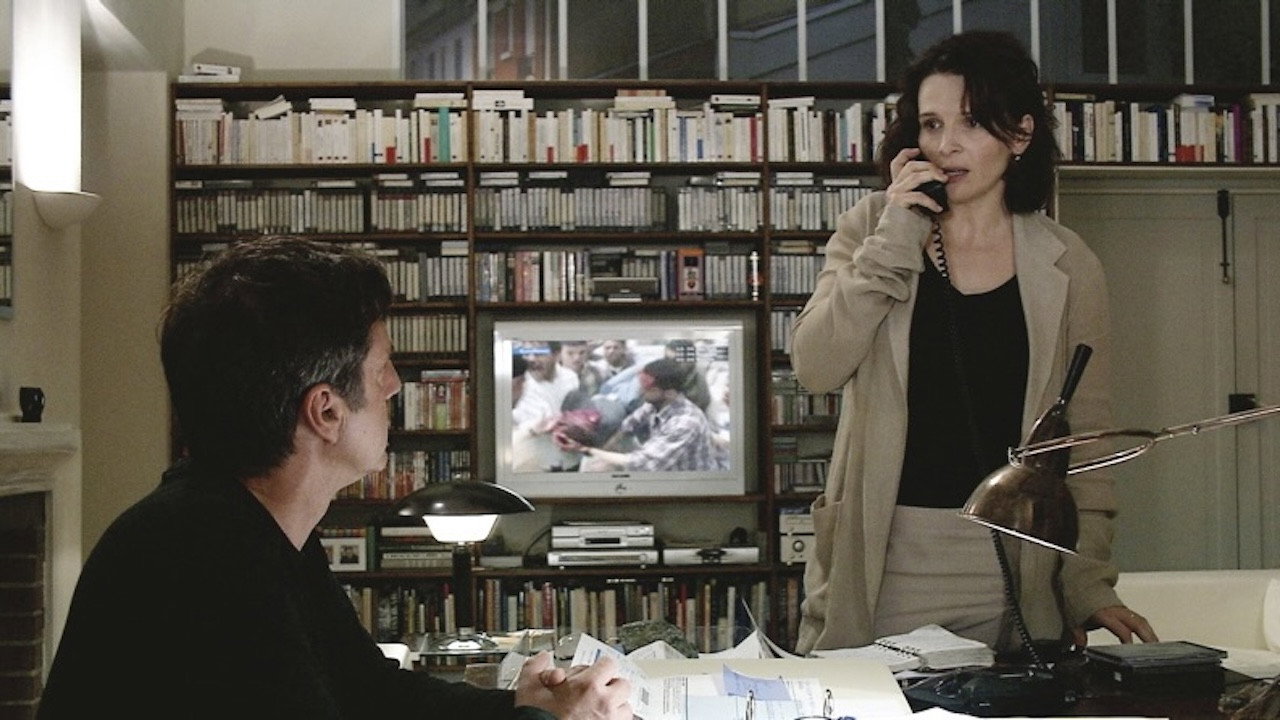
Michael Haneke’s Caché is an unnerving thriller, worth seeing for how precisely it makes being watched feel threatening. Georges and Anne Laurent, played by Daniel Auteuil and Juliette Binoche, receive surveillance recordings of their Paris home. The images offer little of the reassurance that evidence is supposed to provide: someone has looked closely at their lives, and the couple cannot control what that person knows. Haneke makes their discomfort hard to dismiss, even as he questions their wish to be left alone.
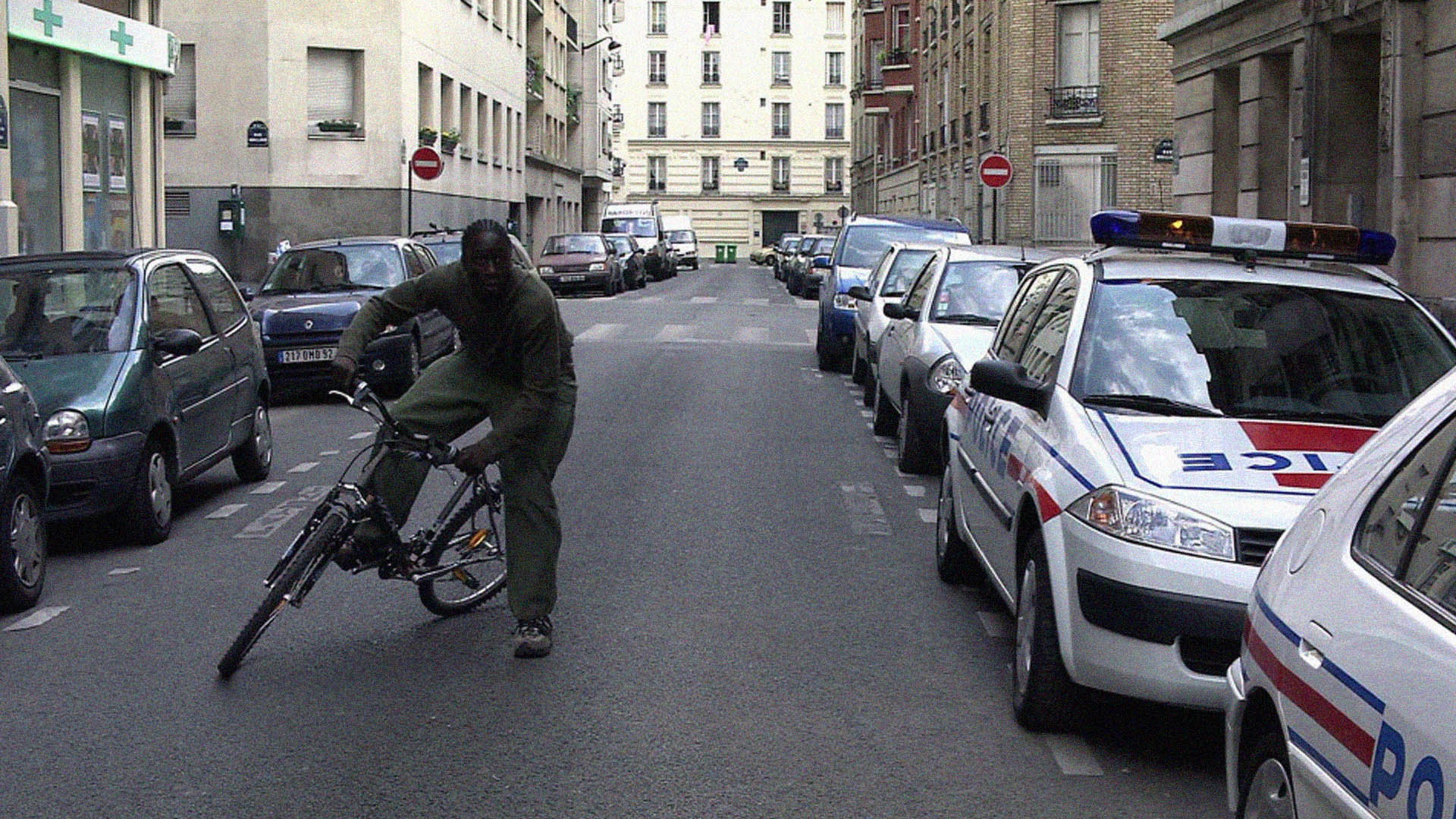
Christian Berger’s static images give us plenty of time to look and little help in deciding what matters. The opening surveillance view of the house seems innocuous, which makes the suggestion that someone is watching it more intrusive. We were unnerved by it: the longer it stayed before us, the harder we searched for a reason to be afraid. An ordinary home starts to feel exposed simply because someone has taken the trouble to watch it.
Editors Nadine Muse and Michael Hudecek make the movement between videotape and the film’s other images difficult to settle into. The long takes deny us the brisk sequence of clues we might expect from a mystery, while those shifts keep us checking what sort of image we are watching. We cannot comfortably assume that the next shot will make anything clearer. The editing works because it allows doubt to develop before offering another image to examine, rather than hurrying us towards an explanation.
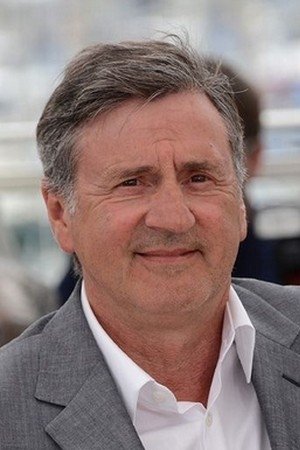
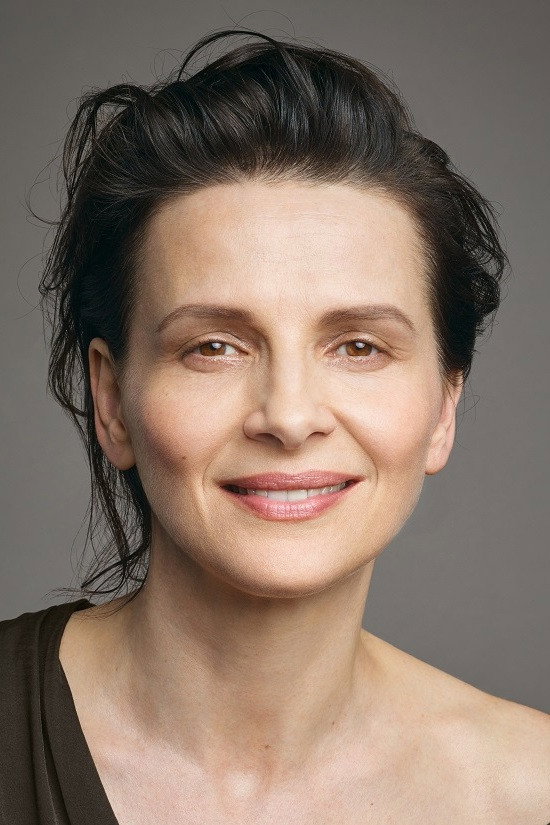
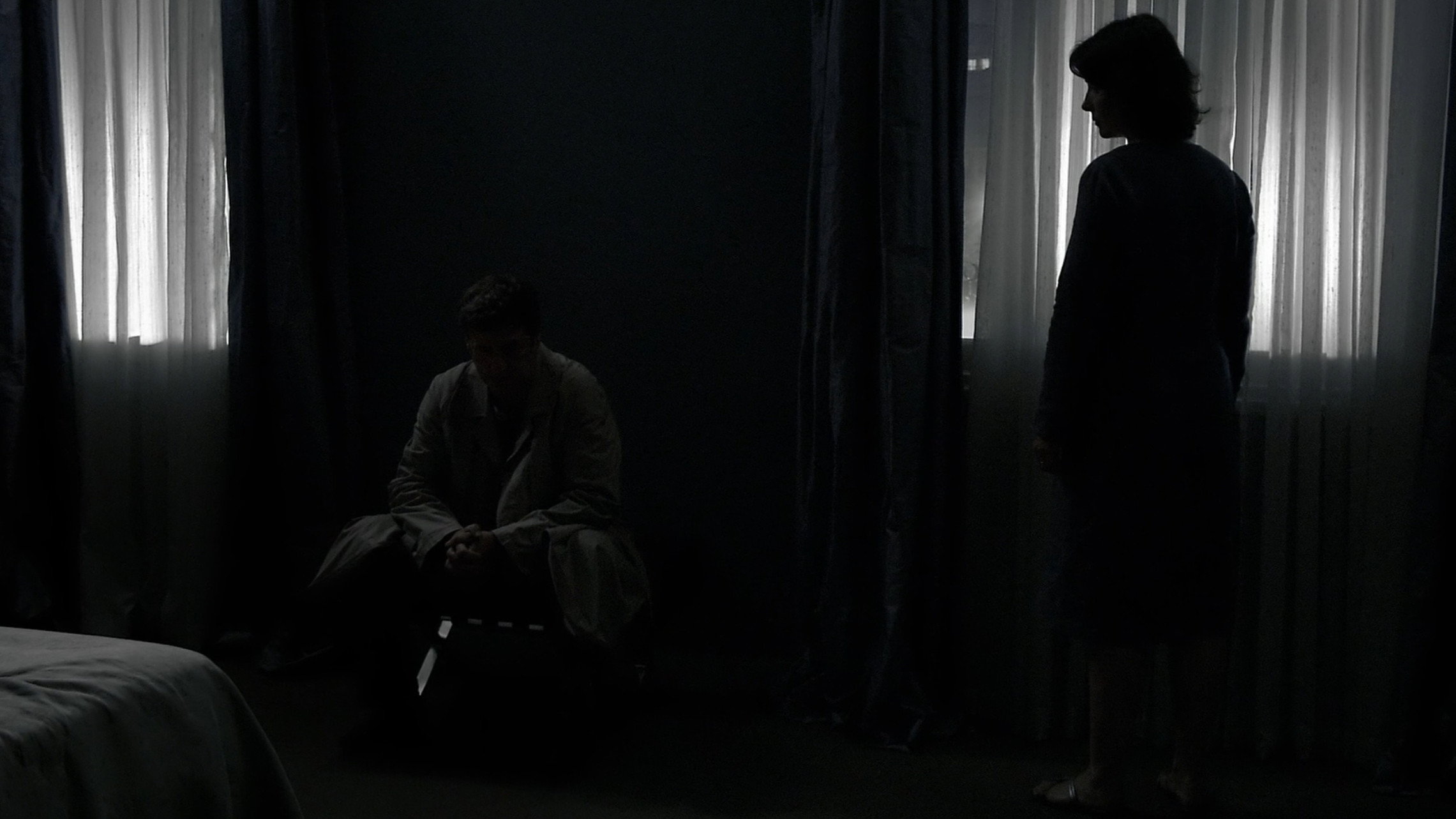
Auteuil is especially good at making Georges’s alarm seem reasonable without making his account of himself easy to accept. His defensiveness gives Haneke’s questions about guilt a human scale: we can understand his fear while disliking the limits he puts on his responsibility. Binoche makes Anne’s unease equally credible, preventing the couple from becoming merely prosperous people waiting for their comeuppance. We care what this intrusion is doing to them, and both performances allow their distress to be unpleasant without becoming exaggerated.
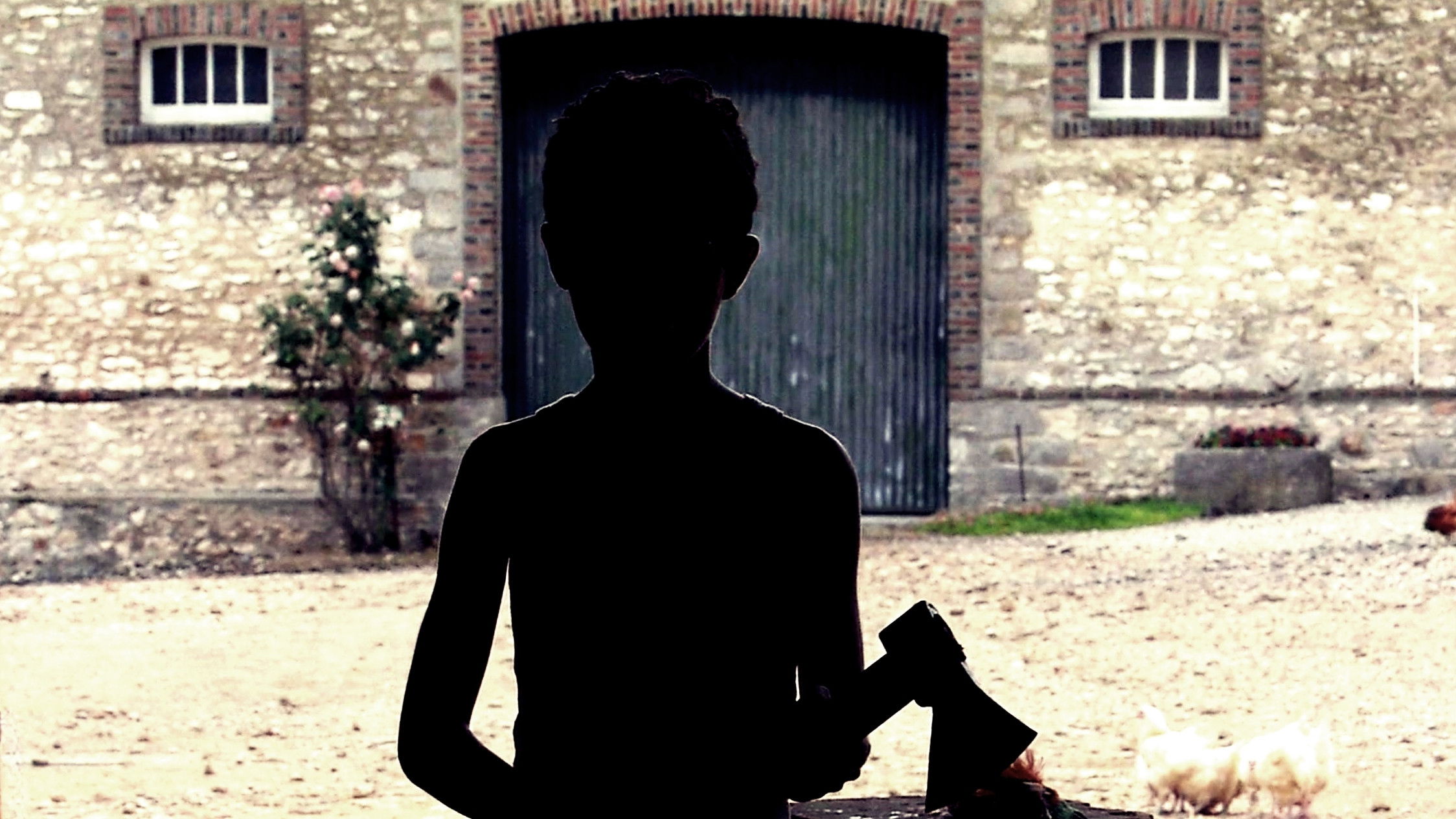
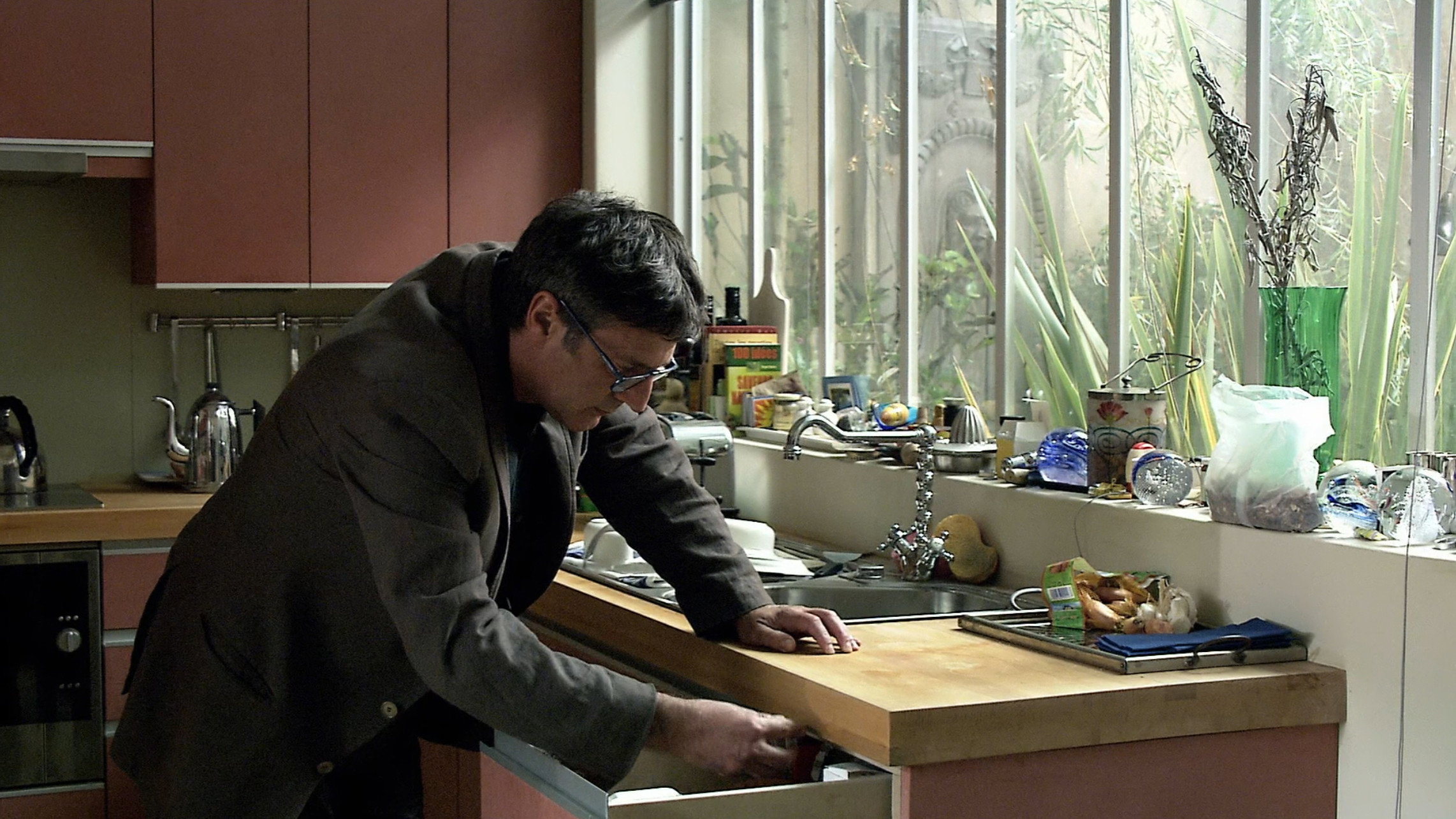
Production designers Christoph Kanter and Emmanuel de Chauvigny supply the comfortable domestic setting that the recordings make threatening. It works because the home gives us no immediate reason to suspect danger; the act of recording it is enough to change how we look at it. Haneke, who also wrote the screenplay, connects the couple’s distress to buried childhood guilt and France’s treatment of Algeria. We need not know the details of Georges’s history to recognise his wish to keep unpleasant knowledge outside a comfortable life.
The reservation is that Haneke’s control can make a response feel compulsory. Georges’s self-protection is examined so insistently that there are stretches when the film seems to have judged him before allowing us to do much judging ourselves. Anne remains persuasive, but we wanted more room for her experience beyond what it reveals about the household. Binoche deserves more time away from Georges and his troubles, where her responses might matter for their own sake.
As a mystery, Caché asks for closer attention than the familiar hunt for a culprit. Its strongest suspense comes from watching people defend their version of events, with consequences they would rather not consider. That is demanding company for an evening, but the performances keep the questions attached to people we believe in. Watch it with someone prepared to disagree about Georges afterwards.