Michael Haneke makes quiet cruelty hard to bear, helped by actors who keep the suffering human. We admire his discipline, though his habit of lecturing the audience can make an already difficult evening unnecessarily wearing.
Fi1m perspective
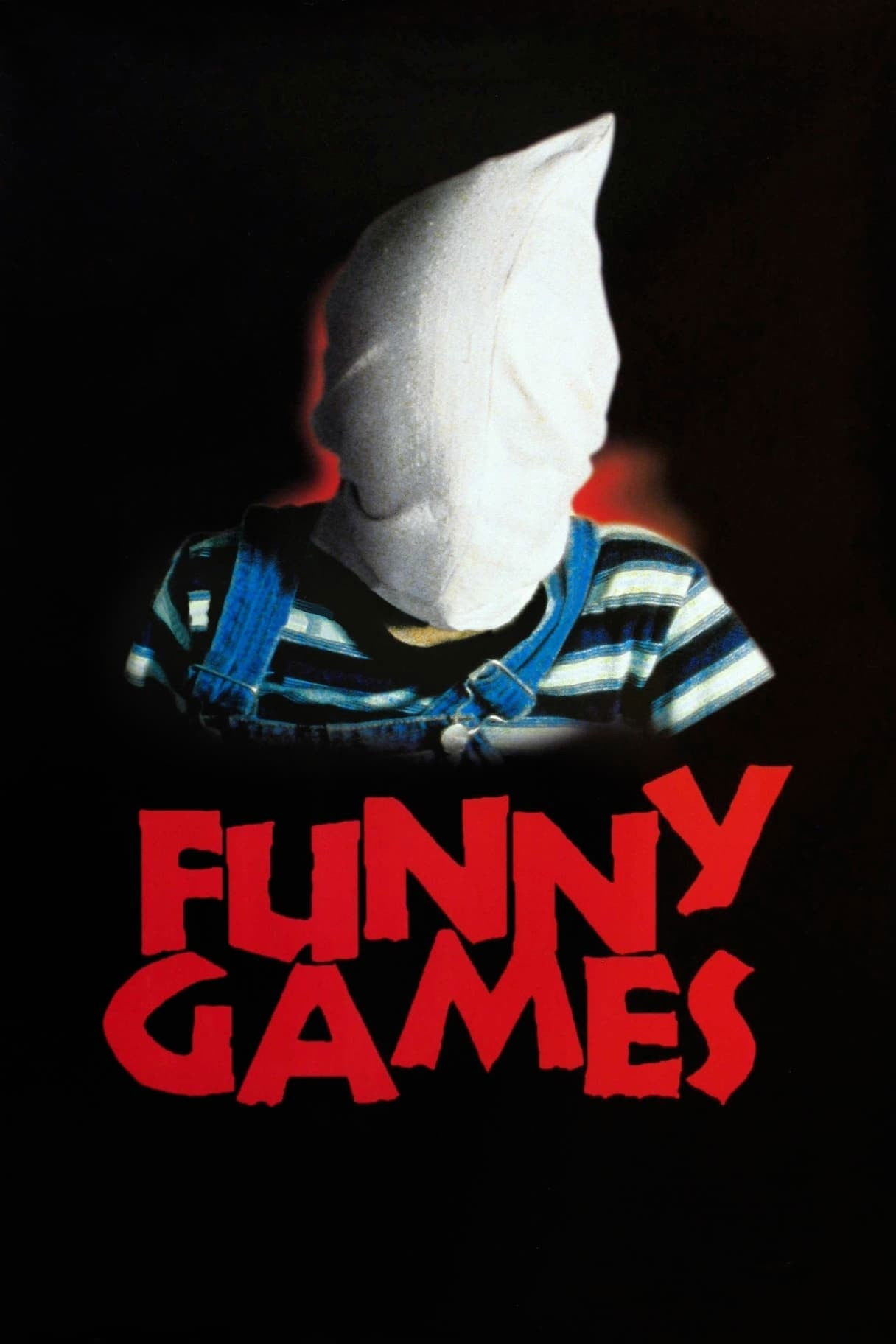
Two polite young men make a family's life unbearable in Funny Games (1997), and Haneke gives them no motive that might help us explain them away. He concentrates on power and humiliation, making ordinary manners threatening. We were frightened by their courtesy, because it offers none of the warning that obvious rage would give. This is where his direction earns our confidence: he knows how to sustain dread without offering elaborate injuries as entertainment.
His first cinema feature, The Seventh Continent (1989), began a trilogy about social alienation, continued in Benny’s Video (1992) and 71 Fragments of a Chronology of Chance (1994). Funny Games brought wider international attention and made the viewer's consumption of violence an explicit concern. The later films broaden the scrutiny to repression in The Piano Teacher (2001) and guilt and surveillance in Caché (2005). With Amour (2012), the attention turns to ageing and love; there is more to his interests than the cruelty of Funny Games might suggest.
His long takes and fixed camera positions prolong discomfort by denying us the relief of a cut. His collaborators include cinematographers Christian Berger and Jürgen Jürges, and editor Monika Willi. Yet the achievement we value most in Funny Games is the acting. Susanne Lothar and Ulrich Mühe keep the family painfully human, giving us people to fear for even when Haneke seems more concerned with correcting us.
The trouble with Funny Games is Haneke's confidence about what our distress proves. His screenplay leaves too little room for the possibility that we care about the family without secretly enjoying its suffering. Once the accusation has registered, the prolonged scenes begin to feel like repeated instructions, and our attention shifts from the people to the director pressing his case. We would rather be allowed to stay with the family. Watch Funny Games for the dread, with no obligation to accept the lecture.
Biography
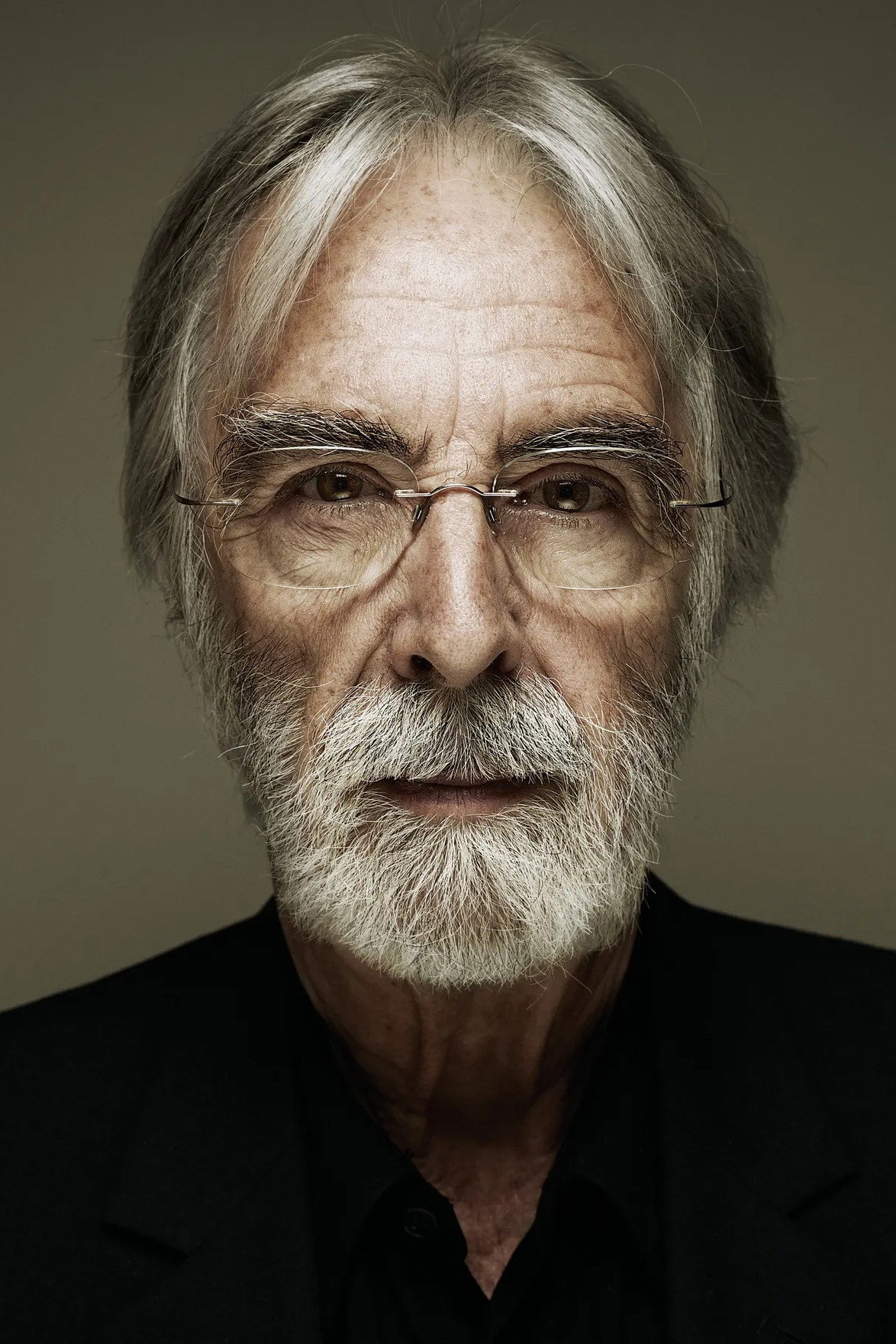
Michael Haneke is an Austrian director and screenwriter. Born in Munich, Germany, he was raised in Austria and studied philosophy, psychology and drama at the University of Vienna. He began his career in television and theatre before making his first feature film, The Seventh Continent, in 1989.
Haneke is known for films including Funny Games (1997), which he also wrote, The Piano Teacher (2001), Caché (2005), The White Ribbon (2009) and Amour (2012). He directed a shot-for-shot English-language remake of Funny Games in 2007. His work has received the Palme d'Or at Cannes twice, for The White Ribbon and Amour.