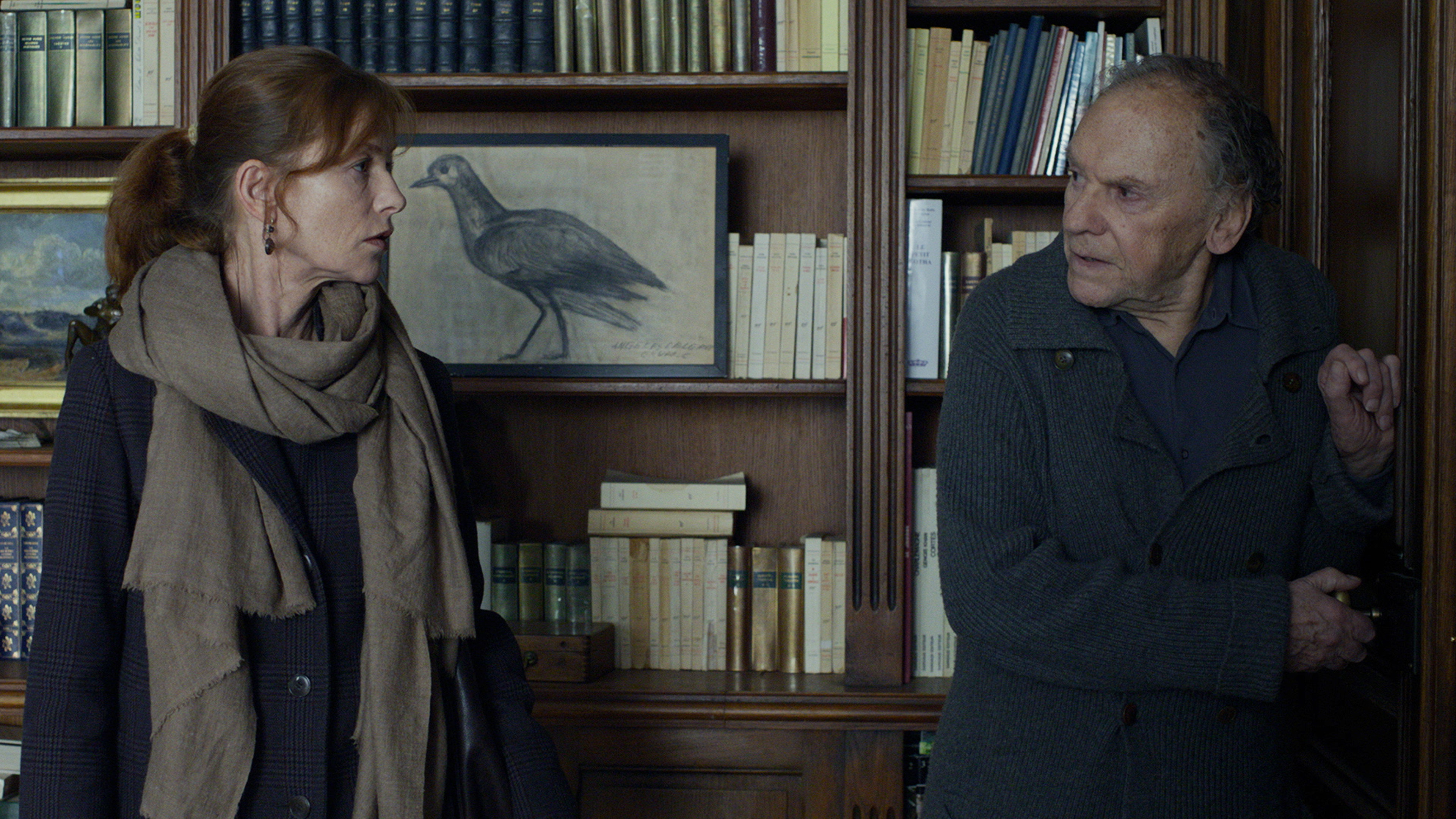
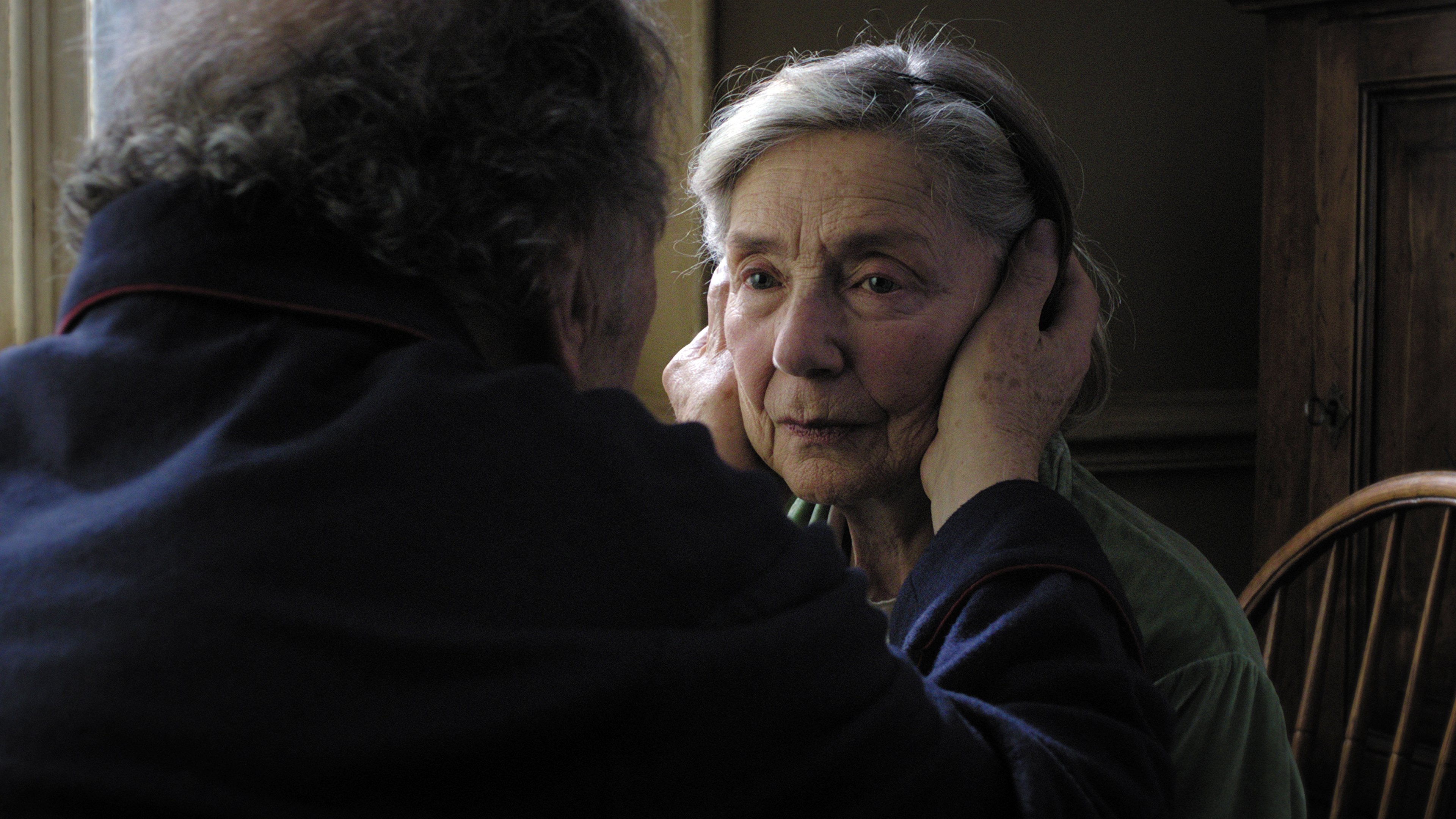
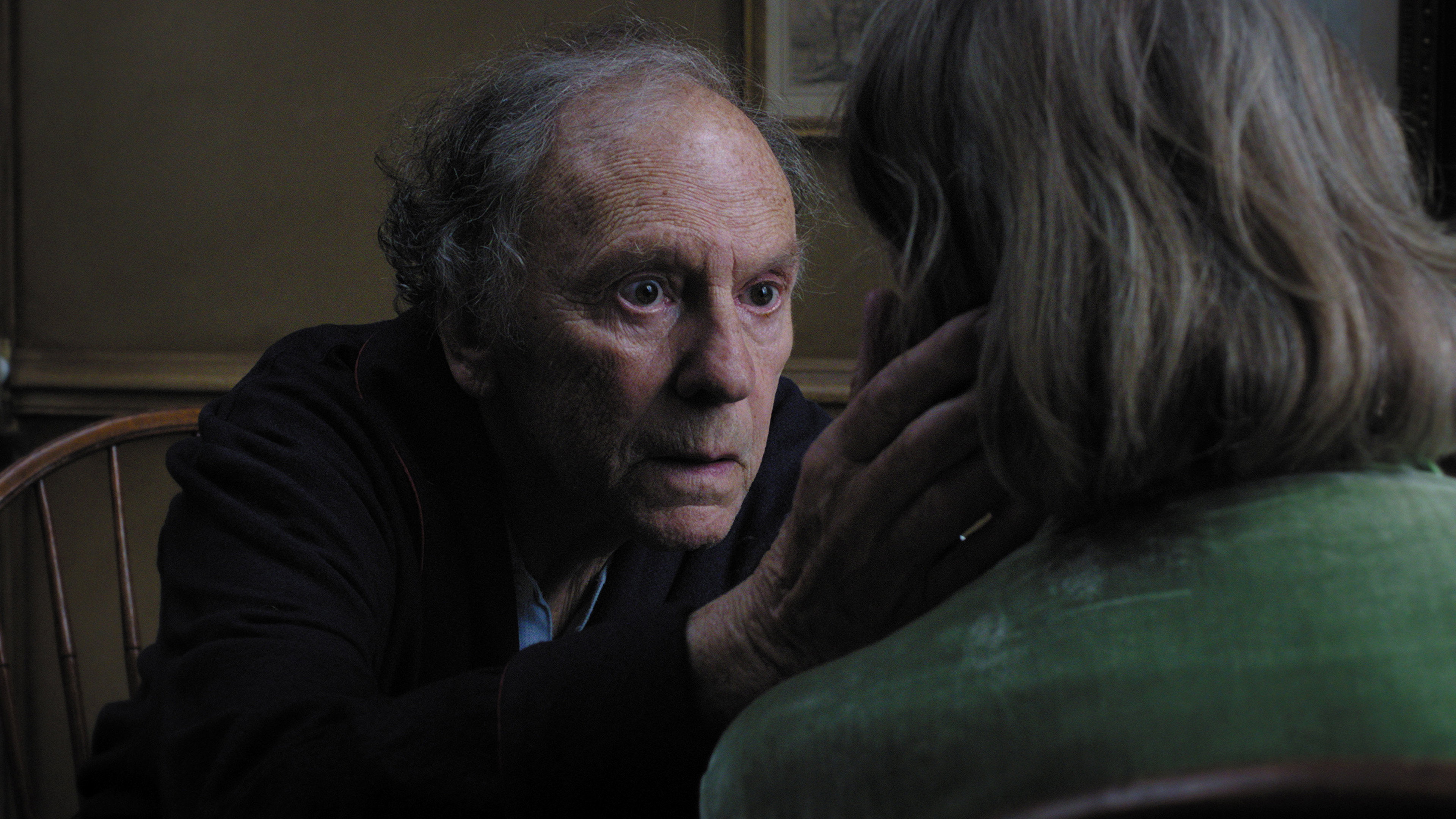
Michael Haneke’s Amour is a painful, deeply affecting account of a marriage under the strain of illness. Its strict restraint sometimes feels oppressive, but Jean-Louis Trintignant and Emmanuelle Riva make the couple worth staying with.
We recommend Amour, though its account of caring for an ailing partner is hard to sit with. Michael Haneke writes and directs without offering the consoling thought that loving somebody makes looking after them straightforward. Georges and Anne are elderly, married and living in a Paris flat when a stroke changes their life together. He takes their love seriously enough to give the work of caring as much attention as the affection that makes it possible.
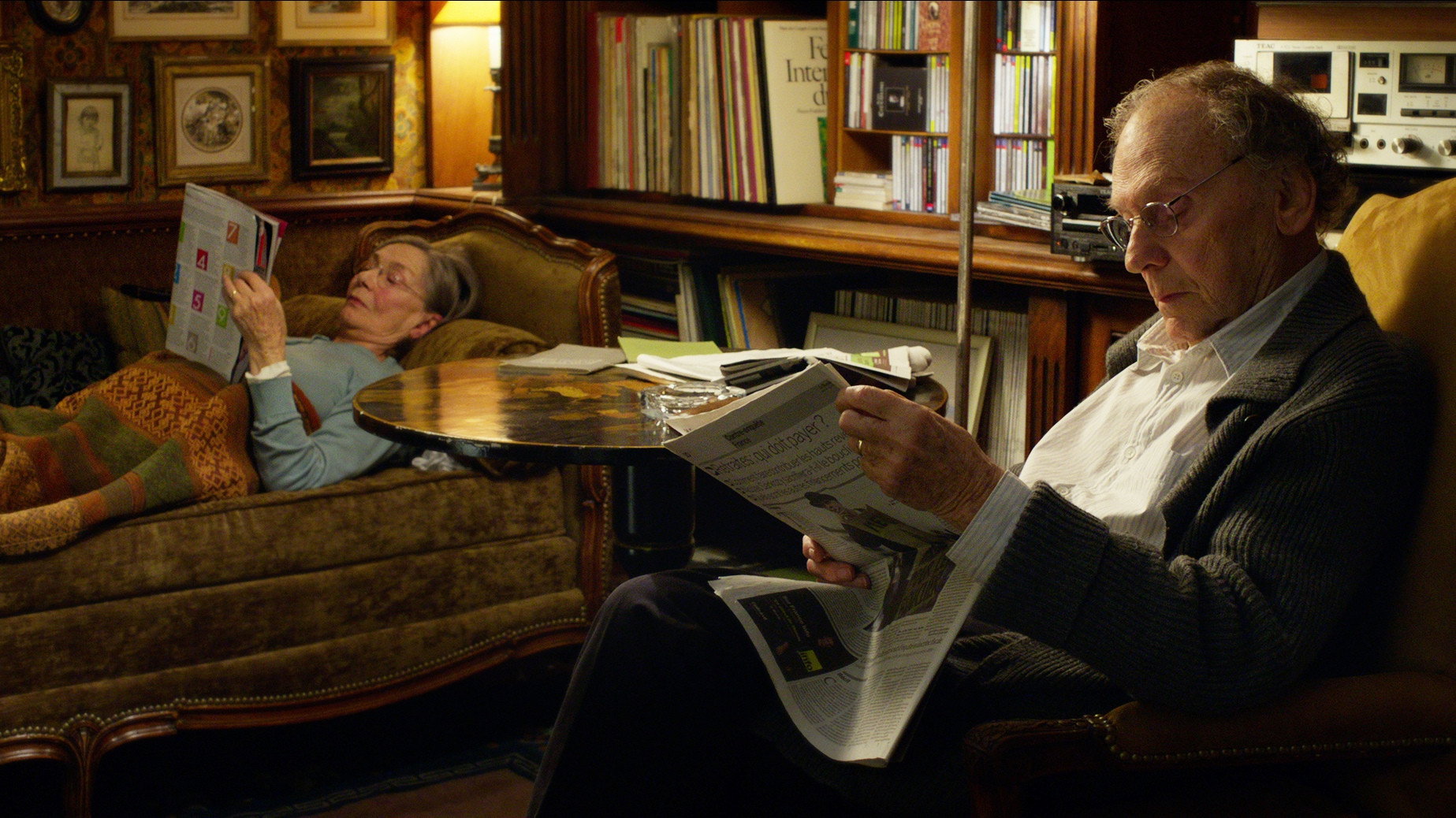
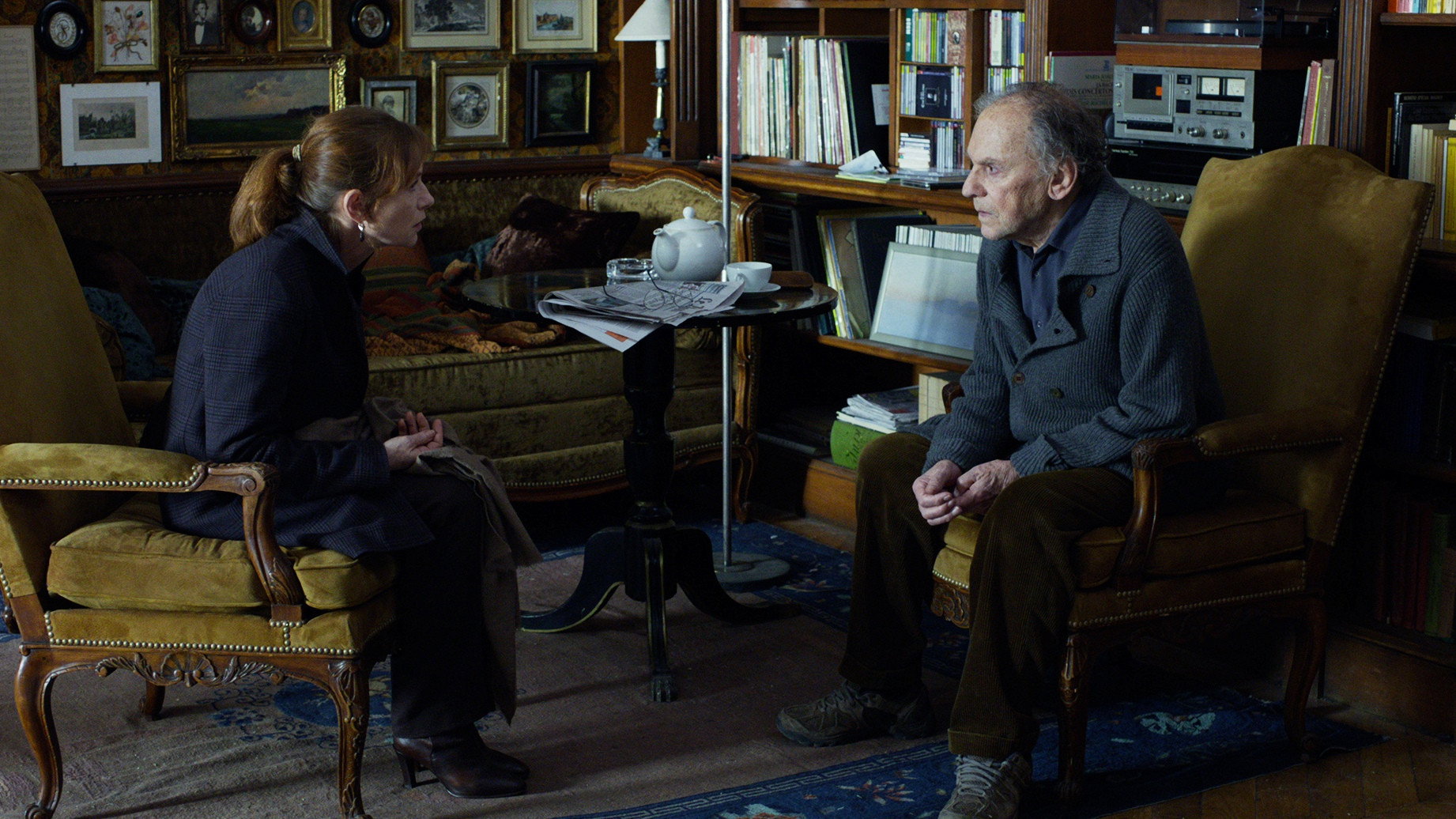
Jean-Louis Trintignant plays Georges without asking us to congratulate him for his loyalty. He gives the care an effortfulness that a more reassuring performance might have concealed. Irritation has room to exist here, without being treated as proof that love has failed. We believe in the length of the marriage because Georges seems accustomed to Anne as a person, including the parts of her he cannot manage.
Emmanuelle Riva is just as important to that belief. Anne’s physical decline is hard to watch because Riva keeps her recognisable as somebody with wishes of her own, including wishes that make caring for her difficult. We were frightened by the strain she makes visible in Anne’s body. The performance never lets the illness become a convenient way of making her meek or grateful.
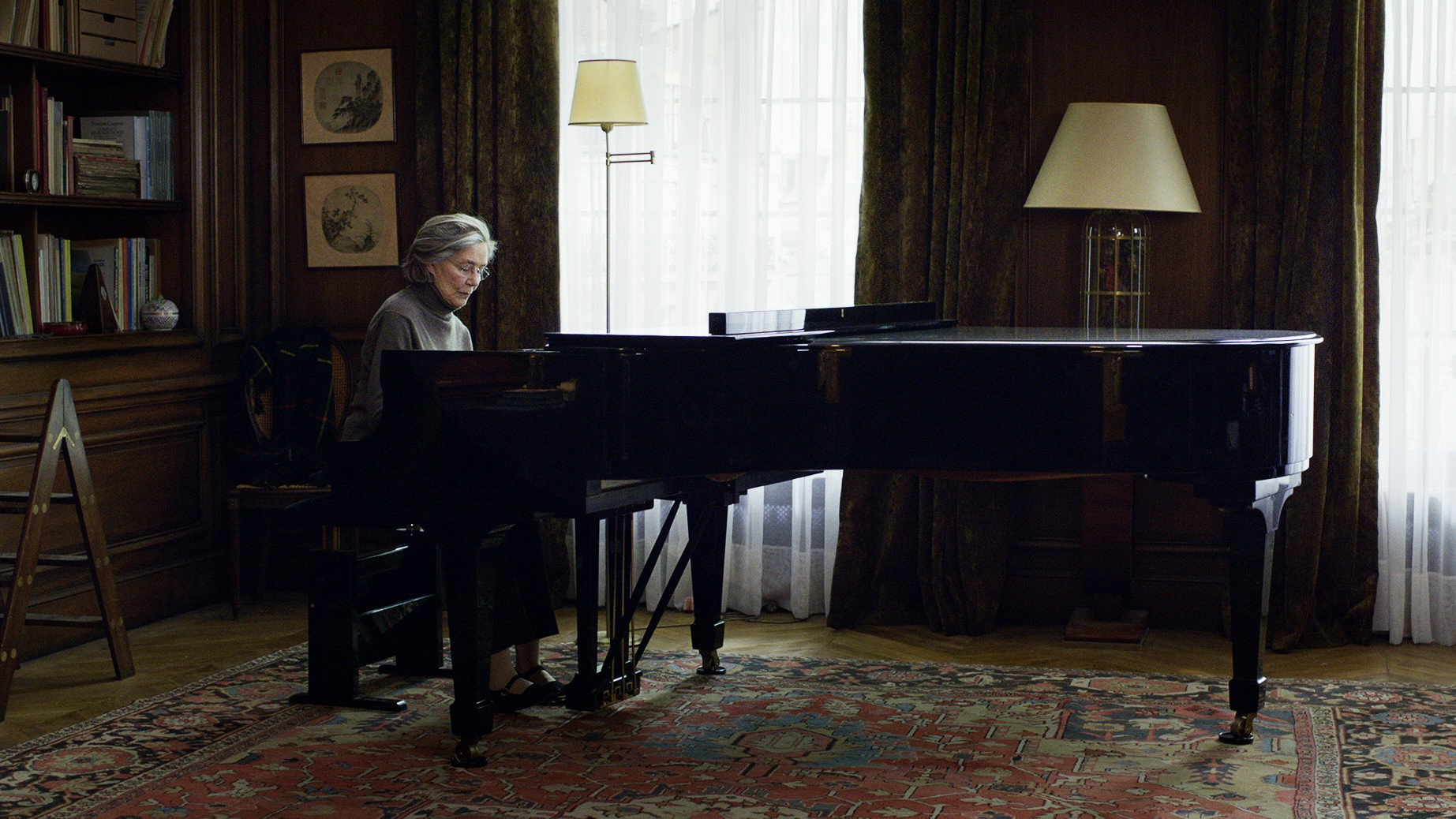
Darius Khondji photographs the Paris flat with a restraint that keeps our attention on its occupants. Jean-Vincent Puzos’s production design gives us a believable home, making the couple’s confinement there harder to dismiss as a contrivance. The rooms matter because they are where the care has to happen, and their familiarity does nothing to ease it. This narrow setting works: a change of location would offer a break that Georges and Anne cannot readily take.
Editors Monika Willi and Nadine Muse let the performances establish the pace, giving physical effort time to register. The slowness makes the demands of care felt without needing them explained. There is no music added from outside the scenes to guide our response. That helps Riva and Trintignant work without sentimental prompting, and leaves us to decide how much comfort their affection provides.
Haneke’s control is also our reservation. The deliberate pace and restricted setting can feel punitive, as though any moment of relief would amount to letting us off too lightly. Riva and Trintignant allow mixed feelings into their performances, but the direction occasionally presses too hard for distress. Some of the waiting could be shorter without making the illness seem easier.
A drama about old age can too easily turn its characters into examples of courage or warnings about what awaits the rest of us. Amour largely avoids that because these performances keep Georges and Anne distinct, with wishes that do not conveniently become identical when one of them is ill. At 127 minutes, it asks for concentration and offers little rest. Choose it when there is time afterwards to talk, or simply to be quiet together.