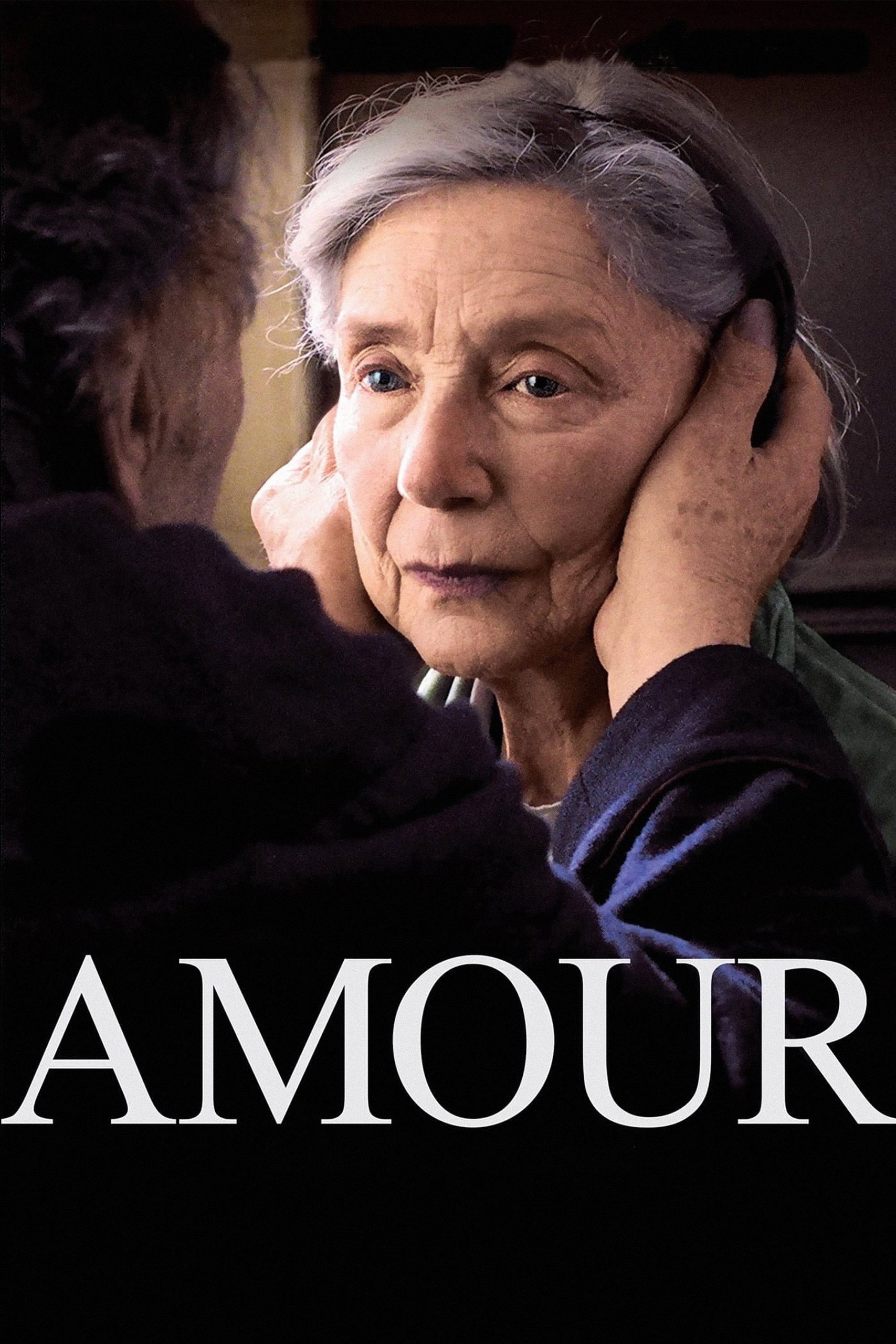
Most critics respond warmly to Amour’s unsentimental account of an elderly marriage under the strain of illness. Praise centres on Emmanuelle Riva and Jean-Louis Trintignant, whose subtle, physically exact performances make the daily work of caring painful to watch. Haneke’s restrained direction also earns broad approval for confronting decline without forcing sentiment. Many reviews find unusual tenderness in his treatment of the couple, though others hear the familiar chill beneath it.
The disagreement concerns whether that restraint allows compassion or keeps the characters at a distance. The Hollywood Reporter admires the honesty but warns that the experience is deliberately punishing. Slant Magazine disputes the prevailing view more sharply, finding manipulation and little insight behind the strong performances; The New Yorker likewise finds the characters lacking inner life. The consensus is strongly favourable, then, but the dissent challenges the emotional honesty that most critics value most.
T
Time Out
13 November 2012 · ★★★★★ · Dave Calhoun
100
A staggering, intensely moving and devastatingly original look at old age and life’s end that offers new perspectives on love and death. It features two performances of incredible skill and wisdom at its heart, making it a masterpiece of loyalty and pragmatism.
Haneke's rigorous, unsentimental Palme d'Or winner confronts the ravages of old age and dementia on a lifelong marriage without manipulation or non-diegetic music. It becomes one of the greatest films about old age and a profound love story for the ages—uncomfortable, uncompromising and utterly unmissable.
Haneke places old age and terminal illness under the microscope, resulting in a sensitive, heartfelt and humane film rather than a cold study. It confronts profound questions about losing a soulmate with warmth, nobility and love, scarring all the deeper for eschewing the director's usual nihilism.
A formidable and towering piece of craft that offers a rare glimpse of the director’s humane side, with astounding performances as its pillars. The stately film demonstrates undying affection without forcing undue sentiment, resulting in escalating melancholy and bitter acceptance.
The critic describes a painful chamber drama about an elderly couple facing the aftermath of a stroke and dementia, with Haneke's trademark chill intact but applied to an intimate, human story of love and loss. The austere direction and lead performances by Trintignant and Riva are singled out as disturbing, enigmatic, and deeply moving.
Haneke offers a cool, restrained examination of nature's cruelty through an elderly couple's experience of stroke, dementia and decline in their Paris apartment. The film is undeniably sad yet not unbearable, truthfully confronting mortality while highlighting the consolations of enduring love and stoicism.
The critic describes the film as Haneke charting the decline of an elderly couple with clinical dispassion, noting its wintry tone and how it comes closest to pity among his works because nature outdoes his usual cruelty, while highlighting the magnificent performances and the persistence of love or rage.
Haneke's Palme d'Or contender is a sad, humane story of octogenarian spouses facing terminal decline, with wonderful performances from Emmanuelle Riva and Jean-Louis Trintignant. It shows more sympathy than usual for its characters and speaks about the autumn of life in a humane way.
The critic views Amour as a controlled portrayal of unconditional love in the face of terminal illness, highlighting the central performances but noting the film feels strategically designed for awards acclaim.
The critic argues that Amour is ultimately hollow and manipulative, a deeply edifying horror film that feeds on the audience's fear of mortality without genuine empathy or insight, accusing Haneke of duplicity and insincerity despite strong performances from the leads.
Turan hails “Amour” as a perfect storm of ruthless restraint and passion, a devastating look at enduring love amid physical decline, crediting the masterful minimalist direction and the extraordinary, subtle acting of Riva and Trintignant.
A sober, rigorous and magnificent collaboration with veteran actors that is a worthy addition to films tackling old age seriously. It is a film of delicacy and immense force, with performances of a lifetime that tell it like it is about mortality.
Haneke's study of love’s ultimate transcendence defies expectations with compassion for its characters and respect for its audience. It emerges as a delicate and tender elegy for a lifetime of love, with breathtaking performances from Emmanuelle Riva and Jean-Louis Trintignant.
The critic calls it a sincere, un-ironic love story at its core that plumbs depths of devotion and depicts the purest act of sacrifice, while also offering a brutally honest look at the indignities of old age and illness, praising its stark power and profound emotional impact.
The critic praises the film's magnificent simplicity and relentless honesty about old age, illness and dying, highlighting career-high performances from the leads, but notes it is a deliberately torturous watch unlikely to reach wide audiences beyond Haneke's fans.
Brody criticizes the film as sterile and contrived, arguing that Haneke manipulates viewers into complicity with a depicted mercy killing through overly idealized characters and a repressed style that avoids genuine emotional depth. He singles out the lack of inner life and the smug pleasure in the killing scene for complaint.
The critic praises the film's intimate portrayal of enduring love and dignity in the face of illness, highlighting the subtle performances of the leads as particularly moving. He notes Haneke's shift to a more tender approach compared to his earlier confrontational works.
Amour stands out among Best Picture nominees for its unflinching realism about love, aging and death; the critic praises its emotional honesty and the physical performances of its leads.
The critic calls the film sad, wrenching and devastating yet praises its brutal honesty and emotional truth as making it one of the year’s best films. The veteran leads deliver powerful, heartbreaking performances without sentimentality.
The critic finds the film agonizing and brutally honest about the decay of a marriage due to illness, but criticizes it for feeling obvious and exploitative rather than revelatory. He praises the subtle performances of the lead actors.
The critic finds it a tough, harrowing picture that remains optimistic and full of heart. They single out the committed performances of Jean-Louis Trintignant and especially Emmanuelle Riva for praise.
Haneke delivers a pitiless yet tender study of an elderly couple facing death; the film is noted for its personal inspiration and moving central performances despite its unflinching approach.
Haneke creates an emotionally direct and compassionate work about love in decline; the critic singles out the dignified, courageous performances of Trintignant and Riva as beyond praise.
13 November 2012 · 8.5 out of 10 · Germain Lussier
The critic calls it probably the saddest happy movie ever made that transforms terrible pain into an affirmation of life. They single out Haneke's realism and the lead performances for praise.
The critic describes Amour as a powerful and horrifying exploration of aging and illness that illuminates both the horrors and beauty of the elderly couple's relationship without exploitation. He notes it leaves the viewer unsettled while pondering the meaning of love and care.
Ordered by the weight we give each publication, then by score. Scores are normalised to 100; * means inferred from an unrated review. Summaries are ours, not quotations; follow the links for the reviews themselves. How we rate